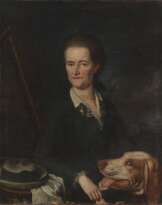
Mattia Preti (1613 - 1699)
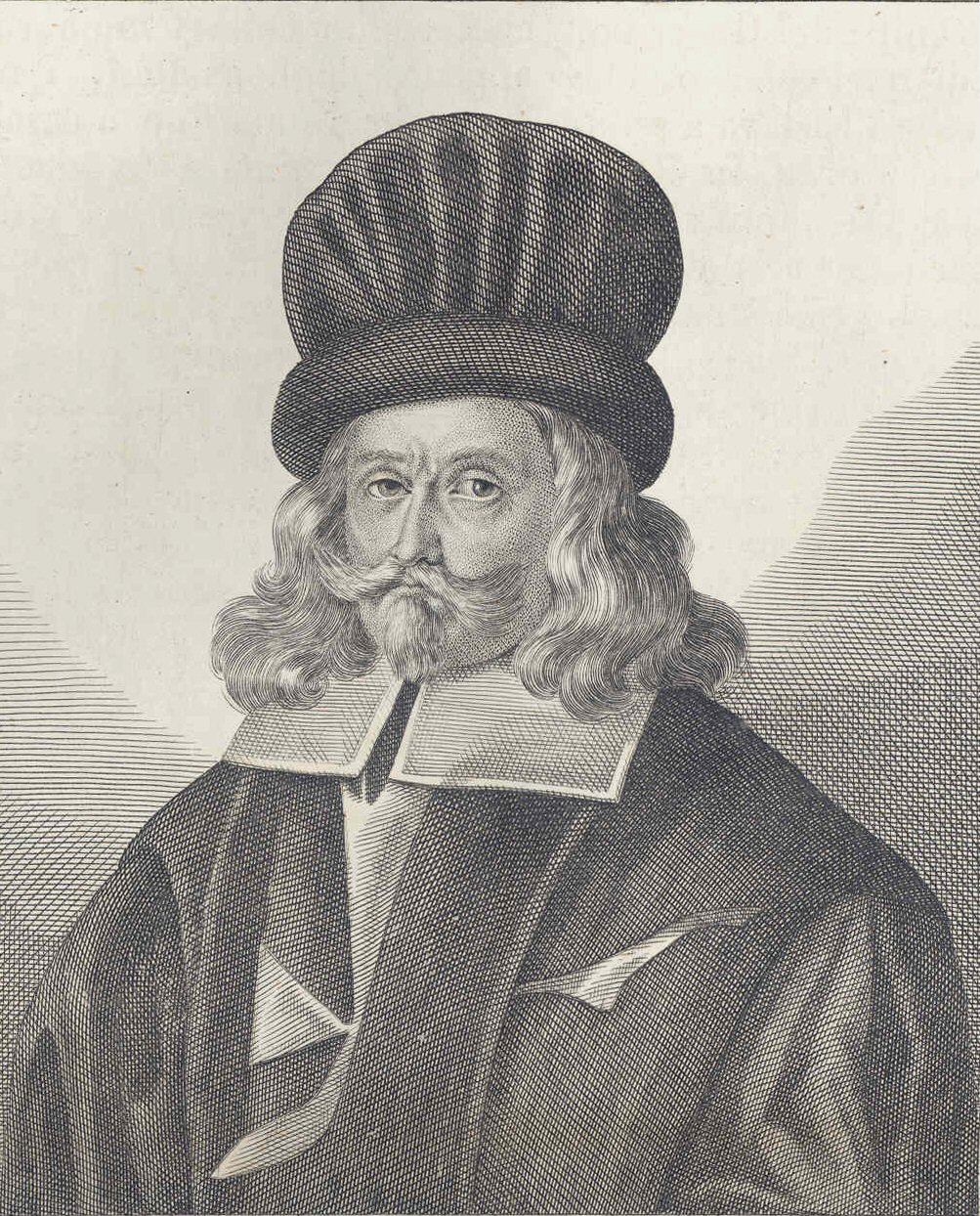
Mattia Preti
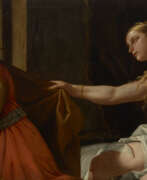
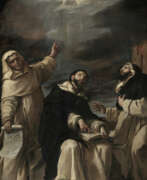
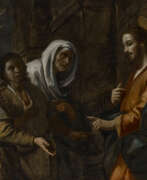
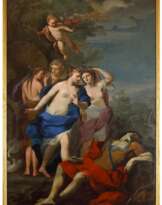
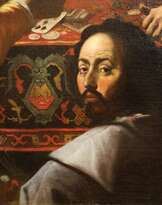
Mattia Preti was an Italian Baroque artist renowned for his dynamic and dramatic style, heavily influenced by Caravaggio. Born in Taverna, Calabria, in 1613, Preti's work spanned Italy and Malta, where he became a Knight of the Order of St. John and significantly contributed to the artistic landscape with his religious and mythological scenes. His career took him from Rome, where he was influenced by major painters of the early 17th century like Domenichino and Pietro da Cortona, to Naples and finally Malta, where he left an indelible mark on the St. John's Co-Cathedral through a series of paintings on the life and martyrdom of St. John the Baptist.
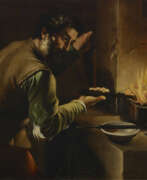
Preti's work is characterized by a rich Caravaggesque influence, noted for its vivid naturalism and dramatic use of light and shadow. However, his later works also display a blend of influences, including Neovenetian atmospheres and a reflection on Bolognese classicism, showcasing his versatility in adapting and synthesizing various stylistic elements of his time. Preti's paintings are celebrated for their emotional intensity and the ability to convey complex biblical and historical narratives with a profound sense of humanity and divine inspiration.
His paintings are held in prestigious museums worldwide, including the Louvre in Paris, the Museo del Prado in Madrid, and the National Museum of Fine Arts in Malta, featuring masterpieces such as "The Martyrdom of St. John the Baptist" and "The Death of Sophonisba". Preti's commitment to Caravaggesque vocabulary, even as he explored the influences of Veronese and possibly Rembrandt, showcases his unique position in the Baroque era, bridging the gap between Caravaggio's intense realism and the emerging Baroque idealism.
For collectors and experts in art and antiques, the legacy of Mattia Preti offers a fascinating study in the evolution of Baroque painting, reflecting the complex interplay of light, shadow, and color that defines the period. His works continue to inspire and captivate audiences, bearing testament to his skill and creative vision.
To stay informed about new discoveries, sales, and auction events related to Mattia Preti, consider signing up for updates. This service will keep you abreast of the latest opportunities to engage with Preti's enduring artistry, ensuring you're well-informed about developments related to this key figure in Baroque painting.
| Date and place of birt: | 24 february 1613, Taverna, Italy |
|---|---|
| Date and place of death: | 3 january 1699, Valletta, Malta |
| Nationality: | Italy, Malta |
| Period of activity: | XVII century |
| Specialization: | Artist, Painter |
| Art school / group: | Neapolitan school |
| Genre: | Genre art, History painting, Portrait, Religious genre |
| Art style: | Baroque, Karavagism, Old Masters |