traditional



























![[Chinese School – Tea cultivation]](/assets/image/picture_5108930/76327/c05c3a79590af8ad28e0679bc022c43e1765321200jpg__fix_374_244.jpeg)
![[Chinese School – Tea cultivation]](https://veryimportantlot.com/assets/image/picture_5108930/76327/c05c3a79590af8ad28e0679bc022c43e1765321200jpg__fix_374_244.jpeg)


![EDWARDES [or EDGUARD], David (c.1502-c.1542)](/assets/image/picture_5109073/a4217/23dd2d502cfd3dcd27538436be5e0cc01765321200jpg__fix_374_244.jpeg)
![EDWARDES [or EDGUARD], David (c.1502-c.1542)](https://veryimportantlot.com/assets/image/picture_5109073/a4217/23dd2d502cfd3dcd27538436be5e0cc01765321200jpg__fix_374_244.jpeg)


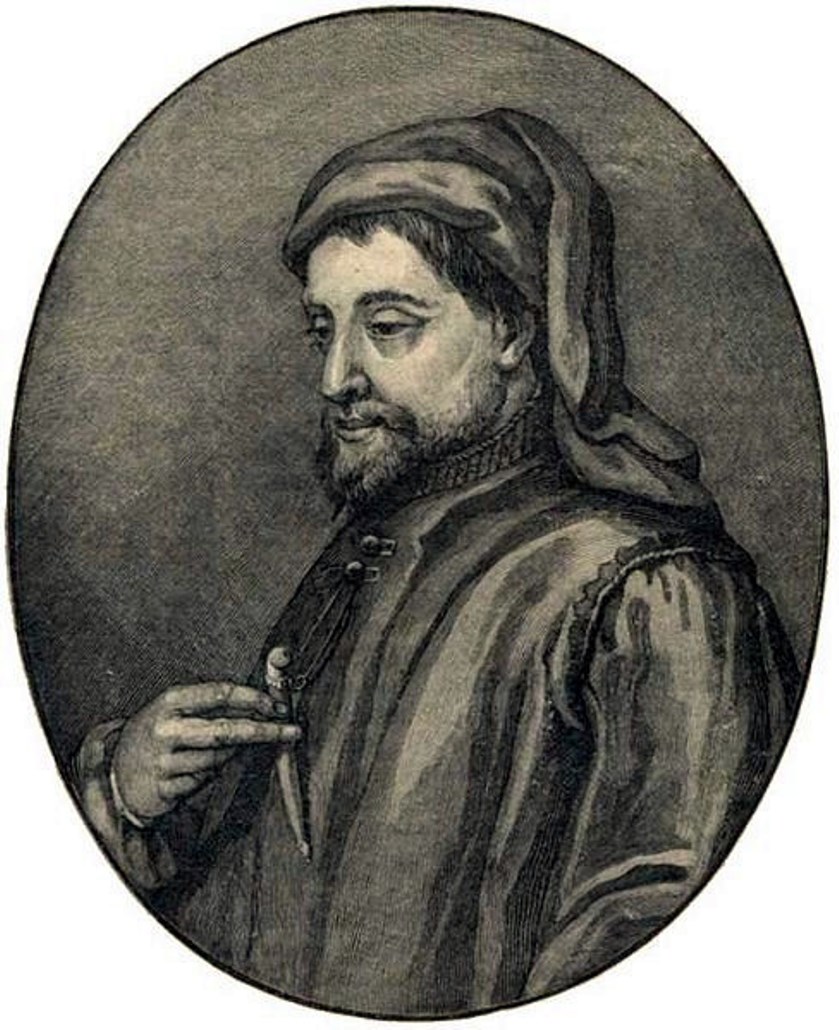
Geoffrey Chaucer was a medieval English poet and novelist, one of the founders of the literary English language.
Geoffrey Chaucer came from a wealthy family, in 1357 became a civil servant of Countess Elizabeth of Ulster and remained at the British court all his life. Later in his royal service, he traveled on diplomatic missions to France, Spain, and Italy. He made important contributions to the management of public affairs as a courtier, diplomat and civil servant. And very importantly, in these travels Chaucer was exposed to the works of Dante, Petrarch and Boccaccio, which later had a profound influence on his writing.
"The Canterbury Tales" became Geoffrey Chaucer's most famous and recognized work, although this voluminous work remained unfinished. He also wrote the popular science treatise "A Treatise on the Astrolabe", the historical poems "Troilus and Criseyde" and "Legends of Glorious Women", and many poems.
Geoffrey Chaucer is called the forerunner of the literature of the English Renaissance. He was the first to write works in his native language instead of Latin, for which he earned the title of "father of English poetry." Chaucer was buried in Westminster Abbey, and his grave became the first in the so-called "Poet's Corner", where Charles Dickens, Rudyard Kipling and Alfred Tennyson were later buried.


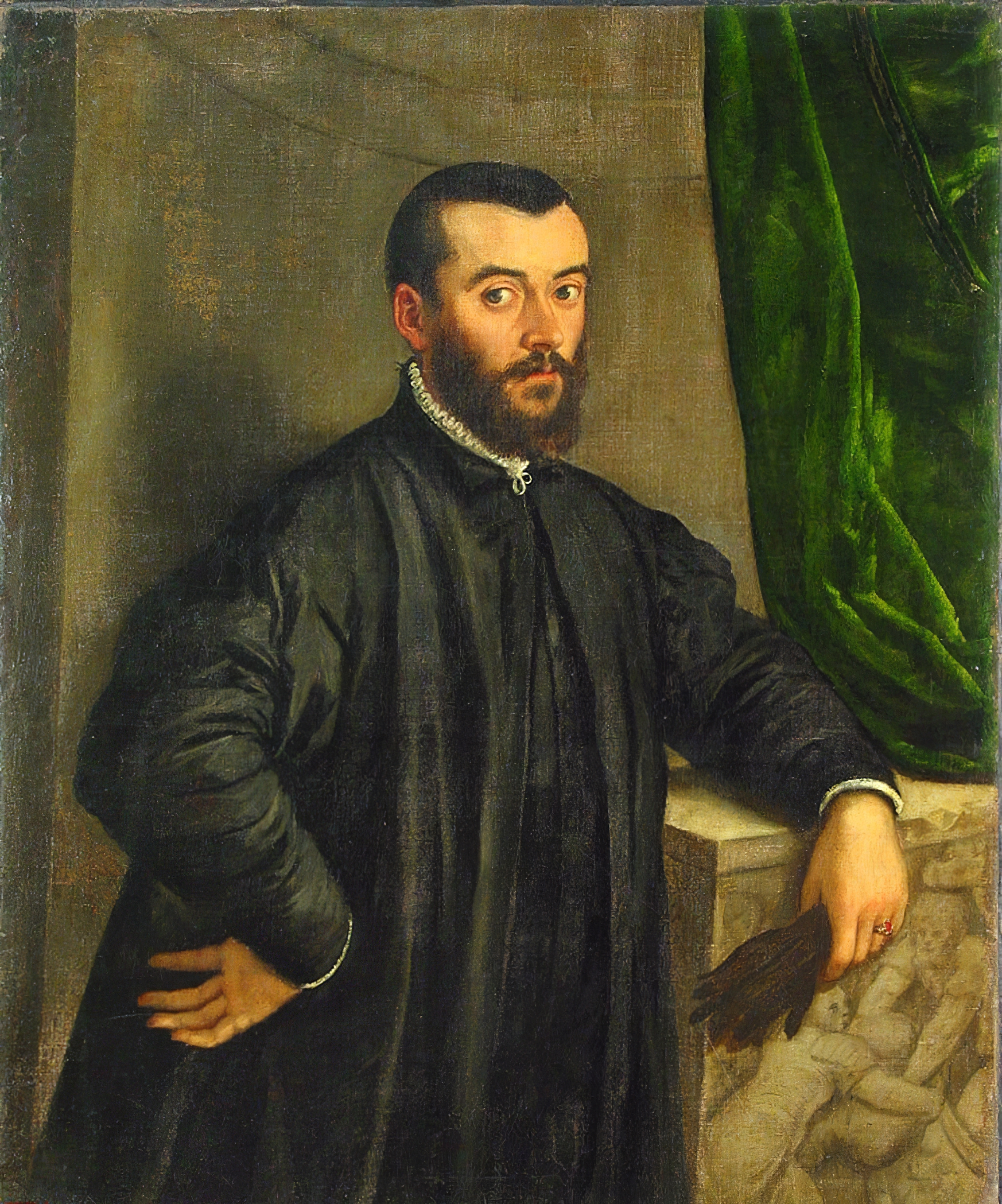
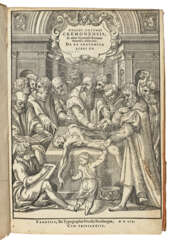
Andreas Vesalius (Dutch: Andries van Wesel) was a Flemish physician, one of the first anatomists of the Renaissance.
Vesalius came from a family of physicians and apothecaries, studied at the Catholic University of Leuven and at the medical school of the University of Paris, where he learned to dissect animals. He also had the opportunity to dissect human cadavers and devoted much time to the study of human bones. He later went to the University of Padua and, after earning his MD degree, was appointed professor of surgery, whose duties included anatomical demonstrations.
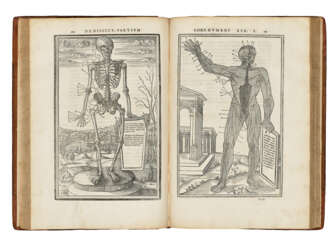
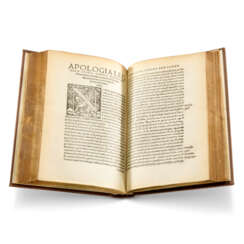
Vesalius revolutionized the study of biology and medical practice through his careful description of the anatomy of the human body. Based on observations made by himself, he wrote and illustrated the first complete textbook of anatomy. In 1543 his major work De humani corporis fabrica libri septem ("Seven Books on the Structure of the Human Body"), commonly known as Fabrica, was printed. In this epochal work, Vesalius gave far more extensive and accurate descriptions of the human body than anything that had been done by his predecessors.
In the same year, 1543, the Holy Roman Emperor Charles V appointed him staff physician of his house, and in 1559 Vesalius became physician to the Madrid court of Charles V's son, Philip II.
Vesalius' work made anatomy a scientific discipline with far-reaching implications not only for physiology but for all of biology.


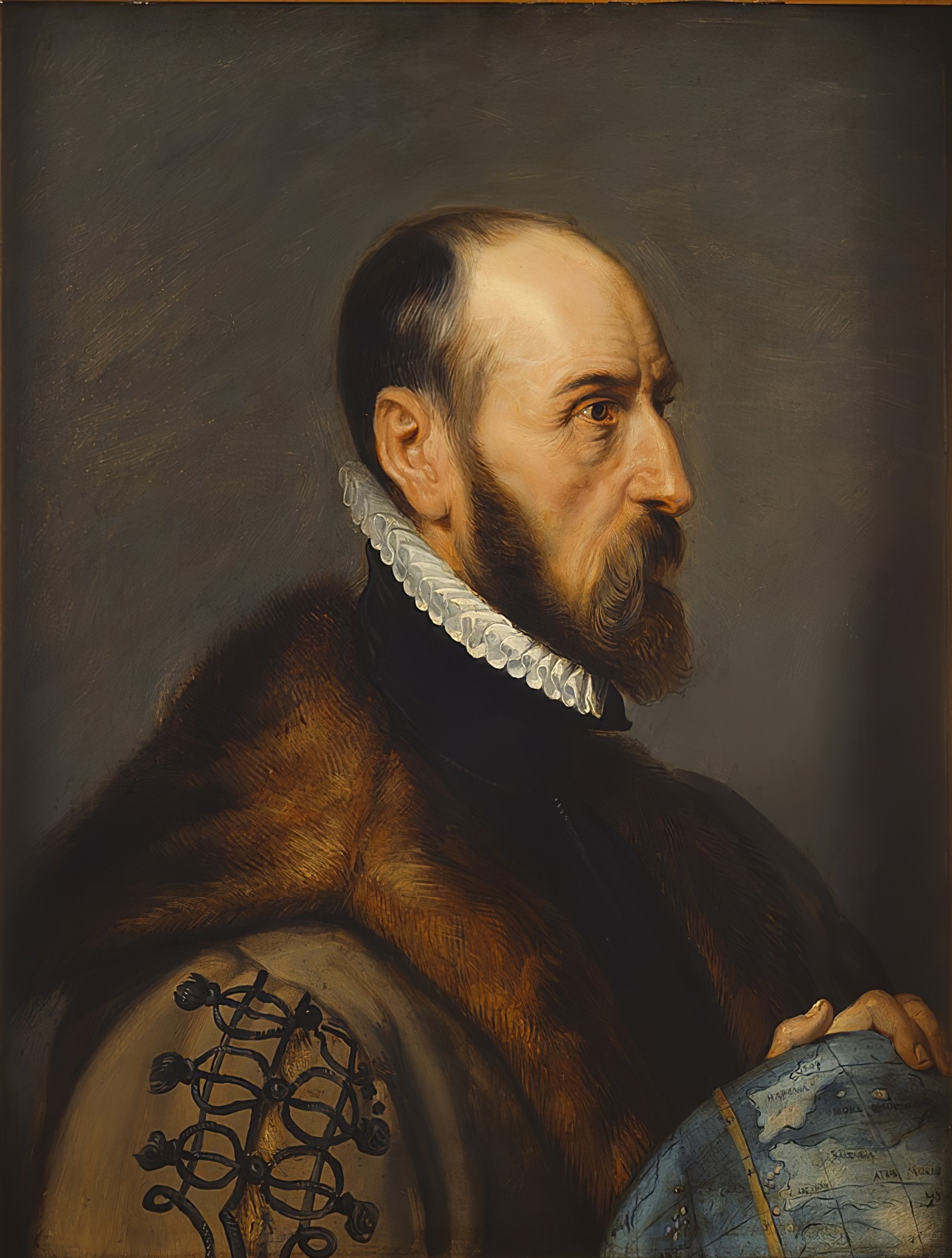
Abraham Ortelius (Ortels) was a Brabantian cartographer, geographer, and cosmographer. He is recognized as the creator of the first modern atlas, the Theatrum Orbis Terrarum (Theatre of the World). Along with Gemma Frisius and Gerardus Mercator, Ortelius is generally considered one of the founders of the Netherlandish school of cartography and geography. He was a notable figure of this school in its golden age (approximately 1570s–1670s) and an important geographer of Spain during the age of discovery. The publication of his atlas in 1570 is often considered as the official beginning of the Golden Age of Netherlandish cartography. He was the first person proposing that the continents were joined before drifting to their present positions. Beginning as a map-engraver, in 1547 he entered the Antwerp Guild of Saint Luke as an illuminator of maps. In 1560 when travelling with Mercator to Trier, Lorraine, and Poitiers, he seems to have been attracted, largely by Mercator's influence, towards the career of a scientific geographer. In 1564 he published his first map, Typus Orbis Terrarum, an eight-leaved wall map of the world. On 20 May 1570, Gilles Coppens de Diest at Antwerp issued Ortelius's Theatrum Orbis Terrarum, the "first modern atlas" (of 53 maps).