13 Items by auctions and galleries:
optics




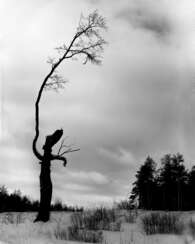

Языческий дуб
Andriy Kotliarchuk (b. 1966)  Shop Kotliarchuk Andriy
Andriy Kotliarchuk
16.02.1966
Ukraine
Andrii Kotliarchuk
16 february 1966, Kyiv, Ukraine. Ukrainian
https://www.facebook.com/andriykiev
Education background:
1986-1993 Kyiv State Shevchenko University, Biology faculty
2004-2006 State Academy of the Cultural Management Resources, Art Criticism department
Contacts:
050 311 1867 mobile
[email protected]
https://www.facebook.com/andriykiev
Exibition
International Festival of Art Photografy. September 2018, Ukraine, Kyiv. The National museum of Taras Shevchenko
II Biennale “Ukranian fineart photography”. February 2018, Ukraine, Kyiv. The National Museum 'Kyiv Art Gallery'
Art project “Landscape. Modern look”. June 2016, Ukraine, Kyiv. M 17, Contemporary Art Center
Art project “Volunteers”. December 2015, Ukraine. Khmelnytsky ‘Museum-studio of photographic art’
I Biennale “Ukranian fineart photography”. November 2015, Ukraine, Kyiv. M 17, Contemporary Art Center
Art project «The best pictures Ukrainian photographers». 2013 National library of Ukraine of the name of V. I. Vernadskogo
Ukrainian photographers members of The Royal Photographic Society of Great Britaine. 2013 London. An embassy of Ukraine is in the United Kingdom of Large Britain and North Ireland.
Parliament of the United Kingdom of Large Britain and North Ireland
Artistic and biographical reference-book Issue 2 “Artists of Ukraine” 2001
2001
Auction
2016 Аnnual eleemosynary auction "Art for the safe of life". Рlumb Line "Stone-compass" Sale 800$
25. 09. 2014 Auction house Золотое сечение «Post war & contemporary art». Plumb line "Carnival" Sale 800$
27.04. 2013 Auction house Euro-Art. http://euro-art.com.ua/?cat=12&lang=ru Plumb line № 123 «Antique shop in Galle Fort» Sale 1250$ http://euro-art.com.ua/?p=2094
Artist shop
Kotliarchuk Andriy
Ukraine
Number of products: 11
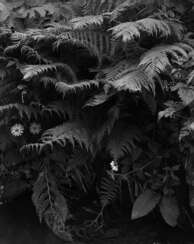

Папоротник над водою
Andriy Kotliarchuk (b. 1966)
Shop Kotliarchuk Andriy
Andriy Kotliarchuk
16.02.1966
Ukraine
Andrii Kotliarchuk
16 february 1966, Kyiv, Ukraine. Ukrainian
https://www.facebook.com/andriykiev
Education background:
1986-1993 Kyiv State Shevchenko University, Biology faculty
2004-2006 State Academy of the Cultural Management Resources, Art Criticism department
Contacts:
050 311 1867 mobile
[email protected]
https://www.facebook.com/andriykiev
Exibition
International Festival of Art Photografy. September 2018, Ukraine, Kyiv. The National museum of Taras Shevchenko
II Biennale “Ukranian fineart photography”. February 2018, Ukraine, Kyiv. The National Museum 'Kyiv Art Gallery'
Art project “Landscape. Modern look”. June 2016, Ukraine, Kyiv. M 17, Contemporary Art Center
Art project “Volunteers”. December 2015, Ukraine. Khmelnytsky ‘Museum-studio of photographic art’
I Biennale “Ukranian fineart photography”. November 2015, Ukraine, Kyiv. M 17, Contemporary Art Center
Art project «The best pictures Ukrainian photographers». 2013 National library of Ukraine of the name of V. I. Vernadskogo
Ukrainian photographers members of The Royal Photographic Society of Great Britaine. 2013 London. An embassy of Ukraine is in the United Kingdom of Large Britain and North Ireland.
Parliament of the United Kingdom of Large Britain and North Ireland
Artistic and biographical reference-book Issue 2 “Artists of Ukraine” 2001
2001
Auction
2016 Аnnual eleemosynary auction "Art for the safe of life". Рlumb Line "Stone-compass" Sale 800$
25. 09. 2014 Auction house Золотое сечение «Post war & contemporary art». Plumb line "Carnival" Sale 800$
27.04. 2013 Auction house Euro-Art. http://euro-art.com.ua/?cat=12&lang=ru Plumb line № 123 «Antique shop in Galle Fort» Sale 1250$ http://euro-art.com.ua/?p=2094
Artist shop
Kotliarchuk Andriy
Ukraine
Number of products: 11
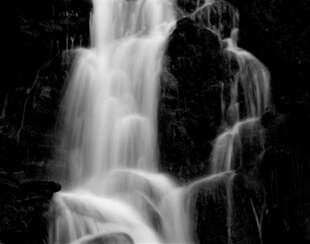

Весенняя вода
Andriy Kotliarchuk (b. 1966)
Shop Kotliarchuk Andriy
Andriy Kotliarchuk
16.02.1966
Ukraine
Andrii Kotliarchuk
16 february 1966, Kyiv, Ukraine. Ukrainian
https://www.facebook.com/andriykiev
Education background:
1986-1993 Kyiv State Shevchenko University, Biology faculty
2004-2006 State Academy of the Cultural Management Resources, Art Criticism department
Contacts:
050 311 1867 mobile
[email protected]
https://www.facebook.com/andriykiev
Exibition
International Festival of Art Photografy. September 2018, Ukraine, Kyiv. The National museum of Taras Shevchenko
II Biennale “Ukranian fineart photography”. February 2018, Ukraine, Kyiv. The National Museum 'Kyiv Art Gallery'
Art project “Landscape. Modern look”. June 2016, Ukraine, Kyiv. M 17, Contemporary Art Center
Art project “Volunteers”. December 2015, Ukraine. Khmelnytsky ‘Museum-studio of photographic art’
I Biennale “Ukranian fineart photography”. November 2015, Ukraine, Kyiv. M 17, Contemporary Art Center
Art project «The best pictures Ukrainian photographers». 2013 National library of Ukraine of the name of V. I. Vernadskogo
Ukrainian photographers members of The Royal Photographic Society of Great Britaine. 2013 London. An embassy of Ukraine is in the United Kingdom of Large Britain and North Ireland.
Parliament of the United Kingdom of Large Britain and North Ireland
Artistic and biographical reference-book Issue 2 “Artists of Ukraine” 2001
2001
Auction
2016 Аnnual eleemosynary auction "Art for the safe of life". Рlumb Line "Stone-compass" Sale 800$
25. 09. 2014 Auction house Золотое сечение «Post war & contemporary art». Plumb line "Carnival" Sale 800$
27.04. 2013 Auction house Euro-Art. http://euro-art.com.ua/?cat=12&lang=ru Plumb line № 123 «Antique shop in Galle Fort» Sale 1250$ http://euro-art.com.ua/?p=2094
Artist shop
Kotliarchuk Andriy
Ukraine
Number of products: 11
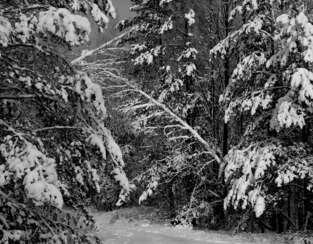

После снегопада
Andriy Kotliarchuk (b. 1966)
Shop Kotliarchuk Andriy
Andriy Kotliarchuk
16.02.1966
Ukraine
Andrii Kotliarchuk
16 february 1966, Kyiv, Ukraine. Ukrainian
https://www.facebook.com/andriykiev
Education background:
1986-1993 Kyiv State Shevchenko University, Biology faculty
2004-2006 State Academy of the Cultural Management Resources, Art Criticism department
Contacts:
050 311 1867 mobile
[email protected]
https://www.facebook.com/andriykiev
Exibition
International Festival of Art Photografy. September 2018, Ukraine, Kyiv. The National museum of Taras Shevchenko
II Biennale “Ukranian fineart photography”. February 2018, Ukraine, Kyiv. The National Museum 'Kyiv Art Gallery'
Art project “Landscape. Modern look”. June 2016, Ukraine, Kyiv. M 17, Contemporary Art Center
Art project “Volunteers”. December 2015, Ukraine. Khmelnytsky ‘Museum-studio of photographic art’
I Biennale “Ukranian fineart photography”. November 2015, Ukraine, Kyiv. M 17, Contemporary Art Center
Art project «The best pictures Ukrainian photographers». 2013 National library of Ukraine of the name of V. I. Vernadskogo
Ukrainian photographers members of The Royal Photographic Society of Great Britaine. 2013 London. An embassy of Ukraine is in the United Kingdom of Large Britain and North Ireland.
Parliament of the United Kingdom of Large Britain and North Ireland
Artistic and biographical reference-book Issue 2 “Artists of Ukraine” 2001
2001
Auction
2016 Аnnual eleemosynary auction "Art for the safe of life". Рlumb Line "Stone-compass" Sale 800$
25. 09. 2014 Auction house Золотое сечение «Post war & contemporary art». Plumb line "Carnival" Sale 800$
27.04. 2013 Auction house Euro-Art. http://euro-art.com.ua/?cat=12&lang=ru Plumb line № 123 «Antique shop in Galle Fort» Sale 1250$ http://euro-art.com.ua/?p=2094
Artist shop
Kotliarchuk Andriy
Ukraine
Number of products: 11


Домик рыбака
Andriy Kotliarchuk (b. 1966)
Shop Kotliarchuk Andriy
Andriy Kotliarchuk
16.02.1966
Ukraine
Andrii Kotliarchuk
16 february 1966, Kyiv, Ukraine. Ukrainian
https://www.facebook.com/andriykiev
Education background:
1986-1993 Kyiv State Shevchenko University, Biology faculty
2004-2006 State Academy of the Cultural Management Resources, Art Criticism department
Contacts:
050 311 1867 mobile
[email protected]
https://www.facebook.com/andriykiev
Exibition
International Festival of Art Photografy. September 2018, Ukraine, Kyiv. The National museum of Taras Shevchenko
II Biennale “Ukranian fineart photography”. February 2018, Ukraine, Kyiv. The National Museum 'Kyiv Art Gallery'
Art project “Landscape. Modern look”. June 2016, Ukraine, Kyiv. M 17, Contemporary Art Center
Art project “Volunteers”. December 2015, Ukraine. Khmelnytsky ‘Museum-studio of photographic art’
I Biennale “Ukranian fineart photography”. November 2015, Ukraine, Kyiv. M 17, Contemporary Art Center
Art project «The best pictures Ukrainian photographers». 2013 National library of Ukraine of the name of V. I. Vernadskogo
Ukrainian photographers members of The Royal Photographic Society of Great Britaine. 2013 London. An embassy of Ukraine is in the United Kingdom of Large Britain and North Ireland.
Parliament of the United Kingdom of Large Britain and North Ireland
Artistic and biographical reference-book Issue 2 “Artists of Ukraine” 2001
2001
Auction
2016 Аnnual eleemosynary auction "Art for the safe of life". Рlumb Line "Stone-compass" Sale 800$
25. 09. 2014 Auction house Золотое сечение «Post war & contemporary art». Plumb line "Carnival" Sale 800$
27.04. 2013 Auction house Euro-Art. http://euro-art.com.ua/?cat=12&lang=ru Plumb line № 123 «Antique shop in Galle Fort» Sale 1250$ http://euro-art.com.ua/?p=2094
Artist shop
Kotliarchuk Andriy
Ukraine
Number of products: 11
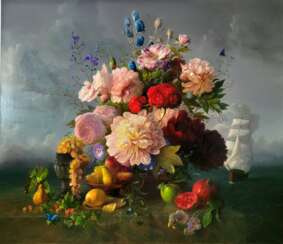

Meeting
Yaroslav Ponomarenko (b. 1982) 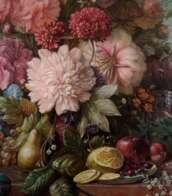 Shop Ponomarenko Yaroslav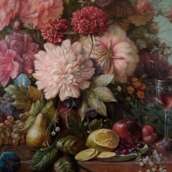
Yaroslav Ponomarenko
21.07.1982
Ukraine
Если говорить обо мне и навыках в изобразительном искусстве как таковом, то у меня не было решения становиться художником. С раннего детства процесс рисования был и есть для меня чем-то настолько естественным, как дыхание, что мне и не пришлось выбирать. И именно поэтому я всегда вдохновлен. Само предвкушение процесса творческого, а тем более сам процесс, дает все необходимое для пробуждения подлинного интереса к познанию и исследованию жизни, самого себя и бытия как такового. Рисовать и писать я люблю абсолютно во всех жанрах. Для меня важно само состояние умиротворения и воодушевления во время работы над любым сюжетом, а так же понимание того, что из под твоей руки рождается нечто красивое и доставляющее эстетическое удовольствие зрителю, даже тогда, когда единственный зритель,- ты сам.
> Образование я получил в Киеве в художественной академии (НАОМА) .Окончил графический факультет в 2005-м году, имею диплом магистра. Несмотря на это, все же на практике в большей степени работаю как художник-живописец. Хотя моя склонность к существенной детализации в картинах все же, так или иначе, привносит некоторую графичность в них. А так же, именно через детали, я искренне полагаю, можно предельно развернуто выразить индивидуальное звучание того или иного образа, а так же проявить свое предельное мастерство исполнения. На эту тему мне нравится одно высказывание, которое говорит о том, что детали решают не многое, они решают всё :-)
> Еще я преподаю академические рисунок , живопись и композицию, получаю огромное удовольствие от процесса взаимодействия с людьми, делая совместно важные творческие открытия и шаги.
Artist shop
Ponomarenko Yaroslav
Ukraine
Number of products: 4