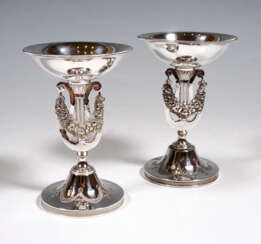
southern german

Emil Schumacher was a German painter. He was an important representative of abstract expressionism in post-war Germany.
In 2009 the Kunstquartier Hagen was inaugurated combining the Karl Ernst Osthaus-Museum Hagen as well as the newly built Emil Schumacher Museum in one Museum complex.


Peter Dreher was a German artist and academic teacher. He painted series of landscapes, interiors, flowers and skulls, beginning his series Tag um Tag guter Tag in 1974. As a professor of painting, he influenced artists including Anselm Kiefer. His works have been exhibited internationally.


Wilhelm Heinrich Otto Dix was a German artist whose work stands as a stark, unyielding reflection of the societal tumult and trauma of the early 20th century. Born in 1891 in Untermhaus, Germany, Dix's early life was steeped in the arts, his ambition to become an artist nurtured by both familial influence and formal education in Dresden. His experiences as a soldier in World War I deeply influenced his artistic direction, leading him to vividly depict the horrors of war and the decay of the Weimar Republic with a brutal realism that became his signature style.
Dix's association with the Dada movement and the New Objectivity (Neue Sachlichkeit) further honed his critical, often cynical portrayal of post-war society. His works, such as "The Trench" and "War Cripples," expose the visceral aftermath of conflict, while his engagement with the Dadaists imbued his art with a disruptive, confrontational energy against societal norms and the art establishment.
Perhaps most notable is Dix's ability to capture the psychological depth and societal critiques through his portraits and landscapes, which ranged from the grotesque to the surreal. Paintings like "Portrait of the Journalist Sylvia von Harden" and the triptychs "Metropolis" and "War" are emblematic of his keen observation and stark depiction of the era's social and political unrest.
Despite facing significant adversity, including being labeled a degenerate artist by the Nazi regime and facing professional and personal setbacks, Dix's legacy as a painter and printmaker endures. His works are not only historical documents but also profound reflections on humanity, war, and society, resonating with collectors and art experts alike.
For enthusiasts of culture, art, and history, Dix's oeuvre offers an unflinching look into the human condition under the strain of societal and political upheaval. His contributions to painting and printmaking continue to be celebrated in museums and galleries worldwide, underscoring the enduring relevance of his work.
For those interested in exploring the profound depth and historical significance of Otto Dix's work, signing up for updates on new product sales and auction events related to his art can provide invaluable insights. This subscription is a gateway to staying informed about opportunities to engage with the tangible pieces of Dix's enduring legacy.


Wilhelm Heinrich Otto Dix was a German artist whose work stands as a stark, unyielding reflection of the societal tumult and trauma of the early 20th century. Born in 1891 in Untermhaus, Germany, Dix's early life was steeped in the arts, his ambition to become an artist nurtured by both familial influence and formal education in Dresden. His experiences as a soldier in World War I deeply influenced his artistic direction, leading him to vividly depict the horrors of war and the decay of the Weimar Republic with a brutal realism that became his signature style.
Dix's association with the Dada movement and the New Objectivity (Neue Sachlichkeit) further honed his critical, often cynical portrayal of post-war society. His works, such as "The Trench" and "War Cripples," expose the visceral aftermath of conflict, while his engagement with the Dadaists imbued his art with a disruptive, confrontational energy against societal norms and the art establishment.
Perhaps most notable is Dix's ability to capture the psychological depth and societal critiques through his portraits and landscapes, which ranged from the grotesque to the surreal. Paintings like "Portrait of the Journalist Sylvia von Harden" and the triptychs "Metropolis" and "War" are emblematic of his keen observation and stark depiction of the era's social and political unrest.
Despite facing significant adversity, including being labeled a degenerate artist by the Nazi regime and facing professional and personal setbacks, Dix's legacy as a painter and printmaker endures. His works are not only historical documents but also profound reflections on humanity, war, and society, resonating with collectors and art experts alike.
For enthusiasts of culture, art, and history, Dix's oeuvre offers an unflinching look into the human condition under the strain of societal and political upheaval. His contributions to painting and printmaking continue to be celebrated in museums and galleries worldwide, underscoring the enduring relevance of his work.
For those interested in exploring the profound depth and historical significance of Otto Dix's work, signing up for updates on new product sales and auction events related to his art can provide invaluable insights. This subscription is a gateway to staying informed about opportunities to engage with the tangible pieces of Dix's enduring legacy.


Gerhard Richter is a German visual artist. Richter has produced abstract as well as photorealistic paintings, and also photographs and glass pieces. He is widely regarded as one of the most important contemporary German artists and several of his works have set record prices at auction.


Max Slefogt was a German Impressionist painter and illustrator, best known for his landscapes. He was, together with Lovis Corinth and Max Liebermann, one of the foremost representatives in Germany of the plein air style.

.jpg)
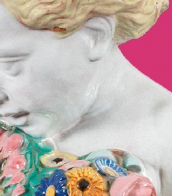
Fritz Klimsch was a German sculptor of the first half of the twentieth century. He is known as a brilliant representative of Art Nouveau and Classicism. Klimsch was one of the founders of the association of Berlin artists and sculptors "Berlin Secession".
Fritz Klimsch is best known for his sculptural works depicting nudes of women. Among his masterpieces are also monumental and grave monuments.
Fritz Klimsch was the most famous, but by no means the only representative of the family dynasty of German artists. His close relatives, in particular his grandfather Ferdinand Karl Klimsch, his father Eugen Klimsch, and his brothers Karl Klimsch and Paul Klimsch, also made significant contributions to the development of European art.


Willi Baumeister was a German painter, scenic designer, art professor, and typographer. His work was part of the art competitions at the 1928 Summer Olympics and the 1932 Summer Olympics.


Willi Baumeister was a German painter, scenic designer, art professor, and typographer. His work was part of the art competitions at the 1928 Summer Olympics and the 1932 Summer Olympics.


Wilhelm Heinrich Otto Dix was a German artist whose work stands as a stark, unyielding reflection of the societal tumult and trauma of the early 20th century. Born in 1891 in Untermhaus, Germany, Dix's early life was steeped in the arts, his ambition to become an artist nurtured by both familial influence and formal education in Dresden. His experiences as a soldier in World War I deeply influenced his artistic direction, leading him to vividly depict the horrors of war and the decay of the Weimar Republic with a brutal realism that became his signature style.
Dix's association with the Dada movement and the New Objectivity (Neue Sachlichkeit) further honed his critical, often cynical portrayal of post-war society. His works, such as "The Trench" and "War Cripples," expose the visceral aftermath of conflict, while his engagement with the Dadaists imbued his art with a disruptive, confrontational energy against societal norms and the art establishment.
Perhaps most notable is Dix's ability to capture the psychological depth and societal critiques through his portraits and landscapes, which ranged from the grotesque to the surreal. Paintings like "Portrait of the Journalist Sylvia von Harden" and the triptychs "Metropolis" and "War" are emblematic of his keen observation and stark depiction of the era's social and political unrest.
Despite facing significant adversity, including being labeled a degenerate artist by the Nazi regime and facing professional and personal setbacks, Dix's legacy as a painter and printmaker endures. His works are not only historical documents but also profound reflections on humanity, war, and society, resonating with collectors and art experts alike.
For enthusiasts of culture, art, and history, Dix's oeuvre offers an unflinching look into the human condition under the strain of societal and political upheaval. His contributions to painting and printmaking continue to be celebrated in museums and galleries worldwide, underscoring the enduring relevance of his work.
For those interested in exploring the profound depth and historical significance of Otto Dix's work, signing up for updates on new product sales and auction events related to his art can provide invaluable insights. This subscription is a gateway to staying informed about opportunities to engage with the tangible pieces of Dix's enduring legacy.


Wilhelm Heinrich Otto Dix was a German artist whose work stands as a stark, unyielding reflection of the societal tumult and trauma of the early 20th century. Born in 1891 in Untermhaus, Germany, Dix's early life was steeped in the arts, his ambition to become an artist nurtured by both familial influence and formal education in Dresden. His experiences as a soldier in World War I deeply influenced his artistic direction, leading him to vividly depict the horrors of war and the decay of the Weimar Republic with a brutal realism that became his signature style.
Dix's association with the Dada movement and the New Objectivity (Neue Sachlichkeit) further honed his critical, often cynical portrayal of post-war society. His works, such as "The Trench" and "War Cripples," expose the visceral aftermath of conflict, while his engagement with the Dadaists imbued his art with a disruptive, confrontational energy against societal norms and the art establishment.
Perhaps most notable is Dix's ability to capture the psychological depth and societal critiques through his portraits and landscapes, which ranged from the grotesque to the surreal. Paintings like "Portrait of the Journalist Sylvia von Harden" and the triptychs "Metropolis" and "War" are emblematic of his keen observation and stark depiction of the era's social and political unrest.
Despite facing significant adversity, including being labeled a degenerate artist by the Nazi regime and facing professional and personal setbacks, Dix's legacy as a painter and printmaker endures. His works are not only historical documents but also profound reflections on humanity, war, and society, resonating with collectors and art experts alike.
For enthusiasts of culture, art, and history, Dix's oeuvre offers an unflinching look into the human condition under the strain of societal and political upheaval. His contributions to painting and printmaking continue to be celebrated in museums and galleries worldwide, underscoring the enduring relevance of his work.
For those interested in exploring the profound depth and historical significance of Otto Dix's work, signing up for updates on new product sales and auction events related to his art can provide invaluable insights. This subscription is a gateway to staying informed about opportunities to engage with the tangible pieces of Dix's enduring legacy.


Wilhelm Heinrich Otto Dix was a German artist whose work stands as a stark, unyielding reflection of the societal tumult and trauma of the early 20th century. Born in 1891 in Untermhaus, Germany, Dix's early life was steeped in the arts, his ambition to become an artist nurtured by both familial influence and formal education in Dresden. His experiences as a soldier in World War I deeply influenced his artistic direction, leading him to vividly depict the horrors of war and the decay of the Weimar Republic with a brutal realism that became his signature style.
Dix's association with the Dada movement and the New Objectivity (Neue Sachlichkeit) further honed his critical, often cynical portrayal of post-war society. His works, such as "The Trench" and "War Cripples," expose the visceral aftermath of conflict, while his engagement with the Dadaists imbued his art with a disruptive, confrontational energy against societal norms and the art establishment.
Perhaps most notable is Dix's ability to capture the psychological depth and societal critiques through his portraits and landscapes, which ranged from the grotesque to the surreal. Paintings like "Portrait of the Journalist Sylvia von Harden" and the triptychs "Metropolis" and "War" are emblematic of his keen observation and stark depiction of the era's social and political unrest.
Despite facing significant adversity, including being labeled a degenerate artist by the Nazi regime and facing professional and personal setbacks, Dix's legacy as a painter and printmaker endures. His works are not only historical documents but also profound reflections on humanity, war, and society, resonating with collectors and art experts alike.
For enthusiasts of culture, art, and history, Dix's oeuvre offers an unflinching look into the human condition under the strain of societal and political upheaval. His contributions to painting and printmaking continue to be celebrated in museums and galleries worldwide, underscoring the enduring relevance of his work.
For those interested in exploring the profound depth and historical significance of Otto Dix's work, signing up for updates on new product sales and auction events related to his art can provide invaluable insights. This subscription is a gateway to staying informed about opportunities to engage with the tangible pieces of Dix's enduring legacy.


Wilhelm Heinrich Otto Dix was a German artist whose work stands as a stark, unyielding reflection of the societal tumult and trauma of the early 20th century. Born in 1891 in Untermhaus, Germany, Dix's early life was steeped in the arts, his ambition to become an artist nurtured by both familial influence and formal education in Dresden. His experiences as a soldier in World War I deeply influenced his artistic direction, leading him to vividly depict the horrors of war and the decay of the Weimar Republic with a brutal realism that became his signature style.
Dix's association with the Dada movement and the New Objectivity (Neue Sachlichkeit) further honed his critical, often cynical portrayal of post-war society. His works, such as "The Trench" and "War Cripples," expose the visceral aftermath of conflict, while his engagement with the Dadaists imbued his art with a disruptive, confrontational energy against societal norms and the art establishment.
Perhaps most notable is Dix's ability to capture the psychological depth and societal critiques through his portraits and landscapes, which ranged from the grotesque to the surreal. Paintings like "Portrait of the Journalist Sylvia von Harden" and the triptychs "Metropolis" and "War" are emblematic of his keen observation and stark depiction of the era's social and political unrest.
Despite facing significant adversity, including being labeled a degenerate artist by the Nazi regime and facing professional and personal setbacks, Dix's legacy as a painter and printmaker endures. His works are not only historical documents but also profound reflections on humanity, war, and society, resonating with collectors and art experts alike.
For enthusiasts of culture, art, and history, Dix's oeuvre offers an unflinching look into the human condition under the strain of societal and political upheaval. His contributions to painting and printmaking continue to be celebrated in museums and galleries worldwide, underscoring the enduring relevance of his work.
For those interested in exploring the profound depth and historical significance of Otto Dix's work, signing up for updates on new product sales and auction events related to his art can provide invaluable insights. This subscription is a gateway to staying informed about opportunities to engage with the tangible pieces of Dix's enduring legacy.


Ernst Ludwig Kirchner was a pivotal figure in the art world, known for his profound impact on 20th-century Expressionism. Born in Bavaria, Germany, on May 6, 1880, Kirchner's journey into art began with architecture studies before he found his true calling in painting and printmaking. In 1905, alongside fellow architecture students, he co-founded Die Brücke ("The Bridge"), a group that sought to revolutionize art by bridging the gap between traditional academic styles and modern artistic expression. This group was instrumental in the development of Expressionism, advocating for intense emotion conveyed through vivid colors and bold lines.
Kirchner's work, characterized by its expressive intensity and often exploring themes of urban life and the human psyche, reflects a deep engagement with the cultural and social upheavals of his time. Notably, his experiences during World War I, including a mental breakdown and subsequent discharge from military service, deeply influenced his art. Works like "Self-Portrait as a Soldier" (1915) poignantly encapsulate the personal and societal trauma of the era.
After the war, Kirchner sought solace in Davos, Switzerland, where the tranquil landscapes inspired a new direction in his work, showcasing a more serene and reflective approach. Despite his contributions to modern art, Kirchner's later years were marred by the Nazi regime's denunciation of his work as "degenerate," leading to the destruction and dispersal of many pieces. Tragically, this persecution contributed to his decision to end his life on June 15, 1938.
Kirchner's legacy is preserved through his influential body of work, from vivid urban scenes to tranquil landscapes, all marked by a distinctive, expressive style that continues to captivate art collectors and experts. His works are held in major museums worldwide, including the Museum of Modern Art in New York and the National Gallery of Art in Washington, underscoring his enduring influence on the art world.
For those interested in the profound impact of Ernst Ludwig Kirchner on modern art and Expressionism, subscribing to updates on new product sales and auction events related to his work can provide valuable insights. This subscription is an opportunity for collectors and art experts to stay informed about the availability of Kirchner's influential pieces and related events.


Erich Heckel was a German painter and printmaker, and a founding member of the group Die Brücke ("The Bridge") which existed 1905–1913. His work was part of the art competitions at the 1928 Summer Olympics and the 1932 Summer Olympics.


Erich Heckel was a German painter and printmaker, and a founding member of the group Die Brücke ("The Bridge") which existed 1905–1913. His work was part of the art competitions at the 1928 Summer Olympics and the 1932 Summer Olympics.


Christian Awe is a German urban artist known for his large-scale murals.
He was educated at the University of Art in Berlin, where he lives and works.
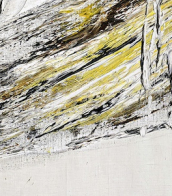
Christian Awe describes his work as urban expressionist painting, his abstract works are saturated with vivid colors. Awe uses spray paint and acrylics, ink and watercolor, marker and oil pastel. His technique is characterized by scraping off the top layers of applied paint in order to expose those already hidden.


Christian Awe is a German urban artist known for his large-scale murals.
He was educated at the University of Art in Berlin, where he lives and works.
Christian Awe describes his work as urban expressionist painting, his abstract works are saturated with vivid colors. Awe uses spray paint and acrylics, ink and watercolor, marker and oil pastel. His technique is characterized by scraping off the top layers of applied paint in order to expose those already hidden.


Christian Awe is a German urban artist known for his large-scale murals.
He was educated at the University of Art in Berlin, where he lives and works.
Christian Awe describes his work as urban expressionist painting, his abstract works are saturated with vivid colors. Awe uses spray paint and acrylics, ink and watercolor, marker and oil pastel. His technique is characterized by scraping off the top layers of applied paint in order to expose those already hidden.


Karl Otto Götz was a German artist, filmmaker, draughtsman, printmaker, writer and professor of art at the Kunstakademie Düsseldorf. He was one of the oldest living and active artists older than 100 years of age and is best remembered for his explosive and complex abstract forms. His powerful, surrealist-inspired works earned him international recognition in exhibitions like documenta II in 1959. Götz never confined himself to one specific style or artistic field. He also explored generated abstract forms through television art. Götz is one of the most important members of the German Art Informel movement.


Hubert Kiecol is a German artist. He was a professor at the State Art Academy in Düsseldorf. Kiecol graduated from the Hamburg Art School in 1971 and from 1975 at the Hamburg University of Fine Arts. In 1984 he received a Mies van der Rohe grant and in 1985 an Annemarie and Will Grohmann grant. In 1991 he was awarded the Will Grohmann Prize by the Berlin Academy of Arts. In 1993 he was appointed professor at the Düsseldorf Art Academy. In 2000 he received the Wolfgang Hahn Prize for contemporary art from the Society for Modern Art at the Museum Ludwig in Cologne.


Rainer Fetting is a German painter and sculptor.
Rainer Fetting was one of the co-founders and main protagonists of the Galerie am Moritzplatz in Berlin, founded in the late 1970s by a group of young artists (mainly painters) from the class of Karl Horst Hödicke at the former Berliner Hochschule für Bildende Künste (Berlin Art Academy, today known as Universität der Künste). Fetting is now one of the internationally best known contemporary German artists, having created a large oeuvre of expressive figurative paintings covering many different kinds of subject-matter, as well as many bronze sculptures.


Markus Lüpertz is a German painter, sculptor, graphic artist, and writer. He also publishes a magazine, and plays jazz piano. He is one of the best-known German contemporary artists. His subjects are characterized by suggestive power and archaic monumentality. Lüpertz insists on capturing the object of representation with an archetypal statement of his existence. His art work is associated to neo-expressionism. Known for his eccentricity, German press has stylized him as a «painter prince».