zeitgenössische malerei

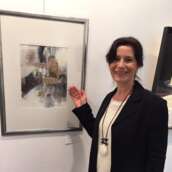


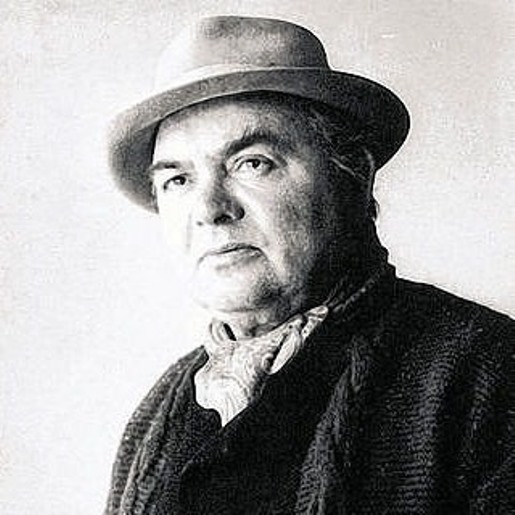


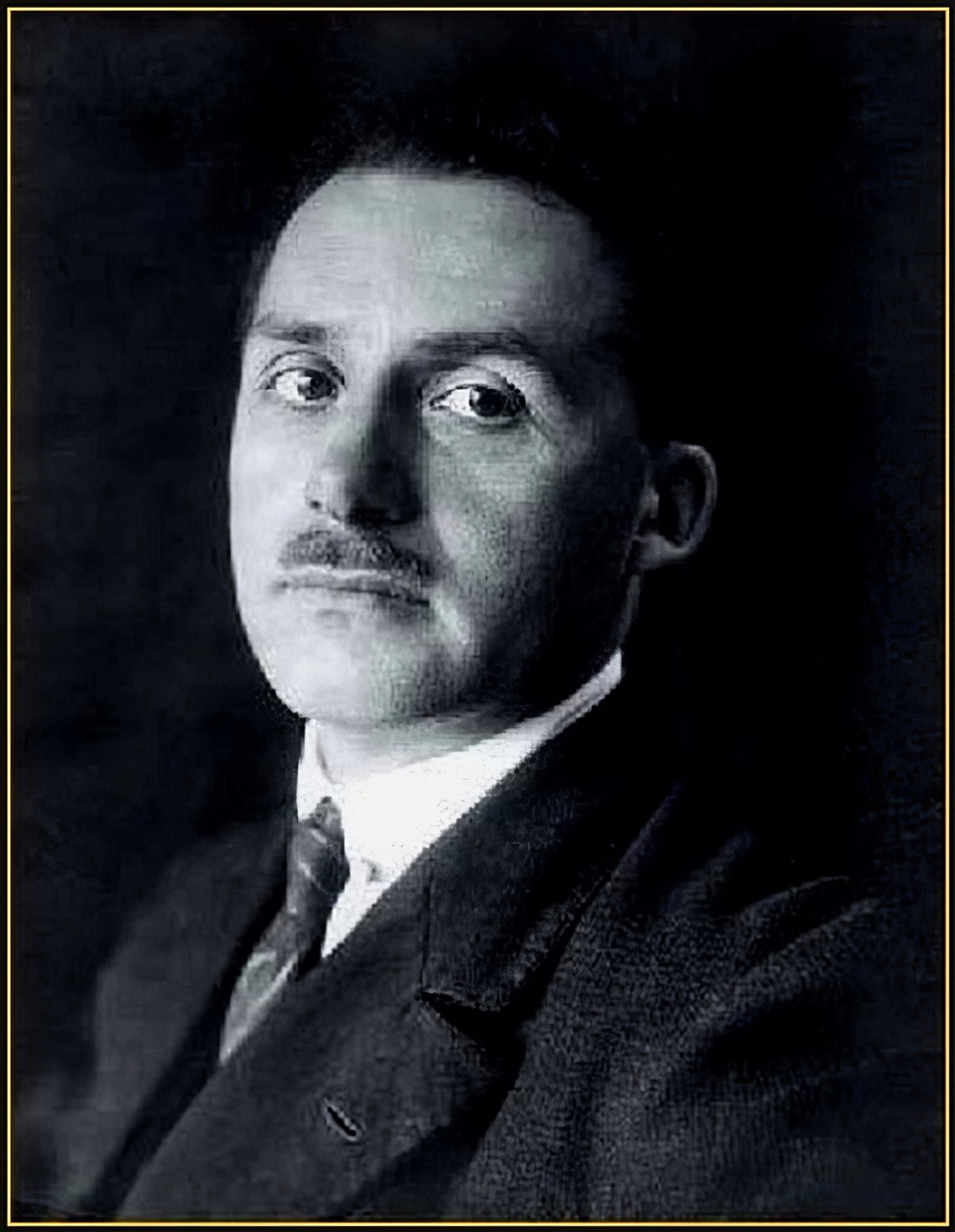
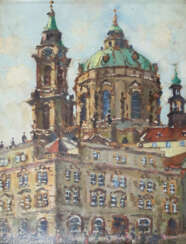
Andre Lhote, a French artist, was a pivotal figure in the Cubist movement, known for his contributions as a painter, theoretician, critic, and art teacher. His journey in the arts began at the École des Beaux-Arts in Bordeaux, focusing on decorative arts before shifting his full attention to painting after moving to Paris in 1906. Lhote's work initially drew influences from Paul Gauguin and Paul Cézanne, but by 1910, he was deeply entrenched in Cubism, aligning with artists like Fernand Léger and Jean Metzinger.
Andre Lhote's impact extended beyond his paintings; he was instrumental in developing Cubist theory through his writings and art criticism, notably contributing to La nouvelle revue française. In 1922, he founded the Académie André Lhote in Paris, shaping the future of many artists, including Henri Cartier-Bresson. His dedication to teaching and theoretical work earned him the Grand Prix National de Peinture in 1955 and a position as president of the UNESCO commission for sculpture's International Association of Painters, Engravers, and Sculptors.
For art collectors and experts, Andre Lhote's work represents a crucial chapter in the history of Cubism, offering insights into the movement's evolution and its theoretical underpinnings. To stay updated on exhibitions or sales featuring Andre Lhote's work, consider signing up for updates from reputable art institutions or galleries.
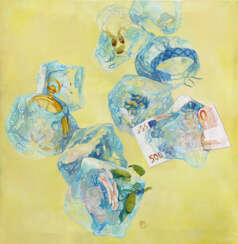



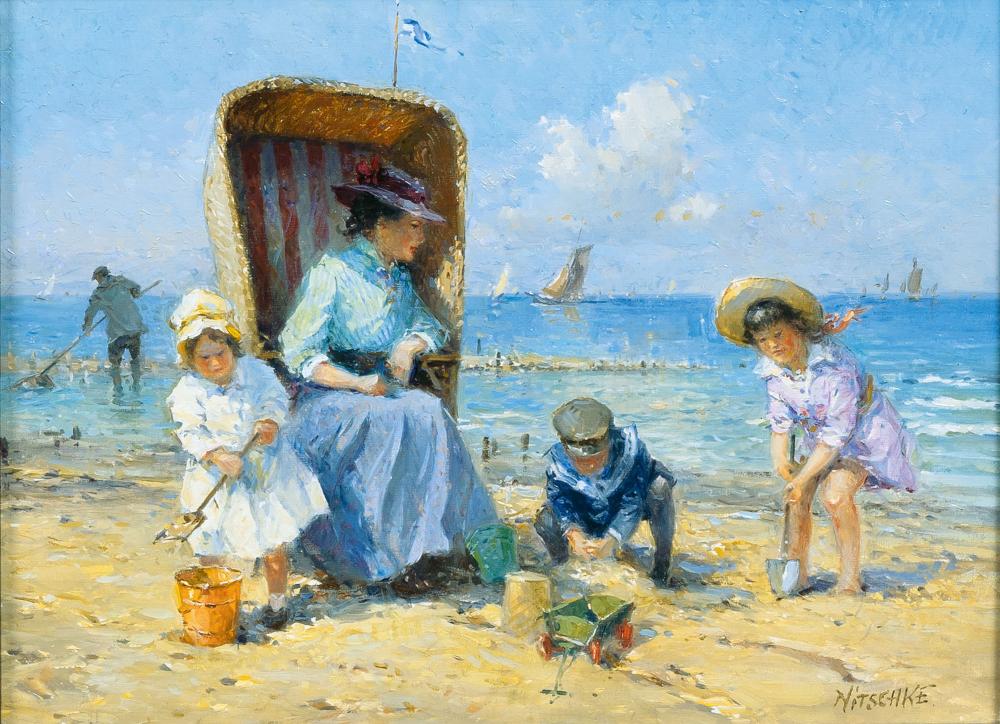
Detlev Nitschke is a German painter. For many years he worked in lithography, later he developed an interest in watercolour painting, in particular in cityscapes.


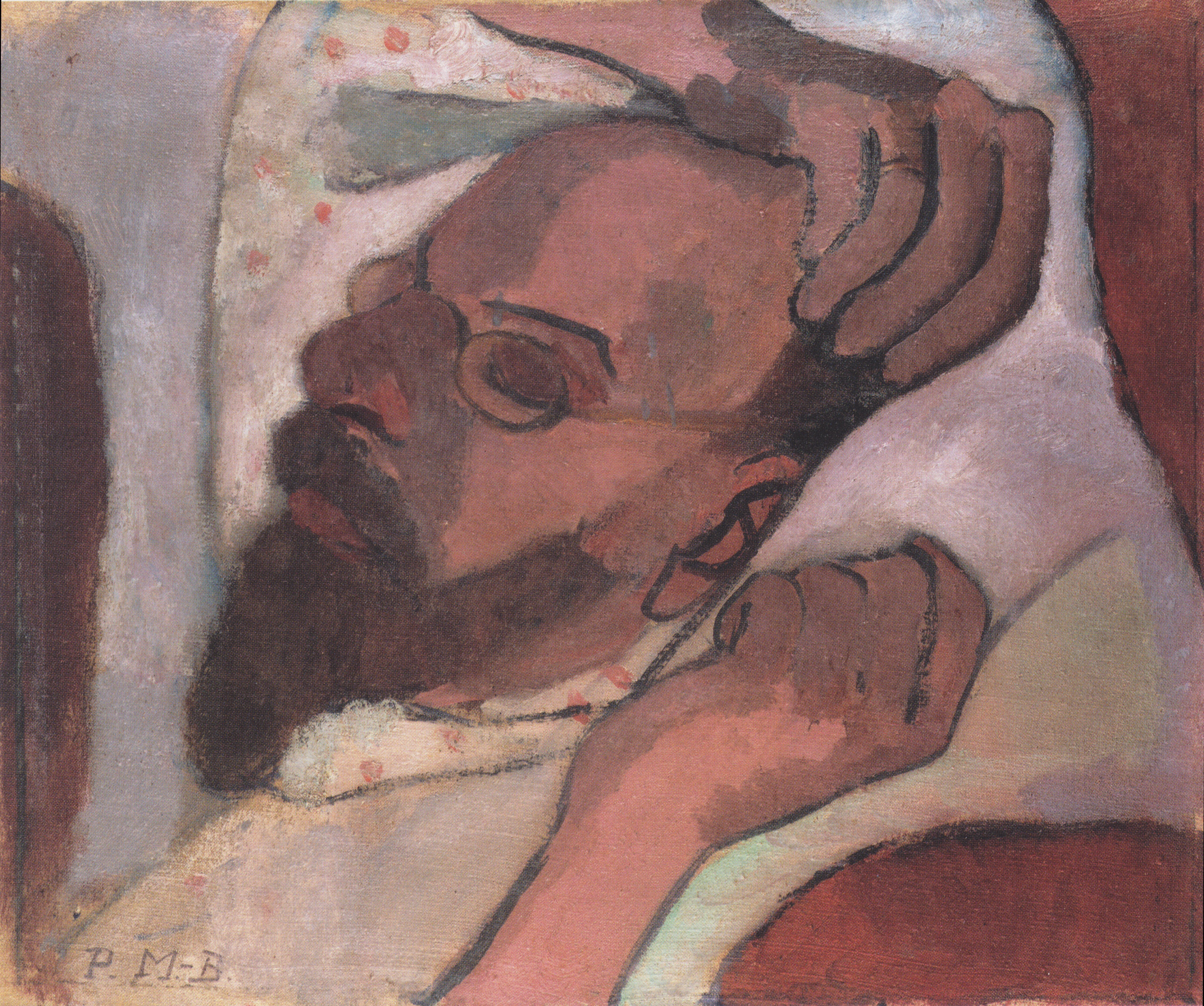
Friedrich Wilhelm Otto Modersohn was a German painter of the late 19th and first half of the 20th centuries. He is known as a landscape painter, a representative of the Barbizon School.
Otto Modersohn produced Barbizonian-style landscapes early in his career, but from about 1890 his style became more expressionist, with an emphasis on his choice of colors. The death of his second wife influenced his style: the colors became darker and the images more stark. Modersohn was one of the founders of the Worpswede artists' colony. A large collection of his works is kept in the Modersohn Museum in Fischerhude, and a street in Berlin is also named after him.


Friedrich Wilhelm Otto Modersohn was a German painter of the late 19th and first half of the 20th centuries. He is known as a landscape painter, a representative of the Barbizon School.
Otto Modersohn produced Barbizonian-style landscapes early in his career, but from about 1890 his style became more expressionist, with an emphasis on his choice of colors. The death of his second wife influenced his style: the colors became darker and the images more stark. Modersohn was one of the founders of the Worpswede artists' colony. A large collection of his works is kept in the Modersohn Museum in Fischerhude, and a street in Berlin is also named after him.


Friedrich Wilhelm Otto Modersohn was a German painter of the late 19th and first half of the 20th centuries. He is known as a landscape painter, a representative of the Barbizon School.
Otto Modersohn produced Barbizonian-style landscapes early in his career, but from about 1890 his style became more expressionist, with an emphasis on his choice of colors. The death of his second wife influenced his style: the colors became darker and the images more stark. Modersohn was one of the founders of the Worpswede artists' colony. A large collection of his works is kept in the Modersohn Museum in Fischerhude, and a street in Berlin is also named after him.


Friedrich Wilhelm Otto Modersohn was a German painter of the late 19th and first half of the 20th centuries. He is known as a landscape painter, a representative of the Barbizon School.
Otto Modersohn produced Barbizonian-style landscapes early in his career, but from about 1890 his style became more expressionist, with an emphasis on his choice of colors. The death of his second wife influenced his style: the colors became darker and the images more stark. Modersohn was one of the founders of the Worpswede artists' colony. A large collection of his works is kept in the Modersohn Museum in Fischerhude, and a street in Berlin is also named after him.


Friedrich Wilhelm Otto Modersohn was a German painter of the late 19th and first half of the 20th centuries. He is known as a landscape painter, a representative of the Barbizon School.
Otto Modersohn produced Barbizonian-style landscapes early in his career, but from about 1890 his style became more expressionist, with an emphasis on his choice of colors. The death of his second wife influenced his style: the colors became darker and the images more stark. Modersohn was one of the founders of the Worpswede artists' colony. A large collection of his works is kept in the Modersohn Museum in Fischerhude, and a street in Berlin is also named after him.


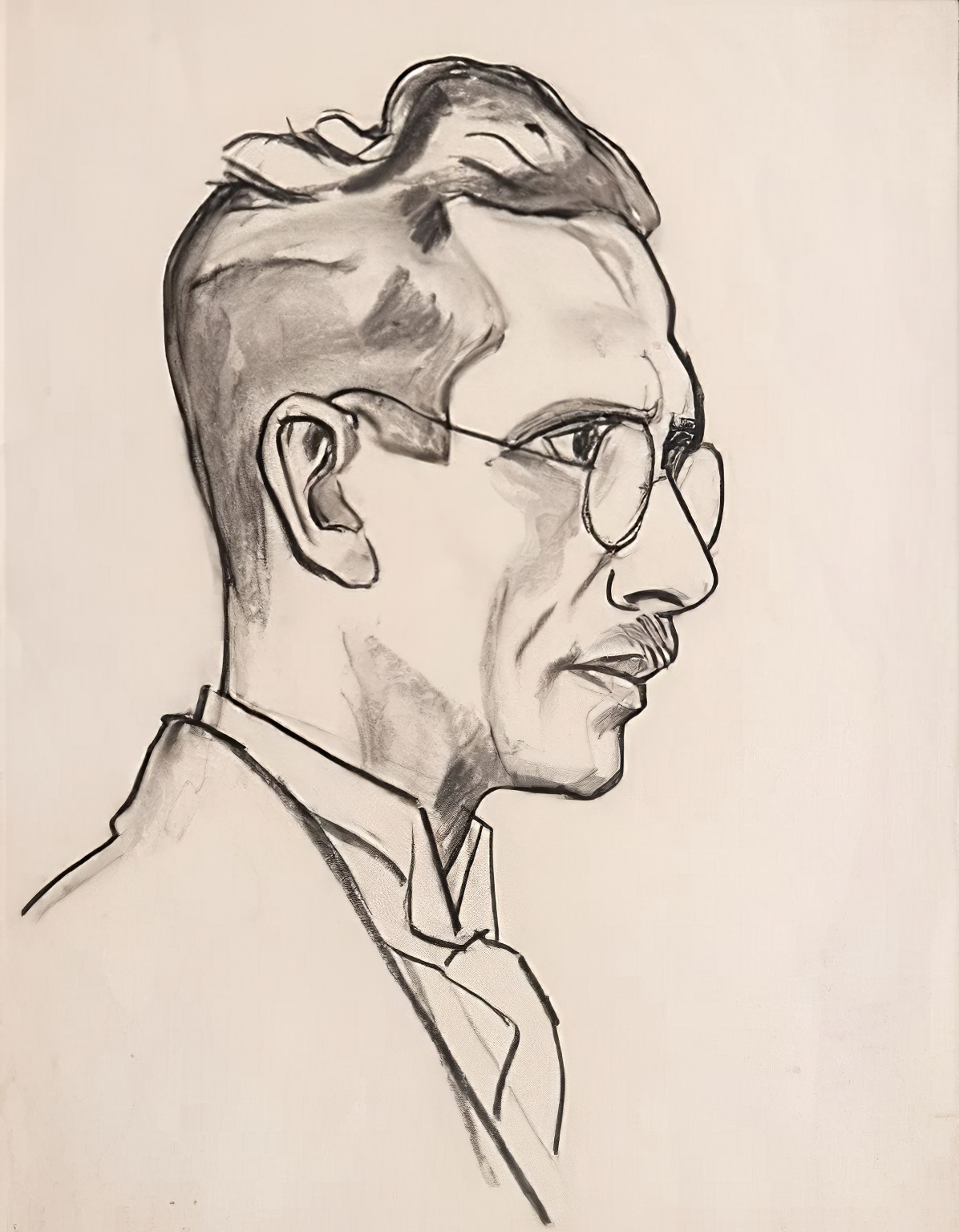
Erich Hartmann was a German modernist and expressionist painter.


Erich Hartmann was a German modernist and expressionist painter.


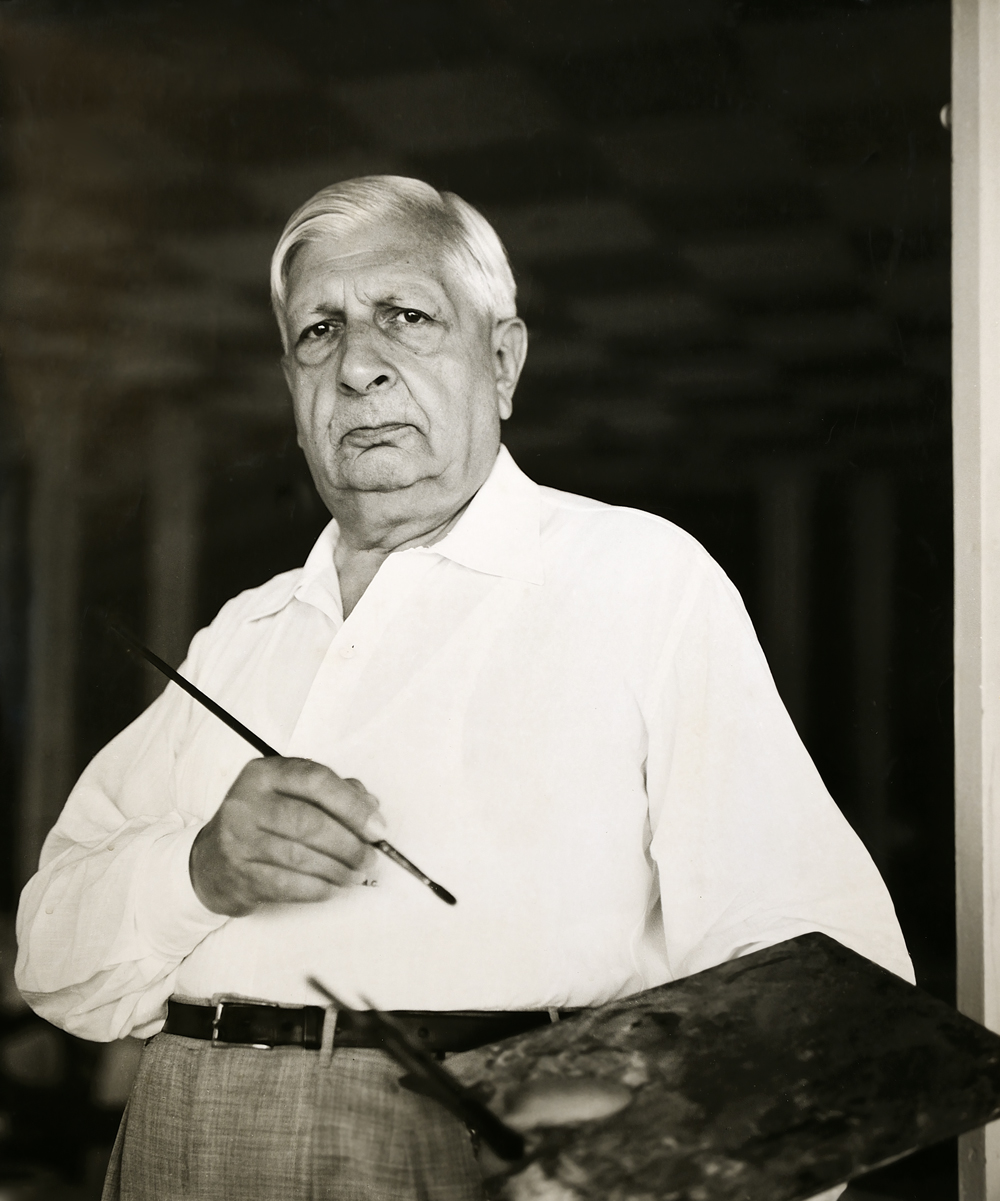
Giuseppe Maria Alberto Giorgio de Chirico, an Italian artist renowned for his profound influence on the Surrealist movement, stands as a seminal figure in 20th-century art. Born in Volos, Greece, in 1888, de Chirico was a visionary painter, sculptor, and writer whose works profoundly altered the landscape of modern art. His paintings, characterized by their dreamlike quality, enigmatic compositions, and the juxtaposition of classical and modern elements, delve into the mysteries of the subconscious, exploring themes of nostalgia, metaphysics, and the uncanny.
De Chirico's art is distinguished by its unique blend of classical motifs with surreal, dreamlike atmospheres, creating a sense of profound mystery and unease. His most famous works, such as "The Enigma of an Autumn Afternoon" and "The Melancholy of Departure," exhibit deserted cityscapes filled with elongated shadows, enigmatic figures, and classical architecture, which became hallmarks of his style. These paintings not only prefigured the Surrealist movement but also influenced countless artists with their exploration of the psyche, the distortion of space, and the play of light and shadow.
His impact on culture and art is undeniable, with his works housed in prestigious museums and galleries worldwide, including the Museum of Modern Art in New York and the Tate Modern in London. De Chirico's ability to evoke the mysterious interconnection between the ancient and the modern through his art continues to captivate collectors and experts in the fields of art and antiques. His innovative approach to painting and sculpture has solidified his position as a key figure in the development of modern art.
For collectors and enthusiasts keen on exploring the depths of 20th-century art and the enigmatic world of Giuseppe Maria Alberto Giorgio de Chirico, staying informed about new discoveries, auction events, and sales of his works is essential. We invite you to sign up for updates to ensure you never miss an opportunity to engage with the enduring legacy of this remarkable Artist. This subscription is your gateway to the latest news related to de Chirico, focusing exclusively on product sales and auction events associated with his influential oeuvre.


Giuseppe Maria Alberto Giorgio de Chirico, an Italian artist renowned for his profound influence on the Surrealist movement, stands as a seminal figure in 20th-century art. Born in Volos, Greece, in 1888, de Chirico was a visionary painter, sculptor, and writer whose works profoundly altered the landscape of modern art. His paintings, characterized by their dreamlike quality, enigmatic compositions, and the juxtaposition of classical and modern elements, delve into the mysteries of the subconscious, exploring themes of nostalgia, metaphysics, and the uncanny.
De Chirico's art is distinguished by its unique blend of classical motifs with surreal, dreamlike atmospheres, creating a sense of profound mystery and unease. His most famous works, such as "The Enigma of an Autumn Afternoon" and "The Melancholy of Departure," exhibit deserted cityscapes filled with elongated shadows, enigmatic figures, and classical architecture, which became hallmarks of his style. These paintings not only prefigured the Surrealist movement but also influenced countless artists with their exploration of the psyche, the distortion of space, and the play of light and shadow.
His impact on culture and art is undeniable, with his works housed in prestigious museums and galleries worldwide, including the Museum of Modern Art in New York and the Tate Modern in London. De Chirico's ability to evoke the mysterious interconnection between the ancient and the modern through his art continues to captivate collectors and experts in the fields of art and antiques. His innovative approach to painting and sculpture has solidified his position as a key figure in the development of modern art.
For collectors and enthusiasts keen on exploring the depths of 20th-century art and the enigmatic world of Giuseppe Maria Alberto Giorgio de Chirico, staying informed about new discoveries, auction events, and sales of his works is essential. We invite you to sign up for updates to ensure you never miss an opportunity to engage with the enduring legacy of this remarkable Artist. This subscription is your gateway to the latest news related to de Chirico, focusing exclusively on product sales and auction events associated with his influential oeuvre.


.jfif)
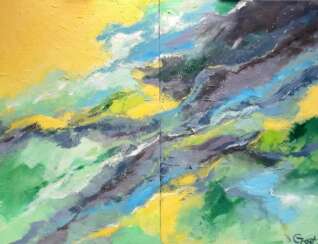
Samuel Lewis Francis, an American painter and printmaker, was known for his pivotal role in postwar American painting and his contributions to the Abstract Expressionism and Color Field painting movements. Born in San Mateo, California, Francis' early life was marked by a deep personal loss and a significant injury during his service in the Army Air Corps, which led him to pursue painting while recovering in a hospital. His work, characterized by splashes of bright contrasting colors against expansive white canvases, drew international acclaim, particularly in Europe and Japan, underscoring his influence on the global art scene.
Francis' art evolved through various phases, from monochromatic works to vibrant, large-scale pieces, and was deeply influenced by his time in Paris and Japan, reflecting elements of Tachisme and possibly Zen Buddhism. Notable for creating large murals and his "Edge" series, Francis also founded The Lapis Press, further contributing to the art community by producing visually compelling texts. Despite facing health challenges towards the end of his life, he remained prolific, leaving behind a legacy celebrated through the Sam Francis Foundation, which aims to perpetuate his creative legacy.
Francis' artworks are held in prestigious collections worldwide, including The Metropolitan Museum of Art, The Museum of Modern Art, New York, and the Centre Pompidou-Musee National d'Art Moderne, Paris, highlighting his enduring influence on contemporary art. His auction records and continued recognition in solo exhibitions posthumously underscore the lasting impact of his work on both collectors and the art community.
For those passionate about modern art and its history, staying informed about Samuel Lewis Francis' contributions and the ongoing exhibitions of his works can be enriching. Sign up for updates related to Francis to ensure you don't miss out on new sales and auction events showcasing his vibrant legacy.


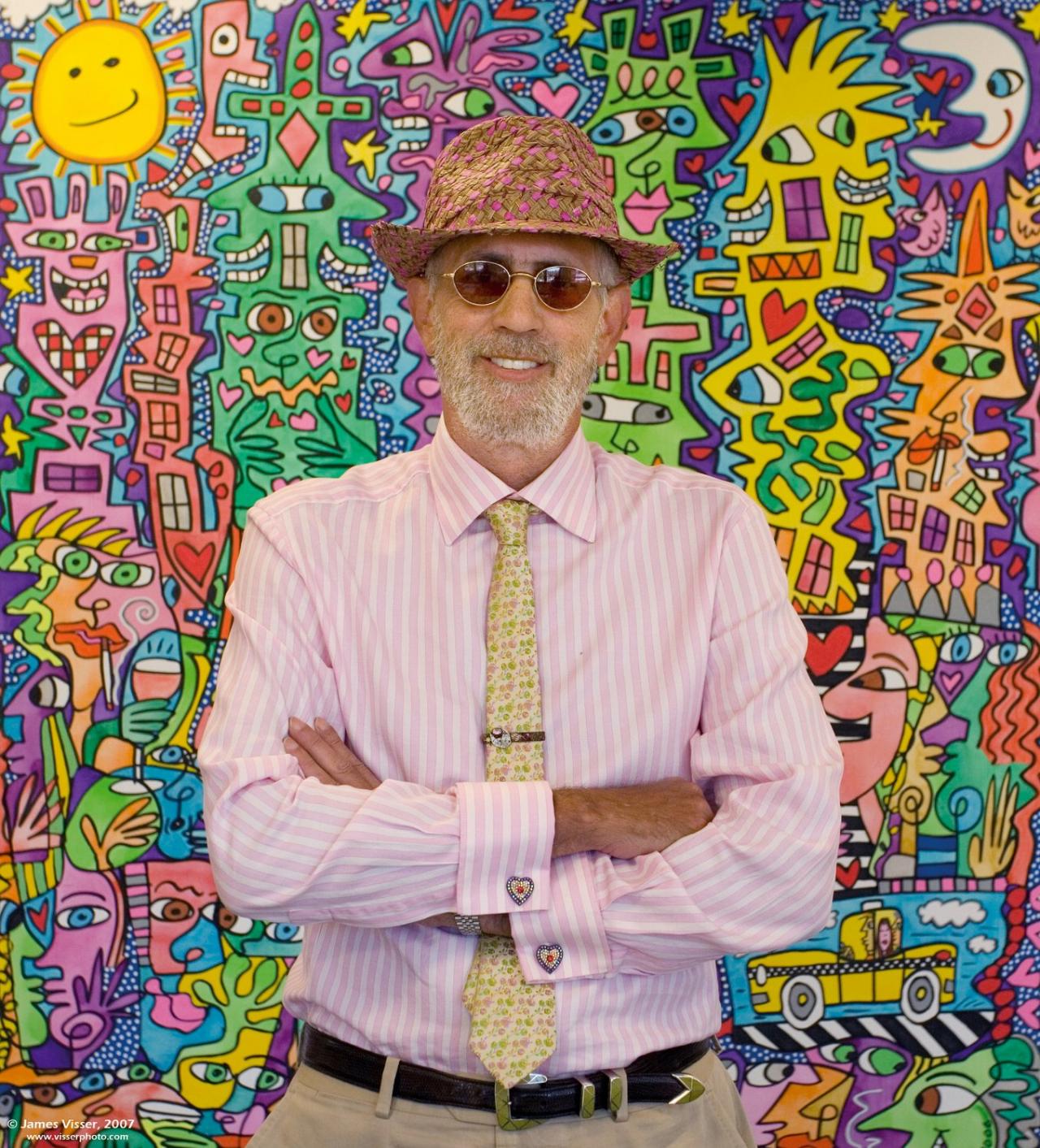
James Rizzi was a renowned American artist, celebrated for his vibrant and playful Pop Art style. Born in Brooklyn, New York, Rizzi's unique approach to art combined childlike whimsy with bold, animated creations. His 3D artworks, characterized by their intricate detail and lively city scenes, set him apart in the art world.
James Rizzi's artistic journey was marked by a series of notable achievements and contributions. He gained recognition in the late 1970s and early 1980s, showcasing his works at prestigious venues like the Brooklyn Museum and creating album covers and animations for the Tom Tom Club. His style evolved into creating 3D constructions, where he meticulously sketched scenes, added vibrant colors, and transformed them into three-dimensional art pieces. This method resulted in captivating prints that exuded a sense of movement and playfulness, drawing viewers into the energetic and diverse atmosphere of New York City.
Throughout his career, James Rizzi undertook various notable projects, including designing for the Montreux Jazz Festival, the FIFA World Cup, and the Olympics. His works were not only limited to canvases but also extended to designing cars for Volkswagen and contributing to charity projects. The "Happy Rizzi House" in Braunschweig, Germany, stands as a testament to his architectural creativity.
Art enthusiasts and collectors will find James Rizzi's work particularly intriguing due to his unique process and the joyous portrayal of urban life. His art is celebrated globally, and his influence remains significant in the Pop Art movement.
If you are a collector or an expert in art and antiques, and James Rizzi's work intrigues you, sign up for updates. Stay informed about new product sales and auction events related to James Rizzi without any pompous flair. Just the essential information, directly to your inbox.


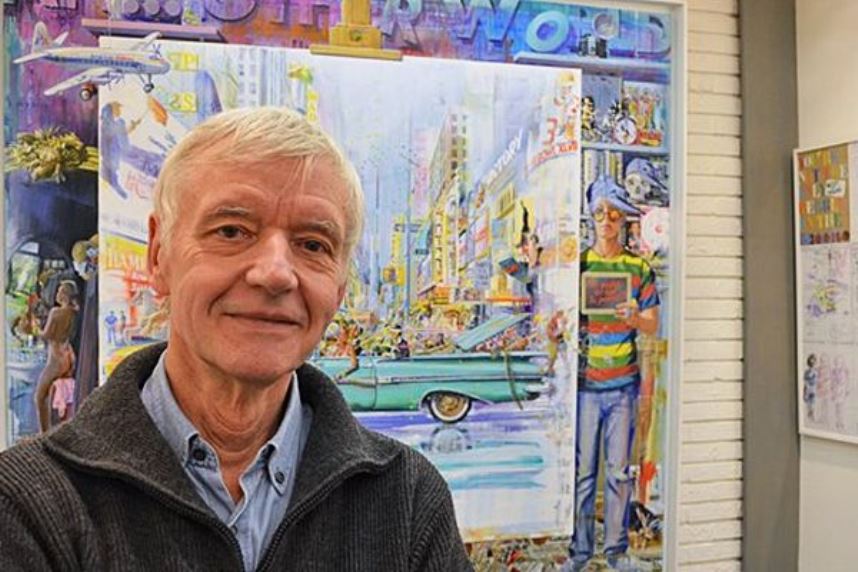
Daniel Authouart is a French painter, draughtsman and lithographer.
He studied at the École des Beaux-Arts in Rouen and lives and works in the same city. Authouart is known for his hyper-realistic paintings and lithographs on themes of modern life. He also created book bindings, posters and theater sets.


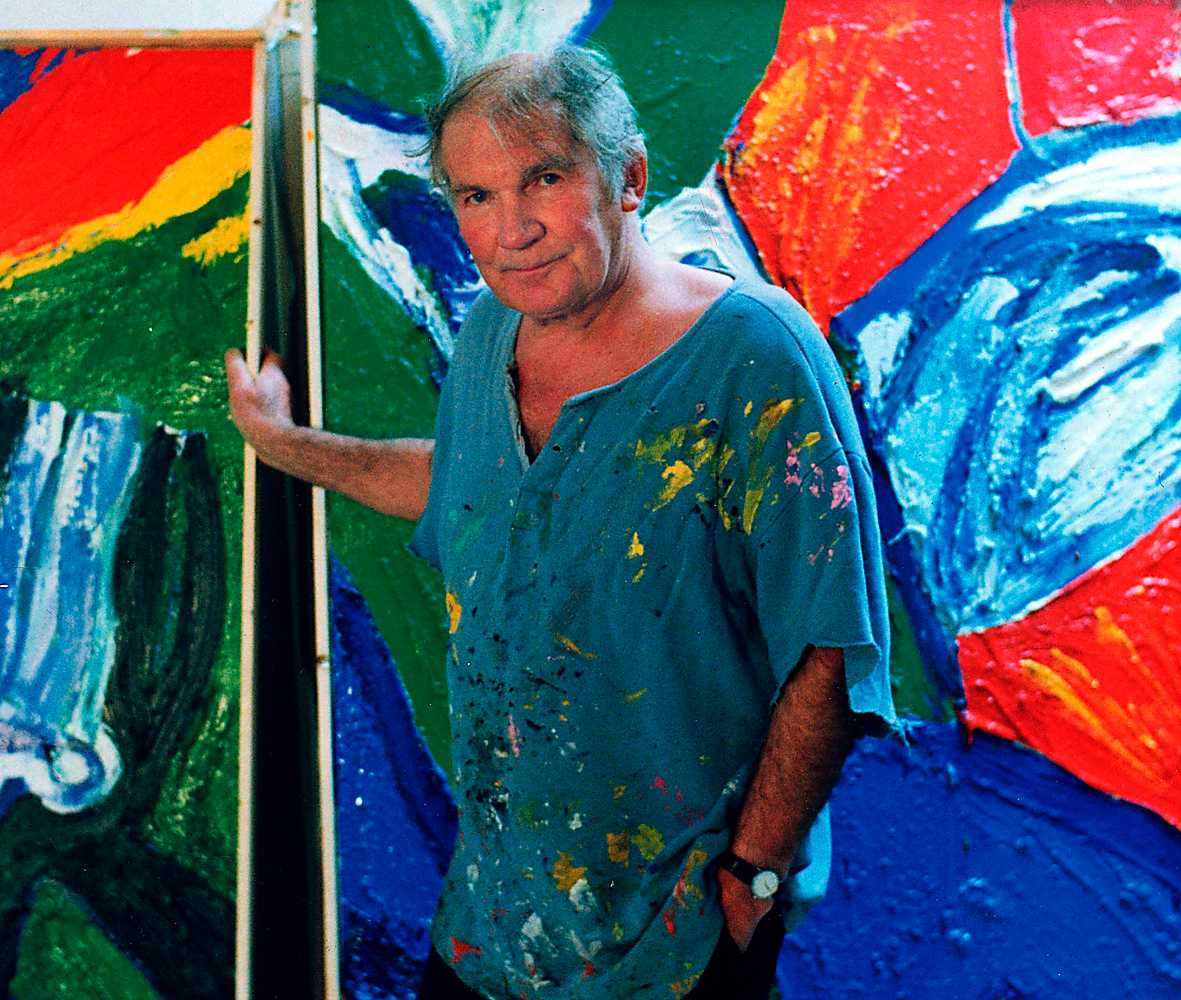


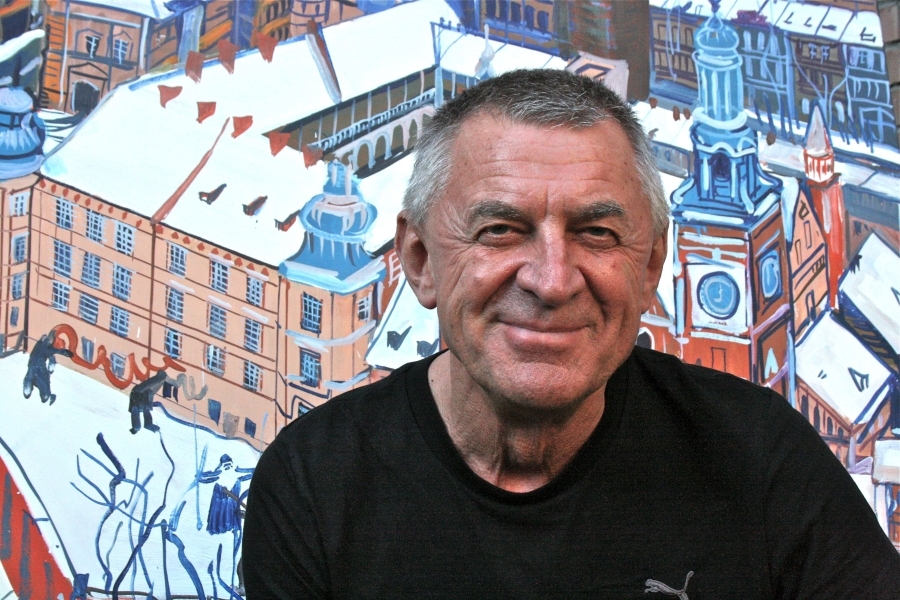
Edward Dwurnik was a Polish expressionist painter and graphic artist. Between 1963-1970 he studied painting, drawing and sculpture at the Academy of Fine Arts in Warsaw. He quickly became one of the most important figures of the Polish contemporary art scene.
Edward Dwurnik is best known for his large-scale paintings depicting everyday life, cityscapes and crowds of people. He often used bold, bright colours and strong black outlines to create his distinctive style. Many of his works depict the absurdity and contradictions of modern life in Poland and the struggles of ordinary people against political oppression and social injustice.
Throughout his career, Dwurnik's art has evolved and diversified, covering a wide range of techniques and themes. In addition to painting, he also worked in printmaking and drawing.


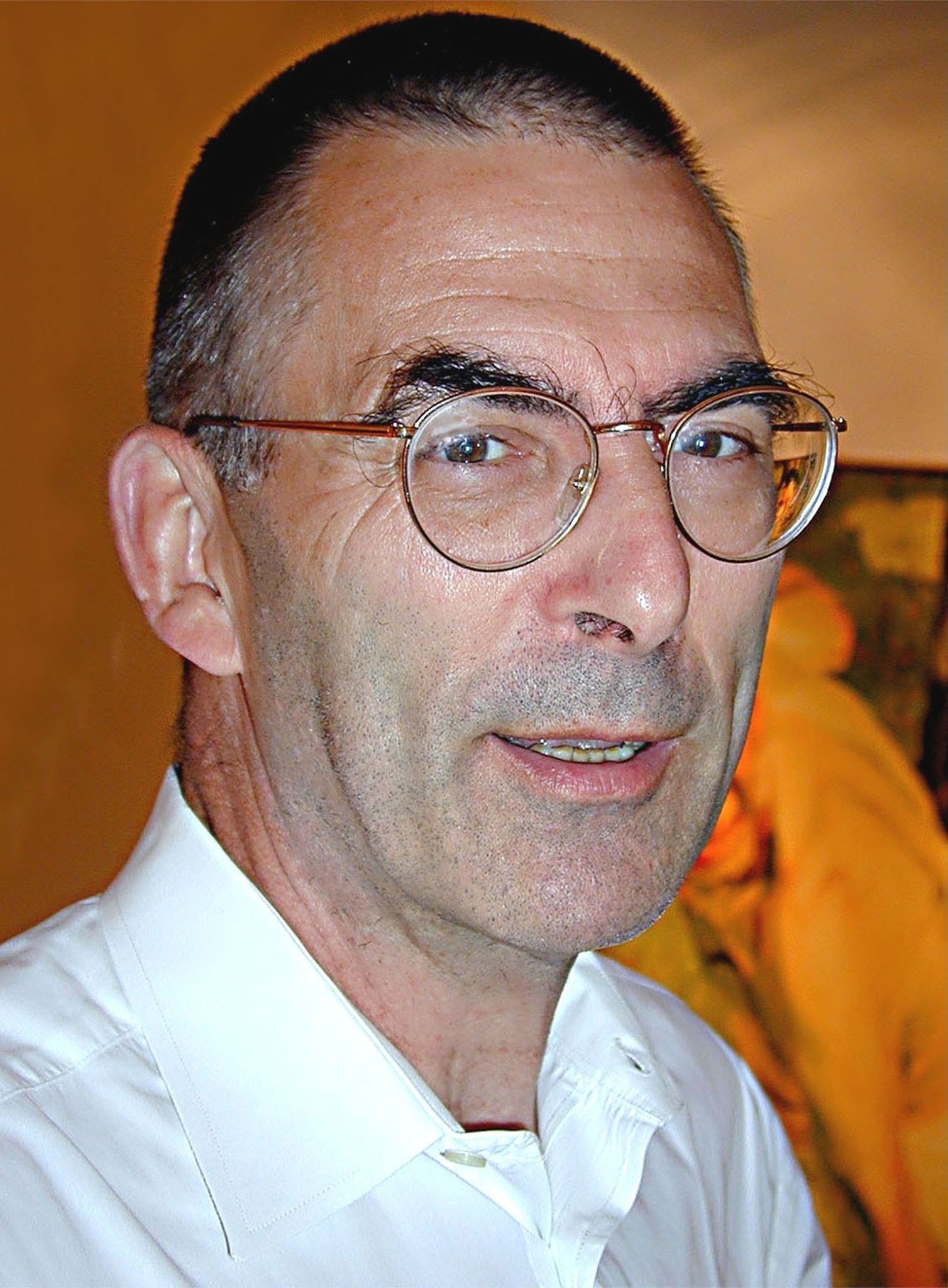
Johannes Michael Wilhelm Grützke was a German painter, draughtsman, graphic artist and medallist.