paradoxically











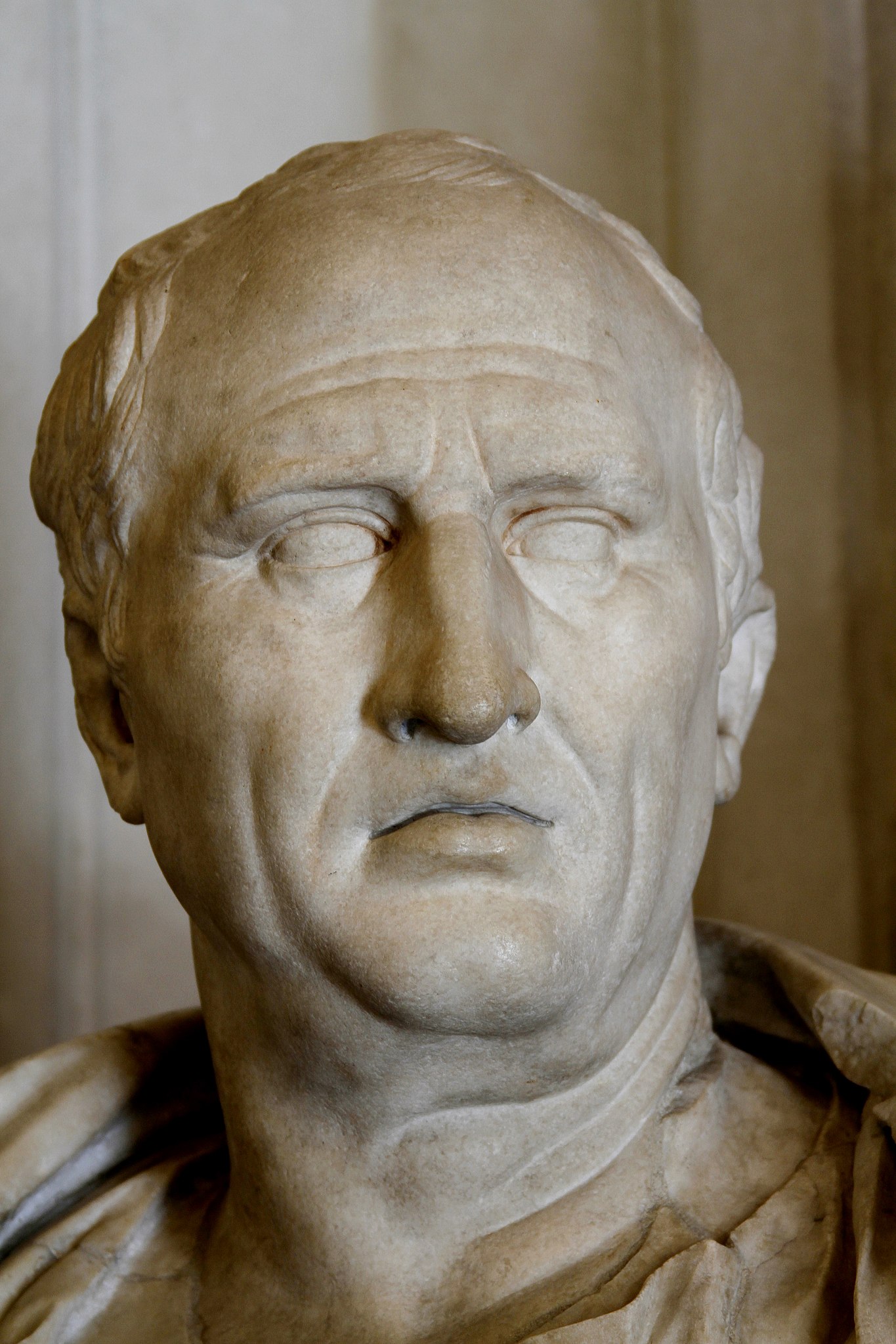
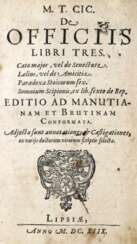
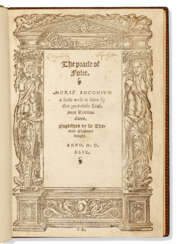
Marcus Tullius Cicero was a Roman statesman, lawyer, scholar, philosopher, and academic skeptic, who tried to uphold optimate principles during the political crises that led to the establishment of the Roman Empire. His extensive writings include treatises on rhetoric, philosophy and politics. He is considered one of Rome's greatest orators and prose stylists. He came from a wealthy municipal family of the Roman equestrian order, and served as consul in 63 BC.
His influence on the Latin language was immense. He wrote more than three-quarters of extant Latin literature that is known to have existed in his lifetime, and it has been said that subsequent prose was either a reaction against or a return to his style, not only in Latin but in European languages up to the 19th century. Cicero introduced into Latin the arguments of the chief schools of Hellenistic philosophy and created a Latin philosophical vocabulary with neologisms such as evidentia, humanitas, qualitas, quantitas, and essentia, distinguishing himself as a translator and philosopher.




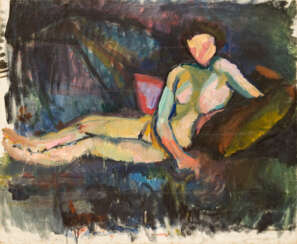

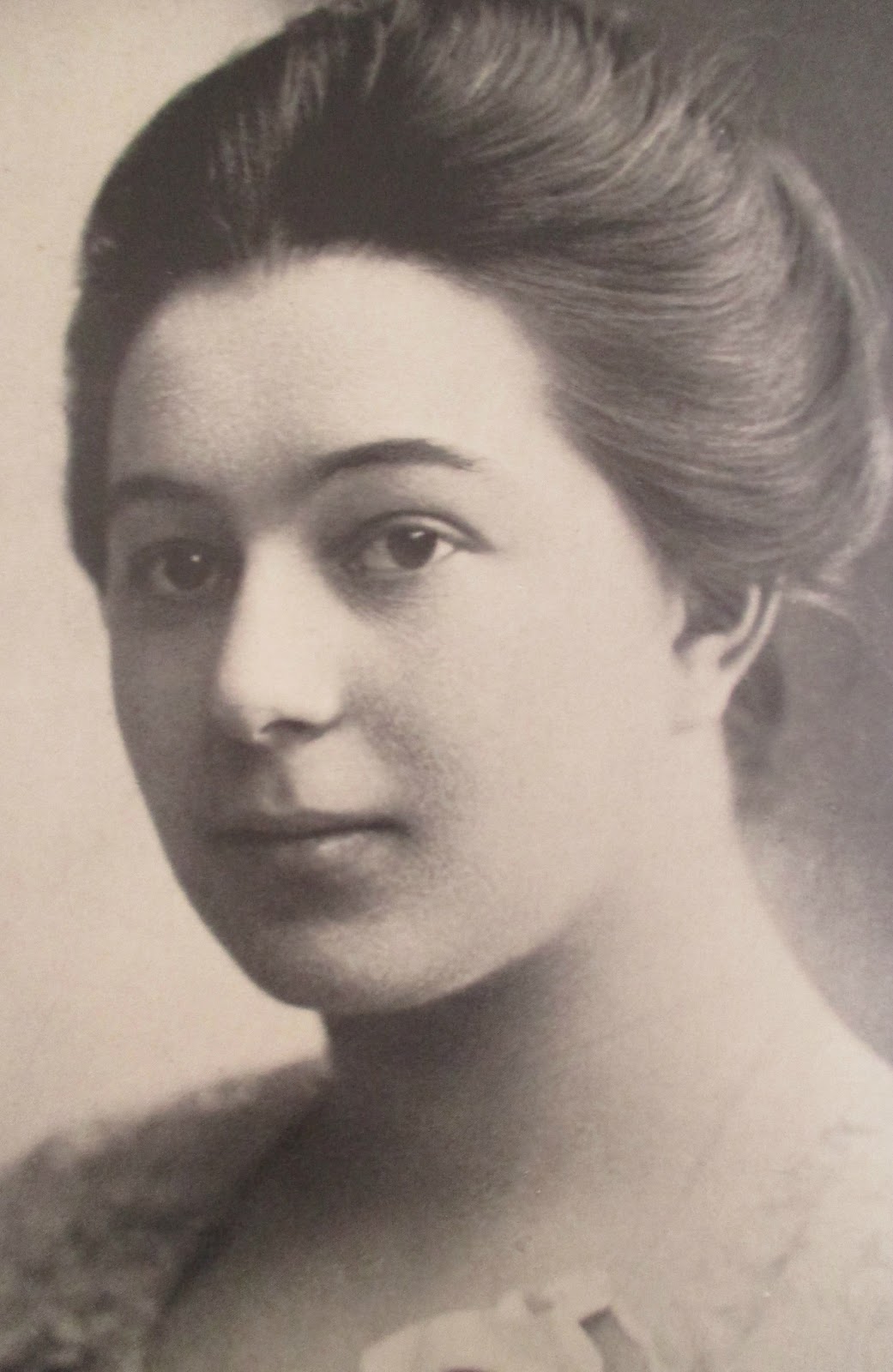
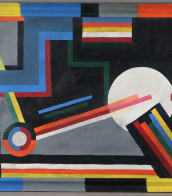
Sonia Delaunay-Terk (Russian: Соня Делоне-Терк) was a Russian-French painter and designer of Jewish descent. She received the name Sonia Terk, by which she is known, in 1890 after being adopted by her uncle. She is also called Sonia Delaunay in literature. She is considered a representative of geometric abstraction. Her artistic role models include Vincent van Gogh and Paul Gauguin. From 1912, she developed the so-called Orphism with her husband Robert Delaunay.
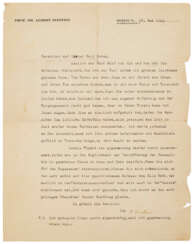

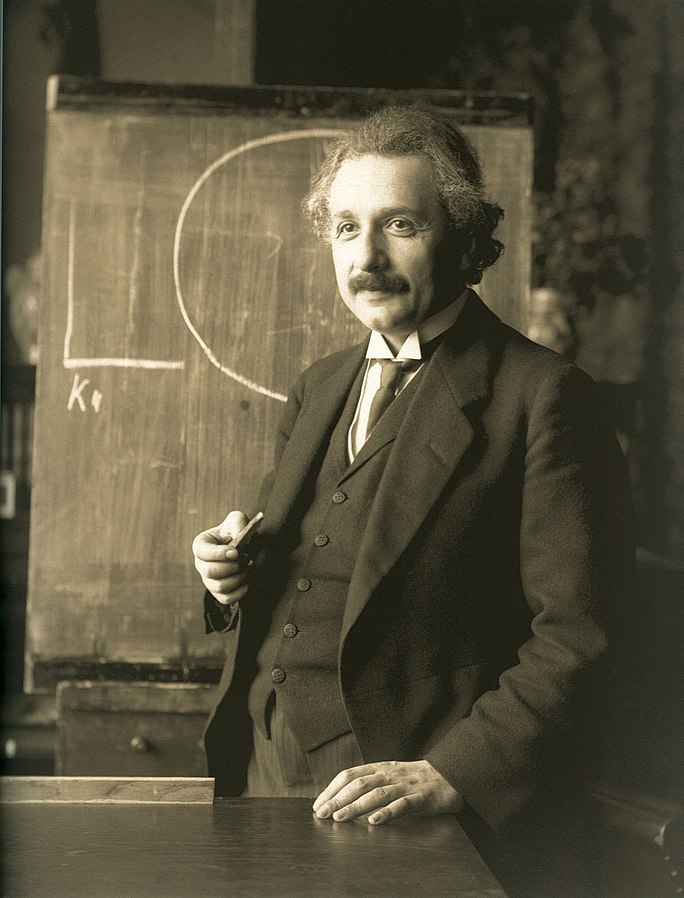
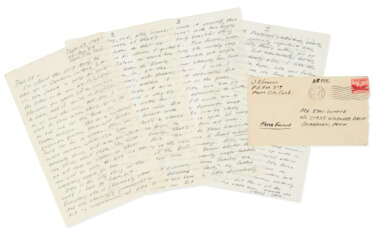
Albert Einstein was a German-born theoretical physicist, widely acknowledged to be one of the greatest and most influential physicists of all time. Einstein is best known for developing the theory of relativity, but he also made important contributions to the development of the theory of quantum mechanics. Relativity and quantum mechanics are together the two pillars of modern physics. His mass–energy equivalence formula E = mc2, which arises from relativity theory, has been dubbed "the world's most famous equation". His work is also known for its influence on the philosophy of science. He received the 1921 Nobel Prize in Physics "for his services to theoretical physics, and especially for his discovery of the law of the photoelectric effect", a pivotal step in the development of quantum theory. His intellectual achievements and originality resulted in "Einstein" becoming synonymous with "genius".


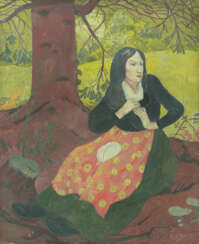

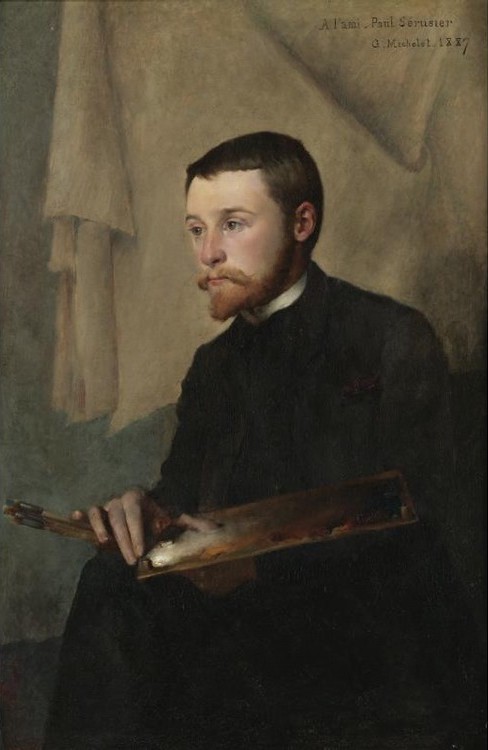
Paul Sérusier was a French Post-Impressionist painter and theorist, notable for his significant contributions to the art movement known as the Nabis. Born in Paris on November 9, 1864, Sérusier's work is characterized by its expressive use of color and pattern, inspired by the techniques of Paul Gauguin. He is best known for his exploration of color, sensation, and abstraction, particularly evident in works like "Le Talisman, the Aven River at the Bois d'Amour" (1888). This painting marks a departure from the Impressionists' more faithful representation of observed reality, focusing instead on translating sensations onto the canvas with vibrant brushstrokes and an emphasis on emotional expression over visual accuracy.
Sérusier's paintings often feature the landscapes and people of Brittany, notable for their contemplative mood achieved through firm contours and blocks of unmodulated color. His style evolved under the influence of Synthetism and Cloisonnism, favoring flattened forms and large swathes of color, as seen in "Farmhouse at le Pouldu" (1890). This approach reflects a decorative organization of objects, emphasizing the craft and execution of the scene.
Some of Sérusier's notable works are housed in prestigious museums such as the Musée d'Orsay in Paris, including "Portrait of Paul Ranson in Nabi Costume" (1890) and "Landscape" (1912). His legacy extends beyond his own artworks; he was a key figure in the formation of the Nabis movement, and his theoretical contributions have had a lasting impact on the art world.
For collectors and experts in art and antiques, Sérusier's work represents a unique blend of post-impressionist and symbolist styles, making his pieces highly valued both for their historical significance and their aesthetic appeal. To stay updated on new product sales and auction events related to Paul Sérusier, sign up for our updates. This subscription service is exclusively focused on providing information related to Sérusier's work, ensuring you remain informed about opportunities to acquire pieces by this influential artist.





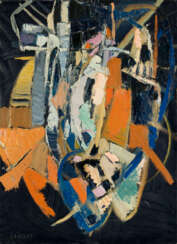

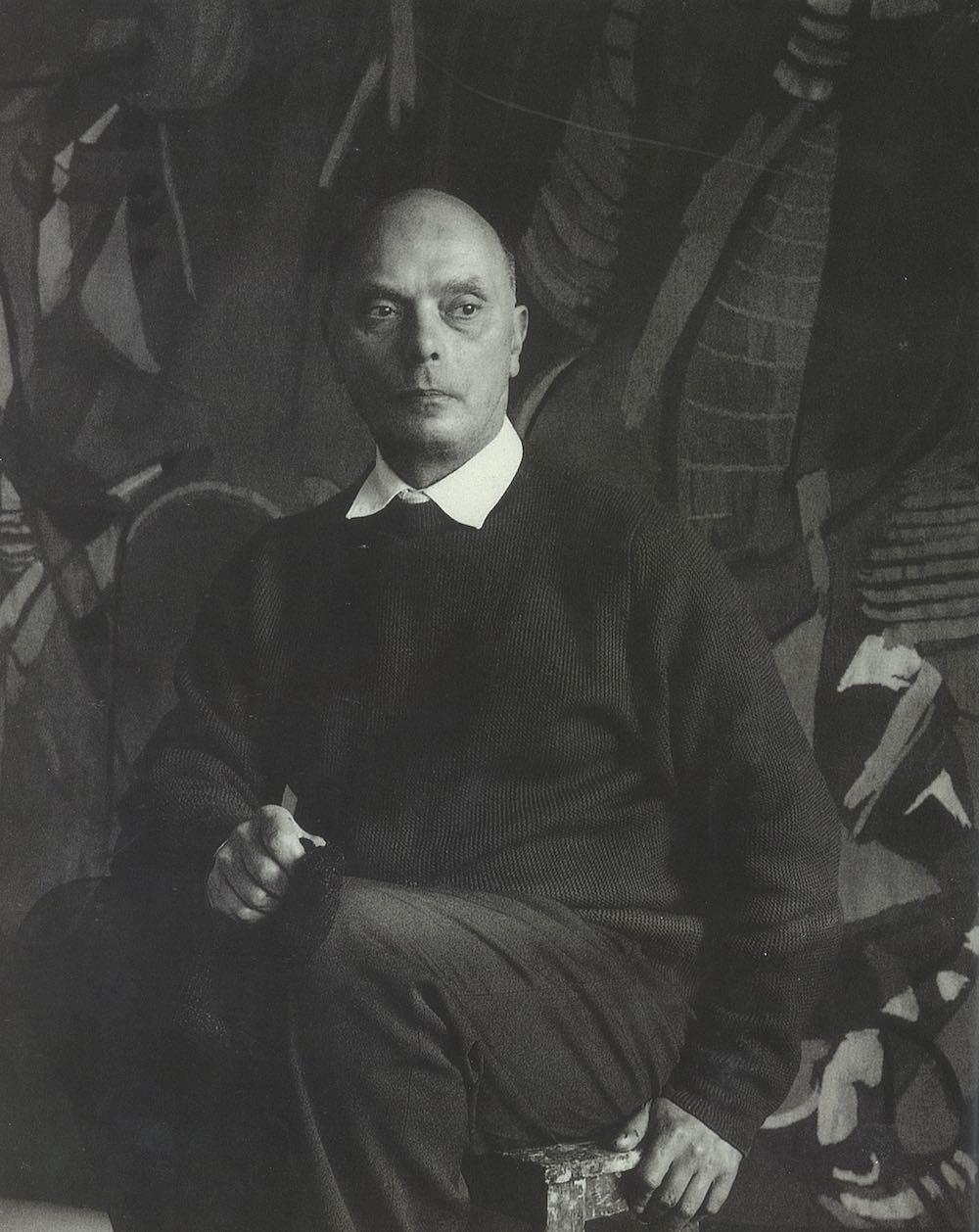
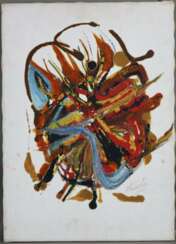
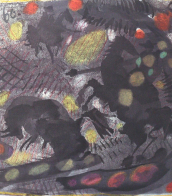
André Lanskoy was a Russian painter and printmaker who worked in France. He is associated with the School of Paris and Tachisme, an abstract painting movement that began during the 1940s.
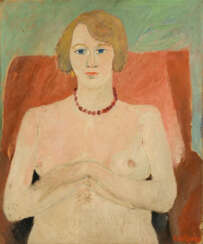

André Lanskoy was a Russian painter and printmaker who worked in France. He is associated with the School of Paris and Tachisme, an abstract painting movement that began during the 1940s.
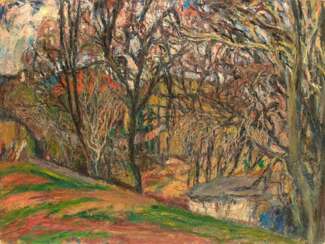

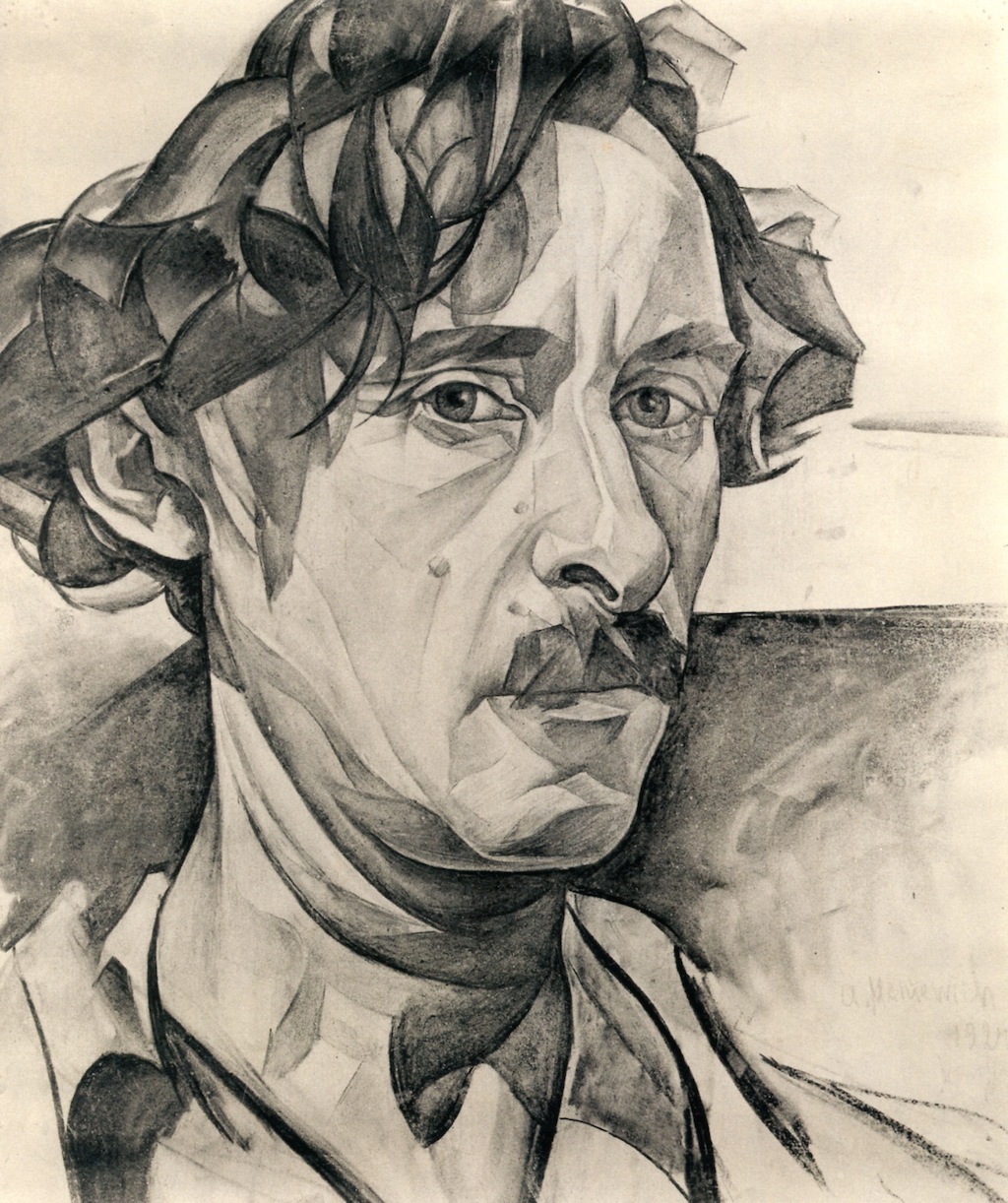
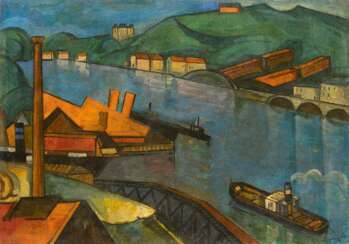

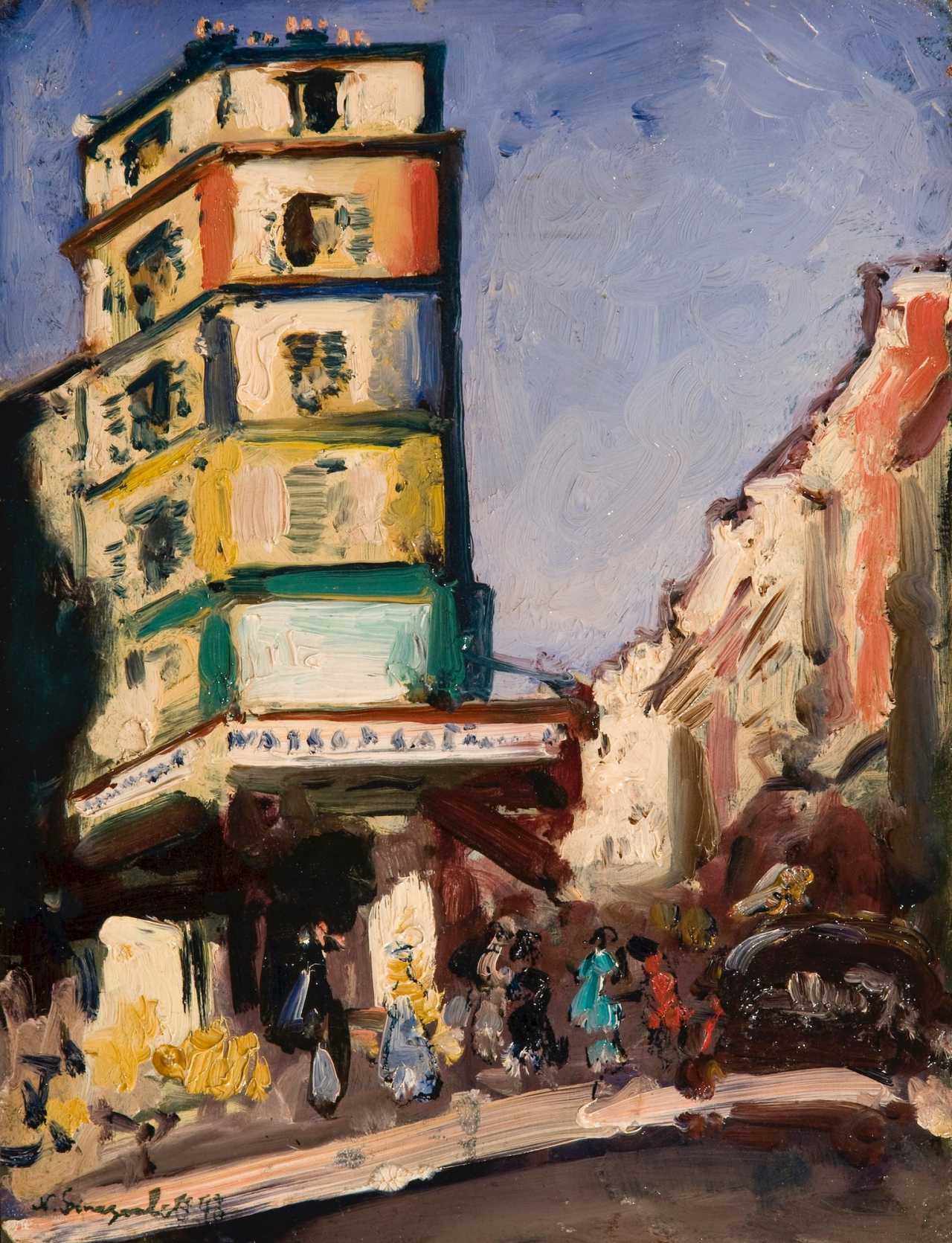
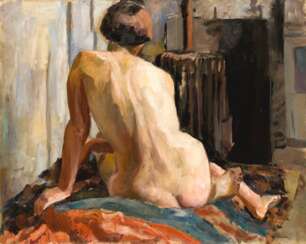

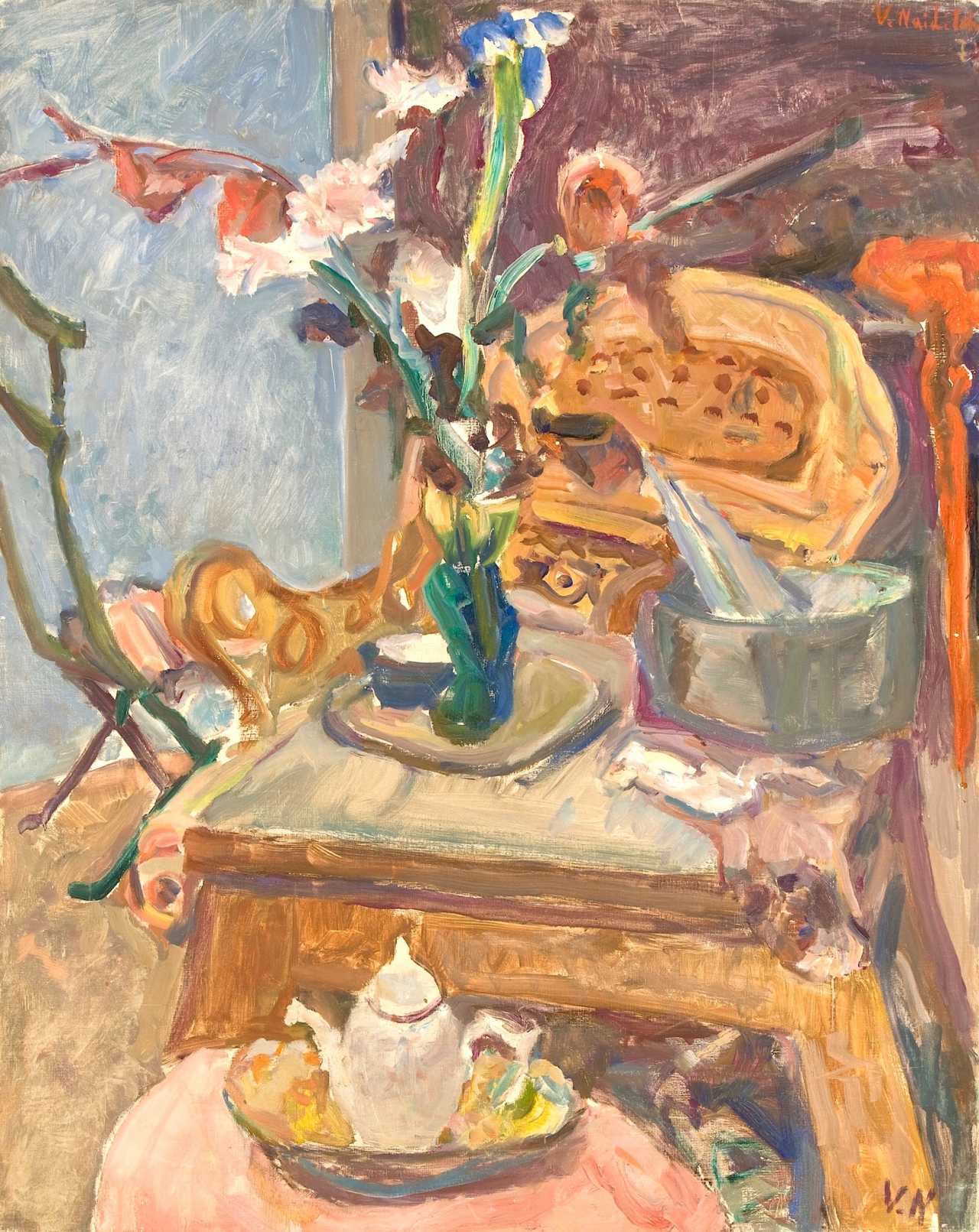

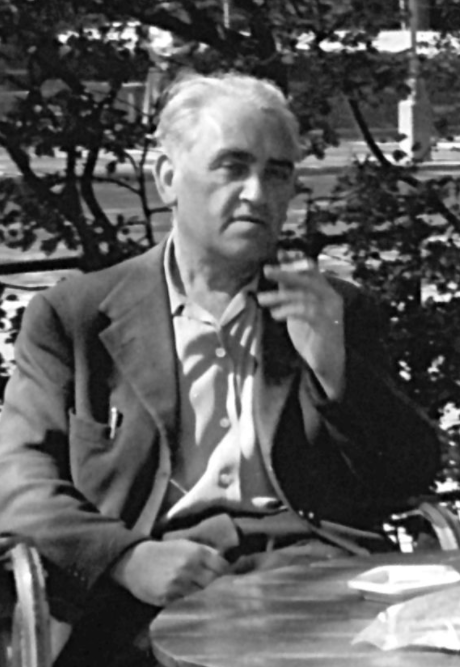


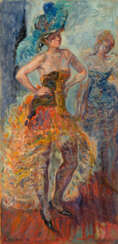

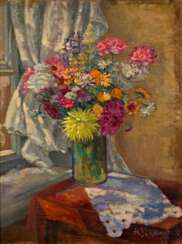

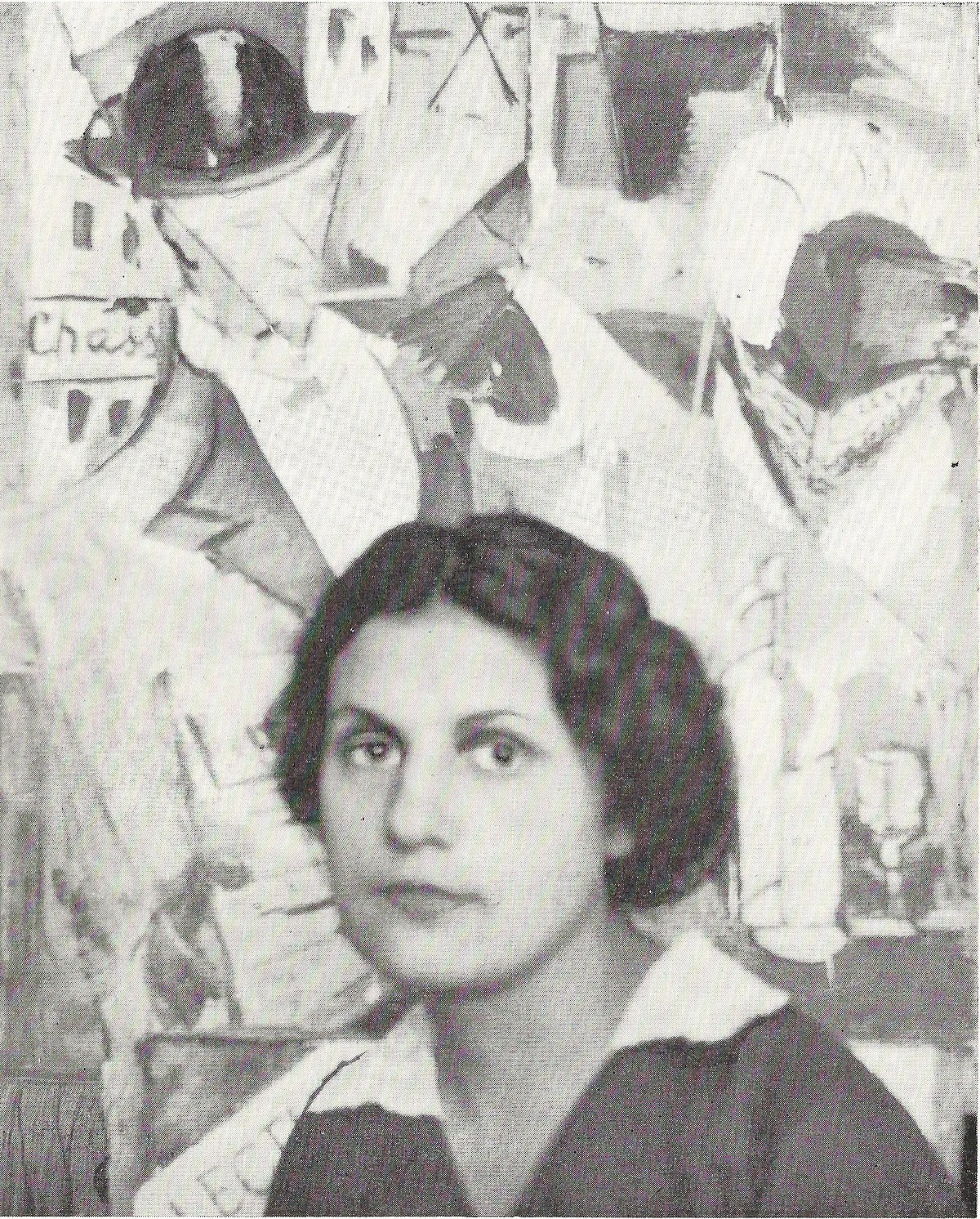
Nadezhda Andreevna Udaltsova (Russian: Наде́жда Андре́евна Удальцо́ва) was a Russian avant-garde artist known for her contributions to Cubism and Suprematism and her participation in the avant-garde movement of pre-revolutionary Russia. Udaltsova was born into an officer's family in Orel, western Russia, on December 29, 1886, and died on January 25, 1961, in Moscow, USSR. Udaltsova was deeply influenced by French Cubism, which she encountered in the art collection of Sergei Shchukin. This encounter was a decisive turning point in her artistic path, leading her to post-impressionism and then to avant-garde art forms.
After the 1917 revolution, her art was recognized by the new regime. Udaltsova played a significant role in education, as a professor and senior lecturer at VKhUTEMAS, the Higher Art and Technical Workshops, and a member of the Institute of Artistic Culture (Inhuk). Despite hardships, including the NKVD's execution of her husband Alexander Drevin in 1938, and becoming persona non grata in Soviet art circles, she continued her artistic endeavors, holding a solo exhibition in 1945 and participating in a group exhibition in 1958.
Udaltsova's legacy is remarkable not only for her artistic achievements, but also for the challenges she overcame. Her work is in prestigious collections, including the Museum of Modern Art (MoMA), attesting to her indelible impact on the art world.
For those interested in learning more about Nadezhda Andreevna Udaltsova's work and life, it will be helpful to visit the museums that house her works or subscribe to our newsletters about exhibitions and auctions featuring her art. This will allow a deeper understanding of this remarkable artist's contribution to the avant-garde movement and the art world in general.