animale



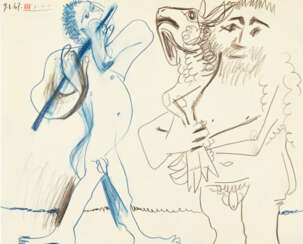

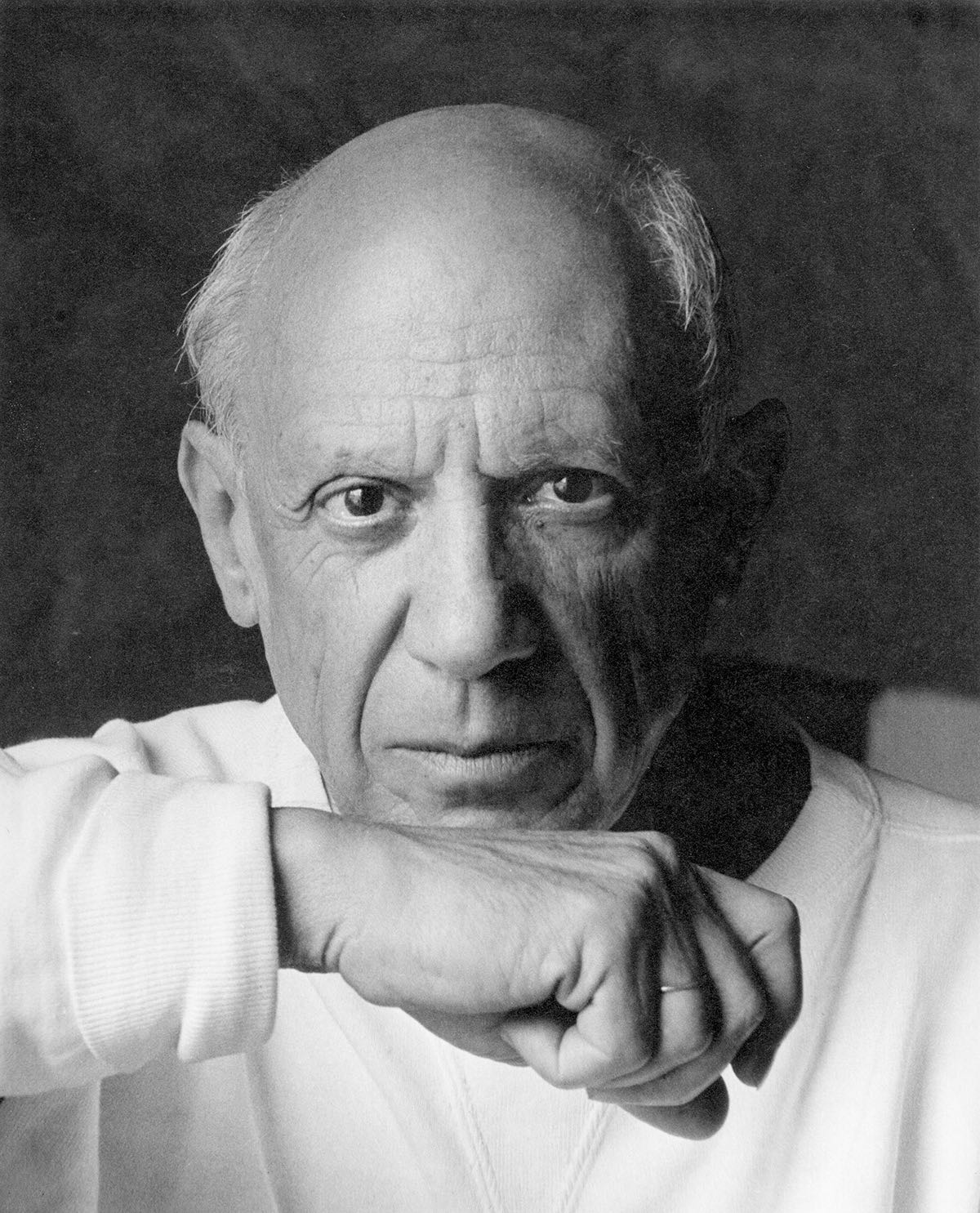
Pablo Ruiz Picasso, a Spanish artist renowned for his revolutionary contributions to the 20th-century art scene, is a figure that resonates profoundly with collectors and art experts. His unique blend of talents in painting, sculpture, printmaking, and ceramic art, infused with his time in France, positioned him as a pivotal character in modern art history.
Picasso's artistic journey was marked by distinct periods, each showcasing his evolving style and genius. His early years were characterized by the Blue Period (1901-1904), followed by the Rose Period (1904-1906), and then the African-influenced Period (1907-1909). Picasso's name is synonymous with Cubism, a movement he co-founded, which significantly altered artistic perspectives and methods. Works like "Les Demoiselles d'Avignon" (1907) and "Guernica" (1937) are emblematic of his cubist legacy, the latter being a poignant anti-war statement that remains influential.
His later years saw a return to more traditional styles, with neoclassical and surrealist influences becoming evident. Works from these phases reflect a deep engagement with mythological themes, as seen in "Faun with Stars" (1955), symbolizing his late-life romance with Jacqueline Roque, his second wife.
Picasso's prolific output and innovative spirit made him a legend in his own time, a status that only grew after his death. His works, housed in major museums and private collections worldwide, continue to captivate and inspire.
As a collector or expert in art and antiques, staying informed about Picasso's works, their auction events, and sales is essential. To stay updated on the latest developments and opportunities related to Pablo Picasso, sign up for our specialized updates. Rest assured, this subscription will focus solely on new product sales and auction events pertaining to Picasso's art, ensuring that you receive only the most relevant and valuable information.




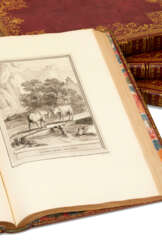

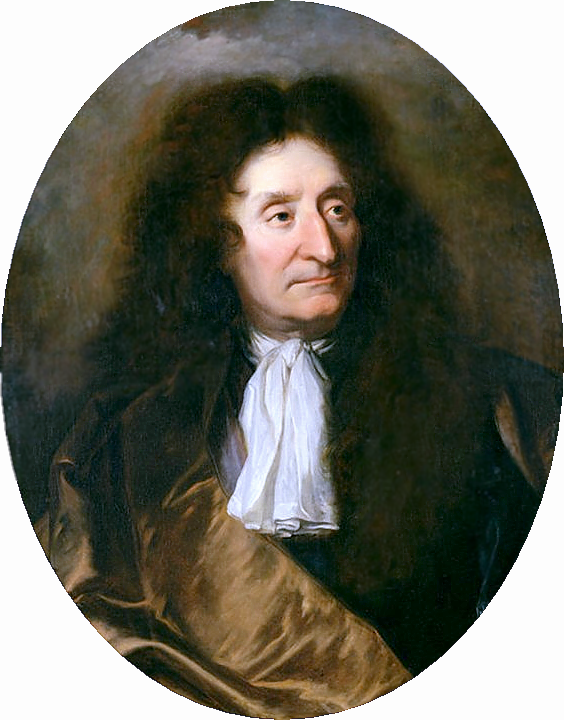


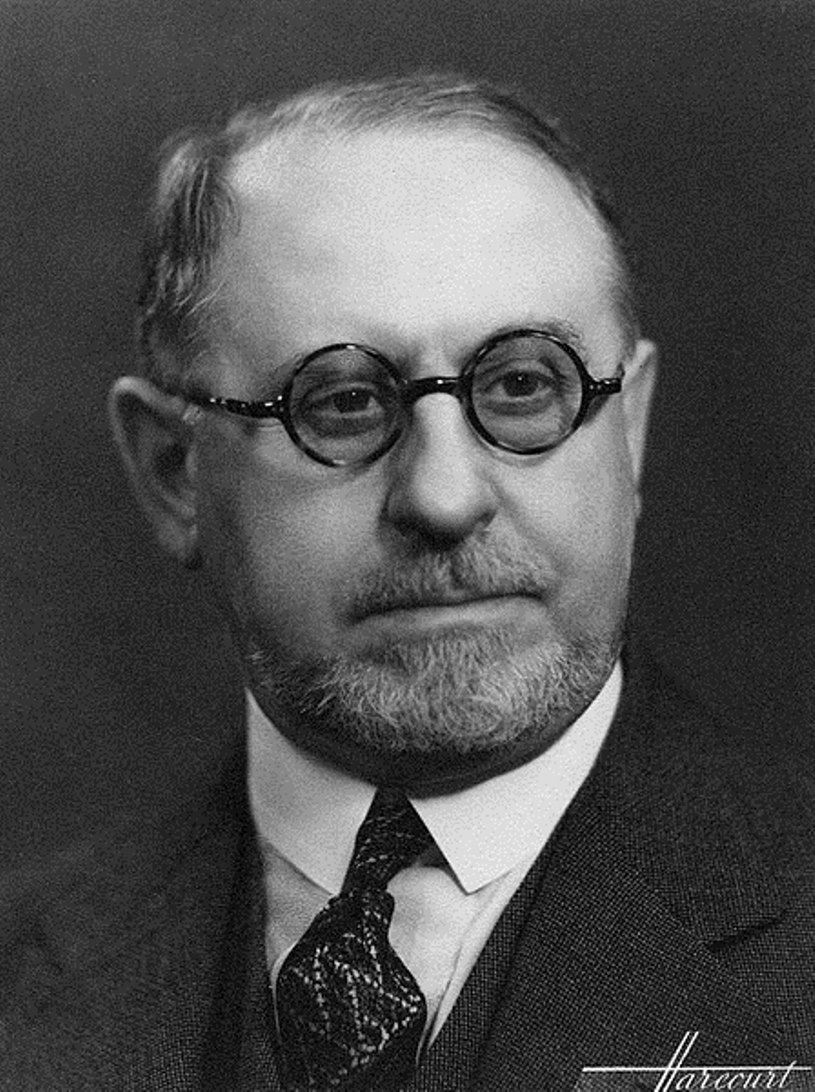
Pierre Paul Jouve was a French painter, sculptor and illustrator.
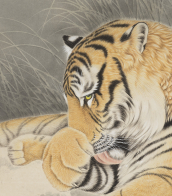
Paul was the son of painter and ceramicist Auguste Jouve, as a child he frequented the Jardin des Plantes and the Musée de la Histoire Naturelle de Paris and drew wild cats, which he fell in love with throughout his life. He entered the École des Arts Décoratifs and then the École des Beaux-Arts, exhibiting at the Salons from the age of 16. As part of the World Exhibition in 1900, Zhuv was commissioned by the architect René Binet to create a hundred-meter bas-relief frieze depicting wild animals.
In 1905, Marcel Bing organized the first solo exhibition of Paul Jouve, which featured 64 of his works. In 1907 Juve lived at the villa of French artists Abd el-Tif in Algeria, then went to Greece. After World War I he traveled to the Far East, visiting Ceylon, Saigon in the French colony of Cochinchin (now Vietnam), and Phnom Penh in Cambodia. He then explored the jungles of Africa. Paul Jouve became widely known for his paintings and sculptures depicting the animals of Africa. He was the first recipient of the Abd el-Tif Prize in 1907 and then the Indochina Prize in 1921.
Today, Paul Jouve is best remembered for his depictions of big cats and his illustration of an edition of Rudyard Kipling's The Jungle Book in collaboration with engraver F.L. Schmid (1873-1941), which was published in 1919. Juve became a director of the Society of Decorative Artists, and he was elected a member of the French Academy of Fine Arts in 1945. Throughout his long life, the artist continued to travel. He visited the United States and Bermuda, which inspired a panel entitled Poisson, which is now in the collection of the Museum of Fine Arts in Reims.
Paul Jouve died in his studio in Paris in 1973 at the age of 95.