1612
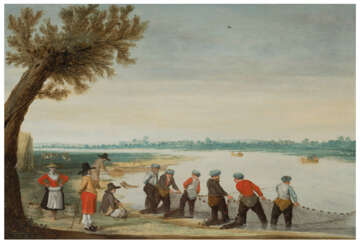

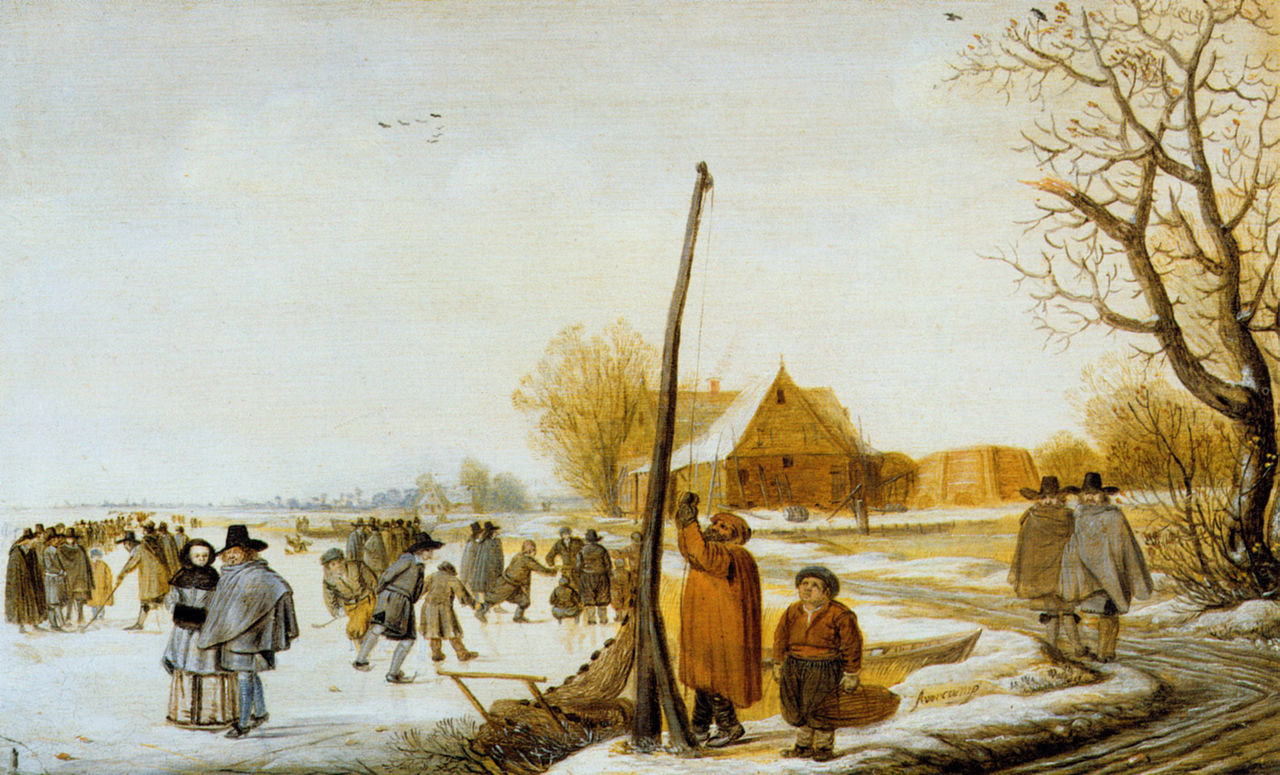
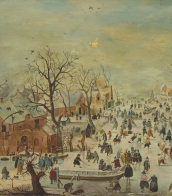
Barent Avercamp was a Dutch painter. He was taught by his uncle Hendrick Avercamp, who was also a painter. Barent primarily painted scenes depicting Netherlands in winter. He was a member of the Guild of Saint Luke, and traveled around the Netherlands including Zwolle and Zutphen for his settings and inspiration.
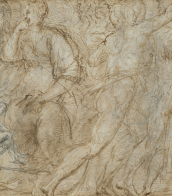
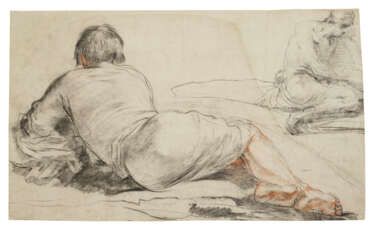

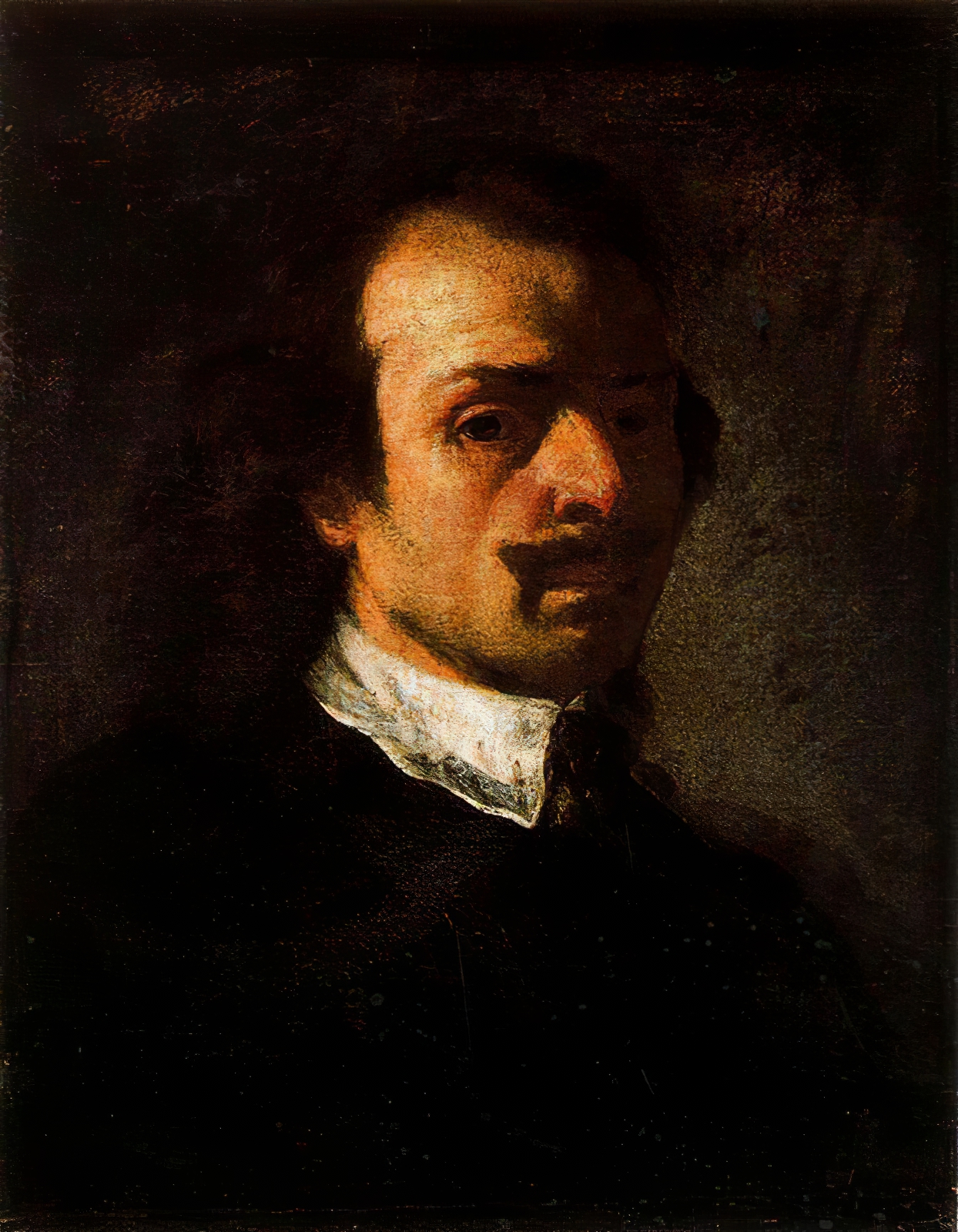
Pier Francesco Mola, called Il Ticinese, was an Italian painter of the High Baroque, mainly active around Rome.

Pier Francesco Mola, called Il Ticinese, was an Italian painter of the High Baroque, mainly active around Rome.
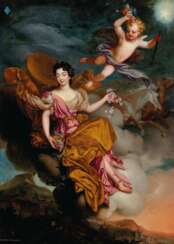

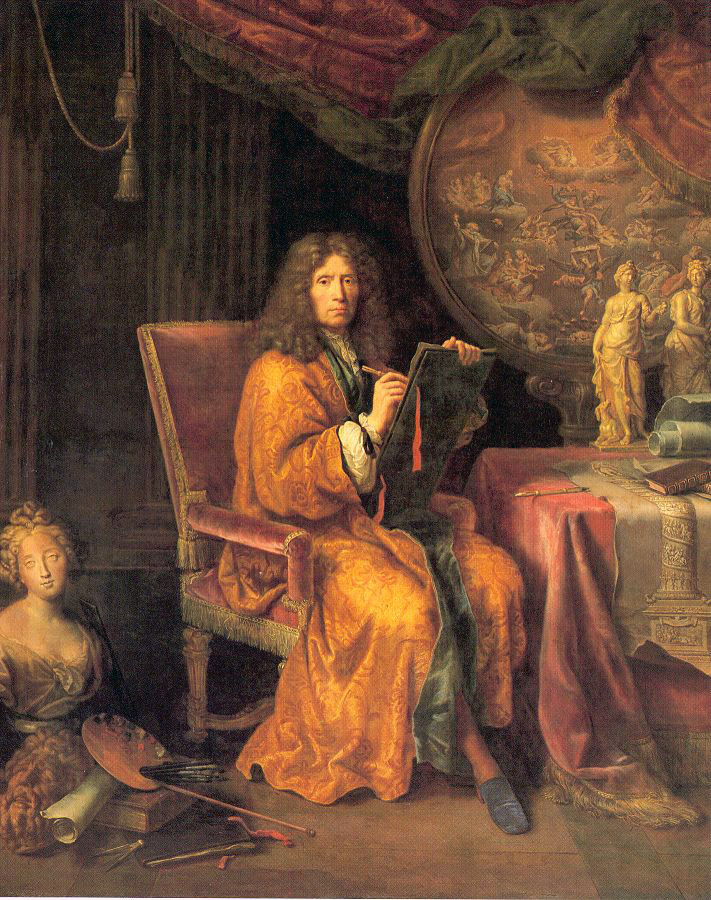
Pierre Mignard, called "Mignard le Romain" to distinguish him from his brother Nicolas Mignard, was a French painter known for his religious and mythological scenes and portraits. He was a near-contemporary of the Premier Peintre du Roi Charles Le Brun with whom he engaged in a bitter, life-long rivalry.
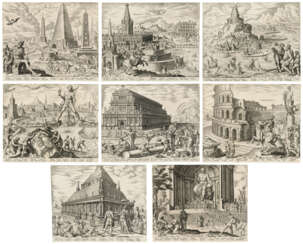

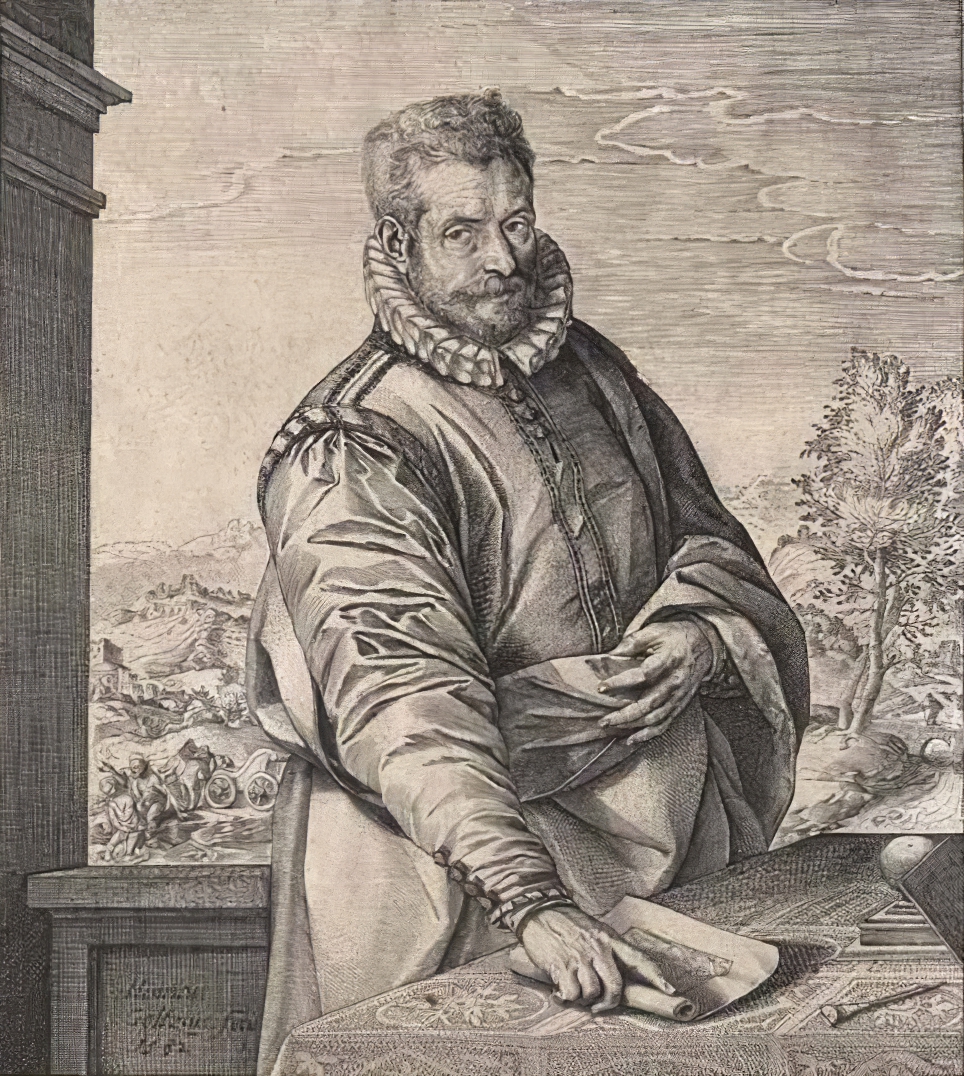
Philips Galle was a Dutch publisher, best known for publishing old master prints, which he also produced as designer and engraver. He is especially known for his reproductive engravings of paintings.
As a resident of Antwerp, Galle witnessed numerous events of the Eighty Years War, notably the siege and looting of the town in 1576 by the Spaniards, called "The Spanish Fury". This rather personal book, which was translated in several languages soon after its first publication, shows Galle as a peace-loving person who intended to stay far away from the political and military turmoil of his era.
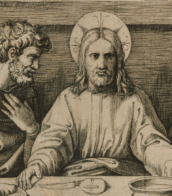


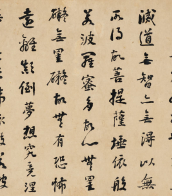
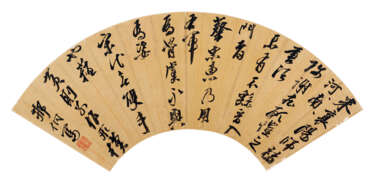

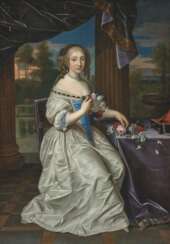

Pierre Mignard, called "Mignard le Romain" to distinguish him from his brother Nicolas Mignard, was a French painter known for his religious and mythological scenes and portraits. He was a near-contemporary of the Premier Peintre du Roi Charles Le Brun with whom he engaged in a bitter, life-long rivalry.
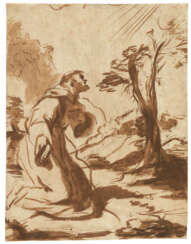

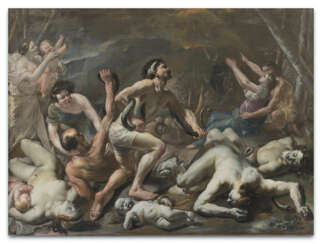
Pier Francesco Mola, called Il Ticinese, was an Italian painter of the High Baroque, mainly active around Rome.



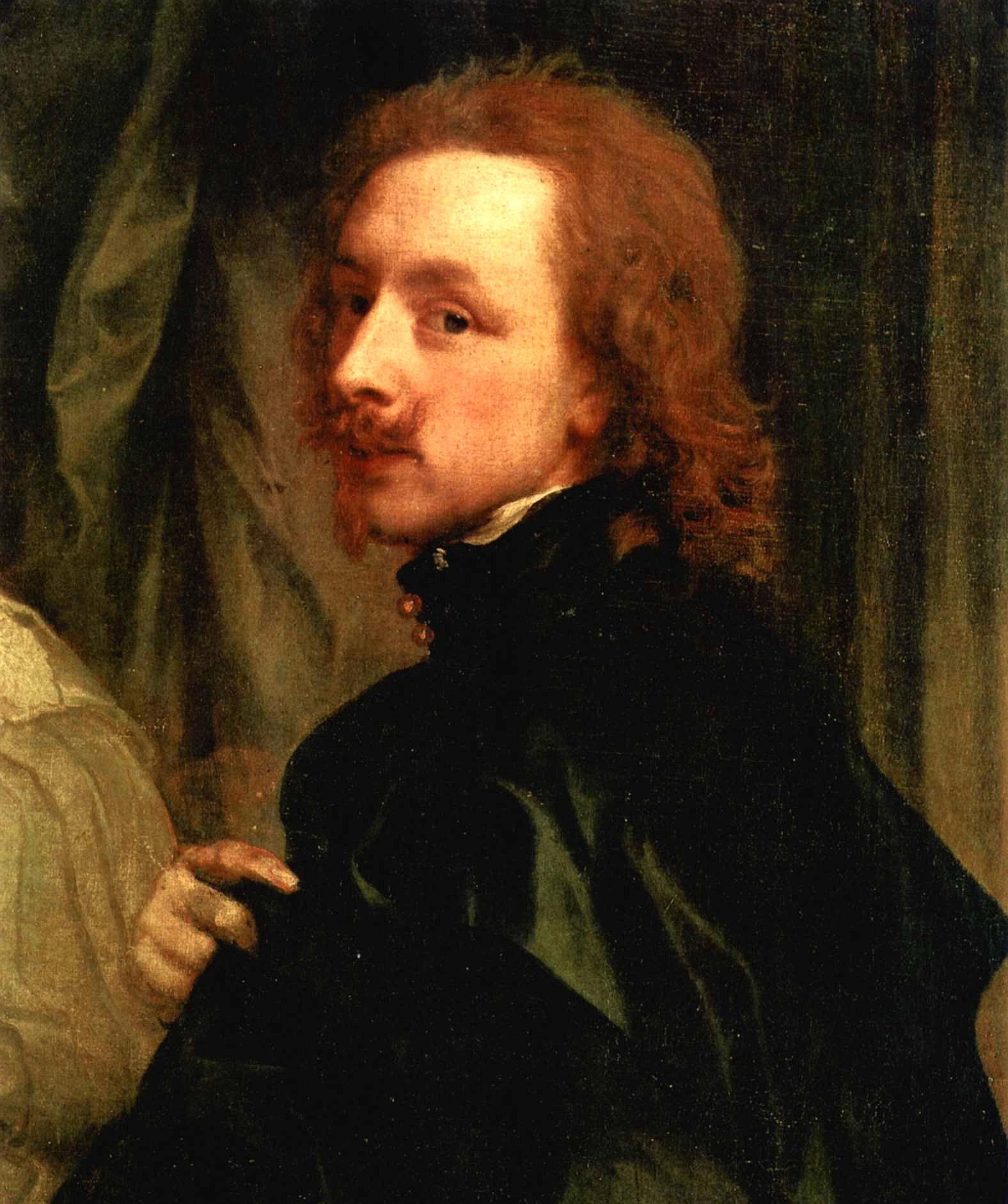
Anthony van Dyck, a Flemish painter born in 1599 in Antwerp and passed away in 1641 in London, is celebrated as one of the foremost Baroque painters of the 17th century. His notable contributions to the art world include his exceptional portraits of European aristocracy, as well as his religious and mythological paintings. Van Dyck's early exposure to art was influenced significantly by his apprenticeship with Hendrik van Balen and later, by the profound impact of working alongside Peter Paul Rubens. His mastery was recognized early on, leading him to set up his own workshop by the age of 15.
Van Dyck's journey to Italy in 1621 marked a pivotal phase in his career, allowing him to immerse himself in studying the Italian masters and commencing his successful stint as a portraitist. His style evolved under the influence of Titian, evident from his vibrant use of color and refined modeling of form. Van Dyck's Italian period not only honed his artistic skills but also established his reputation as a painter of consequence.
Upon returning to Antwerp, van Dyck's portraits became highly sought after, leading to commissions from notable figures such as Archduchess Isabella and Queen Mother Maria de' Medici. His role as a court painter further solidified in England under the patronage of King Charles I, where he was knighted and appointed as the principal painter, profoundly shaping the aristocratic character of Charles I's reign through his portraits.
Van Dyck's legacy extends beyond his death, having influenced English portrait painting for over a century. His innovative techniques in watercolour and etching, along with his sophisticated portrayal of subjects, continue to be admired. His art not only showcases his technical prowess but also reflects the cultural and social nuances of his era, making his work a significant study for collectors and art historians alike.
For enthusiasts eager to explore the intersections of art, history, and culture through the lens of Anthony van Dyck's work, staying informed about new discoveries and auction events is essential. Signing up for updates can provide exclusive insights into the world of one of the most influential figures in Flemish art. This subscription ensures that collectors and experts are well-informed of any developments related to van Dyck's oeuvre, enhancing their understanding and appreciation of his contributions to the art world.

Victor Wolfvoet the Younger was a Flemish painter and art dealer, a member of the Guild of St. Luke.
It is believed that as a young man he worked in the studio of Peter Paul Rubens, where he assisted in the creation of works and painted several compositions based on the works of the great Antwerp master. In addition to painting his own pictures of historical and allegorical themes, Wolfvoet made copies of paintings by prominent painters of his time, including van Dyck and Rubens.
In addition, Wolfvoet the Younger, like his father, was active in the art trade. The inventory of his estate, compiled after his death, lists more than seven hundred works, including twenty oil sketches by Rubens.
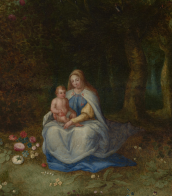
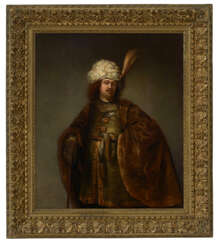

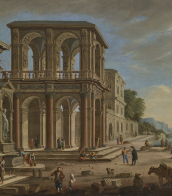
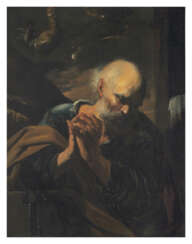

Pier Francesco Mola, called Il Ticinese, was an Italian painter of the High Baroque, mainly active around Rome.
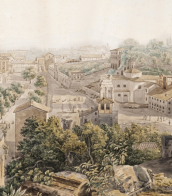
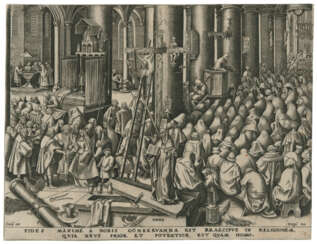

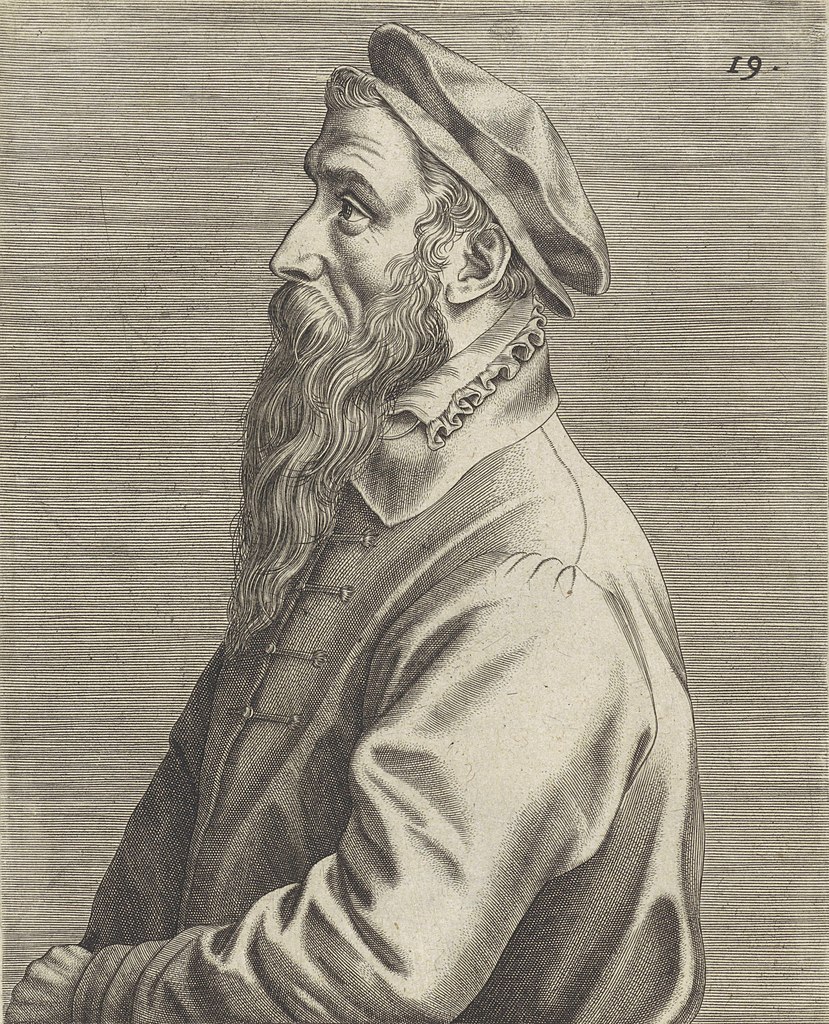
Pieter Bruegel (also Brueghel or Breughel) the Elder (Dutch: Pieter Bruegel de Oude) was the most significant artist of Dutch and Flemish Renaissance painting, a painter and printmaker, known for his landscapes and peasant scenes (so-called genre painting); he was a pioneer in making both types of subject the focus in large paintings.
Philips Galle was a Dutch publisher, best known for publishing old master prints, which he also produced as designer and engraver. He is especially known for his reproductive engravings of paintings.
As a resident of Antwerp, Galle witnessed numerous events of the Eighty Years War, notably the siege and looting of the town in 1576 by the Spaniards, called "The Spanish Fury". This rather personal book, which was translated in several languages soon after its first publication, shows Galle as a peace-loving person who intended to stay far away from the political and military turmoil of his era.


Pieter Bruegel (also Brueghel or Breughel) the Elder (Dutch: Pieter Bruegel de Oude) was the most significant artist of Dutch and Flemish Renaissance painting, a painter and printmaker, known for his landscapes and peasant scenes (so-called genre painting); he was a pioneer in making both types of subject the focus in large paintings.
Philips Galle was a Dutch publisher, best known for publishing old master prints, which he also produced as designer and engraver. He is especially known for his reproductive engravings of paintings.
As a resident of Antwerp, Galle witnessed numerous events of the Eighty Years War, notably the siege and looting of the town in 1576 by the Spaniards, called "The Spanish Fury". This rather personal book, which was translated in several languages soon after its first publication, shows Galle as a peace-loving person who intended to stay far away from the political and military turmoil of his era.
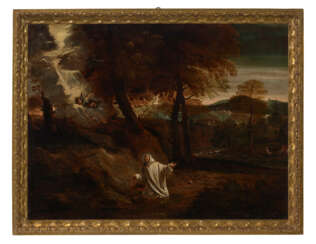

Pier Francesco Mola, called Il Ticinese, was an Italian painter of the High Baroque, mainly active around Rome.
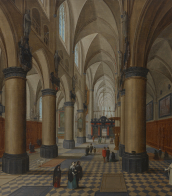
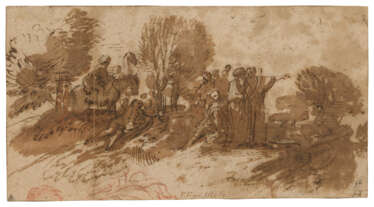

Pier Francesco Mola, called Il Ticinese, was an Italian painter of the High Baroque, mainly active around Rome.
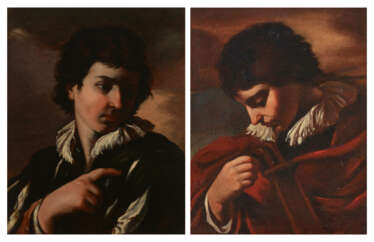

Pier Francesco Mola, called Il Ticinese, was an Italian painter of the High Baroque, mainly active around Rome.


Philips Galle was a Dutch publisher, best known for publishing old master prints, which he also produced as designer and engraver. He is especially known for his reproductive engravings of paintings.
As a resident of Antwerp, Galle witnessed numerous events of the Eighty Years War, notably the siege and looting of the town in 1576 by the Spaniards, called "The Spanish Fury". This rather personal book, which was translated in several languages soon after its first publication, shows Galle as a peace-loving person who intended to stay far away from the political and military turmoil of his era.

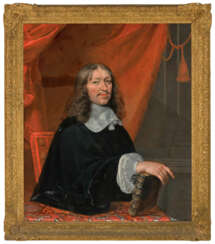

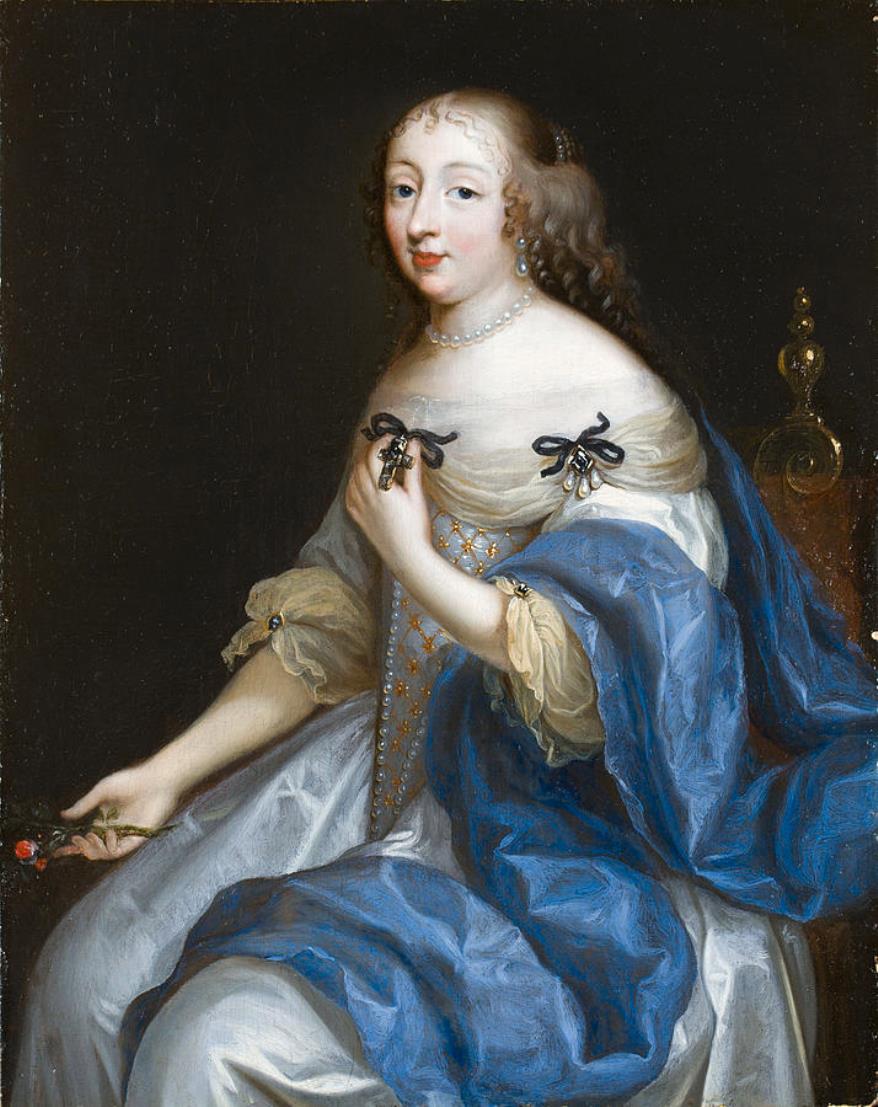
Louis Ferdinand Elle the Elder was a French portrait painter and printmaker.
Elle was a member of the Guild of St. Luke, but later became a founding member of the Academy of Painting and Sculpture in 1648. He worked all his life in Paris, was a court painter and painted portraits for aristocrats and representatives of the highest nobility, kings and cardinals.
He was the father of the painter Louis Ferdinand Elle the Younger (1648-1717).
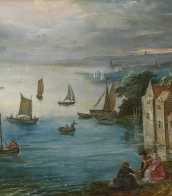
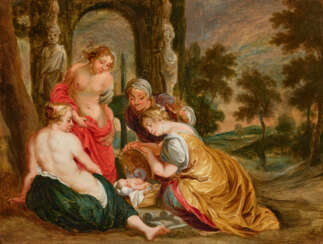

Victor Wolfvoet the Younger was a Flemish painter and art dealer, a member of the Guild of St. Luke.
It is believed that as a young man he worked in the studio of Peter Paul Rubens, where he assisted in the creation of works and painted several compositions based on the works of the great Antwerp master. In addition to painting his own pictures of historical and allegorical themes, Wolfvoet made copies of paintings by prominent painters of his time, including van Dyck and Rubens.
In addition, Wolfvoet the Younger, like his father, was active in the art trade. The inventory of his estate, compiled after his death, lists more than seven hundred works, including twenty oil sketches by Rubens.
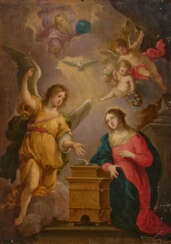

Victor Wolfvoet the Younger was a Flemish painter and art dealer, a member of the Guild of St. Luke.
It is believed that as a young man he worked in the studio of Peter Paul Rubens, where he assisted in the creation of works and painted several compositions based on the works of the great Antwerp master. In addition to painting his own pictures of historical and allegorical themes, Wolfvoet made copies of paintings by prominent painters of his time, including van Dyck and Rubens.
In addition, Wolfvoet the Younger, like his father, was active in the art trade. The inventory of his estate, compiled after his death, lists more than seven hundred works, including twenty oil sketches by Rubens.
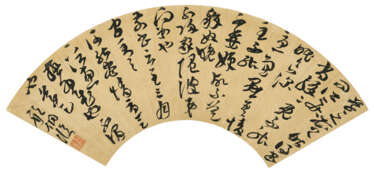

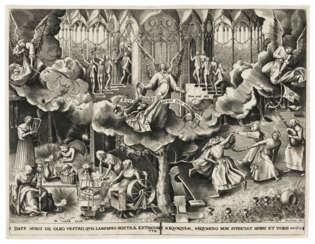

Pieter Bruegel (also Brueghel or Breughel) the Elder (Dutch: Pieter Bruegel de Oude) was the most significant artist of Dutch and Flemish Renaissance painting, a painter and printmaker, known for his landscapes and peasant scenes (so-called genre painting); he was a pioneer in making both types of subject the focus in large paintings.
Philips Galle was a Dutch publisher, best known for publishing old master prints, which he also produced as designer and engraver. He is especially known for his reproductive engravings of paintings.
As a resident of Antwerp, Galle witnessed numerous events of the Eighty Years War, notably the siege and looting of the town in 1576 by the Spaniards, called "The Spanish Fury". This rather personal book, which was translated in several languages soon after its first publication, shows Galle as a peace-loving person who intended to stay far away from the political and military turmoil of his era.


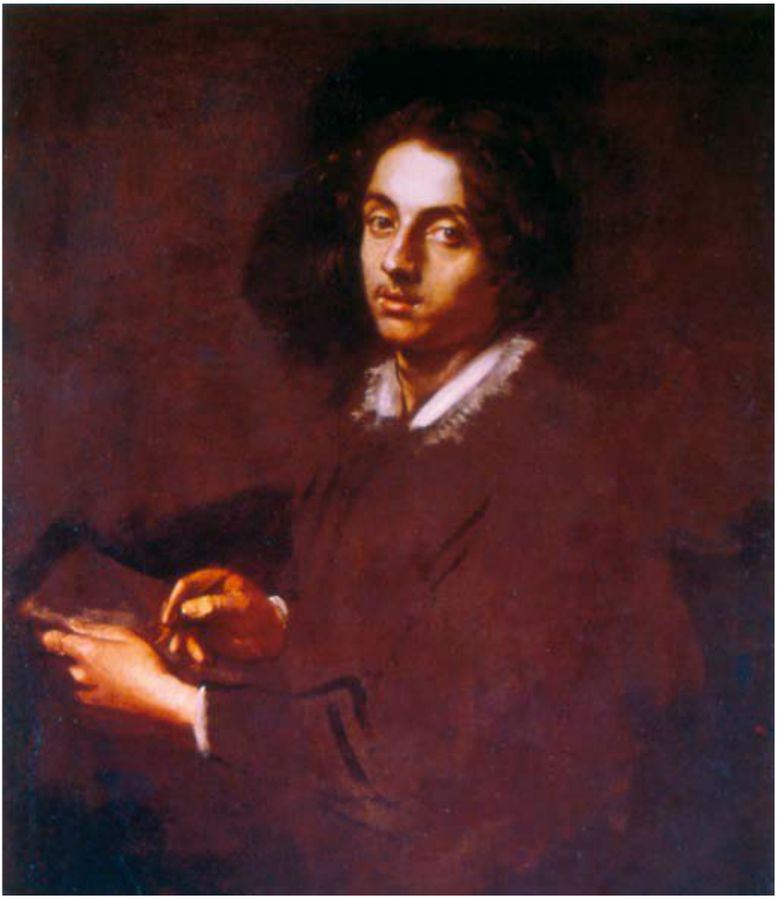
Simone Cantarini, an Italian painter and etcher, is renowned for his significant contributions to Baroque art. His early artistic journey was shaped by local naturalism and Venetian influences, notably under Giovanni Giacomo Pandolfi and Claudio Ridolfi. Cantarini's work is distinguished by its blend of Bolognese classicism and a keen naturalism, drawing inspiration from the likes of Federico Barocci, Guido Reni, and Caravaggesque artists like Orazio Gentileschi.
Simone Cantarini's oeuvre spans religious subjects, reflecting the Counter-Reformation's influence, to expressive portraits and dynamic etchings. His art, which shows a fascination with light and color, evolved towards a more personal style over time, moving away from academic classicism to embrace a more naturalistic and lyrical approach.
His works, such as "The Holy Trinity in Glory" and "The Rest on the Flight into Egypt," showcase his ability to infuse traditional themes with a fresh perspective and emotional depth. Simone Cantarini's legacy continues to be celebrated in various collections worldwide, where his masterful blend of classicism and naturalism remains a subject of admiration and study.
For collectors and experts in art and antiques, understanding Cantarini's artistic journey and the distinct qualities of his work offers valuable insights. If you're keen on staying informed about Cantarini's works, exhibitions, and auctions, consider subscribing for updates. This subscription will keep you abreast of new findings and opportunities related to Simone Cantarini's art, enhancing your collection and knowledge in this specialized field.


Simone Cantarini, an Italian painter and etcher, is renowned for his significant contributions to Baroque art. His early artistic journey was shaped by local naturalism and Venetian influences, notably under Giovanni Giacomo Pandolfi and Claudio Ridolfi. Cantarini's work is distinguished by its blend of Bolognese classicism and a keen naturalism, drawing inspiration from the likes of Federico Barocci, Guido Reni, and Caravaggesque artists like Orazio Gentileschi.
Simone Cantarini's oeuvre spans religious subjects, reflecting the Counter-Reformation's influence, to expressive portraits and dynamic etchings. His art, which shows a fascination with light and color, evolved towards a more personal style over time, moving away from academic classicism to embrace a more naturalistic and lyrical approach.
His works, such as "The Holy Trinity in Glory" and "The Rest on the Flight into Egypt," showcase his ability to infuse traditional themes with a fresh perspective and emotional depth. Simone Cantarini's legacy continues to be celebrated in various collections worldwide, where his masterful blend of classicism and naturalism remains a subject of admiration and study.
For collectors and experts in art and antiques, understanding Cantarini's artistic journey and the distinct qualities of his work offers valuable insights. If you're keen on staying informed about Cantarini's works, exhibitions, and auctions, consider subscribing for updates. This subscription will keep you abreast of new findings and opportunities related to Simone Cantarini's art, enhancing your collection and knowledge in this specialized field.

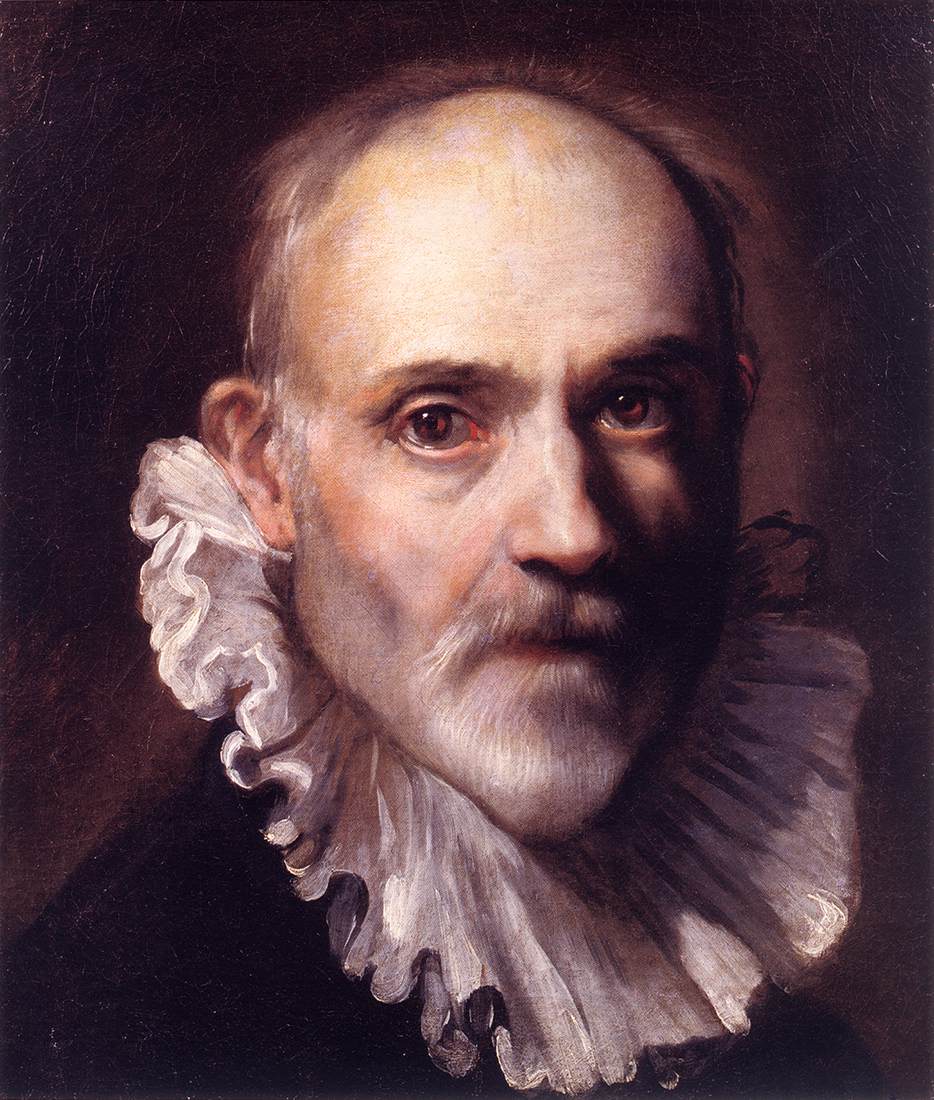
Federico Barocci, an Italian Renaissance painter and printmaker, was celebrated for his vibrant use of color and dynamic compositions. Born around 1533 in Urbino, Italy, a hub of Renaissance culture, Barocci's early life was steeped in the rich artistic heritage of the time. His training included an apprenticeship with his father, a sculptor, and later with notable artists such as Battista Franco Veneziano and Taddeo Zuccari.
Federico Barocci's work, known for its emotional intensity and use of light, positioned him as a critical link between the Mannerist style of the 16th century and the emerging Baroque period. His paintings often depicted religious scenes, imbued with a warmth and spirituality that resonated with viewers. His unique approach to color and composition had a significant influence on later artists, including the Baroque masters Peter Paul Rubens and Gian Lorenzo Bernini.
Despite suffering from chronic illness, possibly due to poisoning, Federico Barocci's output remained prolific and influential. His works can be found in several prestigious galleries, including the Uffizi in Florence, where his "Madonna del Popolo" and "Martyrdom of Saint Vitale" are displayed. These pieces, along with others like "The Deposition" in the Cathedral of Perugia and "Noli me Tangere" in Munich, showcase his mastery in portraying human emotion and divine radiance.
Collectors and experts in art and antiques will appreciate the depth and innovation of Federico Barocci's work. His legacy as a master colorist and draughtsman is undeniable, making his pieces a valuable addition to any collection.
To stay updated on sales and auction events related to Federico Barocci, sign up for our exclusive updates. This subscription ensures you're the first to know about new opportunities to acquire works connected to this remarkable artist.

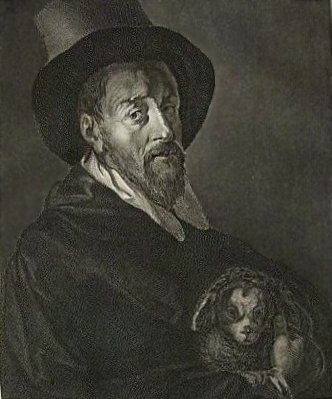
Bernardino Poccetti also known as Barbatelli, was an Italian Mannerist painter and printmaker of etchings. He was initially trained as a decorator of facades and ceilings, enrolling in 1570 in the Florentine painters guild for such work. In 1592–93, he worked on frescoes in the Certosa di Galluzzo relating to Life and Death of San Bruno. He painted scenes from the life of founder of the Convent of the Servites for the Annunziata. In his later works, he is considered one of the Florentine reformers—the so-called Counter-Maniera (Counter-Mannerism).