162


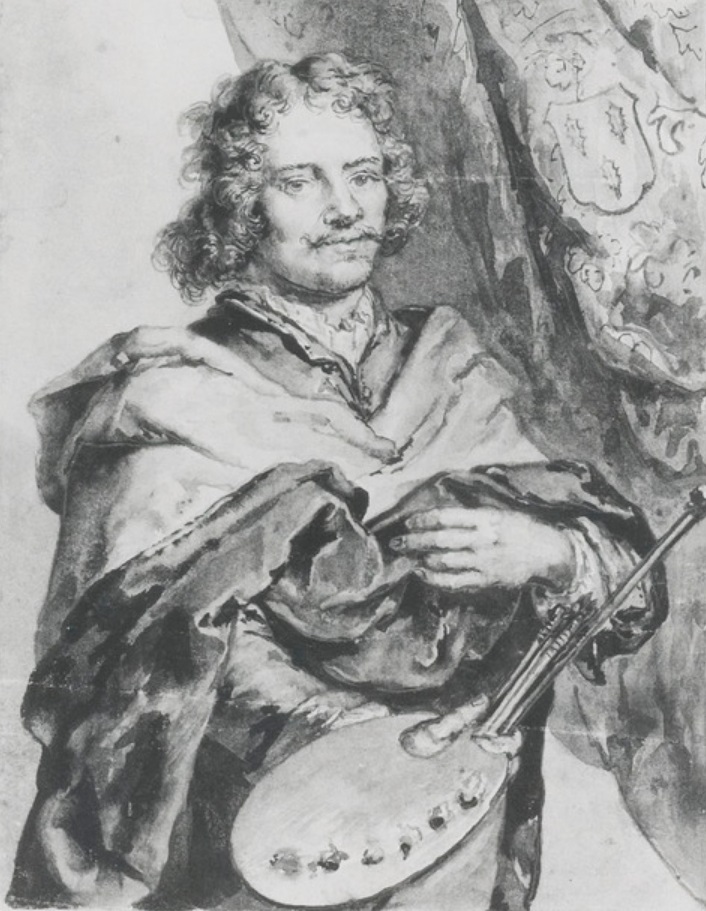
Hendrick Jansz ter Brugghen was a Dutch painter of genre scenes and religious subjects. He was one of the Dutch followers of Caravaggio – the so-called Utrecht Caravaggisti. Along with Gerrit van Hondhorst and Dirck van Baburen, Ter Brugghen was one of the most important Dutch painters to have been influenced by Caravaggio.
Ter Brugghen's favourite subjects were half-length figures of drinkers or musicians, but he also produced larger-scale religious images and group portraits. He carried with him Caravaggio's influence, and his paintings have a strong dramatic use of light and shadow, as well as emotionally charged subjects. His treatment of religious subjects can be seen reflected in the work of Rembrandt, and elements of his style can also be found in the paintings of Frans Hals and Johannes Vermeer. Peter Paul Rubens described ter Brugghen's work as "...above that of all the other Utrecht artists".
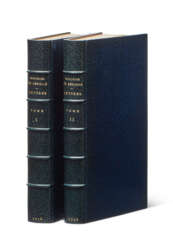

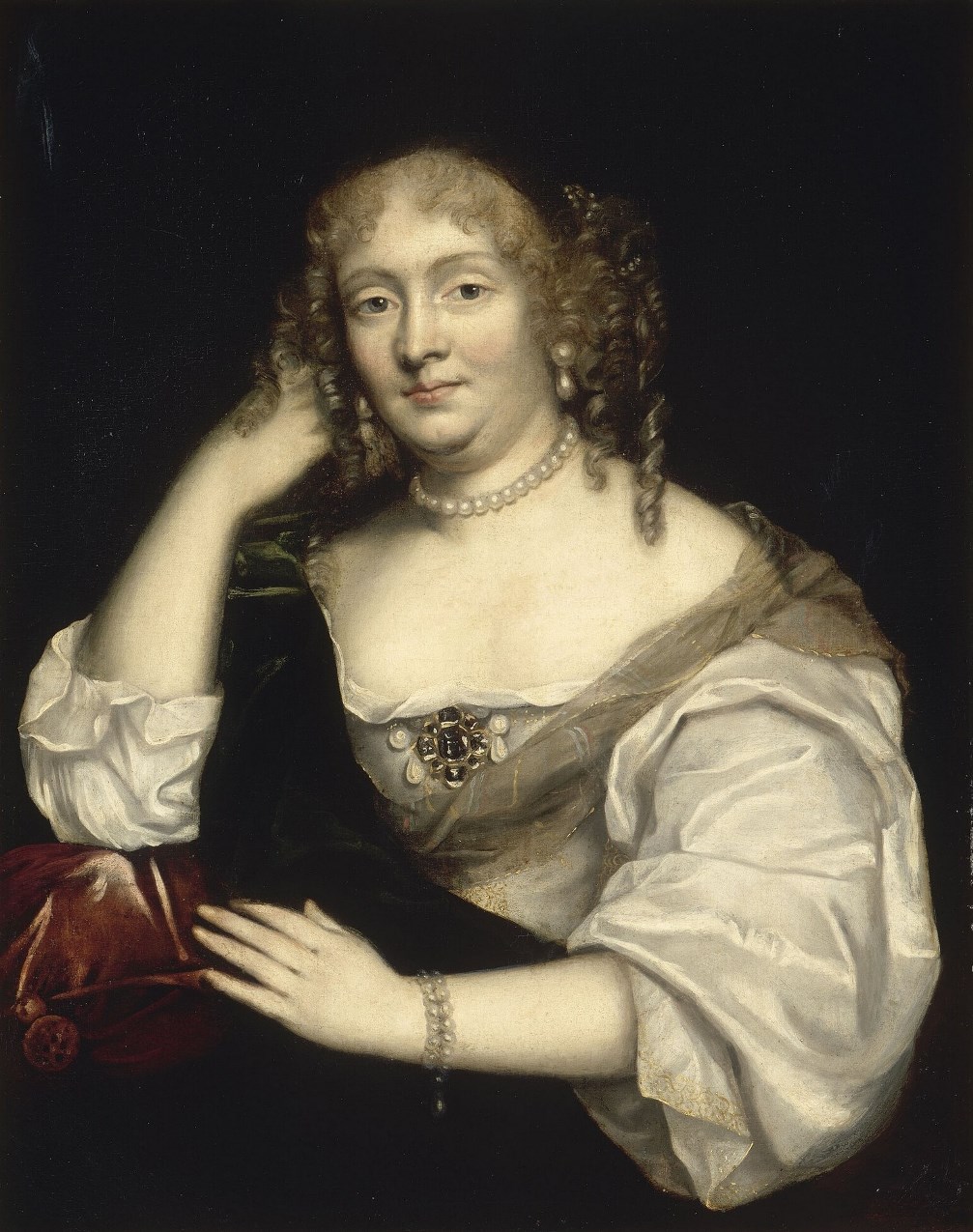
Marie de Rabutin-Chantal, marquise de Sévigné was a 17th-century French writer of epistolary genre.
Marie came from a noble family, but was orphaned at the age of six and raised by her uncle Philippe II de Coulanges. She received a good education and married Henri de Sévigné in 1644. In 1651 he was killed in a duel, and Madame de Sevigne was left a widow with two children. She led an ordinary social life, and only the marriage of her daughter, painful separation from her and loneliness suddenly revealed in the Marquise literary gift.
Since 1671 for thirty years, Madame de Sévigné wrote to her daughter about 1700 letters, and this correspondence has both historical and literary significance. In her letters, the woman relates current news and events of secular society, describes prominent people, comments on all of these, and reports on the details of her own life. Her letters reflect the intellectual sophistication of the salon culture of the period. Madame de Sévigné also touches on serious philosophical and religious topics, nature, art, morality, and psychology.
Her letters were read out in the salons, passed from hand to hand. Gradually they turned into a collection, the first edition of which was published in 1726, gradually expanding and supplementing. The popularity of the Letters of Madame de Sévigné grew over the years, becoming a source of historical study of the era and language. Francophone educational institutions in many countries around the world have included Sevigné's works in their curricula. The crater Sevigné on Venus is named in her honor.
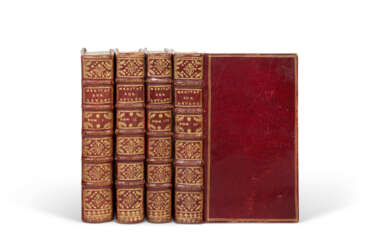




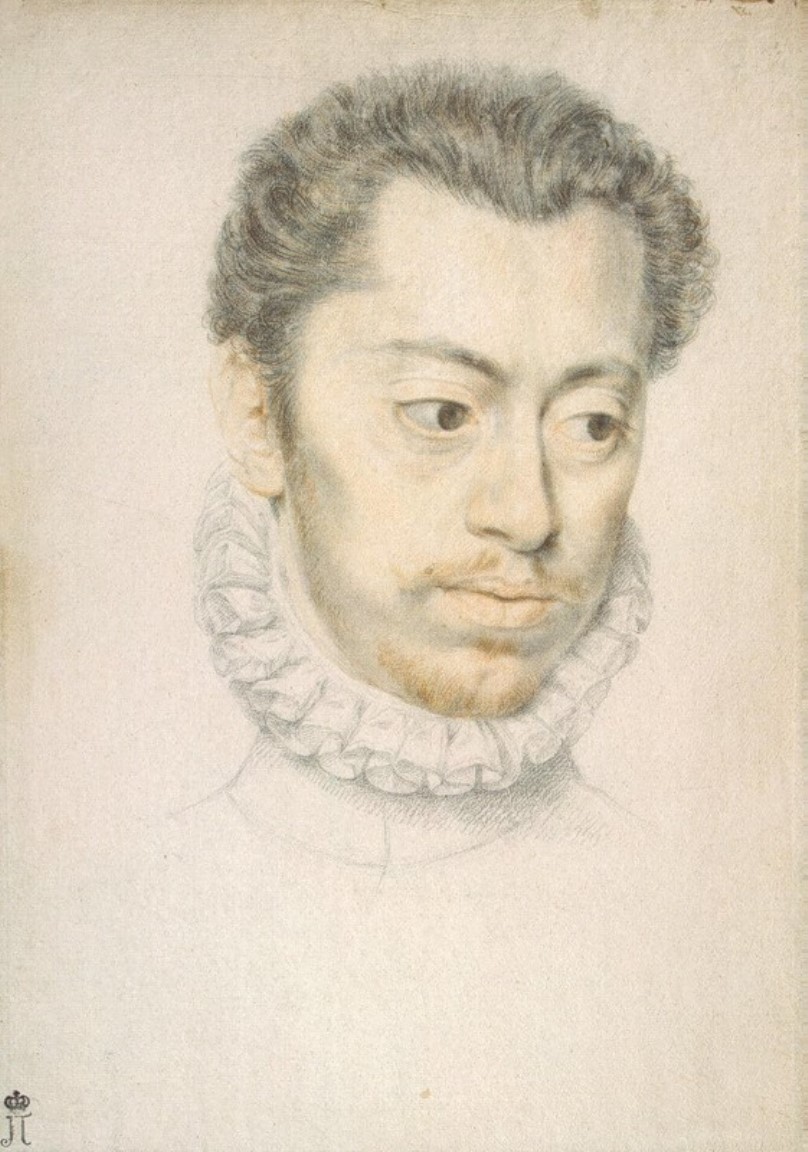
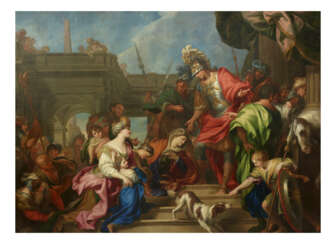

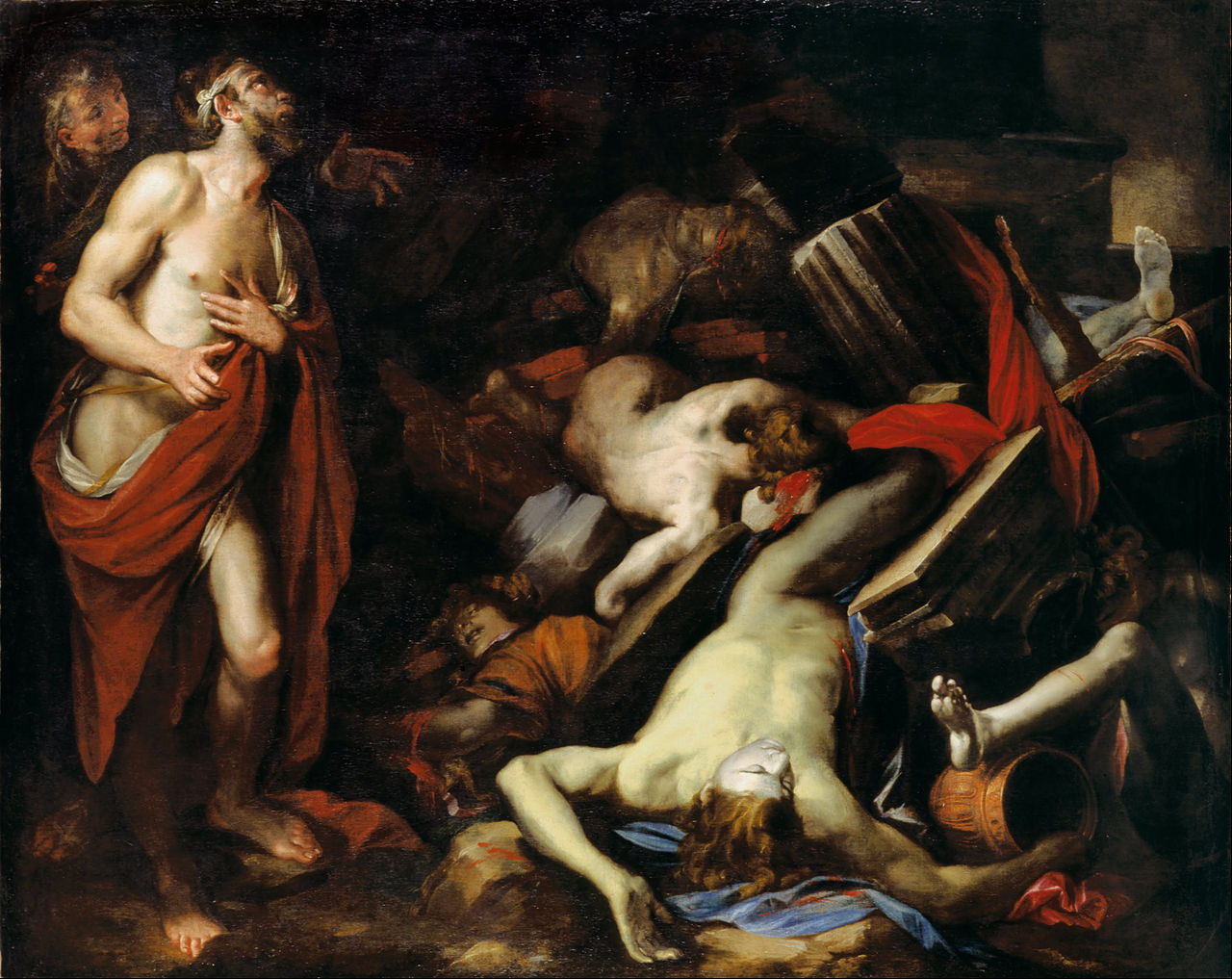
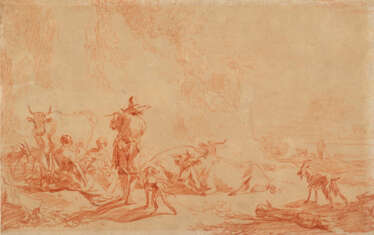

Nicolaes Pieterszoon Berchem was a highly esteemed and prolific Dutch Golden Age painter of pastoral landscapes, populated with mythological or biblical figures, but also of a number of allegories and genre pieces.
He was a member of the second generation of "Dutch Italianate landscape" painters. These were artists who travelled to Italy, or aspired to, in order to soak up the romanticism of the country, bringing home sketchbooks full of drawings of classical ruins and pastoral imagery. His paintings, of which he produced an immense number, (Hofstede de Groot claimed around 850, although many are misattributed), were in great demand, as were his 80 etchings and 500 drawings. His landscapes, painted in the Italian style of idealized rural scenes, with hills, mountains, cliffs and trees in a golden dawn are sought after. Berchem also painted inspired and attractive human and animal figures (staffage) in works of other artists, like Allaert van Everdingen, Jan Hackaert, Gerrit Dou, Meindert Hobbema and Willem Schellinks.





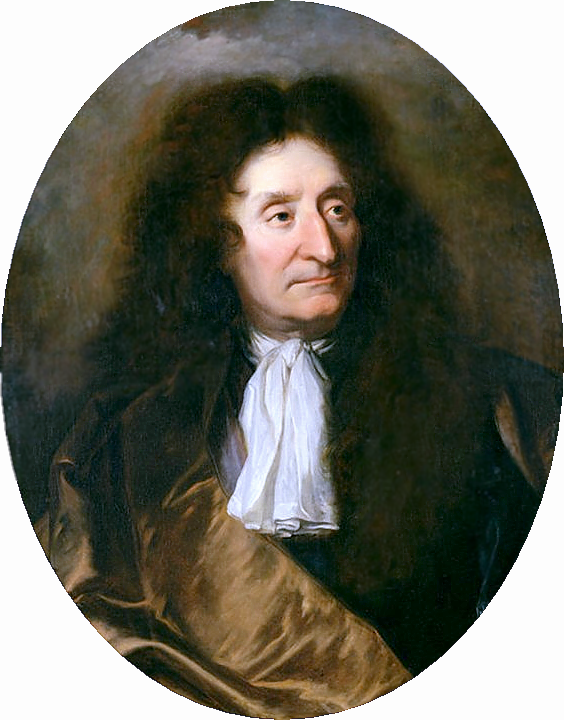
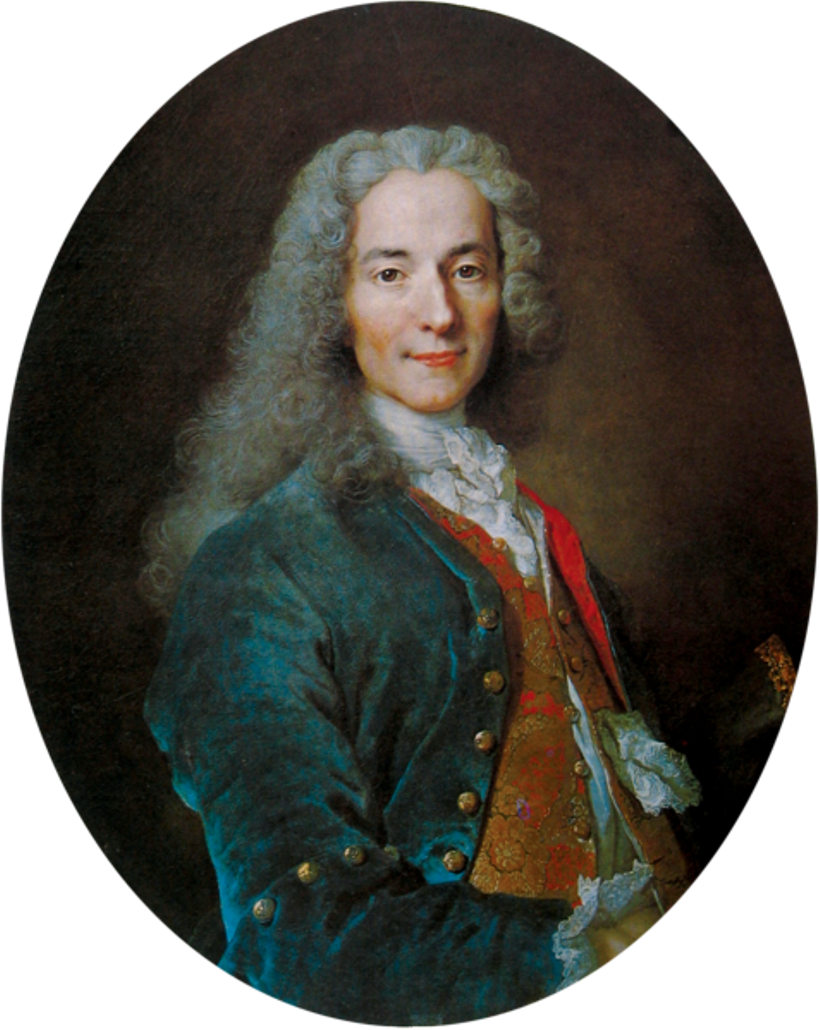
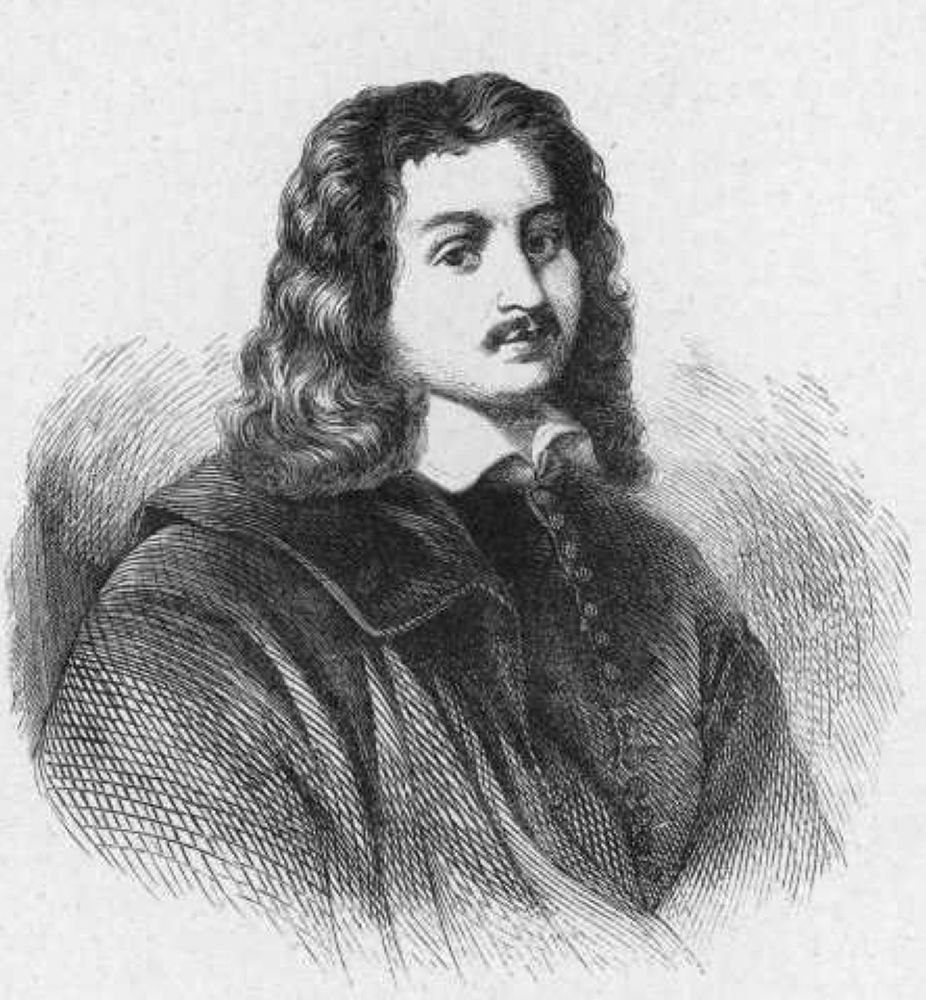
Voltaire, born François Marie Arouet, was a French philosopher-enlightener of the French Enlightenment, poet and writer, satirist, tragedian, historian and essayist.
Voltaire's long life fell on the last years of classicism and the eve of the revolutionary era, and in this transitional period his works and activities had a significant impact on the direction of European civilization. Through his critical freethinking and wit, Voltaire won the minds of many 18th century European rulers. To this day, he continues to enjoy worldwide fame as a courageous fighter against tyranny, bigotry, and cruelty.
Voltaire was an advocate of freedom of speech, freedom of religion and separation of church and state. He was a versatile and prolific writer in all literary forms, including plays, poems, novels, essays, histories, and scholarly expositions. In total, he wrote more than 20,000 letters and 2,000 books and pamphlets. Voltaire's most famous works are the tragic play Zaire, the historical study The Age of Louis XIV, and the satirical novella Candide.




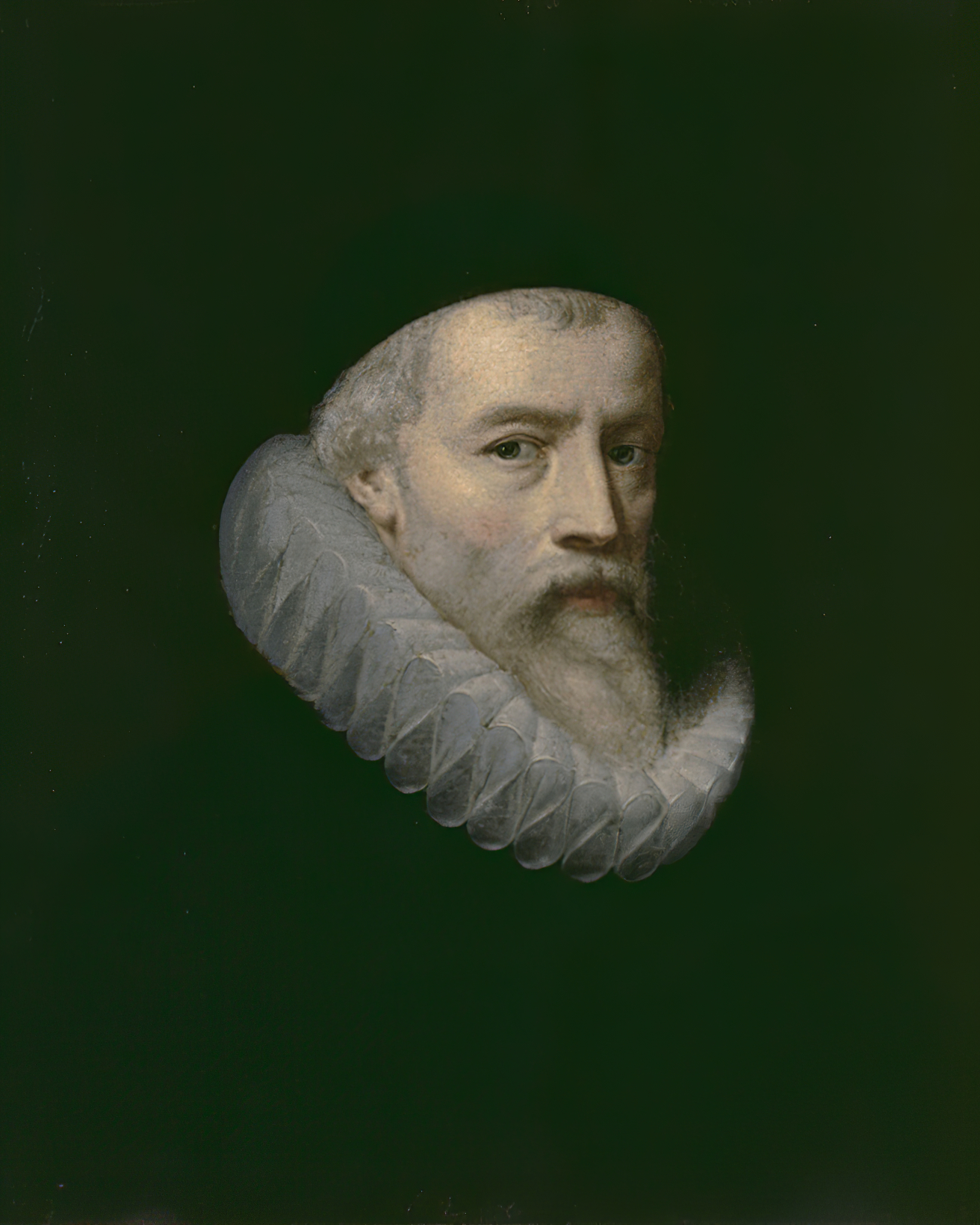
Otto van Veen was a painter, draughtsman, and humanist active primarily in Antwerp and Brussels in the late 16th and early 17th centuries. He is known for running a large studio in Antwerp, producing several emblem books, and for being, from 1594 or 1595 until 1598, Peter Paul Rubens' teacher. His role as a classically educated humanist artist (a pictor doctus), reflected in the Latin name by which he is often known, Octavius Vaenius, was influential on the young Rubens, who would take on that role himself.
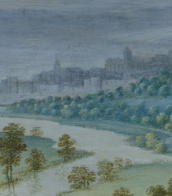
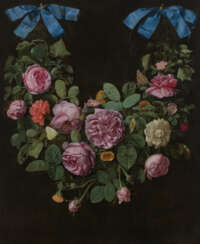

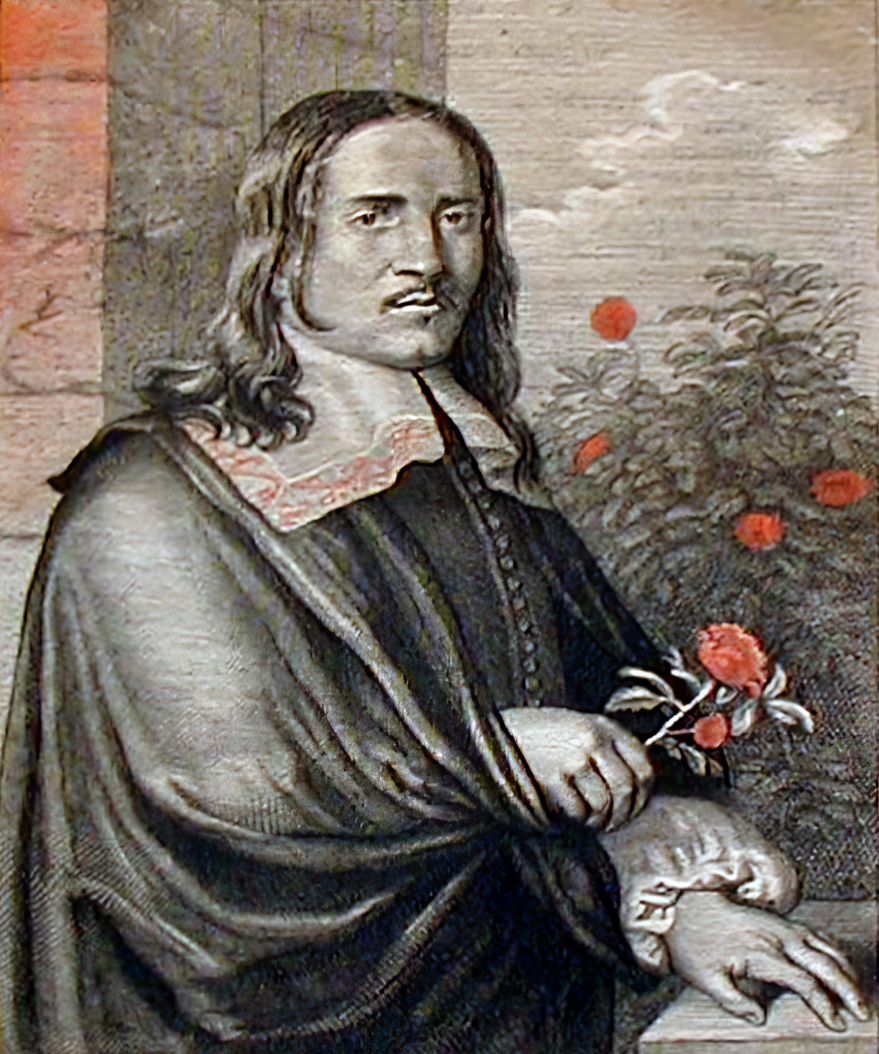
Jan van Kessel the Elder or Jan van Kessel I was a Flemish painter active in Antwerp in the mid 17th century. A versatile artist he practised in many genres including studies of insects, floral still lifes, marines, river landscapes, paradise landscapes, allegorical compositions, scenes with animals and genre scenes. A scion of the Brueghel family many of his subjects took inspiration of the work of his grandfather Jan Brueghel the Elder as well as from the earlier generation of Flemish painters such as Daniel Seghers, Joris Hoefnagel and Frans Snyders. Van Kessel’s works were highly prized by his contemporaries and were collected by skilled artisans, wealthy merchants, nobles and foreign luminaries throughout Europe.
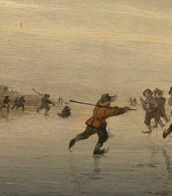
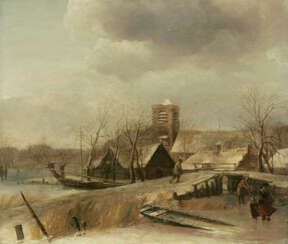

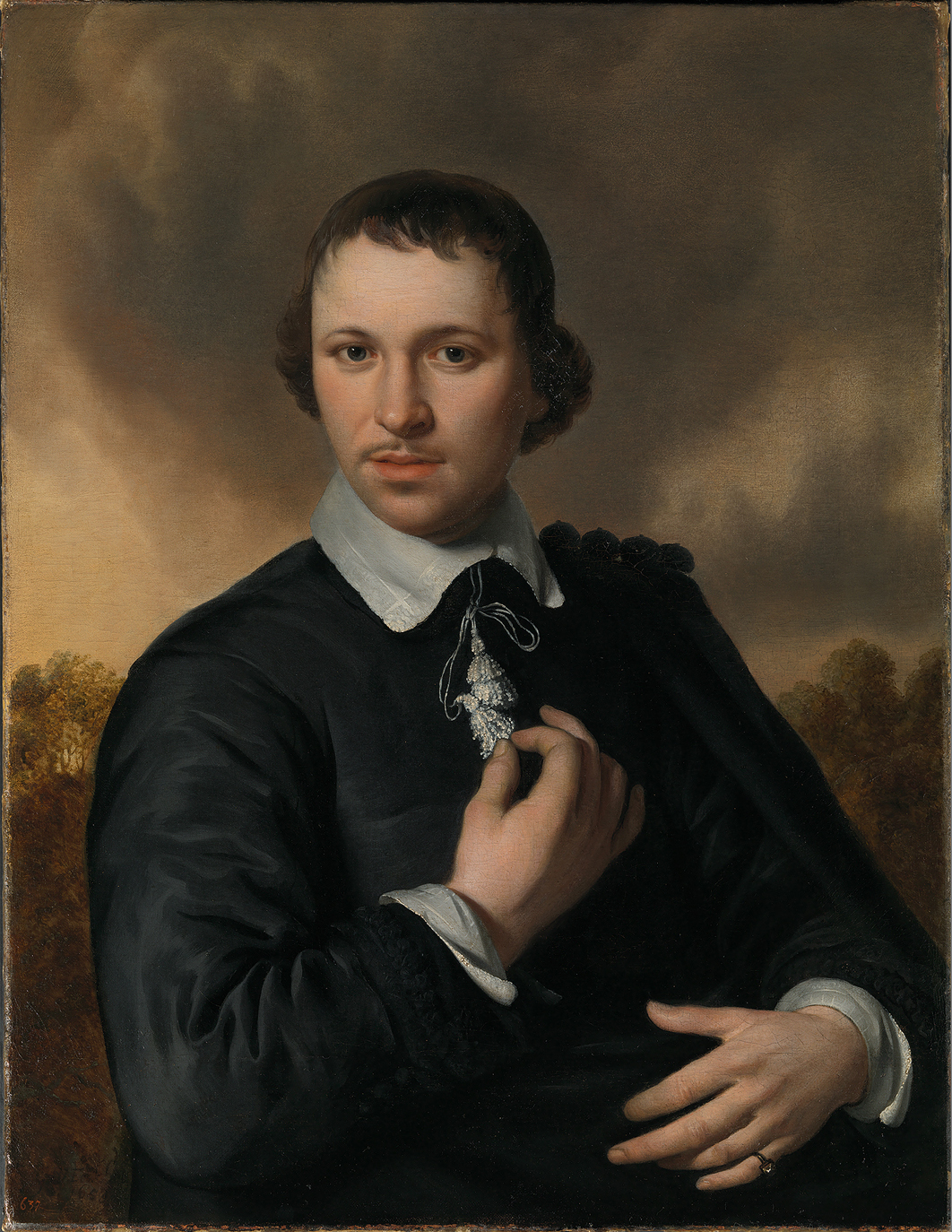
Jan van de Cappelle, a Dutch Golden Age painter, is celebrated for his serene maritime scenes and winter landscapes, marking him as a distinguished figure in 17th-century Dutch art. Born in Amsterdam in 1626 to a prosperous dyer, van de Cappelle was largely self-taught, drawing inspiration from Simon de Vlieger, a notable influence in his development as an artist. Despite his primary engagement in his family's dyeing business, van de Cappelle dedicated himself to painting, creating tranquil estuary, river, and calm water scenes, alongside approximately forty winter landscapes. His works are characterized by their meticulous depiction of light and atmosphere, capturing the peaceful essence of maritime life with an unparalleled subtlety.
Van de Cappelle's artistry extended beyond his canvas; he amassed an impressive art collection, including works by Rembrandt and Frans Hals, showcasing his deep appreciation and understanding of art. This collection, one of the era's largest, featured over 200 paintings and some 7,000 drawings, reflecting his keen interest in marine painting and winter landscapes. Notably, his collection was rich with works from significant artists of his time, illustrating van de Cappelle's influential role both as an artist and a collector.
Despite his success, van de Cappelle's contributions were somewhat overlooked in contemporary biographies, possibly due to the period's undervaluation of marine, landscape, and still life painting. However, his influence on marine and winter subject painters, including Willem van de Velde the Younger and Hendrick Dubbels, underscores his lasting impact on the art world.
Van de Cappelle's works are preserved in prestigious institutions, such as the National Gallery in London and the Metropolitan Museum of Art in New York, allowing his serene and detailed visions of calm waters and Dutch vessels to continue captivating viewers and influencing artists worldwide.
For collectors and experts in art and antiques, Jan van de Cappelle's legacy offers a rich exploration of the Dutch Golden Age's maritime and landscape painting. His mastery in depicting the tranquil beauty of the sea and his significant art collection reflect a profound dedication to the arts, making his works highly prized and revered.
To stay informed about new discoveries, sales, and auction events related to Jan van de Cappelle's works, signing up for updates is advisable. This subscription ensures exclusive access to the latest on this masterful Dutch Golden Age painter, enriching collections with the serene beauty of his maritime scenes.
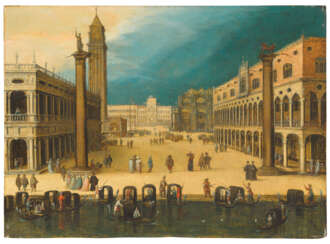





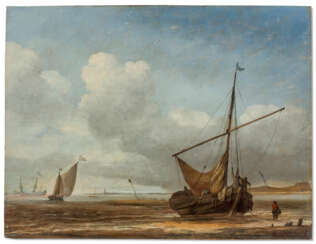

Jan van de Cappelle, a Dutch Golden Age painter, is celebrated for his serene maritime scenes and winter landscapes, marking him as a distinguished figure in 17th-century Dutch art. Born in Amsterdam in 1626 to a prosperous dyer, van de Cappelle was largely self-taught, drawing inspiration from Simon de Vlieger, a notable influence in his development as an artist. Despite his primary engagement in his family's dyeing business, van de Cappelle dedicated himself to painting, creating tranquil estuary, river, and calm water scenes, alongside approximately forty winter landscapes. His works are characterized by their meticulous depiction of light and atmosphere, capturing the peaceful essence of maritime life with an unparalleled subtlety.
Van de Cappelle's artistry extended beyond his canvas; he amassed an impressive art collection, including works by Rembrandt and Frans Hals, showcasing his deep appreciation and understanding of art. This collection, one of the era's largest, featured over 200 paintings and some 7,000 drawings, reflecting his keen interest in marine painting and winter landscapes. Notably, his collection was rich with works from significant artists of his time, illustrating van de Cappelle's influential role both as an artist and a collector.
Despite his success, van de Cappelle's contributions were somewhat overlooked in contemporary biographies, possibly due to the period's undervaluation of marine, landscape, and still life painting. However, his influence on marine and winter subject painters, including Willem van de Velde the Younger and Hendrick Dubbels, underscores his lasting impact on the art world.
Van de Cappelle's works are preserved in prestigious institutions, such as the National Gallery in London and the Metropolitan Museum of Art in New York, allowing his serene and detailed visions of calm waters and Dutch vessels to continue captivating viewers and influencing artists worldwide.
For collectors and experts in art and antiques, Jan van de Cappelle's legacy offers a rich exploration of the Dutch Golden Age's maritime and landscape painting. His mastery in depicting the tranquil beauty of the sea and his significant art collection reflect a profound dedication to the arts, making his works highly prized and revered.
To stay informed about new discoveries, sales, and auction events related to Jan van de Cappelle's works, signing up for updates is advisable. This subscription ensures exclusive access to the latest on this masterful Dutch Golden Age painter, enriching collections with the serene beauty of his maritime scenes.
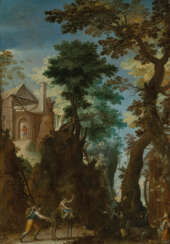

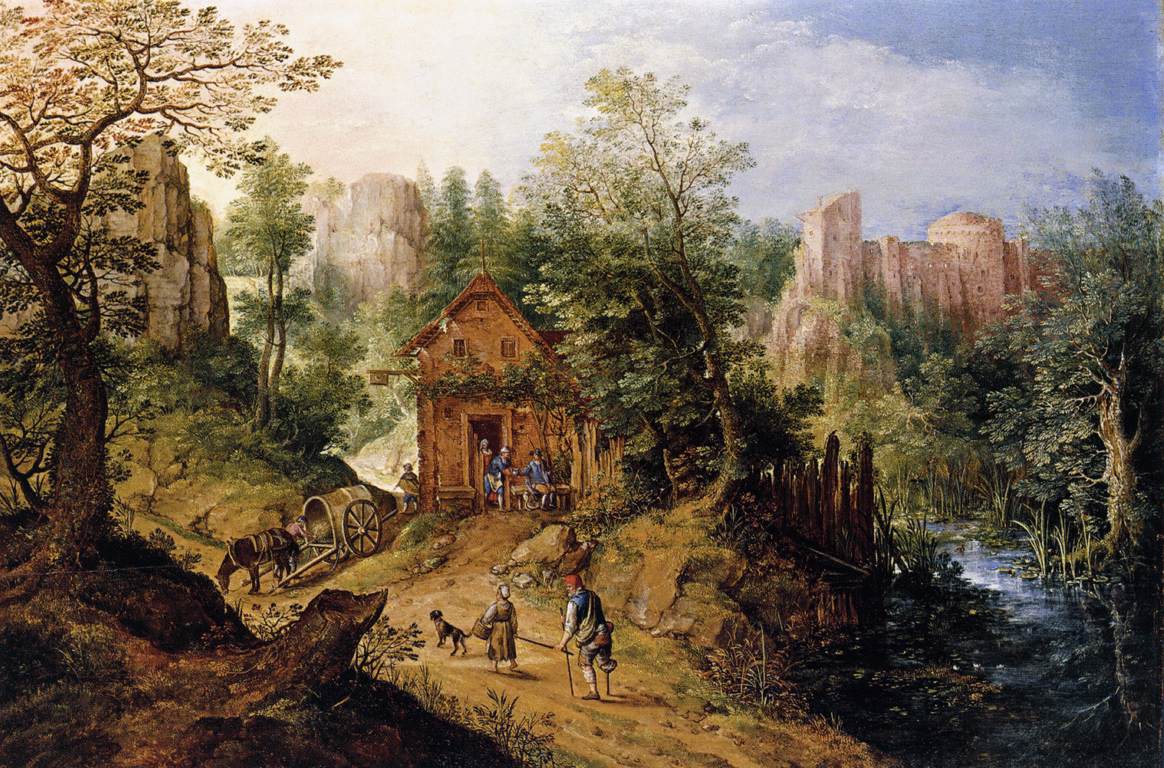
Pieter Stevens the Younger was a Flemish painter and draughtsman known for his landscapes. He left Flanders to work for the court of Emperor Rudolf II in Prague. The circulation of prints made after a series of romantic Bohemian landscape drawings by Stevens and other artists had an important influence on the development of Flemish and Dutch landscape art in the 17th century.

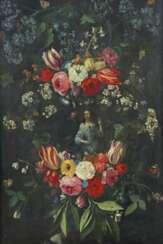

Jan van Kessel the Elder or Jan van Kessel I was a Flemish painter active in Antwerp in the mid 17th century. A versatile artist he practised in many genres including studies of insects, floral still lifes, marines, river landscapes, paradise landscapes, allegorical compositions, scenes with animals and genre scenes. A scion of the Brueghel family many of his subjects took inspiration of the work of his grandfather Jan Brueghel the Elder as well as from the earlier generation of Flemish painters such as Daniel Seghers, Joris Hoefnagel and Frans Snyders. Van Kessel’s works were highly prized by his contemporaries and were collected by skilled artisans, wealthy merchants, nobles and foreign luminaries throughout Europe.
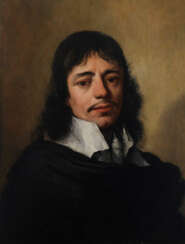

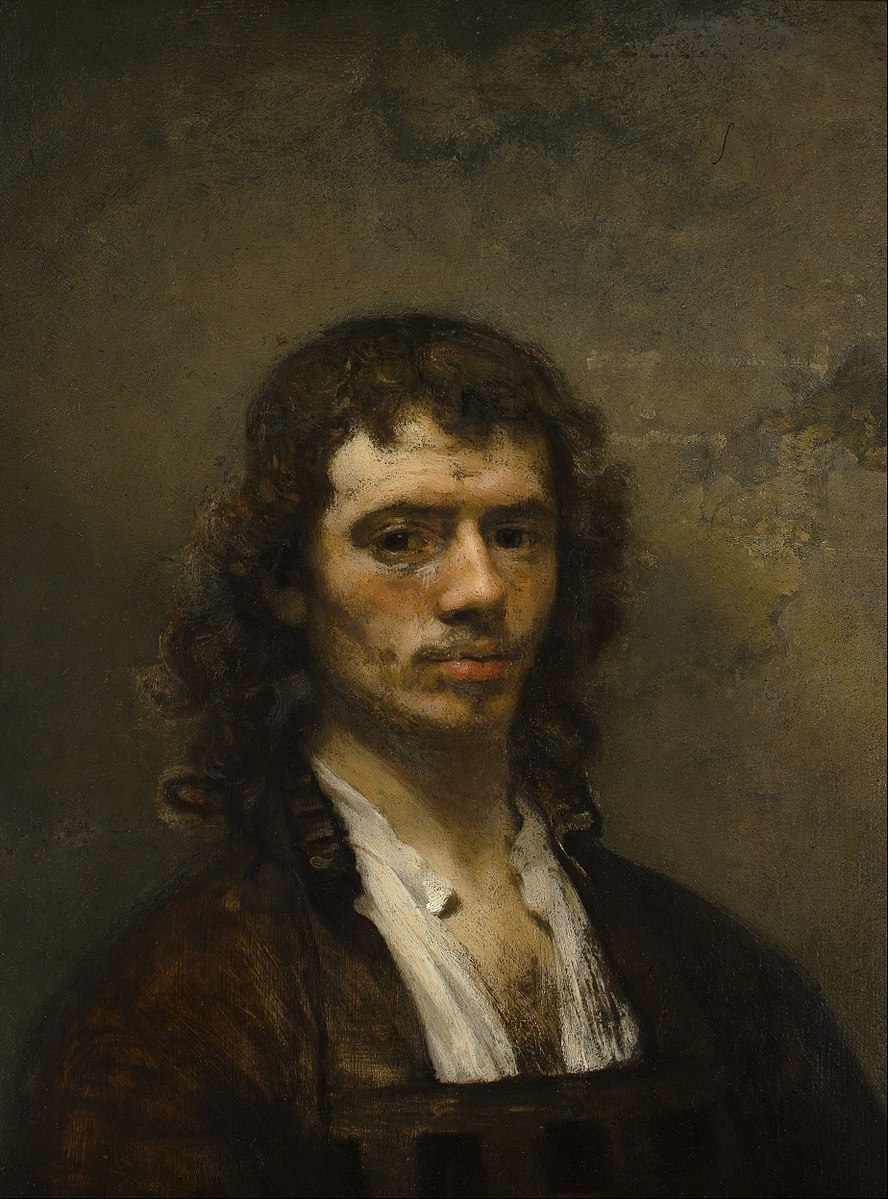
Carel Pietersz Fabritius was a Dutch painter of the Dutch Golden Age and one of Rembrandt's most talented pupils. He created portraits, genre scenes and historical paintings.
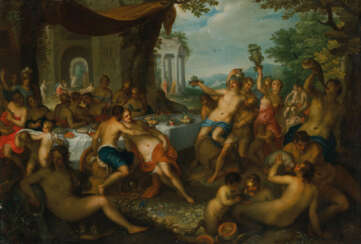

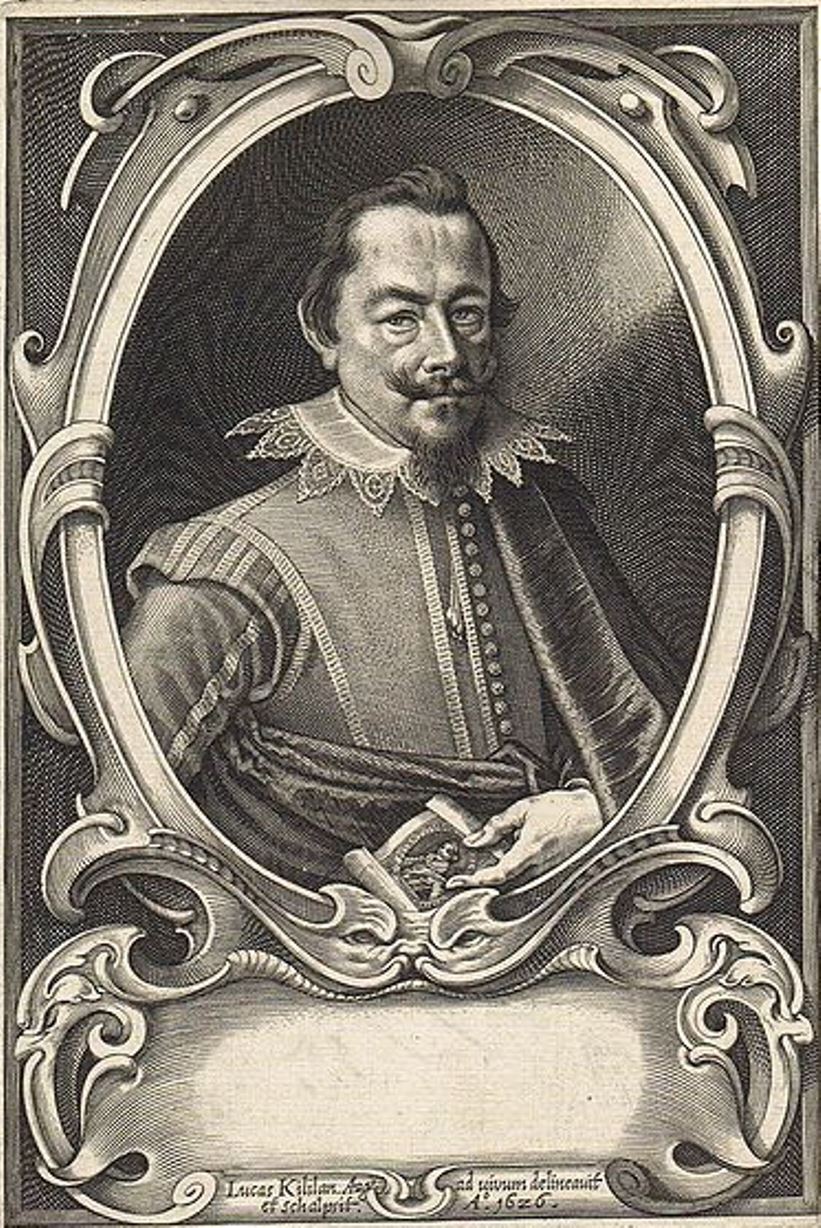
Hans Rottenhammer or Johannes Rottenhammer was a German painter and master of cabinet genre paintings.
After completing his studies as court painter to the Munich royal court, Rottenhammer spent nearly a decade in Venice, and his art bears the influence of Venetian masters such as Tintoretto and Veronese. Rottenhammer opened a studio in the city and attracted patrons and collectors as well as students and followers. In the early 1600s he joined the guild of Venetian artists. It was in Venice that Rottenhammer became famous for his cabinet paintings. These were small works, executed on copper and usually dealing with religious or mythological themes popular at the time.
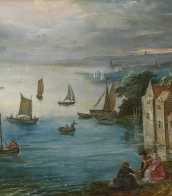
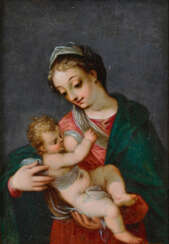

Hans Rottenhammer or Johannes Rottenhammer was a German painter and master of cabinet genre paintings.
After completing his studies as court painter to the Munich royal court, Rottenhammer spent nearly a decade in Venice, and his art bears the influence of Venetian masters such as Tintoretto and Veronese. Rottenhammer opened a studio in the city and attracted patrons and collectors as well as students and followers. In the early 1600s he joined the guild of Venetian artists. It was in Venice that Rottenhammer became famous for his cabinet paintings. These were small works, executed on copper and usually dealing with religious or mythological themes popular at the time.


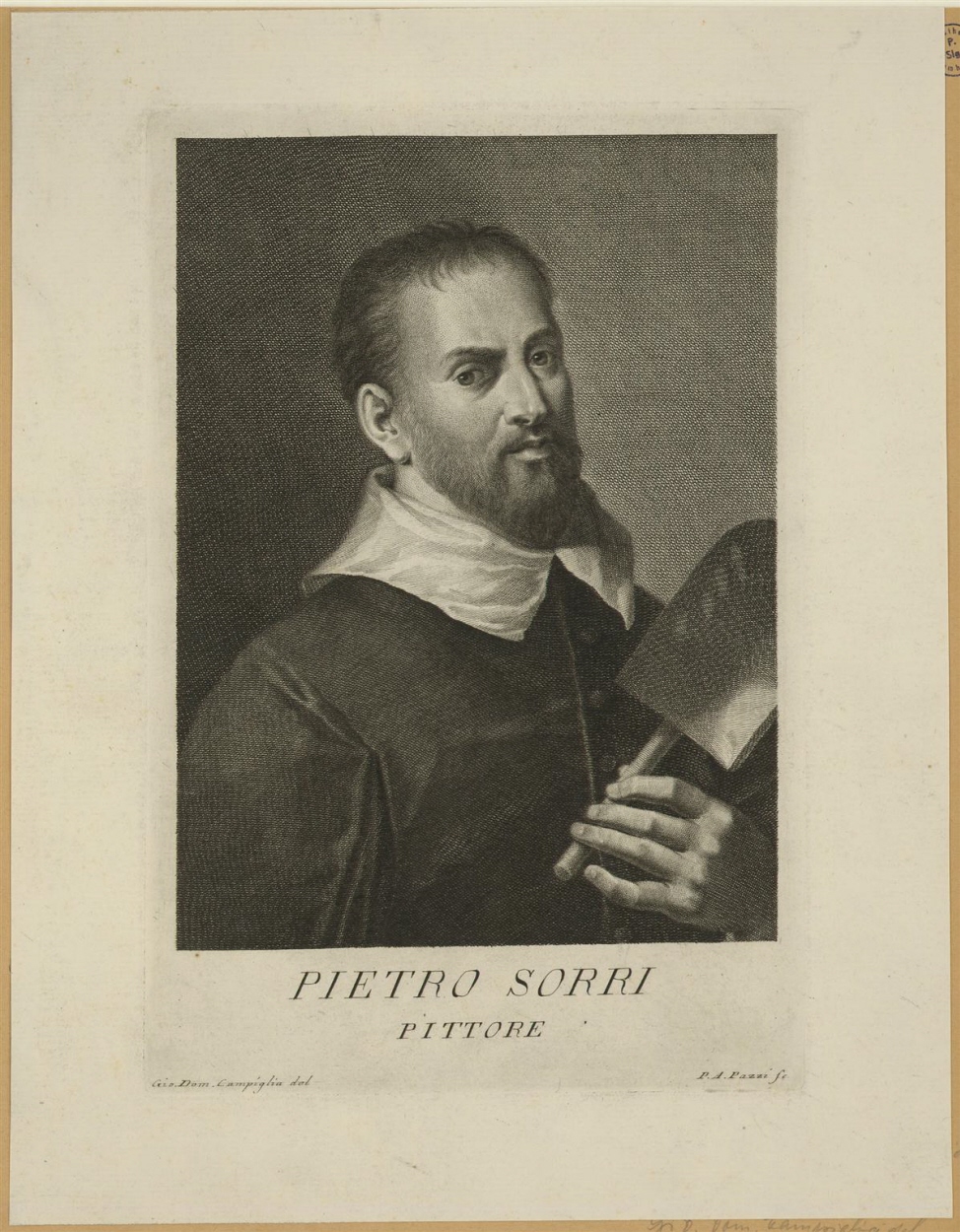
Pietro Sorri was an Italian painter active in Siena. He first studied under Arcangelo Salimbeni and afterwards under Cavaliere Domenico Passignano. Several of his works are in Florence and other cities of Tuscany, particularly at Pisa; he painted landscapes and portraits as well as history. He painted an altarpiece for the church of San Ambrogio in Massa di Carrara.
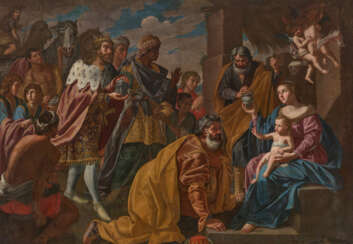

Giuseppe Franco, an Italian painter active between 1565 and 1628, remains an enigmatic figure in the rich tapestry of art history. Known by various names, including Giuseppe Franchi, Giuseppe Monti, and Giuseppe dalle Lodole, his diverse monikers reflect the multifaceted nature of his work and the period's artistic fluidity.
Rooted in the transition from the Renaissance to the Baroque, Franco's artistry is characterized by its dynamic compositions and emotional intensity. While specific details of his oeuvre are less documented, his known works suggest a mastery of form and color, embodying the evolving styles of his time. Franco's paintings, presumably found in Italian churches and private collections, would offer a glimpse into the religious and cultural narratives prevalent during his lifetime.
Franco's contributions to art and culture are significant for their historical context and the light they shed on the period's aesthetic developments. His style, indicative of the early Baroque's emerging vibrancy, would have played a role in the transition from the classical harmony of the Renaissance to the expressive drama of the Baroque.
For collectors and experts in art and antiques, Giuseppe Franco's works represent a fascinating puzzle piece of history, bridging gaps between known artistic milestones. His paintings, if extant, would be prized not only for their beauty but also for their historical value, offering insights into the era's shifting paradigms.
To explore the mystery and beauty of Giuseppe Franco's art and to stay informed about potential discoveries, sales, and auction events related to his work, signing up for updates is recommended. This subscription ensures direct access to the latest information, catering specifically to enthusiasts of historic art and antiques.
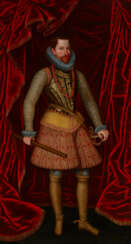

Otto van Veen was a painter, draughtsman, and humanist active primarily in Antwerp and Brussels in the late 16th and early 17th centuries. He is known for running a large studio in Antwerp, producing several emblem books, and for being, from 1594 or 1595 until 1598, Peter Paul Rubens' teacher. His role as a classically educated humanist artist (a pictor doctus), reflected in the Latin name by which he is often known, Octavius Vaenius, was influential on the young Rubens, who would take on that role himself.
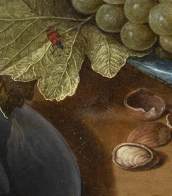
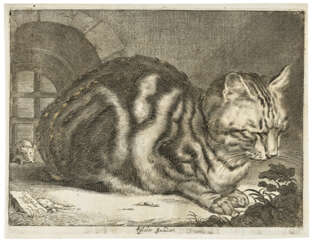

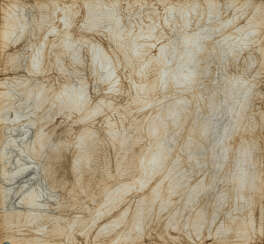

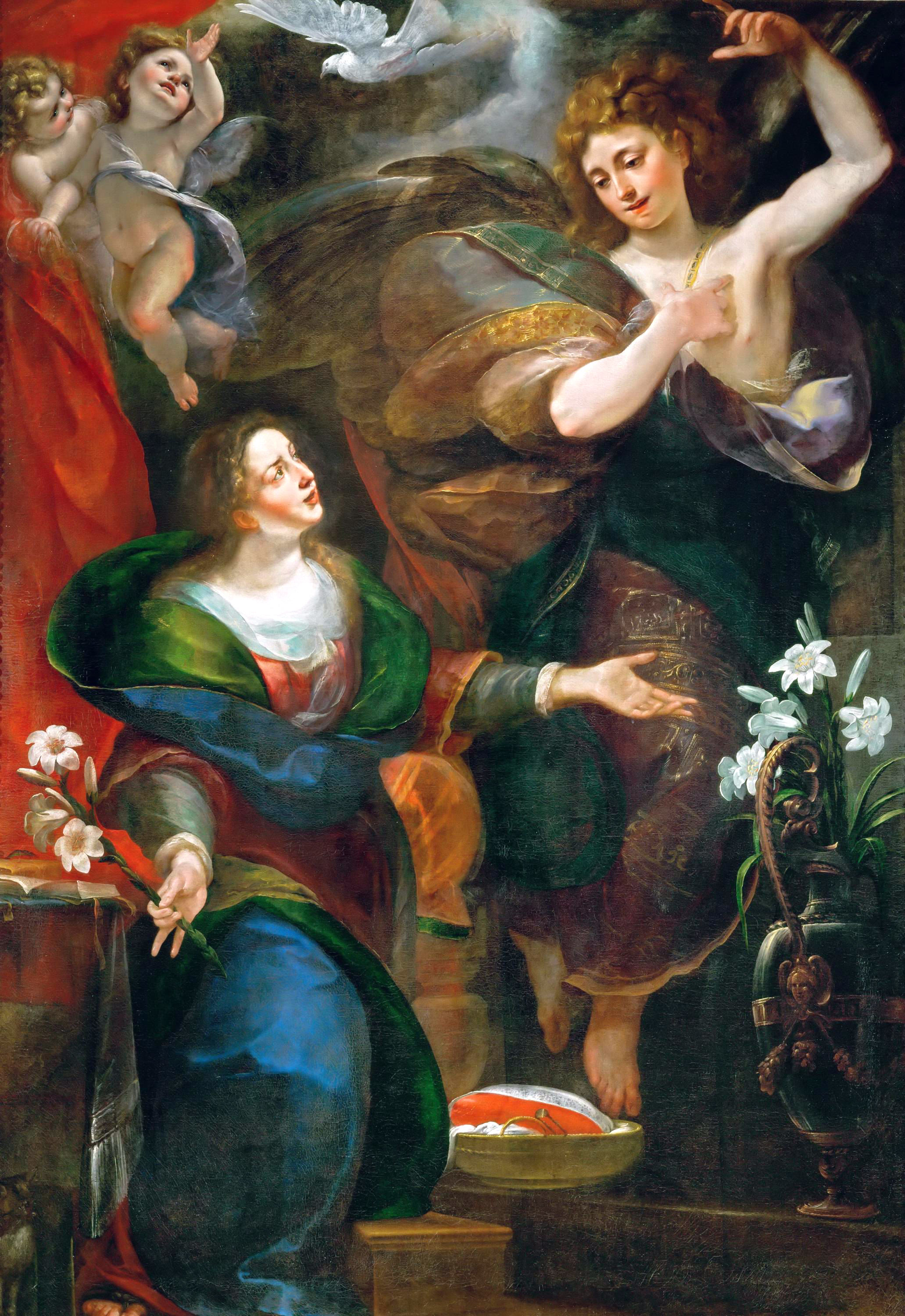
Camillo Procaccini was an Italian painter. He has been posthumously referred to as the Vasari of Lombardy, for his prolific Mannerist fresco decoration. He was the son of the painter Ercole Procaccini the Elder, and older brother to Giulio Cesare and Carlo Antonio, both painters.


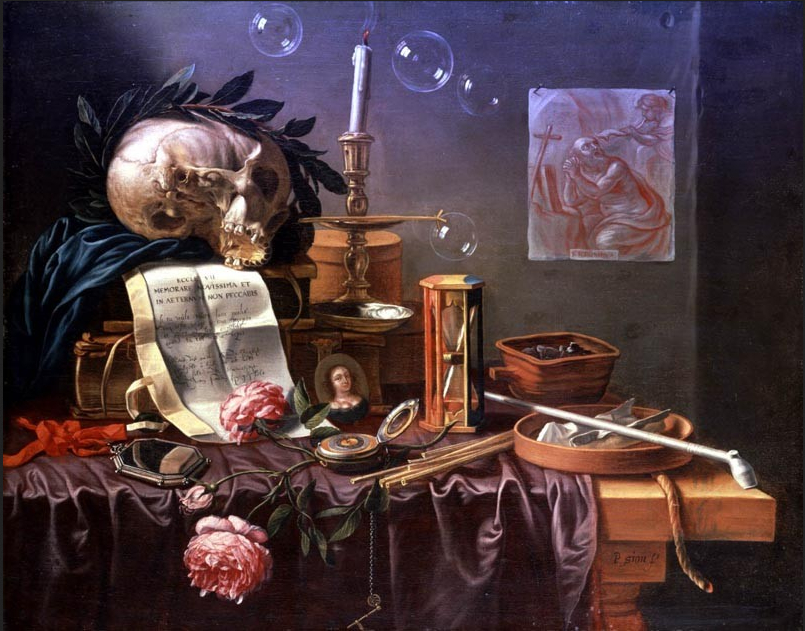
Peeter Sion was a Flemish painter of landscapes, history paintings and genre scenes. His work was mainly produced for the export market and dealt with biblical stories.