191

.jpg)
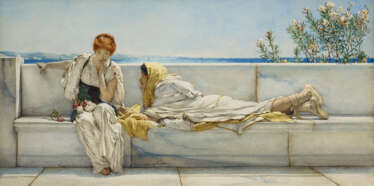
Lawrence Alma-Tadema was a Dutch-British artist renowned for his detailed and romanticized portrayals of ancient civilizations, particularly Rome and Egypt. His meticulous attention to historical accuracy and the lavish representation of marble and luxurious settings distinguished his work. Notably, his fascination with ancient cultures was sparked by his honeymoon visit to Italy and Pompeii, influencing his artistic focus for decades.
Lawrence Alma-Tadema's early work, such as "The Education of the Children of Clovis," showcased his interest in historical subjects and established his reputation. This painting, alongside others like "The Sad Father," demonstrates his commitment to historical detail and narrative depth.
After moving to England due to the Franco-Prussian War and personal reasons, Lawrence Alma-Tadema's career flourished. His works, characterized by their bright palette and refined details, resonated with Victorian audiences, earning him considerable fame and financial success. He was knighted in 1899 and continued to be a pivotal figure in Victorian art, influencing peers and future generations alike.
Lawrence Alma-Tadema's legacy experienced a decline posthumously but saw a resurgence in the 1970s. Today, he is celebrated for his contributions to the Neoclassical and Victorian art movements, with his works featured in prominent collections worldwide, including the Getty Museum and the Tate Gallery.
If you are fascinated by Lawrence Alma-Tadema's artwork and wish to stay updated on sales and auction events related to his works, consider signing up for updates. This will ensure you remain informed about new opportunities to explore and possibly acquire pieces of his illustrious legacy.


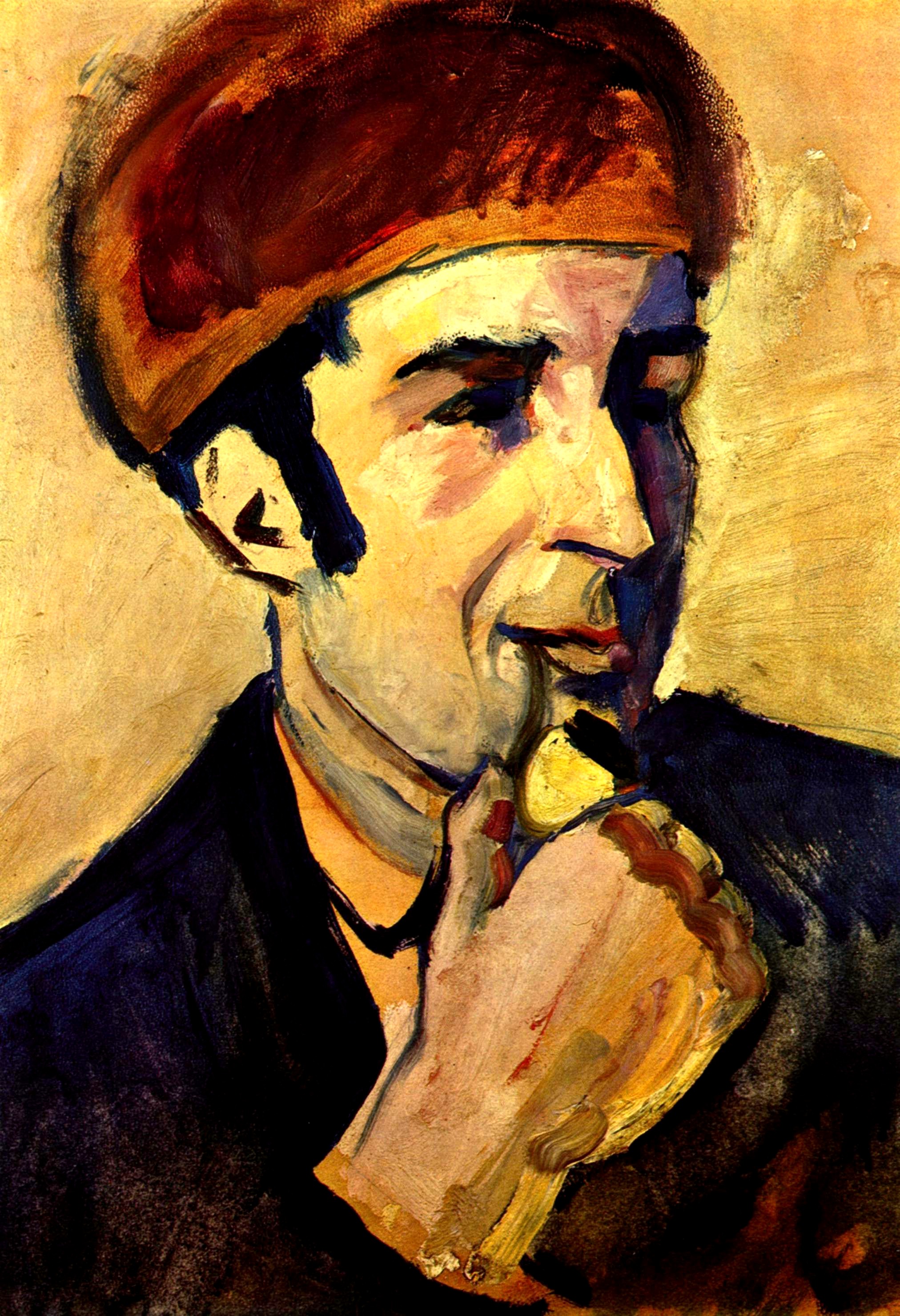
Franz Moritz Wilhelm Marc, a pivotal figure in German Expressionism, remains celebrated for his innovative contributions to 20th-century art. Born in Munich, Bavaria, within the German Empire on February 8, 1880, Marc's journey into the art world was profoundly influenced by his education at the Academy of Fine Arts in Munich. His distinct artistic vision is most famously encapsulated in works like "The Tower of Blue Horses", "Yellow Cow", and "Blue Horse I", each radiating with vibrant colors and emotional depth. Marc's affiliation with Der Blaue Reiter, a journal he co-founded, underscored his role in the German Expressionist movement, emphasizing the spiritual and symbolic significance of color in art.
Marc's oeuvre predominantly features animals, presented not merely as subjects but as embodiments of primal purity and emotional resonance. This choice of subject matter, combined with a stark, almost cubist portrayal, allowed Marc to explore themes of spirituality, masculinity (often symbolized by blue), and the tumultuous essence of life itself. His work "Fate of the Animals", which hangs in the Kunstmuseum Basel, exemplifies this thematic exploration, portraying a premonition of chaos and destruction that eerily anticipated the outbreak of World War I.
Tragically, Marc's promising career was cut short by his death at the Battle of Verdun on March 4, 1916, during World War I, where he served in the German Army. Despite his premature demise, Marc's legacy endures through his profound impact on modern art, as seen in his vibrant compositions that continue to captivate audiences in galleries and museums worldwide. His artworks, once labeled as "degenerate" by the Nazis, have transcended this vilification, achieving acclaim and fetching high sums at auction, with "Die Füchse (The Foxes)" reaching a record £42,654,500.
For collectors and experts in art and antiques, Marc's work represents not only a high point in German Expressionism but also a window into the artist's profound belief in the spiritual power of color and form. His legacy is a testament to the enduring allure and significance of early 20th-century modern art. To stay updated on sales and auction events related to Franz Marc's work, signing up for updates offers a direct link to the vibrant legacy of this remarkable artist.
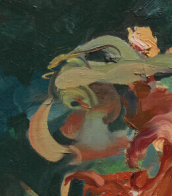
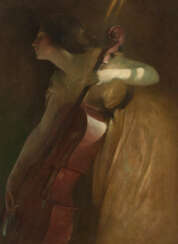

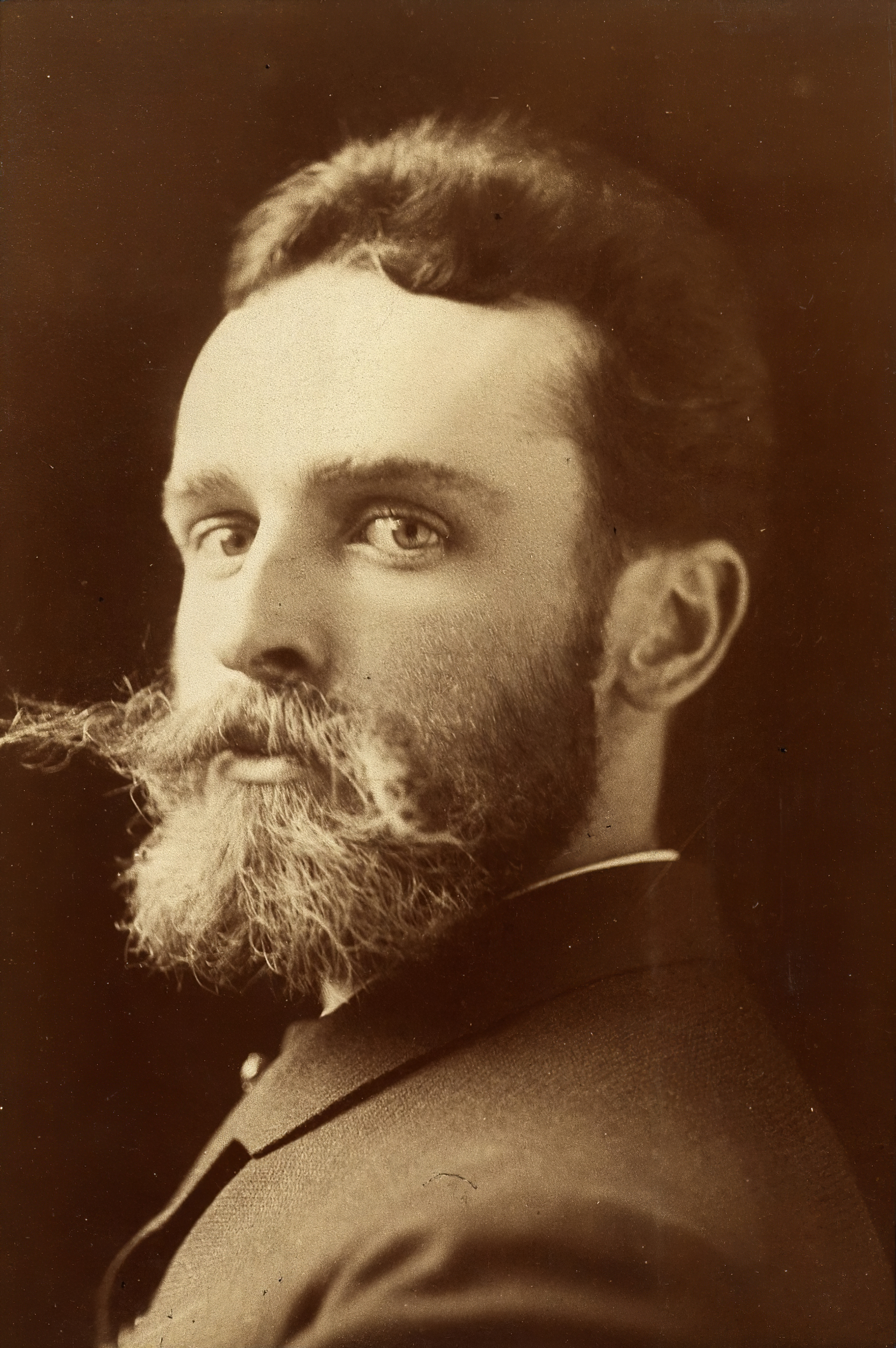
John White Alexander was an American portrait, figure, and decorative painter and illustrator.
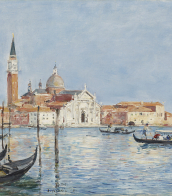



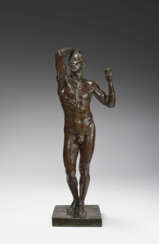

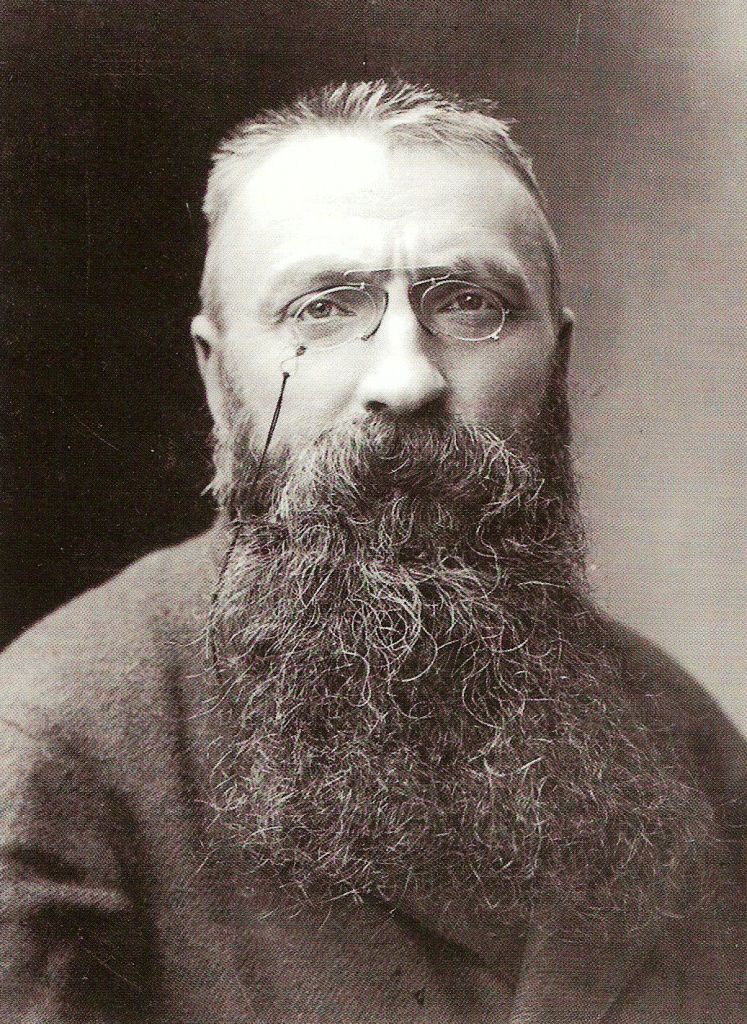
François Auguste René Rodin was a French sculptor, generally considered the founder of modern sculpture. He was schooled traditionally and took a craftsman-like approach to his work. Rodin possessed a unique ability to model a complex, turbulent, and deeply pocketed surface in clay. He is known for such sculptures as The Thinker, Monument to Balzac, The Kiss, The Burghers of Calais, and The Gates of Hell.
Many of Rodin's most notable sculptures were criticized, as they clashed with predominant figurative sculpture traditions in which works were decorative, formulaic, or highly thematic. Rodin's most original work departed from traditional themes of mythology and allegory. He modeled the human body with naturalism, and his sculptures celebrate individual character and physicality. Although Rodin was sensitive to the controversy surrounding his work, he refused to change his style, and his continued output brought increasing favor from the government and the artistic community.
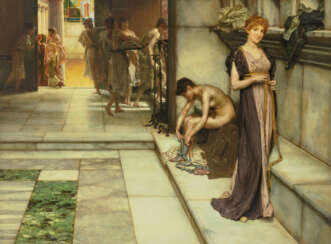

Lawrence Alma-Tadema was a Dutch-British artist renowned for his detailed and romanticized portrayals of ancient civilizations, particularly Rome and Egypt. His meticulous attention to historical accuracy and the lavish representation of marble and luxurious settings distinguished his work. Notably, his fascination with ancient cultures was sparked by his honeymoon visit to Italy and Pompeii, influencing his artistic focus for decades.
Lawrence Alma-Tadema's early work, such as "The Education of the Children of Clovis," showcased his interest in historical subjects and established his reputation. This painting, alongside others like "The Sad Father," demonstrates his commitment to historical detail and narrative depth.
After moving to England due to the Franco-Prussian War and personal reasons, Lawrence Alma-Tadema's career flourished. His works, characterized by their bright palette and refined details, resonated with Victorian audiences, earning him considerable fame and financial success. He was knighted in 1899 and continued to be a pivotal figure in Victorian art, influencing peers and future generations alike.
Lawrence Alma-Tadema's legacy experienced a decline posthumously but saw a resurgence in the 1970s. Today, he is celebrated for his contributions to the Neoclassical and Victorian art movements, with his works featured in prominent collections worldwide, including the Getty Museum and the Tate Gallery.
If you are fascinated by Lawrence Alma-Tadema's artwork and wish to stay updated on sales and auction events related to his works, consider signing up for updates. This will ensure you remain informed about new opportunities to explore and possibly acquire pieces of his illustrious legacy.
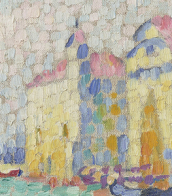
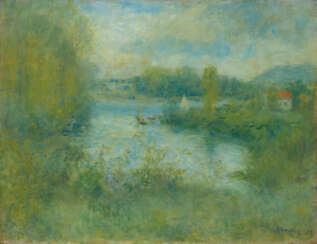

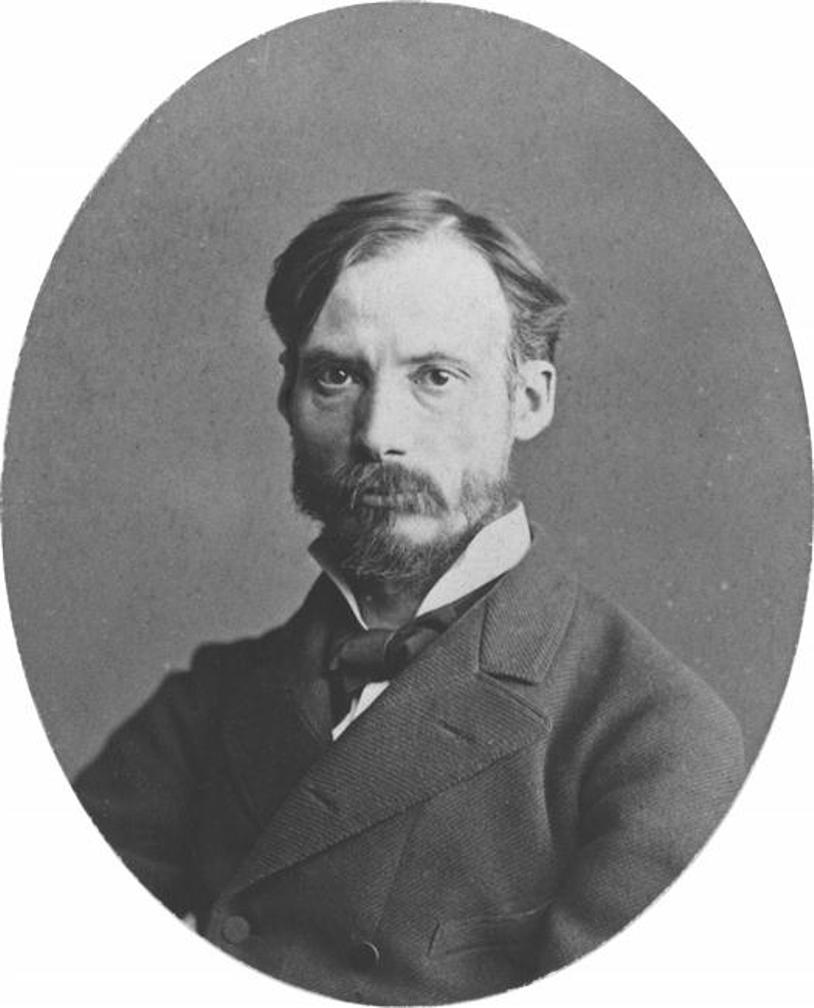
Pierre-Auguste Renoir was a French artist, celebrated as a pivotal figure in the development of the Impressionist movement. Born in Limoges, France, in 1841, Renoir's early experiences in Paris and his apprenticeship as a porcelain painter laid the foundation for his illustrious career in art. His transition to painting was marked by an early fascination with the play of light and color, which became a hallmark of his work. Renoir's paintings are renowned for their vibrant light and saturated color, often focusing on people in intimate and candid compositions. This focus on beauty and a particular affinity for capturing the sensuality of the female form distinguished his work from his contemporaries.
Renoir's contributions to Impressionism were significant, characterized by his use of bright colors and a technique that captured the movement and luminosity of the scene. His evolution as an artist saw him experimenting with a more linear and classical style, especially after his travels to Italy, where he was deeply influenced by the Renaissance masters. Despite facing personal challenges, including severe rheumatoid arthritis in his later years, Renoir's passion for painting never waned. His determination saw him adapting his painting technique to his physical limitations, ensuring that his creative output remained prolific until his death in 1919.
Among Renoir's notable works are "Bal du moulin de la Galette" (1876), "Luncheon of the Boating Party" (1880), and "Girls at the Piano" (1892). These masterpieces exemplify the essence of Impressionist art with their depiction of light, movement, and everyday life. Renoir's works are housed in prestigious museums around the world, serving as a testament to his enduring legacy in the realm of art.
For art collectors and experts, Renoir's oeuvre represents an essential segment of the Impressionist movement, offering insights into the evolution of modern art. His mastery in portraying the beauty of the moment and the depth of human emotion continues to captivate and inspire audiences worldwide.
If you are passionate about collecting or studying the works of Pierre-Auguste Renoir, we invite you to sign up for updates on new product sales and auction events related to this iconic artist. Stay informed about the opportunity to own a piece of art history and deepen your appreciation for the rich tapestry of culture and art that Renoir helped weave.
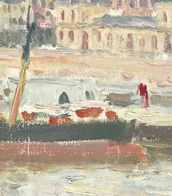


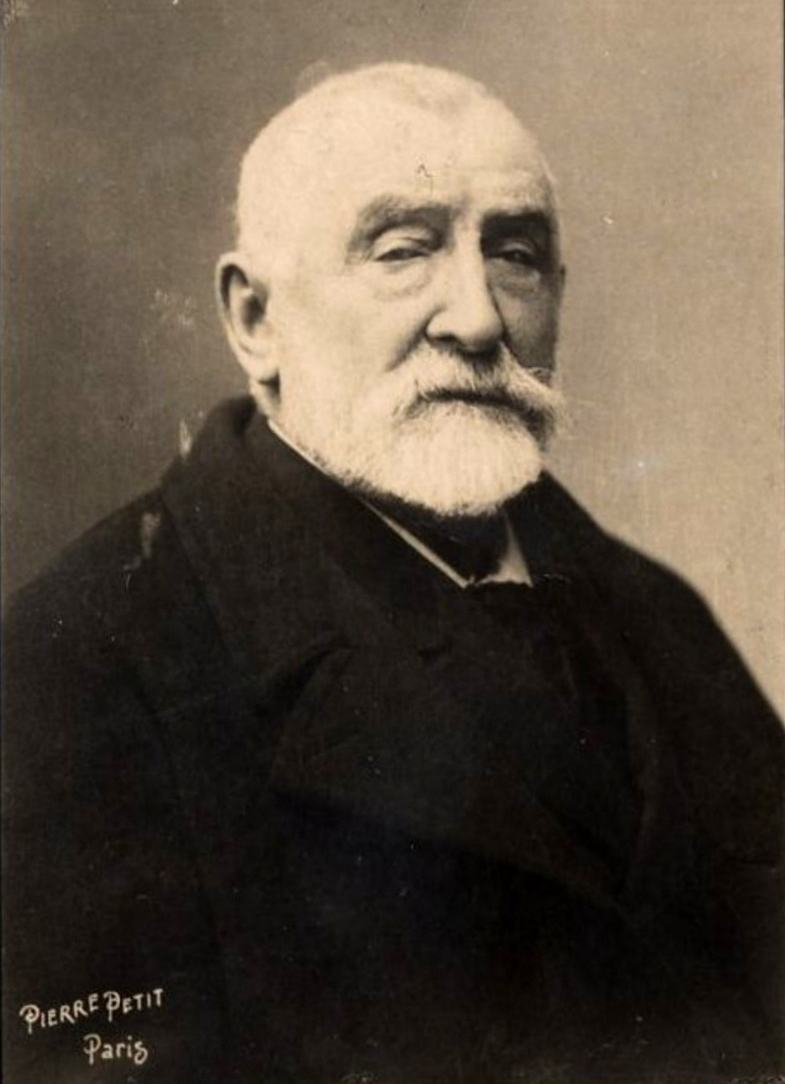
Henri Joseph Harpignies was a French landscape painter of the Barbizon school.
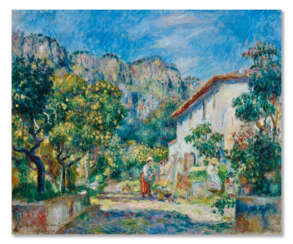

Pierre-Auguste Renoir was a French artist, celebrated as a pivotal figure in the development of the Impressionist movement. Born in Limoges, France, in 1841, Renoir's early experiences in Paris and his apprenticeship as a porcelain painter laid the foundation for his illustrious career in art. His transition to painting was marked by an early fascination with the play of light and color, which became a hallmark of his work. Renoir's paintings are renowned for their vibrant light and saturated color, often focusing on people in intimate and candid compositions. This focus on beauty and a particular affinity for capturing the sensuality of the female form distinguished his work from his contemporaries.
Renoir's contributions to Impressionism were significant, characterized by his use of bright colors and a technique that captured the movement and luminosity of the scene. His evolution as an artist saw him experimenting with a more linear and classical style, especially after his travels to Italy, where he was deeply influenced by the Renaissance masters. Despite facing personal challenges, including severe rheumatoid arthritis in his later years, Renoir's passion for painting never waned. His determination saw him adapting his painting technique to his physical limitations, ensuring that his creative output remained prolific until his death in 1919.
Among Renoir's notable works are "Bal du moulin de la Galette" (1876), "Luncheon of the Boating Party" (1880), and "Girls at the Piano" (1892). These masterpieces exemplify the essence of Impressionist art with their depiction of light, movement, and everyday life. Renoir's works are housed in prestigious museums around the world, serving as a testament to his enduring legacy in the realm of art.
For art collectors and experts, Renoir's oeuvre represents an essential segment of the Impressionist movement, offering insights into the evolution of modern art. His mastery in portraying the beauty of the moment and the depth of human emotion continues to captivate and inspire audiences worldwide.
If you are passionate about collecting or studying the works of Pierre-Auguste Renoir, we invite you to sign up for updates on new product sales and auction events related to this iconic artist. Stay informed about the opportunity to own a piece of art history and deepen your appreciation for the rich tapestry of culture and art that Renoir helped weave.
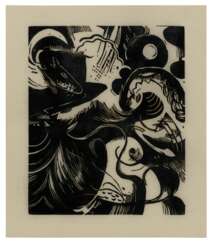

Franz Moritz Wilhelm Marc, a pivotal figure in German Expressionism, remains celebrated for his innovative contributions to 20th-century art. Born in Munich, Bavaria, within the German Empire on February 8, 1880, Marc's journey into the art world was profoundly influenced by his education at the Academy of Fine Arts in Munich. His distinct artistic vision is most famously encapsulated in works like "The Tower of Blue Horses", "Yellow Cow", and "Blue Horse I", each radiating with vibrant colors and emotional depth. Marc's affiliation with Der Blaue Reiter, a journal he co-founded, underscored his role in the German Expressionist movement, emphasizing the spiritual and symbolic significance of color in art.
Marc's oeuvre predominantly features animals, presented not merely as subjects but as embodiments of primal purity and emotional resonance. This choice of subject matter, combined with a stark, almost cubist portrayal, allowed Marc to explore themes of spirituality, masculinity (often symbolized by blue), and the tumultuous essence of life itself. His work "Fate of the Animals", which hangs in the Kunstmuseum Basel, exemplifies this thematic exploration, portraying a premonition of chaos and destruction that eerily anticipated the outbreak of World War I.
Tragically, Marc's promising career was cut short by his death at the Battle of Verdun on March 4, 1916, during World War I, where he served in the German Army. Despite his premature demise, Marc's legacy endures through his profound impact on modern art, as seen in his vibrant compositions that continue to captivate audiences in galleries and museums worldwide. His artworks, once labeled as "degenerate" by the Nazis, have transcended this vilification, achieving acclaim and fetching high sums at auction, with "Die Füchse (The Foxes)" reaching a record £42,654,500.
For collectors and experts in art and antiques, Marc's work represents not only a high point in German Expressionism but also a window into the artist's profound belief in the spiritual power of color and form. His legacy is a testament to the enduring allure and significance of early 20th-century modern art. To stay updated on sales and auction events related to Franz Marc's work, signing up for updates offers a direct link to the vibrant legacy of this remarkable artist.


Pierre-Auguste Renoir was a French artist, celebrated as a pivotal figure in the development of the Impressionist movement. Born in Limoges, France, in 1841, Renoir's early experiences in Paris and his apprenticeship as a porcelain painter laid the foundation for his illustrious career in art. His transition to painting was marked by an early fascination with the play of light and color, which became a hallmark of his work. Renoir's paintings are renowned for their vibrant light and saturated color, often focusing on people in intimate and candid compositions. This focus on beauty and a particular affinity for capturing the sensuality of the female form distinguished his work from his contemporaries.
Renoir's contributions to Impressionism were significant, characterized by his use of bright colors and a technique that captured the movement and luminosity of the scene. His evolution as an artist saw him experimenting with a more linear and classical style, especially after his travels to Italy, where he was deeply influenced by the Renaissance masters. Despite facing personal challenges, including severe rheumatoid arthritis in his later years, Renoir's passion for painting never waned. His determination saw him adapting his painting technique to his physical limitations, ensuring that his creative output remained prolific until his death in 1919.
Among Renoir's notable works are "Bal du moulin de la Galette" (1876), "Luncheon of the Boating Party" (1880), and "Girls at the Piano" (1892). These masterpieces exemplify the essence of Impressionist art with their depiction of light, movement, and everyday life. Renoir's works are housed in prestigious museums around the world, serving as a testament to his enduring legacy in the realm of art.
For art collectors and experts, Renoir's oeuvre represents an essential segment of the Impressionist movement, offering insights into the evolution of modern art. His mastery in portraying the beauty of the moment and the depth of human emotion continues to captivate and inspire audiences worldwide.
If you are passionate about collecting or studying the works of Pierre-Auguste Renoir, we invite you to sign up for updates on new product sales and auction events related to this iconic artist. Stay informed about the opportunity to own a piece of art history and deepen your appreciation for the rich tapestry of culture and art that Renoir helped weave.



François Auguste René Rodin was a French sculptor, generally considered the founder of modern sculpture. He was schooled traditionally and took a craftsman-like approach to his work. Rodin possessed a unique ability to model a complex, turbulent, and deeply pocketed surface in clay. He is known for such sculptures as The Thinker, Monument to Balzac, The Kiss, The Burghers of Calais, and The Gates of Hell.
Many of Rodin's most notable sculptures were criticized, as they clashed with predominant figurative sculpture traditions in which works were decorative, formulaic, or highly thematic. Rodin's most original work departed from traditional themes of mythology and allegory. He modeled the human body with naturalism, and his sculptures celebrate individual character and physicality. Although Rodin was sensitive to the controversy surrounding his work, he refused to change his style, and his continued output brought increasing favor from the government and the artistic community.
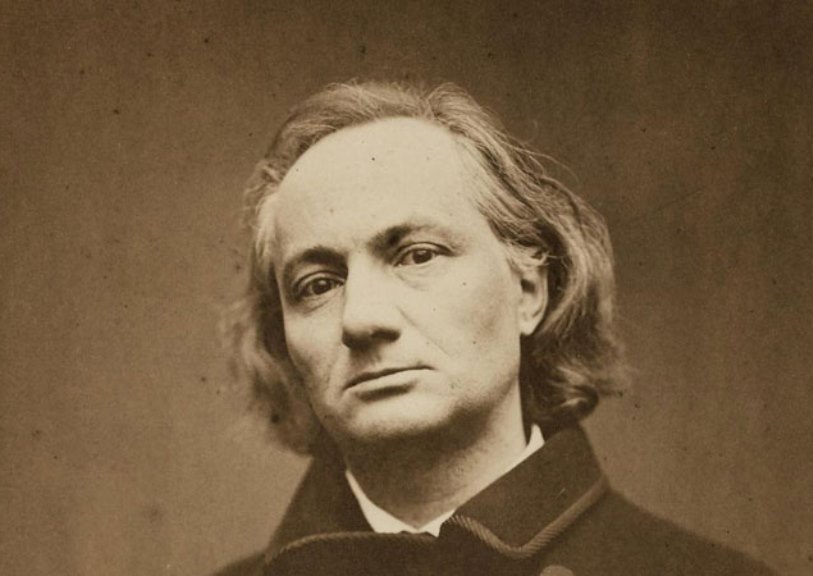


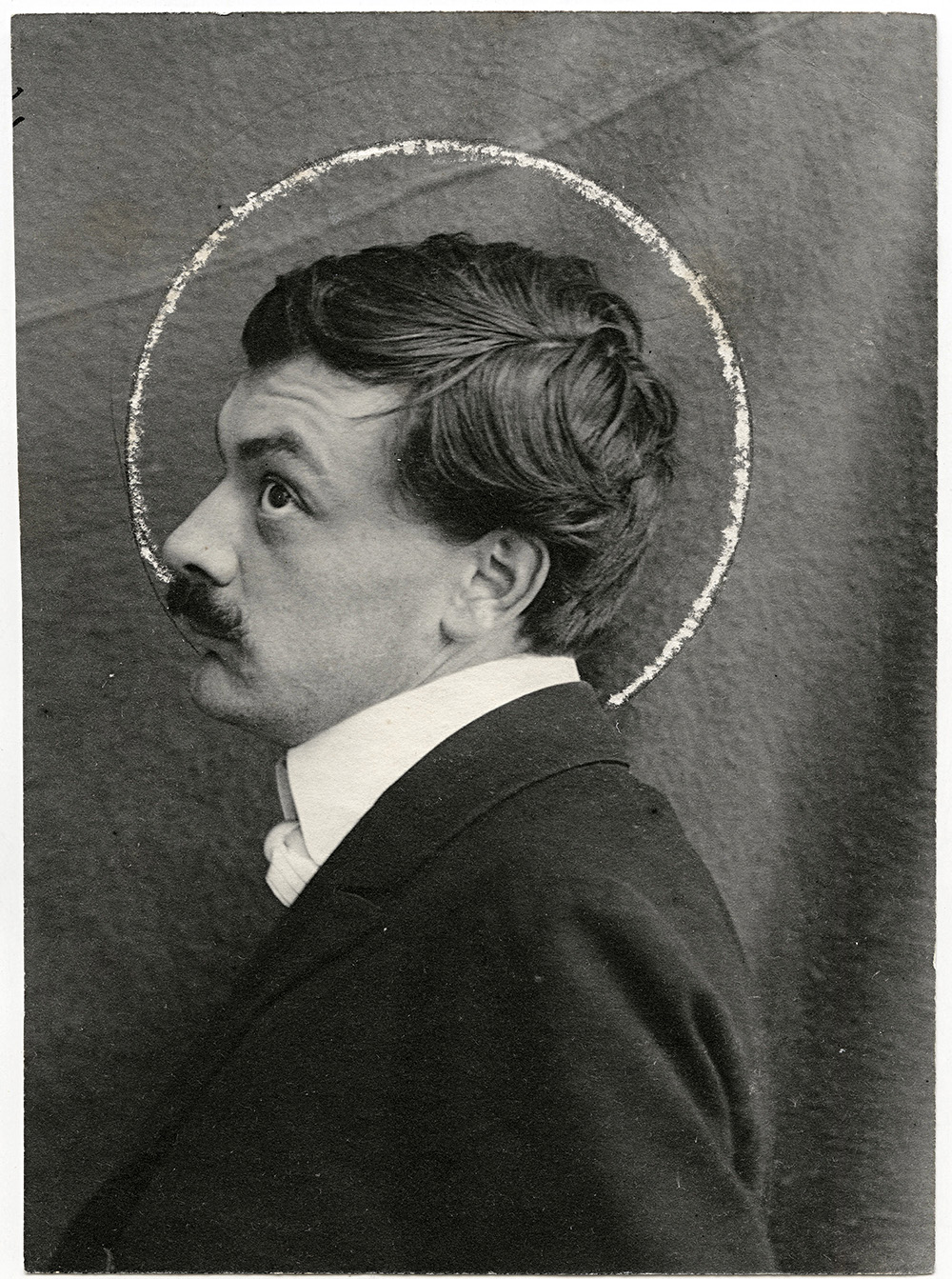
Koloman Moser, an Austrian artist, was a pivotal figure in the Vienna Secession movement and a co-founder of Wiener Werkstätte. His diverse portfolio includes graphic works, fashion designs, stained glass windows, ceramics, silverware, jewelry, and furniture. Moser's style, characterized by precise geometric patterns and a harmonious blend of colors, made a significant impact on 20th-century graphic art and design.
Koloman Moser's work extended beyond art; he designed currency and stamps, notably the Austrian-Hungarian 50 Crown Banknote and a stamp featuring Emperor Franz Joseph. His legacy is preserved in various museums, including the Museum of Applied Arts Vienna (MAK), which hosted a comprehensive exhibition to commemorate the centenary of his death.
For collectors and art enthusiasts, Koloman Moser's creations offer a unique glimpse into the evolution of modern design and the rich cultural tapestry of early 20th-century Vienna. To stay informed about upcoming sales and auction events related to Koloman Moser's work, signing up for updates is an excellent way to stay connected with this influential artist's enduring legacy.
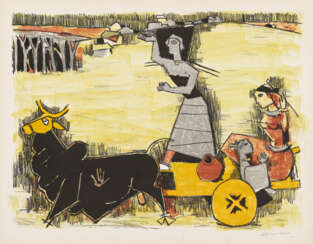

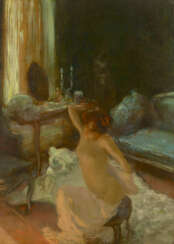

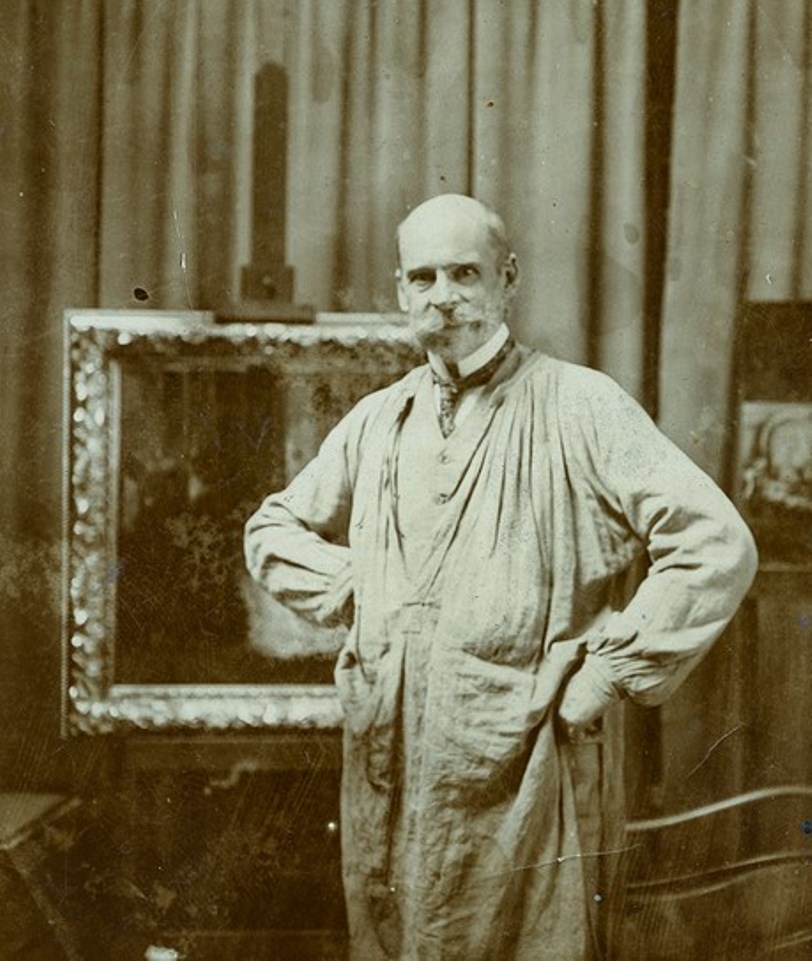
Gaston La Touche was a French painter, illustrator, engraver, and sculptor, a representative of Post-Impressionism.
In his paintings the artist showed his idealistic universe inhabited by nymphs in parks, among fountains, flowers and fireworks.
John White Alexander was an American portrait, figure, and decorative painter and illustrator.
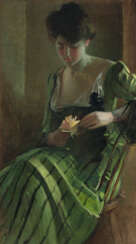

John White Alexander was an American portrait, figure, and decorative painter and illustrator.


Ettore Sottsass was a 20th century Italian architect, noted for also designing furniture, jewellery, glass, lighting, home and office wares, as well as numerous buildings and interiors — often defined by bold colours.
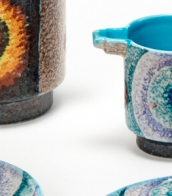


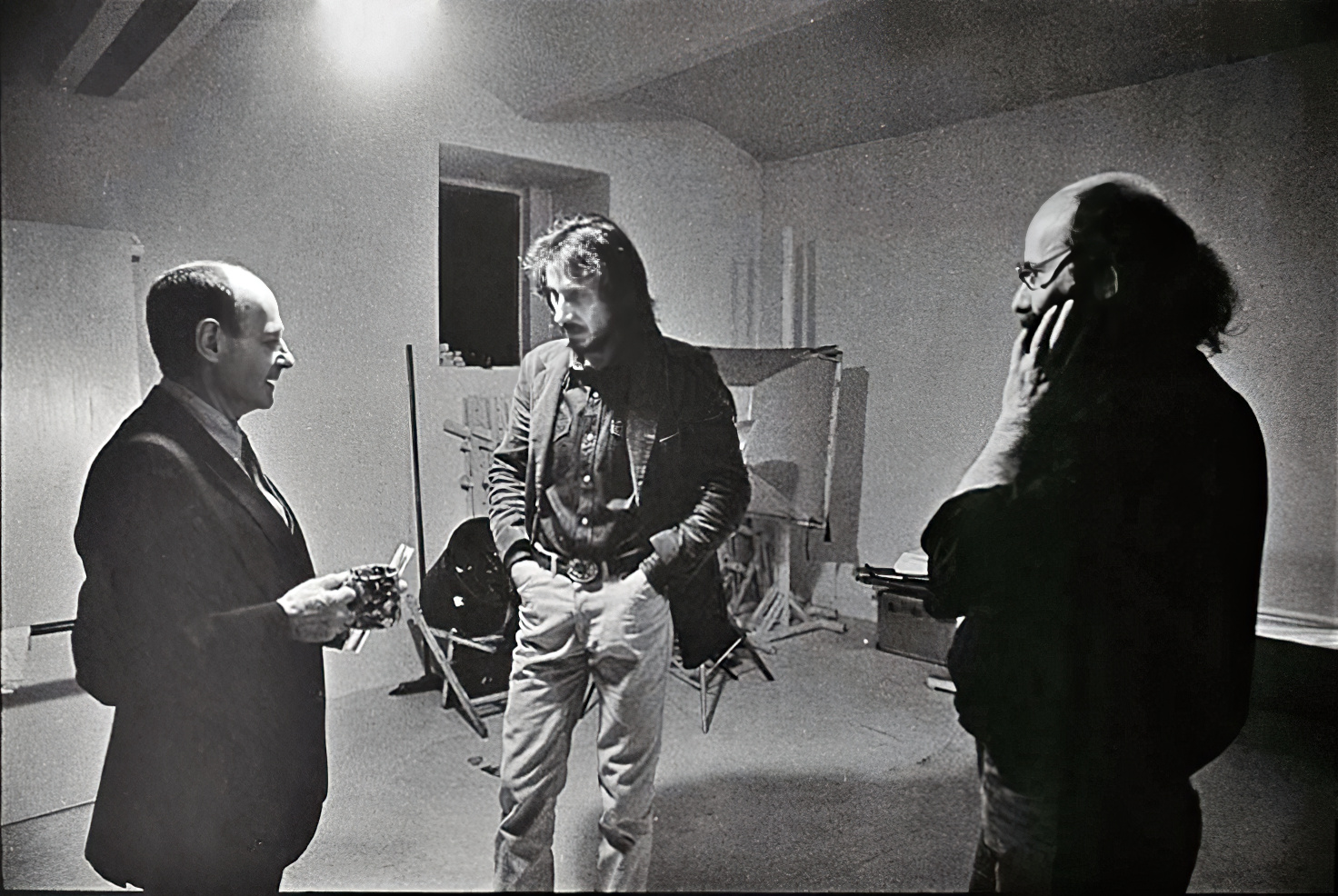
Irving Penn was an American photographer celebrated for his influential work in fashion photography, portraits, and still lifes. Penn's journey into photography began with a background in painting and design, studying at the Philadelphia Museum School of Industrial Art. He moved to New York and initially worked in design and illustration, which paved the way for his transition into photography. Notably, Penn's work at Vogue magazine for over six decades helped define the visual style of mid-20th-century fashion photography.
Irving Penn's mastery extended beyond the camera to the darkroom, where he experimented with various printing techniques, including the platinum-palladium process, which contributed to the depth and subtlety of his prints. His works, such as the "Cigarette" series and his still life compositions, are renowned for their minimalistic elegance and meticulous detail. Irving Penn's artistry was not confined to one genre; his "Earthly Bodies" nudes series and street material collection demonstrated his versatility and depth as an artist.
His contributions to photography are preserved and celebrated in numerous exhibitions and collections worldwide, including major museums like The Metropolitan Museum of Art, The Museum of Modern Art, and The Art Institute of Chicago. Irving Penn's legacy as a pioneering figure in photography continues to inspire artists and photographers today.
If you're a collector or an expert in art and antiques, staying updated on Irving Penn's works can be invaluable. To receive updates on new product sales and auction events related to Irving Penn, consider signing up for our newsletter. This way, you won't miss out on the opportunity to own a piece of photographic history.



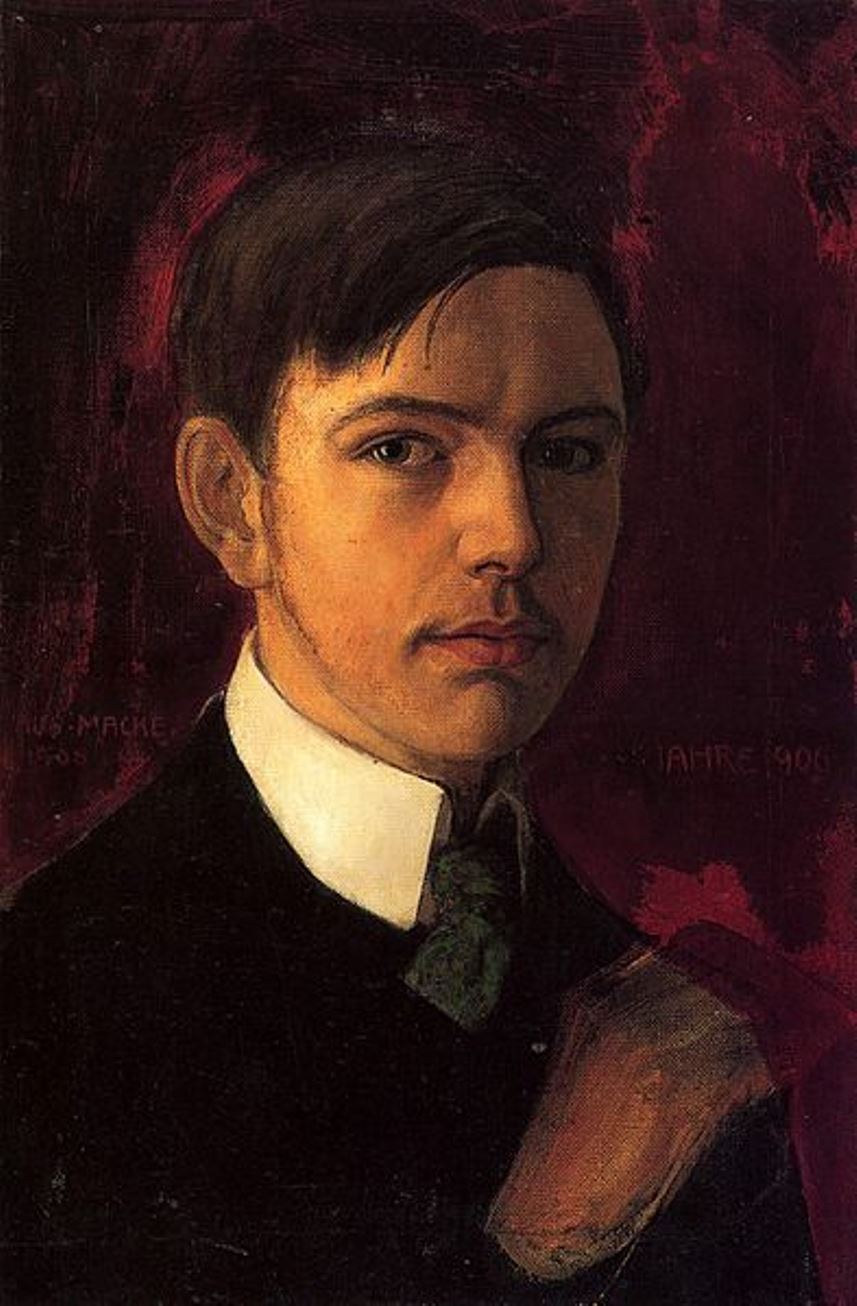
August Robert Ludwig Macke was an eminent German expressionist painter, founder and member of the Blue Rider association. His very colorful and individual style is today referred to as the Macke style, characterized by a harmonious combination of colors and the play of light effects. His favorite subjects of his works were sketches from the life of the city, as well as nature and man. The paintings of August Macke give an impression of joy and lightness.


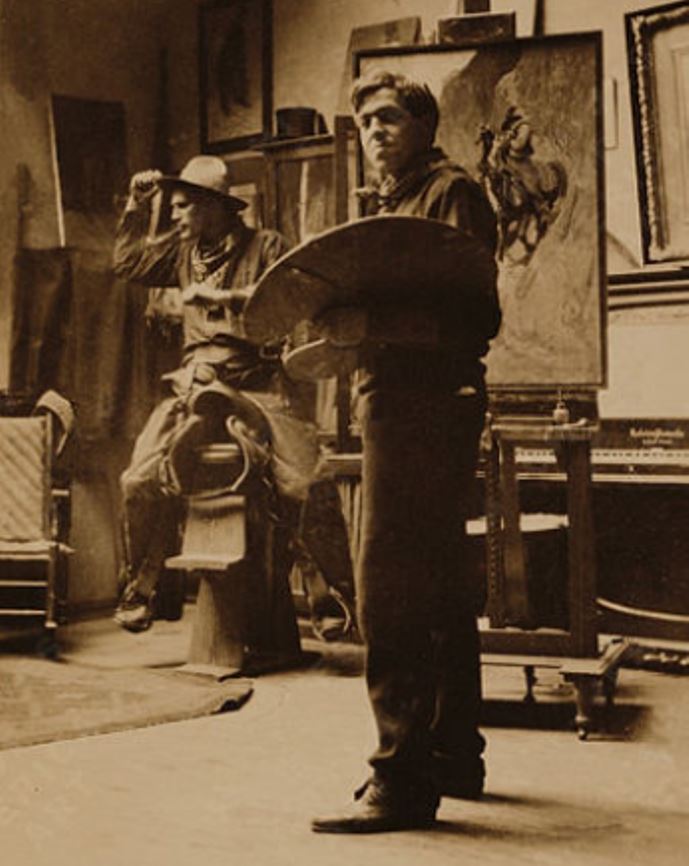
Andrew Newell Wyeth, an American visual artist, is renowned for his mastery in realism and regionalism. Born in 1917 in Chadds Ford, Pennsylvania, Wyeth was primarily a realist painter, deeply influenced by his father, N.C. Wyeth, a notable artist himself. Andrew's artwork, characterized by its clear, razor-sharp technique and a hauntingly eerie atmosphere, often depicted the land and people around him in rural Pennsylvania and Maine.
Wyeth's most celebrated work, Christina's World (1948), is housed in the Museum of Modern Art in New York City. This painting illustrates a woman lying in a field, looking toward a distant farmhouse, an image that has become an icon of American art due to its emotional depth and simplicity of composition. The work encapsulates Wyeth's ability to invoke profound personal and emotional landscapes through the meticulous depiction of physical settings and figures.
Andrew Newell Wyeth continued painting almost up until his death in 2009, leaving behind a vast legacy that has influenced many artists. His works remain highly valued by collectors and are often featured in major museums and galleries worldwide. To stay updated on exhibitions and sales of Andrew Wyeth’s art, sign up for our newsletter—ensuring you're informed about the latest auction events and product sales related to this profound artist.


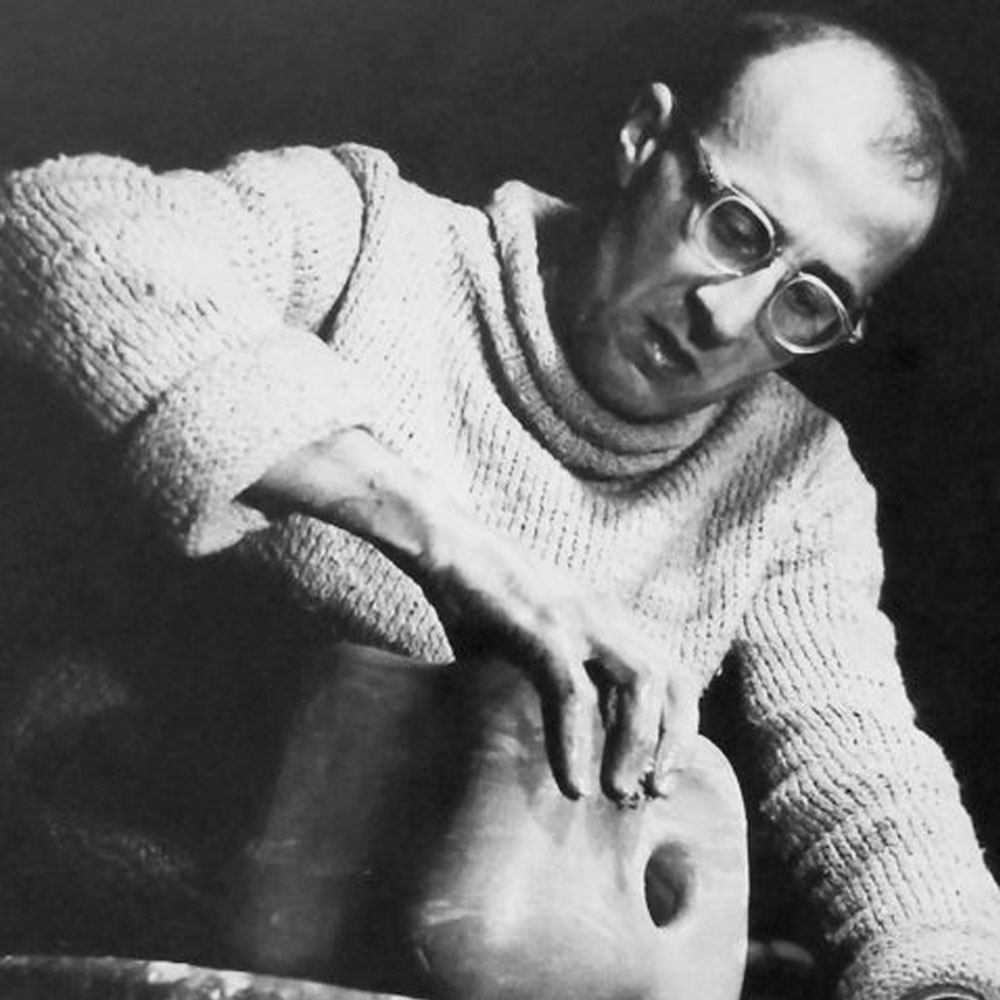
Georges Jouve was an important ceramist of the 20th century. At 17 years old, Jouve enrolled at the prestigious Ecole Boulle in Paris where he received theoretical instruction in Art History in addition to his technical studies as a sculptor. After Graduation in 1930 he first embarked on his artistic career as a theatrical set designer. During World War II, Jouve was captured by the Germans and interned in a German camp. After several attempts he escaped from the camp and took refuge at his step parents home in a potters village in the South of France called Dieulefit. In 1944, Jouve and his family moved back to Paris. He opened his studio in Paris and was invited by Jacques Adnet to participate in the exhibition “La Ceramique Contemporaine” by the Compagnie des Arts Francais. He then participated annually in numerous 'Salons' in France and internationally such as the “Salon des Artistes Decorateurs” in Paris, Association Francaise d'Action Artistique in Rio de Janeiro, and Vienna, Toronto, Rome, Milan, and Cairo.

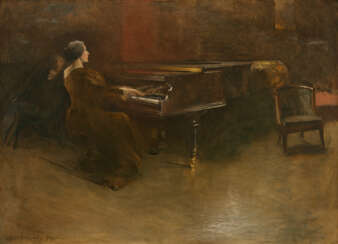

John White Alexander was an American portrait, figure, and decorative painter and illustrator.



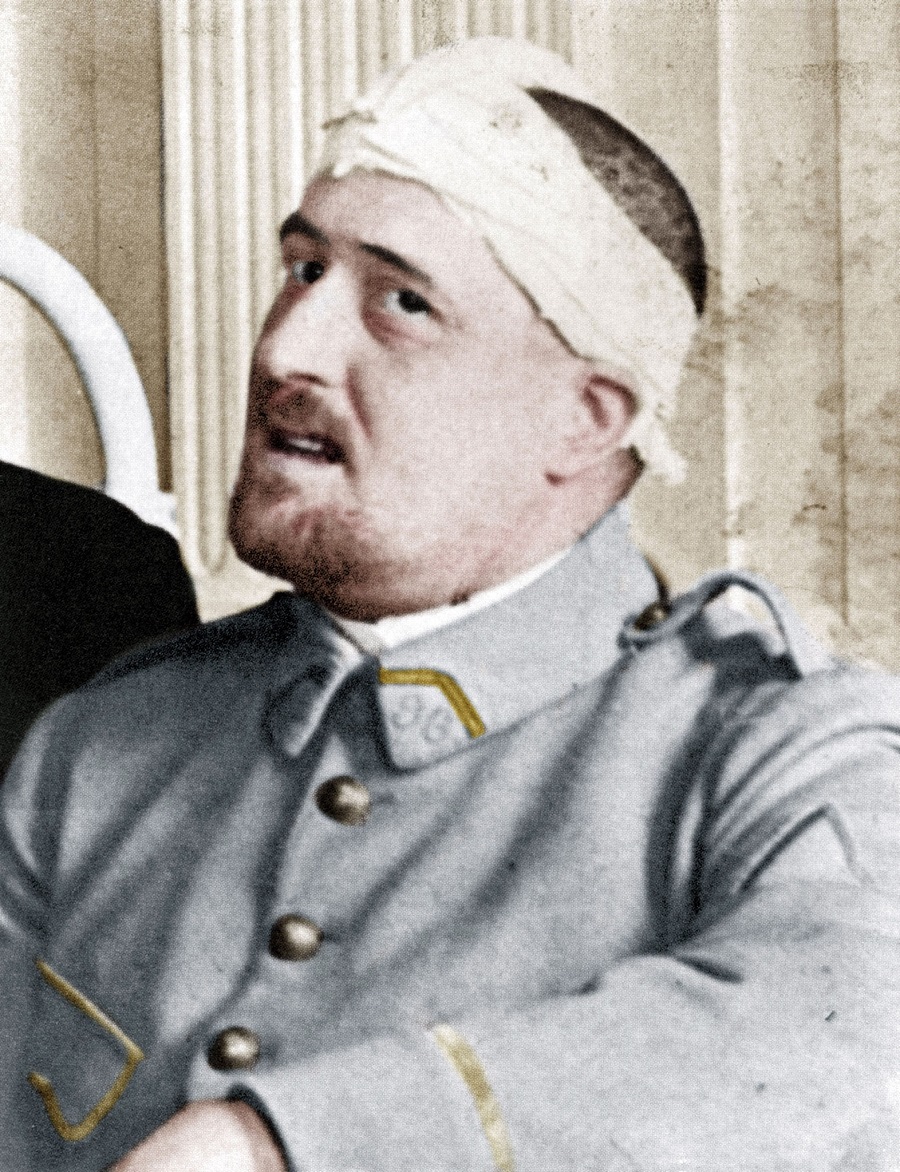
Guillaume Apollinaire, real name Wilhelm Albert Vladimir Apollinaris de Wąż-Kostrowicki, a French poet of Polish descent, was a towering figure in the early 20th century's literary and art scenes. Known for his experimental verse and support of avant-garde art movements like Cubism and Surrealism, Apollinaire's work pushed the boundaries of traditional aesthetics and inspired a generation of artists and writers.
Guillaume Apollinaire's literary contributions were vast and varied. He was an early advocate for Cubism, a relationship most prominently seen in his collaborations with artists like Pablo Picasso. He not only wrote about art but also collected it, surrounding himself with works by modernist masters such as Henri Rousseau and Georges Braque. His Paris apartment was a small museum of modern art, filled with pieces he often sold to support his literary endeavors. This vibrant artistic environment fueled his creativity, leading to major works such as Alcools and Calligrammes, which explored the possibilities of poetic form and typography to represent visual and verbal content in a unified way.
Despite his innovative work in poetry and art criticism, Guillaume Apollinaire's life was marked by personal challenges, including a grievous injury during World War I. Yet, even these difficulties did not hinder his prolific output. Among his notable works during this period was the play Les Mamelles de Tirésias, which was performed in 1917 and is considered a precursor to theatrical Surrealism.
Apollinaire's influence extended beyond his lifetime, particularly through his mentoring of future Surrealist leaders like André Breton. His forward-thinking approach to art and literature made him a central figure in the transition from traditional to modernist forms in both fields.
For collectors and experts in art and antiques, Guillaume Apollinaire's work represents a nexus of literary brilliance and pivotal artistic movements. His life and work provide fascinating insights into the dynamic and transformative world of early 20th-century art and literature.
Sign up for updates on auctions and sales events featuring items related to Guillaume Apollinaire. Stay informed about opportunities to acquire unique artifacts that celebrate his legacy in the realms of poetry and art.
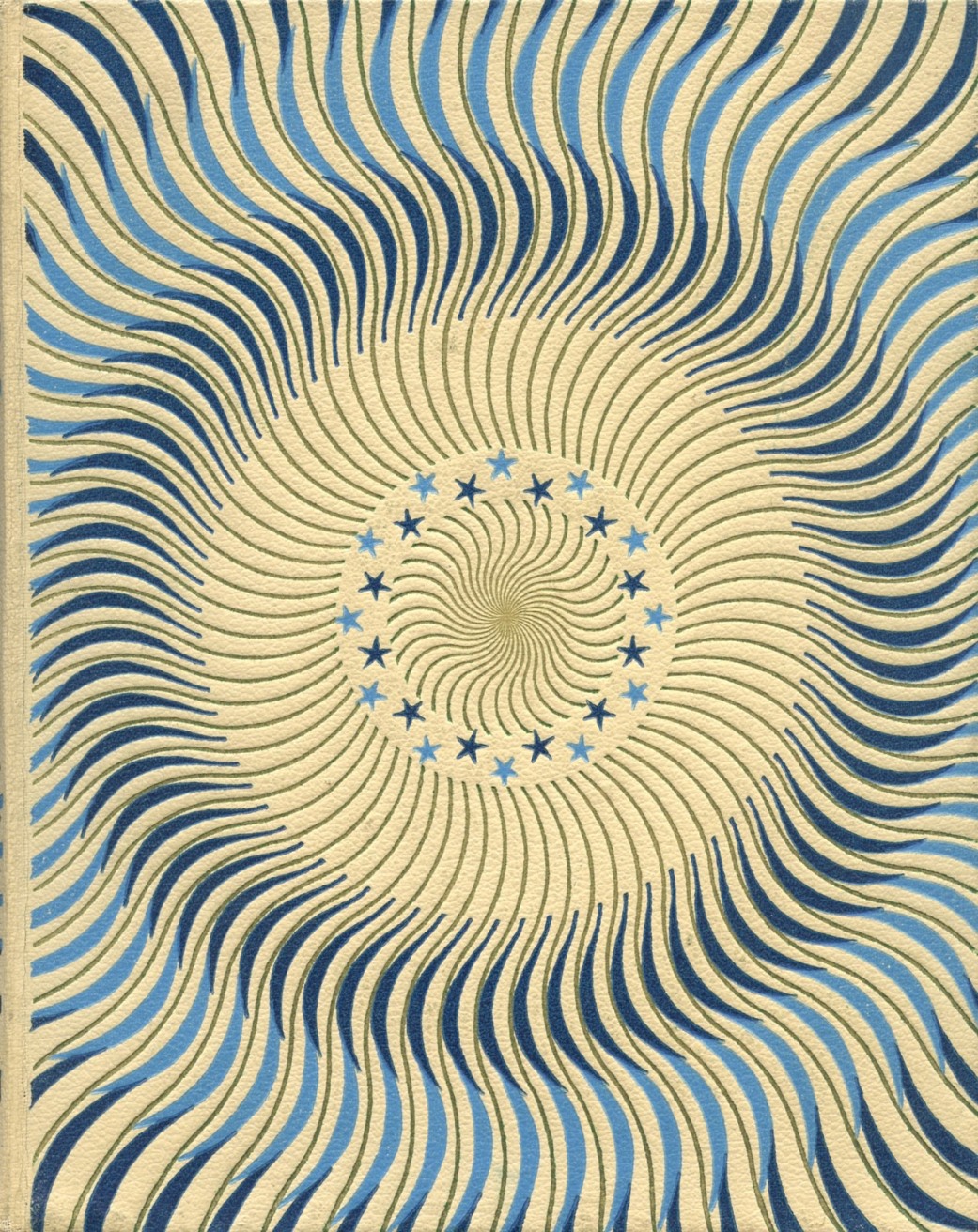
Paul Bonet, birth name Paul Joseph Ghislain Bonet, is a French bookbinder and bookbinding designer, Knight of the Legion of Honor.
Trained to make fashionable wooden mannequins, Paul Bonet worked in the fashion industry for several years and did not turn to bookbinding until 1920. His bright, colorful designs and prolific work made him famous. His first bindings were exhibited in 1925 at the Gallière Museum, then at the French Book Arts Exhibition, the Salon d'Automne and the Salon des Artistes Décoratifs, and his talent was recognized.
His decoration was particularly innovative. One of the great masters of French bookbinding, Paul Bonet became famous in the 1930s and 1940s for one of his signature patterns, "sunbeams." These patterns consist of many small lines with gold trim, carefully planned and giving the optical illusion of spatial depth.


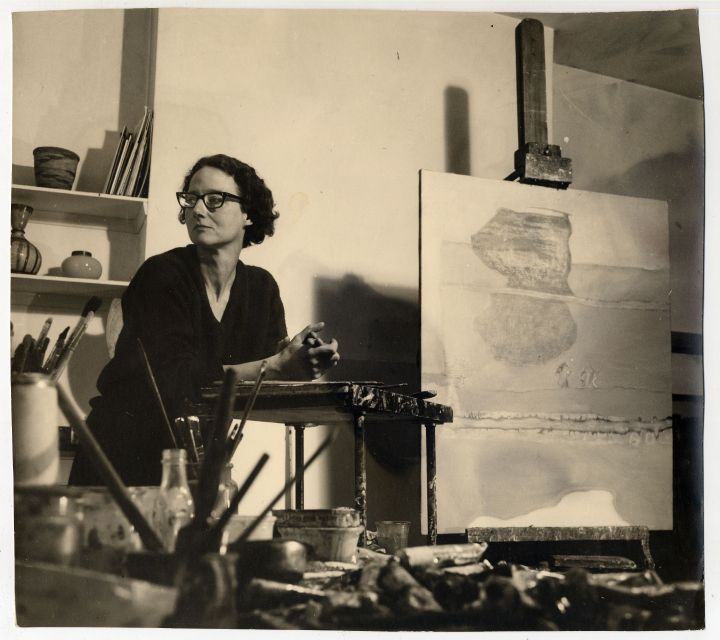
Prunella Clough was a prominent British artist. She is known mostly for her paintings, though she also made prints and created assemblages of collected objects. She was awarded the Jerwood Prize for painting, and received a retrospective exhibition at Tate Britain.