250/5








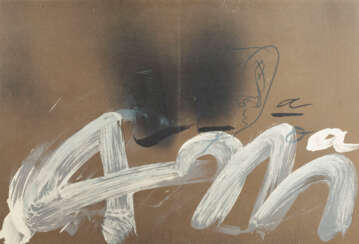


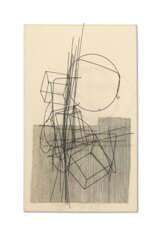
Antoni Tàpies i Puig, 1st Marquess of Tàpies was a Catalan Spanish painter, sculptor and art theorist, who became one of the most famous European artists of his generation.
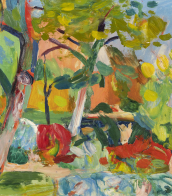
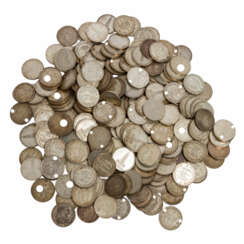









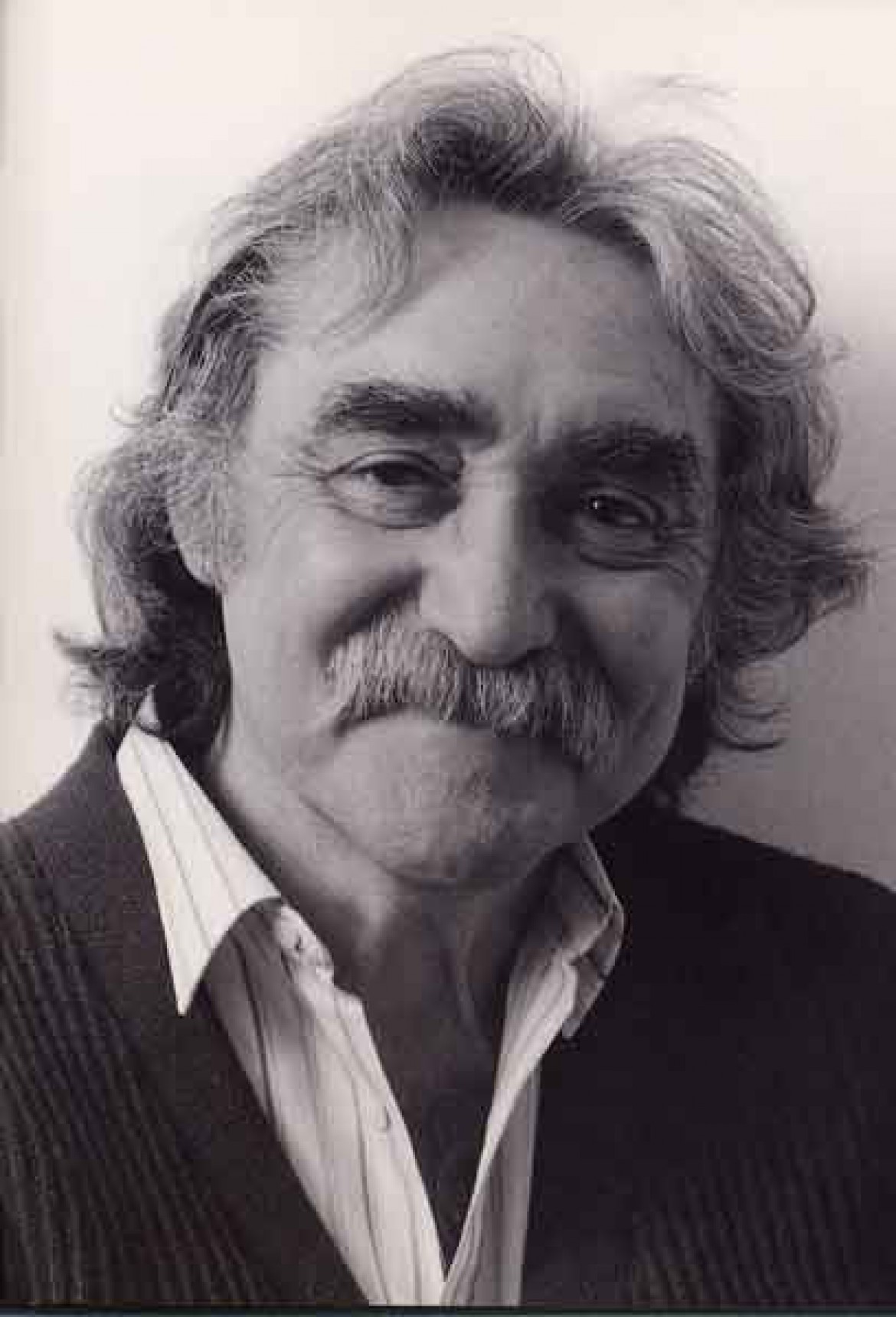
Jesús Rafael García Soto was a Venezuelan artist, renowned for his pioneering work in kinetic and op art, which sought to create an immersive experience that blurred the lines between the artwork and the viewer. Born in 1923, Soto embarked on a journey that would see him at the forefront of a movement that emphasized the visual dynamics of art, integrating sculpture, painting, and viewer participation in novel ways. His exploration of geometric abstraction and optical effects led to the development of his distinctive style, characterized by the use of materials such as plexiglass to create engaging optical illusions and vibrant, moving sculptures.
Soto's journey into the realms of kinetic art was marked by significant milestones, including his participation in the groundbreaking 1955 exhibition, Le Mouvement, at the Denise René gallery in Paris. This event was instrumental in defining the kinetic art movement, with Soto alongside artists like Yaacov Agam, Marcel Duchamp, and Victor Vasarely, presenting works that invited viewers to experience art in a dynamic, interactive manner. His quest for a new visual language led him to experiment with the dematerialization of form, creating artworks that seemed to dissolve into their surroundings, thereby challenging the viewer's perceptions of space and form.
Throughout his career, Soto remained dedicated to exploring the intrinsic relationships between space, movement, and viewer perception. His creations, ranging from the "Penetrables" series—immersive environments made of hanging strands that visitors could walk through—to large-scale murals and public sculptures, have been celebrated worldwide. His works are part of major collections and have been exhibited extensively, including at institutions such as the Museum of Modern Art in New York and the Tate Gallery in London, demonstrating his lasting influence on contemporary art.
For art collectors and enthusiasts intrigued by the fusion of art and motion, Jesús Rafael García Soto's work offers a profound exploration of the kinetic art movement's possibilities. His contributions to art are not just visual spectacles but invitations to engage directly with the kinetic energy and vibrancy of the world.
To stay updated on exhibitions and sales featuring Jesús Rafael García Soto's work, sign up for updates. This subscription ensures you're informed about new product sales and auction events related to this visionary artist, offering unique opportunities to experience the dynamism of kinetic art firsthand.

















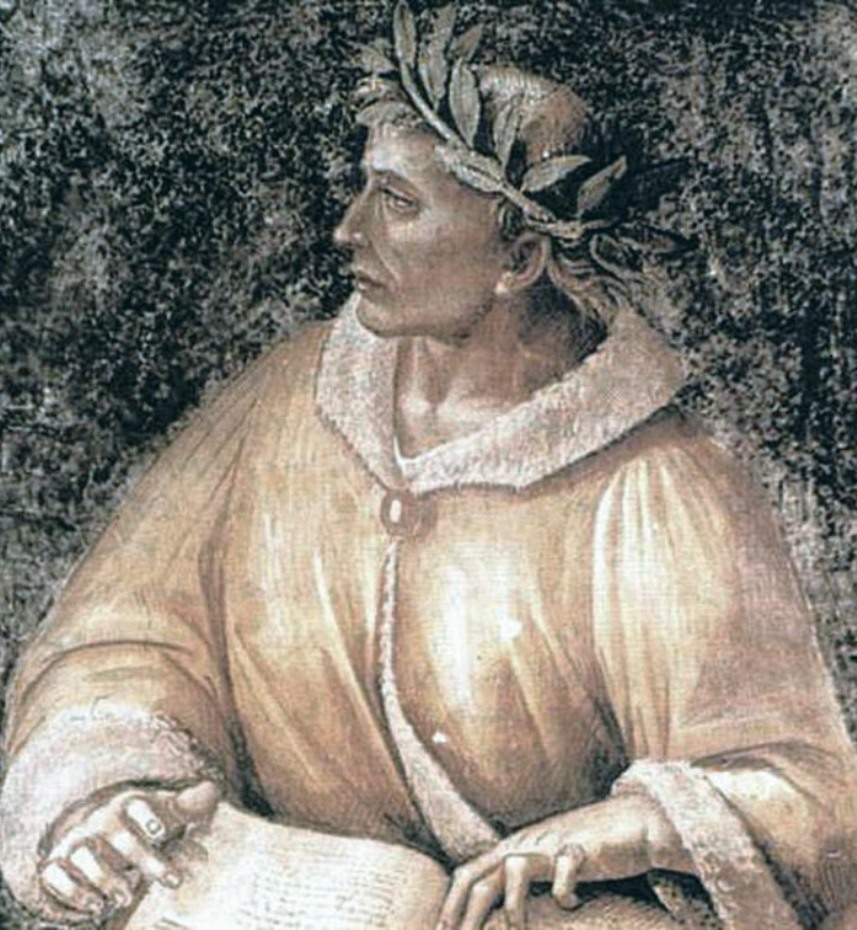
Publius Ovidius Naso, known as Ovidius (Ovid), was an ancient Roman poet who lived during the reign of Emperor Augustus.
Most of the information about the life and work of Ovid, scholars have drawn from his own works, as well as from the works of Seneca the Elder and Marcus Fabius Quintilianus. Ovid was from a fairly high class of "horsemen", studied rhetoric at the maestros of oratory of the ancient Roman Empire, and then went traveling, visiting Athens, Asia Minor and Sicily. As a young man, Ovid held minor public offices, was a member of the college of civil affairs, and served in an office that performed spiritual and secular duties at the state level.
However, Ovid was much more attracted to poetry, and he resigned and about 29-25 BC joined the circle of those chosen under the patronage of Marcus Valerius Messala Corvinus. After publishing Amores, a collection of love-erotic lyrics, around 15-16 BC, Ovid became one of Rome's most popular poets. He became famous for his works in the genre of elegy, as well as for his epic poem Metamorphoses (8 AD), which became one of the most important sources in the study of classical mythology.
For reasons unknown to us, in 8 A.D. Ovid was disgraced and exiled for the rest of his life to Tomes on the Black Sea, where he wrote his "Mournful Elegies" and a poem cycle entitled "Letters from Pontus". A contemporary of Virgil and Horace, Ovid was one of the three canonical representatives of Latin literature.




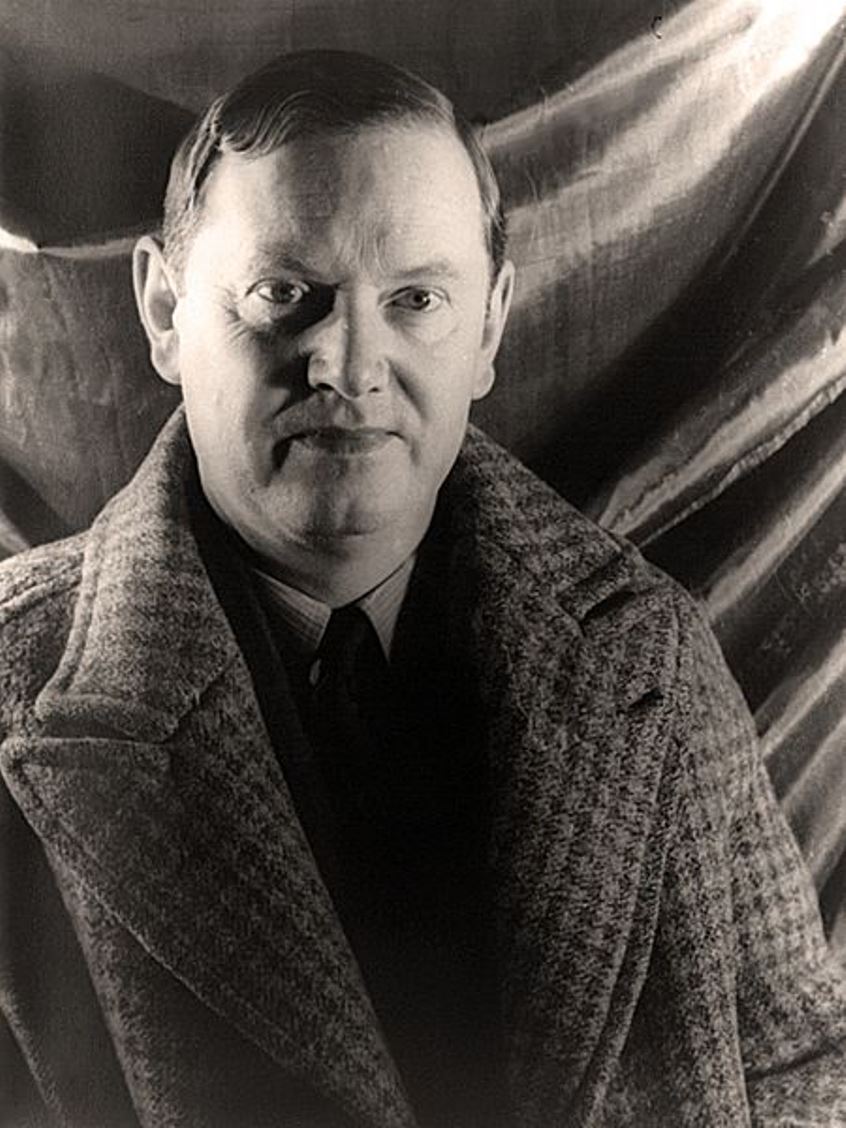
Evelyn Waugh, full name Arthur Evelyn St. John Waugh, was a British satirical writer, travel writer and historian.
Evelyn Waugh studied at Lancing College in Sussex and at Hertford College in Oxford. He then began traveling and writing, soon earning a reputation as a witty satirist. He visited Ethiopia and the Belgian Congo, and traveled to South America. His works are almost always based on personal experience; notable among the early ones are Decline and Fall (1928), Nasty Bodies (1930), Black Mischief (1932), and others.
During World War II, Evelyn Waugh served in the Royal Marines and the Royal Horse Guards. Written at this time, the novel "Return to Brideshead" (1945) is about an aristocratic English Roman Catholic family. In the trilogy "Men in Arms" (1952), "Officers and Gentlemen" (1955) and "Unconditional Surrender" (1961), the author conducted a serious analysis of the events of World War II, as an eternal struggle between good and evil, civilization and barbarism. Later on these works were filmed television series.
Evelyn Waugh also left a significant trace in journalism and literary criticism, he is considered one of the finest stylists in English prose of the XX century.













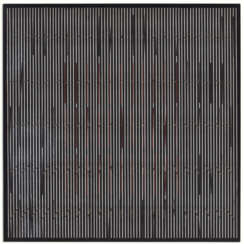

Jesús Rafael García Soto was a Venezuelan artist, renowned for his pioneering work in kinetic and op art, which sought to create an immersive experience that blurred the lines between the artwork and the viewer. Born in 1923, Soto embarked on a journey that would see him at the forefront of a movement that emphasized the visual dynamics of art, integrating sculpture, painting, and viewer participation in novel ways. His exploration of geometric abstraction and optical effects led to the development of his distinctive style, characterized by the use of materials such as plexiglass to create engaging optical illusions and vibrant, moving sculptures.
Soto's journey into the realms of kinetic art was marked by significant milestones, including his participation in the groundbreaking 1955 exhibition, Le Mouvement, at the Denise René gallery in Paris. This event was instrumental in defining the kinetic art movement, with Soto alongside artists like Yaacov Agam, Marcel Duchamp, and Victor Vasarely, presenting works that invited viewers to experience art in a dynamic, interactive manner. His quest for a new visual language led him to experiment with the dematerialization of form, creating artworks that seemed to dissolve into their surroundings, thereby challenging the viewer's perceptions of space and form.
Throughout his career, Soto remained dedicated to exploring the intrinsic relationships between space, movement, and viewer perception. His creations, ranging from the "Penetrables" series—immersive environments made of hanging strands that visitors could walk through—to large-scale murals and public sculptures, have been celebrated worldwide. His works are part of major collections and have been exhibited extensively, including at institutions such as the Museum of Modern Art in New York and the Tate Gallery in London, demonstrating his lasting influence on contemporary art.
For art collectors and enthusiasts intrigued by the fusion of art and motion, Jesús Rafael García Soto's work offers a profound exploration of the kinetic art movement's possibilities. His contributions to art are not just visual spectacles but invitations to engage directly with the kinetic energy and vibrancy of the world.
To stay updated on exhibitions and sales featuring Jesús Rafael García Soto's work, sign up for updates. This subscription ensures you're informed about new product sales and auction events related to this visionary artist, offering unique opportunities to experience the dynamism of kinetic art firsthand.
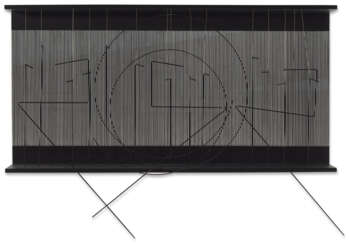

Jesús Rafael García Soto was a Venezuelan artist, renowned for his pioneering work in kinetic and op art, which sought to create an immersive experience that blurred the lines between the artwork and the viewer. Born in 1923, Soto embarked on a journey that would see him at the forefront of a movement that emphasized the visual dynamics of art, integrating sculpture, painting, and viewer participation in novel ways. His exploration of geometric abstraction and optical effects led to the development of his distinctive style, characterized by the use of materials such as plexiglass to create engaging optical illusions and vibrant, moving sculptures.
Soto's journey into the realms of kinetic art was marked by significant milestones, including his participation in the groundbreaking 1955 exhibition, Le Mouvement, at the Denise René gallery in Paris. This event was instrumental in defining the kinetic art movement, with Soto alongside artists like Yaacov Agam, Marcel Duchamp, and Victor Vasarely, presenting works that invited viewers to experience art in a dynamic, interactive manner. His quest for a new visual language led him to experiment with the dematerialization of form, creating artworks that seemed to dissolve into their surroundings, thereby challenging the viewer's perceptions of space and form.
Throughout his career, Soto remained dedicated to exploring the intrinsic relationships between space, movement, and viewer perception. His creations, ranging from the "Penetrables" series—immersive environments made of hanging strands that visitors could walk through—to large-scale murals and public sculptures, have been celebrated worldwide. His works are part of major collections and have been exhibited extensively, including at institutions such as the Museum of Modern Art in New York and the Tate Gallery in London, demonstrating his lasting influence on contemporary art.
For art collectors and enthusiasts intrigued by the fusion of art and motion, Jesús Rafael García Soto's work offers a profound exploration of the kinetic art movement's possibilities. His contributions to art are not just visual spectacles but invitations to engage directly with the kinetic energy and vibrancy of the world.
To stay updated on exhibitions and sales featuring Jesús Rafael García Soto's work, sign up for updates. This subscription ensures you're informed about new product sales and auction events related to this visionary artist, offering unique opportunities to experience the dynamism of kinetic art firsthand.