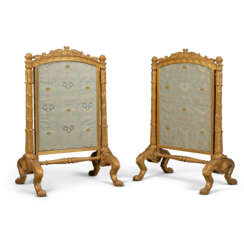
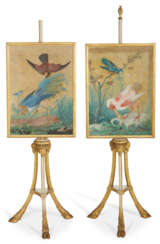
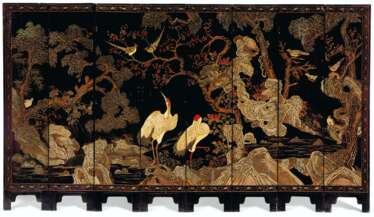
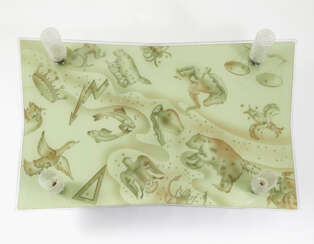
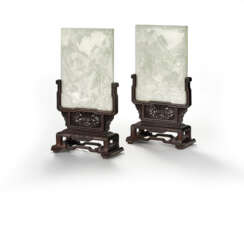
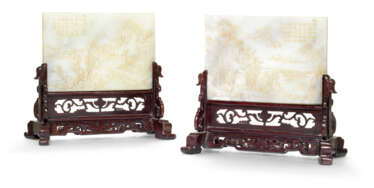
air screen


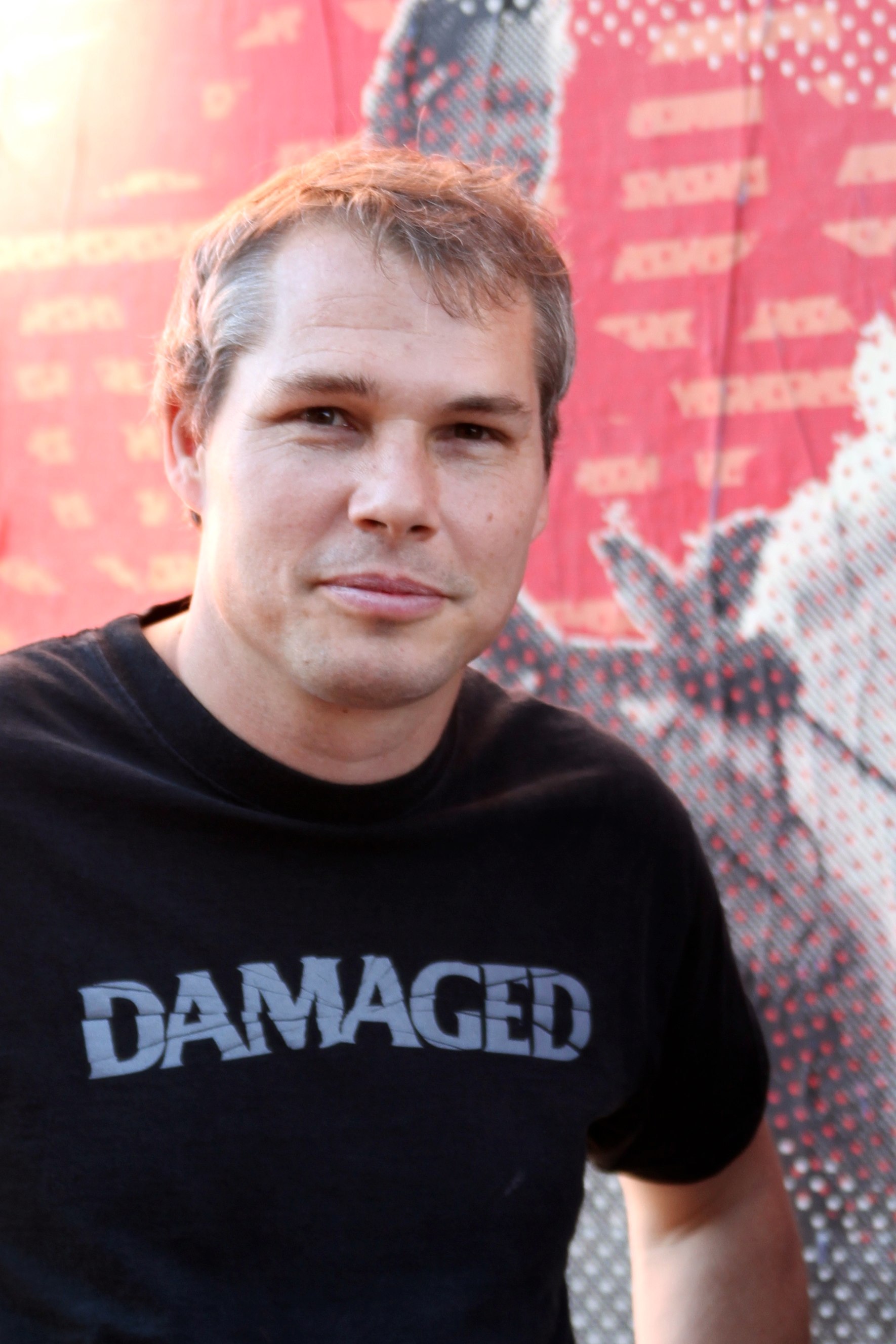
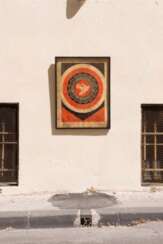
Frank Shepard Fairey is an American contemporary artist, activist and founder of OBEY Clothing who emerged from the skateboarding scene. In 1989 he designed the "Andre the Giant Has a Posse" (...OBEY...) sticker campaign while attending the Rhode Island School of Design (RISD).
Fairey designed the Barack Obama "Hope" poster for the 2008 U.S. presidential election. The Institute of Contemporary Art, Boston has described him as one of the best known and most influential street artists. His work is included in the collections at The Smithsonian, the Los Angeles County Museum of Art, the Museum of Modern Art in New York City, the Museum of Contemporary Art San Diego, the National Portrait Gallery in Washington, D.C., the Virginia Museum of Fine Arts in Richmond, and the Victoria and Albert Museum in London.
His style has been described as a "bold iconic style that is based on styling and idealizing images."


Frank Shepard Fairey is an American contemporary artist, activist and founder of OBEY Clothing who emerged from the skateboarding scene. In 1989 he designed the "Andre the Giant Has a Posse" (...OBEY...) sticker campaign while attending the Rhode Island School of Design (RISD).
Fairey designed the Barack Obama "Hope" poster for the 2008 U.S. presidential election. The Institute of Contemporary Art, Boston has described him as one of the best known and most influential street artists. His work is included in the collections at The Smithsonian, the Los Angeles County Museum of Art, the Museum of Modern Art in New York City, the Museum of Contemporary Art San Diego, the National Portrait Gallery in Washington, D.C., the Virginia Museum of Fine Arts in Richmond, and the Victoria and Albert Museum in London.
His style has been described as a "bold iconic style that is based on styling and idealizing images."
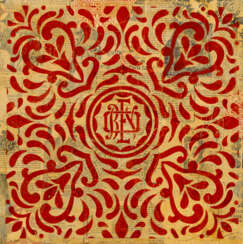

Frank Shepard Fairey is an American contemporary artist, activist and founder of OBEY Clothing who emerged from the skateboarding scene. In 1989 he designed the "Andre the Giant Has a Posse" (...OBEY...) sticker campaign while attending the Rhode Island School of Design (RISD).
Fairey designed the Barack Obama "Hope" poster for the 2008 U.S. presidential election. The Institute of Contemporary Art, Boston has described him as one of the best known and most influential street artists. His work is included in the collections at The Smithsonian, the Los Angeles County Museum of Art, the Museum of Modern Art in New York City, the Museum of Contemporary Art San Diego, the National Portrait Gallery in Washington, D.C., the Virginia Museum of Fine Arts in Richmond, and the Victoria and Albert Museum in London.
His style has been described as a "bold iconic style that is based on styling and idealizing images."



Frank Shepard Fairey is an American contemporary artist, activist and founder of OBEY Clothing who emerged from the skateboarding scene. In 1989 he designed the "Andre the Giant Has a Posse" (...OBEY...) sticker campaign while attending the Rhode Island School of Design (RISD).
Fairey designed the Barack Obama "Hope" poster for the 2008 U.S. presidential election. The Institute of Contemporary Art, Boston has described him as one of the best known and most influential street artists. His work is included in the collections at The Smithsonian, the Los Angeles County Museum of Art, the Museum of Modern Art in New York City, the Museum of Contemporary Art San Diego, the National Portrait Gallery in Washington, D.C., the Virginia Museum of Fine Arts in Richmond, and the Victoria and Albert Museum in London.
His style has been described as a "bold iconic style that is based on styling and idealizing images."


Frank Shepard Fairey is an American contemporary artist, activist and founder of OBEY Clothing who emerged from the skateboarding scene. In 1989 he designed the "Andre the Giant Has a Posse" (...OBEY...) sticker campaign while attending the Rhode Island School of Design (RISD).
Fairey designed the Barack Obama "Hope" poster for the 2008 U.S. presidential election. The Institute of Contemporary Art, Boston has described him as one of the best known and most influential street artists. His work is included in the collections at The Smithsonian, the Los Angeles County Museum of Art, the Museum of Modern Art in New York City, the Museum of Contemporary Art San Diego, the National Portrait Gallery in Washington, D.C., the Virginia Museum of Fine Arts in Richmond, and the Victoria and Albert Museum in London.
His style has been described as a "bold iconic style that is based on styling and idealizing images."


Frank Shepard Fairey is an American contemporary artist, activist and founder of OBEY Clothing who emerged from the skateboarding scene. In 1989 he designed the "Andre the Giant Has a Posse" (...OBEY...) sticker campaign while attending the Rhode Island School of Design (RISD).
Fairey designed the Barack Obama "Hope" poster for the 2008 U.S. presidential election. The Institute of Contemporary Art, Boston has described him as one of the best known and most influential street artists. His work is included in the collections at The Smithsonian, the Los Angeles County Museum of Art, the Museum of Modern Art in New York City, the Museum of Contemporary Art San Diego, the National Portrait Gallery in Washington, D.C., the Virginia Museum of Fine Arts in Richmond, and the Victoria and Albert Museum in London.
His style has been described as a "bold iconic style that is based on styling and idealizing images."
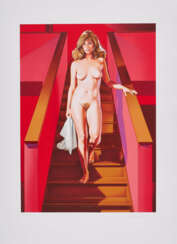

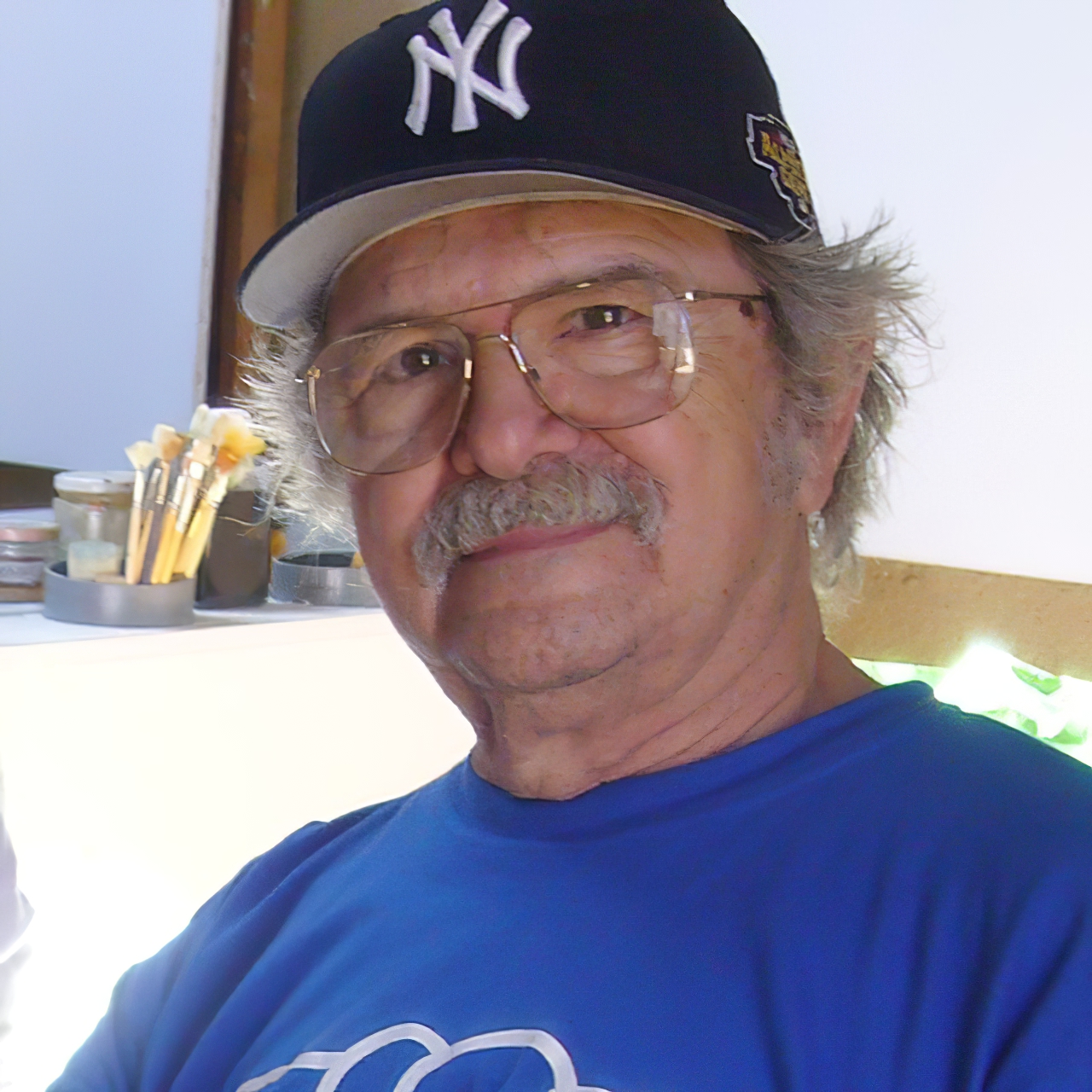
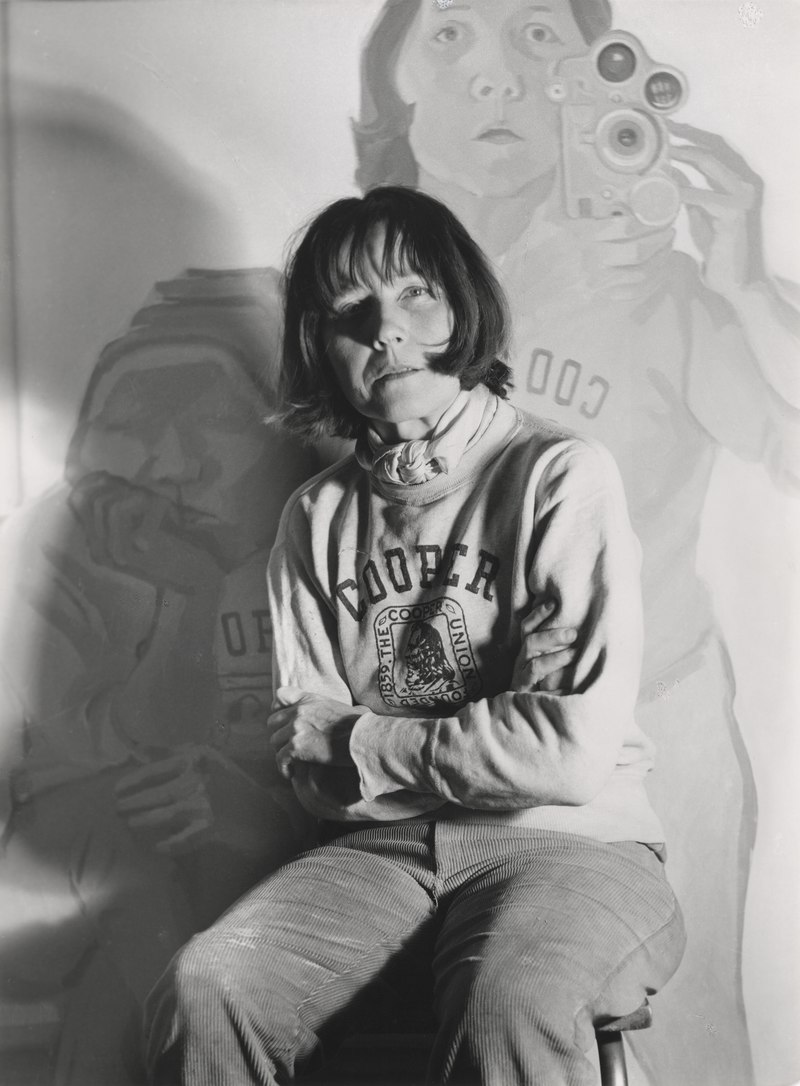
Melvin John Ramos was an American figurative painter, specializing most often in paintings of female nudes, whose work incorporates elements of realist and abstract art.



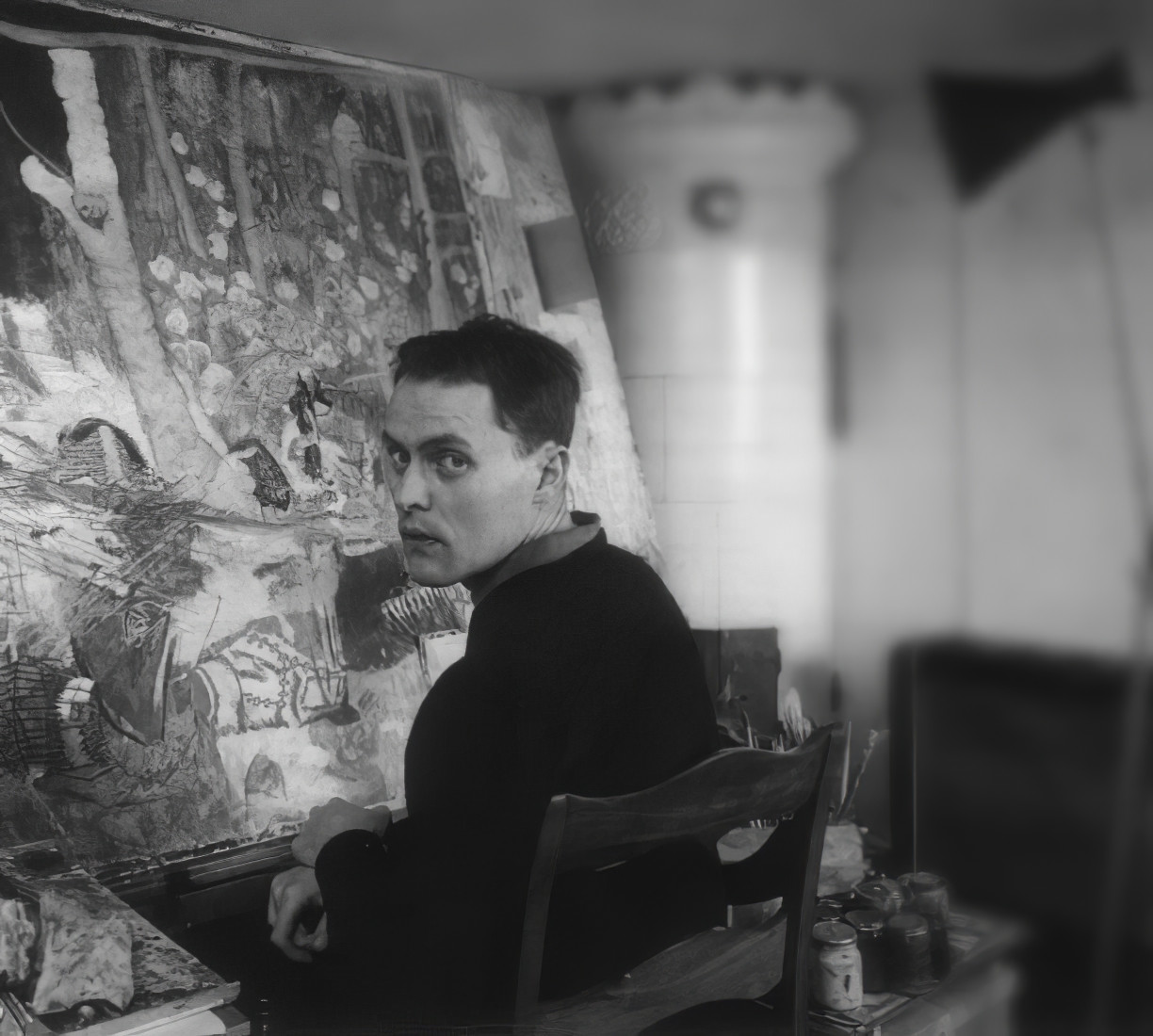
Öyvind Axel Christian Fahlström was a Swedish artist known for his colourful paintings of people and objects in miniature.


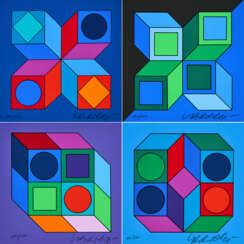


Victor Vasarely, a seminal figure in the Op art movement, was a Hungarian-French artist celebrated for his pioneering contributions to geometric abstract art. Born Győző Vásárhelyi in Pécs, Hungary, in 1906, Vasarely's artistic journey led him to Paris, where he honed a distinctive style marked by optical illusions and kinetic art. By the late 1940s, he had developed his iconic approach, utilizing geometric shapes and a limited color palette to create artworks that seemed to move and vibrate. His work "Zebra," created in 1937, is often cited as one of the earliest examples of Op art, showcasing his fascination with creating the illusion of depth and movement on a flat surface.
Throughout the 1950s and 1960s, Vasarely's exploration into optical effects deepened, leading to significant series like his "Vega" works. These pieces are characterized by their illusionary three-dimensional space, seemingly pushing and pulling the viewer into the canvas. His dedication to optical and geometric abstraction was not just a pursuit of aesthetic innovation but also an exploration of the viewer's perception, making the observer an integral part of the artwork.
Vasarely's influence extended beyond the canvas, impacting architecture, sculpture, and even space exploration. In 1970, he founded the first museum dedicated to his works in Gordes, followed by the establishment of the Fondation Vasarely in Aix-en-Provence in 1976, showcasing his vision of integrating art with the environment. His artworks have found homes in prestigious institutions like the Museum of Modern Art and have been celebrated in exhibitions worldwide.
For collectors and experts in art and antiques, Vasarely's works offer a mesmerizing blend of scientific precision and artistic expression, encapsulating a moment in art history where the boundaries between viewer and artwork blurred. His legacy is a testament to the power of visual perception and the endless possibilities of abstract art.
For those interested in delving deeper into Victor Vasarely's visionary world and perhaps acquiring a piece of this history, signing up for updates on new product sales and auction events related to Vasarely's works is highly recommended. Stay informed and embrace the opportunity to own a part of the optical and geometric abstraction movement that Vasarely so brilliantly pioneered.



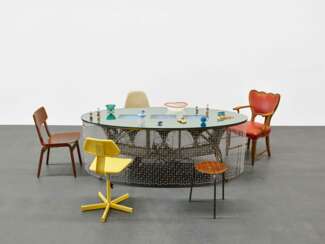

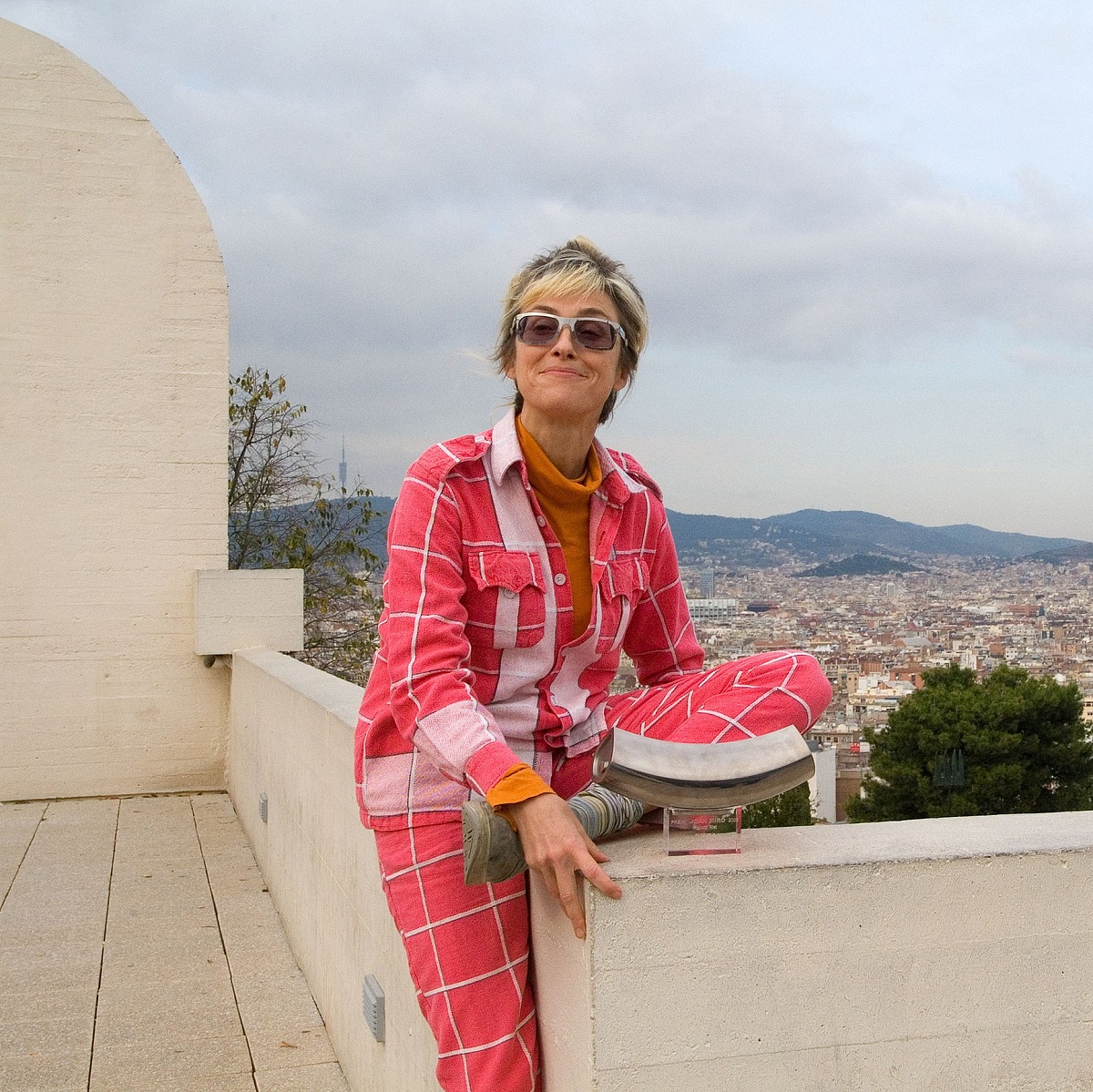
Pipilotti Elisabeth Rist is a Swiss visual artist best known for creating experimental video art and installation art. Her work is often described as surreal, intimate, abstract art, having a preoccupation with the female body. Her artwork is often categorized as feminist art.
Rist's work is known for its multi-sensory qualities, with overlapping projected imagery that is highly saturated with color, paired with sound components that are part of a larger environment with spaces for viewers to rest or lounge. Rist's work often transforms the architecture or environment of a white cube gallery into a more tactile, auditory and visual experience.



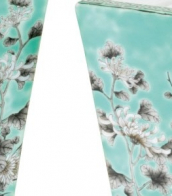



















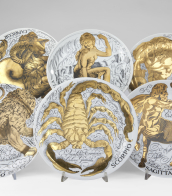

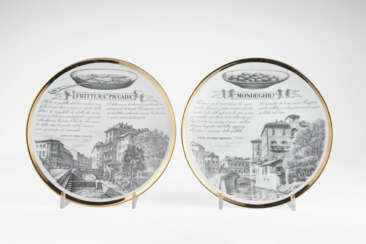

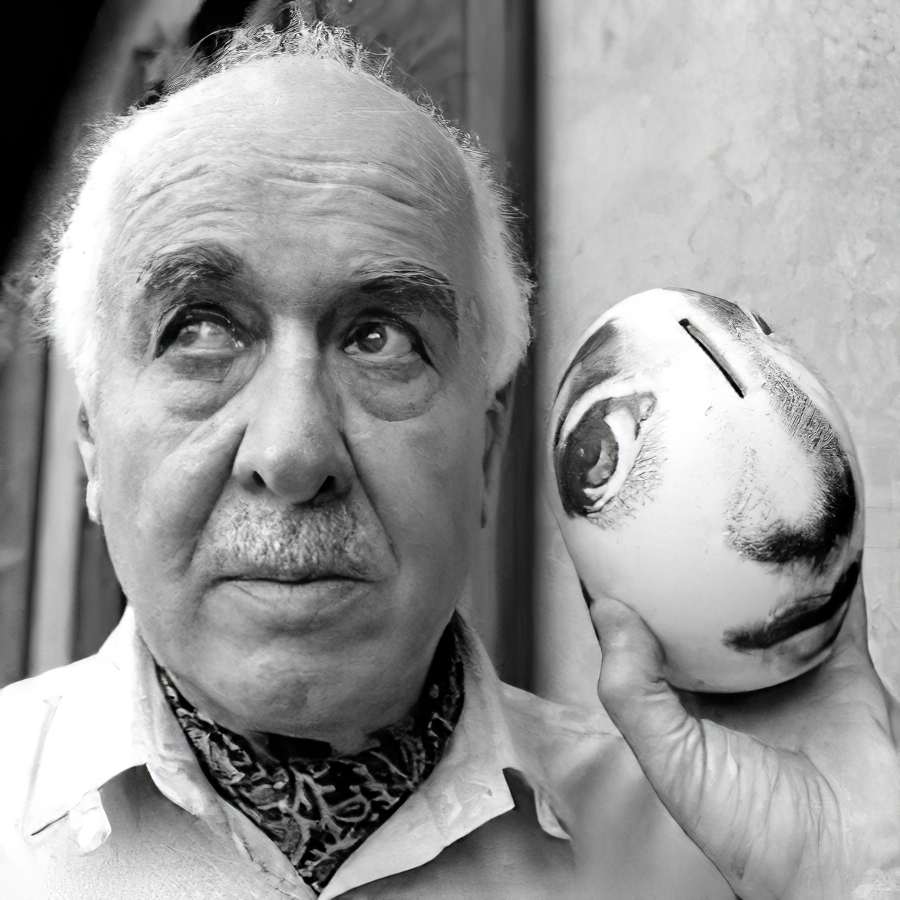
Piero Fornasetti was an Italian artist and designer.