bee food
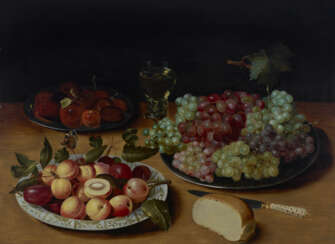

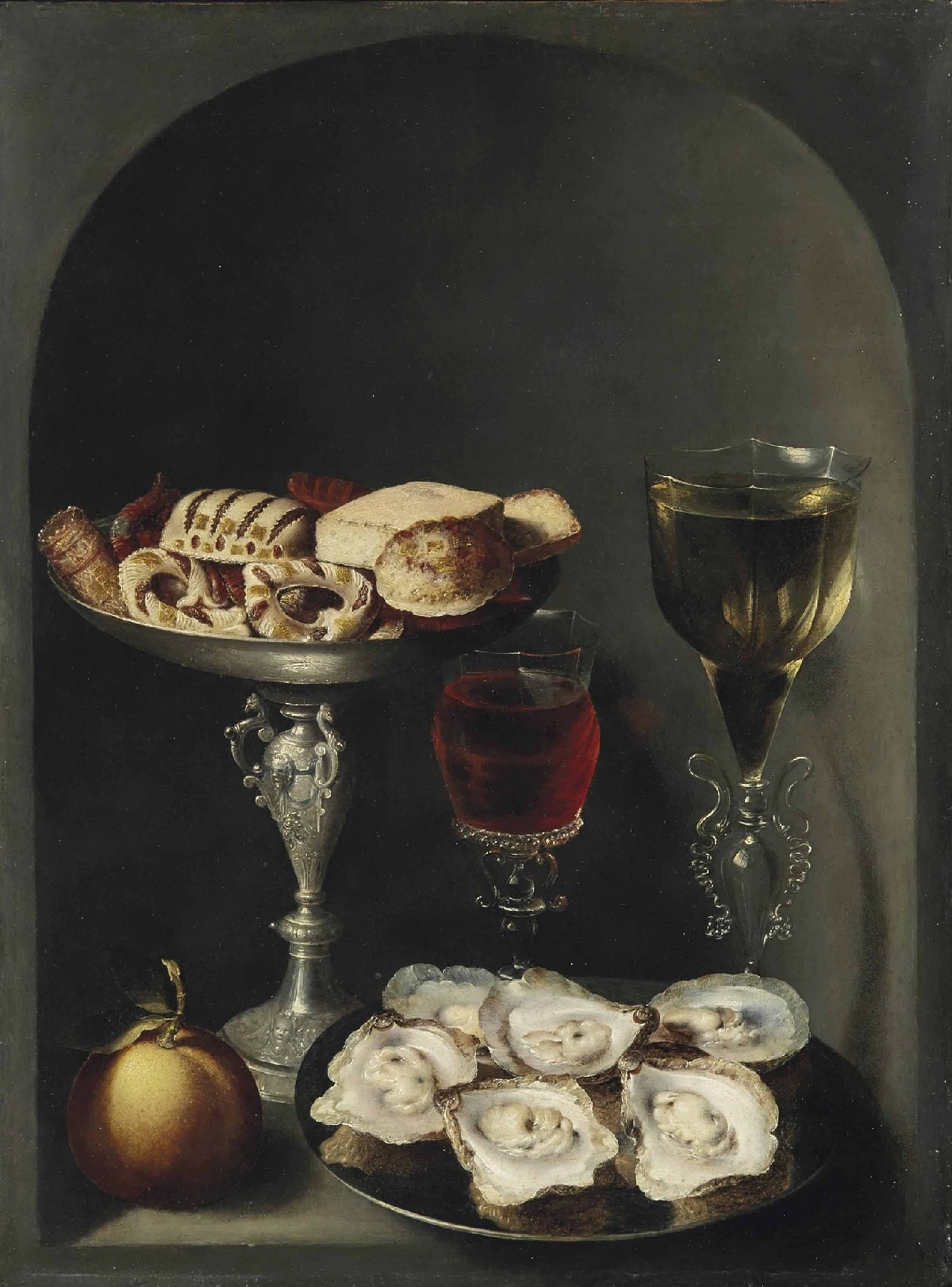
Osias Beert the Elder, a Flemish painter born around 1580 and active until his death in 1623, was a key figure in the development of still life painting in Northern Europe. His work, primarily focused on flower and banquet (or "breakfast") pieces, showcased a pioneering approach to these genres, setting a precedent for future artists.
Beert's technique involved painting on oak panels and copper, employing a glazing method that layered very fluid oil paints to achieve transparency and a rich color palette. This method allowed him to create still lifes that were not only visually appealing but also rich in detail and depth. He was known for his intricate compositions that often featured a high viewpoint and compact arrangements, providing a better sense of spatial coherence in his later works.
Despite the significant impact of his work, only a few signed pieces by Beert are known, making the attribution of his works challenging. His influence extended to his pupils and his nephew Frans Ykens, as well as other Antwerp artists such as Jacob Foppens van Es and Jacob van Hulsdonck, indicating his pivotal role in the early still life painting tradition in Flanders.
For collectors and experts in art and antiques, Osias Beert the Elder's contributions to the evolution of still life painting represent an essential chapter in the history of art. His ability to depict the transient beauty of flowers and the lavish detail of banquet scenes continues to captivate audiences and serves as a testament to his skill and creativity.
To delve deeper into the fascinating work of Osias Beert the Elder and to stay informed about new discoveries or auction events related to his oeuvre, consider signing up for updates tailored to enthusiasts of art history and antique collections. This subscription will ensure you are well-informed about the latest developments and opportunities related to this influential artist's work.





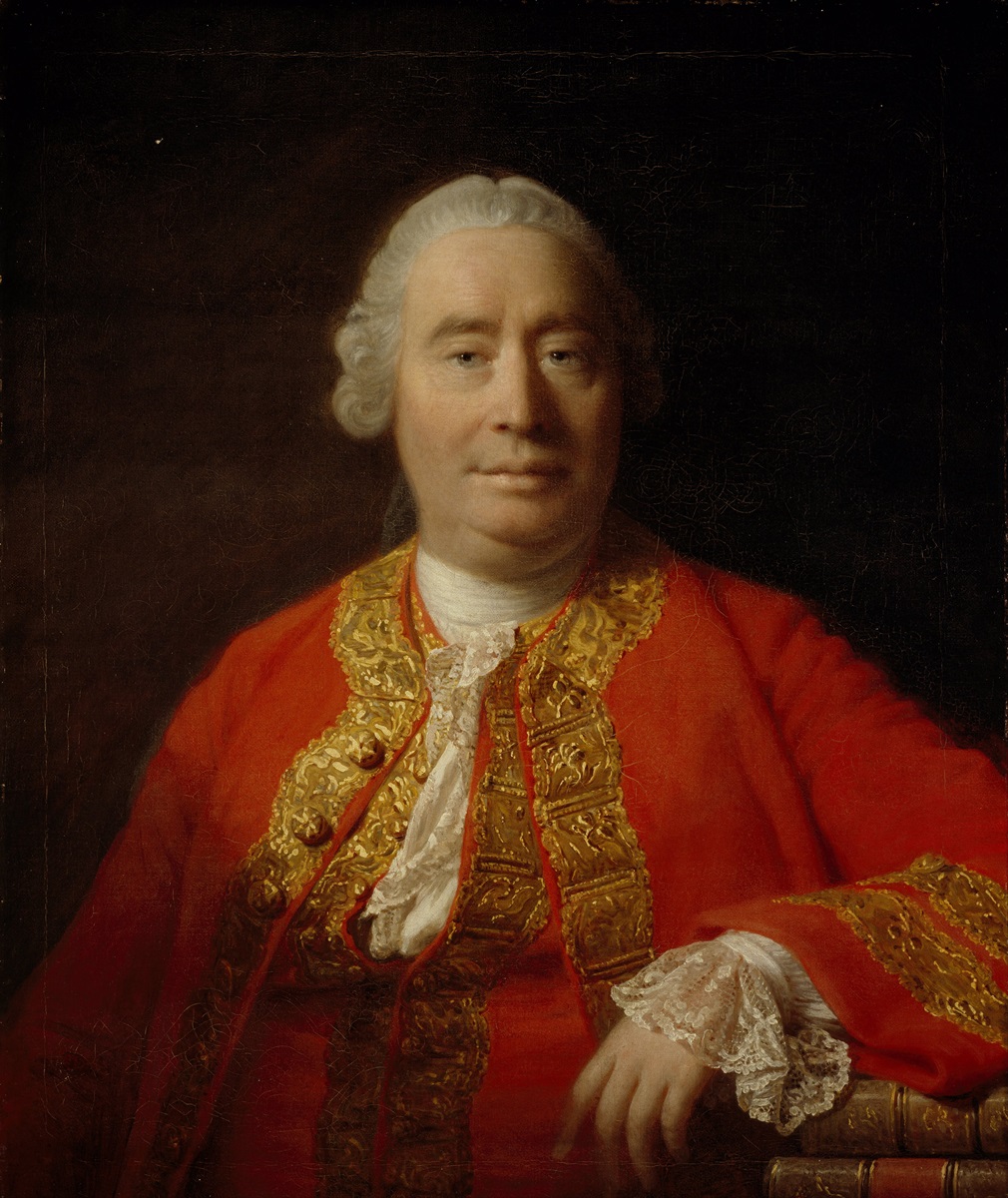
David Hume, birth name David Home, was an 18th-century Scottish Enlightenment philosopher, historian, economist, librarian, and essayist.
He is best known for his philosophical empiricism and skepticism. Hume saw philosophy as an inductive, experimental science of human nature. Taking as his model the scientific method of the English physicist Isaac Newton and drawing on the epistemology of the English philosopher John Locke, Hume tried to describe how reason works in obtaining what is called knowledge. He concluded that no theory of reality is possible; there can be no knowledge of anything beyond experience. Despite the enduring influence of his theory of knowledge, Hume seems to have considered himself primarily a moralist.
Hume was one of the particularly significant figures of his century--as a writer, historian, economist, and philosopher he made great strides forward and his achievements are still highly valued in human culture today.







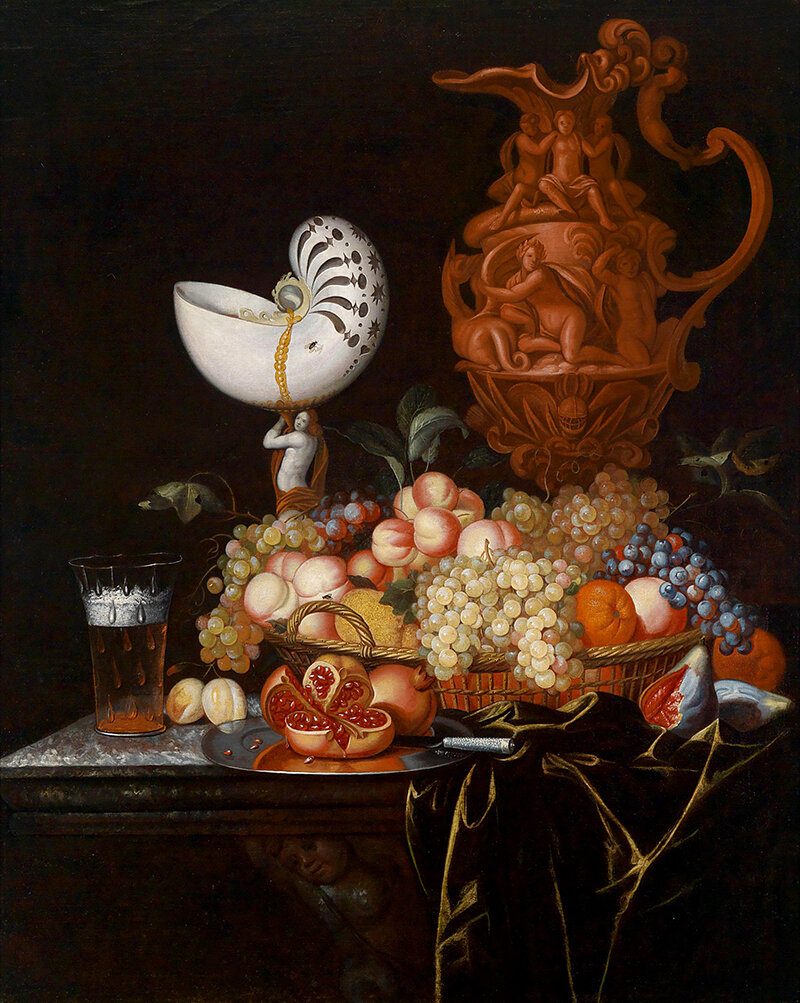
Johann Georg Hainz was a German painter of the last third of the 17th century, a representative of the Baroque. He is known as a painter and a master of still life.
Hainz is a key figure of still life painting in Hamburg and one of the few known masters of the genre in Germany in the seventeenth century. He probably trained in Amsterdam and Haarlem, as his works show a good knowledge of Dutch still life painting. He was a member of the art guild of Hamburg from 1681. His works are held in various museums in Germany, including the Hamburg Museum of Arts and Crafts and the Museum of Decorative Arts in Berlin.
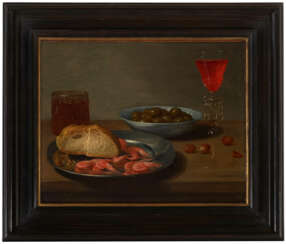

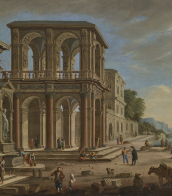
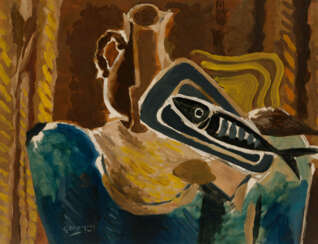

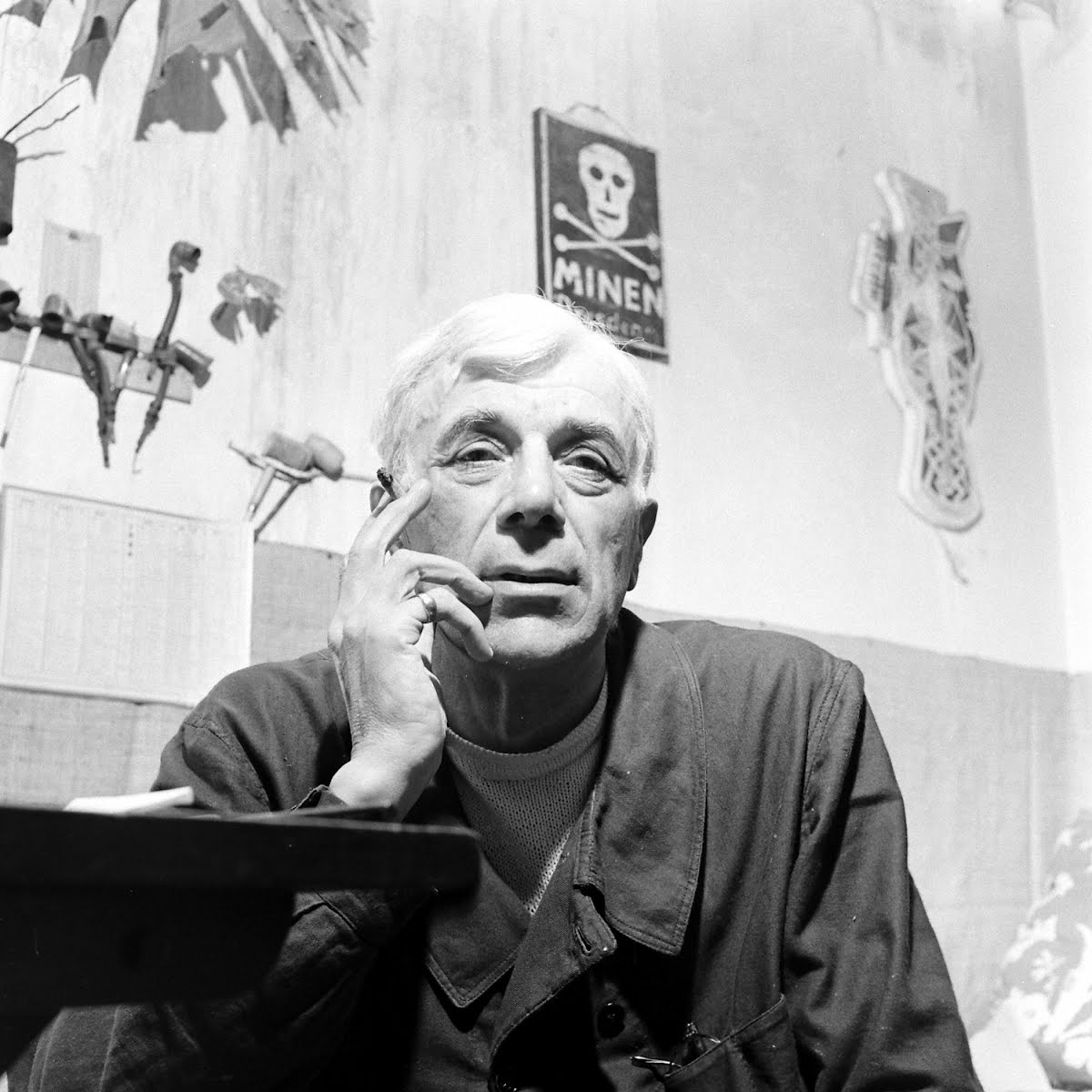
Georges Braque, a French artist, is celebrated as a pivotal figure in the development of Cubism, alongside Pablo Picasso. Braque's artistic journey transitioned from Impressionism to Fauvism before he delved into the groundbreaking realm of Cubism, characterized by its innovative use of perspective and geometric forms. His partnership with Picasso during the early 20th century marked a significant phase in art history, as they collectively pioneered the Analytic and Synthetic phases of Cubism.
Georges Braque's oeuvre is renowned for its technical precision, introspective quality, and harmonious color palettes. His contributions extended beyond painting to include sculpture and collage, demonstrating his versatile mastery over various mediums. Notable works like "Violin and Candlestick" and "Man with a Guitar" underscore his talent in transforming everyday objects into abstracted, multifaceted compositions.
Throughout his career, Georges Braque remained deeply committed to exploring the boundaries of visual perception and form. After World War I, his style evolved, incorporating brighter colors and new themes, yet he maintained a steadfast adherence to Cubist principles. His later years saw a focus on personal motifs, such as birds, which symbolized freedom and dynamism in his art.
Georges Braque's legacy is preserved in prestigious collections worldwide, including the Museum of Modern Art (MoMA), which houses a significant number of his works. His artistic innovations continue to inspire and influence the realms of art and culture.
For collectors and art enthusiasts, Georges Braque's work offers a profound insight into the evolution of modern art and the enduring allure of Cubism. His pieces are a testament to the enduring power of creativity and innovation in the face of changing artistic landscapes.
If you're keen on exploring Braque's contributions to art and wish to stay updated on exhibitions and sales featuring his work, consider subscribing for updates on Georges Braque's pieces and their presence in the art market today.
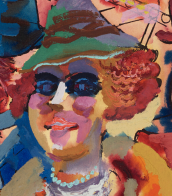
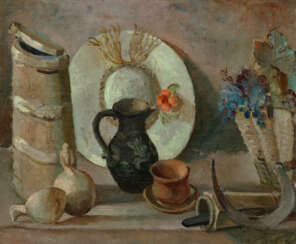

 (1908 Paris - 2001 Rossinière, Switzerland).jpg)
Balthus, a Polish-French artist, was a notable figure in 20th-century art, renowned for his unique approach to painting. Born Balthasar Klossowski de Rola in Paris in 1908, he delved into traditional European painting genres, such as landscapes, still lifes, subject paintings, and portraits. Despite the prevailing avant-garde trends, Balthus's work stood out for its introspective and often controversial portrayal of adolescent girls.
His art, marked by a dreamlike quality and a departure from modernist styles, drew the attention of prominent literary and artistic figures, including André Breton and Pablo Picasso. Balthus's early years were shaped by significant influences, including the poet Rilke, who supported his first publication at the age of 13. Throughout his career, Balthus maintained a distance from the conventional art scene, focusing on a deeply personal and evocative style that continues to captivate art collectors and experts.
Noteworthy works by Balthus reside in esteemed museums and galleries, reflecting his lasting impact on the art world. His paintings, characterized by a blend of realism and surreal undertones, invite viewers into a world of nuanced expression and complex emotion.
For art and antique collectors interested in Balthus's work, staying informed about upcoming sales and auction events is crucial. By signing up for updates, collectors can gain early access to valuable pieces and deepen their engagement with the artist's legacy. This subscription is specifically tailored to alert enthusiasts about new product sales and auction events related to Balthus, ensuring that aficionados don't miss out on valuable opportunities to acquire pieces by this iconic artist.


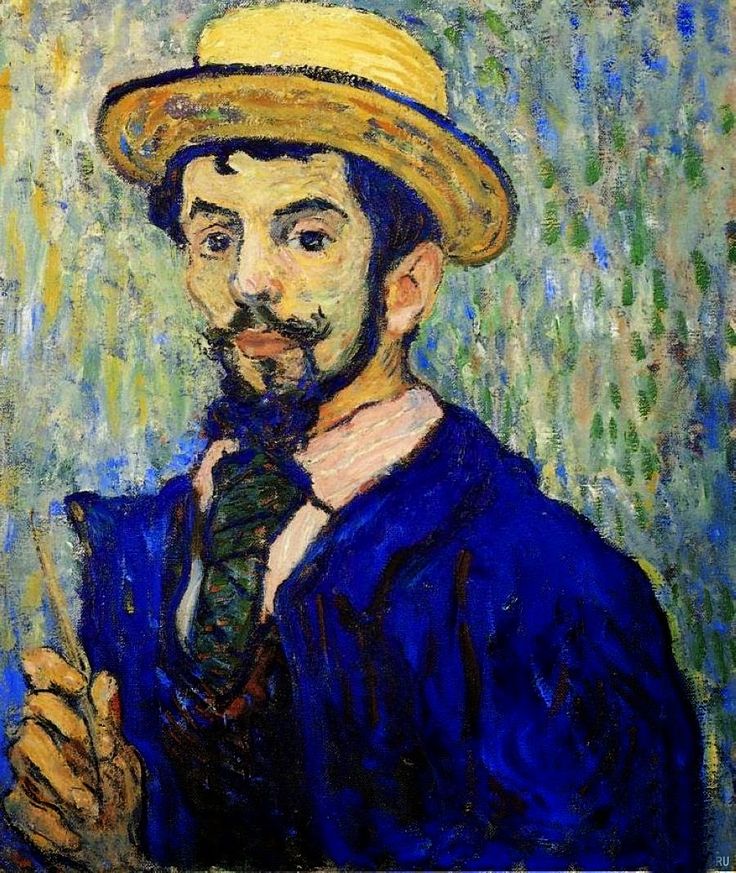
Louis Valtat was a French painter and printmaker associated with the Fauves ("the wild beasts", so named for their wild use of color), who first exhibited together in 1905 at the Salon d'Automne. He is noted as a key figure in the stylistic transition in painting from Monet to Matisse.
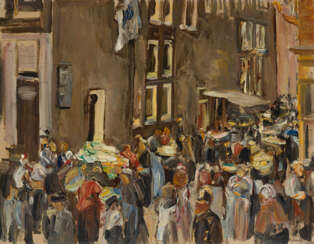

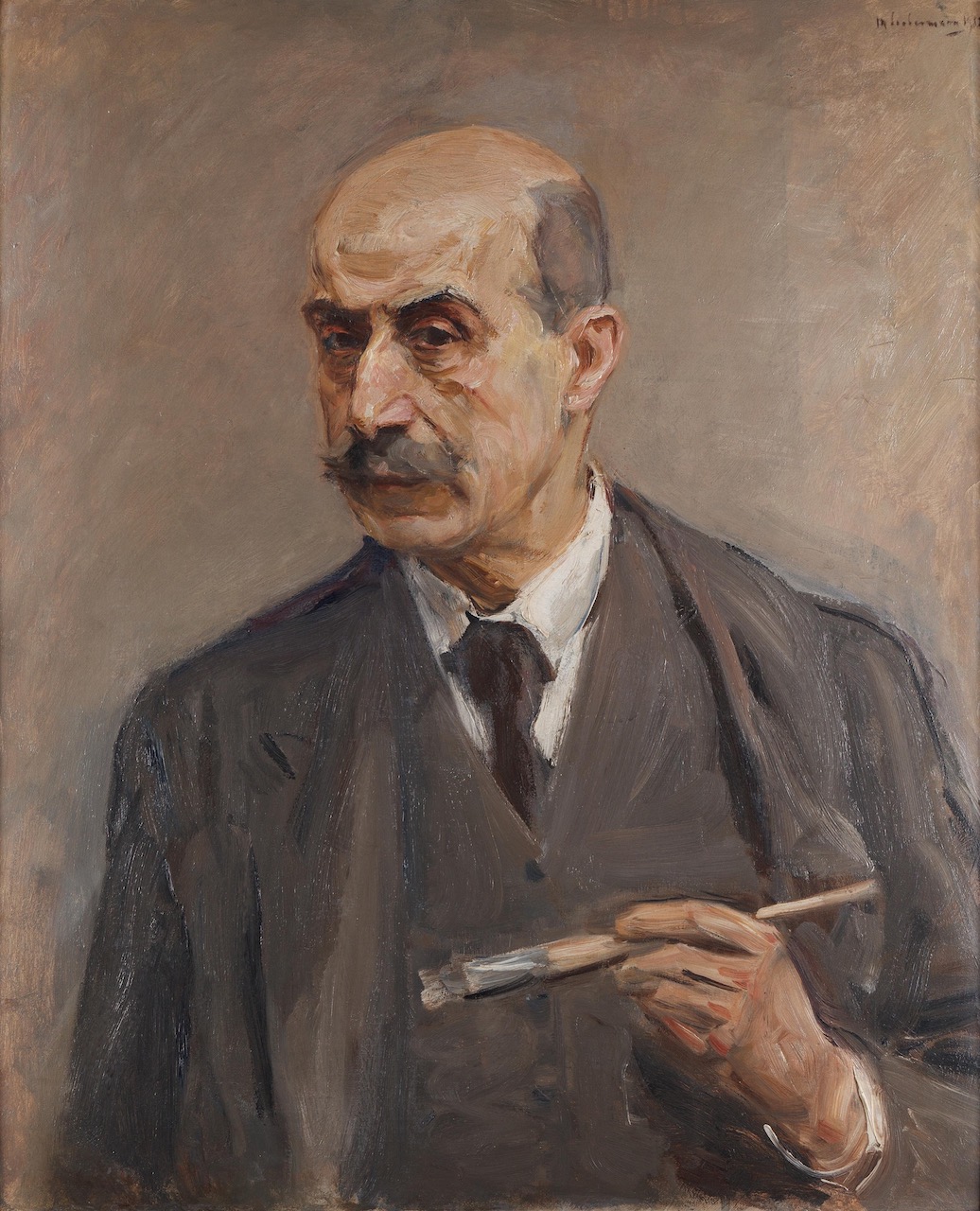
Max Liebermann was a German painter and printmaker, and one of the leading proponents of Impressionism in Germany and continental Europe. In addition to his activity as an artist, he also assembled an important collection of French Impressionist works.







.jpg)
Maurice de Vlaminck was a French artist renowned for his vibrant use of color and contribution to the Fauvist movement. Born in Paris in 1876, Vlaminck's early work was marked by a passionate application of paint and a bold palette, drawing inspiration from Vincent van Gogh and Henri Matisse. His participation in the 1905 Salon d'Automne, alongside other Fauvist painters, was met with critical disdain, leading to the term "fauves" (wild beasts) being coined to describe their unorthodox use of intense color.
Vlaminck's career was characterized by a continuous exploration of color and form. Early on, he depicted scenes of daily life, landscapes, and portraits, imbuing them with a sense of motion through his dynamic brushwork. Notable works from this period include "Sur le zinc" (At the Bar) and "L'homme a la pipe" (Man Smoking a Pipe), which highlighted his departure from traditional portraiture and landscapes towards more expressive and mood-driven compositions. His landscapes, in particular, showcased a disregard for detail in favor of conveying atmosphere, a technique that was revolutionary at the time.
Throughout his life, Vlaminck's style evolved, showing influences from Post-Impressionism and later, a more monochromatic palette reminiscent of Paul Cézanne. Despite this evolution, he maintained a critical stance towards Cubism and its leading figure, Pablo Picasso, believing that Cubism had led French painting into a "wretched dead end". In his later years, Vlaminck's work adopted a darker palette and more naturalistic style, moving away from the Fauvist emphasis on color to explore the dramatic and expressive potential of landscapes and seascapes.
Vlaminck's impact on modern art is undeniable. His works are held in prestigious collections worldwide, including the Hermitage Museum in Saint Petersburg and the Minneapolis Institute of Art, attesting to his enduring influence and the continued fascination with his bold, expressive approach to painting.
For collectors and experts in art and antiques, Vlaminck's oeuvre represents a pivotal moment in the history of modern art, where the emotional intensity and visual impact of color were explored as never before. To stay informed on new product sales and auction events related to Maurice de Vlaminck, signing up for updates is recommended, offering exclusive insights into the vibrant world of Fauvism and modernist painting.

![[BÉGUILLET, Edme (circa 1705-1786)].](/assets/image/picture_2734750/61be9/58b4eeb3e8c973e4887ea00a0bddc18b1679526000jpg__fix_374_244.jpeg)
![[BÉGUILLET, Edme (circa 1705-1786)].](https://veryimportantlot.com/assets/image/picture_2734750/61be9/58b4eeb3e8c973e4887ea00a0bddc18b1679526000jpg__fix_374_244.jpeg)
![[CODE CULINAIRE].](/assets/image/picture_2734906/1e2b0/f650f761eb1dbb5993826c229e6dec551679526000jpg__fix_374_244.jpeg)
![[CODE CULINAIRE].](https://veryimportantlot.com/assets/image/picture_2734906/1e2b0/f650f761eb1dbb5993826c229e6dec551679526000jpg__fix_374_244.jpeg)






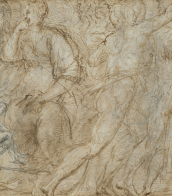


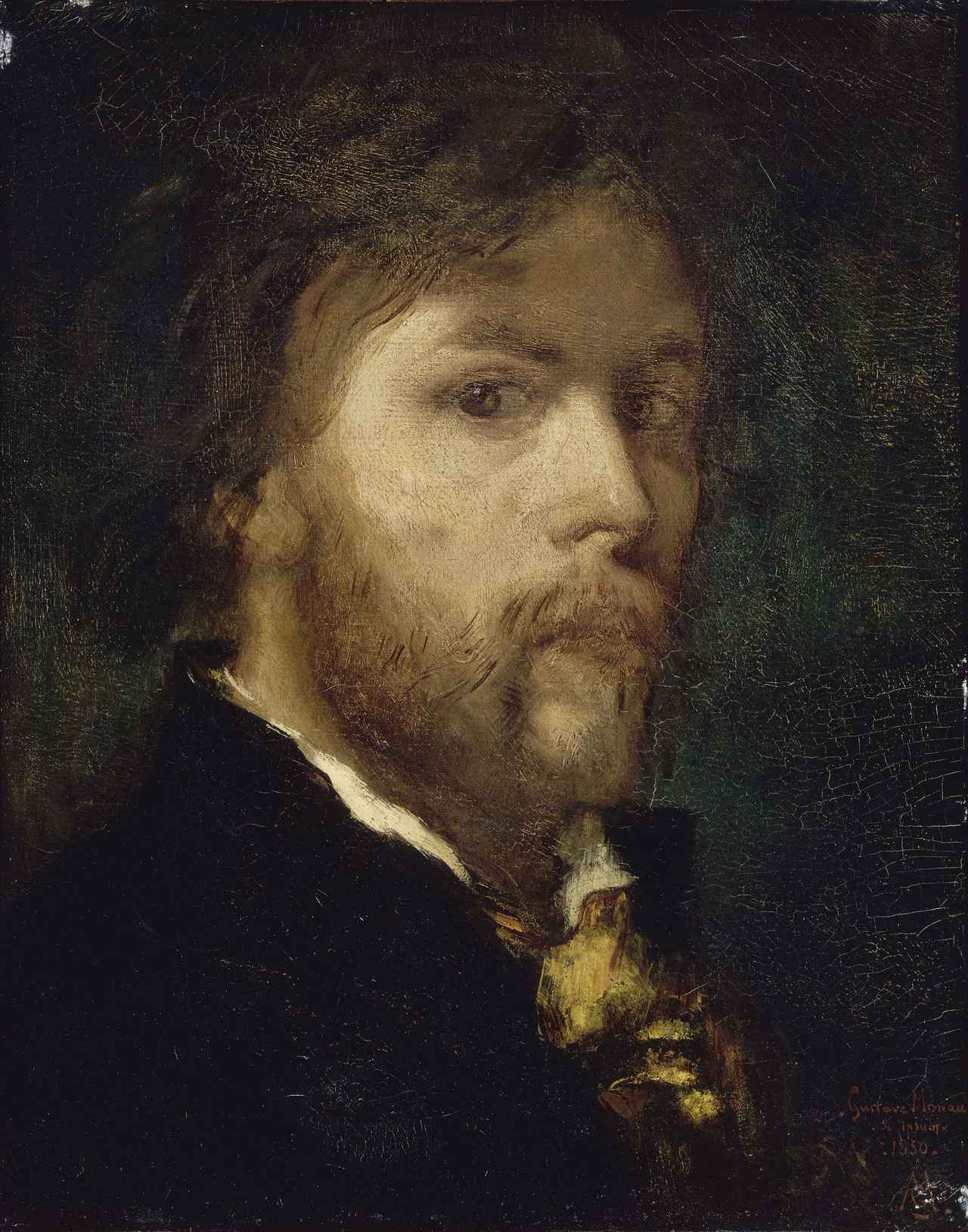
Gustave Moreau was a French artist and an important figure in the Symbolist movement. Jean Cassou called him "the Symbolist painter par excellence". He was an influential forerunner of symbolism in the visual arts in the 1860s, and at the height of the symbolist movement in the 1890s, he was among the most significant painters.