can salva
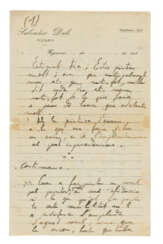

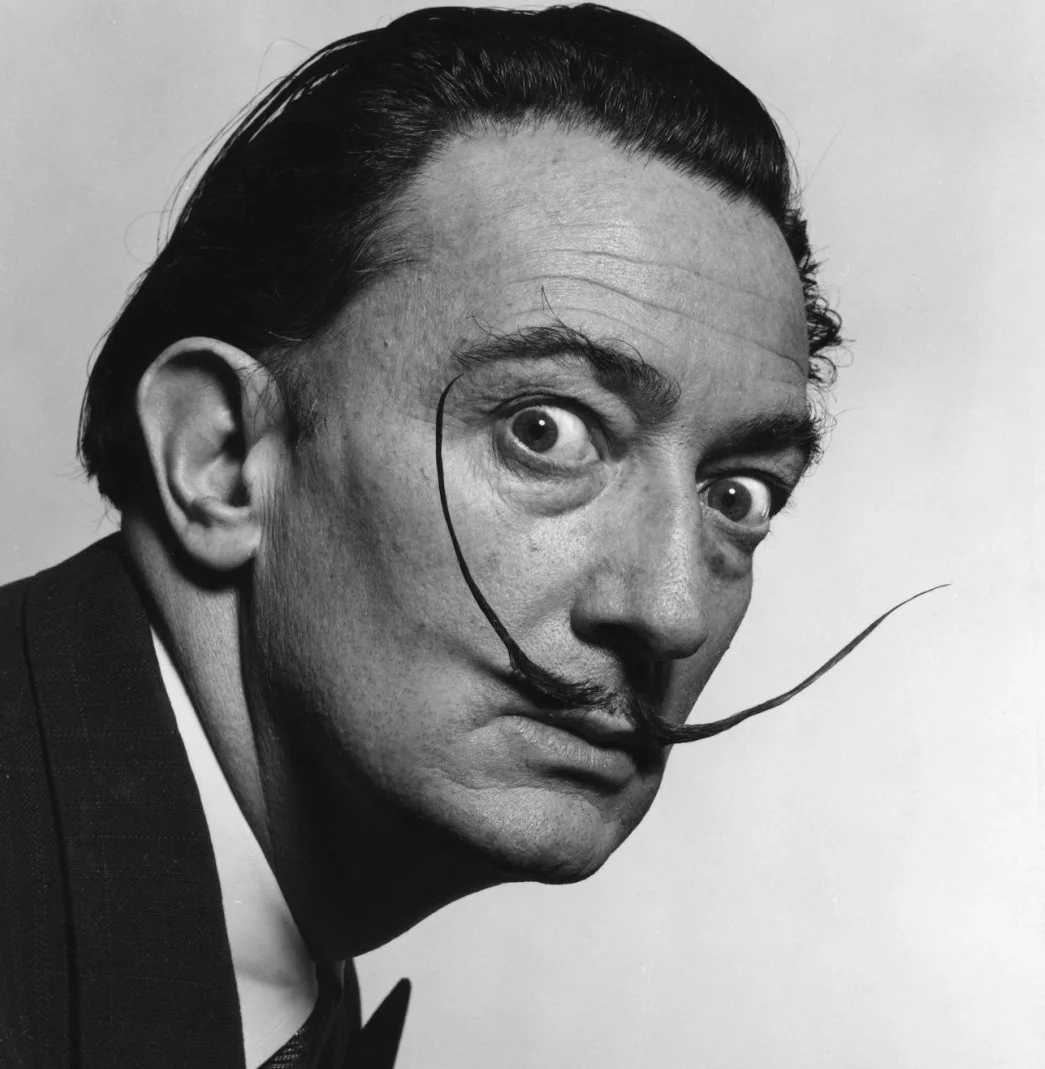
Salvador Dalí, a Spanish Surrealist painter and printmaker, is celebrated for his vivid and imaginative works that delve into subconscious imagery. Born on May 11, 1904, in Figueres, Catalonia, Spain, Dalí's early exposure to Impressionism and Renaissance masters significantly influenced his artistic development. His education in fine arts in Madrid further shaped his style, leading him to experiment with Cubism and avant-garde movements. In the late 1920s, Dalí embraced Surrealism, joining the Surrealist group in 1929 and rapidly becoming one of its most prominent figures.
Dalí's most famous work, "The Persistence of Memory," completed in 1931, epitomizes the Surrealist movement with its iconic melting clocks symbolizing the fluidity of time. His artistic repertoire was diverse, including painting, graphic arts, film, sculpture, design, and photography, often incorporating themes of dreams, the subconscious, sexuality, religion, and science. Despite his remarkable artistic contributions, Dalí's eccentric and flamboyant public persona often overshadowed his work. He faced criticism for his public support of the Francoist regime and the authenticity of some of his late works.
Dalí's legacy is preserved in major museums, notably the Dalí Theatre-Museum in Figueres and the Salvador Dalí Museum in St. Petersburg, Florida. These institutions showcase his extensive and varied body of work, illustrating his profound impact on Surrealism, pop art, and contemporary artists.
If you're captivated by the surreal world of Salvador Dalí and want to stay informed about new sales and auction events featuring his works, sign up for our updates. Our service is tailored specifically for art collectors and experts, providing timely information and insights into the vibrant market of Dalí's art. Remember, this subscription is focused solely on bringing you the latest in product sales and auction events related to Salvador Dalí. Don't miss out on the opportunity to enrich your collection with pieces from one of the most influential surrealists of all time. Sign up now and be the first to know about these exclusive events.

Salvador Dalí, a Spanish Surrealist painter and printmaker, is celebrated for his vivid and imaginative works that delve into subconscious imagery. Born on May 11, 1904, in Figueres, Catalonia, Spain, Dalí's early exposure to Impressionism and Renaissance masters significantly influenced his artistic development. His education in fine arts in Madrid further shaped his style, leading him to experiment with Cubism and avant-garde movements. In the late 1920s, Dalí embraced Surrealism, joining the Surrealist group in 1929 and rapidly becoming one of its most prominent figures.
Dalí's most famous work, "The Persistence of Memory," completed in 1931, epitomizes the Surrealist movement with its iconic melting clocks symbolizing the fluidity of time. His artistic repertoire was diverse, including painting, graphic arts, film, sculpture, design, and photography, often incorporating themes of dreams, the subconscious, sexuality, religion, and science. Despite his remarkable artistic contributions, Dalí's eccentric and flamboyant public persona often overshadowed his work. He faced criticism for his public support of the Francoist regime and the authenticity of some of his late works.
Dalí's legacy is preserved in major museums, notably the Dalí Theatre-Museum in Figueres and the Salvador Dalí Museum in St. Petersburg, Florida. These institutions showcase his extensive and varied body of work, illustrating his profound impact on Surrealism, pop art, and contemporary artists.
If you're captivated by the surreal world of Salvador Dalí and want to stay informed about new sales and auction events featuring his works, sign up for our updates. Our service is tailored specifically for art collectors and experts, providing timely information and insights into the vibrant market of Dalí's art. Remember, this subscription is focused solely on bringing you the latest in product sales and auction events related to Salvador Dalí. Don't miss out on the opportunity to enrich your collection with pieces from one of the most influential surrealists of all time. Sign up now and be the first to know about these exclusive events.

Giovanni Battista Salvi, known as Sassoferrato, was an Italian Baroque painter born in 1609 in Sassoferrato, from which he derived his name. He is celebrated for his deeply devotional images, particularly of the Virgin Mary, rendered with an elegance that echoes the works of Renaissance masters like Raphael and Perugino. Salvi's commitment to these older styles, amidst the 17th-century Roman art scene, marked his work as consciously anachronistic, emphasizing traditional religious themes and the serene beauty of his subjects.
Sassoferrato's training under his father and possibly under Domenichino in Rome, as well as influences from Guido Reni and Francesco Albani, equipped him with a unique blend of styles. He concentrated on creating multiple copies of devotional images, catering to the private market's demand during the Counter-Reformation. Despite a few public commissions, his legacy includes works in major collections such as the National Gallery in London and the British Royal Collection. Sassoferrato's art, particularly noted for its immaculate execution and spiritual aura, was highly regarded until the mid-19th century and has seen a revival in interest since the late 20th century.
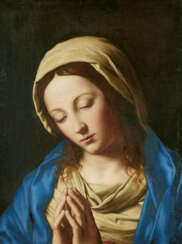
One of his most revered works, "The Virgin in Prayer," showcases Sassoferrato's mastery in portraying the Virgin Mary with a life-like presence, using minimal but vibrant colors to highlight her contemplative grace. This piece, along with others, reflects the Catholic Church's 16th-century reforms advocating for personal devotion, a theme Sassoferrato adeptly captures through his intimate and contemplative religious scenes.
Despite the breadth of his work, Sassoferrato remains a somewhat enigmatic figure, with his art often overshadowing the details of his life and career. Yet, his paintings continue to be a source of admiration for their serene beauty and spiritual depth, appealing to collectors and art enthusiasts alike.
For those interested in exploring the work and legacy of Giovanni Battista Salvi, consider signing up for updates on new discoveries, sales, and auction events related to his art. This subscription ensures that collectors and experts remain informed about opportunities to engage with the timeless beauty of Sassoferrato's masterpieces.
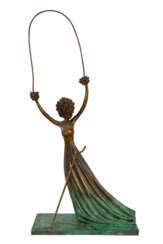

Salvador Dalí, a Spanish Surrealist painter and printmaker, is celebrated for his vivid and imaginative works that delve into subconscious imagery. Born on May 11, 1904, in Figueres, Catalonia, Spain, Dalí's early exposure to Impressionism and Renaissance masters significantly influenced his artistic development. His education in fine arts in Madrid further shaped his style, leading him to experiment with Cubism and avant-garde movements. In the late 1920s, Dalí embraced Surrealism, joining the Surrealist group in 1929 and rapidly becoming one of its most prominent figures.
Dalí's most famous work, "The Persistence of Memory," completed in 1931, epitomizes the Surrealist movement with its iconic melting clocks symbolizing the fluidity of time. His artistic repertoire was diverse, including painting, graphic arts, film, sculpture, design, and photography, often incorporating themes of dreams, the subconscious, sexuality, religion, and science. Despite his remarkable artistic contributions, Dalí's eccentric and flamboyant public persona often overshadowed his work. He faced criticism for his public support of the Francoist regime and the authenticity of some of his late works.
Dalí's legacy is preserved in major museums, notably the Dalí Theatre-Museum in Figueres and the Salvador Dalí Museum in St. Petersburg, Florida. These institutions showcase his extensive and varied body of work, illustrating his profound impact on Surrealism, pop art, and contemporary artists.
If you're captivated by the surreal world of Salvador Dalí and want to stay informed about new sales and auction events featuring his works, sign up for our updates. Our service is tailored specifically for art collectors and experts, providing timely information and insights into the vibrant market of Dalí's art. Remember, this subscription is focused solely on bringing you the latest in product sales and auction events related to Salvador Dalí. Don't miss out on the opportunity to enrich your collection with pieces from one of the most influential surrealists of all time. Sign up now and be the first to know about these exclusive events.
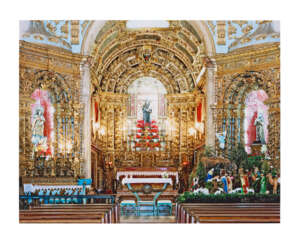

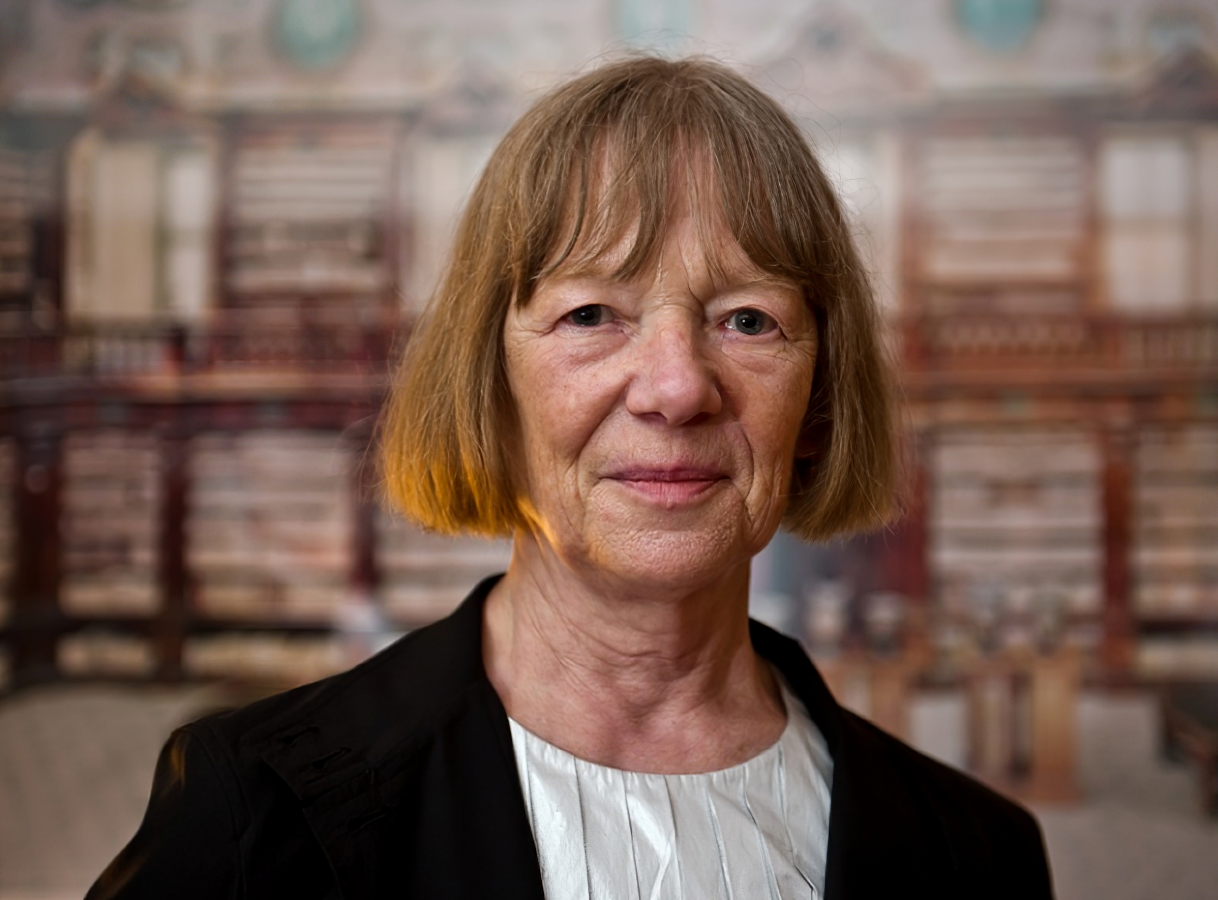
Candida Höfer is a German photographer. She is a former student of Bernd and Hilla Becher. Like other Becher students, Höfer's work is known for technical perfection and a strictly conceptual approach. From 1997 to 2000, she taught as professor at the Hochschule für Gestaltung, Karlsruhe. Höfer is the recipient of the 2018 Outstanding Contribution to Photography award, as part of the Sony World Photography awards. She is based in Cologne.
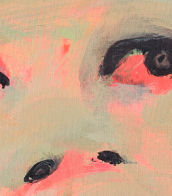


Candida Höfer is a German photographer. She is a former student of Bernd and Hilla Becher. Like other Becher students, Höfer's work is known for technical perfection and a strictly conceptual approach. From 1997 to 2000, she taught as professor at the Hochschule für Gestaltung, Karlsruhe. Höfer is the recipient of the 2018 Outstanding Contribution to Photography award, as part of the Sony World Photography awards. She is based in Cologne.
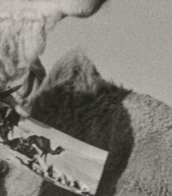


Candida Höfer is a German photographer. She is a former student of Bernd and Hilla Becher. Like other Becher students, Höfer's work is known for technical perfection and a strictly conceptual approach. From 1997 to 2000, she taught as professor at the Hochschule für Gestaltung, Karlsruhe. Höfer is the recipient of the 2018 Outstanding Contribution to Photography award, as part of the Sony World Photography awards. She is based in Cologne.
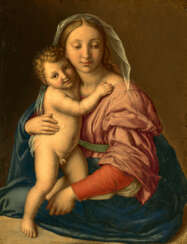

Giovanni Battista Salvi, known as Sassoferrato, was an Italian Baroque painter born in 1609 in Sassoferrato, from which he derived his name. He is celebrated for his deeply devotional images, particularly of the Virgin Mary, rendered with an elegance that echoes the works of Renaissance masters like Raphael and Perugino. Salvi's commitment to these older styles, amidst the 17th-century Roman art scene, marked his work as consciously anachronistic, emphasizing traditional religious themes and the serene beauty of his subjects.
Sassoferrato's training under his father and possibly under Domenichino in Rome, as well as influences from Guido Reni and Francesco Albani, equipped him with a unique blend of styles. He concentrated on creating multiple copies of devotional images, catering to the private market's demand during the Counter-Reformation. Despite a few public commissions, his legacy includes works in major collections such as the National Gallery in London and the British Royal Collection. Sassoferrato's art, particularly noted for its immaculate execution and spiritual aura, was highly regarded until the mid-19th century and has seen a revival in interest since the late 20th century.
One of his most revered works, "The Virgin in Prayer," showcases Sassoferrato's mastery in portraying the Virgin Mary with a life-like presence, using minimal but vibrant colors to highlight her contemplative grace. This piece, along with others, reflects the Catholic Church's 16th-century reforms advocating for personal devotion, a theme Sassoferrato adeptly captures through his intimate and contemplative religious scenes.
Despite the breadth of his work, Sassoferrato remains a somewhat enigmatic figure, with his art often overshadowing the details of his life and career. Yet, his paintings continue to be a source of admiration for their serene beauty and spiritual depth, appealing to collectors and art enthusiasts alike.
For those interested in exploring the work and legacy of Giovanni Battista Salvi, consider signing up for updates on new discoveries, sales, and auction events related to his art. This subscription ensures that collectors and experts remain informed about opportunities to engage with the timeless beauty of Sassoferrato's masterpieces.
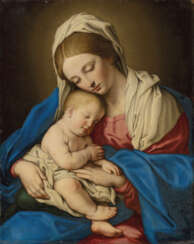

Giovanni Battista Salvi, known as Sassoferrato, was an Italian Baroque painter born in 1609 in Sassoferrato, from which he derived his name. He is celebrated for his deeply devotional images, particularly of the Virgin Mary, rendered with an elegance that echoes the works of Renaissance masters like Raphael and Perugino. Salvi's commitment to these older styles, amidst the 17th-century Roman art scene, marked his work as consciously anachronistic, emphasizing traditional religious themes and the serene beauty of his subjects.
Sassoferrato's training under his father and possibly under Domenichino in Rome, as well as influences from Guido Reni and Francesco Albani, equipped him with a unique blend of styles. He concentrated on creating multiple copies of devotional images, catering to the private market's demand during the Counter-Reformation. Despite a few public commissions, his legacy includes works in major collections such as the National Gallery in London and the British Royal Collection. Sassoferrato's art, particularly noted for its immaculate execution and spiritual aura, was highly regarded until the mid-19th century and has seen a revival in interest since the late 20th century.
One of his most revered works, "The Virgin in Prayer," showcases Sassoferrato's mastery in portraying the Virgin Mary with a life-like presence, using minimal but vibrant colors to highlight her contemplative grace. This piece, along with others, reflects the Catholic Church's 16th-century reforms advocating for personal devotion, a theme Sassoferrato adeptly captures through his intimate and contemplative religious scenes.
Despite the breadth of his work, Sassoferrato remains a somewhat enigmatic figure, with his art often overshadowing the details of his life and career. Yet, his paintings continue to be a source of admiration for their serene beauty and spiritual depth, appealing to collectors and art enthusiasts alike.
For those interested in exploring the work and legacy of Giovanni Battista Salvi, consider signing up for updates on new discoveries, sales, and auction events related to his art. This subscription ensures that collectors and experts remain informed about opportunities to engage with the timeless beauty of Sassoferrato's masterpieces.
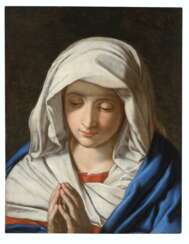

Giovanni Battista Salvi, known as Sassoferrato, was an Italian Baroque painter born in 1609 in Sassoferrato, from which he derived his name. He is celebrated for his deeply devotional images, particularly of the Virgin Mary, rendered with an elegance that echoes the works of Renaissance masters like Raphael and Perugino. Salvi's commitment to these older styles, amidst the 17th-century Roman art scene, marked his work as consciously anachronistic, emphasizing traditional religious themes and the serene beauty of his subjects.
Sassoferrato's training under his father and possibly under Domenichino in Rome, as well as influences from Guido Reni and Francesco Albani, equipped him with a unique blend of styles. He concentrated on creating multiple copies of devotional images, catering to the private market's demand during the Counter-Reformation. Despite a few public commissions, his legacy includes works in major collections such as the National Gallery in London and the British Royal Collection. Sassoferrato's art, particularly noted for its immaculate execution and spiritual aura, was highly regarded until the mid-19th century and has seen a revival in interest since the late 20th century.
One of his most revered works, "The Virgin in Prayer," showcases Sassoferrato's mastery in portraying the Virgin Mary with a life-like presence, using minimal but vibrant colors to highlight her contemplative grace. This piece, along with others, reflects the Catholic Church's 16th-century reforms advocating for personal devotion, a theme Sassoferrato adeptly captures through his intimate and contemplative religious scenes.
Despite the breadth of his work, Sassoferrato remains a somewhat enigmatic figure, with his art often overshadowing the details of his life and career. Yet, his paintings continue to be a source of admiration for their serene beauty and spiritual depth, appealing to collectors and art enthusiasts alike.
For those interested in exploring the work and legacy of Giovanni Battista Salvi, consider signing up for updates on new discoveries, sales, and auction events related to his art. This subscription ensures that collectors and experts remain informed about opportunities to engage with the timeless beauty of Sassoferrato's masterpieces.


Salvador Dalí, a Spanish Surrealist painter and printmaker, is celebrated for his vivid and imaginative works that delve into subconscious imagery. Born on May 11, 1904, in Figueres, Catalonia, Spain, Dalí's early exposure to Impressionism and Renaissance masters significantly influenced his artistic development. His education in fine arts in Madrid further shaped his style, leading him to experiment with Cubism and avant-garde movements. In the late 1920s, Dalí embraced Surrealism, joining the Surrealist group in 1929 and rapidly becoming one of its most prominent figures.
Dalí's most famous work, "The Persistence of Memory," completed in 1931, epitomizes the Surrealist movement with its iconic melting clocks symbolizing the fluidity of time. His artistic repertoire was diverse, including painting, graphic arts, film, sculpture, design, and photography, often incorporating themes of dreams, the subconscious, sexuality, religion, and science. Despite his remarkable artistic contributions, Dalí's eccentric and flamboyant public persona often overshadowed his work. He faced criticism for his public support of the Francoist regime and the authenticity of some of his late works.
Dalí's legacy is preserved in major museums, notably the Dalí Theatre-Museum in Figueres and the Salvador Dalí Museum in St. Petersburg, Florida. These institutions showcase his extensive and varied body of work, illustrating his profound impact on Surrealism, pop art, and contemporary artists.
If you're captivated by the surreal world of Salvador Dalí and want to stay informed about new sales and auction events featuring his works, sign up for our updates. Our service is tailored specifically for art collectors and experts, providing timely information and insights into the vibrant market of Dalí's art. Remember, this subscription is focused solely on bringing you the latest in product sales and auction events related to Salvador Dalí. Don't miss out on the opportunity to enrich your collection with pieces from one of the most influential surrealists of all time. Sign up now and be the first to know about these exclusive events.
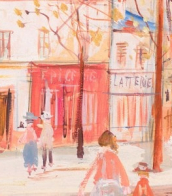


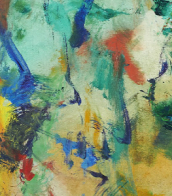


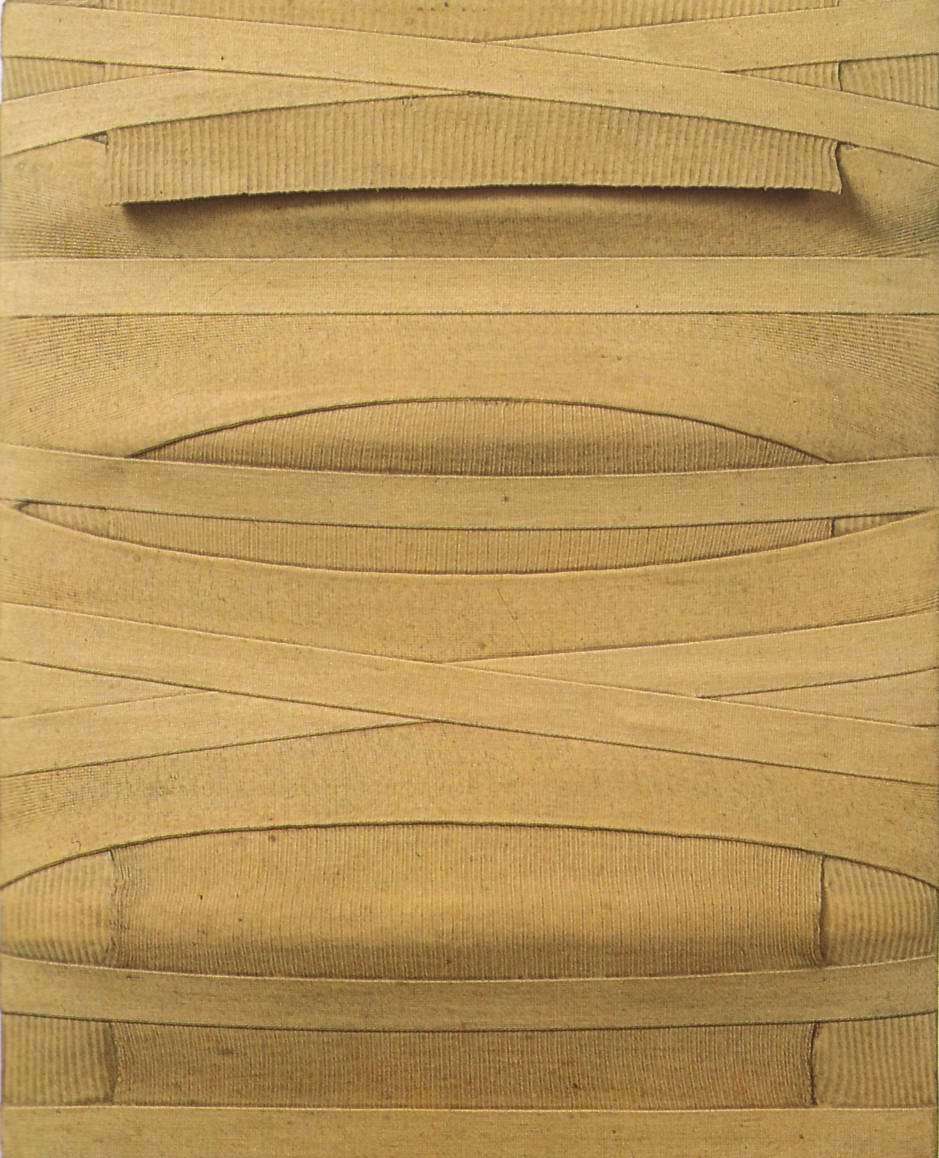
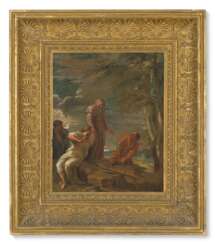

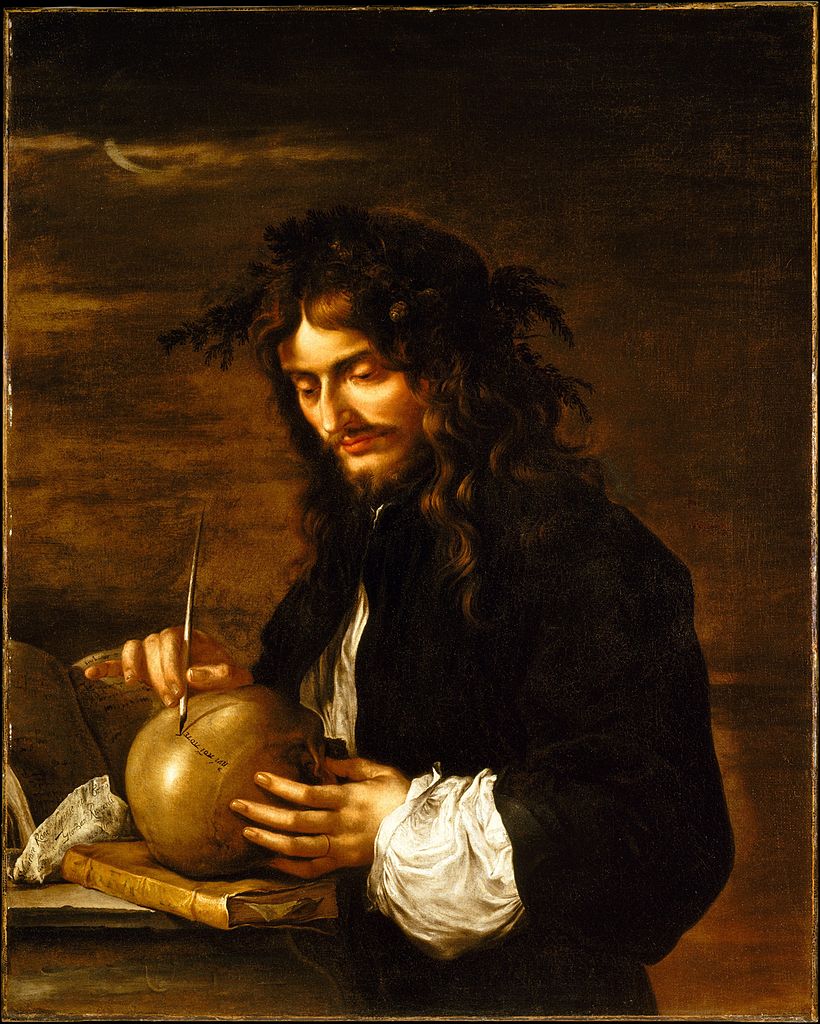
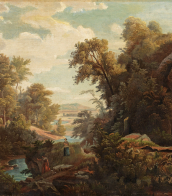
Salvator Rosa was a seventeenth-century Italian Baroque painter. He is also known as an engraver, poet and actor.
Salvator Rosa left a very diverse artistic heritage. He was interested in historical, religious, mythological and fantastic subjects, he painted landscapes, battle scenes, portraits, still lifes. Having joined the naturalists of the Neapolitan school of painting, Rosa, however, showed originality in his treatment of subjects. For example, in his paintings on historical themes he combined realistic images with fantastical composition.
The biography of Rosa himself, full of adventures, subsequently became the subject of legends, books, paintings and musical works.
Works of Salvator Rosa today are represented in many museums and private collections in Europe and Russia.
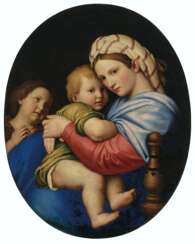

Giovanni Battista Salvi, known as Sassoferrato, was an Italian Baroque painter born in 1609 in Sassoferrato, from which he derived his name. He is celebrated for his deeply devotional images, particularly of the Virgin Mary, rendered with an elegance that echoes the works of Renaissance masters like Raphael and Perugino. Salvi's commitment to these older styles, amidst the 17th-century Roman art scene, marked his work as consciously anachronistic, emphasizing traditional religious themes and the serene beauty of his subjects.
Sassoferrato's training under his father and possibly under Domenichino in Rome, as well as influences from Guido Reni and Francesco Albani, equipped him with a unique blend of styles. He concentrated on creating multiple copies of devotional images, catering to the private market's demand during the Counter-Reformation. Despite a few public commissions, his legacy includes works in major collections such as the National Gallery in London and the British Royal Collection. Sassoferrato's art, particularly noted for its immaculate execution and spiritual aura, was highly regarded until the mid-19th century and has seen a revival in interest since the late 20th century.
One of his most revered works, "The Virgin in Prayer," showcases Sassoferrato's mastery in portraying the Virgin Mary with a life-like presence, using minimal but vibrant colors to highlight her contemplative grace. This piece, along with others, reflects the Catholic Church's 16th-century reforms advocating for personal devotion, a theme Sassoferrato adeptly captures through his intimate and contemplative religious scenes.
Despite the breadth of his work, Sassoferrato remains a somewhat enigmatic figure, with his art often overshadowing the details of his life and career. Yet, his paintings continue to be a source of admiration for their serene beauty and spiritual depth, appealing to collectors and art enthusiasts alike.
For those interested in exploring the work and legacy of Giovanni Battista Salvi, consider signing up for updates on new discoveries, sales, and auction events related to his art. This subscription ensures that collectors and experts remain informed about opportunities to engage with the timeless beauty of Sassoferrato's masterpieces.


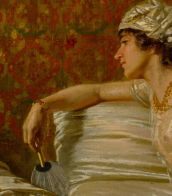
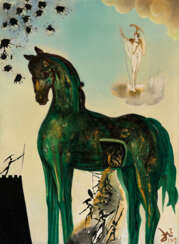

Salvador Dalí, a Spanish Surrealist painter and printmaker, is celebrated for his vivid and imaginative works that delve into subconscious imagery. Born on May 11, 1904, in Figueres, Catalonia, Spain, Dalí's early exposure to Impressionism and Renaissance masters significantly influenced his artistic development. His education in fine arts in Madrid further shaped his style, leading him to experiment with Cubism and avant-garde movements. In the late 1920s, Dalí embraced Surrealism, joining the Surrealist group in 1929 and rapidly becoming one of its most prominent figures.
Dalí's most famous work, "The Persistence of Memory," completed in 1931, epitomizes the Surrealist movement with its iconic melting clocks symbolizing the fluidity of time. His artistic repertoire was diverse, including painting, graphic arts, film, sculpture, design, and photography, often incorporating themes of dreams, the subconscious, sexuality, religion, and science. Despite his remarkable artistic contributions, Dalí's eccentric and flamboyant public persona often overshadowed his work. He faced criticism for his public support of the Francoist regime and the authenticity of some of his late works.
Dalí's legacy is preserved in major museums, notably the Dalí Theatre-Museum in Figueres and the Salvador Dalí Museum in St. Petersburg, Florida. These institutions showcase his extensive and varied body of work, illustrating his profound impact on Surrealism, pop art, and contemporary artists.
If you're captivated by the surreal world of Salvador Dalí and want to stay informed about new sales and auction events featuring his works, sign up for our updates. Our service is tailored specifically for art collectors and experts, providing timely information and insights into the vibrant market of Dalí's art. Remember, this subscription is focused solely on bringing you the latest in product sales and auction events related to Salvador Dalí. Don't miss out on the opportunity to enrich your collection with pieces from one of the most influential surrealists of all time. Sign up now and be the first to know about these exclusive events.
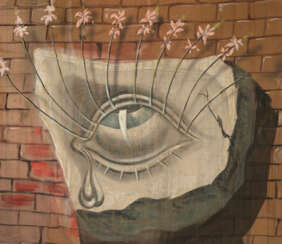

Salvador Dalí, a Spanish Surrealist painter and printmaker, is celebrated for his vivid and imaginative works that delve into subconscious imagery. Born on May 11, 1904, in Figueres, Catalonia, Spain, Dalí's early exposure to Impressionism and Renaissance masters significantly influenced his artistic development. His education in fine arts in Madrid further shaped his style, leading him to experiment with Cubism and avant-garde movements. In the late 1920s, Dalí embraced Surrealism, joining the Surrealist group in 1929 and rapidly becoming one of its most prominent figures.
Dalí's most famous work, "The Persistence of Memory," completed in 1931, epitomizes the Surrealist movement with its iconic melting clocks symbolizing the fluidity of time. His artistic repertoire was diverse, including painting, graphic arts, film, sculpture, design, and photography, often incorporating themes of dreams, the subconscious, sexuality, religion, and science. Despite his remarkable artistic contributions, Dalí's eccentric and flamboyant public persona often overshadowed his work. He faced criticism for his public support of the Francoist regime and the authenticity of some of his late works.
Dalí's legacy is preserved in major museums, notably the Dalí Theatre-Museum in Figueres and the Salvador Dalí Museum in St. Petersburg, Florida. These institutions showcase his extensive and varied body of work, illustrating his profound impact on Surrealism, pop art, and contemporary artists.
If you're captivated by the surreal world of Salvador Dalí and want to stay informed about new sales and auction events featuring his works, sign up for our updates. Our service is tailored specifically for art collectors and experts, providing timely information and insights into the vibrant market of Dalí's art. Remember, this subscription is focused solely on bringing you the latest in product sales and auction events related to Salvador Dalí. Don't miss out on the opportunity to enrich your collection with pieces from one of the most influential surrealists of all time. Sign up now and be the first to know about these exclusive events.
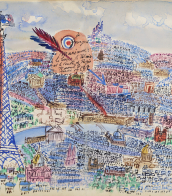
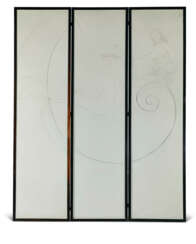

Salvador Dalí, a Spanish Surrealist painter and printmaker, is celebrated for his vivid and imaginative works that delve into subconscious imagery. Born on May 11, 1904, in Figueres, Catalonia, Spain, Dalí's early exposure to Impressionism and Renaissance masters significantly influenced his artistic development. His education in fine arts in Madrid further shaped his style, leading him to experiment with Cubism and avant-garde movements. In the late 1920s, Dalí embraced Surrealism, joining the Surrealist group in 1929 and rapidly becoming one of its most prominent figures.
Dalí's most famous work, "The Persistence of Memory," completed in 1931, epitomizes the Surrealist movement with its iconic melting clocks symbolizing the fluidity of time. His artistic repertoire was diverse, including painting, graphic arts, film, sculpture, design, and photography, often incorporating themes of dreams, the subconscious, sexuality, religion, and science. Despite his remarkable artistic contributions, Dalí's eccentric and flamboyant public persona often overshadowed his work. He faced criticism for his public support of the Francoist regime and the authenticity of some of his late works.
Dalí's legacy is preserved in major museums, notably the Dalí Theatre-Museum in Figueres and the Salvador Dalí Museum in St. Petersburg, Florida. These institutions showcase his extensive and varied body of work, illustrating his profound impact on Surrealism, pop art, and contemporary artists.
If you're captivated by the surreal world of Salvador Dalí and want to stay informed about new sales and auction events featuring his works, sign up for our updates. Our service is tailored specifically for art collectors and experts, providing timely information and insights into the vibrant market of Dalí's art. Remember, this subscription is focused solely on bringing you the latest in product sales and auction events related to Salvador Dalí. Don't miss out on the opportunity to enrich your collection with pieces from one of the most influential surrealists of all time. Sign up now and be the first to know about these exclusive events.
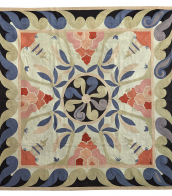
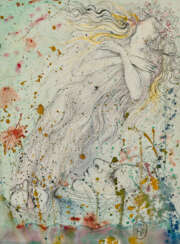

Salvador Dalí, a Spanish Surrealist painter and printmaker, is celebrated for his vivid and imaginative works that delve into subconscious imagery. Born on May 11, 1904, in Figueres, Catalonia, Spain, Dalí's early exposure to Impressionism and Renaissance masters significantly influenced his artistic development. His education in fine arts in Madrid further shaped his style, leading him to experiment with Cubism and avant-garde movements. In the late 1920s, Dalí embraced Surrealism, joining the Surrealist group in 1929 and rapidly becoming one of its most prominent figures.
Dalí's most famous work, "The Persistence of Memory," completed in 1931, epitomizes the Surrealist movement with its iconic melting clocks symbolizing the fluidity of time. His artistic repertoire was diverse, including painting, graphic arts, film, sculpture, design, and photography, often incorporating themes of dreams, the subconscious, sexuality, religion, and science. Despite his remarkable artistic contributions, Dalí's eccentric and flamboyant public persona often overshadowed his work. He faced criticism for his public support of the Francoist regime and the authenticity of some of his late works.
Dalí's legacy is preserved in major museums, notably the Dalí Theatre-Museum in Figueres and the Salvador Dalí Museum in St. Petersburg, Florida. These institutions showcase his extensive and varied body of work, illustrating his profound impact on Surrealism, pop art, and contemporary artists.
If you're captivated by the surreal world of Salvador Dalí and want to stay informed about new sales and auction events featuring his works, sign up for our updates. Our service is tailored specifically for art collectors and experts, providing timely information and insights into the vibrant market of Dalí's art. Remember, this subscription is focused solely on bringing you the latest in product sales and auction events related to Salvador Dalí. Don't miss out on the opportunity to enrich your collection with pieces from one of the most influential surrealists of all time. Sign up now and be the first to know about these exclusive events.
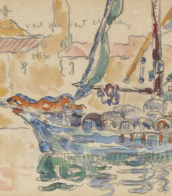
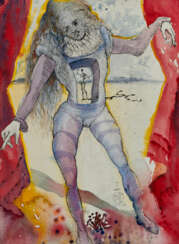

Salvador Dalí, a Spanish Surrealist painter and printmaker, is celebrated for his vivid and imaginative works that delve into subconscious imagery. Born on May 11, 1904, in Figueres, Catalonia, Spain, Dalí's early exposure to Impressionism and Renaissance masters significantly influenced his artistic development. His education in fine arts in Madrid further shaped his style, leading him to experiment with Cubism and avant-garde movements. In the late 1920s, Dalí embraced Surrealism, joining the Surrealist group in 1929 and rapidly becoming one of its most prominent figures.
Dalí's most famous work, "The Persistence of Memory," completed in 1931, epitomizes the Surrealist movement with its iconic melting clocks symbolizing the fluidity of time. His artistic repertoire was diverse, including painting, graphic arts, film, sculpture, design, and photography, often incorporating themes of dreams, the subconscious, sexuality, religion, and science. Despite his remarkable artistic contributions, Dalí's eccentric and flamboyant public persona often overshadowed his work. He faced criticism for his public support of the Francoist regime and the authenticity of some of his late works.
Dalí's legacy is preserved in major museums, notably the Dalí Theatre-Museum in Figueres and the Salvador Dalí Museum in St. Petersburg, Florida. These institutions showcase his extensive and varied body of work, illustrating his profound impact on Surrealism, pop art, and contemporary artists.
If you're captivated by the surreal world of Salvador Dalí and want to stay informed about new sales and auction events featuring his works, sign up for our updates. Our service is tailored specifically for art collectors and experts, providing timely information and insights into the vibrant market of Dalí's art. Remember, this subscription is focused solely on bringing you the latest in product sales and auction events related to Salvador Dalí. Don't miss out on the opportunity to enrich your collection with pieces from one of the most influential surrealists of all time. Sign up now and be the first to know about these exclusive events.


Giovanni Battista Salvi, known as Sassoferrato, was an Italian Baroque painter born in 1609 in Sassoferrato, from which he derived his name. He is celebrated for his deeply devotional images, particularly of the Virgin Mary, rendered with an elegance that echoes the works of Renaissance masters like Raphael and Perugino. Salvi's commitment to these older styles, amidst the 17th-century Roman art scene, marked his work as consciously anachronistic, emphasizing traditional religious themes and the serene beauty of his subjects.
Sassoferrato's training under his father and possibly under Domenichino in Rome, as well as influences from Guido Reni and Francesco Albani, equipped him with a unique blend of styles. He concentrated on creating multiple copies of devotional images, catering to the private market's demand during the Counter-Reformation. Despite a few public commissions, his legacy includes works in major collections such as the National Gallery in London and the British Royal Collection. Sassoferrato's art, particularly noted for its immaculate execution and spiritual aura, was highly regarded until the mid-19th century and has seen a revival in interest since the late 20th century.
One of his most revered works, "The Virgin in Prayer," showcases Sassoferrato's mastery in portraying the Virgin Mary with a life-like presence, using minimal but vibrant colors to highlight her contemplative grace. This piece, along with others, reflects the Catholic Church's 16th-century reforms advocating for personal devotion, a theme Sassoferrato adeptly captures through his intimate and contemplative religious scenes.
Despite the breadth of his work, Sassoferrato remains a somewhat enigmatic figure, with his art often overshadowing the details of his life and career. Yet, his paintings continue to be a source of admiration for their serene beauty and spiritual depth, appealing to collectors and art enthusiasts alike.
For those interested in exploring the work and legacy of Giovanni Battista Salvi, consider signing up for updates on new discoveries, sales, and auction events related to his art. This subscription ensures that collectors and experts remain informed about opportunities to engage with the timeless beauty of Sassoferrato's masterpieces.
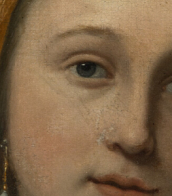
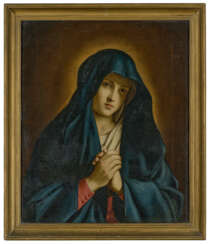

Giovanni Battista Salvi, known as Sassoferrato, was an Italian Baroque painter born in 1609 in Sassoferrato, from which he derived his name. He is celebrated for his deeply devotional images, particularly of the Virgin Mary, rendered with an elegance that echoes the works of Renaissance masters like Raphael and Perugino. Salvi's commitment to these older styles, amidst the 17th-century Roman art scene, marked his work as consciously anachronistic, emphasizing traditional religious themes and the serene beauty of his subjects.
Sassoferrato's training under his father and possibly under Domenichino in Rome, as well as influences from Guido Reni and Francesco Albani, equipped him with a unique blend of styles. He concentrated on creating multiple copies of devotional images, catering to the private market's demand during the Counter-Reformation. Despite a few public commissions, his legacy includes works in major collections such as the National Gallery in London and the British Royal Collection. Sassoferrato's art, particularly noted for its immaculate execution and spiritual aura, was highly regarded until the mid-19th century and has seen a revival in interest since the late 20th century.
One of his most revered works, "The Virgin in Prayer," showcases Sassoferrato's mastery in portraying the Virgin Mary with a life-like presence, using minimal but vibrant colors to highlight her contemplative grace. This piece, along with others, reflects the Catholic Church's 16th-century reforms advocating for personal devotion, a theme Sassoferrato adeptly captures through his intimate and contemplative religious scenes.
Despite the breadth of his work, Sassoferrato remains a somewhat enigmatic figure, with his art often overshadowing the details of his life and career. Yet, his paintings continue to be a source of admiration for their serene beauty and spiritual depth, appealing to collectors and art enthusiasts alike.
For those interested in exploring the work and legacy of Giovanni Battista Salvi, consider signing up for updates on new discoveries, sales, and auction events related to his art. This subscription ensures that collectors and experts remain informed about opportunities to engage with the timeless beauty of Sassoferrato's masterpieces.
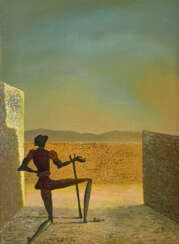

Salvador Dalí, a Spanish Surrealist painter and printmaker, is celebrated for his vivid and imaginative works that delve into subconscious imagery. Born on May 11, 1904, in Figueres, Catalonia, Spain, Dalí's early exposure to Impressionism and Renaissance masters significantly influenced his artistic development. His education in fine arts in Madrid further shaped his style, leading him to experiment with Cubism and avant-garde movements. In the late 1920s, Dalí embraced Surrealism, joining the Surrealist group in 1929 and rapidly becoming one of its most prominent figures.
Dalí's most famous work, "The Persistence of Memory," completed in 1931, epitomizes the Surrealist movement with its iconic melting clocks symbolizing the fluidity of time. His artistic repertoire was diverse, including painting, graphic arts, film, sculpture, design, and photography, often incorporating themes of dreams, the subconscious, sexuality, religion, and science. Despite his remarkable artistic contributions, Dalí's eccentric and flamboyant public persona often overshadowed his work. He faced criticism for his public support of the Francoist regime and the authenticity of some of his late works.
Dalí's legacy is preserved in major museums, notably the Dalí Theatre-Museum in Figueres and the Salvador Dalí Museum in St. Petersburg, Florida. These institutions showcase his extensive and varied body of work, illustrating his profound impact on Surrealism, pop art, and contemporary artists.
If you're captivated by the surreal world of Salvador Dalí and want to stay informed about new sales and auction events featuring his works, sign up for our updates. Our service is tailored specifically for art collectors and experts, providing timely information and insights into the vibrant market of Dalí's art. Remember, this subscription is focused solely on bringing you the latest in product sales and auction events related to Salvador Dalí. Don't miss out on the opportunity to enrich your collection with pieces from one of the most influential surrealists of all time. Sign up now and be the first to know about these exclusive events.
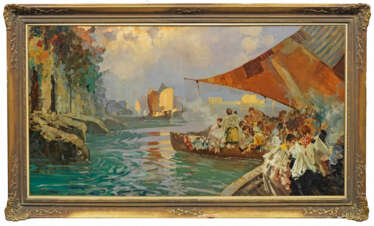

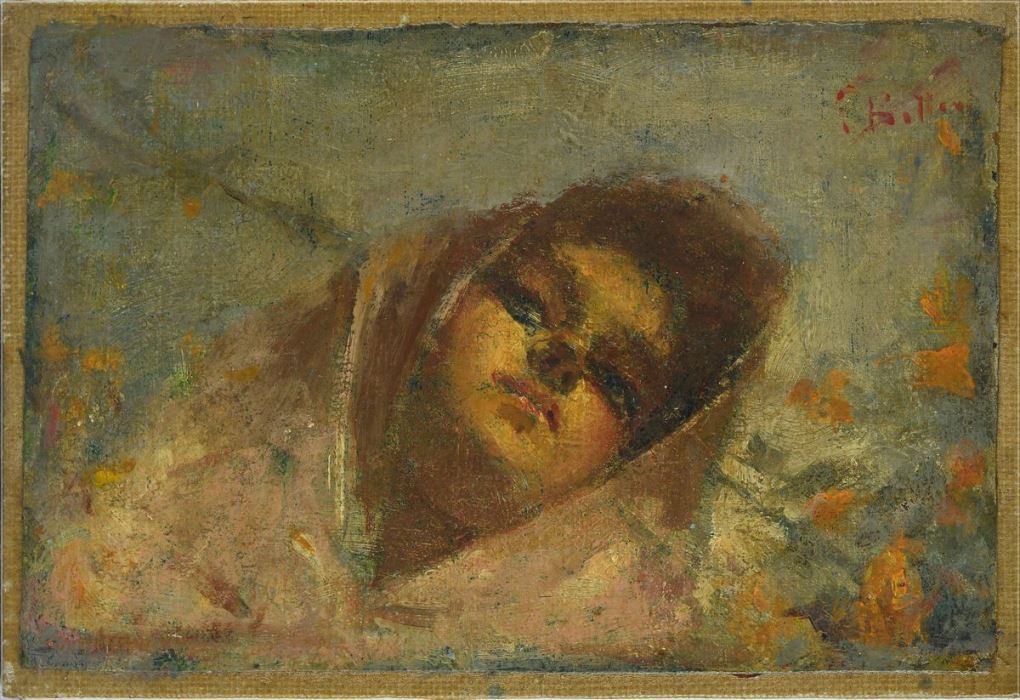





Giovanni Battista Salvi, known as Sassoferrato, was an Italian Baroque painter born in 1609 in Sassoferrato, from which he derived his name. He is celebrated for his deeply devotional images, particularly of the Virgin Mary, rendered with an elegance that echoes the works of Renaissance masters like Raphael and Perugino. Salvi's commitment to these older styles, amidst the 17th-century Roman art scene, marked his work as consciously anachronistic, emphasizing traditional religious themes and the serene beauty of his subjects.
Sassoferrato's training under his father and possibly under Domenichino in Rome, as well as influences from Guido Reni and Francesco Albani, equipped him with a unique blend of styles. He concentrated on creating multiple copies of devotional images, catering to the private market's demand during the Counter-Reformation. Despite a few public commissions, his legacy includes works in major collections such as the National Gallery in London and the British Royal Collection. Sassoferrato's art, particularly noted for its immaculate execution and spiritual aura, was highly regarded until the mid-19th century and has seen a revival in interest since the late 20th century.
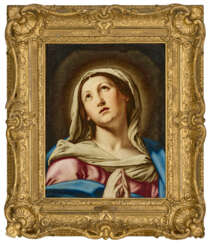
One of his most revered works, "The Virgin in Prayer," showcases Sassoferrato's mastery in portraying the Virgin Mary with a life-like presence, using minimal but vibrant colors to highlight her contemplative grace. This piece, along with others, reflects the Catholic Church's 16th-century reforms advocating for personal devotion, a theme Sassoferrato adeptly captures through his intimate and contemplative religious scenes.
Despite the breadth of his work, Sassoferrato remains a somewhat enigmatic figure, with his art often overshadowing the details of his life and career. Yet, his paintings continue to be a source of admiration for their serene beauty and spiritual depth, appealing to collectors and art enthusiasts alike.
For those interested in exploring the work and legacy of Giovanni Battista Salvi, consider signing up for updates on new discoveries, sales, and auction events related to his art. This subscription ensures that collectors and experts remain informed about opportunities to engage with the timeless beauty of Sassoferrato's masterpieces.
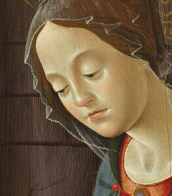
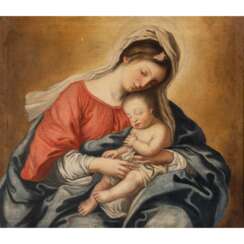

Giovanni Battista Salvi, known as Sassoferrato, was an Italian Baroque painter born in 1609 in Sassoferrato, from which he derived his name. He is celebrated for his deeply devotional images, particularly of the Virgin Mary, rendered with an elegance that echoes the works of Renaissance masters like Raphael and Perugino. Salvi's commitment to these older styles, amidst the 17th-century Roman art scene, marked his work as consciously anachronistic, emphasizing traditional religious themes and the serene beauty of his subjects.
Sassoferrato's training under his father and possibly under Domenichino in Rome, as well as influences from Guido Reni and Francesco Albani, equipped him with a unique blend of styles. He concentrated on creating multiple copies of devotional images, catering to the private market's demand during the Counter-Reformation. Despite a few public commissions, his legacy includes works in major collections such as the National Gallery in London and the British Royal Collection. Sassoferrato's art, particularly noted for its immaculate execution and spiritual aura, was highly regarded until the mid-19th century and has seen a revival in interest since the late 20th century.
One of his most revered works, "The Virgin in Prayer," showcases Sassoferrato's mastery in portraying the Virgin Mary with a life-like presence, using minimal but vibrant colors to highlight her contemplative grace. This piece, along with others, reflects the Catholic Church's 16th-century reforms advocating for personal devotion, a theme Sassoferrato adeptly captures through his intimate and contemplative religious scenes.
Despite the breadth of his work, Sassoferrato remains a somewhat enigmatic figure, with his art often overshadowing the details of his life and career. Yet, his paintings continue to be a source of admiration for their serene beauty and spiritual depth, appealing to collectors and art enthusiasts alike.
For those interested in exploring the work and legacy of Giovanni Battista Salvi, consider signing up for updates on new discoveries, sales, and auction events related to his art. This subscription ensures that collectors and experts remain informed about opportunities to engage with the timeless beauty of Sassoferrato's masterpieces.