

consequently meaning





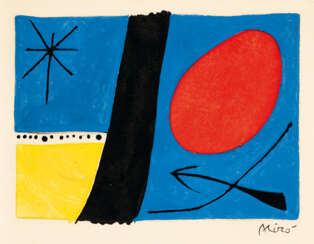

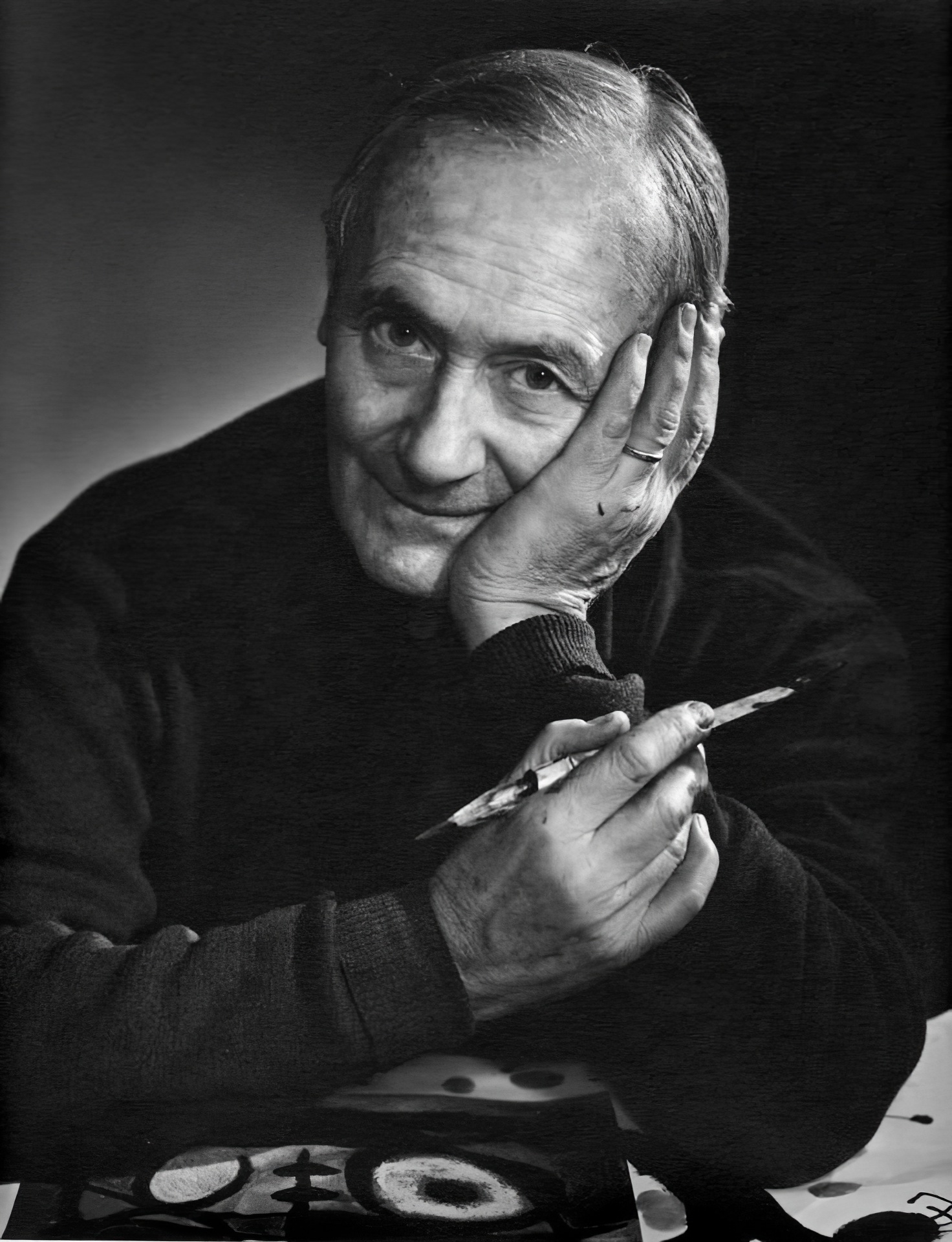
Joan Miró, a celebrated Spanish artist, was a master in painting, sculpture, and ceramics, renowned for his unique style that blurred the lines between Surrealism, Fauvism, and Expressionism. Born in Barcelona to a family of a goldsmith and a watchmaker, Miró grew up immersed in the rich cultural heritage of the Barri Gòtic neighborhood. His artistic journey began with drawing classes at the age of seven and continued at the prestigious La Llotja art academy. Despite an initial venture into the business world, Miró's passion for art prevailed, leading him to abandon his clerical career after a nervous breakdown.
Miró's work is noted for its exploration of the subconscious, often depicting a childlike perspective. This approach was both a critique of traditional painting methods and a means of expressing Catalan pride. His art, challenging to categorize, often featured symbolic elements and nationalistic qualities. One of his notable early works, "The Farm," reflects a transition to a more individual style, blending elements of his Catalan roots with broader artistic influences. This piece, later purchased by Ernest Hemingway, encapsulated the essence of Spain in its imagery.
In Paris, Miró joined the Surrealist movement in 1924, where his work began to reflect the influence of automatism, emphasizing spontaneous, automatic, or subconscious creation. He experimented with various mediums, including painting-poetry and collage, and even ventured into set and costume design for Sergei Diaghilev's Ballets Russes.
During World War II, Miró remained in Spain, and his work from this period, including the 22 Constellations series, reflected an interest in the night, music, and stars. His forms became increasingly abstracted, and he experimented with various techniques, often incorporating primary colors and evocative titles.
Miró's career spanned several decades, during which he continually evolved his style and explored new mediums. His contributions to art were recognized with numerous awards and retrospectives, including a major career retrospective at MoMA in 1941 and the Spanish Gold Medal for Fine Arts in 1980. Among his last major works was a tapestry for the World Trade Center in New York City, created in 1974.
For art collectors and enthusiasts, Joan Miró remains a figure of immense interest, not only for his distinct style and contributions to Surrealism but also for his ability to blend poetic imagery with political commentary. To stay updated on new product sales and auction events related to Joan Miró, sign up for our updates and immerse yourself in the world of this extraordinary artist.

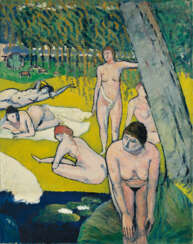

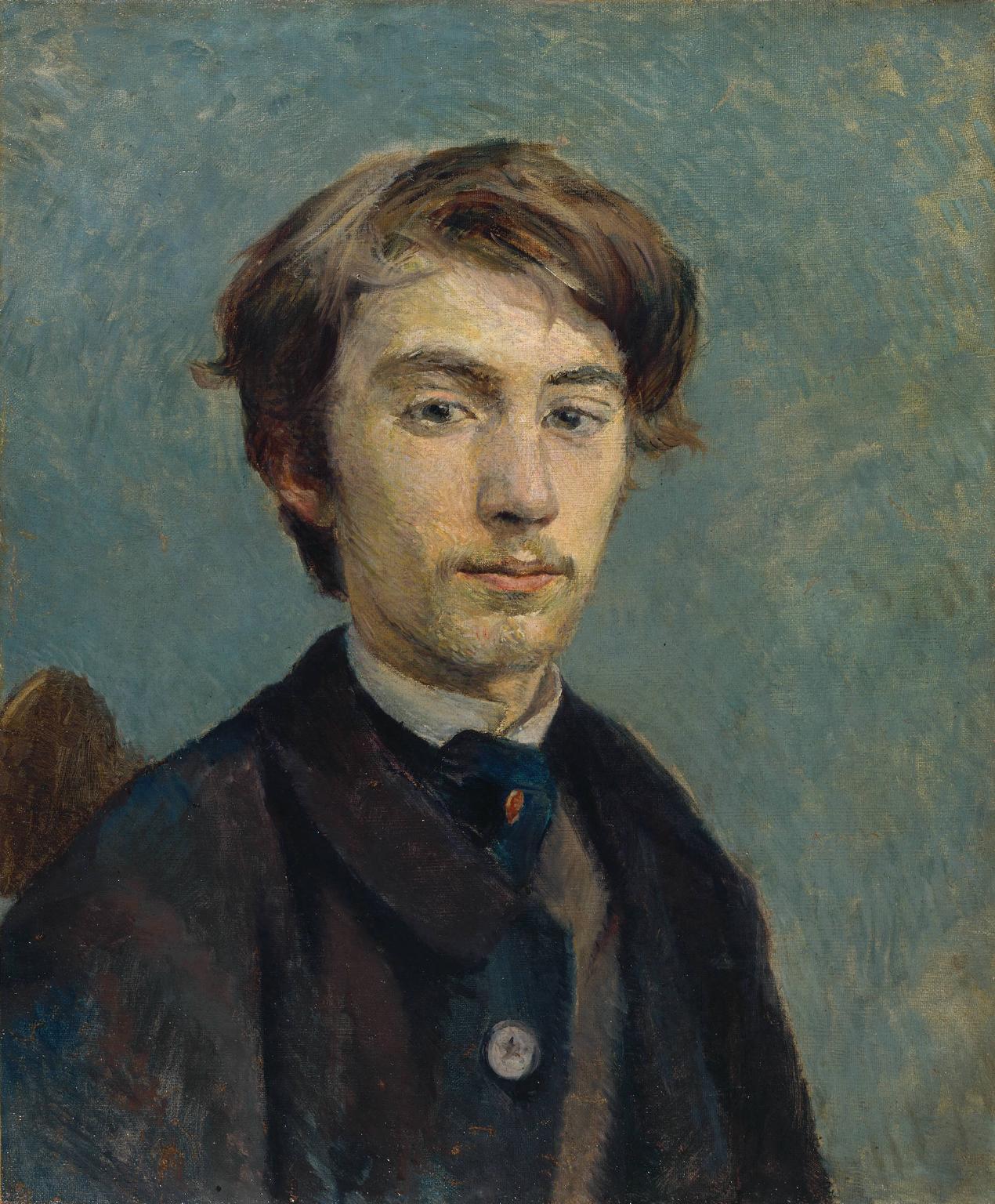
Émile Bernard, a French painter, was a significant figure in the Post-Impressionist movement. He is most famously associated with the development of Cloisonnism, a painting style characterized by bold outlines and flat, vivid color planes, and he played a role in Synthetism, a synthesis of forms and colors in art.
Bernard's artistic journey was influenced by his interactions with notable artists such as Paul Gauguin, Vincent van Gogh, and Louis Anquetin. His works, which often explored themes of symbolism and religious imagery, ranged from traditional paintings to engravings and illustrations. One of his notable works, "Madeleine au Bois d'Amour," is displayed at the Musée d'Orsay in Paris.
Despite his early success and influence, Bernard's artistic trajectory took a turn towards classicism later in life, distancing himself from the avant-garde styles he once embraced. His extensive travel experiences, particularly his time in Egypt, significantly impacted his art, leading to a broader range of stylistic elements in his later works.
To stay updated on the latest events and auctions related to Émile Bernard and his work, sign up for our newsletter. You'll receive timely alerts about new product sales and upcoming auction events related to Émile Bernard's art.






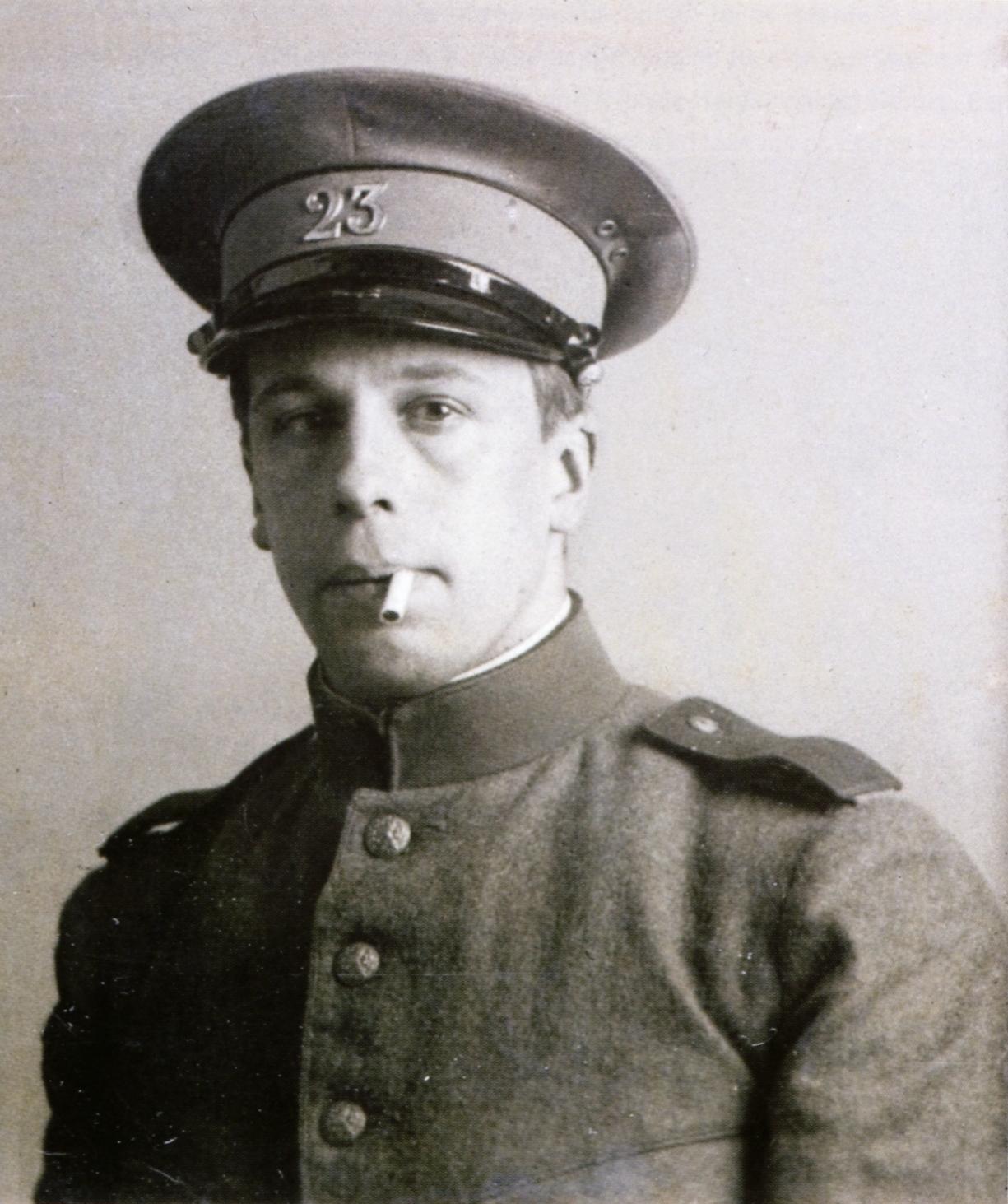
Theo van Doesburg, real name Christian Emil Marie Küpper, is a Dutch painter, architect and sculptor, art theorist, co-founder of the Style Group and of Neoplasticism.
Theo van Doesburg co-founded with Piet Mondrian the De Stijl abstract art movement. The basis of van Doesburg's views was the attempt to reduce all forms of objective harmony in a work of art to certain geometric elements. These new principles soon had a significant influence on the development of architecture, literature, graphics and music.


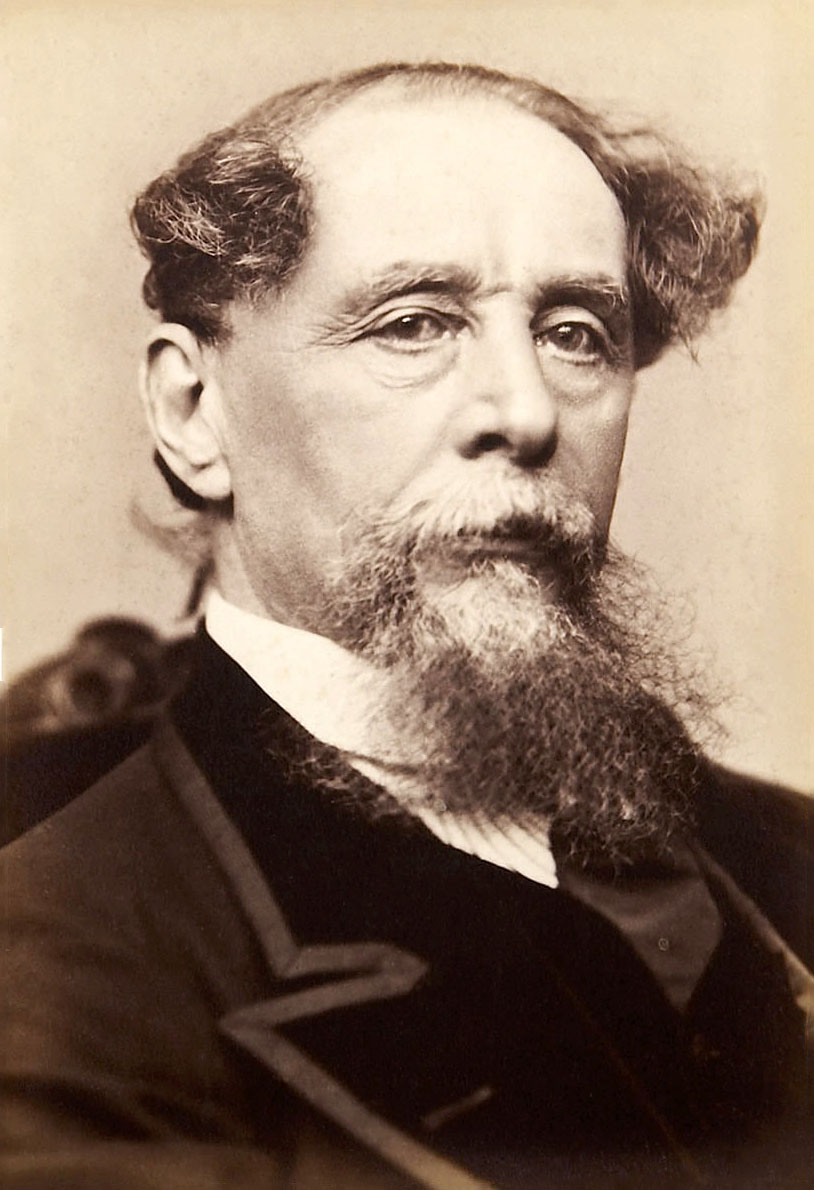
Charles Dickens, full name Charles John Huffam Dickens, is the most famous British writer of the Victorian era, a classic of world literature.
From childhood the future writer learned all the hardships of life in poverty: his father in prison for debts, hard work in a factory. Then service stenographer in court and reporter developed in him a strong attachment to journalism and contempt for both the law and parliament.
Dickens had many talents: in addition to literary work, he was an actor, published periodicals, arranged numerous literary readings, where he reveled in the admiration and love of the public. Fecund and versatile, Charles Dickens wrote many brilliant and often comic works. His novels cover a wide range of social, moral, emotional and other aspects. As a subtle psychologist, he is also very interested in the most ordinary people, but also the eccentric, the flawed, and even the insane.
Dickens was immensely popular around the world during his lifetime. His intellect, worldview, and deep reflections on society and its faults enriched his novels and made him one of the great figures of nineteenth-century literature, an influential spokesman for the conscience of his time.
Dickens' best-known and most popular novels are The Pickwick Club Posthumous Notes, Oliver Twist, Nicholas Nickleby, David Copperfield, Cold House, A Tale of Two Cities, Our Mutual Friend, Great Expectations, and The Mystery of Edwin Drood.
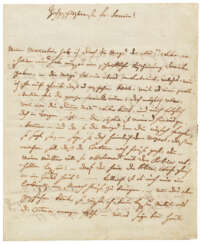

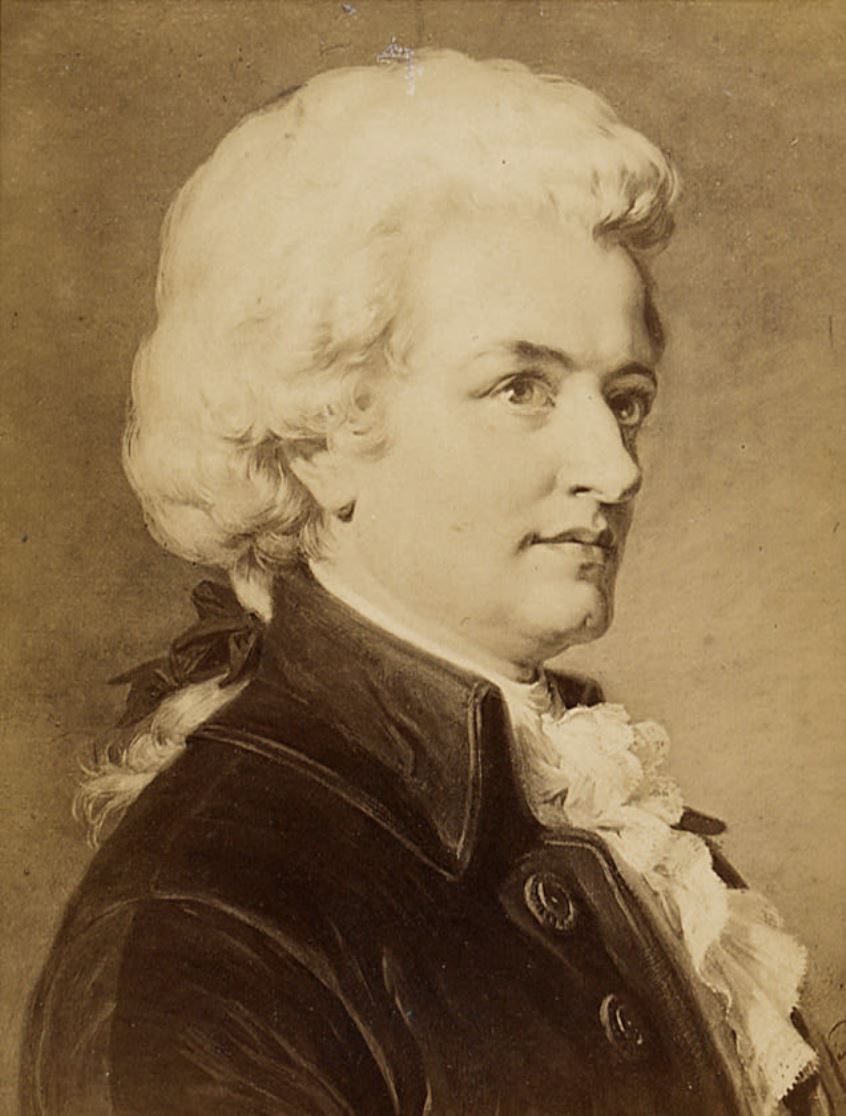
Wolfgang Amadeus Mozart, full name Johann Chrysostomus Wolfgang Amadeus Mozart, was an Austrian composer and virtuoso musician. Mozart is one of the greatest composers in music history on par with Beethoven and Haydn.
Wolfgang was born into the family of violinist and composer Leopold Mozart (1719-1787), at the age of five he had already begun composing and gave his first public performance. His older sister Maria Anna (1751-1829) was also a prodigy, and from 1763 Leopold and his children began traveling around Europe with performances.
Mozart had a phenomenal musical ear, memory and was a superb improviser. Unlike any other composer in music history, he was versatile and wrote in all musical genres of his time. During his short life, Mozart composed more than 800 works, many of which are recognized as the pinnacle of the symphonic, concert, chamber, opera and choral repertoire. The general public is familiar with the composer's three operas: The Marriage of Figaro, Don Giovanni and The Magic Flute.
Society did not immediately appreciate the scale of Mozart's genius. It was only many years later that the vivid image of a prodigy, a refined salon composer who could miraculously think through an entire work in his head, gave way to the image of a serious, meticulous and brilliant creator of music.


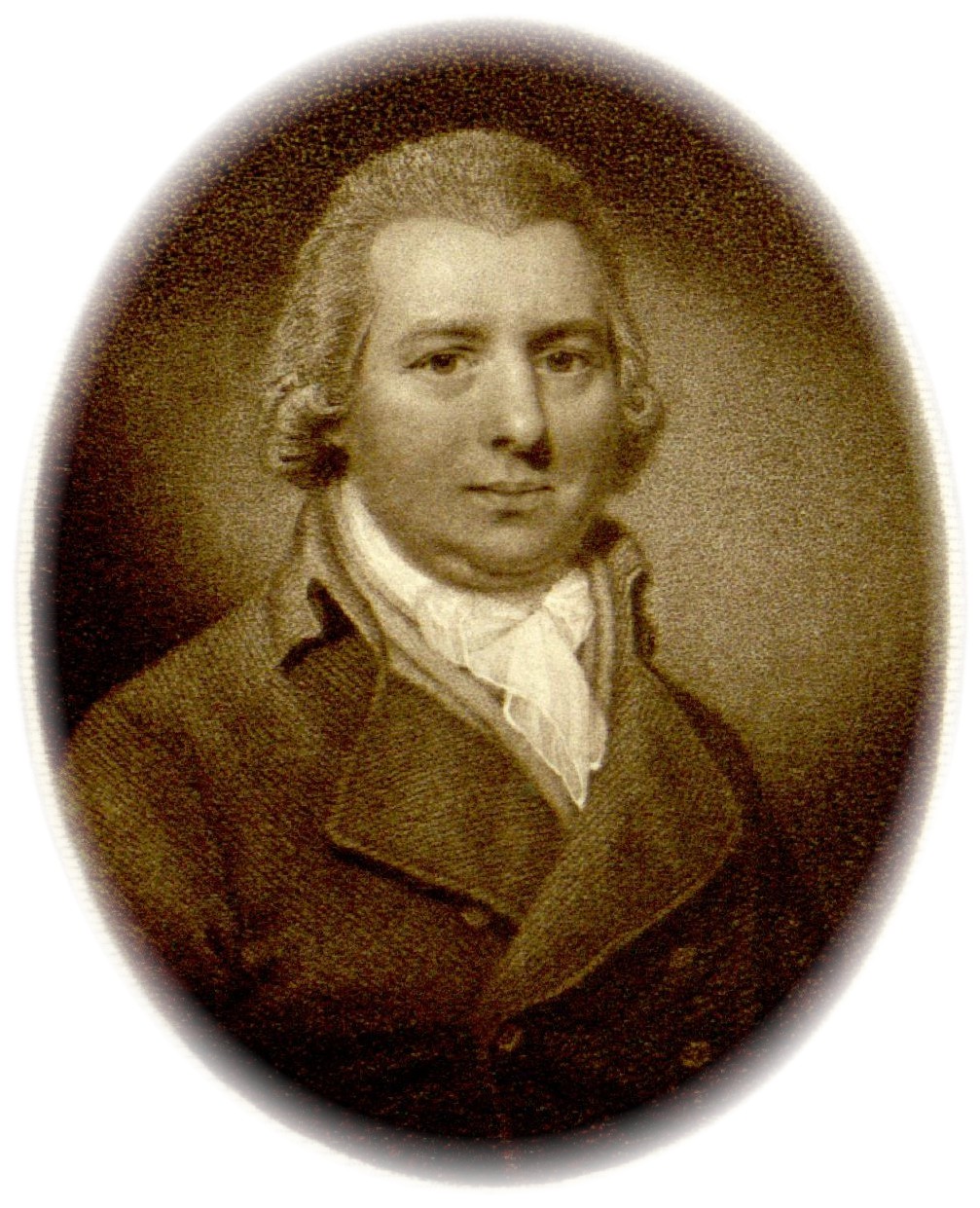
William Curtis was a British botanist and entomologist, editor of the oldest botanical publication in Great Britain.
Curtis became interested in natural history in his youth, and at the age of 25 had already published "Instructions for the Collection and Preservation of Insects", particularly butterflies. In 1779 he founded his own London botanical garden at Lambeth and published Flora Londinensis (1777-1798), a 6-volume work on urban nature.
In 1787 Curtis began publishing the later popular Botanical Magazine, which also featured hand-colored plates by artists. This magazine has changed its name several times over time, but is still continued by the Royal Botanic Gardens, Kew, as a publication for those interested in horticulture, ecology or botanical illustration. Interestingly, the magazine was entirely hand-colored until 1948.
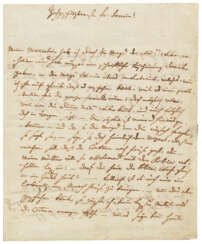

Wolfgang Amadeus Mozart, full name Johann Chrysostomus Wolfgang Amadeus Mozart, was an Austrian composer and virtuoso musician. Mozart is one of the greatest composers in music history on par with Beethoven and Haydn.
Wolfgang was born into the family of violinist and composer Leopold Mozart (1719-1787), at the age of five he had already begun composing and gave his first public performance. His older sister Maria Anna (1751-1829) was also a prodigy, and from 1763 Leopold and his children began traveling around Europe with performances.
Mozart had a phenomenal musical ear, memory and was a superb improviser. Unlike any other composer in music history, he was versatile and wrote in all musical genres of his time. During his short life, Mozart composed more than 800 works, many of which are recognized as the pinnacle of the symphonic, concert, chamber, opera and choral repertoire. The general public is familiar with the composer's three operas: The Marriage of Figaro, Don Giovanni and The Magic Flute.
Society did not immediately appreciate the scale of Mozart's genius. It was only many years later that the vivid image of a prodigy, a refined salon composer who could miraculously think through an entire work in his head, gave way to the image of a serious, meticulous and brilliant creator of music.


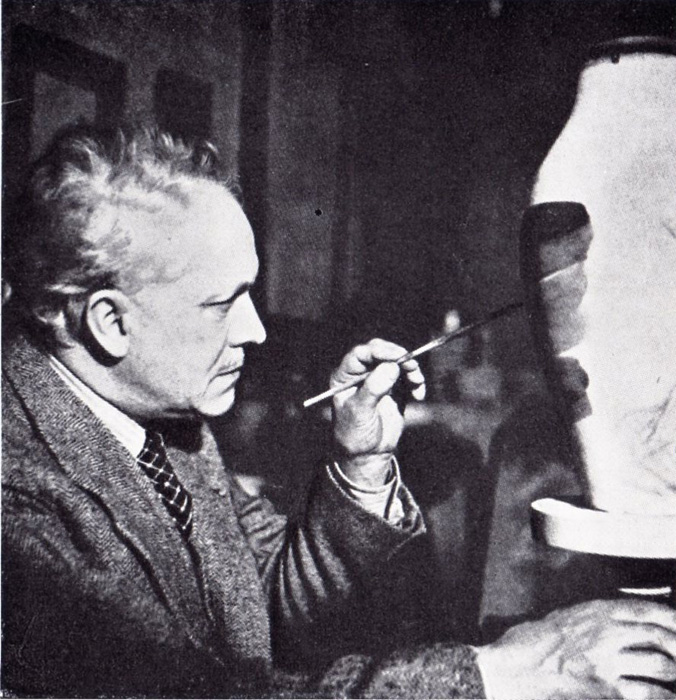
Raoul Dufy, a renowned French artist, is celebrated for his vibrant and decorative style, which left a significant mark in the realms of Fauvism and Post-Impressionism. Born in 1877 in Le Havre, France, Dufy's artistic journey was profoundly influenced by Henri Matisse's Fauvist work "Luxe, Calme et Volupté," which he encountered at the Salon des Indépendants in 1905. This experience steered him towards Fauvism, a style that emphasized bold contours and bright colors.
Dufy's artistic evolution saw him briefly embrace Cubism around 1920, after which he developed a unique approach. This approach, often referred to as stenographic, was characterized by skeletal structures, foreshortened perspectives, and the use of thin, quickly applied washes of color. His works, known for their cheerful and fashionably decorative nature, often depicted scenes of leisure like yachting, the French Riviera, and chic parties, capturing the essence of the period's optimism.
In addition to his painting, Dufy was also a commercial artist, illustrator, and designer, contributing significantly to textile design and public murals. His large-scale public art commissions combined modern and allegorical subjects with exuberant outlines and intense colors, showcasing a modernist take on traditional mural work. Notable works by Dufy include "The Regatta," "The Harvester," and the monumental "The Electricity Fairy," a large mural commissioned for the 1937 World's Fair in Paris.
His works are housed in prestigious public collections worldwide, including the Art Institute of Chicago, the Musée d'Art Moderne de Paris, and the National Gallery of Art in Washington, D.C. Despite his artistic achievements, Dufy's focus on decorative art and the lack of engagement with wider social concerns has led to a varied critical reception of his work. Nonetheless, his contribution to 20th-century art, particularly in popularizing a vibrant and illustrative style, remains undisputed.
If Raoul Dufy's artistry captivates you and you wish to stay informed about the latest artworks, exhibitions, and auction events related to this remarkable artist, we invite you to sign up for our updates. By subscribing, you'll receive timely notifications about new pieces for sale and upcoming auctions. This is a wonderful opportunity for collectors and art enthusiasts to enhance their appreciation and possibly their collections of Dufy's work. Stay connected with the world of art and don't miss any chance to acquire unique pieces by this celebrated artist.

.jpg)
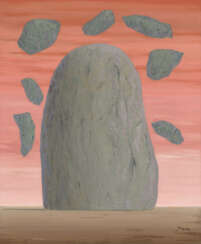
René Magritte, a Belgian artist, was renowned for his significant contributions to the Surrealist movement. His art, known for merging ordinary objects with bizarre, dream-like contexts, captivated the art world. Born on November 21, 1898, in Lessines, Belgium, Magritte's early artistic pursuits were impressionistic, transitioning through Cubism and Futurism influenced by artists like Jean Metzinger. However, his encounter with Giorgio de Chirico's work in 1922 steered him towards Surrealism.
Magritte's career was marked by various phases, each showcasing his evolving style and thematic focus. His initial foray into Surrealism began in 1926 with "The Lost Jockey" and was further solidified during his time in Paris, where he mingled with other prominent Surrealists like André Breton. Despite facing initial criticism and financial challenges, Magritte's unique blend of familiar imagery in unfamiliar contexts, like in "The Empire of Light" and "Time Transfixed," earned him acclaim.
Magritte's distinct visual language, characterized by recurring motifs like bowler hats and apples, and his exploration of reality and illusion, remain influential. His works are displayed in major galleries worldwide, continuing to inspire and intrigue art collectors and enthusiasts.
For collectors and experts in art and antiques, staying informed about Magritte's works and related auction events is crucial. Signing up for updates ensures you're alerted to new sales and events focusing on René Magritte's art, offering unique opportunities to acquire or learn more about his remarkable creations. This subscription will exclusively cover new product sales and auction events related to Magritte, keeping you updated on the most relevant information in the art world.

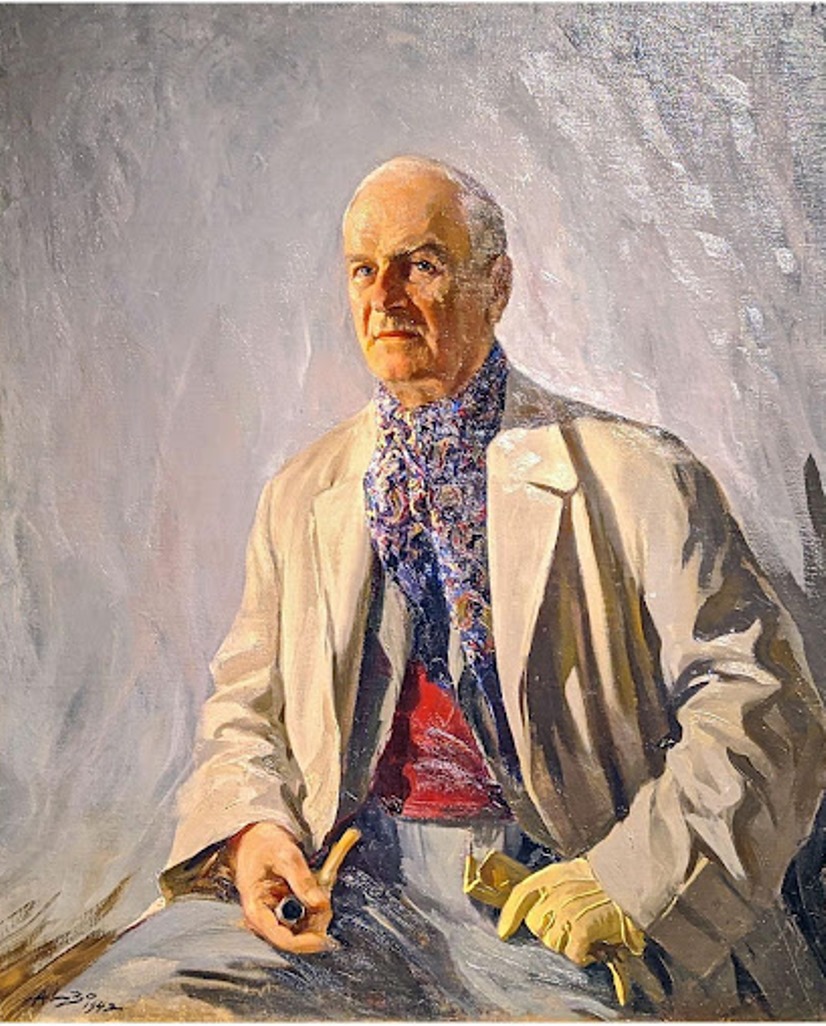


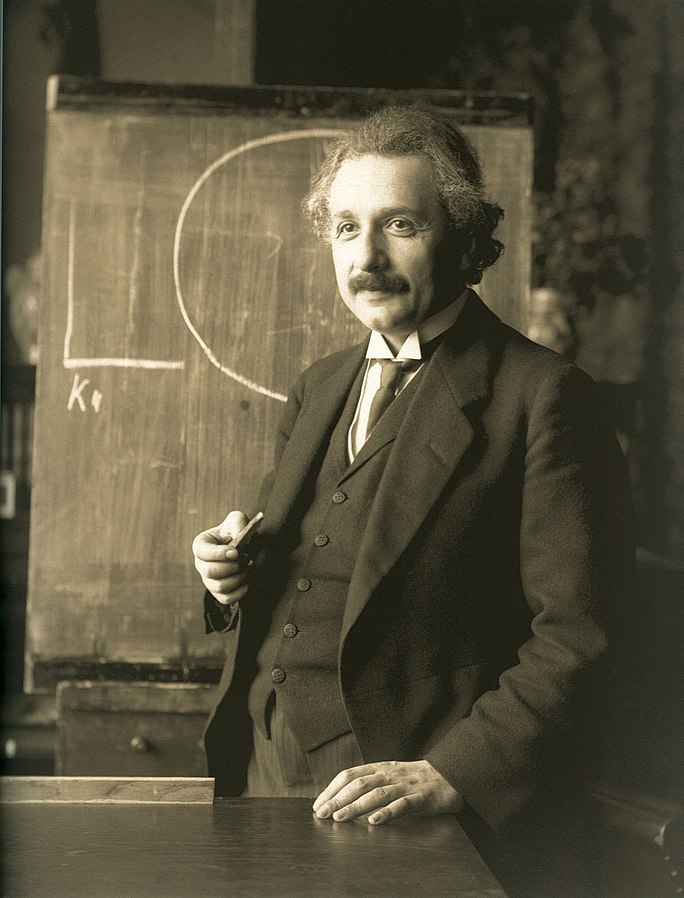
Albert Einstein was a German-born theoretical physicist, widely acknowledged to be one of the greatest and most influential physicists of all time. Einstein is best known for developing the theory of relativity, but he also made important contributions to the development of the theory of quantum mechanics. Relativity and quantum mechanics are together the two pillars of modern physics. His mass–energy equivalence formula E = mc2, which arises from relativity theory, has been dubbed "the world's most famous equation". His work is also known for its influence on the philosophy of science. He received the 1921 Nobel Prize in Physics "for his services to theoretical physics, and especially for his discovery of the law of the photoelectric effect", a pivotal step in the development of quantum theory. His intellectual achievements and originality resulted in "Einstein" becoming synonymous with "genius".

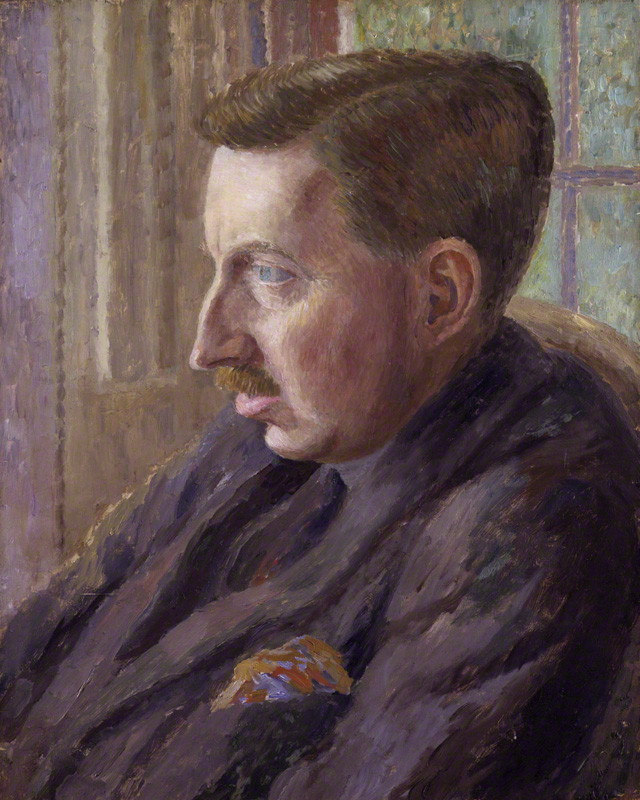
Edward Morgan Forster, English novelist, essayist, and critic, was a prominent literary figure of the early twentieth century. Born on 1 January 1879 in London and died on 7 June 1970 in Coventry, Forster's work was celebrated for its profound critique of social conventions, class distinctions and hypocrisy in British society. A member of the influential Bloomsbury group, Forster did not confine himself to novels, but also wrote essays, gave speeches and hosted programmes.
E. M. Forster was characterised by wit and a fine sense of irony. His novels, particularly A Room with a View, Howards End and A Passage to India, were recognised for their well-crafted plots and insightful social commentary. Not only have these works earned them a place in literature, but they have also been nominated for the Nobel Prize for Literature. The films A Room with a View and Howards End won Academy Awards and have been recognised and celebrated in film archives and retrospectives by film institutions.
Edward Morgan Forster's novels serve as critical social commentary of their time and remain relevant to this day. Those interested in the intersection of literary art and its influence on film can look to first editions of his works or objects associated with acclaimed film adaptations to add to their collections.


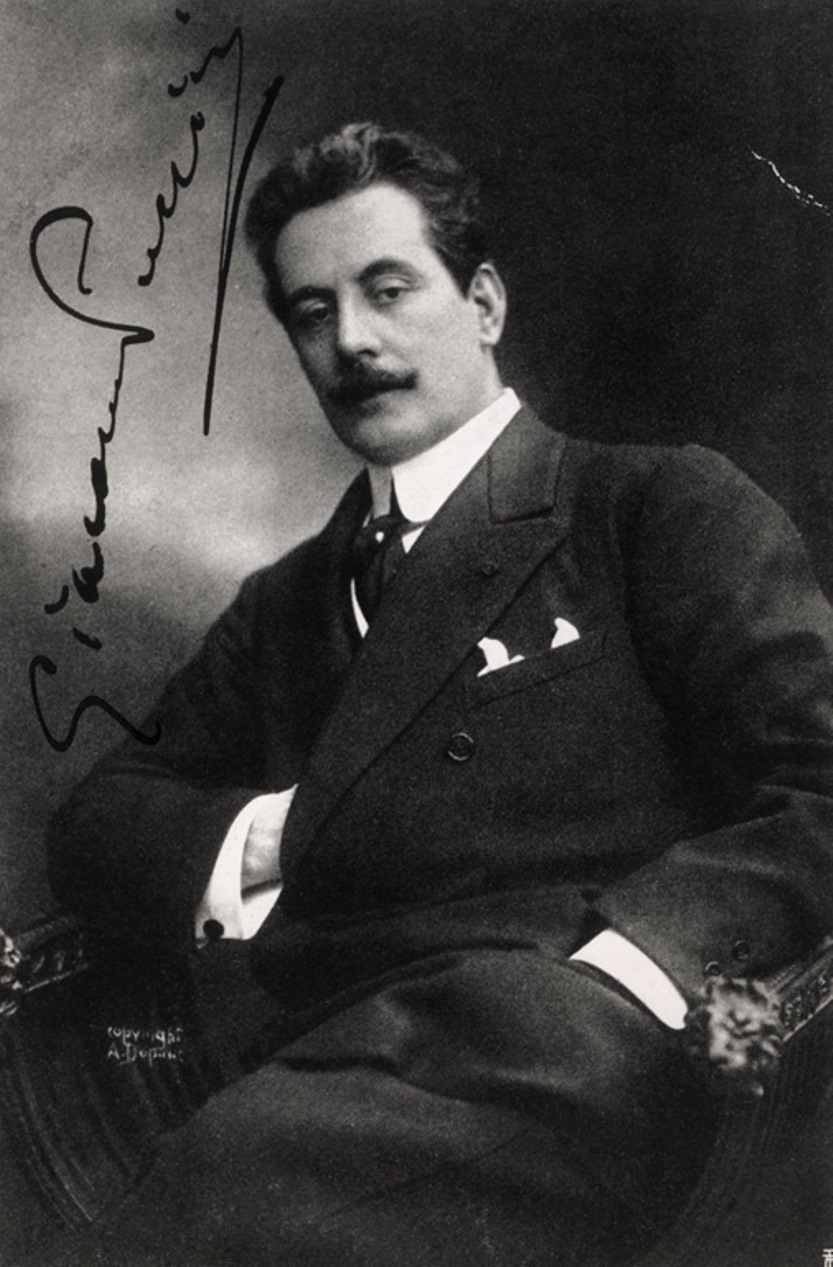
Giacomo Puccini, full name Giacomo Antonio Domenico Michele Secondo Maria Puccini, was an Italian opera composer, organist and choirmaster.
Puccini was born into the family that for two centuries directed the musical organization of the Cathedral of San Martino in Lucca, and the young musician inherited the position of cathedral organist until his adulthood. He also played organ in small local churches. Giuseppe Verdi's opera Aida, which he saw in Pisa in 1876, was a boost for him and he entered the Milan Conservatory in 1880.
Puccini carefully studied contemporary operatic compositions, particularly the work of Claude Debussy, Richard Strauss, Arnold Schoenberg, and Igor Stravinsky. Soon he wrote Triptych (1918), three one-act operas - the melodramatic The Cape, the sentimental Suor Angelica and the comic Gianni Schicchi. Puccini's other mature operas are La bohème (1896), Tosca (1900), and Madama Butterfly (1904).
The composer did not manage to finish his last opera, Turandot - he died of cancer with its score in his hands. This work is the only Italian opera in the Impressionist style. Puccini is also considered the greatest representative of opera realism, as well as the Verismo movement in music, attempting to faithfully portray the social and psychological conflicts of the new national-historical reality after the unification of Italy.
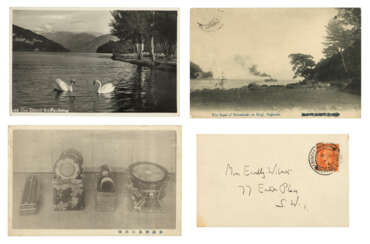

Edward Morgan Forster, English novelist, essayist, and critic, was a prominent literary figure of the early twentieth century. Born on 1 January 1879 in London and died on 7 June 1970 in Coventry, Forster's work was celebrated for its profound critique of social conventions, class distinctions and hypocrisy in British society. A member of the influential Bloomsbury group, Forster did not confine himself to novels, but also wrote essays, gave speeches and hosted programmes.
E. M. Forster was characterised by wit and a fine sense of irony. His novels, particularly A Room with a View, Howards End and A Passage to India, were recognised for their well-crafted plots and insightful social commentary. Not only have these works earned them a place in literature, but they have also been nominated for the Nobel Prize for Literature. The films A Room with a View and Howards End won Academy Awards and have been recognised and celebrated in film archives and retrospectives by film institutions.
Edward Morgan Forster's novels serve as critical social commentary of their time and remain relevant to this day. Those interested in the intersection of literary art and its influence on film can look to first editions of his works or objects associated with acclaimed film adaptations to add to their collections.
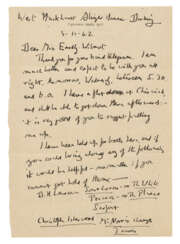

Edward Morgan Forster, English novelist, essayist, and critic, was a prominent literary figure of the early twentieth century. Born on 1 January 1879 in London and died on 7 June 1970 in Coventry, Forster's work was celebrated for its profound critique of social conventions, class distinctions and hypocrisy in British society. A member of the influential Bloomsbury group, Forster did not confine himself to novels, but also wrote essays, gave speeches and hosted programmes.
E. M. Forster was characterised by wit and a fine sense of irony. His novels, particularly A Room with a View, Howards End and A Passage to India, were recognised for their well-crafted plots and insightful social commentary. Not only have these works earned them a place in literature, but they have also been nominated for the Nobel Prize for Literature. The films A Room with a View and Howards End won Academy Awards and have been recognised and celebrated in film archives and retrospectives by film institutions.
Edward Morgan Forster's novels serve as critical social commentary of their time and remain relevant to this day. Those interested in the intersection of literary art and its influence on film can look to first editions of his works or objects associated with acclaimed film adaptations to add to their collections.

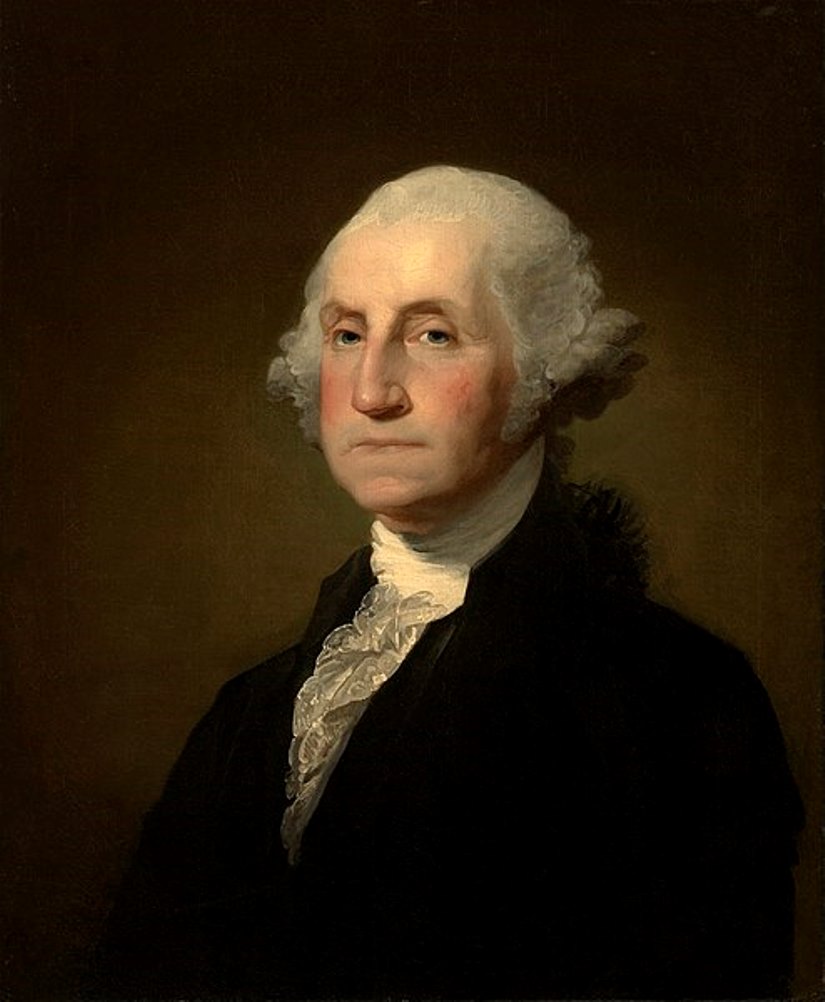
George Washington is the first popularly elected president of the United States of America and one of the founding fathers of the United States.
Born into a noble family in colonial Virginia in February 1732, George Washington served as a Virginian officer with British troops during the French-Indian War (1754-1763) from 1754-1758. This was a territorial war fought largely between the colonies of Britain and France that escalated into a worldwide conflict between the two countries. J. Washington was at the center of the conflicts in the disputed Ohio River Valley area.
In June 1775, he was elected commander-in-chief of the Continental forces in the war already for independence from Great Britain. He commanded American troops throughout the war, becoming famous for his perseverance and bravery.
In 1787, J. Washington represented the state of Virginia as a delegate to the Constitutional Convention. This convention created the Constitution of the United States. In 1789, the Electoral College unanimously elected George Washington president, and in 1792 he was re-elected for a second term. Thus George Washington was in office as President of the United States from April 30, 1789 to March 4, 1797.
As head of state, he helped to strengthen the Union, implement the principles of the Constitution and build the capital of the United States. He was engaged in the formation of the central authorities and system of government, created precedents for the institution of presidents, encouraged the development of the economy, maintained friendly relations with Congress. In foreign policy Washington avoided interference in the affairs of European states.
After leaving the post of president, George Washington lived in Mount Vernon Manor.
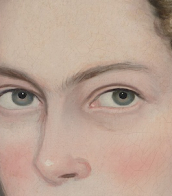
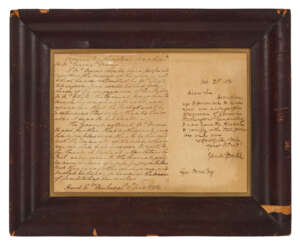

George Washington is the first popularly elected president of the United States of America and one of the founding fathers of the United States.
Born into a noble family in colonial Virginia in February 1732, George Washington served as a Virginian officer with British troops during the French-Indian War (1754-1763) from 1754-1758. This was a territorial war fought largely between the colonies of Britain and France that escalated into a worldwide conflict between the two countries. J. Washington was at the center of the conflicts in the disputed Ohio River Valley area.
In June 1775, he was elected commander-in-chief of the Continental forces in the war already for independence from Great Britain. He commanded American troops throughout the war, becoming famous for his perseverance and bravery.
In 1787, J. Washington represented the state of Virginia as a delegate to the Constitutional Convention. This convention created the Constitution of the United States. In 1789, the Electoral College unanimously elected George Washington president, and in 1792 he was re-elected for a second term. Thus George Washington was in office as President of the United States from April 30, 1789 to March 4, 1797.
As head of state, he helped to strengthen the Union, implement the principles of the Constitution and build the capital of the United States. He was engaged in the formation of the central authorities and system of government, created precedents for the institution of presidents, encouraged the development of the economy, maintained friendly relations with Congress. In foreign policy Washington avoided interference in the affairs of European states.
After leaving the post of president, George Washington lived in Mount Vernon Manor.