cultural history












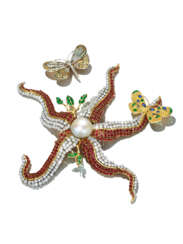

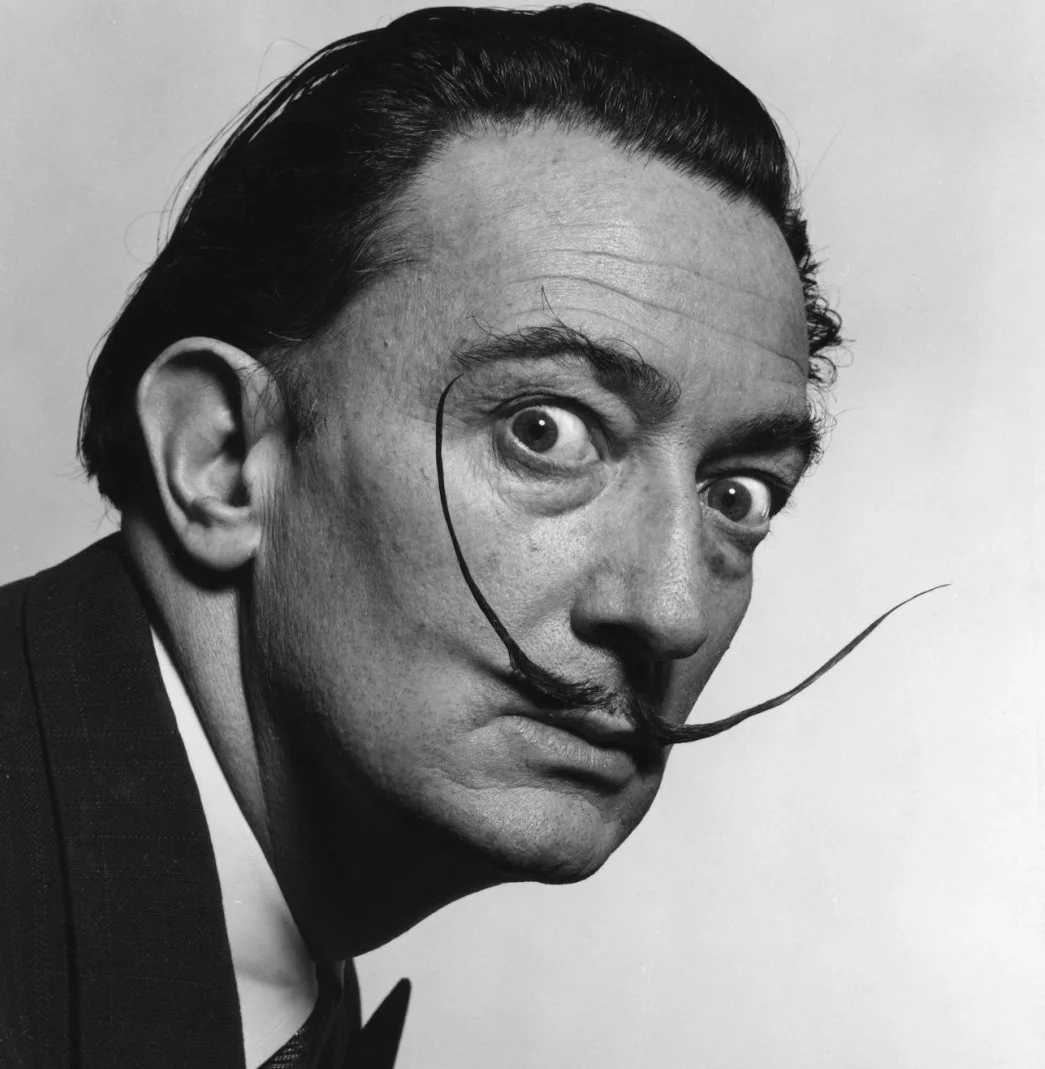
Salvador Dalí, a Spanish Surrealist painter and printmaker, is celebrated for his vivid and imaginative works that delve into subconscious imagery. Born on May 11, 1904, in Figueres, Catalonia, Spain, Dalí's early exposure to Impressionism and Renaissance masters significantly influenced his artistic development. His education in fine arts in Madrid further shaped his style, leading him to experiment with Cubism and avant-garde movements. In the late 1920s, Dalí embraced Surrealism, joining the Surrealist group in 1929 and rapidly becoming one of its most prominent figures.
Dalí's most famous work, "The Persistence of Memory," completed in 1931, epitomizes the Surrealist movement with its iconic melting clocks symbolizing the fluidity of time. His artistic repertoire was diverse, including painting, graphic arts, film, sculpture, design, and photography, often incorporating themes of dreams, the subconscious, sexuality, religion, and science. Despite his remarkable artistic contributions, Dalí's eccentric and flamboyant public persona often overshadowed his work. He faced criticism for his public support of the Francoist regime and the authenticity of some of his late works.
Dalí's legacy is preserved in major museums, notably the Dalí Theatre-Museum in Figueres and the Salvador Dalí Museum in St. Petersburg, Florida. These institutions showcase his extensive and varied body of work, illustrating his profound impact on Surrealism, pop art, and contemporary artists.
If you're captivated by the surreal world of Salvador Dalí and want to stay informed about new sales and auction events featuring his works, sign up for our updates. Our service is tailored specifically for art collectors and experts, providing timely information and insights into the vibrant market of Dalí's art. Remember, this subscription is focused solely on bringing you the latest in product sales and auction events related to Salvador Dalí. Don't miss out on the opportunity to enrich your collection with pieces from one of the most influential surrealists of all time. Sign up now and be the first to know about these exclusive events.

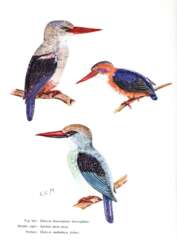

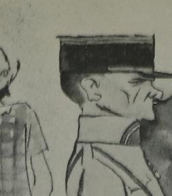





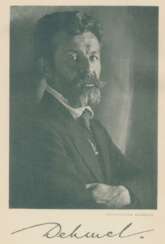

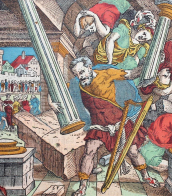










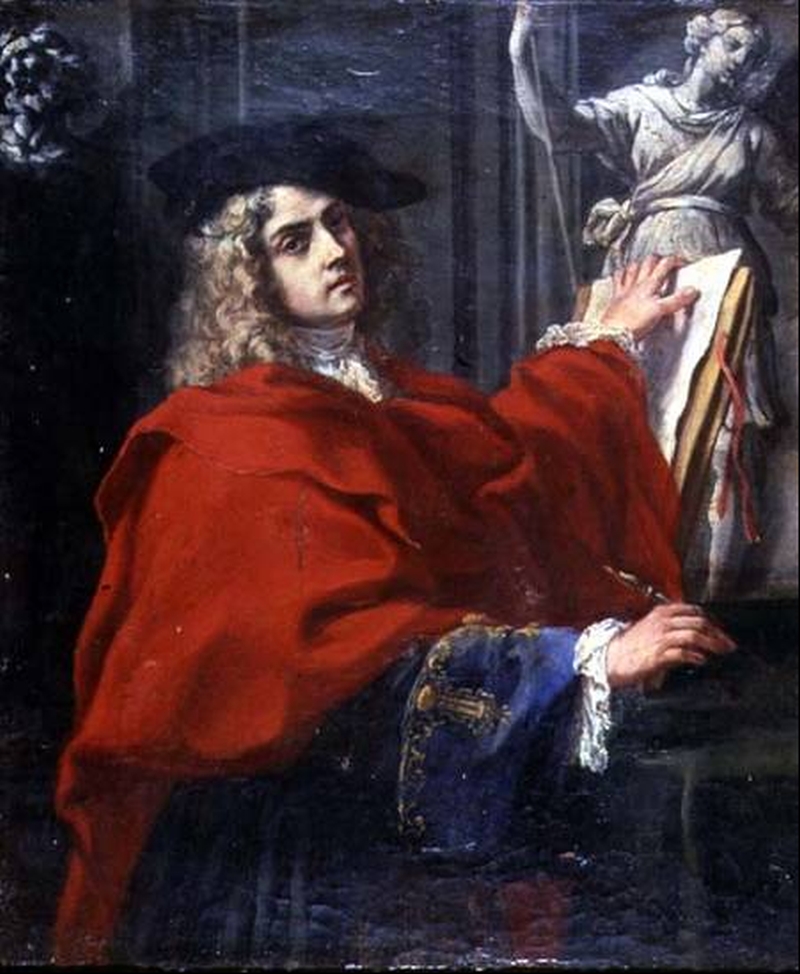
Pier Leone Ghezzi was an Italian Rococo painter and caricaturist active in Rome.
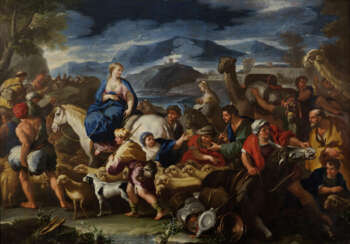

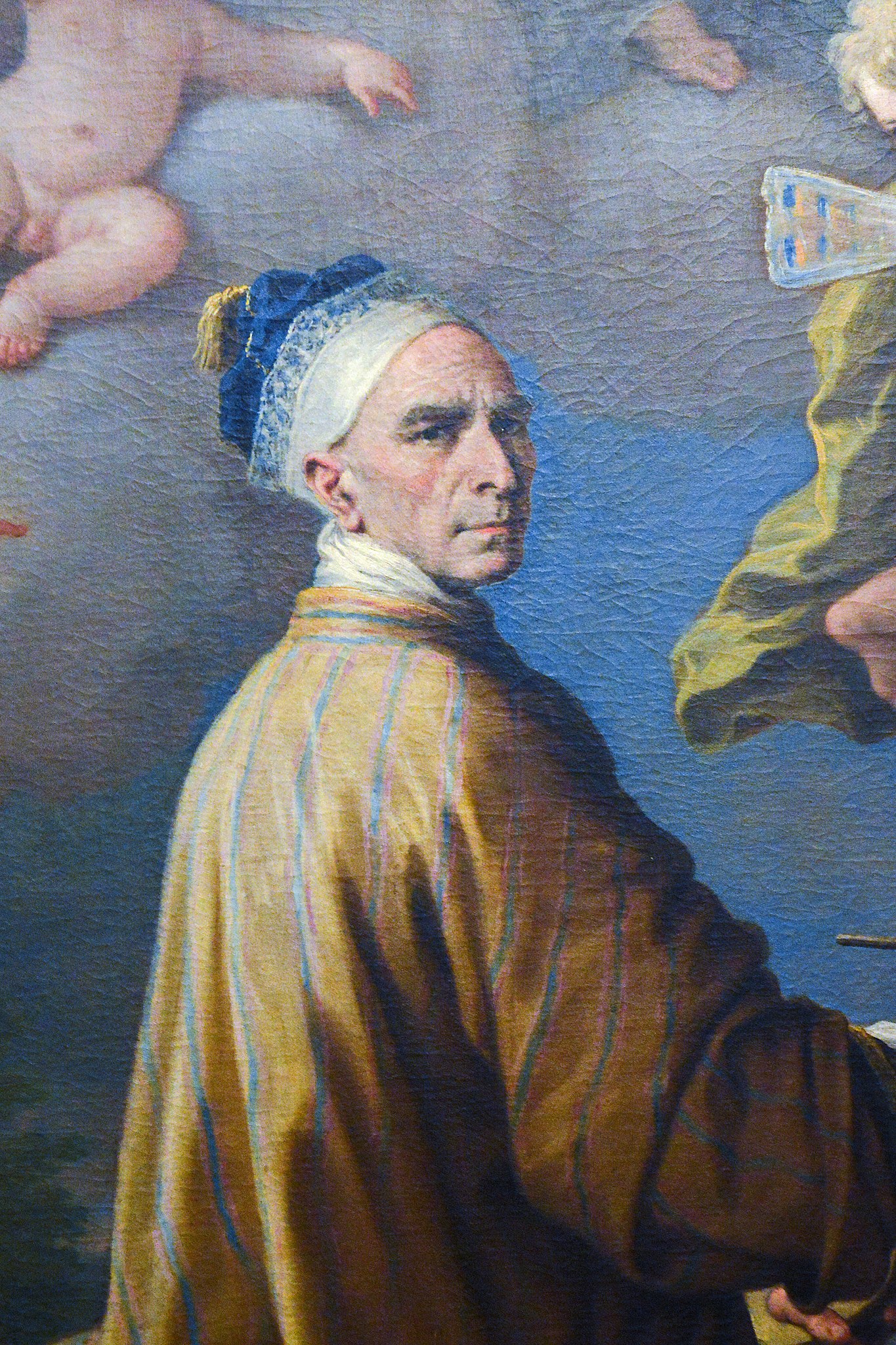
Paolo de Matteis was a distinguished Baroque painter known for his dynamic and expressive artworks. Matteis' training began with Francesco di Maria in Naples, followed by further guidance under the prominent painter Luca Giordano. His works are known for their vibrant compositions and dramatic flair, typical of the Baroque style prevalent during his time.
Paolo de Matteis' career was marked by significant contributions to the art world, including decorative schemes for Neapolitan churches like the vault of the chapel of San Ignatius in the church of Gesù Nuovo in Naples. His Assumption of the Virgin for the Abbey at Monte Cassino is another testament to his skill. Between 1723 and 1725, he spent time in Rome, receiving commissions from Pope Innocent XIII, further solidifying his reputation as a master painter.
Paolo de Matteis' influence extended beyond Italy. From 1702 to 1705, he worked in Paris, Calabria, and Genoa, showcasing his artistry to a broader European audience. In Genoa, one of his notable works was an Immaculate Conception with St. Jerome Appearing to St. Sevrio. His time in Paris was particularly significant, as it allowed him to infuse his Italian Baroque style with broader European influences.
Paolo de Matteis was not only a masterful painter but also a teacher. He nurtured the talents of several pupils, including Filippo Falciatore, Francesco Peresi, and members of the Sarnelli family. His legacy is carried forward through these artists, who were deeply influenced by his style and techniques.
For collectors and experts in art and antiques, Paolo de Matteis' works offer a captivating glimpse into the Baroque era, characterized by expressive brushwork, vivid color palettes, and dynamic compositions. His paintings remain a valuable part of the rich tapestry of Italian Baroque art.
To stay informed about Paolo de Matteis' masterpieces and their presence in the world of art sales and auctions, consider subscribing to our updates. This service will ensure you are always in the know about opportunities to explore and possibly acquire works by this celebrated Baroque artist.


.jpg)
Fathwinter, birth name Fred Alfred Theofil Winter, was a German graphic artist and abstractionist.

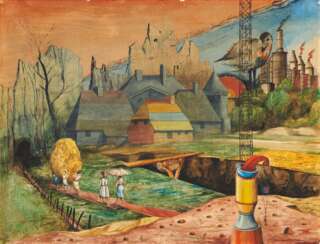

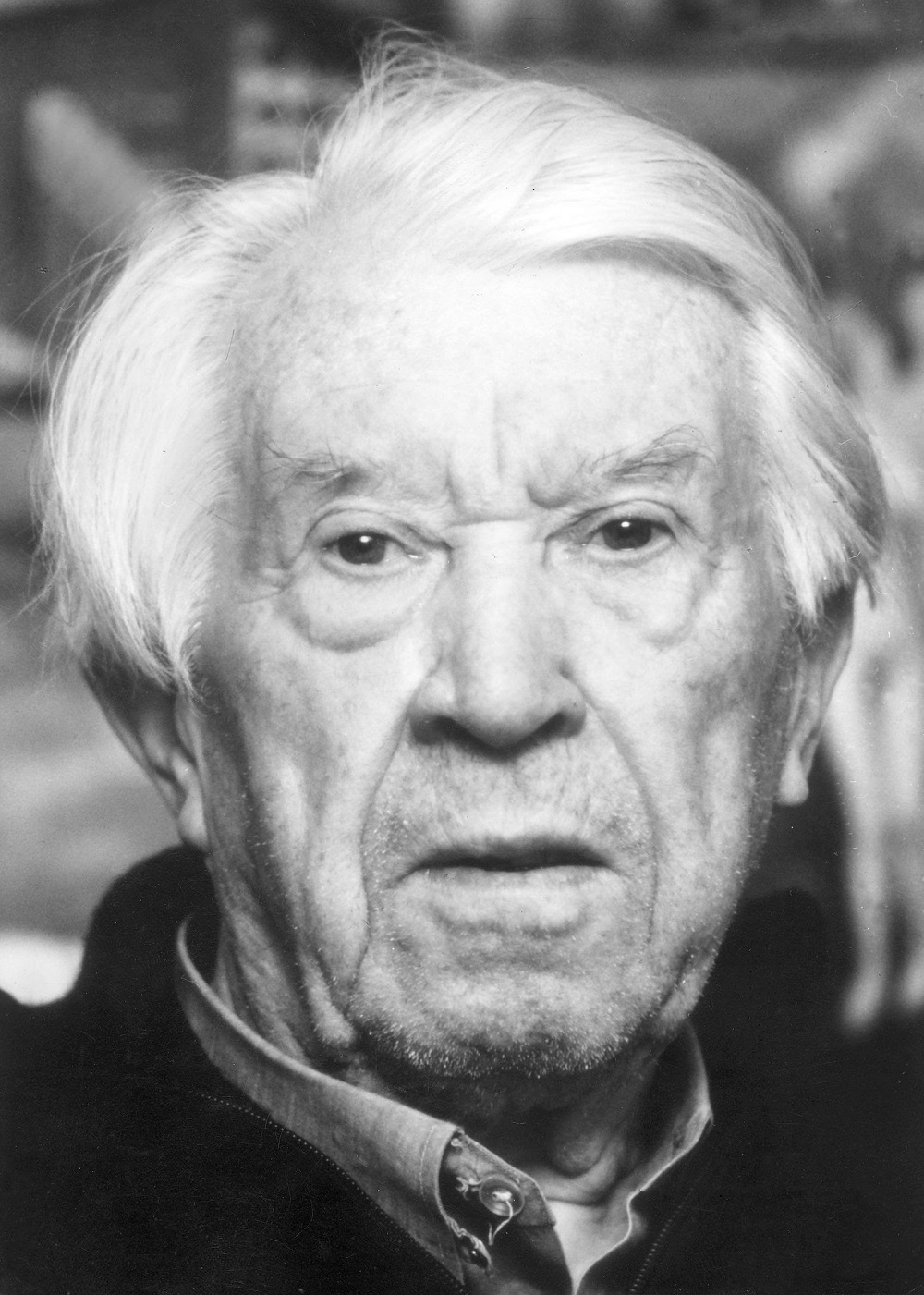
Franz Radziwill was a German artist of the twentieth century. He is known as a landscape painter, graphic artist and printmaker associated with the artistic movement of "new materiality".
Franz Radziwill created paintings that are characterized by careful elaboration and the use of glaze techniques borrowed from the Old Masters. He used elements of industrial buildings and modern technology, including ships and airplanes, in his landscapes. The results of his work can be categorized as magical realism.
In 1933 Radziwill became professor of painting at the Düsseldorf Academy of Art, but in 1935 the Nazis stripped him of this position, declaring his work degenerate art.
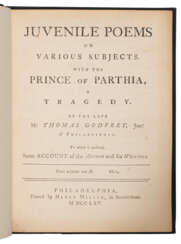

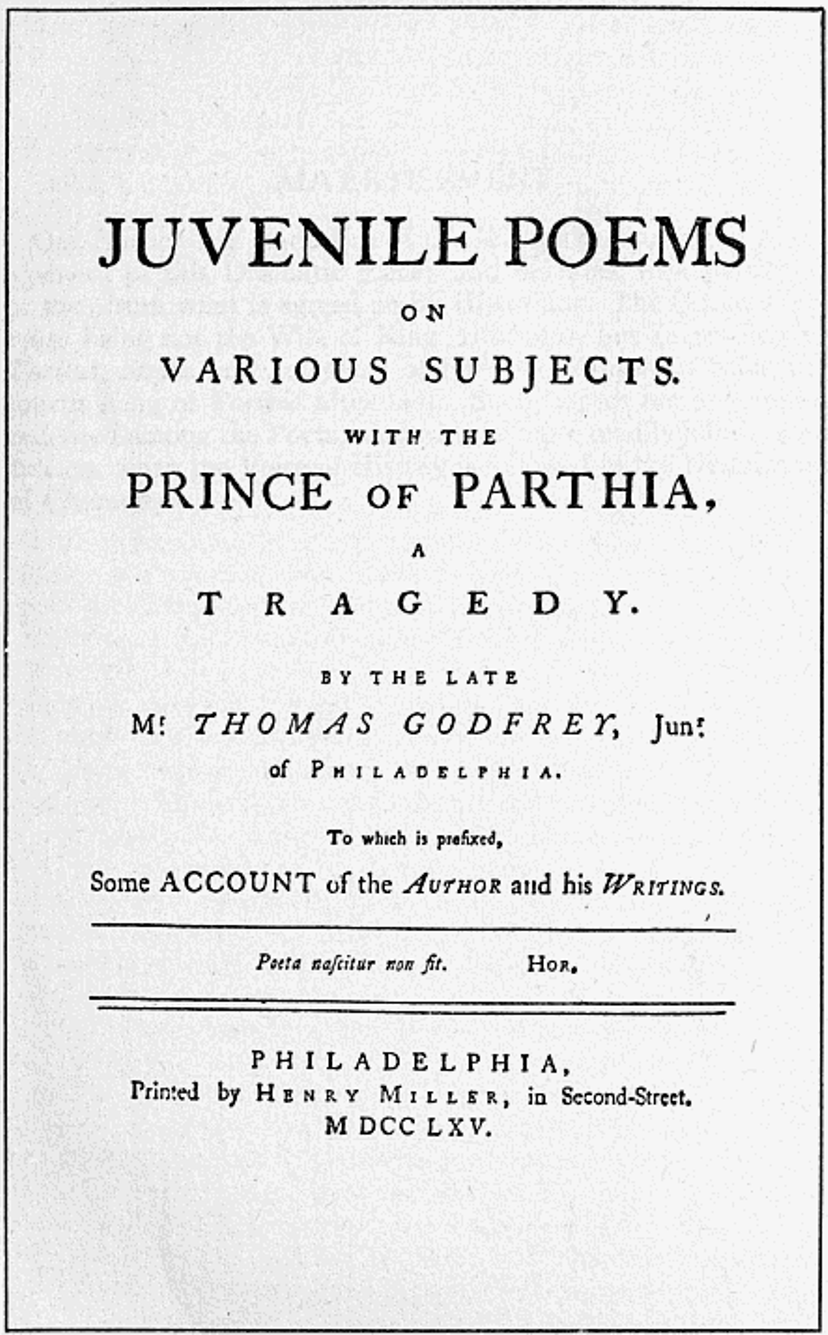
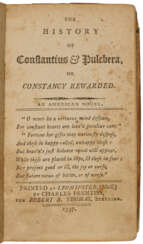
Thomas Godfrey, Jr. was an American poet and playwright.
Thomas Godfrey's father was the inventor of the quadrant and one of the first members of the American Philosophical Society, organized by Benjamin Franklin. Having been home educated and graduated from the Philadelphia Academy, the young Godfrey was first interested in painting, but soon switched to poetry.
Thomas Godfrey lived only 26 years, but left a bright mark in the history of the young country. He managed to write a play-tragedy about ancient times, "The Parthian Prince", which was published in the United States after his death, in 1765. It was staged by an American troupe in Philadelphia on April 24, 1767. This play was significant in that it was the first play written by a native-born American and staged by professionals.



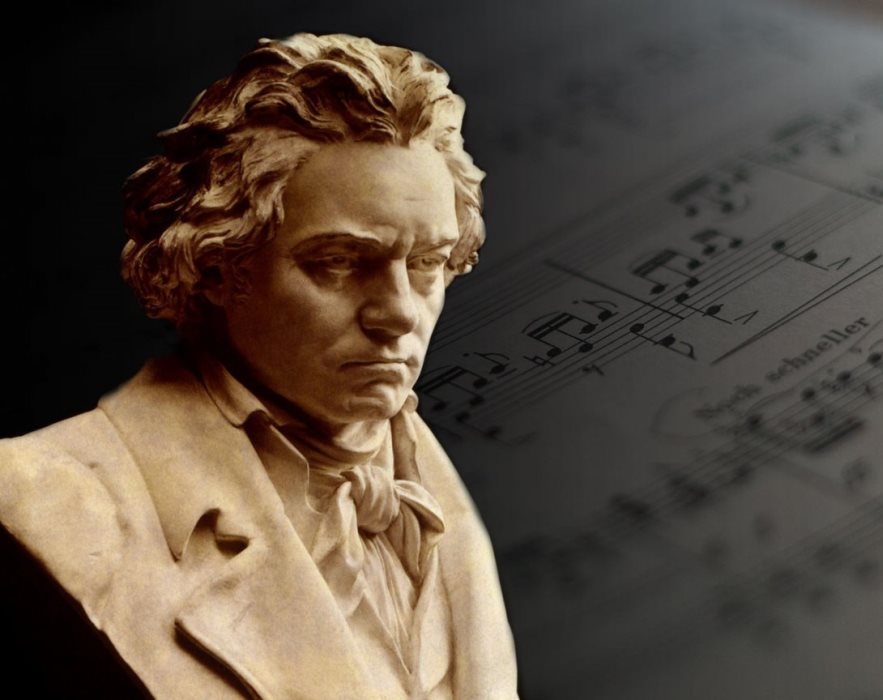
Ludwig van Beethoven was a German composer, pianist, and conductor, one of the most famous and celebrated composers in world history.
Beethoven showed an aptitude for music at a very early age; from the age of four his father began to teach him. Beethoven's early works - piano sonatas and symphonies - were composed under the strong influence of the music of the great classical composers Joseph Haydn and Wolfgang Amadeus Mozart. As Beethoven matured, however, he began to experiment with new forms and harmonic sequences, and his music became more complex and emotionally charged.
Unfortunately, at the height of his talent, Beethoven began to gradually lose his hearing, to the point of complete deafness by the end of his life. Despite this, he continued to compose and conduct, using special devices to feel the vibrations of the music.
Beethoven's work is considered pivotal in classical music and is a bridge between the classical and Romantic eras. His works vividly express a wide range of emotions, from triumph and joy to sadness and despair. Beethoven was also one of the first composers to include soloists and chorus in his symphonies. Beethoven's best-known works include nine symphonies, 32 piano sonatas, 16 string quartets and the heroic opera Fidelio. These and many other works have cemented Beethoven's place in music history as one of the greatest composers of all time. His music continues to be played and studied by musicians and music lovers around the world.





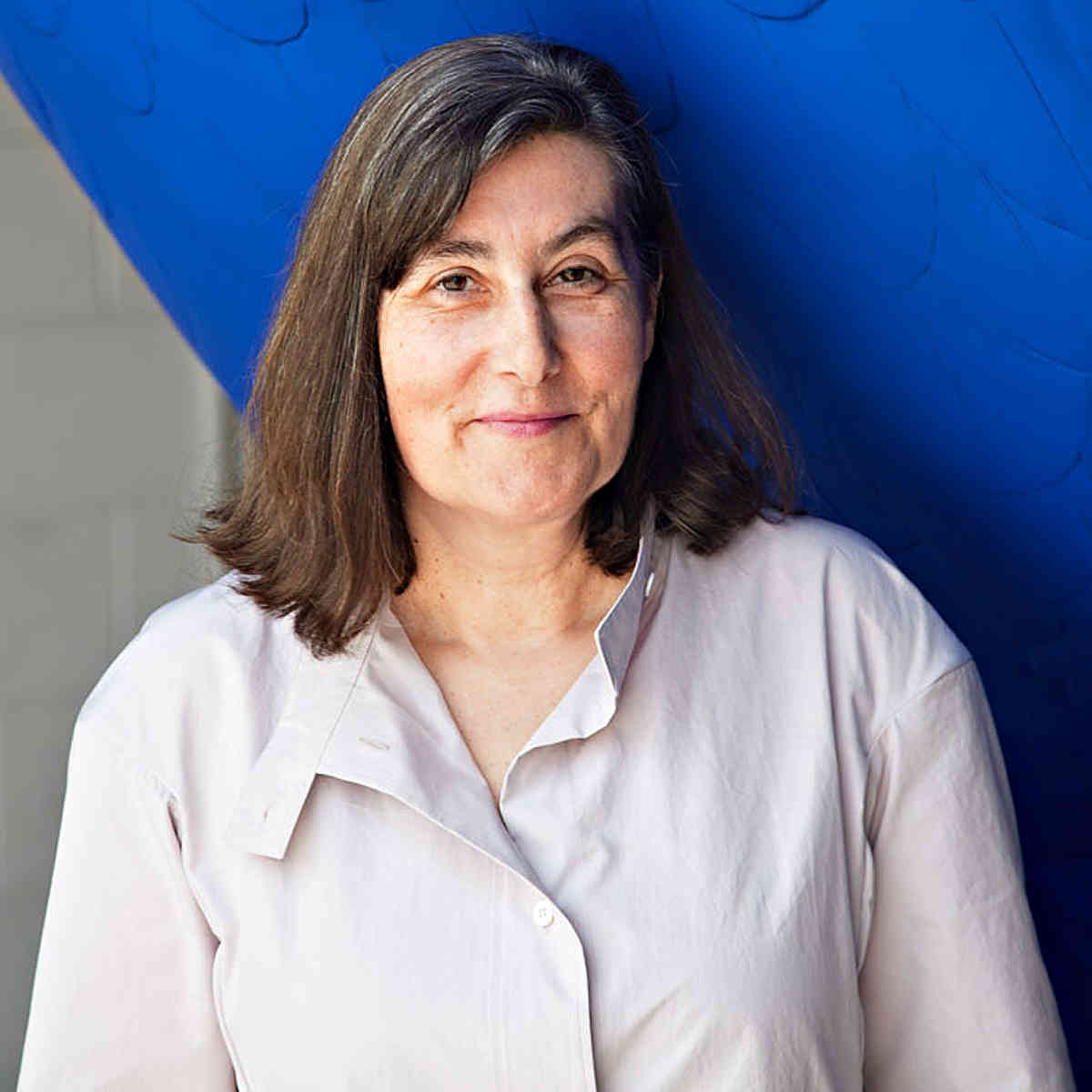
Katharina Fritsch is a German sculptor who lives and works in Düsseldorf, Germany.
She studied at the Düsseldorf Academy of Art and became known for her iconic and unusual sculptures and installations.
Fritsch's work often evokes disturbing religious or quasi-spiritual associations and is deeply psychological, as if she were trying to give an image to our deepest fears, extracted from the world of myth, religion, cultural history and everyday life. One of her most impressive works, Rat King (1993), is a circle of sixteen giant rats, each nearly ten feet tall, with their tails tied in a massive knot in the center.






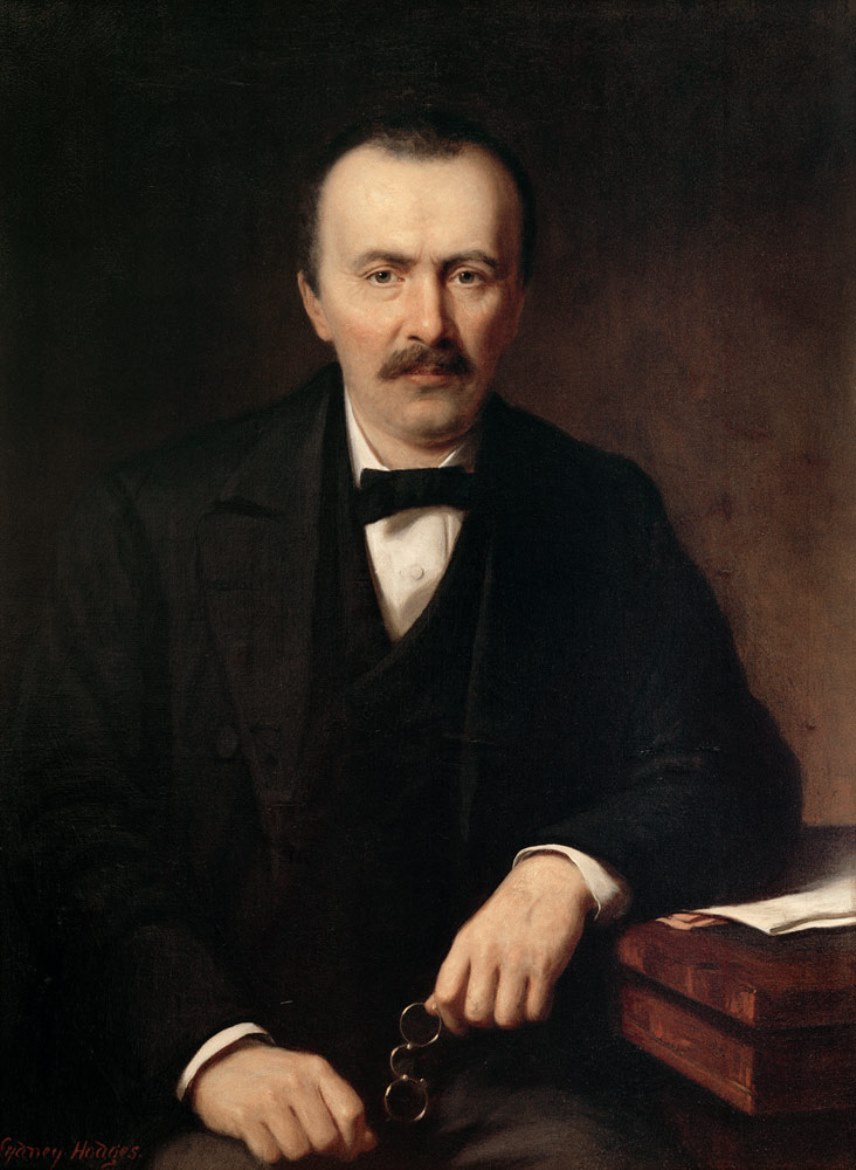
Heinrich Schliemann, full name Johann Ludwig Heinrich Julius Schliemann, was a German self-taught archaeologist, entrepreneur, and writer.
He conducted business in Russia and the United States, but at the age of 36, he realized his long-held dream and engaged in prehistoric archaeology. Schliemann traveled extensively in Greece, Italy, Scandinavia, Germany, France, and Syria before traveling around the world, visiting India, China, and Japan and writing a book about the latter two countries.
Schliemann became known for his archaeological excavations of the legendary Troy, Mycenae, and his books and publications on the findings were a success with the public. Critics, however, perceived his work in the field as unprofessional, believing that he did more damage to ancient artifacts than actually served the study of history.



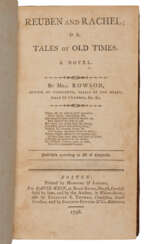

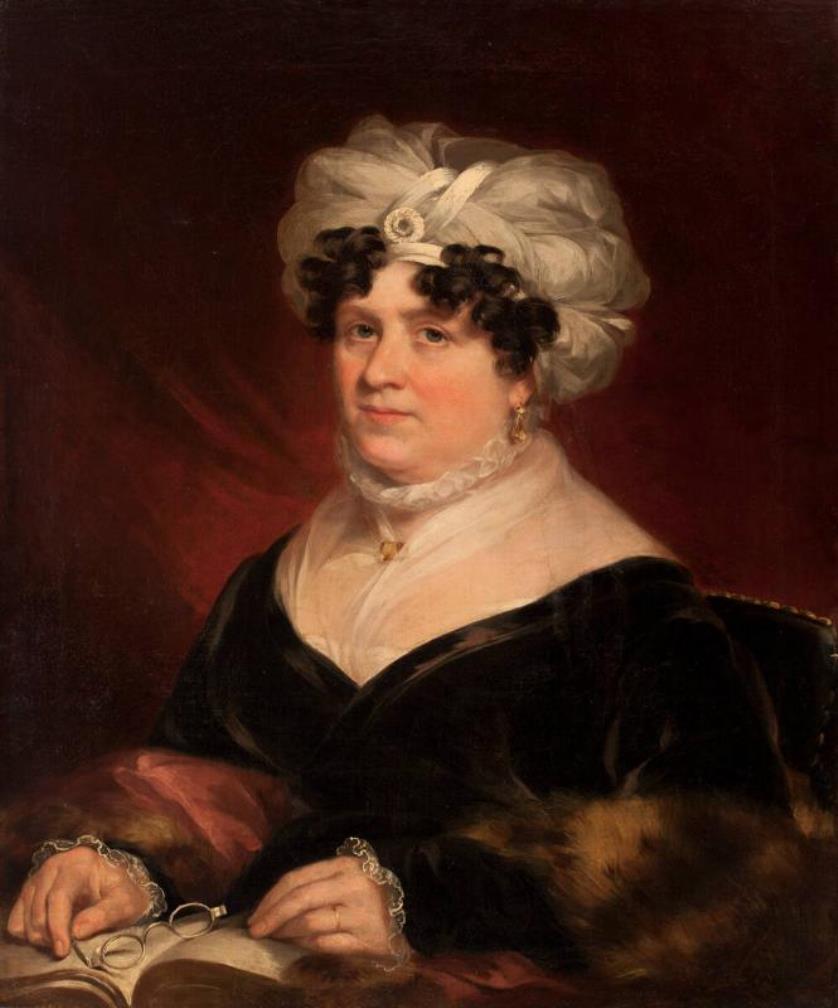
Susanna Rowson, née Haswell, was an American writer and poet, playwright, actress, and educator.
Susanna Haswell was the daughter of an officer in the Royal Navy. She published her first novel, Victoria, in 1786 and soon married businessman William Rowson. Susanna's greatest success was her first American bestseller, the novel Charlotte, A Tale of Truth (1791, in later editions under the title Charlotte Temple). This novel, a conventional sentimental story of seduction and remorse, was immensely popular and went through more than 200 editions.
In 1792 she became an actress and performed with her bankrupt husband in Scotland, as well as in Philadelphia, Baltimore, and Boston. In 1797, after retiring from the stage, Susanna opened the first "female academy" in Boston. Susanna Rowson also wrote many plays and musicals, and in doing so, helped to develop the performing arts in the United States. Later, she also edited the Boston Weekly Magazine, wrote geography and spelling textbooks, and moralizing manuals.






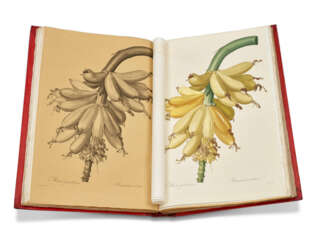

Pierre-Joseph Redouté was a French artist and botanist of Belgian origin, a royal painter and lithographer.
Redouté traveled extensively from his youth and carefully studied the pictorial art of various masters, but his main interest eventually became botanical illustration. He gained access to the Botanical Gardens in Paris and the botanical library. Over time, the talented Redouté became a very popular and successful painter of flowers and plants, publishing more and more albums.
In the 1790s, Redouté was internationally recognized as one of the most popular floral artists in the world. His depictions of plants are still as fresh as if they had just been painted. His album of watercolor illustrations, The Lilies, is one of the most expensive printed books in history.
![[BAKER, Charles (1803-1874)]](/assets/image/picture_2944532/5c632/afac882956434e0e070d6b97c7eb03e91689112800jpg__fix_374_244.jpeg)
![[BAKER, Charles (1803-1874)]](https://veryimportantlot.com/assets/image/picture_2944532/5c632/afac882956434e0e070d6b97c7eb03e91689112800jpg__fix_374_244.jpeg)

Charles Baker was a British educator, pioneer in deaf education, naturalist and artist.
He became known and honored in Great Britain for having developed the first school textbooks for deaf-blind children, including those based on drawing.
As a young man he became a teacher at the Edgbaston Institute for the Deaf and Dumb in Edgbaston, near Birmingham, and was faced with a complete lack of textbooks for such children. Baker had a passion for entomology, and began directing the attention of his older pupils to the various objects of natural history around them. As a result, in 1828, he authored a small volume of illustrations entitled British Butterflies: their differences, genera and species, with lithographic illustrations of each genus, comprising 33 species, drawn by the children of the Edgbaston School for the Deaf and Dumb."
Charles Baker worked as a teacher of the deaf and headmaster at Doncaster School for forty-five years. During this time he produced many specialized teaching guides and textbooks under the general title "Circle of Knowledge", which were used in Europe and Russia, as well as in China and Japan.
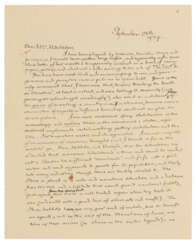

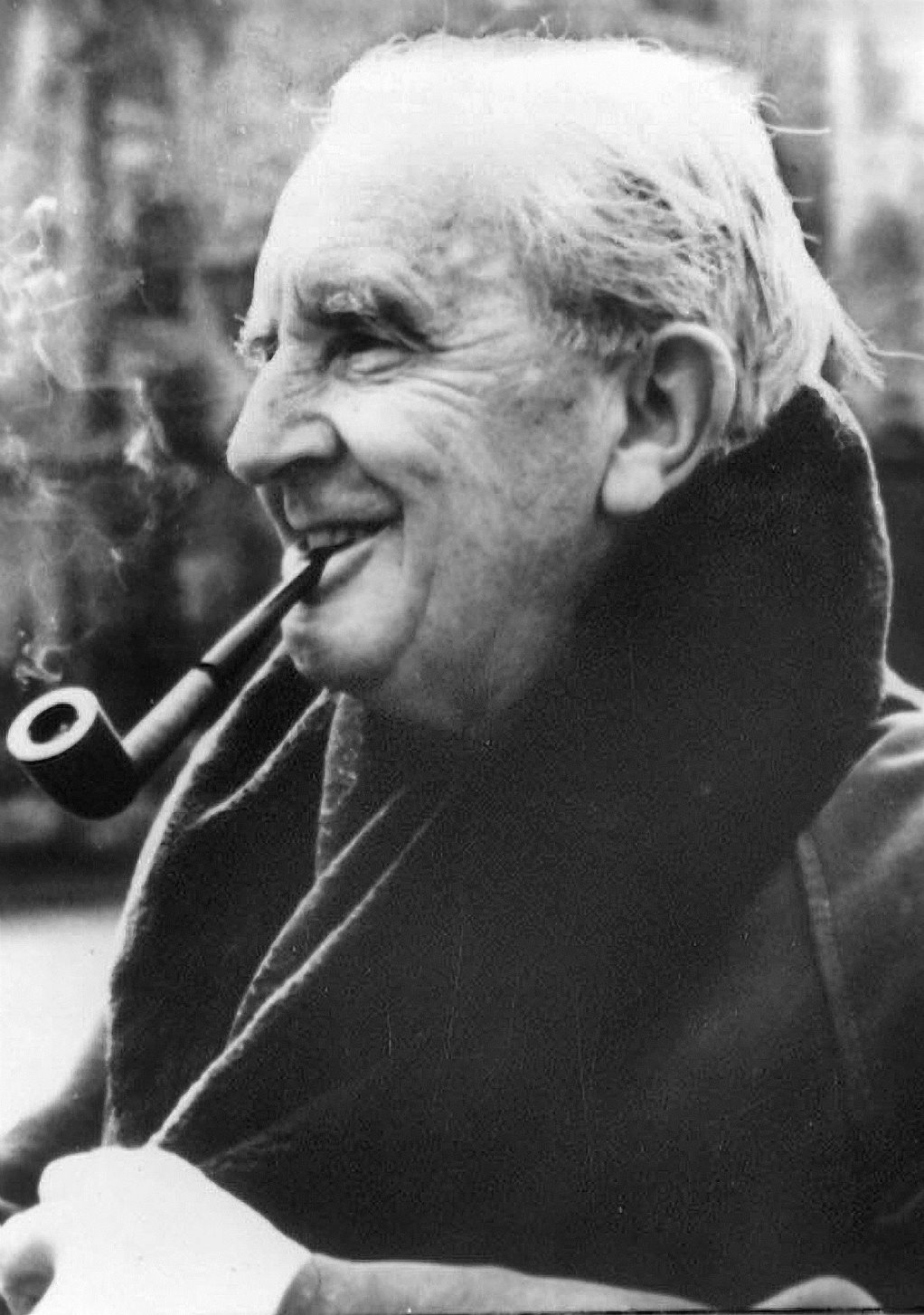
John Ronald Reuel Tolkien was a British writer and poet, translator, philologist, and linguist.
Tolkien wrote many works in the genre of magical fiction. He became world famous for his fantasy books The Hobbit (1937) and The Lord of the Rings (1954-55).
"The Hobbit" was published in 1937 with drawings by the author and proved so popular that the publisher asked him to write a sequel. The result, 17 years later, was Tolkien's masterpiece, "The Lord of the Rings," which was voted the best book of the 20th century. By the beginning of the 21st century, more than 50 million copies had been sold in 30 languages. The film version of "The Lord of the Rings" by New Zealand director Peter Jackson, released in three parts in 2001-2003, broke world viewing records.
Tolkien has been called the "father" of modern high fantasy literature.


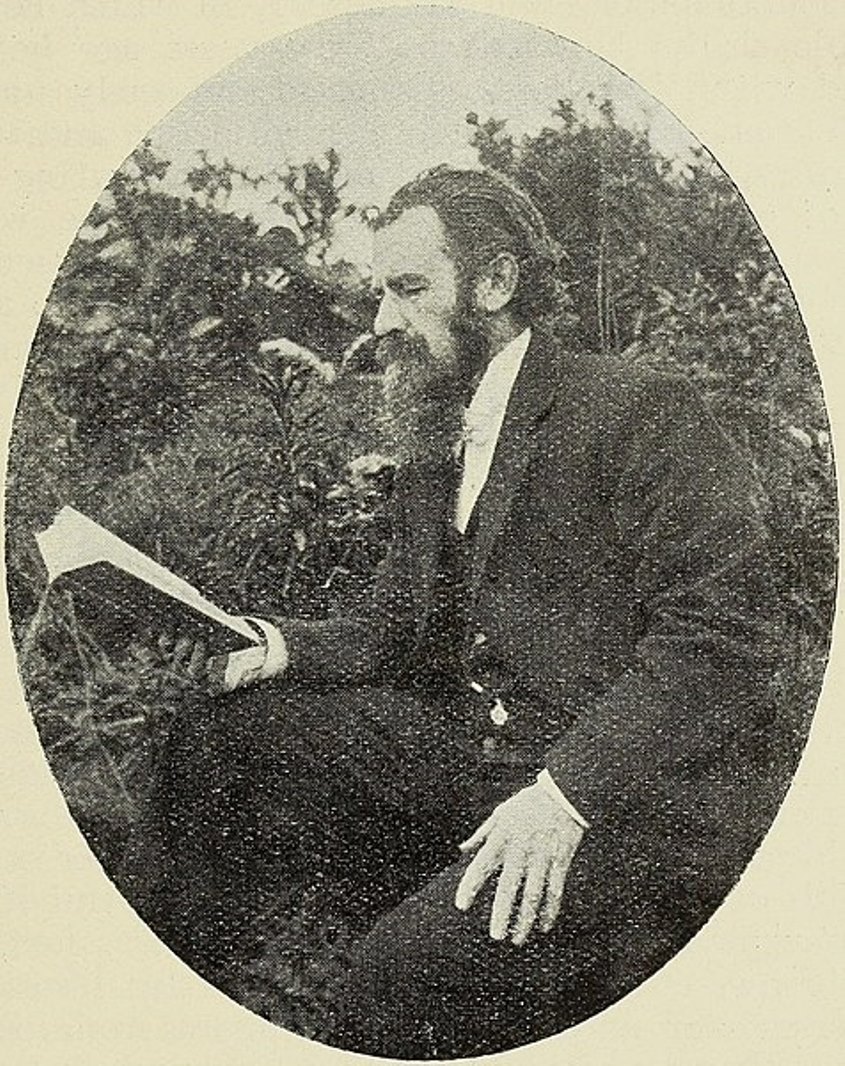
Seth Lister Mosley was a British artist, naturalist and ornithologist.
Although Mosley had no specialized training, he came from a naturalist's family and from a young age was involved in the study of natural history. He visited almost every museum in Britain and became one of the foremost British naturalists in the late nineteenth century.
Mosley was widely known as a taxidermist, illustrator, naturalist, magazine editor, and newspaper columnist. He managed several private museums in Huddersfield before being appointed Keeper of Collections at Huddersfield Technical College, and in 1922 he became the first curator of the Tolson Memorial Museum.