edwin
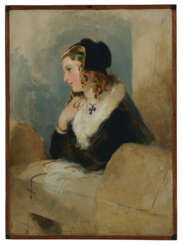

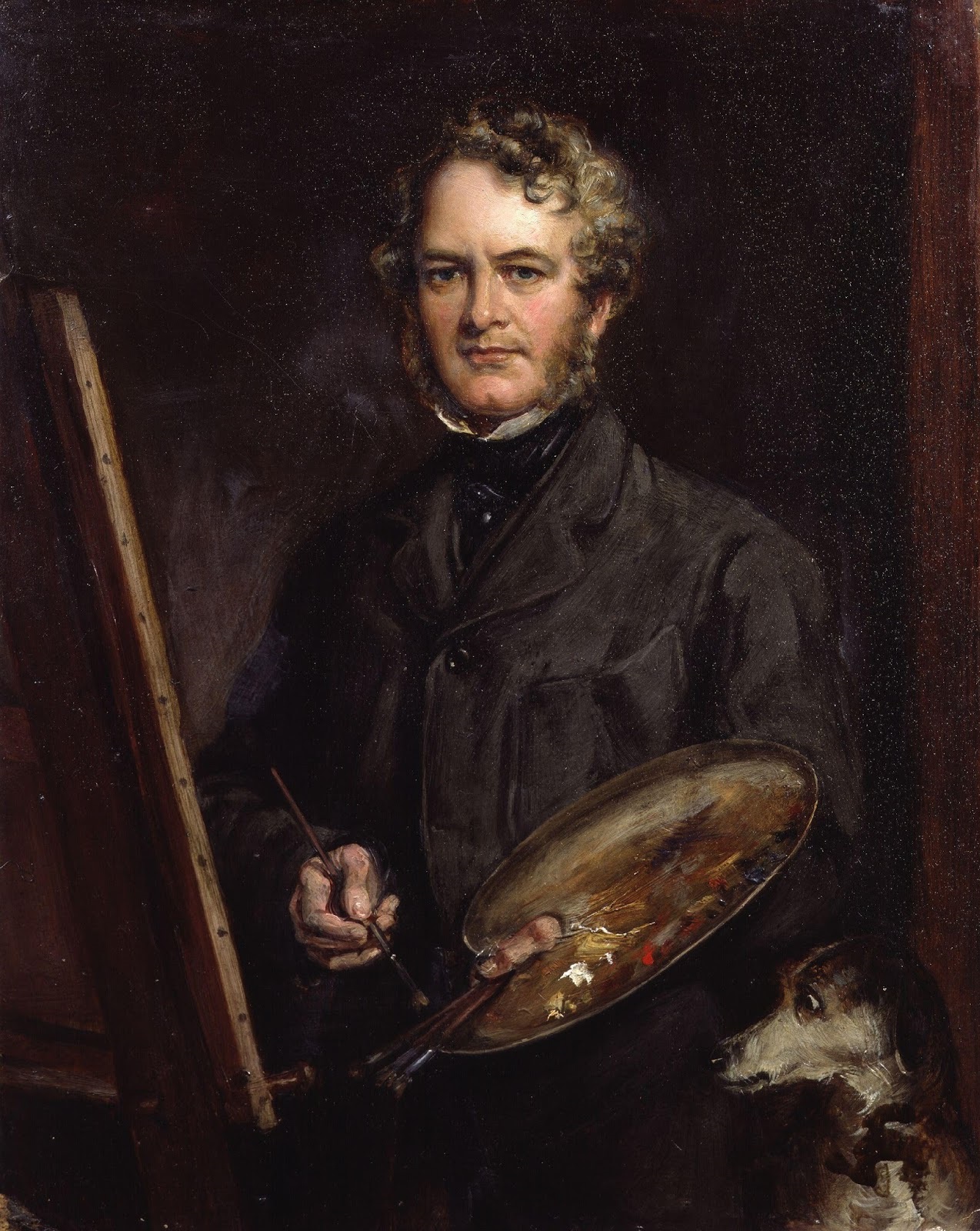
Edwin Henry Landseer was an English painter and sculptor, well known for his paintings of animals – particularly horses, dogs, and stags. However, his best-known works are the lion sculptures at the base of Nelson's Column in Trafalgar Square.
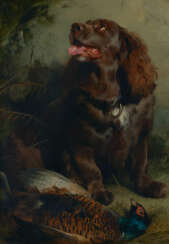

Edwin Henry Landseer was an English painter and sculptor, well known for his paintings of animals – particularly horses, dogs, and stags. However, his best-known works are the lion sculptures at the base of Nelson's Column in Trafalgar Square.
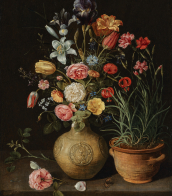


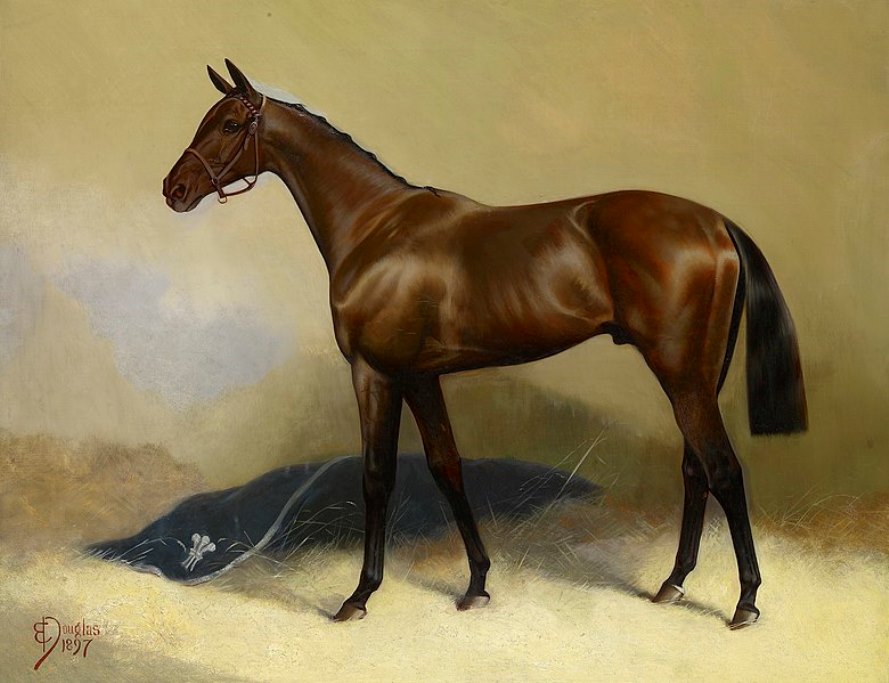
Edwin James Douglas was a British animal painter.
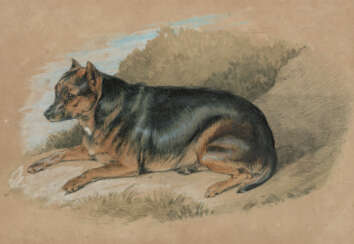
Edwin was the son of the famous portrait painter James Douglas, studied at the Royal Scottish Academy schools and exhibited his first works at the Royal Scottish Academy at the age of only 17. Edwin Douglas painted hunting scenes, dogs and horses, which attracted many famous patrons, including Sir Charles Tennant and Queen Victoria. She even purchased a painting of setters as a birthday present for King Edward VII.
Douglas was a very successful artist whose animal paintings, like those of his predecessor Landseer, resonated with Victorian collectors. He was best at dogs and horses, but he also painted portraits and genre pictures. Between 1869 and 1900 he exhibited at the Royal Academy, forty-one works in all, at the Royal Scottish Academy and other venues in London and the provinces. In addition to painting, Douglas had a passion for cattle breeding and was elected an honorary life member of the Jersey Cattle Society of England.


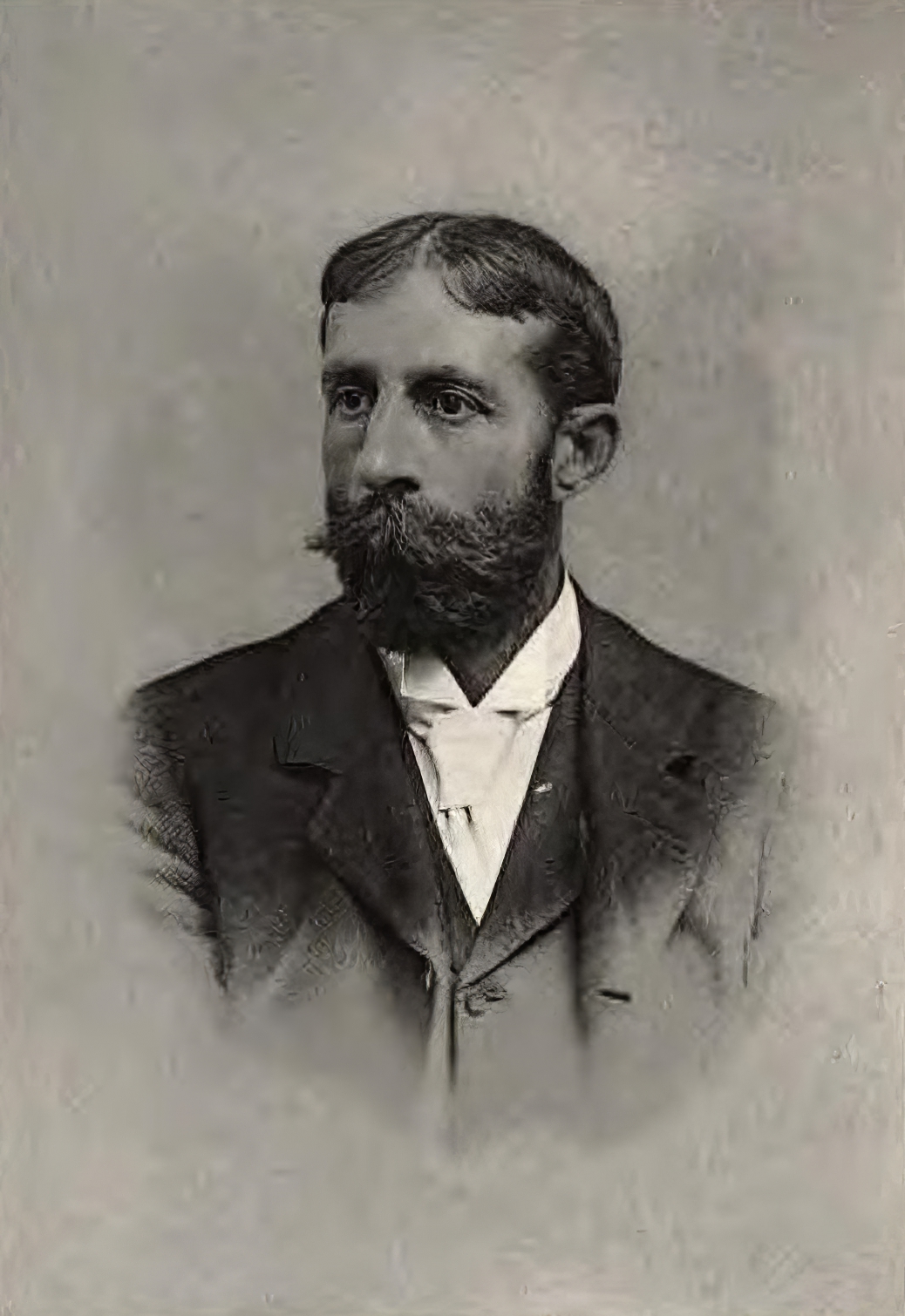
Edwin Lord Weekes was an American artist, noted for his Orientalist works.
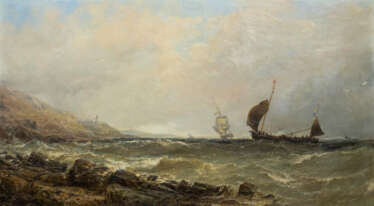

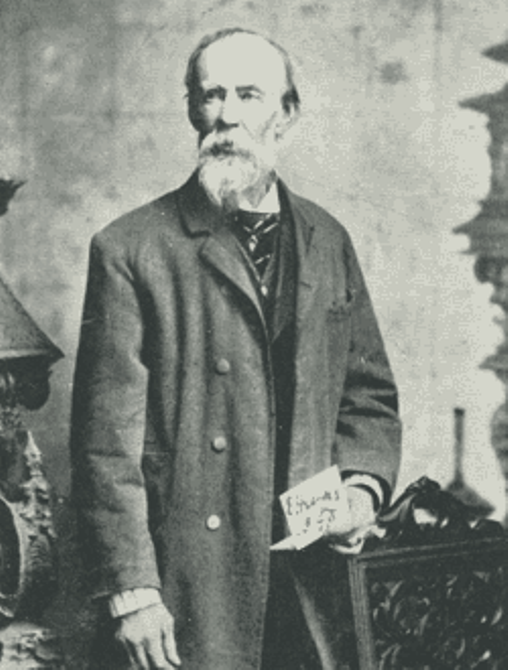
Edwin Hayes was an English and Irish marine painter, a member of the Royal Institution of Painters and Aquarists, and of the Royal Academy of Arts.
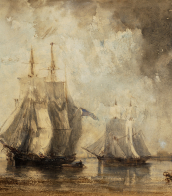
He studied art at the Dublin Society School of Art. A voyage across the Atlantic in his youth made an indelible impression on Hayes: his work invariably depicted ships and boats on the high seas. Over the course of his life, Hayes produced many seascapes, each with its own unique beauty.
His son Claude Hayes (1852-1922) was also a famous landscape and portrait painter.

_(NPG_x13488).jpg)



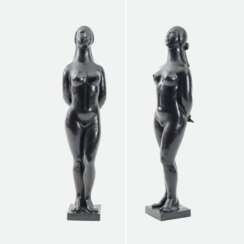

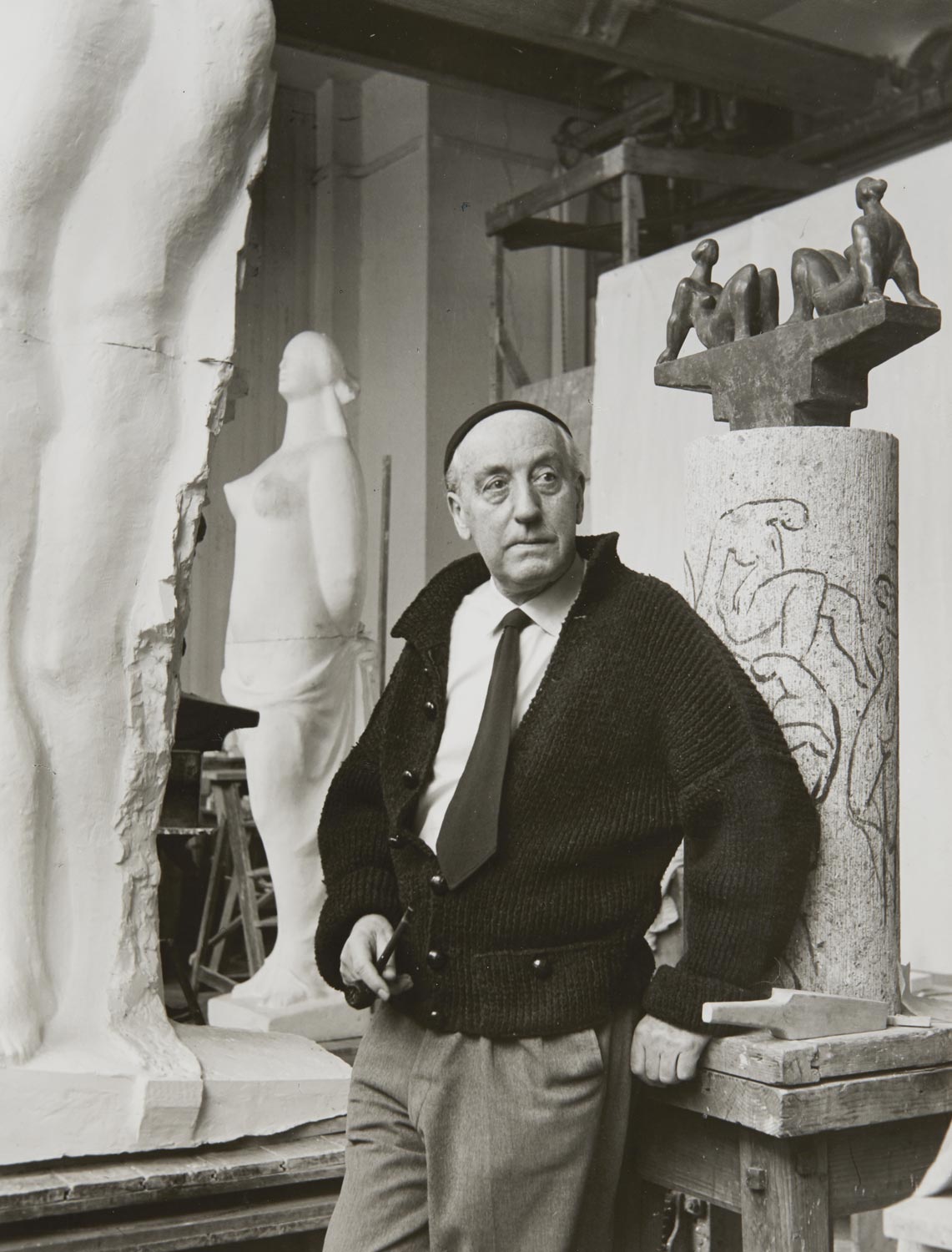
Edwin Paul Scharff was a German sculptor.


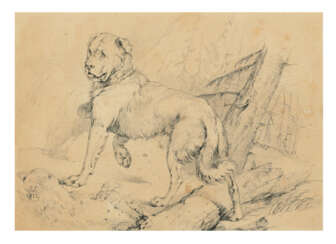

Edwin Henry Landseer was an English painter and sculptor, well known for his paintings of animals – particularly horses, dogs, and stags. However, his best-known works are the lion sculptures at the base of Nelson's Column in Trafalgar Square.
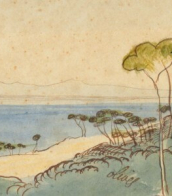
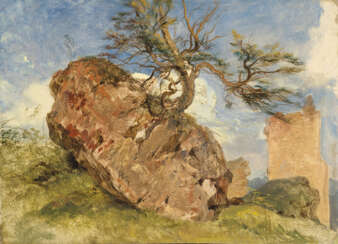

Edwin Henry Landseer was an English painter and sculptor, well known for his paintings of animals – particularly horses, dogs, and stags. However, his best-known works are the lion sculptures at the base of Nelson's Column in Trafalgar Square.


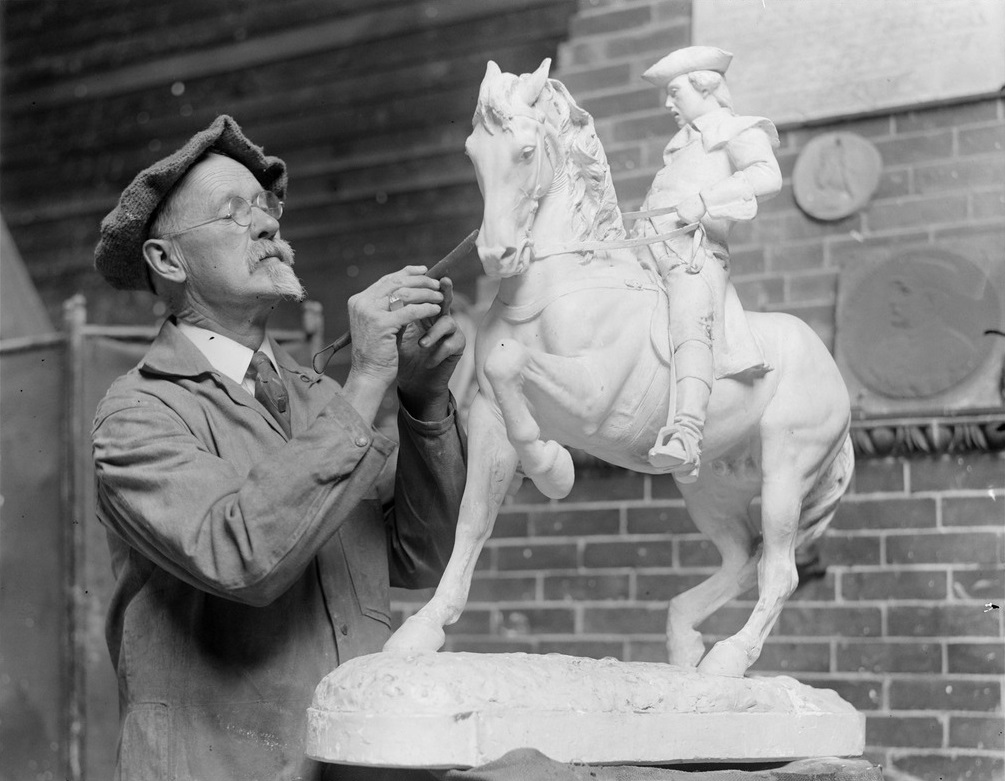
Cyrus Edwin Dallin was an American sculptor. He is known for his sculptures of Native American figures, as well as for his equestrian and civic monuments.
Dallin grew up in Utah and showed an early talent for sculpture. He studied art in Boston and later in Paris, where he became influenced by the naturalism of French sculptors like Auguste Rodin. Dallin returned to the United States in 1897 and began to create a series of sculptures depicting Native American figures.
In addition to his work as a sculptor, Dallin also taught art and was an active member of the art community in Boston. He designed several civic monuments, including the Paul Revere Monument in Boston's North End and the Soldiers' and Sailors' Monument in Springfield, Massachusetts.
Dallin was a member of the National Academy of Design, the American Academy of Arts and Letters, and the National Sculpture Society. His work is in the collections of many major museums, including the Metropolitan Museum of Art, the National Gallery of Art, and the Boston Museum of Fine Arts.
Today, Dallin is widely regarded as one of the most important sculptors of the late 19th and early 20th centuries, and his sculptures of Native American figures are recognized as powerful and sympathetic depictions of a culture that had long been misrepresented in American art.




Edwin Lord Weekes was an American artist, noted for his Orientalist works.
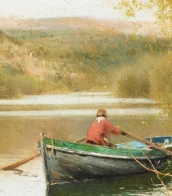


Edwin Paul Scharff was a German sculptor.
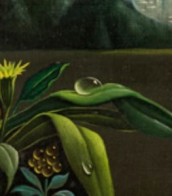
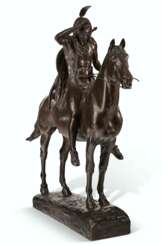

Cyrus Edwin Dallin was an American sculptor. He is known for his sculptures of Native American figures, as well as for his equestrian and civic monuments.
Dallin grew up in Utah and showed an early talent for sculpture. He studied art in Boston and later in Paris, where he became influenced by the naturalism of French sculptors like Auguste Rodin. Dallin returned to the United States in 1897 and began to create a series of sculptures depicting Native American figures.
In addition to his work as a sculptor, Dallin also taught art and was an active member of the art community in Boston. He designed several civic monuments, including the Paul Revere Monument in Boston's North End and the Soldiers' and Sailors' Monument in Springfield, Massachusetts.
Dallin was a member of the National Academy of Design, the American Academy of Arts and Letters, and the National Sculpture Society. His work is in the collections of many major museums, including the Metropolitan Museum of Art, the National Gallery of Art, and the Boston Museum of Fine Arts.
Today, Dallin is widely regarded as one of the most important sculptors of the late 19th and early 20th centuries, and his sculptures of Native American figures are recognized as powerful and sympathetic depictions of a culture that had long been misrepresented in American art.
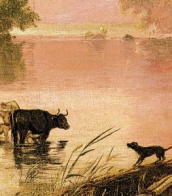
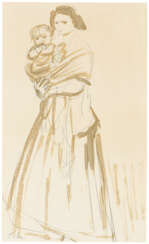

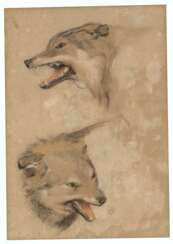

Edwin Henry Landseer was an English painter and sculptor, well known for his paintings of animals – particularly horses, dogs, and stags. However, his best-known works are the lion sculptures at the base of Nelson's Column in Trafalgar Square.


Edwin Paul Scharff was a German sculptor.
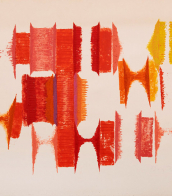
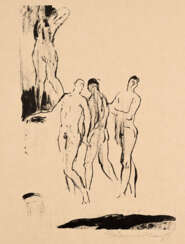

Edwin Paul Scharff was a German sculptor.
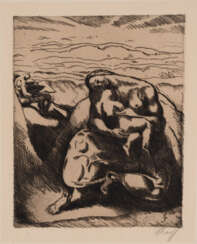

Edwin Paul Scharff was a German sculptor.
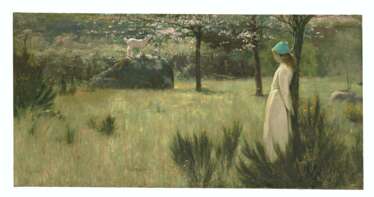

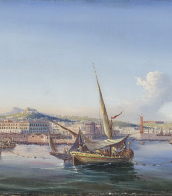


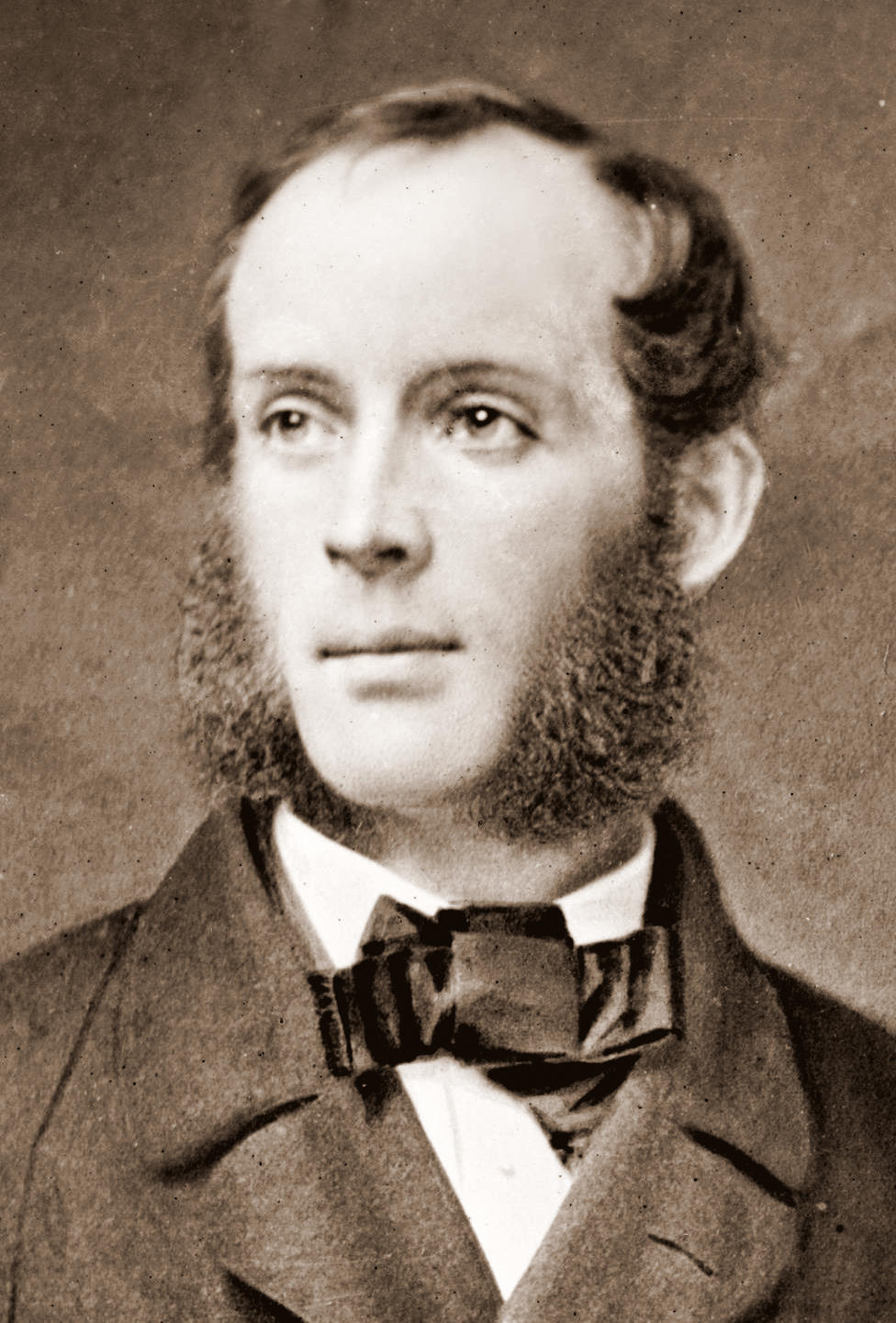
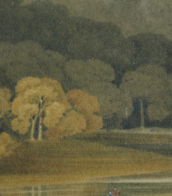
Frederic Edwin Church was an American landscape painter, renowned as a central figure of the Hudson River School. Born in Hartford, Connecticut, Church became famous for his detailed and expansive landscapes which often incorporated a blend of realistic detail and dramatic lighting, epitomizing the Romantic approach to landscape painting.
Church's career was marked by his unique ability to blend meticulous natural observation with a grandiose sense of scale and drama. His paintings, such as "The Heart of the Andes" and "Niagara," showcased his skill in depicting vast and diverse natural environments with scientific accuracy and vivid imagination. These works were not just celebrations of natural beauty but also demonstrations of Church's deep engagement with the places he painted, often based on extensive travels and on-the-spot sketches.
Apart from his mastery in painting, Church also had a significant impact on cultural institutions and public spaces. He was a founding trustee of The Metropolitan Museum of Art and served as a Parks Commissioner in New York City. His contributions went beyond the canvas, influencing both the cultural landscape of his time and the preservation of natural and historic sites through his later life efforts, including the establishment of his home, Olana, as a historic site.
For those interested in the ongoing legacy of Frederic Edwin Church, updates on exhibitions and related events can be obtained through subscriptions focused on his works. This is an excellent way for collectors and art enthusiasts to stay connected with the vibrant history and enduring impact of Church's art.
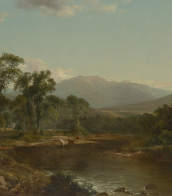
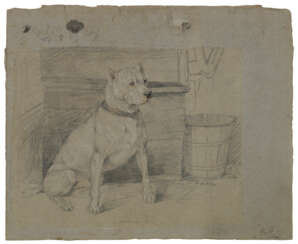

Edwin Henry Landseer was an English painter and sculptor, well known for his paintings of animals – particularly horses, dogs, and stags. However, his best-known works are the lion sculptures at the base of Nelson's Column in Trafalgar Square.

Edwin Henry Landseer was an English painter and sculptor, well known for his paintings of animals – particularly horses, dogs, and stags. However, his best-known works are the lion sculptures at the base of Nelson's Column in Trafalgar Square.

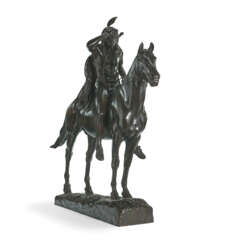

Cyrus Edwin Dallin was an American sculptor. He is known for his sculptures of Native American figures, as well as for his equestrian and civic monuments.
Dallin grew up in Utah and showed an early talent for sculpture. He studied art in Boston and later in Paris, where he became influenced by the naturalism of French sculptors like Auguste Rodin. Dallin returned to the United States in 1897 and began to create a series of sculptures depicting Native American figures.
In addition to his work as a sculptor, Dallin also taught art and was an active member of the art community in Boston. He designed several civic monuments, including the Paul Revere Monument in Boston's North End and the Soldiers' and Sailors' Monument in Springfield, Massachusetts.
Dallin was a member of the National Academy of Design, the American Academy of Arts and Letters, and the National Sculpture Society. His work is in the collections of many major museums, including the Metropolitan Museum of Art, the National Gallery of Art, and the Boston Museum of Fine Arts.
Today, Dallin is widely regarded as one of the most important sculptors of the late 19th and early 20th centuries, and his sculptures of Native American figures are recognized as powerful and sympathetic depictions of a culture that had long been misrepresented in American art.