goin


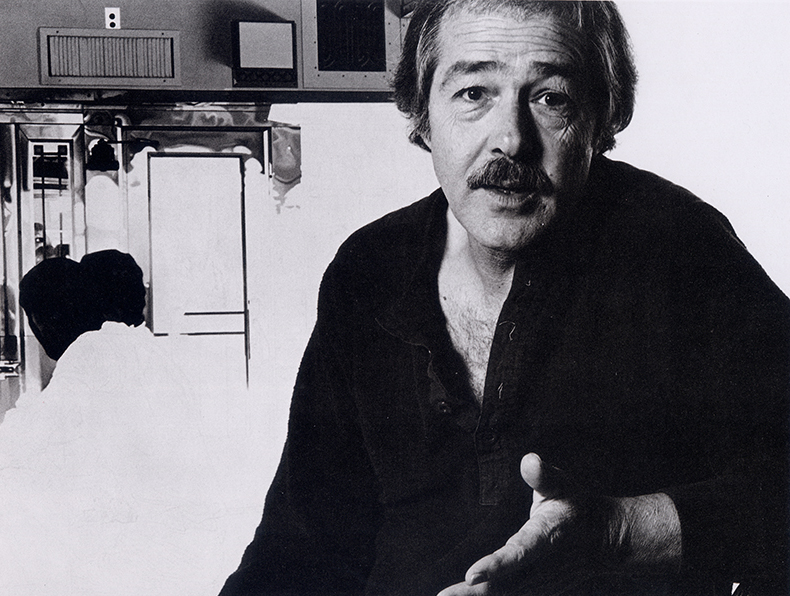
Ralph Goings was an American painter closely associated with the Photorealism movement of the late 1960s and early 1970s. He was best known for his highly detailed paintings of hamburger stands, pick-up trucks, and California banks, portrayed in a deliberately objective manner.


Ralph Goings was an American painter closely associated with the Photorealism movement of the late 1960s and early 1970s. He was best known for his highly detailed paintings of hamburger stands, pick-up trucks, and California banks, portrayed in a deliberately objective manner.

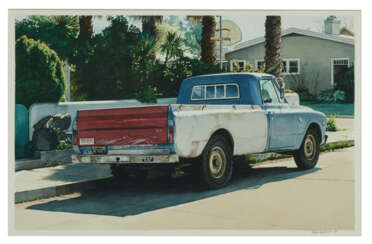

Ralph Goings was an American painter closely associated with the Photorealism movement of the late 1960s and early 1970s. He was best known for his highly detailed paintings of hamburger stands, pick-up trucks, and California banks, portrayed in a deliberately objective manner.
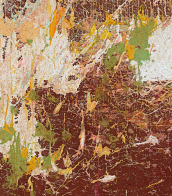


Ralph Goings was an American painter closely associated with the Photorealism movement of the late 1960s and early 1970s. He was best known for his highly detailed paintings of hamburger stands, pick-up trucks, and California banks, portrayed in a deliberately objective manner.
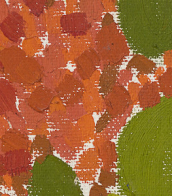
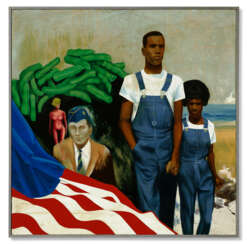

Ralph Goings was an American painter closely associated with the Photorealism movement of the late 1960s and early 1970s. He was best known for his highly detailed paintings of hamburger stands, pick-up trucks, and California banks, portrayed in a deliberately objective manner.
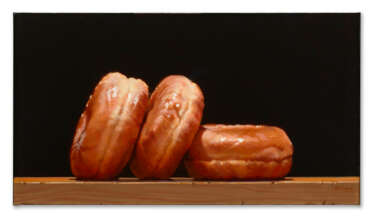

Ralph Goings was an American painter closely associated with the Photorealism movement of the late 1960s and early 1970s. He was best known for his highly detailed paintings of hamburger stands, pick-up trucks, and California banks, portrayed in a deliberately objective manner.




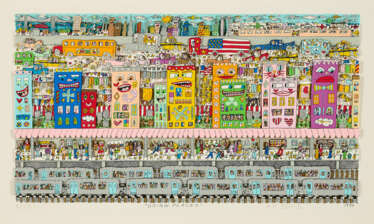


James Rizzi was a renowned American artist, celebrated for his vibrant and playful Pop Art style. Born in Brooklyn, New York, Rizzi's unique approach to art combined childlike whimsy with bold, animated creations. His 3D artworks, characterized by their intricate detail and lively city scenes, set him apart in the art world.
James Rizzi's artistic journey was marked by a series of notable achievements and contributions. He gained recognition in the late 1970s and early 1980s, showcasing his works at prestigious venues like the Brooklyn Museum and creating album covers and animations for the Tom Tom Club. His style evolved into creating 3D constructions, where he meticulously sketched scenes, added vibrant colors, and transformed them into three-dimensional art pieces. This method resulted in captivating prints that exuded a sense of movement and playfulness, drawing viewers into the energetic and diverse atmosphere of New York City.
Throughout his career, James Rizzi undertook various notable projects, including designing for the Montreux Jazz Festival, the FIFA World Cup, and the Olympics. His works were not only limited to canvases but also extended to designing cars for Volkswagen and contributing to charity projects. The "Happy Rizzi House" in Braunschweig, Germany, stands as a testament to his architectural creativity.
Art enthusiasts and collectors will find James Rizzi's work particularly intriguing due to his unique process and the joyous portrayal of urban life. His art is celebrated globally, and his influence remains significant in the Pop Art movement.
If you are a collector or an expert in art and antiques, and James Rizzi's work intrigues you, sign up for updates. Stay informed about new product sales and auction events related to James Rizzi without any pompous flair. Just the essential information, directly to your inbox.

























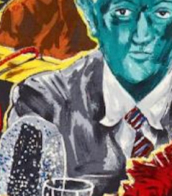



Roy Fox Lichtenstein, an American icon of the Pop Art movement, is celebrated for his comic strip-inspired art. Born in 1923 in New York City, Lichtenstein's journey into the art world was marked by various phases, evolving from Cubism and Abstract Expressionism to the distinctive Pop Art style he is renowned for.
Roy Lichtenstein's artistic career gained momentum in the 1960s, a period during which he embraced the comic strip as his primary source of inspiration. His pioneering use of Ben-Day dots, a technique borrowed from commercial printing, became his signature style, bringing a new visual language to fine art. His approach transformed mundane subjects from popular culture into compelling fine art, challenging traditional notions of artistry.
Among his most notable works, "Drowning Girl" (1963), displayed at the Museum of Modern Art in New York, exemplifies his iconic style with its bold lines, vivid colors, and Ben-Day dots. This piece, along with others like "Look Mickey" and "Whaam!", played a critical role in establishing Pop Art as a major art movement, contrasting starkly with the Abstract Expressionism prevalent at the time.
Roy Lichtenstein's art was not just limited to canvas; he explored multiple media, showcasing his versatility. His shift to Pop Art marked a significant turn in his career, bringing him fame and controversy alike. His works, often based on comic strips and advertisements, were both a parody and homage to the mass-produced, consumerist culture of his time.
For art collectors and experts, Lichtenstein's works offer a fascinating glimpse into a transformative era in art history. His approach to Pop Art remains influential, and his works are celebrated worldwide for their innovative and provocative style.
Interested in staying updated on sales and auction events featuring Roy Lichtenstein's works? Sign up for our updates. We provide straightforward, no-nonsense information on the latest in art sales and auctions related to Lichtenstein.

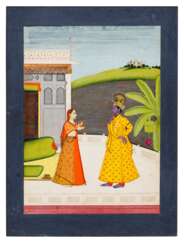

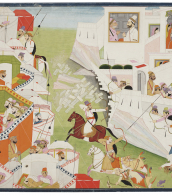


Roy Fox Lichtenstein, an American icon of the Pop Art movement, is celebrated for his comic strip-inspired art. Born in 1923 in New York City, Lichtenstein's journey into the art world was marked by various phases, evolving from Cubism and Abstract Expressionism to the distinctive Pop Art style he is renowned for.
Roy Lichtenstein's artistic career gained momentum in the 1960s, a period during which he embraced the comic strip as his primary source of inspiration. His pioneering use of Ben-Day dots, a technique borrowed from commercial printing, became his signature style, bringing a new visual language to fine art. His approach transformed mundane subjects from popular culture into compelling fine art, challenging traditional notions of artistry.
Among his most notable works, "Drowning Girl" (1963), displayed at the Museum of Modern Art in New York, exemplifies his iconic style with its bold lines, vivid colors, and Ben-Day dots. This piece, along with others like "Look Mickey" and "Whaam!", played a critical role in establishing Pop Art as a major art movement, contrasting starkly with the Abstract Expressionism prevalent at the time.
Roy Lichtenstein's art was not just limited to canvas; he explored multiple media, showcasing his versatility. His shift to Pop Art marked a significant turn in his career, bringing him fame and controversy alike. His works, often based on comic strips and advertisements, were both a parody and homage to the mass-produced, consumerist culture of his time.
For art collectors and experts, Lichtenstein's works offer a fascinating glimpse into a transformative era in art history. His approach to Pop Art remains influential, and his works are celebrated worldwide for their innovative and provocative style.
Interested in staying updated on sales and auction events featuring Roy Lichtenstein's works? Sign up for our updates. We provide straightforward, no-nonsense information on the latest in art sales and auctions related to Lichtenstein.
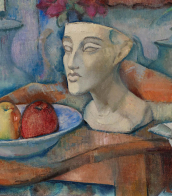
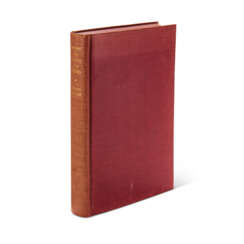

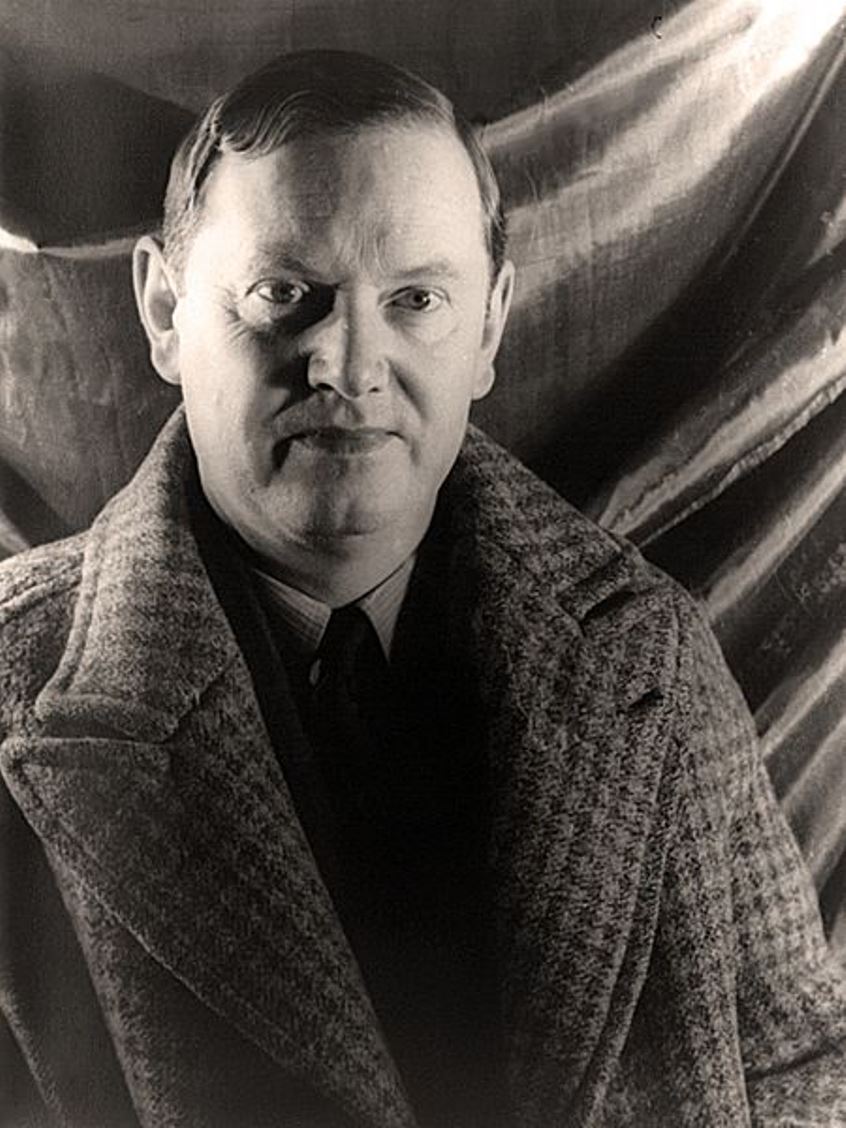
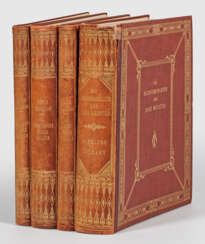
Evelyn Waugh, full name Arthur Evelyn St. John Waugh, was a British satirical writer, travel writer and historian.
Evelyn Waugh studied at Lancing College in Sussex and at Hertford College in Oxford. He then began traveling and writing, soon earning a reputation as a witty satirist. He visited Ethiopia and the Belgian Congo, and traveled to South America. His works are almost always based on personal experience; notable among the early ones are Decline and Fall (1928), Nasty Bodies (1930), Black Mischief (1932), and others.
During World War II, Evelyn Waugh served in the Royal Marines and the Royal Horse Guards. Written at this time, the novel "Return to Brideshead" (1945) is about an aristocratic English Roman Catholic family. In the trilogy "Men in Arms" (1952), "Officers and Gentlemen" (1955) and "Unconditional Surrender" (1961), the author conducted a serious analysis of the events of World War II, as an eternal struggle between good and evil, civilization and barbarism. Later on these works were filmed television series.
Evelyn Waugh also left a significant trace in journalism and literary criticism, he is considered one of the finest stylists in English prose of the XX century.



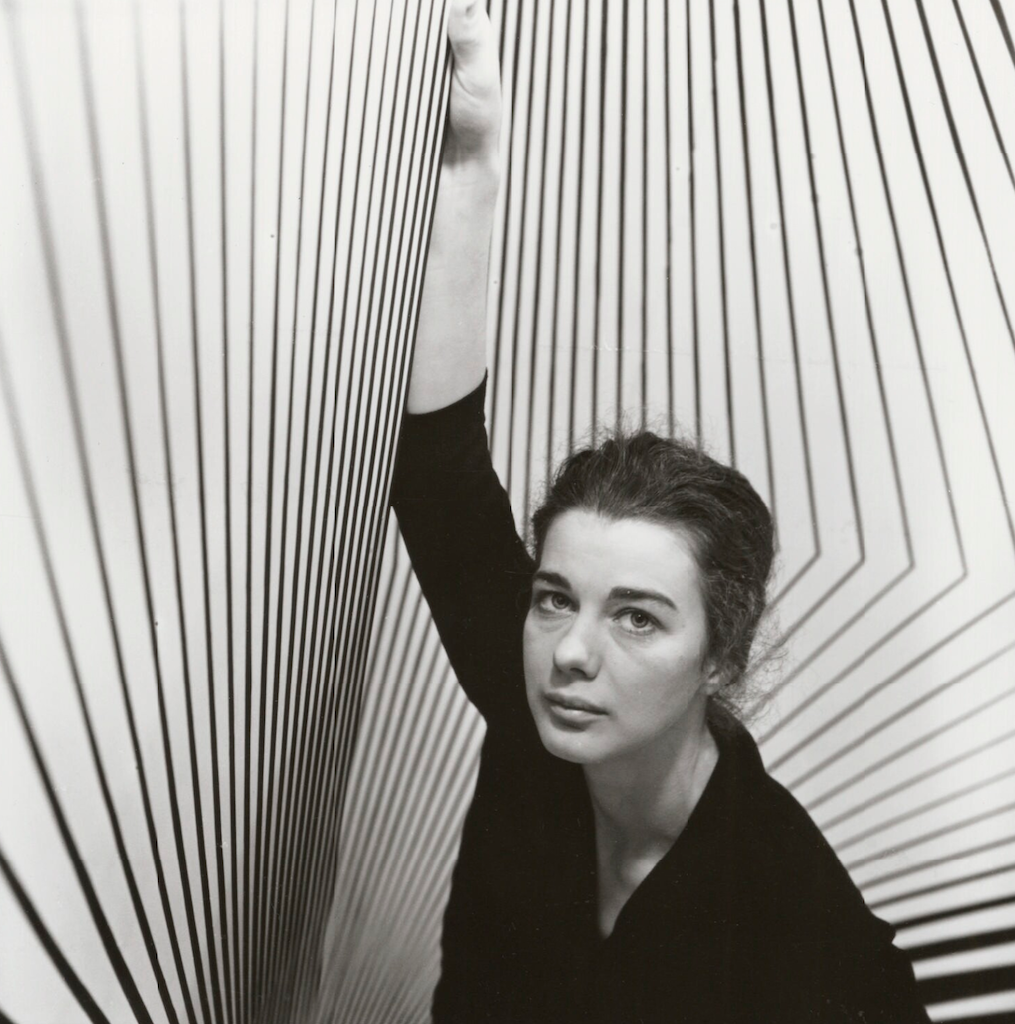
Bridget Louise Riley, an eminent English painter, has captivated the art world with her pioneering contributions to the Op Art movement. Born in London in 1931, Riley's early works were characterized by a figurative, semi-impressionist style. However, her artistic trajectory took a significant turn in the late 1950s and early 1960s when she began experimenting with optical illusions, leading to the development of her signature Op Art style. These works, utilizing geometric patterns in black and white, explored the dynamics of perception, creating disorienting effects and sensations of movement or color in the viewer.
Riley's exploration into color, which commenced in 1967, marked a new phase in her career. Her visit to Egypt in the early 1980s further enriched her palette, leading to the creation of works that reflected the vibrant hues of the Egyptian landscape. This period also saw the introduction of her 'Egyptian palette', which captured both the spirit of ancient and modern Egypt. Notable among her colorful works is "Cataract 3", where Riley utilized the contrast between warm and cold colors to produce a shifting, dynamic effect on the canvas, a testament to her continuous exploration of the interaction between form, color, and human perception.
Riley's work extends beyond canvas, with significant contributions to public art through murals. Her installations at prestigious institutions like the Tate, the Musée d'Art Moderne de la Ville de Paris, and the National Gallery, as well as a large-scale mural for the Chinati Foundation in Marfa, Texas, demonstrate her versatility and commitment to engaging with a broader public audience.
For collectors and experts in art and antiques, Riley's work represents a fascinating intersection of art, science, and perception, offering a unique visual experience that challenges and delights. Her dedication to expanding the boundaries of visual art ensures her place as a central figure in contemporary art discourse.
Sign up for updates related to Bridget Louise Riley to stay informed about new product sales and auction events showcasing her groundbreaking work. Join us in celebrating the legacy and ongoing journey of one of the foremost exponents of optical art.