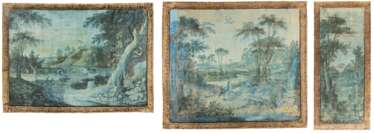
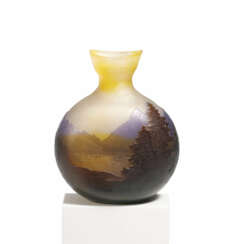
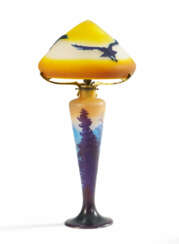
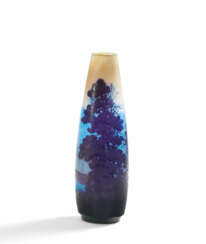
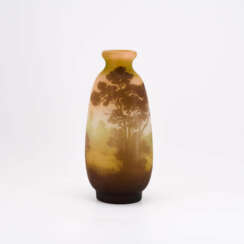
interior landscape














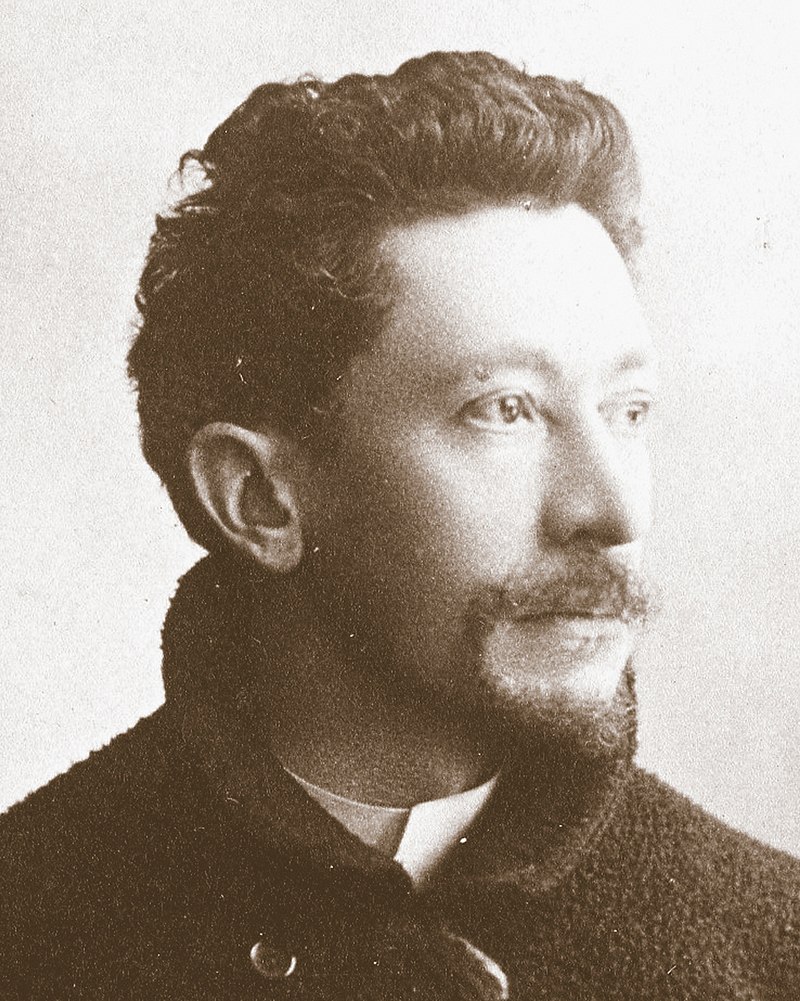
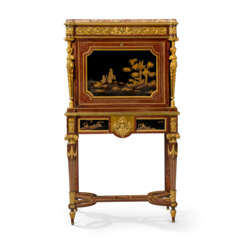
Emile Gallé was a French artist and designer who worked in glass, and is considered to be one of the major innovators in the French Art Nouveau movement. He was noted for his designs of Art Nouveau glass art and Art Nouveau furniture, and was a founder of the École de Nancy or Nancy School, a movement of design in the city of Nancy, France.



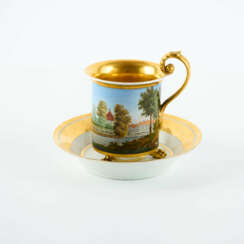

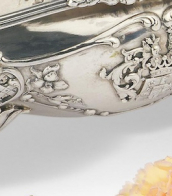
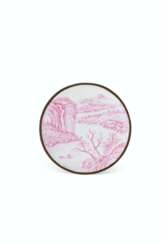

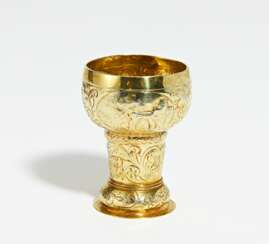

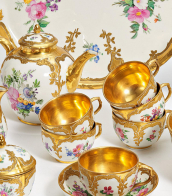


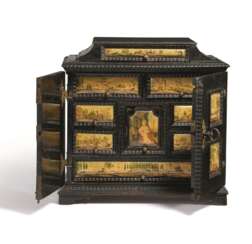

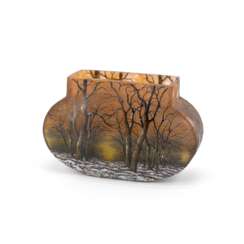

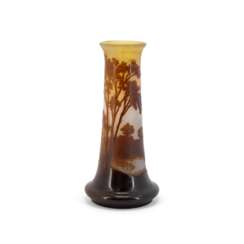

Emile Gallé was a French artist and designer who worked in glass, and is considered to be one of the major innovators in the French Art Nouveau movement. He was noted for his designs of Art Nouveau glass art and Art Nouveau furniture, and was a founder of the École de Nancy or Nancy School, a movement of design in the city of Nancy, France.
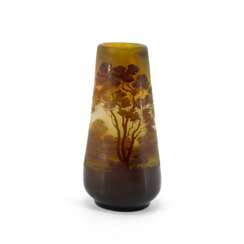

Emile Gallé was a French artist and designer who worked in glass, and is considered to be one of the major innovators in the French Art Nouveau movement. He was noted for his designs of Art Nouveau glass art and Art Nouveau furniture, and was a founder of the École de Nancy or Nancy School, a movement of design in the city of Nancy, France.








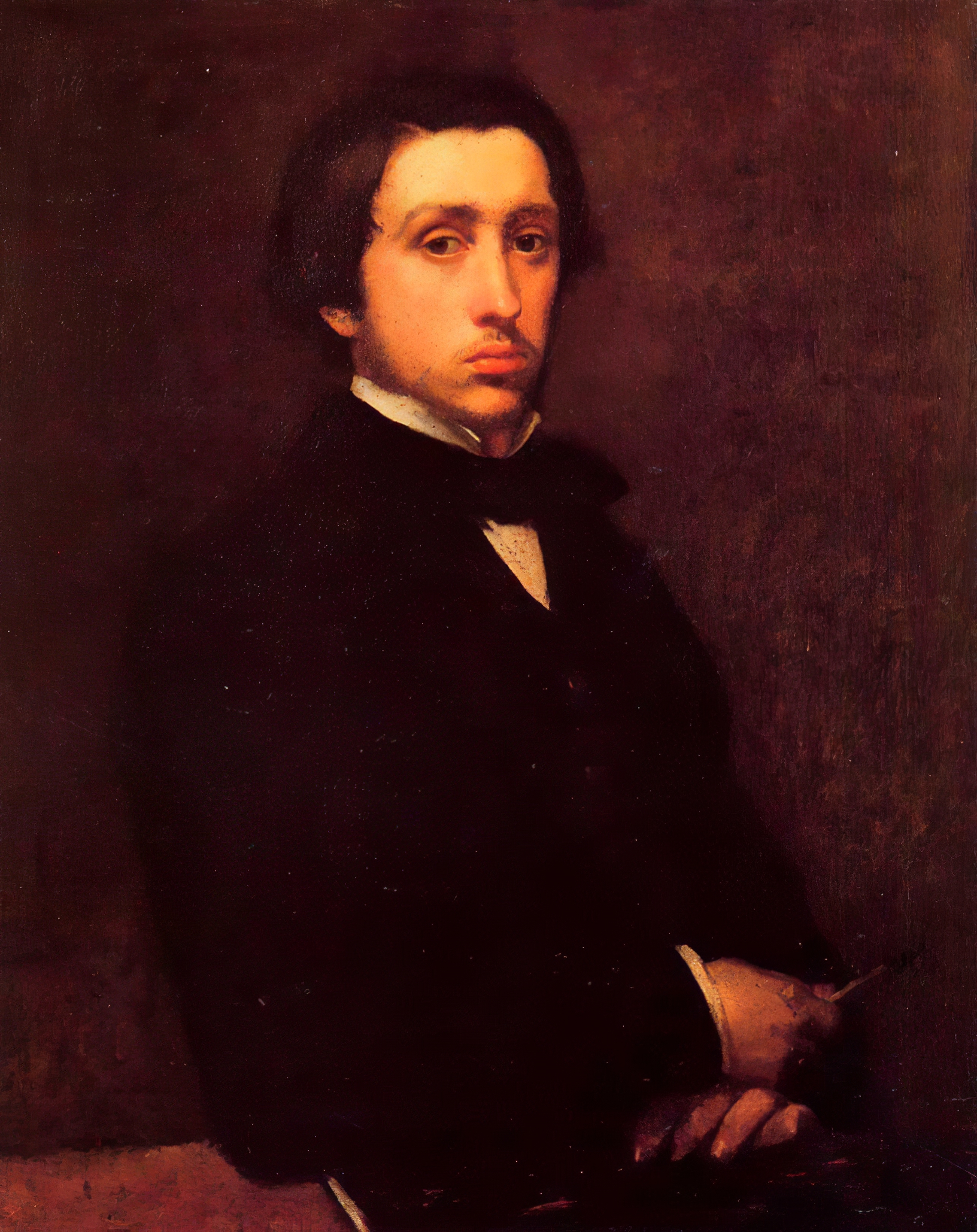
Edgar Degas, a French artist, was a master of painting, sculpture, and drawing, celebrated for his profound influence on the Impressionist movement despite his preference for being called a realist. Degas was born into a well-off family in Paris, France, and demonstrated a keen interest in art from an early age, eventually shaping his path to become one of the most sophisticated draftsmen of his time. His rigorous academic training and close study of classical art initially aimed him towards a career in history painting, but Degas soon pivoted towards contemporary subject matter, thus cementing his role as a classical painter of modern life.
Degas is renowned for his dynamic portrayals of movement, particularly in his depictions of dancers, racehorses, and everyday Parisian life. His works are characterized by their psychological depth and the isolation of his figures, showcasing his unique ability to capture the essence of his subjects with both empathy and critical distance. More than half of his oeuvre focuses on dancers, reflecting not only his fascination with the ballet but also his innovative approach to composition and form. This focus on the human figure, explored in various media including oil, pastel, and sculpture, underscores Degas's commitment to studying the nuances of human movement and expression.
Degas's artistic career is marked by his experimentation with various techniques and materials, as seen in his bronze sculptures and pastel nudes. One of his most famous sculptures, the study of the young ballet student Marie van Goethem, showcases his pioneering use of real objects in sculpture, a practice that prefigured later artistic innovations. Despite the controversies that sometimes surrounded his work, particularly in his depictions of the female nude, Degas's legacy as an artist who bridged the gap between traditional academic art and the modern movements of the early 20th century remains undisputed.
For collectors and experts in art and antiques, Degas's work offers a fascinating study in the evolution of modern art, highlighting the artist's deep engagement with the cultural and social dynamics of his time. His pieces, whether in the form of paintings, sculptures, or prints, continue to captivate audiences with their complexity, beauty, and innovative spirit.
If you are keen to stay updated on sales and auction events related to Edgar Degas, signing up for updates is a prudent choice. This subscription service ensures that you remain informed about new opportunities to acquire works by this pivotal figure in the art world, without overwhelming you with unnecessary information.








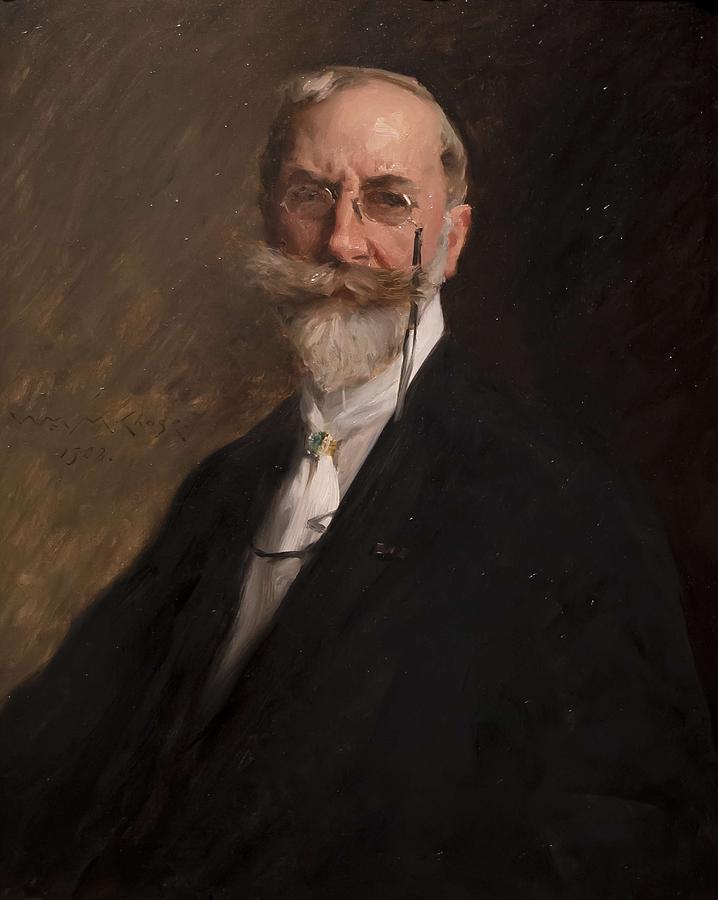
William Merritt Chase was an American painter, celebrated for his role in establishing Impressionism in America and his profound influence as an art educator. Born on November 1, 1849, in Indiana, Chase became a pivotal figure in American art, blending Impressionist and Realist styles with a distinctive flair that captured both cityscapes and intimate studio settings. His mastery of oil, pastel, and watercolor allowed him to create works renowned for their vibrancy and expressiveness.
Chase's career was notably marked by his transformation of studio environments into aesthetic showplaces, making them centers of social gatherings that enhanced his stature in the art community. His tenure at the Shinnecock Hills Summer School and his travels in Europe, especially his interactions with European artists, were crucial in shaping his artistic direction. Notably, his exposure to French Impressionism through exhibitions in New York profoundly influenced his style, integrating lighter palettes and freer brushwork which became evident in his landscapes and portraits.
Chase's works are celebrated for their innovative use of color and composition, qualities that made him a leading figure in American Impressionism. His notable works include scenes of everyday leisure, portraits, and vibrant landscapes, capturing the essence of his era with elegance and sophistication.
If you are intrigued by the artistic journey and impact of William Merritt Chase, consider signing up for updates. This subscription will keep you informed about new sales, upcoming auctions, and events related to his works. Stay connected with the vibrant world of William Merritt Chase and enhance your collection with knowledge and opportunities. Sign up today!