jacqui e
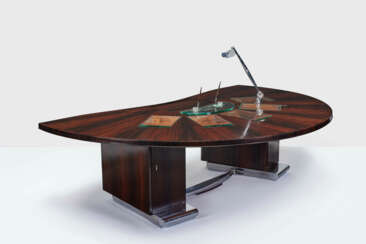

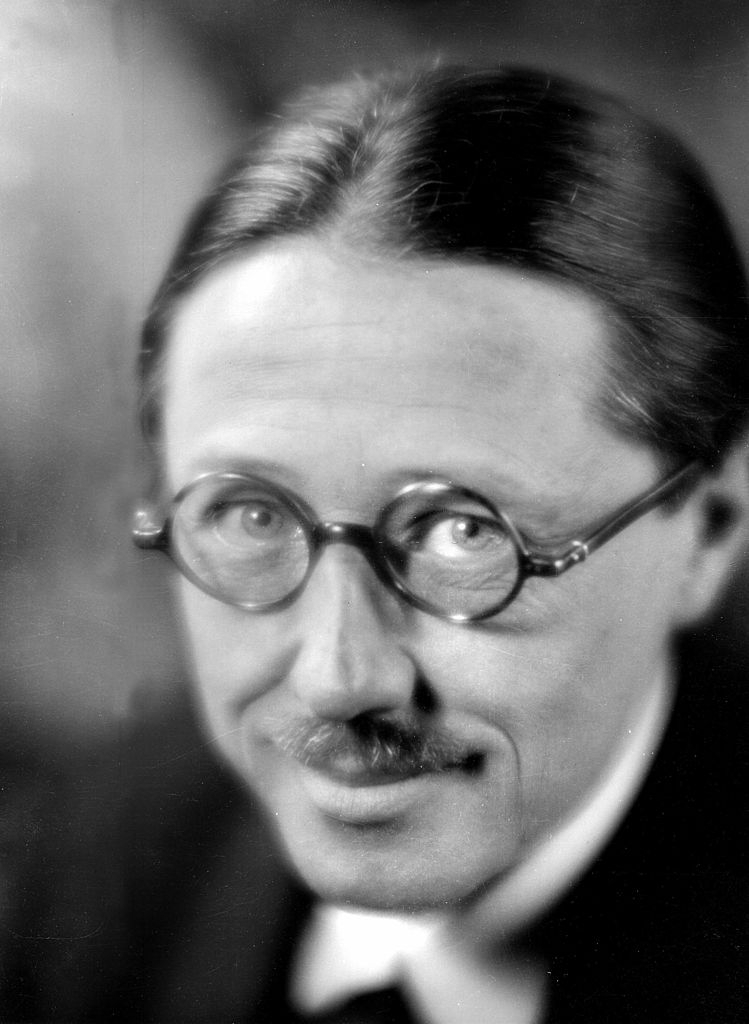
Émile-Jacques Ruhlmann, (sometimes called Jacques-Émile Ruhlmann), was a French furniture designer and interior decorator, who was one of the most important figures in the Art Deco movement. His furniture featured sleek designs, expensive and exotic materials and extremely fine craftsmanship, and became a symbol of the luxury and modernity of Art Deco. It also produced a reaction from other designers and architects, such as Le Corbusier, who called for simpler, functional furniture.


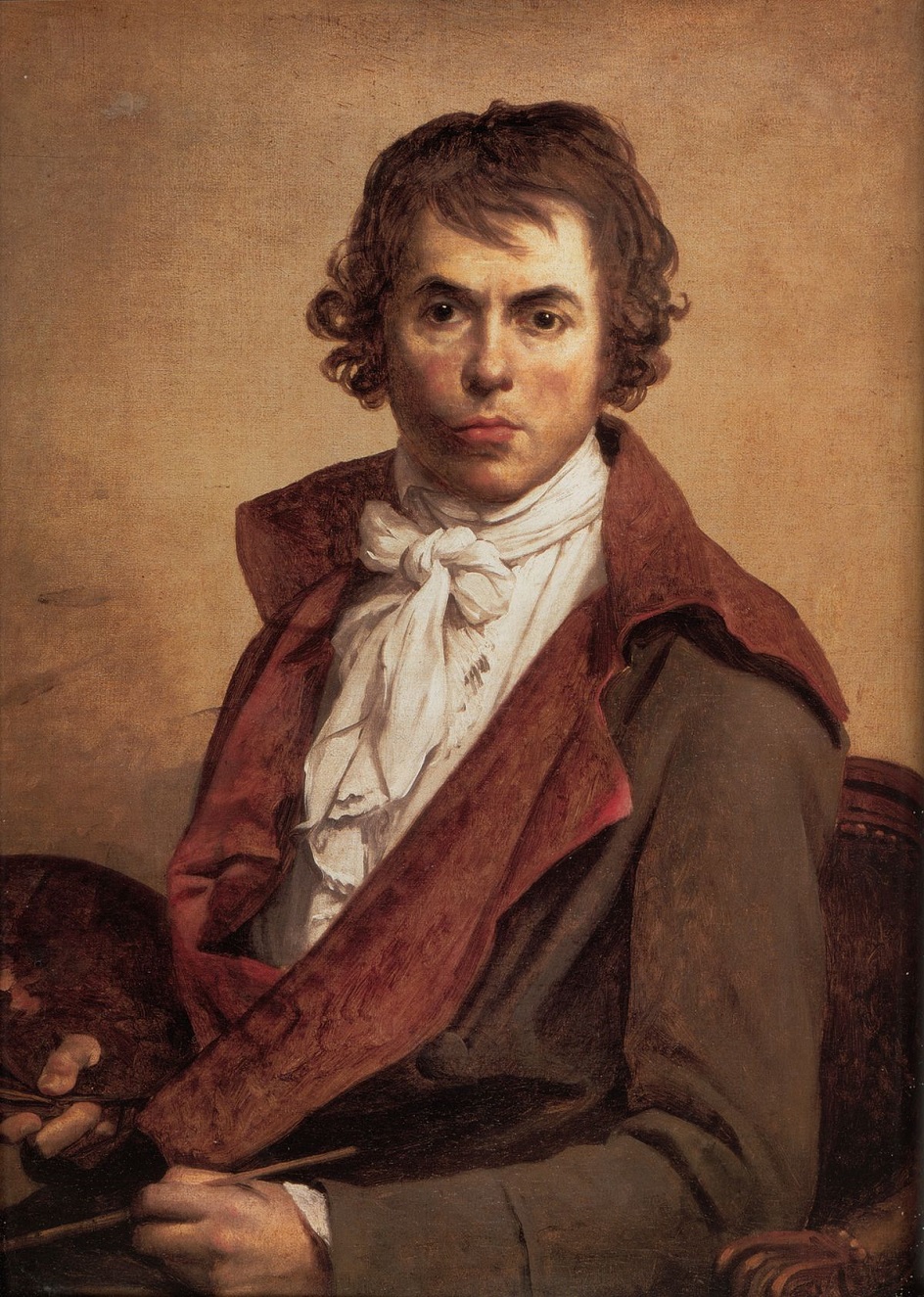
Jacques-Louis David, a preeminent French artist of the Neoclassical movement, made a profound impact on the art world with his compelling history paintings and portraiture. Born in Paris in 1748 into a prosperous family, David's early life was marked by tragedy and ambition. Despite losing his father at a young age and facing opposition from his family, his determination to pursue art led him to become a student of Joseph-Marie Vien and later, a notable figure in the French Academy in Rome. David's artistic journey was characterized by a rigorous classical education, culminating in winning the prestigious Prix de Rome in 1774, which allowed him to study the masterpieces of classical antiquity and the Renaissance in Italy.
David's work is renowned for its classical austerity, a response to the frivolous Rococo style that preceded him. His paintings, such as "The Oath of the Horatii," reflect a blend of classical themes with a modern sense of emotion and drama, resonating with the revolutionary spirit of his times. As the French Revolution unfolded, David aligned himself with its ideals, becoming an active supporter and using his art to serve political purposes. He was closely associated with leaders of the Revolution, including Maximilien Robespierre, and later became the official painter of Napoleon, contributing significantly to the iconography of the era.
Throughout his career, David had a significant influence on French art, not only through his own works but also as a teacher. His studio was a nurturing ground for the next generation of French painters, despite his reputation for being demanding. David's move to Brussels after the fall of Napoleon marked the final phase of his career, where he continued to paint until his death in 1825.
David's legacy extends beyond his contributions to Neoclassical art. He played a crucial role in the development of modern art history, blending classical ideals with contemporary themes, and influencing not only his contemporaries but also future generations of artists. His works, housed in museums around the world, continue to be studied and admired for their technical mastery and emotional depth.
For art collectors and experts, David's oeuvre offers a fascinating insight into a transformative period in art history, where the classical and the contemporary intersected to create a new visual language. His paintings not only depict historical and mythological scenes but also embody the ideals, struggles, and aspirations of his time.
For those interested in exploring the works of Jacques-Louis David and the impact of his art on the Neoclassical movement, updates on new product sales and auction events related to David's work can provide valuable opportunities to engage with his legacy. Signing up for updates ensures access to the latest information and events, offering a deeper understanding of this pivotal artist's contributions to art and culture.


Jacques Callot was a baroque printmaker and draftsman from the Duchy of Lorraine (an independent state on the north-eastern border of France, southwestern border of Germany and overlapping the southern Netherlands). He is an important person in the development of the old master print. He made more than 1,400 etchings that chronicled the life of his period, featuring soldiers, clowns, drunkards, Gypsies, beggars, as well as court life. He also etched many religious and military images, and many prints featured extensive landscapes in their background.
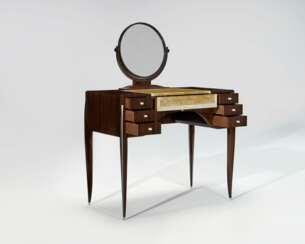

Émile-Jacques Ruhlmann, (sometimes called Jacques-Émile Ruhlmann), was a French furniture designer and interior decorator, who was one of the most important figures in the Art Deco movement. His furniture featured sleek designs, expensive and exotic materials and extremely fine craftsmanship, and became a symbol of the luxury and modernity of Art Deco. It also produced a reaction from other designers and architects, such as Le Corbusier, who called for simpler, functional furniture.
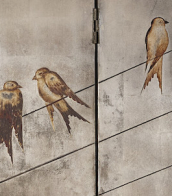


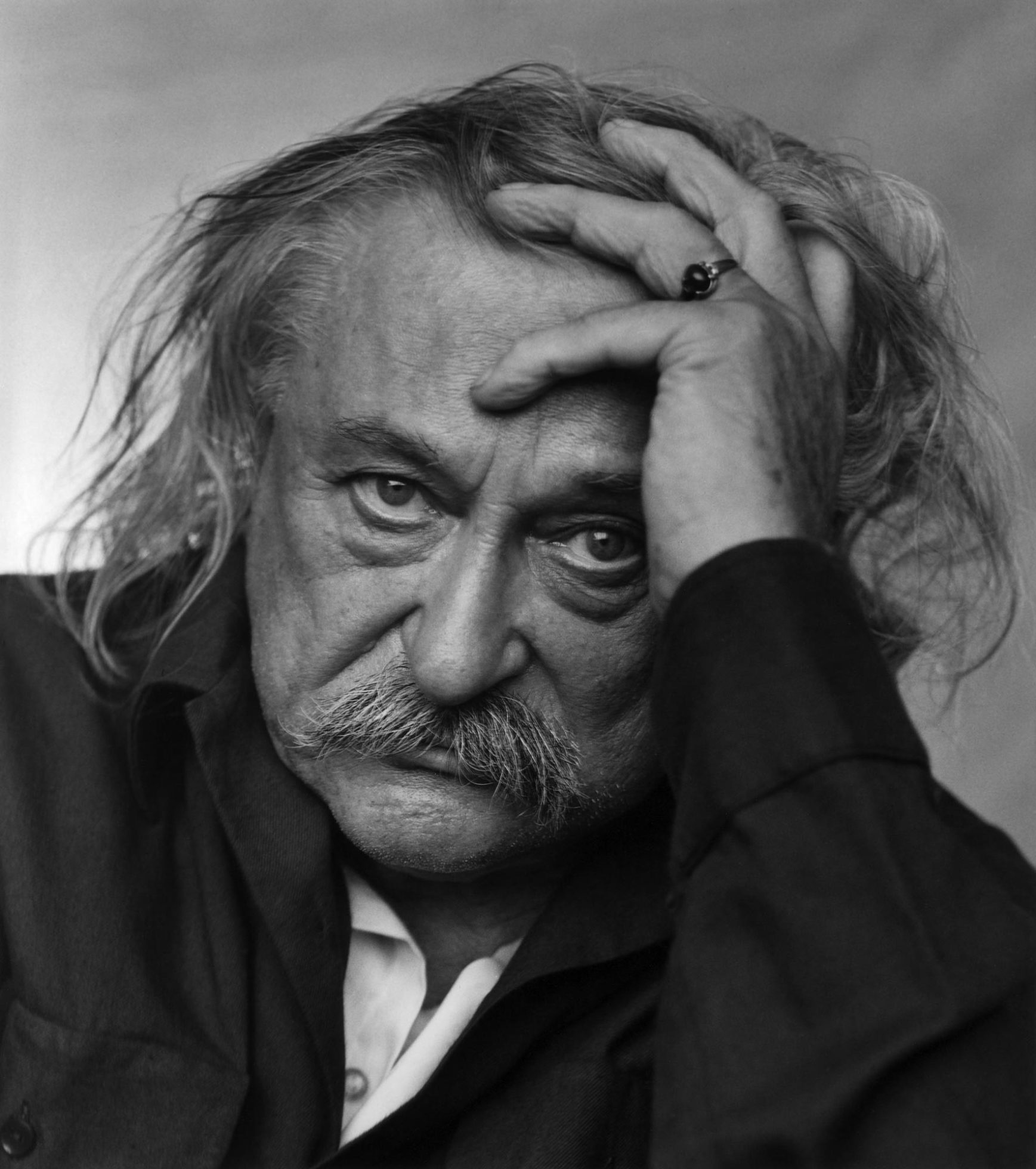
Jacques Lipchitz was a Cubist sculptor. Lipchitz retained highly figurative and legible components in his work leading up to 1915-16, after which naturalist and descriptive elements were muted, dominated by a synthetic style of Crystal Cubism. In 1920 Lipchitz held his first solo exhibition, at Léonce Rosenberg's Galerie L'Effort Moderne in Paris. Fleeing the Nazis he moved to the US and settled in New York City and eventually Hastings-on-Hudson.
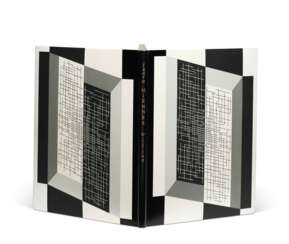

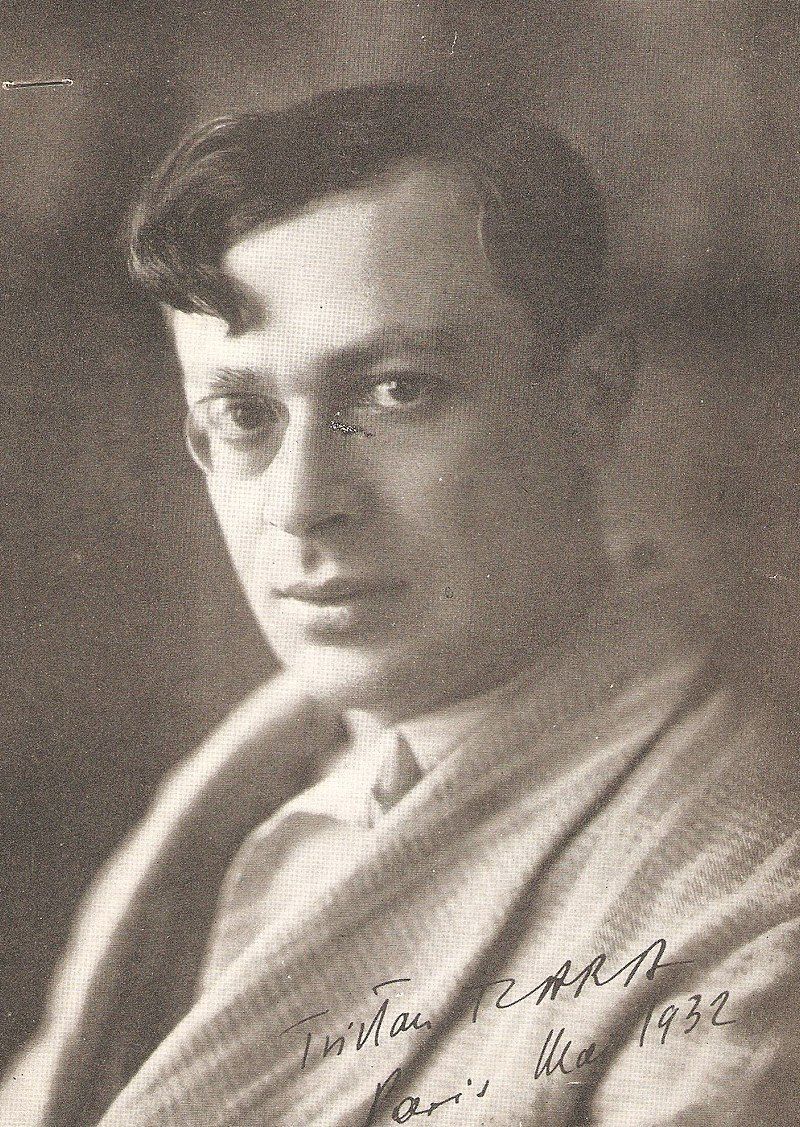
Tristan Tzara, originally named Sami (Samuel) Rosenstock, was a Romanian and French artist and writer best known as a founding figure of the Dada movement. Born in 1896 in Moinești, Romania, Tzara's influence extends across poetry, performance, and manifesto writing, marking him as a pivotal personality in 20th-century art and culture. His work challenged conventional norms and sought to disrupt the traditional boundaries of art, making him a central figure in the avant-garde community.
Dada, the movement with which Tzara is most closely associated, emerged as a reaction against the horrors of World War I, advocating for irrationality and anti-bourgeois protest. Tzara's contributions, including his manifestos, poetry, and performances, were instrumental in shaping Dada's legacy. His art and writings emphasized the importance of spontaneity and chaos, challenging the status quo and the very definition of art itself. Tzara's approach was not confined to a single medium; he explored poetry, playwriting, and critical theory, leaving a diverse and impactful body of work.
Though Tzara is not widely known for sculpture or painting in the traditional sense, his influence on these and other art forms is undeniable. His work and ideas laid the groundwork for later avant-garde movements, including Surrealism. While specific works of Tzara in museums or galleries were not detailed in the research, his legacy is preserved through the collections of major institutions worldwide, reflecting his enduring impact on the arts.
For collectors and experts in art and antiques, understanding Tzara's contributions provides insight into the radical shifts in culture and art in the early 20th century. His work remains a testament to the power of art to challenge, provoke, and transform. To stay informed about new product sales and auction events related to Tristan Tzara, sign up for our updates. This subscription ensures you're alerted to unique opportunities to engage with the history and legacy of a key figure in modern art.
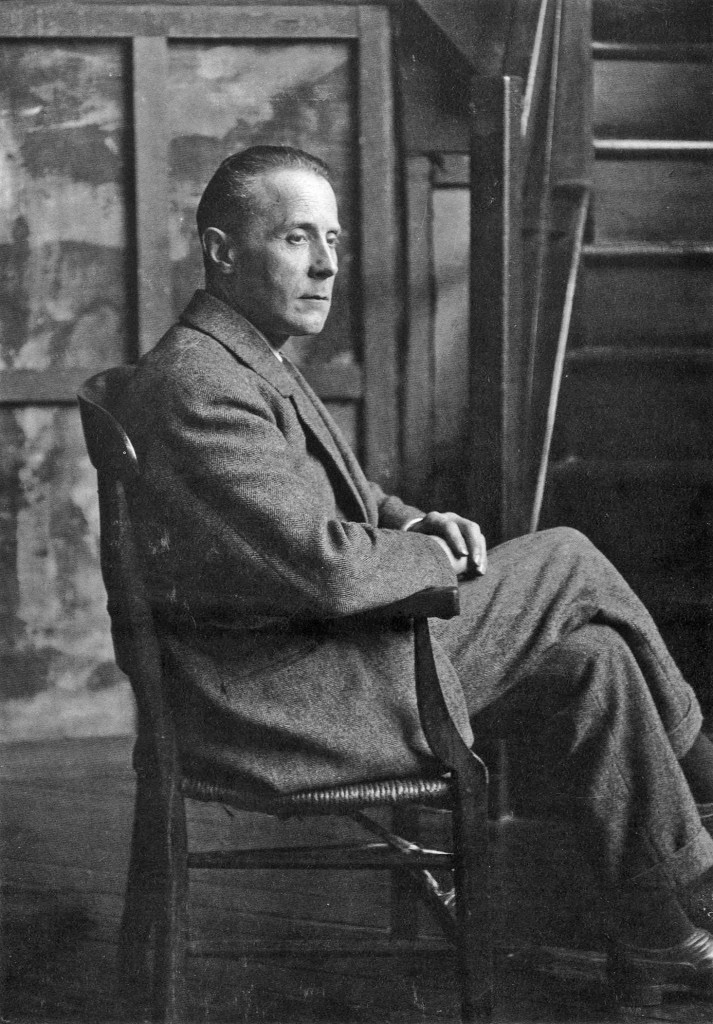
Jacques Villon, birth name Gaston Duchamp, was a French painter and printmaker. In 1907 he changed his name to Jacques Villon. He was the brother of artists Marcel Duchamp and Raymond Duchamp-Villon.
Villon began his career as a painter and his early work was influenced by the Impressionists and Post-Impressionists. He later became interested in Cubism and, together with his brother Raymond, became a member of the Putot group, a collective of artists who experimented with Cubist techniques.
In addition to painting, Villon was also a skilled engraver. He worked in various engraving techniques, including etching, aquatint and dry glass, and his prints are known for their intricate lines and geometric shapes.
Villon's work continued to evolve throughout his career, experimenting with different styles and techniques. In his later years, he returned to a more traditional style of painting, creating landscapes and portraits with bright colors and expressive strokes.
Villon's works were exhibited in major museums and galleries around the world, including the Museum of Modern Art in New York and the Pompidou Centre in Paris. He is considered to be one of the most significant figures of the Cubist movement and his contribution to modern art is still celebrated today.


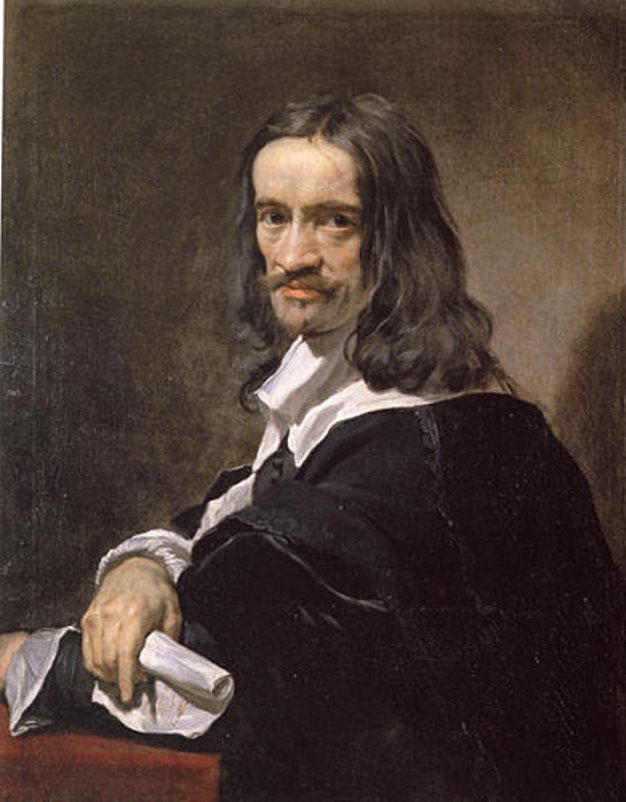


Jacques Villon, birth name Gaston Duchamp, was a French painter and printmaker. In 1907 he changed his name to Jacques Villon. He was the brother of artists Marcel Duchamp and Raymond Duchamp-Villon.
Villon began his career as a painter and his early work was influenced by the Impressionists and Post-Impressionists. He later became interested in Cubism and, together with his brother Raymond, became a member of the Putot group, a collective of artists who experimented with Cubist techniques.
In addition to painting, Villon was also a skilled engraver. He worked in various engraving techniques, including etching, aquatint and dry glass, and his prints are known for their intricate lines and geometric shapes.
Villon's work continued to evolve throughout his career, experimenting with different styles and techniques. In his later years, he returned to a more traditional style of painting, creating landscapes and portraits with bright colors and expressive strokes.
Villon's works were exhibited in major museums and galleries around the world, including the Museum of Modern Art in New York and the Pompidou Centre in Paris. He is considered to be one of the most significant figures of the Cubist movement and his contribution to modern art is still celebrated today.

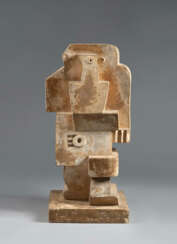

Jacques Lipchitz was a Cubist sculptor. Lipchitz retained highly figurative and legible components in his work leading up to 1915-16, after which naturalist and descriptive elements were muted, dominated by a synthetic style of Crystal Cubism. In 1920 Lipchitz held his first solo exhibition, at Léonce Rosenberg's Galerie L'Effort Moderne in Paris. Fleeing the Nazis he moved to the US and settled in New York City and eventually Hastings-on-Hudson.
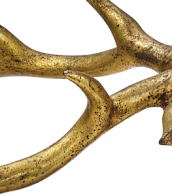
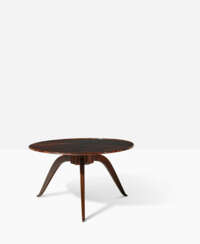

Émile-Jacques Ruhlmann, (sometimes called Jacques-Émile Ruhlmann), was a French furniture designer and interior decorator, who was one of the most important figures in the Art Deco movement. His furniture featured sleek designs, expensive and exotic materials and extremely fine craftsmanship, and became a symbol of the luxury and modernity of Art Deco. It also produced a reaction from other designers and architects, such as Le Corbusier, who called for simpler, functional furniture.
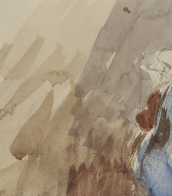


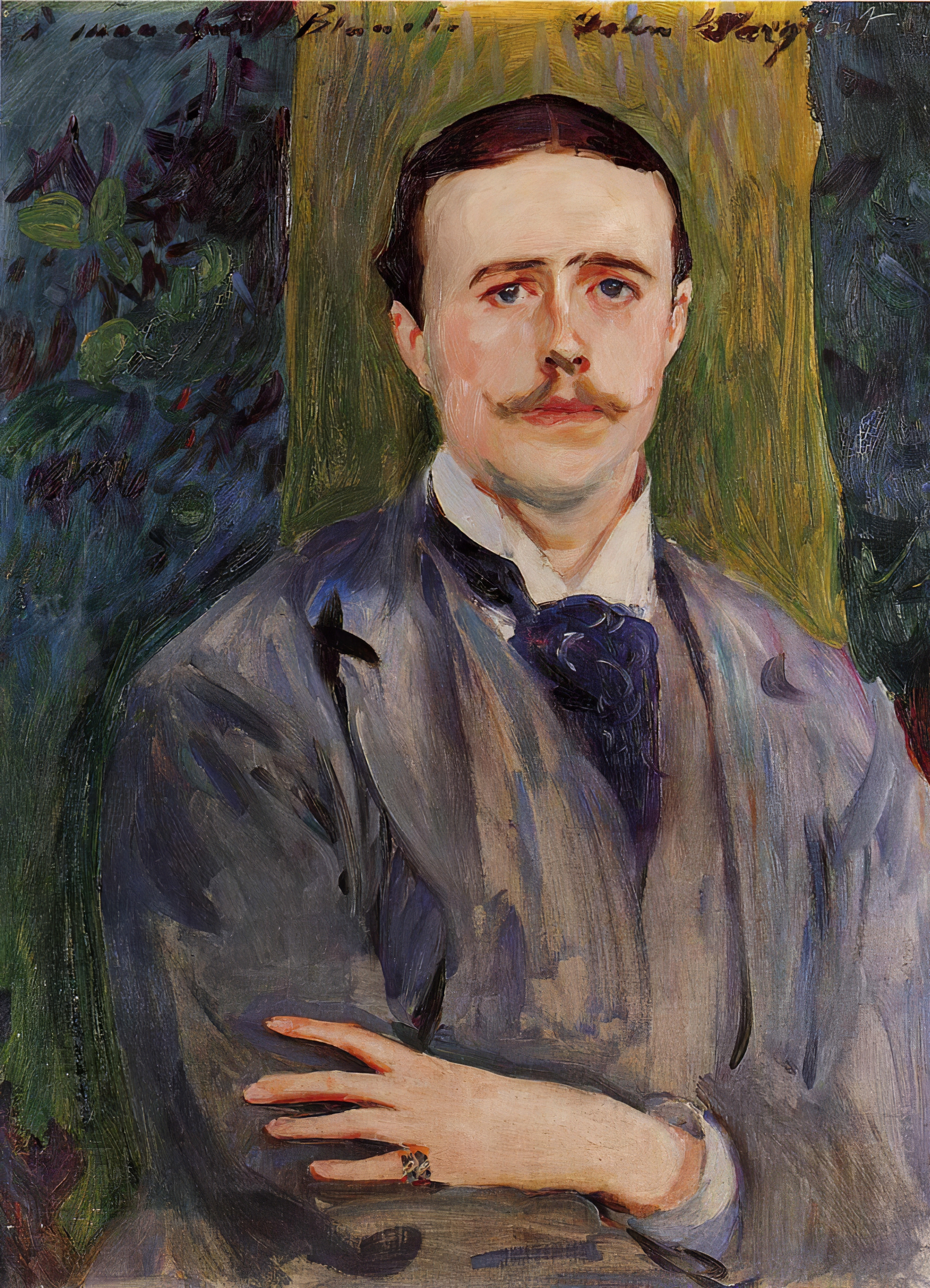
Jacques-Émile Blanche was a French artist, largely self-taught, who became a successful portrait painter, working in London and Paris.


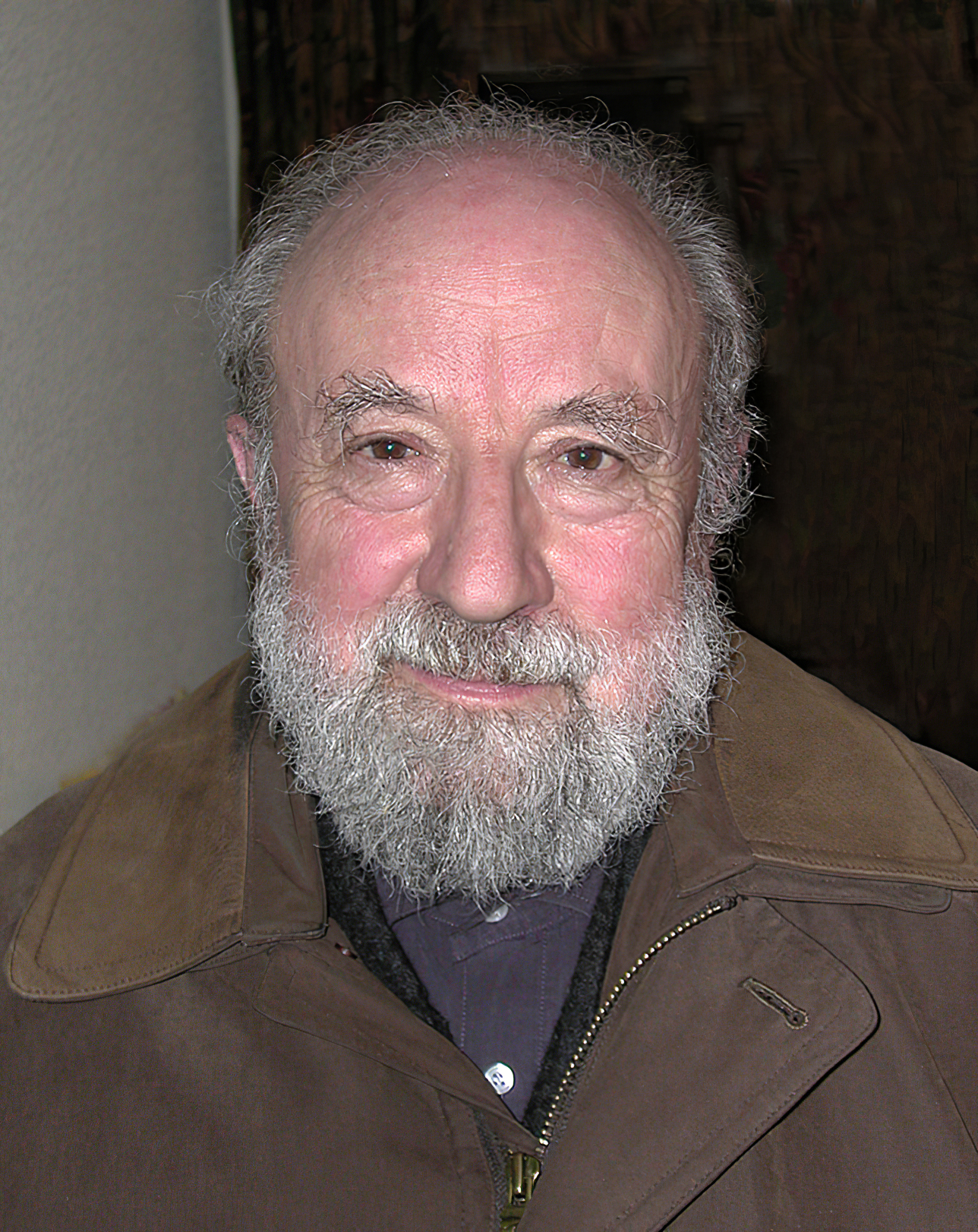
Michel Butor was a French writer and poet, associated with the Nouveau Roman literary movement of the 1950s and 1960s. He was known for his experimental writing style, which often challenged traditional narrative structures and explored the relationship between language, identity, and memory.
Butor studied philosophy and literature at the Sorbonne in Paris. In 1954, he published his first novel, "Passage de Milan," which established his reputation as a leading figure of the Nouveau Roman movement.
Throughout his career, Butor wrote more than twenty novels, as well as essays, poetry, and other works. His writing often incorporated elements of travelogue and autobiography, and he frequently collaborated with visual artists on projects that combined text and image.
In addition to his literary work, Butor was a respected teacher and critic, and he lectured at universities around the world. He was awarded numerous honors and awards for his contributions to French literature, including the Prix Renaudot in 1957.
His legacy as an innovative and influential writer continues to be celebrated by literary scholars and readers around the world.
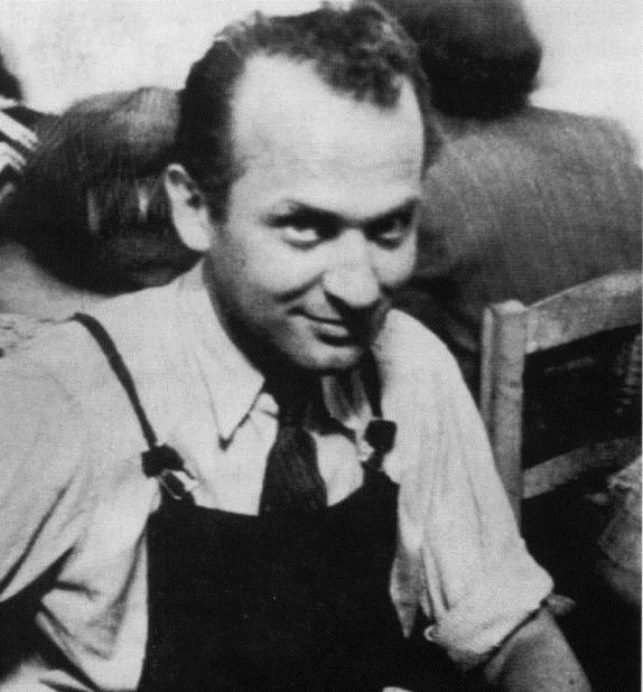
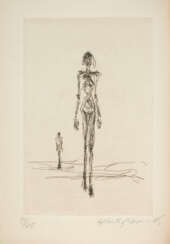

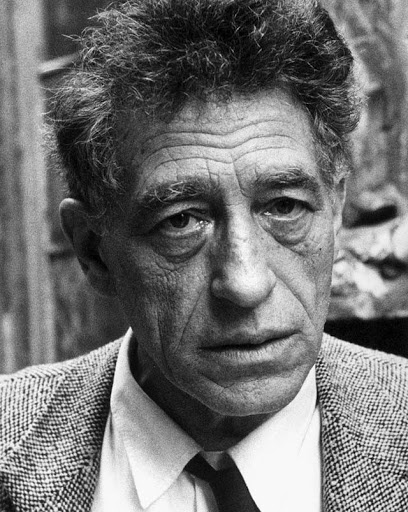
Alberto Giacometti was a Swiss sculptor, painter, draftsman, and printmaker, renowned for his distinctive elongated sculptures of solitary figures. Born in Borgonovo, Switzerland, in 1901, into a family of artists, Giacometti's talent was evident from an early age, encouraged by his father, Giovanni, a post-Impressionist painter, and his godfather, Cuno Amiet, a Fauvist painter. Moving to Paris in 1922 to study under the sculptor Antoine Bourdelle, Giacometti became a pivotal figure in Surrealism before focusing intensely on the human form, leading to his signature style of thin, elongated figures that evoke feelings of solitude and existential dread.
Giacometti's work spans several decades and various phases, including his early involvement with Surrealism and his later, more recognized existential and figurative sculptures. Notably, his sculptures, such as "Walking Man I" and "The Palace at 4 a.m.," reflect his unique view of reality and his relentless pursuit to capture the human essence. His approach was influenced by his associations with prominent figures of the art world, including Miró and Picasso, and intellectuals like Jean-Paul Sartre.
Despite facing challenges, including periods of self-doubt and the physical toll on his health, Giacometti's legacy as a master sculptor and artist remains influential. His works are celebrated worldwide and featured in major museums, such as the Museum of Modern Art in New York and the Tate Gallery in London, testament to his enduring impact on the art world.
Collectors and experts in art and antiques continue to revere Giacometti's work for its emotional depth and unique aesthetic. For those interested in the pioneering spirit of modern sculpture, Alberto Giacometti's oeuvre offers a profound exploration of the human condition and the artist's relentless pursuit of reality through art.
To stay updated on sales and auction events related to Alberto Giacometti's work, sign up for updates. This subscription is an excellent opportunity for collectors and enthusiasts to remain informed about new discoveries and opportunities related to Giacometti's enduring legacy.
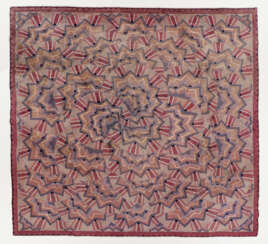

Émile-Jacques Ruhlmann, (sometimes called Jacques-Émile Ruhlmann), was a French furniture designer and interior decorator, who was one of the most important figures in the Art Deco movement. His furniture featured sleek designs, expensive and exotic materials and extremely fine craftsmanship, and became a symbol of the luxury and modernity of Art Deco. It also produced a reaction from other designers and architects, such as Le Corbusier, who called for simpler, functional furniture.
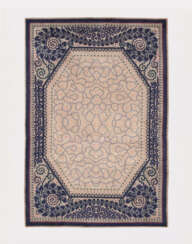

Émile-Jacques Ruhlmann, (sometimes called Jacques-Émile Ruhlmann), was a French furniture designer and interior decorator, who was one of the most important figures in the Art Deco movement. His furniture featured sleek designs, expensive and exotic materials and extremely fine craftsmanship, and became a symbol of the luxury and modernity of Art Deco. It also produced a reaction from other designers and architects, such as Le Corbusier, who called for simpler, functional furniture.
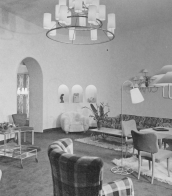
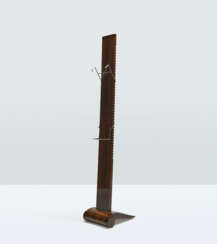

Émile-Jacques Ruhlmann, (sometimes called Jacques-Émile Ruhlmann), was a French furniture designer and interior decorator, who was one of the most important figures in the Art Deco movement. His furniture featured sleek designs, expensive and exotic materials and extremely fine craftsmanship, and became a symbol of the luxury and modernity of Art Deco. It also produced a reaction from other designers and architects, such as Le Corbusier, who called for simpler, functional furniture.
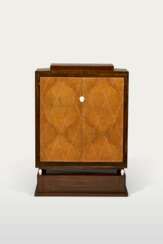

Émile-Jacques Ruhlmann, (sometimes called Jacques-Émile Ruhlmann), was a French furniture designer and interior decorator, who was one of the most important figures in the Art Deco movement. His furniture featured sleek designs, expensive and exotic materials and extremely fine craftsmanship, and became a symbol of the luxury and modernity of Art Deco. It also produced a reaction from other designers and architects, such as Le Corbusier, who called for simpler, functional furniture.


Émile-Jacques Ruhlmann, (sometimes called Jacques-Émile Ruhlmann), was a French furniture designer and interior decorator, who was one of the most important figures in the Art Deco movement. His furniture featured sleek designs, expensive and exotic materials and extremely fine craftsmanship, and became a symbol of the luxury and modernity of Art Deco. It also produced a reaction from other designers and architects, such as Le Corbusier, who called for simpler, functional furniture.




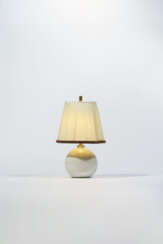

Émile-Jacques Ruhlmann, (sometimes called Jacques-Émile Ruhlmann), was a French furniture designer and interior decorator, who was one of the most important figures in the Art Deco movement. His furniture featured sleek designs, expensive and exotic materials and extremely fine craftsmanship, and became a symbol of the luxury and modernity of Art Deco. It also produced a reaction from other designers and architects, such as Le Corbusier, who called for simpler, functional furniture.
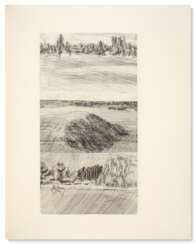

Jacques Villon, birth name Gaston Duchamp, was a French painter and printmaker. In 1907 he changed his name to Jacques Villon. He was the brother of artists Marcel Duchamp and Raymond Duchamp-Villon.
Villon began his career as a painter and his early work was influenced by the Impressionists and Post-Impressionists. He later became interested in Cubism and, together with his brother Raymond, became a member of the Putot group, a collective of artists who experimented with Cubist techniques.
In addition to painting, Villon was also a skilled engraver. He worked in various engraving techniques, including etching, aquatint and dry glass, and his prints are known for their intricate lines and geometric shapes.
Villon's work continued to evolve throughout his career, experimenting with different styles and techniques. In his later years, he returned to a more traditional style of painting, creating landscapes and portraits with bright colors and expressive strokes.
Villon's works were exhibited in major museums and galleries around the world, including the Museum of Modern Art in New York and the Pompidou Centre in Paris. He is considered to be one of the most significant figures of the Cubist movement and his contribution to modern art is still celebrated today.
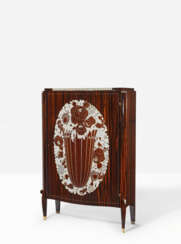

Émile-Jacques Ruhlmann, (sometimes called Jacques-Émile Ruhlmann), was a French furniture designer and interior decorator, who was one of the most important figures in the Art Deco movement. His furniture featured sleek designs, expensive and exotic materials and extremely fine craftsmanship, and became a symbol of the luxury and modernity of Art Deco. It also produced a reaction from other designers and architects, such as Le Corbusier, who called for simpler, functional furniture.
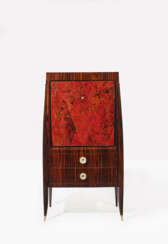

Émile-Jacques Ruhlmann, (sometimes called Jacques-Émile Ruhlmann), was a French furniture designer and interior decorator, who was one of the most important figures in the Art Deco movement. His furniture featured sleek designs, expensive and exotic materials and extremely fine craftsmanship, and became a symbol of the luxury and modernity of Art Deco. It also produced a reaction from other designers and architects, such as Le Corbusier, who called for simpler, functional furniture.
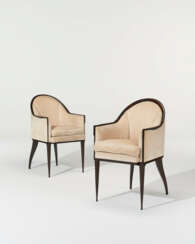

Émile-Jacques Ruhlmann, (sometimes called Jacques-Émile Ruhlmann), was a French furniture designer and interior decorator, who was one of the most important figures in the Art Deco movement. His furniture featured sleek designs, expensive and exotic materials and extremely fine craftsmanship, and became a symbol of the luxury and modernity of Art Deco. It also produced a reaction from other designers and architects, such as Le Corbusier, who called for simpler, functional furniture.