lote
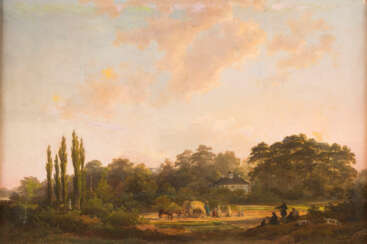

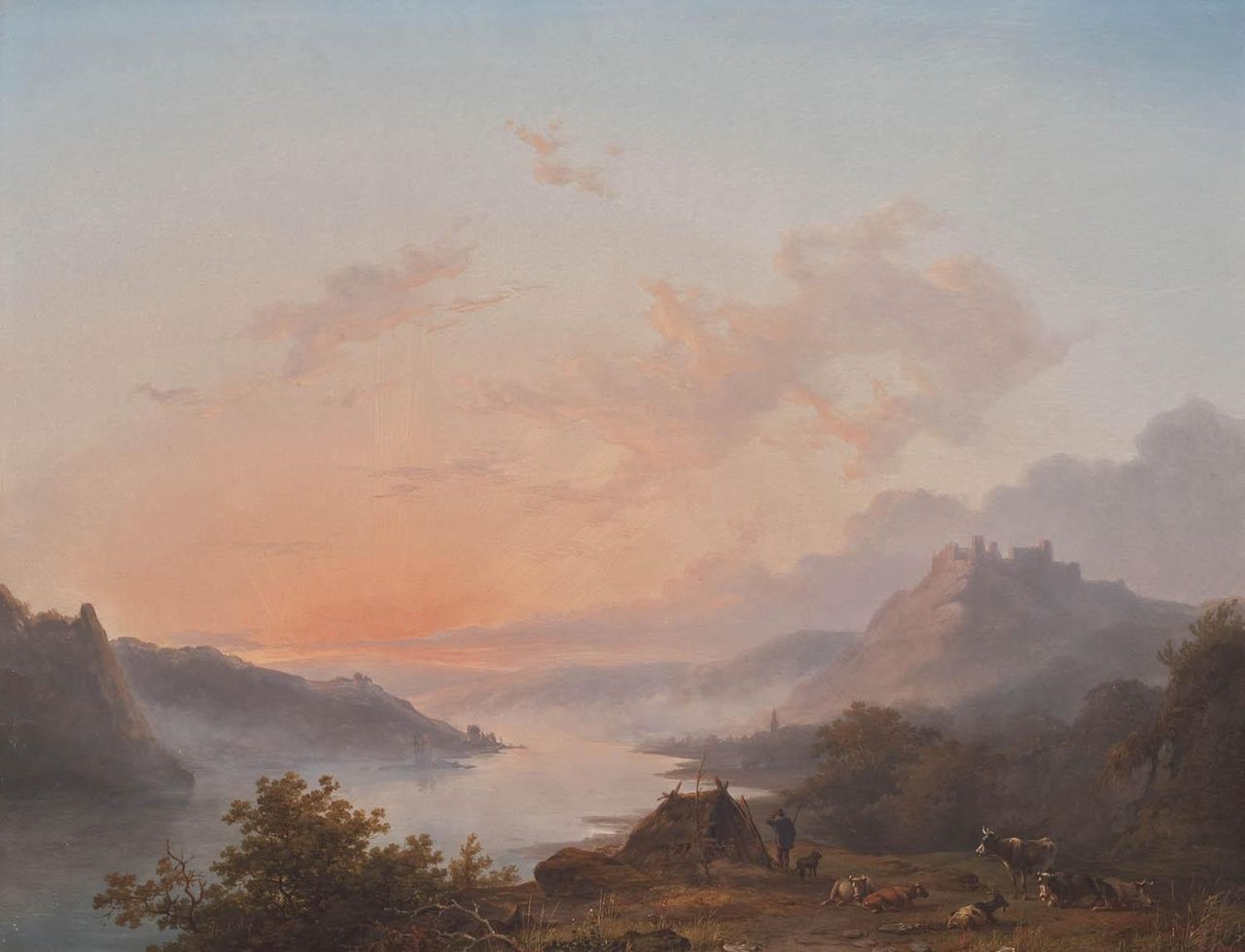
Henry (Hendrik) Lot was a Dutch animal and landscape painter of the Düsseldorf School.
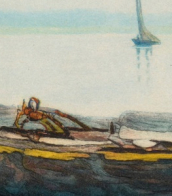
Lot specialised in particular in the depiction of river and forest landscapes on the Lower Rhine, with occasionally identifiable city silhouettes in the distance.
Contemporary critics praised his ability to create images with the simplest means and an "unsought naturalness" in his works. Occasionally his painting was characterised as "in the manner of the old Dutch". From 1854 to 1860 he was a member of the Düsseldorf artists' association Malkasten.
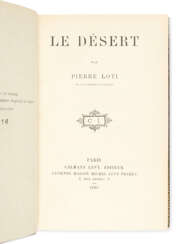

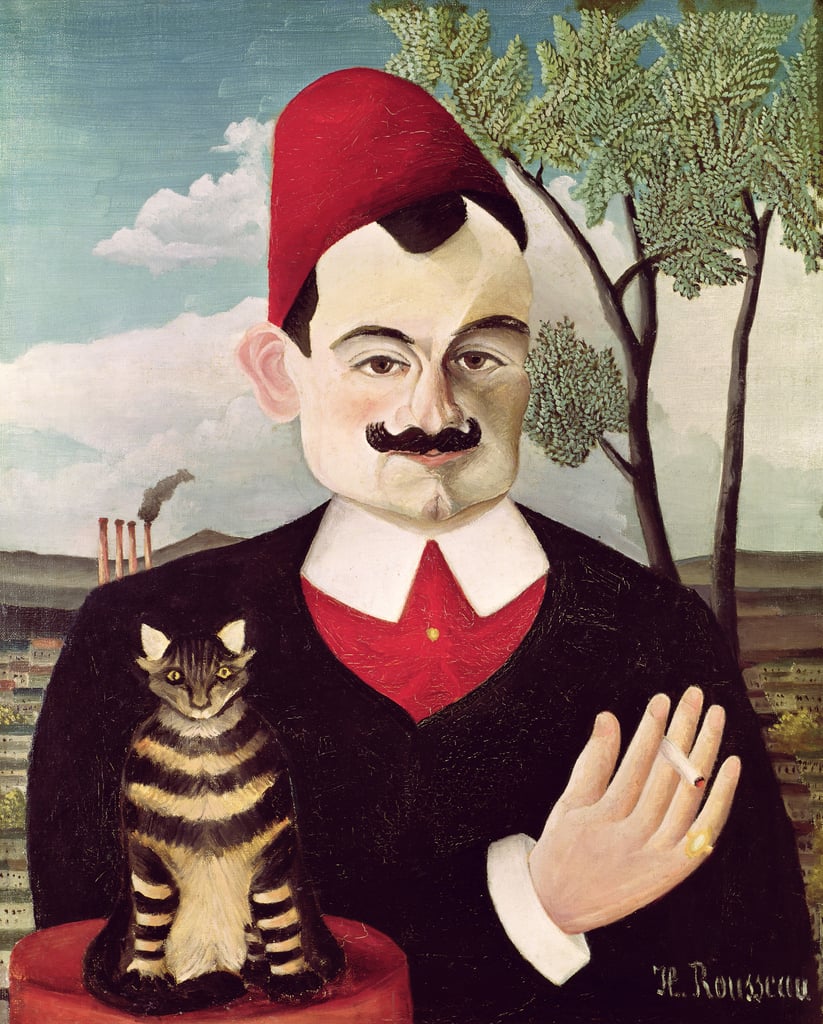
Pierre Loti, real name Louis Marie-Julien Viaud, was a French naval officer and novelist.
At the age of 17 he entered the naval school in Brest, then studied at École navale, the French naval academy. While pursuing a career as an officer in the navy, Louis Viaud began to think about writing. In 1872, he lived in Tahiti for several months and the result was Le Mariage de Loti (The Wedding of Loti), an autobiographical novel that began the fame of the writer Pierre Loti.
During his life he also visited Constantinople, the Holy Land, China, Algeria, British India, and Japan, writing a total of about 40 books. His colonial, mostly sentimental novels of life in exotic countries were very popular in Europe and in the United States, they were staged plays and films. In September 1920, Loti became an honorary citizen of Istanbul. He was also a member of the French Academy, Knight of the Grand Cross of the Legion of Honor.
Pierre Loti was also an avid collector, furnishing his Rochefort home in Orientalist and other styles, which today houses a museum of architectural eclecticism.
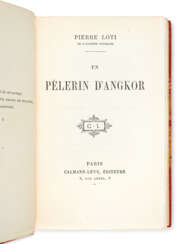

Pierre Loti, real name Louis Marie-Julien Viaud, was a French naval officer and novelist.
At the age of 17 he entered the naval school in Brest, then studied at École navale, the French naval academy. While pursuing a career as an officer in the navy, Louis Viaud began to think about writing. In 1872, he lived in Tahiti for several months and the result was Le Mariage de Loti (The Wedding of Loti), an autobiographical novel that began the fame of the writer Pierre Loti.
During his life he also visited Constantinople, the Holy Land, China, Algeria, British India, and Japan, writing a total of about 40 books. His colonial, mostly sentimental novels of life in exotic countries were very popular in Europe and in the United States, they were staged plays and films. In September 1920, Loti became an honorary citizen of Istanbul. He was also a member of the French Academy, Knight of the Grand Cross of the Legion of Honor.
Pierre Loti was also an avid collector, furnishing his Rochefort home in Orientalist and other styles, which today houses a museum of architectural eclecticism.

Pierre Loti, real name Louis Marie-Julien Viaud, was a French naval officer and novelist.
At the age of 17 he entered the naval school in Brest, then studied at École navale, the French naval academy. While pursuing a career as an officer in the navy, Louis Viaud began to think about writing. In 1872, he lived in Tahiti for several months and the result was Le Mariage de Loti (The Wedding of Loti), an autobiographical novel that began the fame of the writer Pierre Loti.
During his life he also visited Constantinople, the Holy Land, China, Algeria, British India, and Japan, writing a total of about 40 books. His colonial, mostly sentimental novels of life in exotic countries were very popular in Europe and in the United States, they were staged plays and films. In September 1920, Loti became an honorary citizen of Istanbul. He was also a member of the French Academy, Knight of the Grand Cross of the Legion of Honor.
Pierre Loti was also an avid collector, furnishing his Rochefort home in Orientalist and other styles, which today houses a museum of architectural eclecticism.


Pierre Loti, real name Louis Marie-Julien Viaud, was a French naval officer and novelist.
At the age of 17 he entered the naval school in Brest, then studied at École navale, the French naval academy. While pursuing a career as an officer in the navy, Louis Viaud began to think about writing. In 1872, he lived in Tahiti for several months and the result was Le Mariage de Loti (The Wedding of Loti), an autobiographical novel that began the fame of the writer Pierre Loti.
During his life he also visited Constantinople, the Holy Land, China, Algeria, British India, and Japan, writing a total of about 40 books. His colonial, mostly sentimental novels of life in exotic countries were very popular in Europe and in the United States, they were staged plays and films. In September 1920, Loti became an honorary citizen of Istanbul. He was also a member of the French Academy, Knight of the Grand Cross of the Legion of Honor.
Pierre Loti was also an avid collector, furnishing his Rochefort home in Orientalist and other styles, which today houses a museum of architectural eclecticism.