magic wand add ons
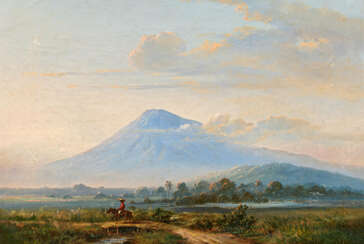

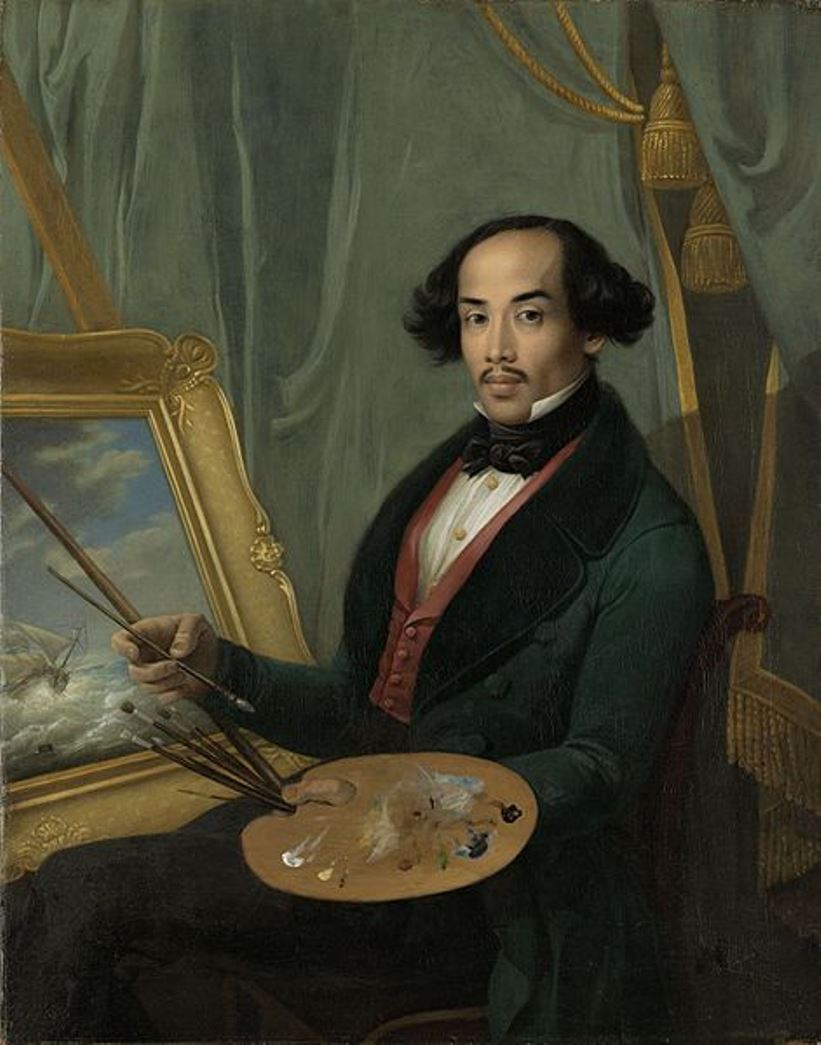


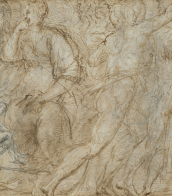
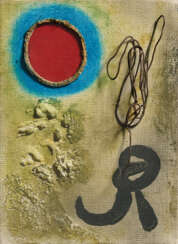

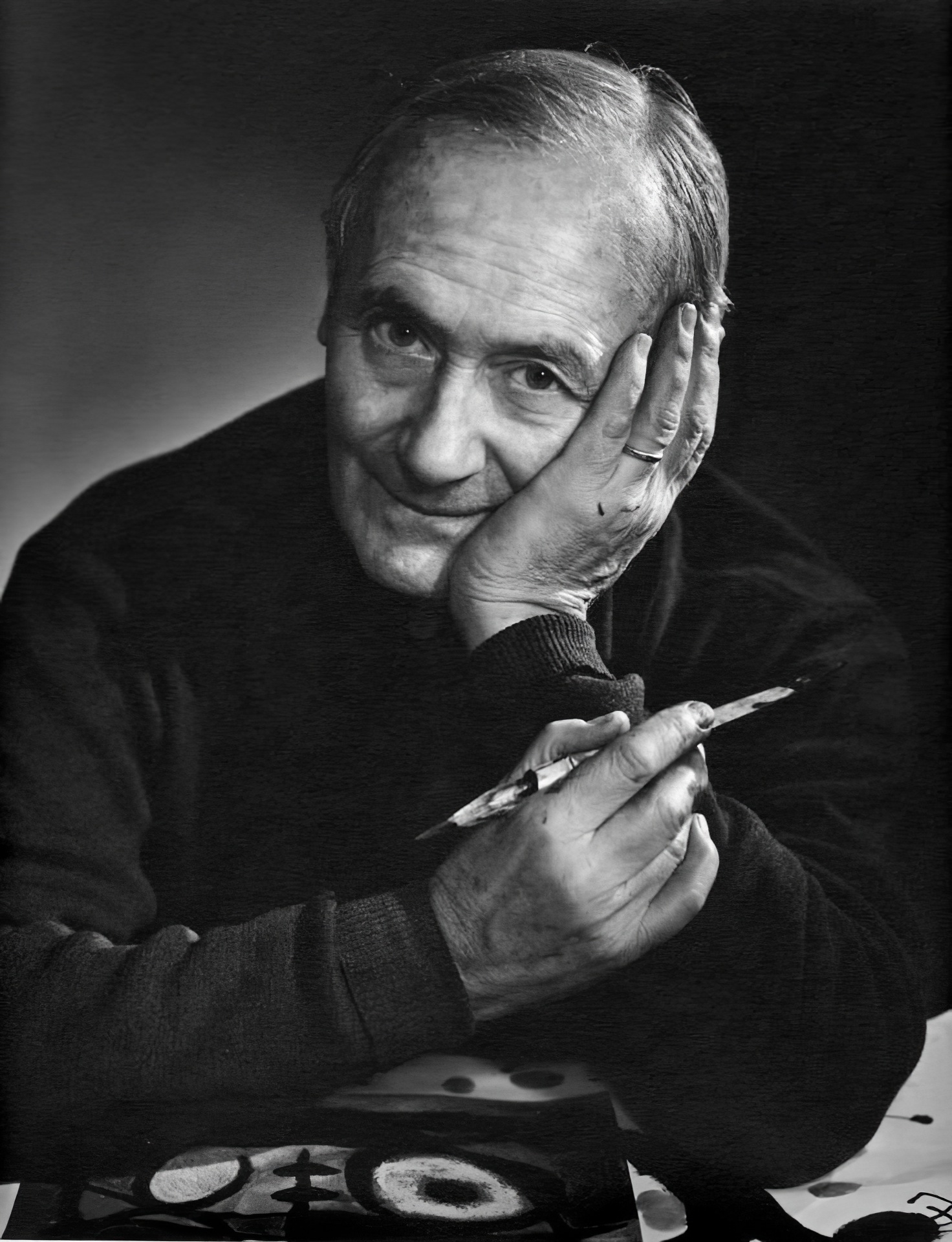
Joan Miró, a celebrated Spanish artist, was a master in painting, sculpture, and ceramics, renowned for his unique style that blurred the lines between Surrealism, Fauvism, and Expressionism. Born in Barcelona to a family of a goldsmith and a watchmaker, Miró grew up immersed in the rich cultural heritage of the Barri Gòtic neighborhood. His artistic journey began with drawing classes at the age of seven and continued at the prestigious La Llotja art academy. Despite an initial venture into the business world, Miró's passion for art prevailed, leading him to abandon his clerical career after a nervous breakdown.
Miró's work is noted for its exploration of the subconscious, often depicting a childlike perspective. This approach was both a critique of traditional painting methods and a means of expressing Catalan pride. His art, challenging to categorize, often featured symbolic elements and nationalistic qualities. One of his notable early works, "The Farm," reflects a transition to a more individual style, blending elements of his Catalan roots with broader artistic influences. This piece, later purchased by Ernest Hemingway, encapsulated the essence of Spain in its imagery.
In Paris, Miró joined the Surrealist movement in 1924, where his work began to reflect the influence of automatism, emphasizing spontaneous, automatic, or subconscious creation. He experimented with various mediums, including painting-poetry and collage, and even ventured into set and costume design for Sergei Diaghilev's Ballets Russes.
During World War II, Miró remained in Spain, and his work from this period, including the 22 Constellations series, reflected an interest in the night, music, and stars. His forms became increasingly abstracted, and he experimented with various techniques, often incorporating primary colors and evocative titles.
Miró's career spanned several decades, during which he continually evolved his style and explored new mediums. His contributions to art were recognized with numerous awards and retrospectives, including a major career retrospective at MoMA in 1941 and the Spanish Gold Medal for Fine Arts in 1980. Among his last major works was a tapestry for the World Trade Center in New York City, created in 1974.
For art collectors and enthusiasts, Joan Miró remains a figure of immense interest, not only for his distinct style and contributions to Surrealism but also for his ability to blend poetic imagery with political commentary. To stay updated on new product sales and auction events related to Joan Miró, sign up for our updates and immerse yourself in the world of this extraordinary artist.
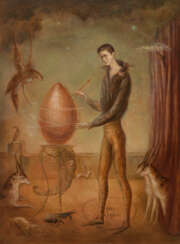

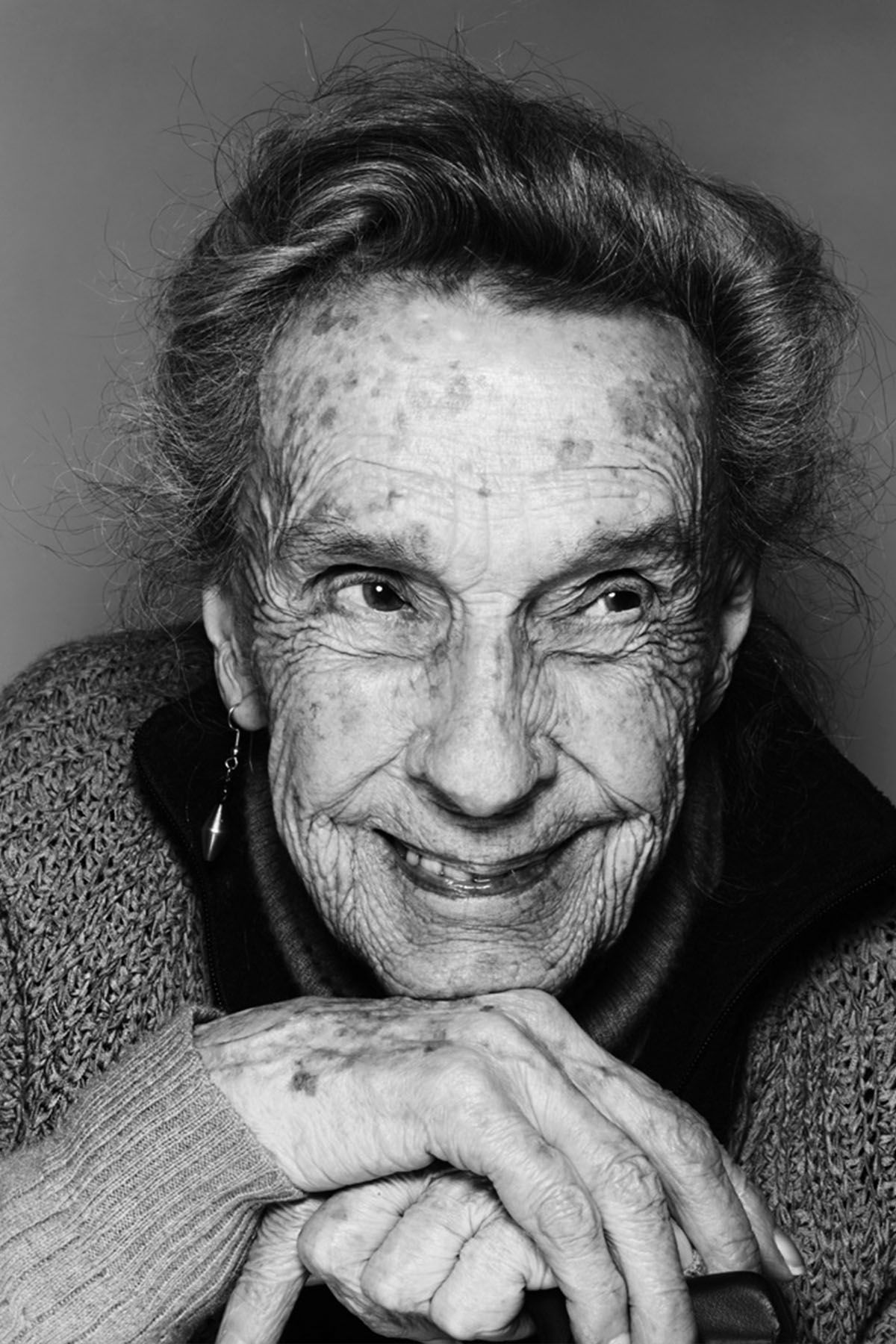
Leonora Carrington was a British-born Mexican artist, surrealist painter, and novelist. She lived most of her adult life in Mexico City and was one of the last surviving participants in the surrealist movement of the 1930s. Carrington was also a founding member of the women's liberation movement in Mexico during the 1970s.
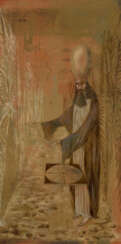

Leonora Carrington was a British-born Mexican artist, surrealist painter, and novelist. She lived most of her adult life in Mexico City and was one of the last surviving participants in the surrealist movement of the 1930s. Carrington was also a founding member of the women's liberation movement in Mexico during the 1970s.
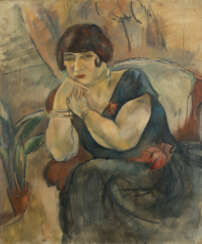

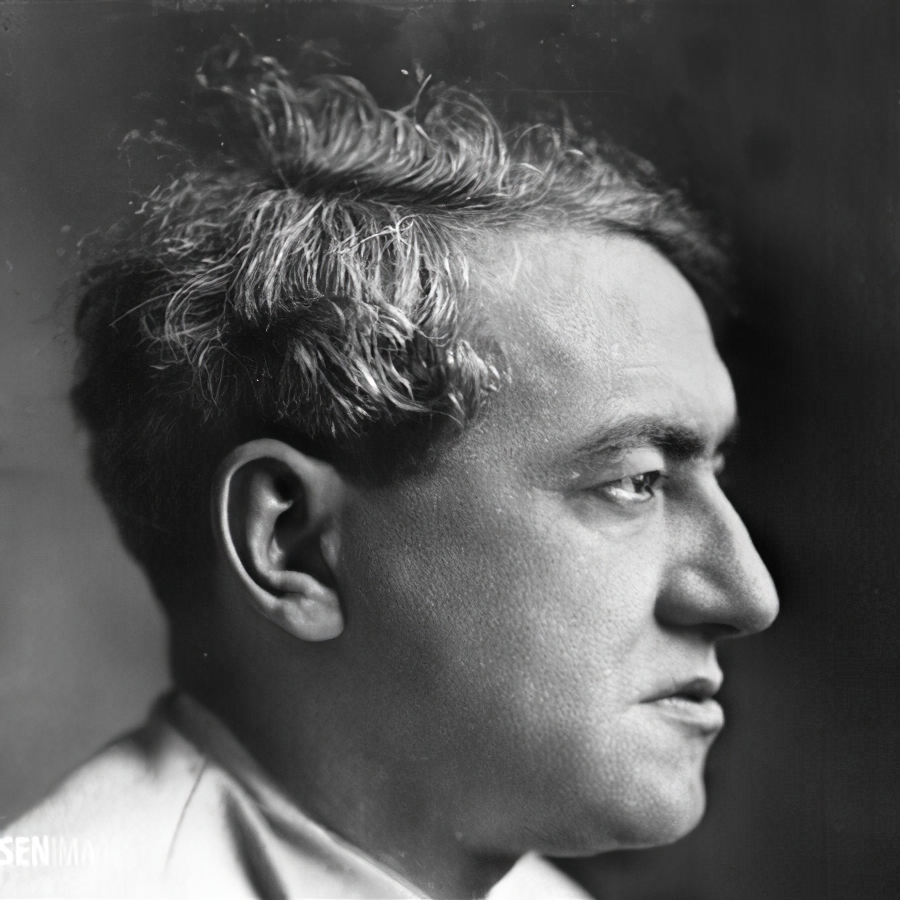
Jules Pascin, born Julius Mordecai Pincas, was a Bulgarian-born American painter and draftsman. He studied art in Vienna, Munich, and Paris, where he settled in 1905.
Pascin became known for his portraits and nudes, which often featured elongated figures and fluid lines. He was also noted for his use of watercolors and his depictions of Parisian nightlife, cafes, and brothels. His work was influenced by the Fauvists and the German Expressionists.
Pascin was a member of the Montparnasse artistic community in Paris, and he was friends with many of the leading artists and writers of the day, including Pablo Picasso, Henri Matisse, and Ernest Hemingway. He was married twice, but his personal life was marked by numerous affairs and a struggle with alcoholism.
His work is held in many major collections, including the Museum of Modern Art in New York and the Art Institute of Chicago.
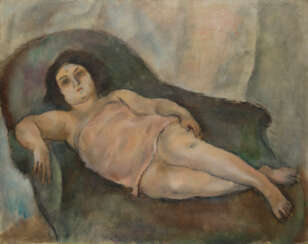

Jules Pascin, born Julius Mordecai Pincas, was a Bulgarian-born American painter and draftsman. He studied art in Vienna, Munich, and Paris, where he settled in 1905.
Pascin became known for his portraits and nudes, which often featured elongated figures and fluid lines. He was also noted for his use of watercolors and his depictions of Parisian nightlife, cafes, and brothels. His work was influenced by the Fauvists and the German Expressionists.
Pascin was a member of the Montparnasse artistic community in Paris, and he was friends with many of the leading artists and writers of the day, including Pablo Picasso, Henri Matisse, and Ernest Hemingway. He was married twice, but his personal life was marked by numerous affairs and a struggle with alcoholism.
His work is held in many major collections, including the Museum of Modern Art in New York and the Art Institute of Chicago.


Jules Pascin, born Julius Mordecai Pincas, was a Bulgarian-born American painter and draftsman. He studied art in Vienna, Munich, and Paris, where he settled in 1905.
Pascin became known for his portraits and nudes, which often featured elongated figures and fluid lines. He was also noted for his use of watercolors and his depictions of Parisian nightlife, cafes, and brothels. His work was influenced by the Fauvists and the German Expressionists.
Pascin was a member of the Montparnasse artistic community in Paris, and he was friends with many of the leading artists and writers of the day, including Pablo Picasso, Henri Matisse, and Ernest Hemingway. He was married twice, but his personal life was marked by numerous affairs and a struggle with alcoholism.
His work is held in many major collections, including the Museum of Modern Art in New York and the Art Institute of Chicago.


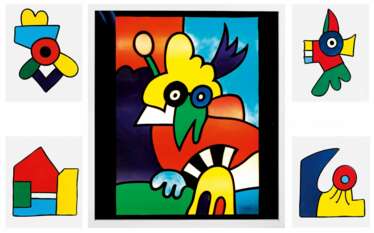

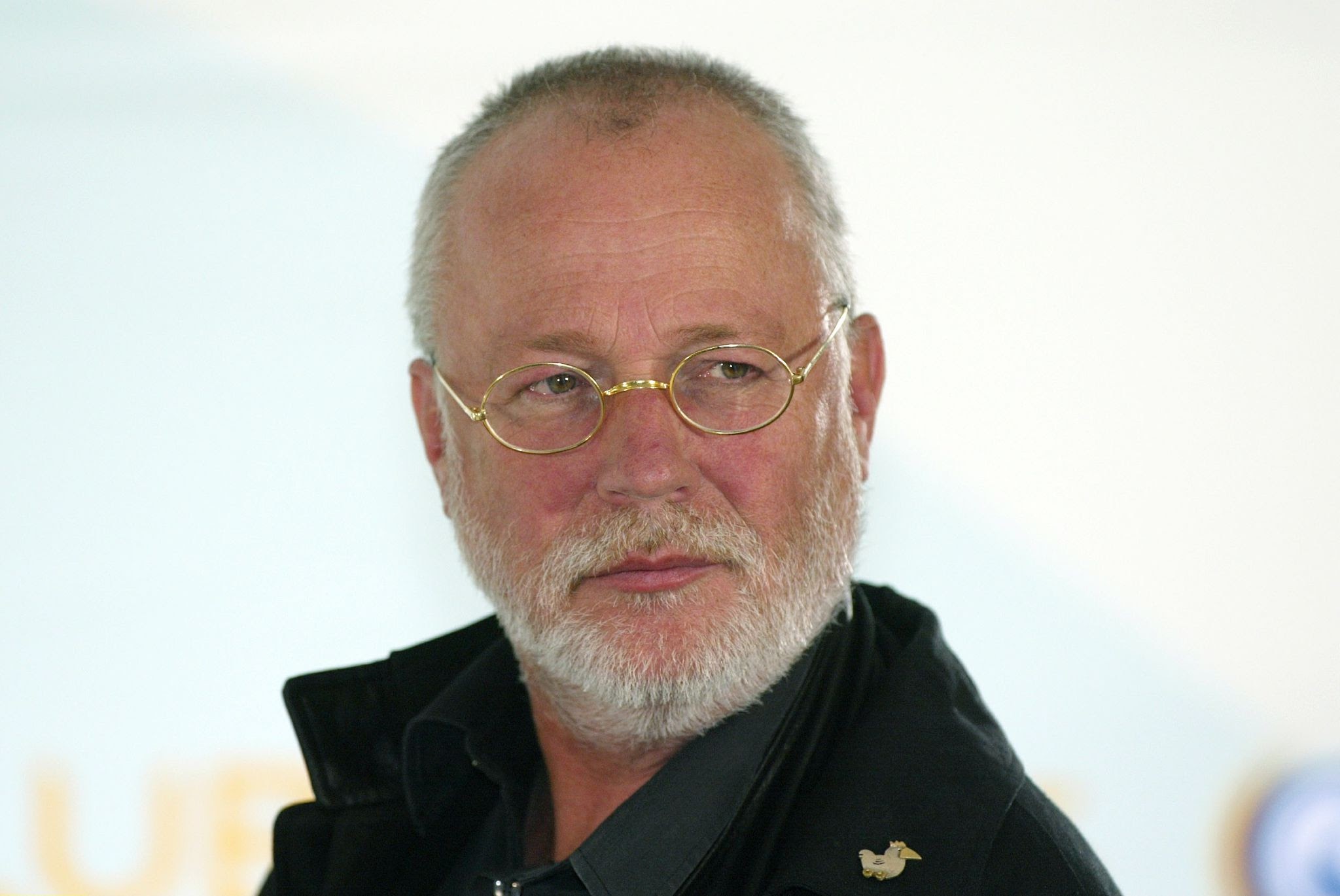
Otmar Alt was a German painter, graphic artist, designer and sculptor.
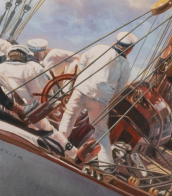




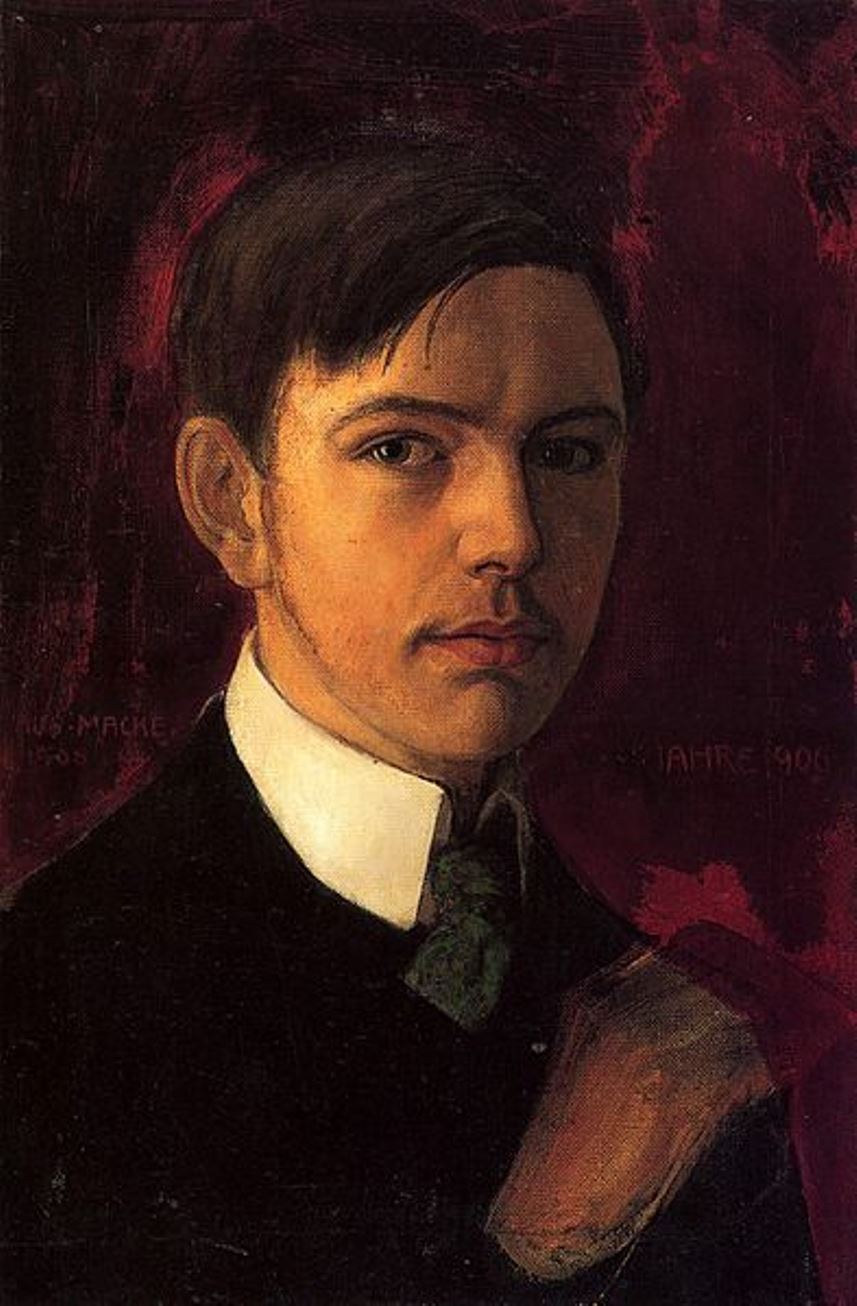
August Robert Ludwig Macke was an eminent German expressionist painter, founder and member of the Blue Rider association. His very colorful and individual style is today referred to as the Macke style, characterized by a harmonious combination of colors and the play of light effects. His favorite subjects of his works were sketches from the life of the city, as well as nature and man. The paintings of August Macke give an impression of joy and lightness.
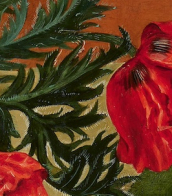
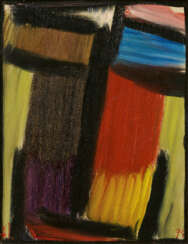

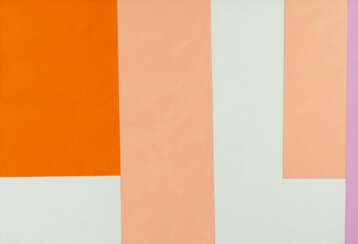

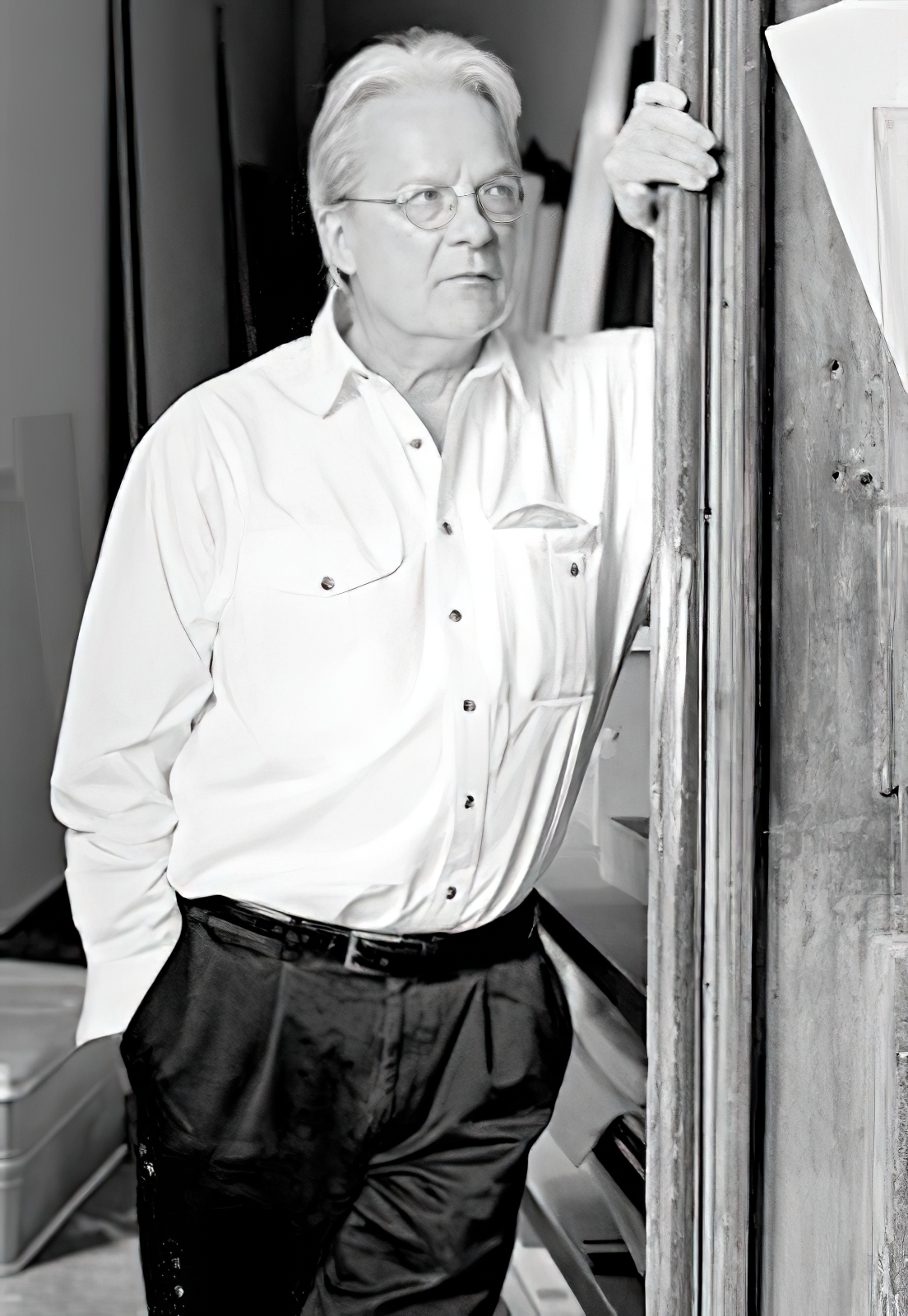
Imi Knoebel (born Klaus Wolf Knoebel) is a German artist. Knoebel is known for his minimalist, abstract painting and sculpture. The "Messerschnitt" or "knife cuts," are a recurring technique he employs, along with his regular use of the primary colors, red, yellow and blue. Knoebel lives and works in Düsseldorf.