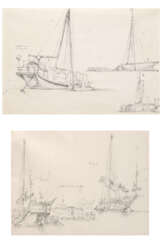
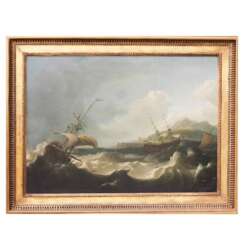
paysage marin

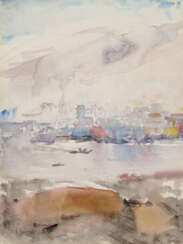

John Marin was an American artist, a prominent member of the first generation of American modernists. He is known for his abstract landscapes and watercolors.
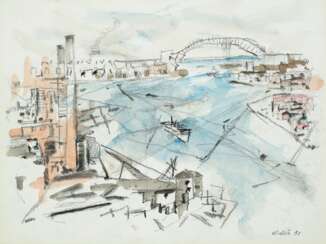

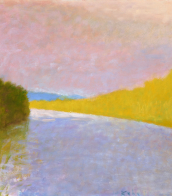
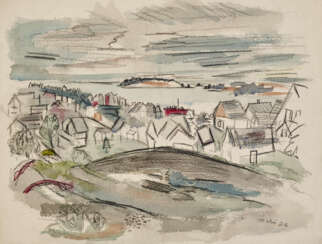

John Marin was an American artist, a prominent member of the first generation of American modernists. He is known for his abstract landscapes and watercolors.
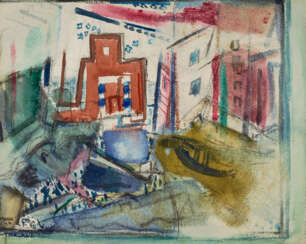

John Marin was an American artist, a prominent member of the first generation of American modernists. He is known for his abstract landscapes and watercolors.
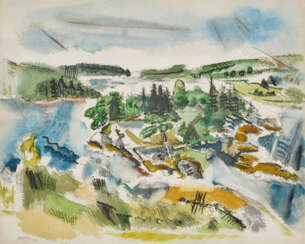

John Marin was an American artist, a prominent member of the first generation of American modernists. He is known for his abstract landscapes and watercolors.
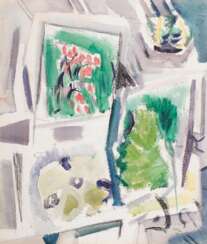

John Marin was an American artist, a prominent member of the first generation of American modernists. He is known for his abstract landscapes and watercolors.
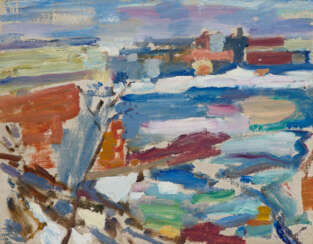

John Marin was an American artist, a prominent member of the first generation of American modernists. He is known for his abstract landscapes and watercolors.
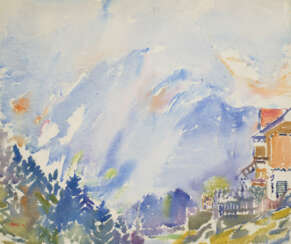

John Marin was an American artist, a prominent member of the first generation of American modernists. He is known for his abstract landscapes and watercolors.
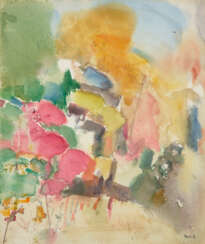

John Marin was an American artist, a prominent member of the first generation of American modernists. He is known for his abstract landscapes and watercolors.
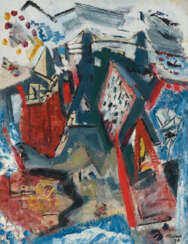

John Marin was an American artist, a prominent member of the first generation of American modernists. He is known for his abstract landscapes and watercolors.
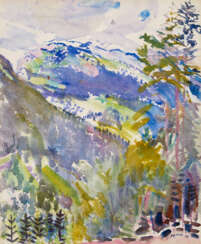

John Marin was an American artist, a prominent member of the first generation of American modernists. He is known for his abstract landscapes and watercolors.
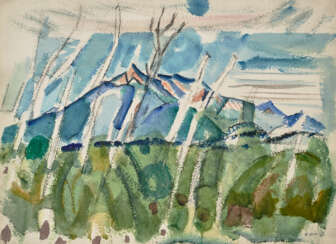

John Marin was an American artist, a prominent member of the first generation of American modernists. He is known for his abstract landscapes and watercolors.
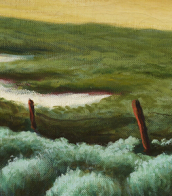
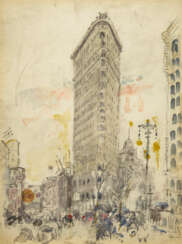

John Marin was an American artist, a prominent member of the first generation of American modernists. He is known for his abstract landscapes and watercolors.
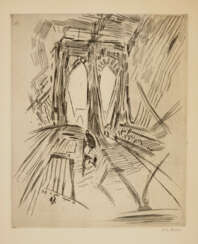

John Marin was an American artist, a prominent member of the first generation of American modernists. He is known for his abstract landscapes and watercolors.
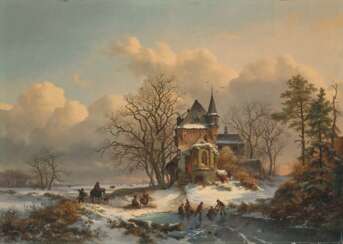

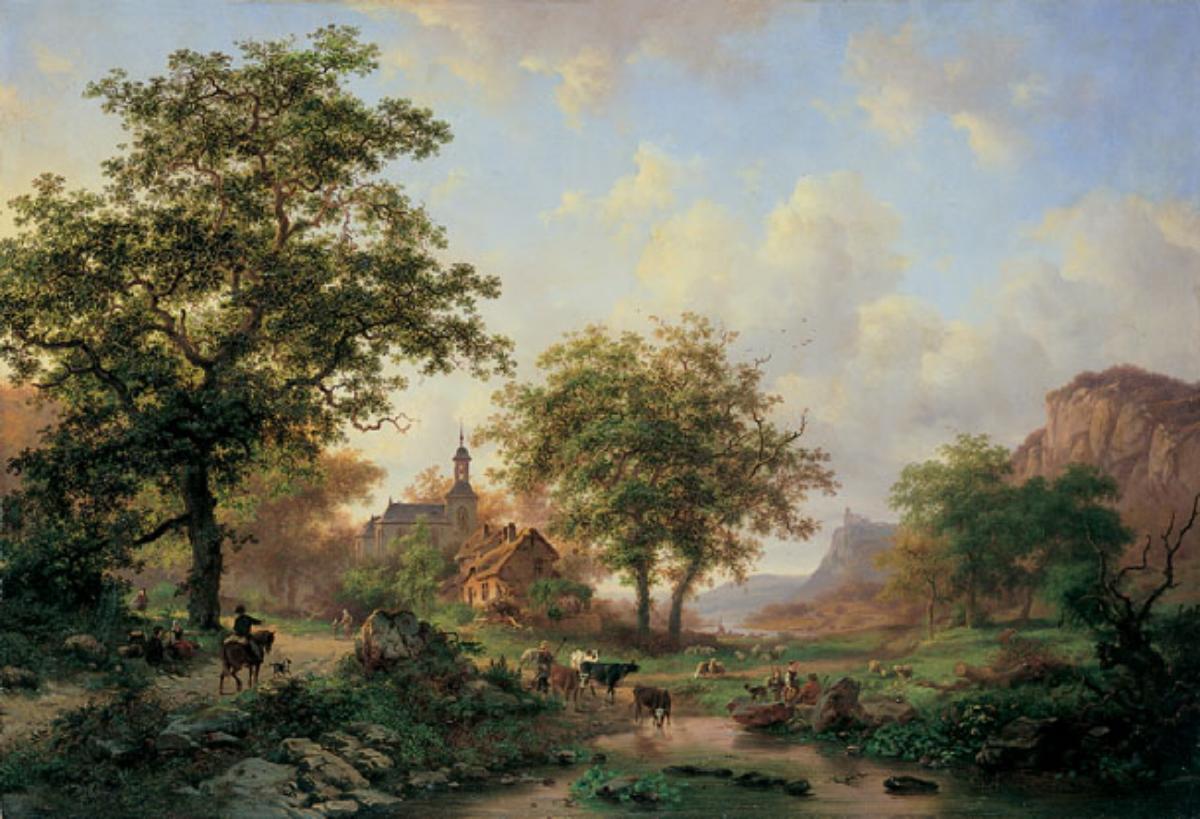
Fredrik Marinus Kruseman was a Dutch painter who specialized in Romantic style landscapes. He received his first drawing lessons from Jan Reekers and attended the Vocational School in Haarlem from 1832 to 1833. That year, he began to study painting with Nicolaas Johannes Roosenboom and, in 1835, moved to the Gooi, where he took advanced studies with Jan van Ravenswaay. He also studied briefly with the landscape painter, Barend Cornelis Koekkoek. In his output of approximately 300 to 350 paintings, only three still-lifes are known and the rest are landscapes. He also made a large number of drawings.
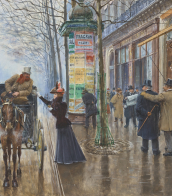
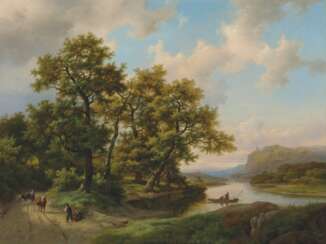

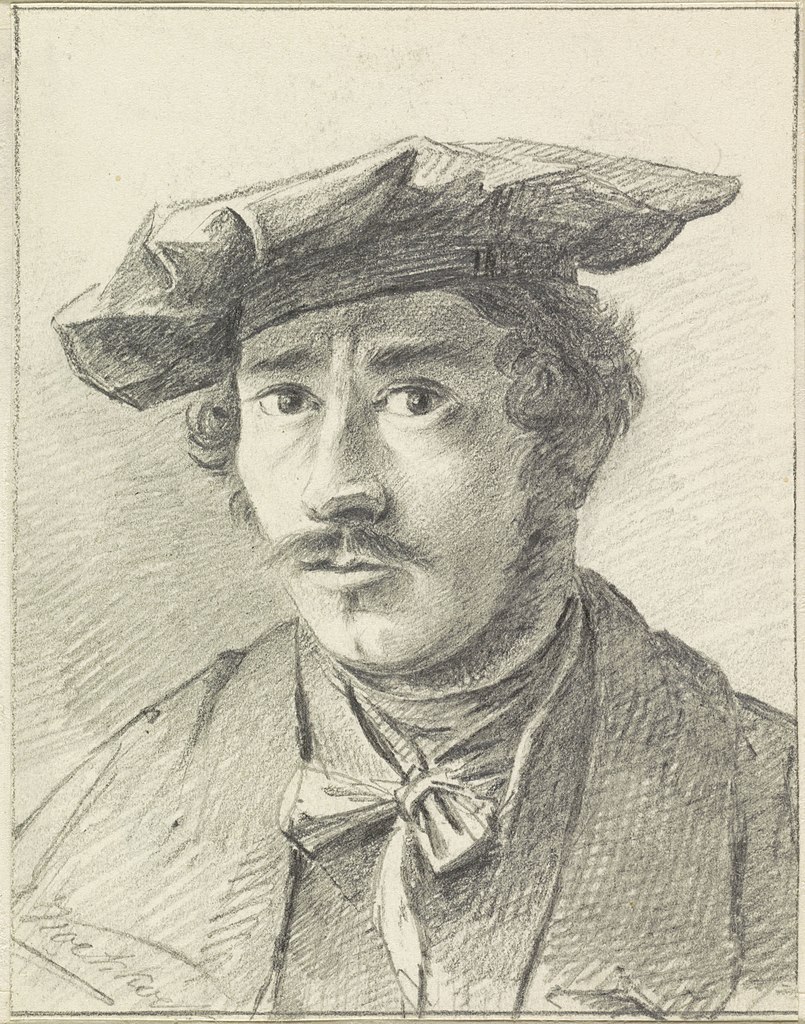
Marinus Adrianus Koekkoek was a 19th-century Dutch landscape and marine painter.
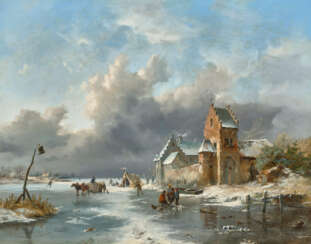

Fredrik Marinus Kruseman was a Dutch painter who specialized in Romantic style landscapes. He received his first drawing lessons from Jan Reekers and attended the Vocational School in Haarlem from 1832 to 1833. That year, he began to study painting with Nicolaas Johannes Roosenboom and, in 1835, moved to the Gooi, where he took advanced studies with Jan van Ravenswaay. He also studied briefly with the landscape painter, Barend Cornelis Koekkoek. In his output of approximately 300 to 350 paintings, only three still-lifes are known and the rest are landscapes. He also made a large number of drawings.





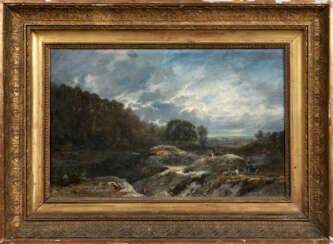

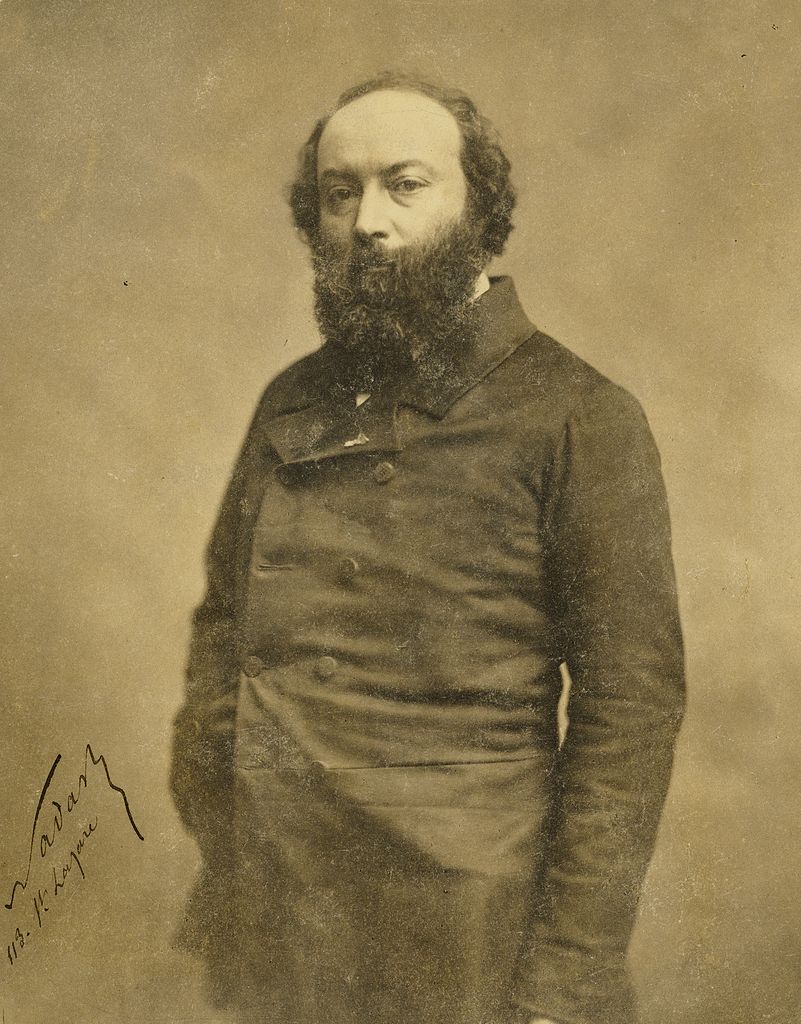
Théodore Rousseau was a prominent French painter, celebrated for his pioneering contributions to the Barbizon school of landscape art. His dedication to capturing nature's essence made him a pivotal figure in landscape painting's evolution. Rousseau's technique involved painting directly from nature, a method that infused his works with a profound sense of realism and vitality. This approach was notably evident in his masterpiece "An Avenue of Trees, Forest of l'Isle-Adam," where he meticulously captured a scene entirely outdoors, a testament to his commitment to authenticity and detail.
Théodore Rousseau's artistry wasn't confined to painting alone; his drawings, like the detailed "Study of an Oak Tree," demonstrate his versatility and deep connection with nature. His works received significant recognition, culminating in a triumphant display at the Universal Exposition of 1855. However, his life was not devoid of challenges. Personal tragedies and professional setbacks marked his later years, yet his resolve and dedication to art remained unshaken.
For art enthusiasts and collectors, Théodore Rousseau's works are pivotal, not just for their beauty but also for their role in the history of landscape painting. His pieces like "The Great Oaks of Old Bas-Bréau" are cherished in collections worldwide, serving as enduring symbols of his talent and his profound influence on subsequent art movements.
For those interested in the intersection of nature and art, subscribing to updates on Théodore Rousseau can provide invaluable insights into his life's work, his contributions to the Barbizon school, and his lasting impact on the world of art. Stay informed about new discoveries, sales, and auction events related to Rousseau's oeuvre to deepen your appreciation and understanding of this illustrious artist's legacy.

 Пьер Боннар. «Автопортрет», 1889.jpg)
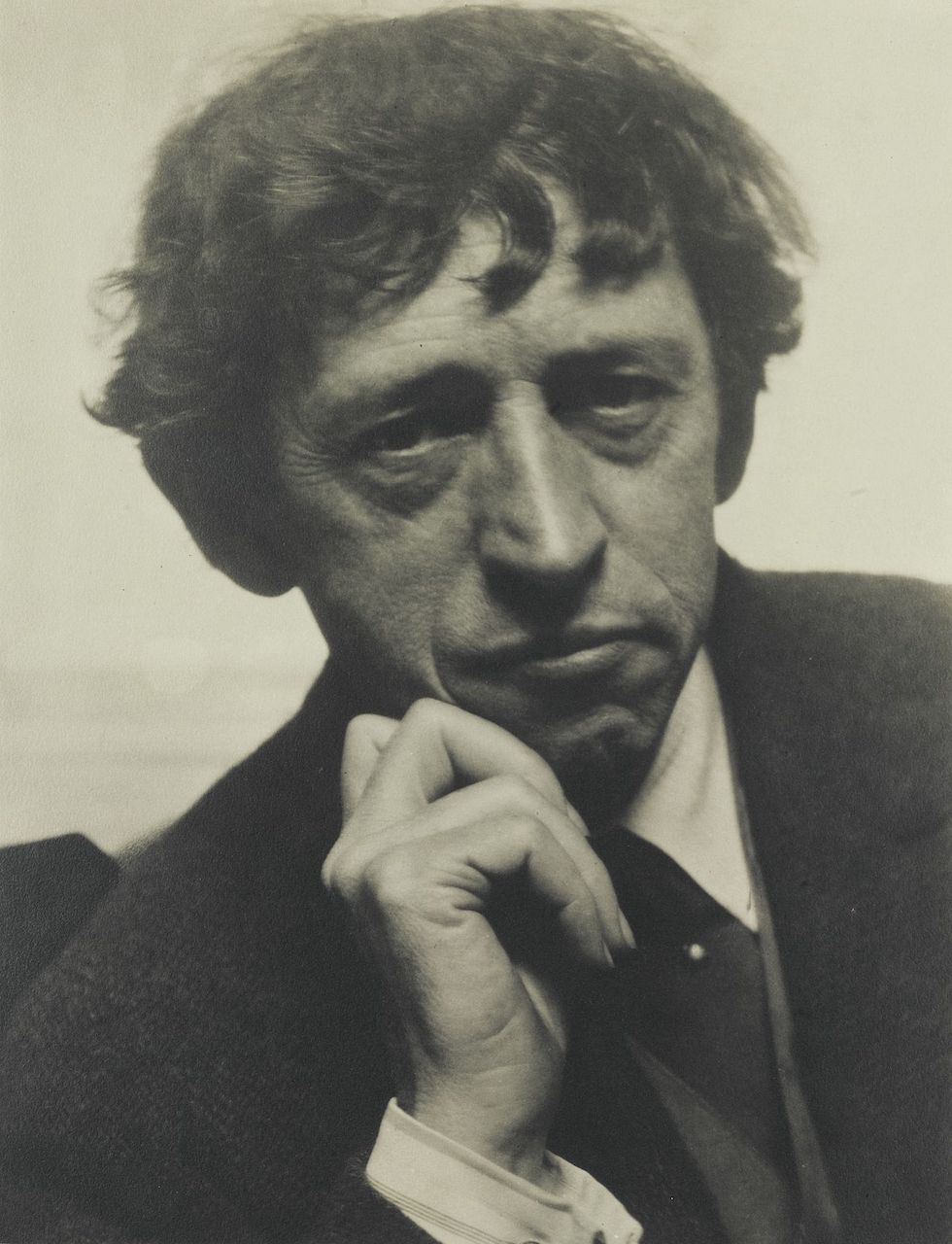
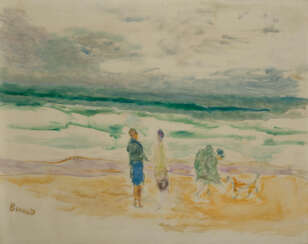
Pierre Bonnard was a distinguished French painter and printmaker, recognized as one of the foremost colorists of modern art. Born on October 3, 1867, in Fontenay-aux-Roses, France, Bonnard initially pursued law studies before embracing his true calling in art. He attended the École des Beaux-Arts and the Académie Julian, where his journey as an artist began in earnest.
Bonnard's art is characterized by its vibrant use of color and the portrayal of intimate, sunlit domestic interiors and gardens. His works often include scenes populated with friends and family, creating a narrative that is both personal and relatable. His distinctive style was influenced by Japanese prints, evident in his use of bold patterns and flat color planes. This influence earned him the nickname "Le Nabi très japonard" among his peers in the Les Nabis group, an avant-garde artists' group he joined in his twenties.
His early work, such as "Woman in Checkered Dress" (1890), showcases the influence of Japanese prints. Bonnard's talent was evident from the beginning of his career, with Claude Roger-Marx noting in 1893 his ability to capture fleeting poses and expressions. His work evolved over time, moving towards a style that resonated with the Intimists' focus on personal and intimate spaces.
Bonnard's wife, Marthe, was a recurring subject in his paintings, often depicted in everyday scenarios. Their relationship, spanning several decades, was a significant influence on his work. His paintings, such as "Dining Room on the Garden" and "Landscape at Le Cannet," demonstrate his mastery in capturing light and color, creating a sense of warmth and intimacy.
Bonnard's work remains influential and celebrated, with his paintings held in esteemed collections worldwide. His ability to transform everyday scenes into vibrant, color-filled canvases has made him a beloved figure in the world of modern art.
Art collectors and experts in the field will find Bonnard's work a study in the transformative power of color and composition. For those interested in staying updated on sales and auction events related to Pierre Bonnard's works, signing up for updates would provide valuable insights into this remarkable artist's enduring legacy.
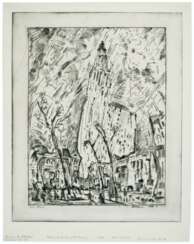

John Marin was an American artist, a prominent member of the first generation of American modernists. He is known for his abstract landscapes and watercolors.


John Marin was an American artist, a prominent member of the first generation of American modernists. He is known for his abstract landscapes and watercolors.
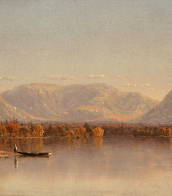


John Marin was an American artist, a prominent member of the first generation of American modernists. He is known for his abstract landscapes and watercolors.
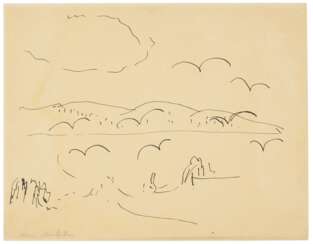

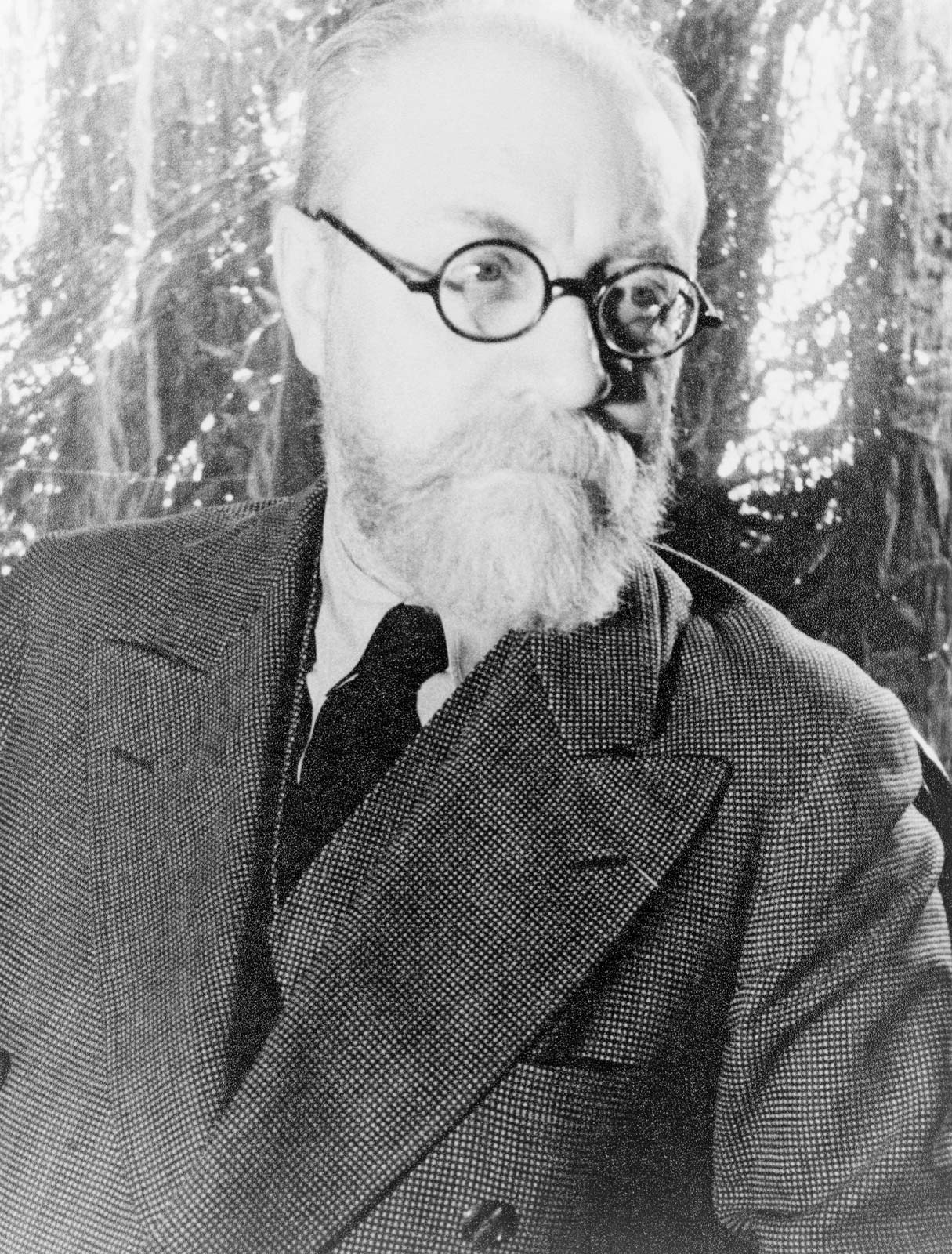
Henri Matisse, a renowned French visual artist, was celebrated for his vibrant use of color and fluid, original draughtsmanship. Born on December 31, 1869, in Le Cateau-Cambrésis, France, Matisse initially pursued a career in law before turning to art. He first began painting in 1889, a change inspired by convalescence art supplies his mother provided. This marked the beginning of a journey that would see him become a leading figure in modern art.
Matisse's career is notable for its stylistic evolution yet consistent aim to capture the "essential character of things." His early works, characterized by intense colorism, earned him recognition as one of the Fauves, or "wild beasts." The period from 1908 to 1913 was marked by significant developments, with works like "Reclining Odalisque" and "The Red Studio" showcasing his mastery in balance and serenity. In the 1920s, his style evolved to more relaxed forms, with a focus on light, color, and decorative patterns in paintings like his odalisque series.
Matisse's exploration of various mediums, including sculpture and paper collage, reflects his innovative spirit. His later years were dominated by cut paper collages, as health challenges limited his ability to paint. These works, alongside his bold drawings and sculptures, cemented his status as a pioneer in visual art.
For collectors and art experts, Matisse's work remains a testament to creative evolution and expressive use of color and form. His masterpieces can be found in prominent museums and galleries worldwide, continuing to inspire and fascinate art enthusiasts.
To stay updated on new product sales and auction events related to Henri Matisse's art, sign up for our updates. This subscription will keep you informed about opportunities to appreciate and acquire works connected to this iconic artist.
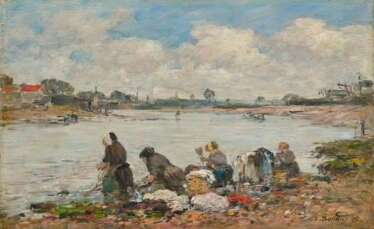

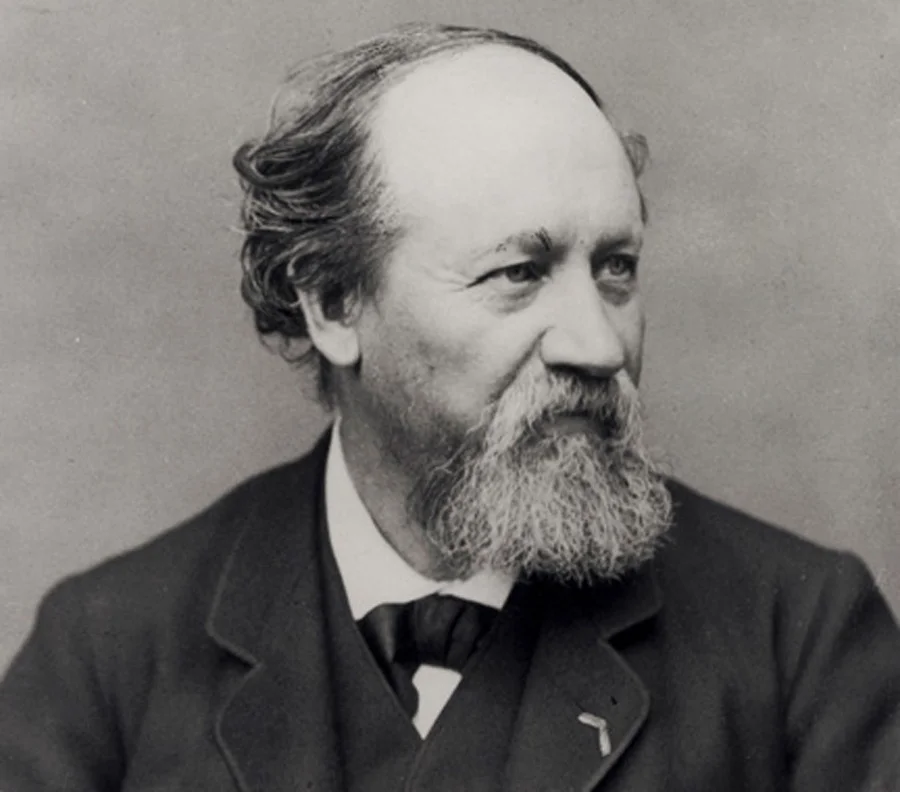
Eugène Louis Boudin was one of the first French landscape painters to paint outdoors. Boudin was a marine painter, and expert in the rendering of all that goes upon the sea and along its shores. His pastels, summary and economic, garnered the splendid eulogy of Baudelaire; and Corot called him the «King of the skies».