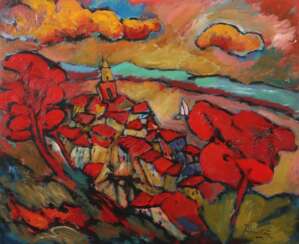
tropea

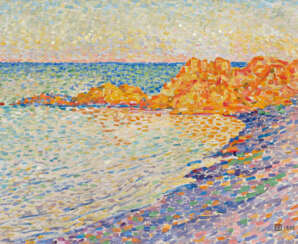

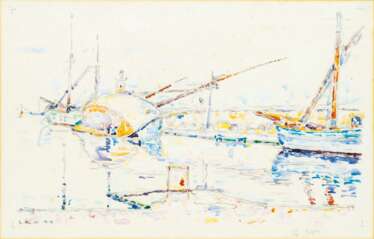
Théo van Rysselberghe, a prominent Belgian painter, was a key figure in the Neo-Impressionist movement, particularly known for his adoption of the pointillist technique. Born in Ghent, Belgium, in 1862, van Rysselberghe played a crucial role in the artistic circle Les XX, a group of avant-garde artists who sought to break away from traditional academic art norms. His early works displayed an Impressionist influence, which evolved significantly after he encountered Georges Seurat's pointillist masterpiece at an Impressionist exhibition in Paris in 1886.
Van Rysselberghe's career saw a significant shift after this encounter, as he embraced pointillism, a technique involving the application of small, distinct dots of color to form an image. His mastery in this style is evident in his landscapes and portraiture, where he employed vibrant colors and meticulous attention to light and detail. His work during this period is considered the pinnacle of his artistic achievements, showcasing his talent not only in landscapes but also in pointillist portraiture, a genre he significantly contributed to within the Neo-Impressionist movement.
Despite his success and contributions to pointillism, Théo van Rysselberghe eventually moved away from this technique around 1904, exploring other artistic expressions. Throughout his career, he remained an influential figure in the Belgian art scene, his works continuing to inspire and attract attention for their innovative approach and technical prowess.
For art collectors and enthusiasts, delving into Théo van Rysselberghe's oeuvre offers a fascinating glimpse into the evolution of Neo-Impressionism and pointillism, highlighting the artist's significant role in these movements. To stay updated on sales and auctions featuring van Rysselberghe's works, signing up for updates can provide exclusive insights into opportunities to acquire pieces by this remarkable artist.




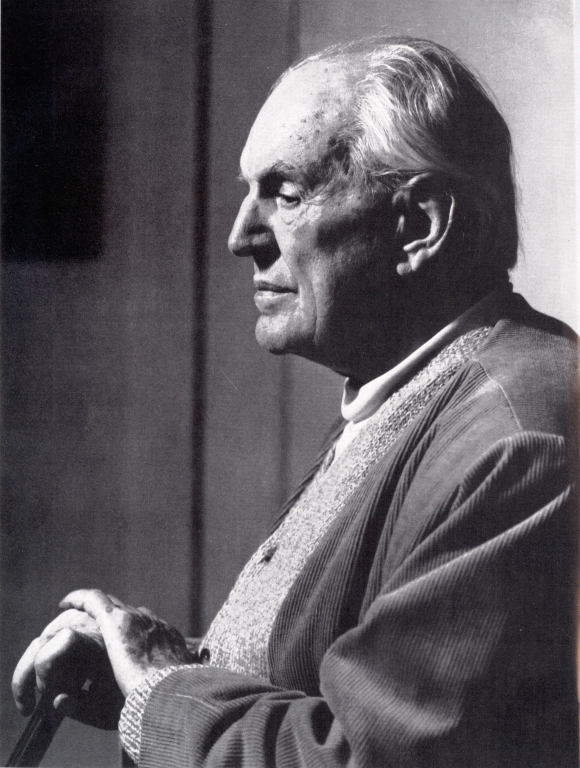
Ivo Hauptmann was a German painter. He was one of the founders of the artist groups Freie Secession (Berlin 1914) and Hamburgische Sezession (1919).
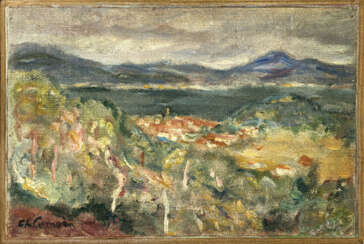

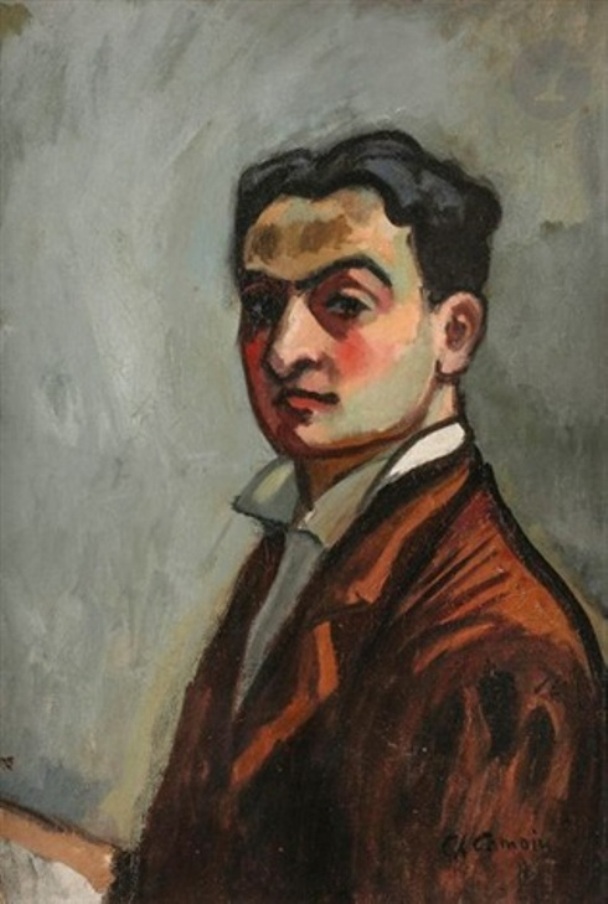
Charles Camoin, a French expressionist landscape painter, was a prominent figure associated with the Fauvism movement. Born in Marseille, France, on September 23, 1879, Camoin's journey into the art world began at a young age, leading him to Paris where he joined Gustave Moreau's class at the École des Beaux-Arts. It was here that he met Henri Matisse and other artists who would form the nucleus of the Fauve group, a circle known for their wild, expressionist-like use of color, which earned them the moniker "the wild beasts".
Camoin's art is celebrated for its vibrant color palette and expressive landscapes, a testament to his association with the Fauvists. Despite this, his work displayed a chromatic moderation, attributed to his intuitive and non-systematic approach to fauvism, setting him apart from his contemporaries. His masterpiece, the Portrait of Albert Marquet, epitomizes Camoin's unique style and is considered a pivotal piece of his oeuvre.
Throughout his career, Camoin's works were widely exhibited, earning him a place in major French collections, including the Musée d'Art Moderne de la ville de Paris and the Centre Georges Pompidou. Notably, his contributions to art were recognized with the Prix du Président de la République at the Biennale of Menton in 1955. His legacy includes a significant body of work that remains influential in the study of Fauvism and early 20th-century French art. Camoin passed away in Paris on May 20, 1965, leaving behind a rich legacy that continues to inspire art enthusiasts and collectors alike.
For collectors and experts in art and antiques, Camoin's work represents not only a pivotal moment in the evolution of modern art but also an opportunity to engage with the vibrant and emotive expressions of Fauvism. His paintings, characterized by a joyful and luminous use of color, offer a captivating glimpse into the artist's perception of the world around him.
If you're interested in staying updated on new discoveries, sales, and auction events related to Charles Camoin, signing up for updates can be a valuable resource. This ensures you're informed about the latest opportunities to acquire works by this remarkable artist, enhancing your collection with pieces that embody the spirit and innovation of early 20th-century art.



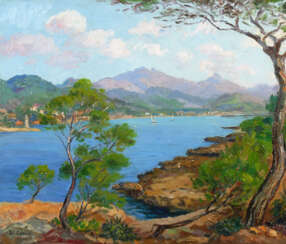







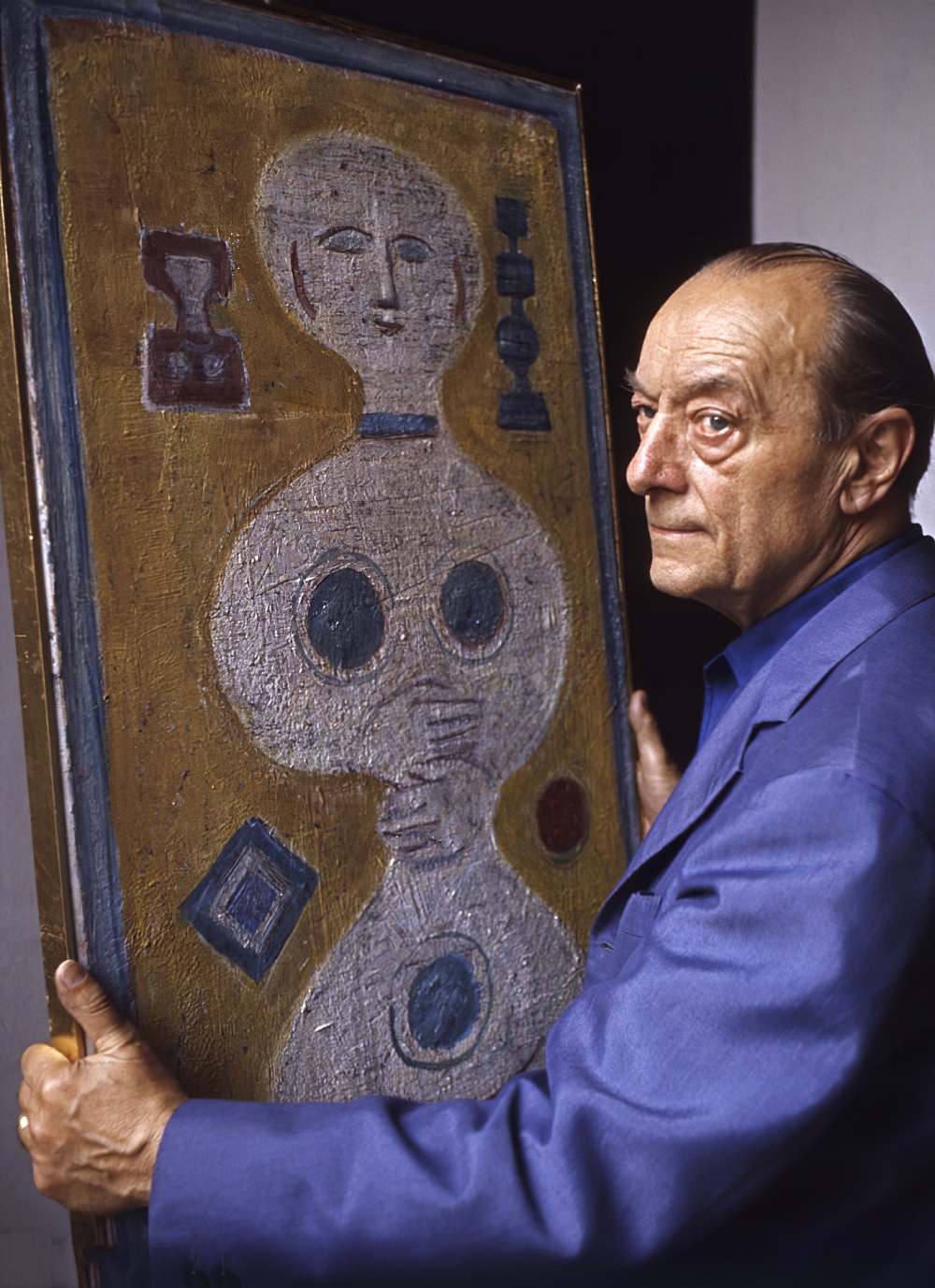
Massimo Campigli was an Italian painter and writer. He was studied art in Florence and Paris.
Campigli's art was heavily influenced by the Cubist and Surrealist movements, and his paintings often featured bold, geometric shapes and stylized figures. He was known for his use of bright colors and flat planes of color, which gave his work a sense of depth and dimension.
In addition to his art, Campigli was also a writer, and published several books and essays on art and literature throughout his career. He was a member of the Italian Communist Party, and his political beliefs often informed his work.
Campigli's art was widely exhibited throughout Europe and the United States during his lifetime, and he received numerous awards and honors for his contributions to the arts.
Today, Campigli is considered one of the most important Italian painters of the 20th century, and his work continues to be studied and exhibited around the world. His legacy has had a significant impact on the development of modern and contemporary art.









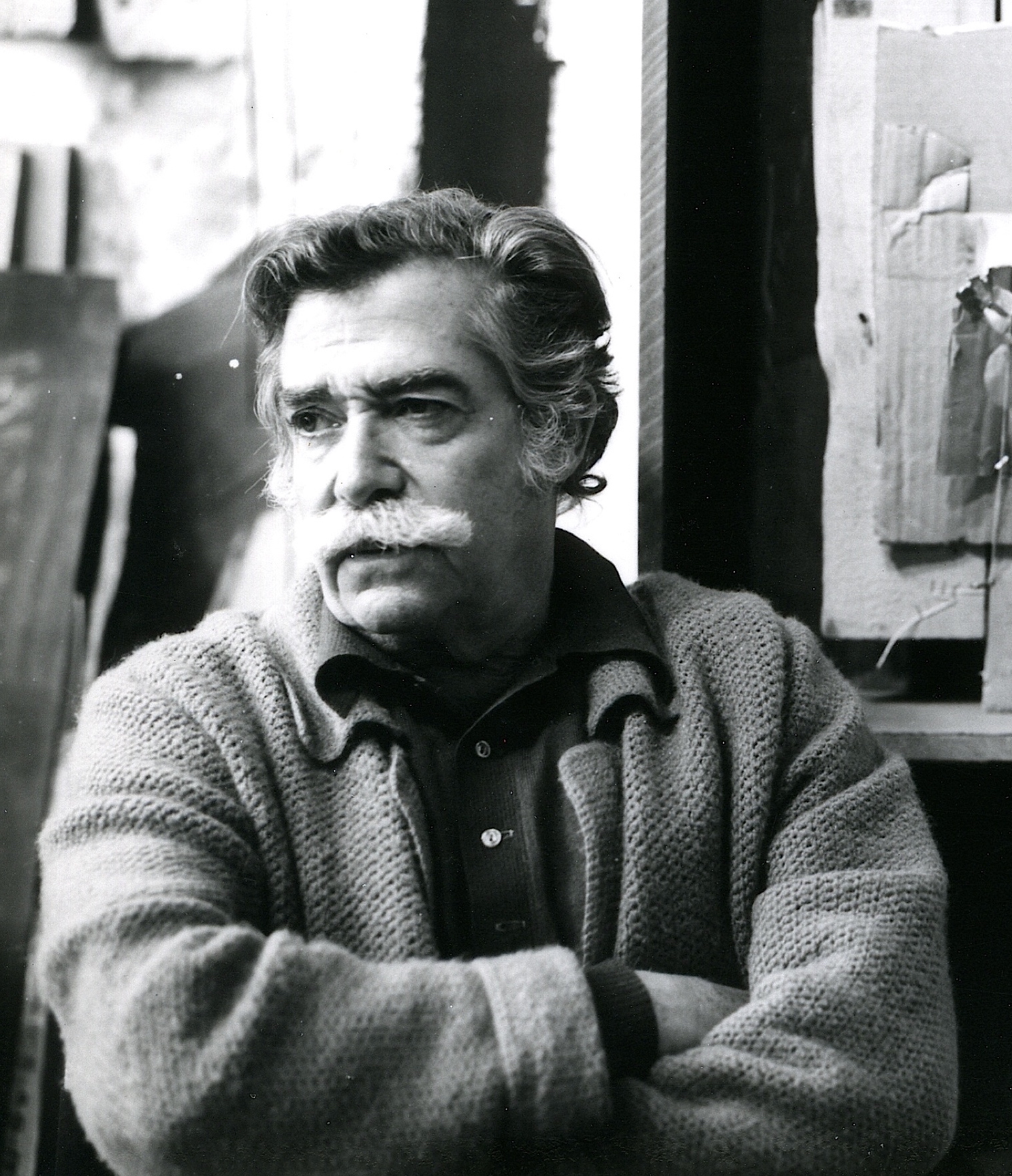
Antoni Clavé was a Catalan master painter, printmaker, sculptor, stage designer and costume designer. He was nominated for two Academy Awards (Best Art Direction and Best Costume Design) for his work on the 1952 film Hans Christian Andersen.
Clavé was one of Spain's best known and most celebrated artists. His work evolved from a baroque, ornamental style to a pure, minimal aesthetic. In his later years, his work is completely abstract, employing expressive lines and exploring the boundaries of collage, objet trove, shading, texture and color. He was trained at the School of Fine Arts, Barcelona, where he was taught by Angel Ferrant and Felix Mestres. With his works being influenced by artists such as Bonnard, Vuillard and Roualt. He is best known for his lyrical abstractions, works which combine paint with collage.



Massimo Campigli was an Italian painter and writer. He was studied art in Florence and Paris.
Campigli's art was heavily influenced by the Cubist and Surrealist movements, and his paintings often featured bold, geometric shapes and stylized figures. He was known for his use of bright colors and flat planes of color, which gave his work a sense of depth and dimension.
In addition to his art, Campigli was also a writer, and published several books and essays on art and literature throughout his career. He was a member of the Italian Communist Party, and his political beliefs often informed his work.
Campigli's art was widely exhibited throughout Europe and the United States during his lifetime, and he received numerous awards and honors for his contributions to the arts.
Today, Campigli is considered one of the most important Italian painters of the 20th century, and his work continues to be studied and exhibited around the world. His legacy has had a significant impact on the development of modern and contemporary art.
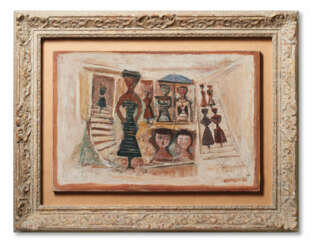

Massimo Campigli was an Italian painter and writer. He was studied art in Florence and Paris.
Campigli's art was heavily influenced by the Cubist and Surrealist movements, and his paintings often featured bold, geometric shapes and stylized figures. He was known for his use of bright colors and flat planes of color, which gave his work a sense of depth and dimension.
In addition to his art, Campigli was also a writer, and published several books and essays on art and literature throughout his career. He was a member of the Italian Communist Party, and his political beliefs often informed his work.
Campigli's art was widely exhibited throughout Europe and the United States during his lifetime, and he received numerous awards and honors for his contributions to the arts.
Today, Campigli is considered one of the most important Italian painters of the 20th century, and his work continues to be studied and exhibited around the world. His legacy has had a significant impact on the development of modern and contemporary art.
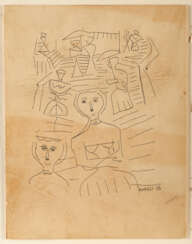

Massimo Campigli was an Italian painter and writer. He was studied art in Florence and Paris.
Campigli's art was heavily influenced by the Cubist and Surrealist movements, and his paintings often featured bold, geometric shapes and stylized figures. He was known for his use of bright colors and flat planes of color, which gave his work a sense of depth and dimension.
In addition to his art, Campigli was also a writer, and published several books and essays on art and literature throughout his career. He was a member of the Italian Communist Party, and his political beliefs often informed his work.
Campigli's art was widely exhibited throughout Europe and the United States during his lifetime, and he received numerous awards and honors for his contributions to the arts.
Today, Campigli is considered one of the most important Italian painters of the 20th century, and his work continues to be studied and exhibited around the world. His legacy has had a significant impact on the development of modern and contemporary art.
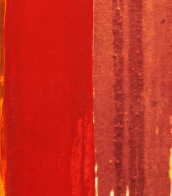






Antoni Clavé was a Catalan master painter, printmaker, sculptor, stage designer and costume designer. He was nominated for two Academy Awards (Best Art Direction and Best Costume Design) for his work on the 1952 film Hans Christian Andersen.
Clavé was one of Spain's best known and most celebrated artists. His work evolved from a baroque, ornamental style to a pure, minimal aesthetic. In his later years, his work is completely abstract, employing expressive lines and exploring the boundaries of collage, objet trove, shading, texture and color. He was trained at the School of Fine Arts, Barcelona, where he was taught by Angel Ferrant and Felix Mestres. With his works being influenced by artists such as Bonnard, Vuillard and Roualt. He is best known for his lyrical abstractions, works which combine paint with collage.
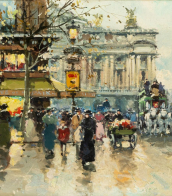

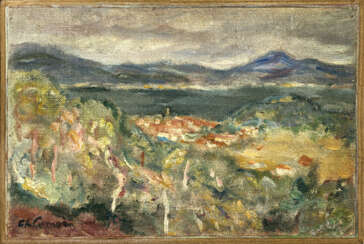

Charles Camoin, a French expressionist landscape painter, was a prominent figure associated with the Fauvism movement. Born in Marseille, France, on September 23, 1879, Camoin's journey into the art world began at a young age, leading him to Paris where he joined Gustave Moreau's class at the École des Beaux-Arts. It was here that he met Henri Matisse and other artists who would form the nucleus of the Fauve group, a circle known for their wild, expressionist-like use of color, which earned them the moniker "the wild beasts".
Camoin's art is celebrated for its vibrant color palette and expressive landscapes, a testament to his association with the Fauvists. Despite this, his work displayed a chromatic moderation, attributed to his intuitive and non-systematic approach to fauvism, setting him apart from his contemporaries. His masterpiece, the Portrait of Albert Marquet, epitomizes Camoin's unique style and is considered a pivotal piece of his oeuvre.
Throughout his career, Camoin's works were widely exhibited, earning him a place in major French collections, including the Musée d'Art Moderne de la ville de Paris and the Centre Georges Pompidou. Notably, his contributions to art were recognized with the Prix du Président de la République at the Biennale of Menton in 1955. His legacy includes a significant body of work that remains influential in the study of Fauvism and early 20th-century French art. Camoin passed away in Paris on May 20, 1965, leaving behind a rich legacy that continues to inspire art enthusiasts and collectors alike.
For collectors and experts in art and antiques, Camoin's work represents not only a pivotal moment in the evolution of modern art but also an opportunity to engage with the vibrant and emotive expressions of Fauvism. His paintings, characterized by a joyful and luminous use of color, offer a captivating glimpse into the artist's perception of the world around him.
If you're interested in staying updated on new discoveries, sales, and auction events related to Charles Camoin, signing up for updates can be a valuable resource. This ensures you're informed about the latest opportunities to acquire works by this remarkable artist, enhancing your collection with pieces that embody the spirit and innovation of early 20th-century art.
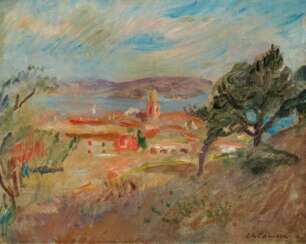

Charles Camoin, a French expressionist landscape painter, was a prominent figure associated with the Fauvism movement. Born in Marseille, France, on September 23, 1879, Camoin's journey into the art world began at a young age, leading him to Paris where he joined Gustave Moreau's class at the École des Beaux-Arts. It was here that he met Henri Matisse and other artists who would form the nucleus of the Fauve group, a circle known for their wild, expressionist-like use of color, which earned them the moniker "the wild beasts".
Camoin's art is celebrated for its vibrant color palette and expressive landscapes, a testament to his association with the Fauvists. Despite this, his work displayed a chromatic moderation, attributed to his intuitive and non-systematic approach to fauvism, setting him apart from his contemporaries. His masterpiece, the Portrait of Albert Marquet, epitomizes Camoin's unique style and is considered a pivotal piece of his oeuvre.
Throughout his career, Camoin's works were widely exhibited, earning him a place in major French collections, including the Musée d'Art Moderne de la ville de Paris and the Centre Georges Pompidou. Notably, his contributions to art were recognized with the Prix du Président de la République at the Biennale of Menton in 1955. His legacy includes a significant body of work that remains influential in the study of Fauvism and early 20th-century French art. Camoin passed away in Paris on May 20, 1965, leaving behind a rich legacy that continues to inspire art enthusiasts and collectors alike.
For collectors and experts in art and antiques, Camoin's work represents not only a pivotal moment in the evolution of modern art but also an opportunity to engage with the vibrant and emotive expressions of Fauvism. His paintings, characterized by a joyful and luminous use of color, offer a captivating glimpse into the artist's perception of the world around him.
If you're interested in staying updated on new discoveries, sales, and auction events related to Charles Camoin, signing up for updates can be a valuable resource. This ensures you're informed about the latest opportunities to acquire works by this remarkable artist, enhancing your collection with pieces that embody the spirit and innovation of early 20th-century art.