

"de thou"
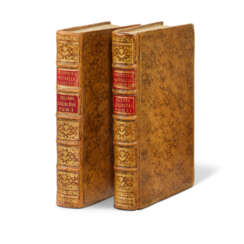



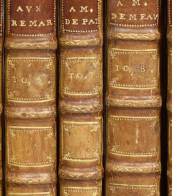


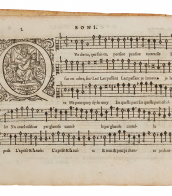

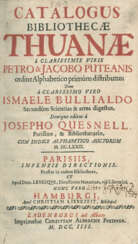
![PASSERAT, Jean (1534-1602). Le premier Livre des poèmes…reveus & augmentez par l’Autheur en ceste derniere edition. [relié avec] BERTAUT, Jean (1552 - 1611). Recueil de quelques vers amoureux. Paris : par la veufve Mamert Patisson, 1602.](/assets/image/picture_1320976/73d55/41460eb6964a7475e0c0bd81dbfb05b81616454000jpg__fix_374_244.jpeg)
![PASSERAT, Jean (1534-1602). Le premier Livre des poèmes…reveus & augmentez par l’Autheur en ceste derniere edition. [relié avec] BERTAUT, Jean (1552 - 1611). Recueil de quelques vers amoureux. Paris : par la veufve Mamert Patisson, 1602.](https://veryimportantlot.com/assets/image/picture_1320976/73d55/41460eb6964a7475e0c0bd81dbfb05b81616454000jpg__fix_374_244.jpeg)









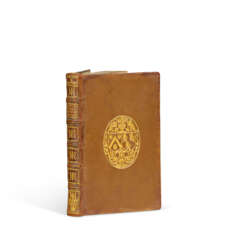
![RAPIN, Nicolas (1535-1608). Les Œuvres latines et françoises de Nicolas Rapin, Poitevin, Grand Prevost de la Connestablie de France. [relié avec] Les Vers mesurez de Nicolas Rapin, grand Prevost de la Connestablie. Paris : Olivier de Varennes, 1](/assets/image/picture_1320981/94cdd/f4089c34465a761f520c50b9e5662ad61616454000jpg__fix_374_244.jpeg)
![RAPIN, Nicolas (1535-1608). Les Œuvres latines et françoises de Nicolas Rapin, Poitevin, Grand Prevost de la Connestablie de France. [relié avec] Les Vers mesurez de Nicolas Rapin, grand Prevost de la Connestablie. Paris : Olivier de Varennes, 1](https://veryimportantlot.com/assets/image/picture_1320981/94cdd/f4089c34465a761f520c50b9e5662ad61616454000jpg__fix_374_244.jpeg)










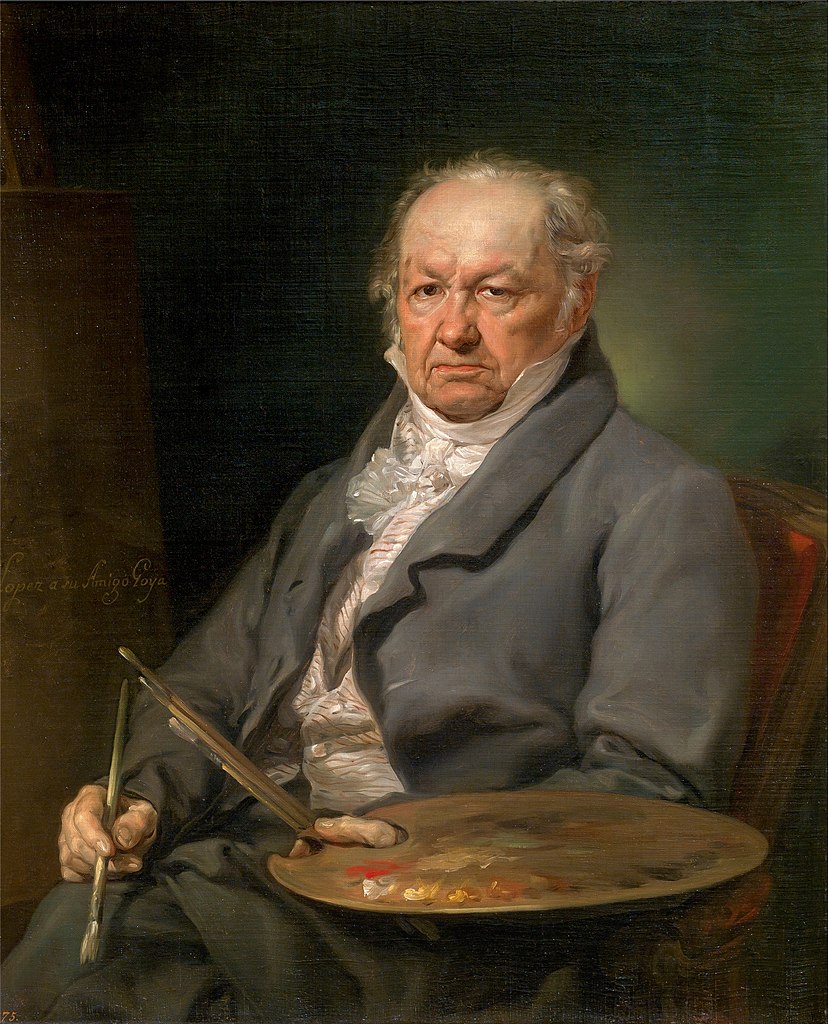
Francisco José de Goya y Lucientes was a Spanish romantic painter and printmaker, celebrated as the most pivotal Spanish artist of the late 18th and early 19th centuries. Born in Fuendetodos, Aragon, Spain, on March 30, 1746, Goya's work reflects a tumultuous period of history, intertwining the personal, political, and social upheavals of his time with a bold and innovative artistic vision. His early career was marked by portraits of the Spanish aristocracy and royalty, as well as Rococo style tapestry cartoons for the royal palace. However, following a severe illness in 1793 that left him deaf, his art took on a darker and more pessimistic tone.
Goya's oeuvre is vast, encompassing around 700 paintings, 280 prints, and several thousand drawings, through which he depicted a wide range of subjects from the whimsical to the macabre. Notable among his works are "The Naked Maja," "The Clothed Maja," "The Family of Charles IV," "The Third of May 1808: The Execution of the Defenders of Madrid," and "Saturn Eating His Children." His etchings, particularly the series "Los Caprichos" and "The Disasters of War," are celebrated for their intricate detail, emotional depth, and critical social commentary.
Goya's contribution to art goes beyond his mastery of painting and printmaking. He is often considered the bridge between the Old Masters and modern art, introducing themes and techniques that would influence countless artists in the centuries to follow. His ability to capture the essence of his era, the human condition, and the complexities of his own psyche, makes his work universally relatable and enduringly relevant.
His most famous paintings are housed in prestigious museums worldwide, including the Museo del Prado in Madrid, which holds an extensive collection of his works. The Prado's collection serves as a testament to Goya's significant impact on art and culture, offering insight into the artist's unique perspective on the world around him.
For collectors and experts in art and antiques, Francisco de Goya's legacy is a beacon of artistic innovation and historical significance. His works not only adorn the walls of museums but also continue to inspire and provoke thought among audiences across the globe.
For updates related to Francisco de Goya, including new product sales and auction events related to his works, sign up for our newsletter. Stay informed on the latest offerings and opportunities to add to your collection of this legendary artist's works.
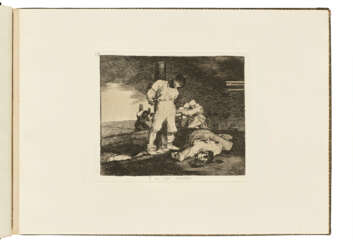

Francisco José de Goya y Lucientes was a Spanish romantic painter and printmaker, celebrated as the most pivotal Spanish artist of the late 18th and early 19th centuries. Born in Fuendetodos, Aragon, Spain, on March 30, 1746, Goya's work reflects a tumultuous period of history, intertwining the personal, political, and social upheavals of his time with a bold and innovative artistic vision. His early career was marked by portraits of the Spanish aristocracy and royalty, as well as Rococo style tapestry cartoons for the royal palace. However, following a severe illness in 1793 that left him deaf, his art took on a darker and more pessimistic tone.
Goya's oeuvre is vast, encompassing around 700 paintings, 280 prints, and several thousand drawings, through which he depicted a wide range of subjects from the whimsical to the macabre. Notable among his works are "The Naked Maja," "The Clothed Maja," "The Family of Charles IV," "The Third of May 1808: The Execution of the Defenders of Madrid," and "Saturn Eating His Children." His etchings, particularly the series "Los Caprichos" and "The Disasters of War," are celebrated for their intricate detail, emotional depth, and critical social commentary.
Goya's contribution to art goes beyond his mastery of painting and printmaking. He is often considered the bridge between the Old Masters and modern art, introducing themes and techniques that would influence countless artists in the centuries to follow. His ability to capture the essence of his era, the human condition, and the complexities of his own psyche, makes his work universally relatable and enduringly relevant.
His most famous paintings are housed in prestigious museums worldwide, including the Museo del Prado in Madrid, which holds an extensive collection of his works. The Prado's collection serves as a testament to Goya's significant impact on art and culture, offering insight into the artist's unique perspective on the world around him.
For collectors and experts in art and antiques, Francisco de Goya's legacy is a beacon of artistic innovation and historical significance. His works not only adorn the walls of museums but also continue to inspire and provoke thought among audiences across the globe.
For updates related to Francisco de Goya, including new product sales and auction events related to his works, sign up for our newsletter. Stay informed on the latest offerings and opportunities to add to your collection of this legendary artist's works.

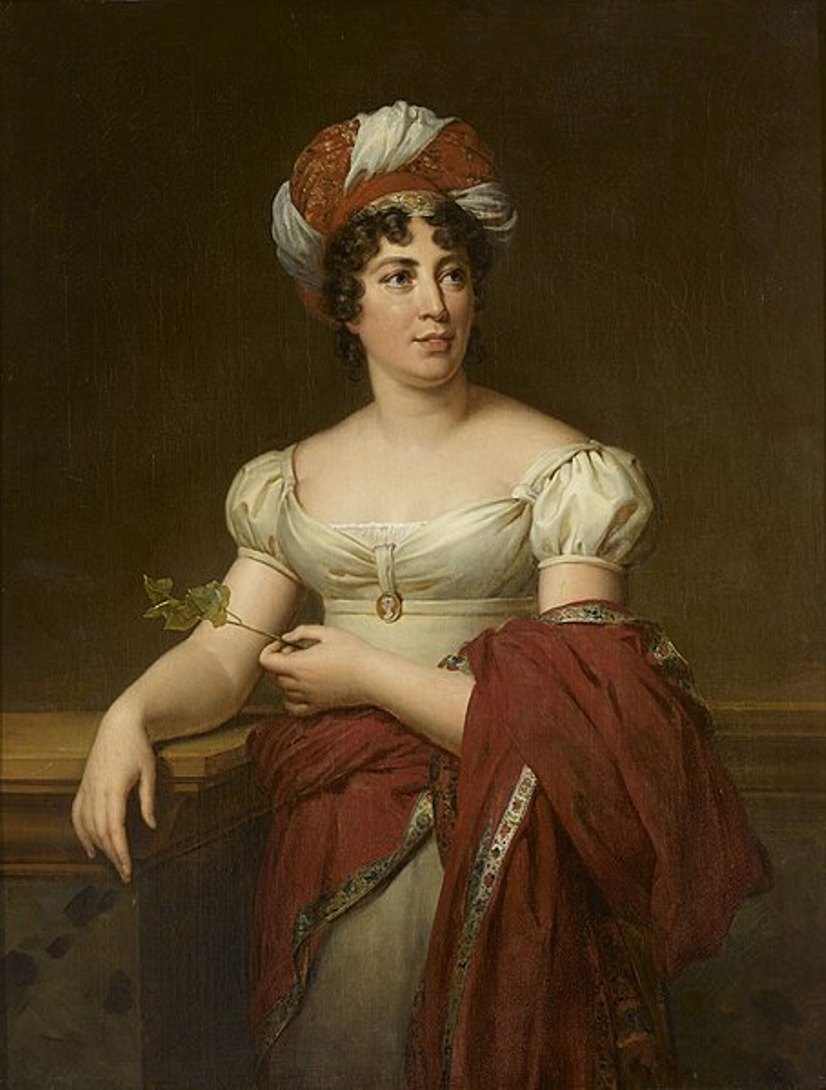
Anne-Louise-Germaine Necker, Baroness of Staël-Holstein, known as Madame de Staël, was a French writer, literary theorist, and publicist.
She was born into a Swiss family where her father was a banker and then finance minister to King Louis XVI, and her mother ran a brilliant literary and political salon in Paris where Voltaire, Diderot, and Hume frequented. Young Necker received a brilliant education, she absorbed the intellectual environment with great curiosity, becoming a witty and well-read conversationalist.
In 1786, she married the Swedish ambassador to Paris, Baron Eric de Staël-Holstein. It was a marriage of convenience, which ended in 1797 formal divorce.
Madame de Staël became known not only for her stunning and versatile works, but also for her enormous influence on the intellectual climate of that 19th century. During her lifetime she was known as a novelist, but she became much more famous as a political philosopher, literary critic, and theorist of Romanticism. Madame de Staël was an implacable opponent of Napoleon I and traveled around Europe for a decade during his reign from 1803. In 1810, the writer published one of her most famous and influential works, On Germany. She returned to Paris in 1814, after the fall of Napoleon, and wrote "Reflections on the Principal Events of the French Revolution."
In her travels, Madame de Staël met many politicians, artists and writers and was known for her cosmopolitanism and feminism. Madame de Staël epitomized the European culture of her time, combining ideas from neoclassicism to romanticism in her glittering salon for leading intellectuals.



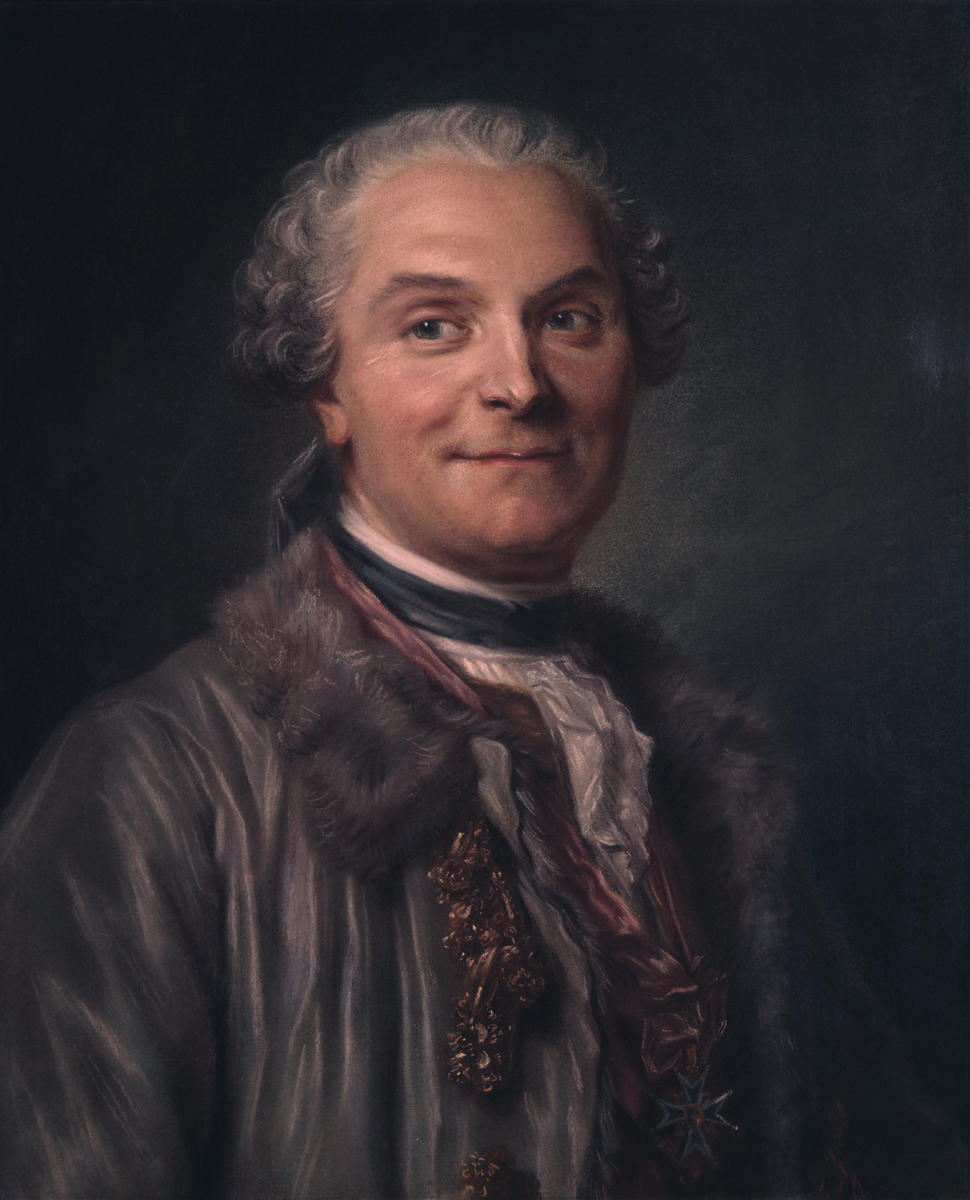
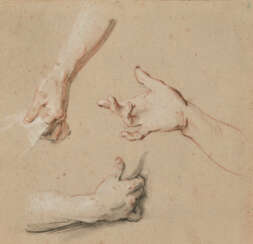

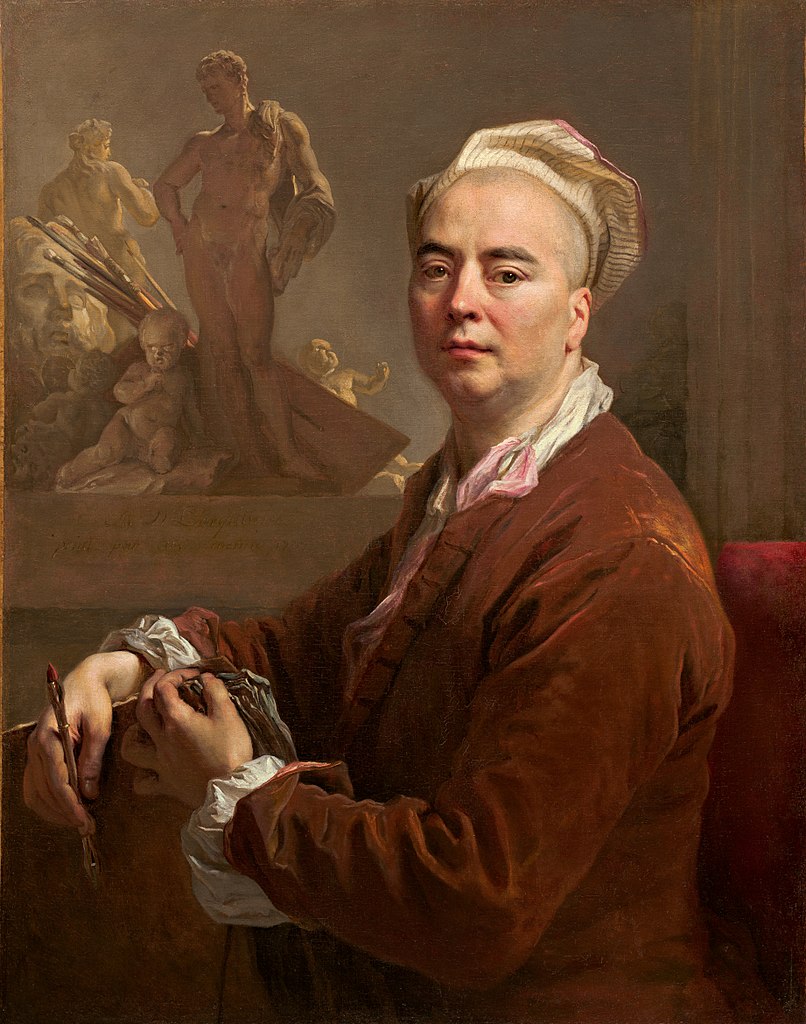
Nicolas de Largillière was a French painter of the Rococo period. Along with Hyacinthe Rigaud, he is considered the first portraitist of his time in France.




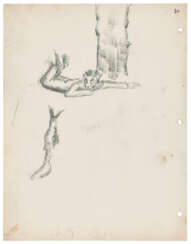


Antoine Marie Jean-Baptiste Roger, Comte de Saint-Exupéry, known as Antoine de Saint-Exupéry, is a French national treasure who seamlessly combined his profession as an aviator with his literary genius. Known for "The Little Prince," he masterfully blended philosophy and poetic discourse into narrative forms. This author, journalist, and pioneering pilot left an indelible mark through his literary works and contributions to aviation.
Saint-Exupéry's merits transcend his inventive storytelling; his narratives often reflect his aviation experiences, offering unique insights into humanity and technology's intersection. His works, though not housed as traditional art in museums, reside in the Louvre of public imagination and literary canon.
For enthusiasts and experts, Saint-Exupéry's legacy is a testament to the enduring power of human spirit and curiosity. His narrative sculptures crafted from words, deeply philosophical and yet whimsically accessible, continue to inspire and resonate. Dive into the world of this exceptional storyteller and aviator to explore the skies of human experience.