

177

![Captain James Cook (1728-1779) – [John Marra]](/assets/image/picture_1385213/16ce2/6033d8a43089fb532b19e2d6c61836201618394400jpg__fix_374_244.jpeg)
![Captain James Cook (1728-1779) – [John Marra]](https://veryimportantlot.com/assets/image/picture_1385213/16ce2/6033d8a43089fb532b19e2d6c61836201618394400jpg__fix_374_244.jpeg)
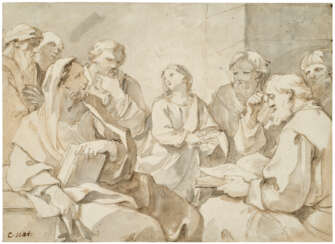

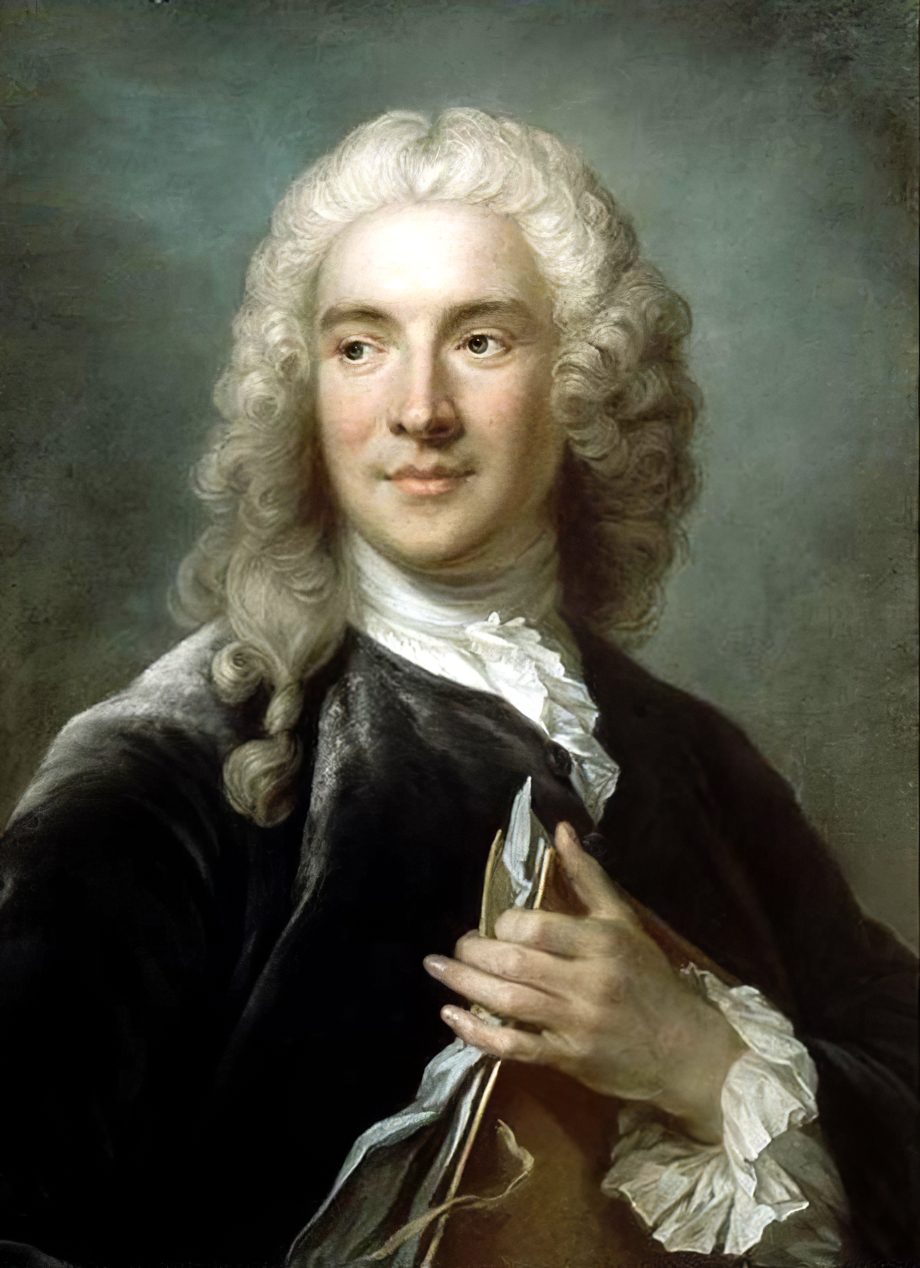
Charles-Joseph Natoire was a prominent Rococo painter, known for his significant contributions to French art during his lifetime. Trained under François Lemoyne, Natoire excelled in various artistic endeavors, earning royal commissions and contributing to significant artistic projects in Versailles and Fontainebleau. His works included tapestry cartoons for the Manufacture de Beauvais and Gobelins, and he was known for his series on the History of Psyche and Don Quixote.
In 1751, Charles-Joseph Natoire became the director of the French Academy in Rome, a role he held until 1775. During this period, he mentored notable students like Hubert Robert and Jean-Honoré Fragonard. Although his active painting career dwindled during his directorship, his influence on the students and the artistic community was significant.
Charles-Joseph Natoire's works can be found in various prestigious institutions, including The Metropolitan Museum of Art and The Louvre. His painting "The Rebuke of Adam and Eve" is one such piece that showcases his mastery and attention to detail.
For collectors and experts in art and antiques, Charles-Joseph Natoire's works offer a glimpse into the Rococo style's elegance and the rich artistic heritage of 18th-century France. His contributions to tapestry and painting continue to be celebrated and studied for their historical and artistic value.
To stay updated on news and events related to Charles-Joseph Natoire and his works, consider subscribing for updates. This subscription will keep you informed about new product sales and auction events featuring Natoire's art, ensuring you don't miss out on opportunities to engage with the legacy of this influential painter.
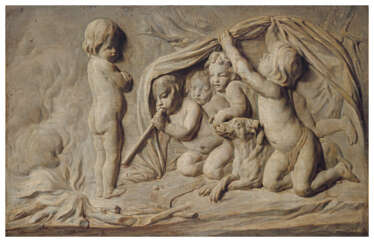

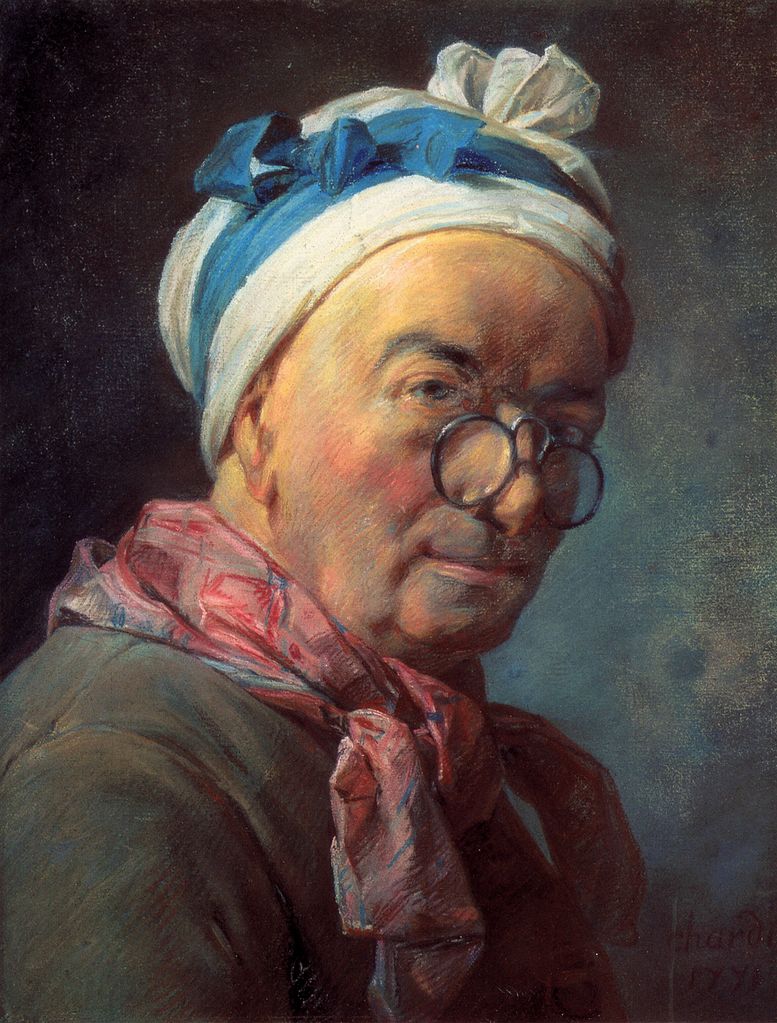
Jean Siméon Chardin was an 18th-century French painter. He is considered a master of still life, and is also noted for his genre paintings which depict kitchen maids, children, and domestic activities. Carefully balanced composition, soft diffusion of light, and granular impasto characterize his work.

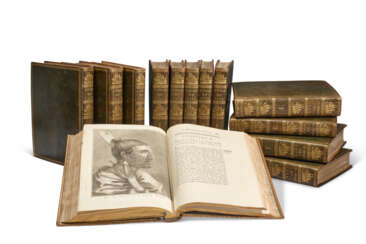

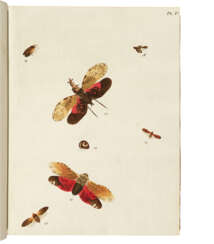

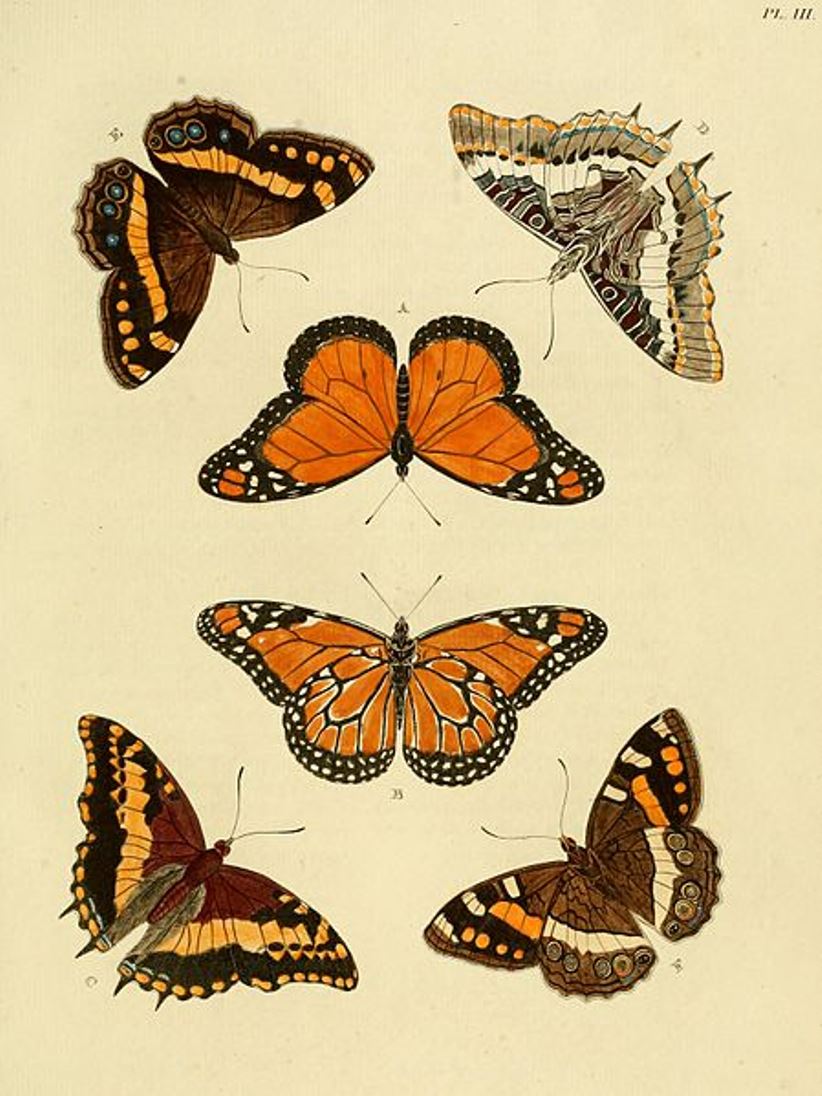
Pieter Cramer was a Dutch merchant and traveler and entomologist.
A cloth and wool merchant, Cramer traveled the world and amassed an extensive collection of sea shells, fossils, and various insects. Many colorful butterflies and moths were collected in Surinam, Ceylon, Sierra Leone, and the Dutch East Indies - countries with which Holland had colonial or trade ties. Kramer hired the artist Gerrit Wartenaar Lambertz to sketch butterfly specimens collected not only by him but also by other Dutch collectors. The illustrations were very numerous, and Kramer, together with the naturalist and entomologist Caspar Stoll, decided to publish them.
The resulting encyclopedia, De Uitlandsche Kapellen, is one of the key works in the history of entomology. The scales from Asia, Africa and the Americas are depicted in life-size and hand-colored engravings. It was the first book on exotic butterflies to use the new system of animal classification developed by Carl Linnaeus (1707-1778). Over 1,658 species of butterflies were described and illustrated on 400 plates. Many species were depicted and named for the first time.
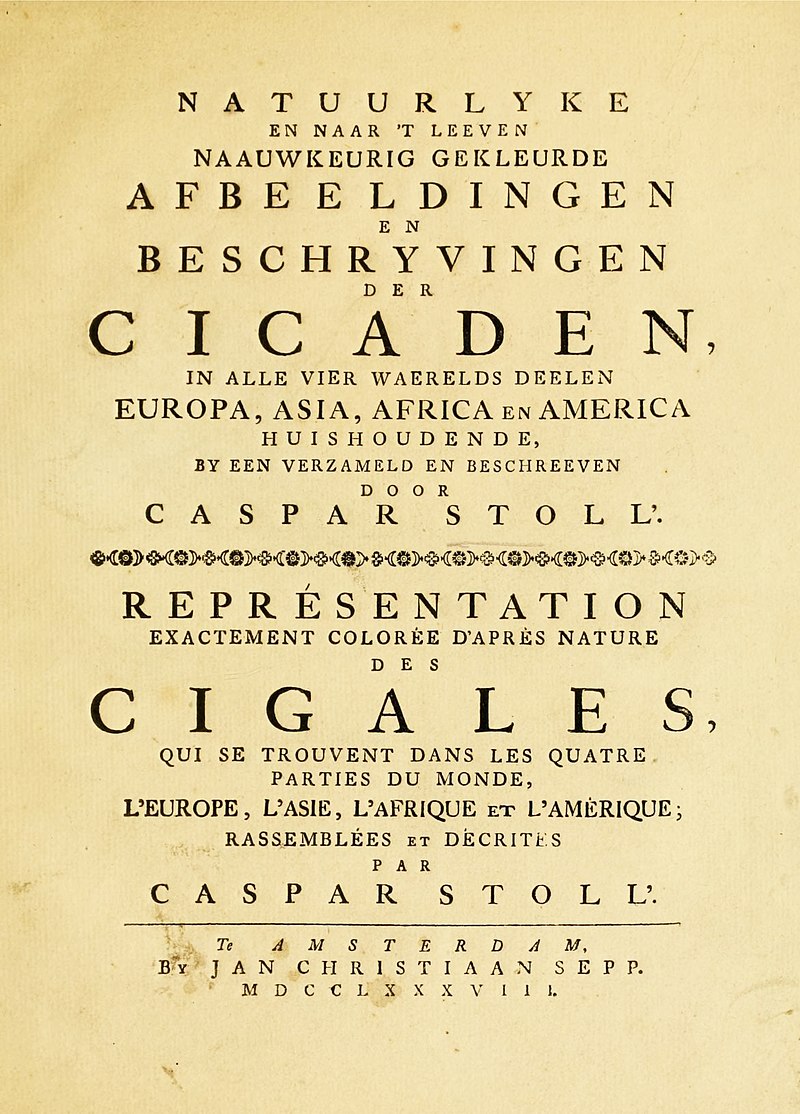
Caspar Stoll was a Dutch naturalist and entomologist of German descent.
Caspar Stoll became known for his work on the historical illustrated encyclopedia De Uitlandsche Kapellen, a butterfly encyclopedia started by merchant and entomologist Peter Cramer. Butterflies and moths were collected by him on his travels in Surinam, Ceylon, Sierra Leone, and the Dutch East Indies, countries with which Holland had colonial or trade ties. Stoll continued and completed the publication of volumes of this work after Kramer's death. He also published several of his own works on other groups of insects.
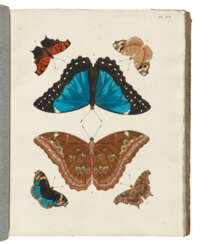

Pieter Cramer was a Dutch merchant and traveler and entomologist.
A cloth and wool merchant, Cramer traveled the world and amassed an extensive collection of sea shells, fossils, and various insects. Many colorful butterflies and moths were collected in Surinam, Ceylon, Sierra Leone, and the Dutch East Indies - countries with which Holland had colonial or trade ties. Kramer hired the artist Gerrit Wartenaar Lambertz to sketch butterfly specimens collected not only by him but also by other Dutch collectors. The illustrations were very numerous, and Kramer, together with the naturalist and entomologist Caspar Stoll, decided to publish them.
The resulting encyclopedia, De Uitlandsche Kapellen, is one of the key works in the history of entomology. The scales from Asia, Africa and the Americas are depicted in life-size and hand-colored engravings. It was the first book on exotic butterflies to use the new system of animal classification developed by Carl Linnaeus (1707-1778). Over 1,658 species of butterflies were described and illustrated on 400 plates. Many species were depicted and named for the first time.
Caspar Stoll was a Dutch naturalist and entomologist of German descent.
Caspar Stoll became known for his work on the historical illustrated encyclopedia De Uitlandsche Kapellen, a butterfly encyclopedia started by merchant and entomologist Peter Cramer. Butterflies and moths were collected by him on his travels in Surinam, Ceylon, Sierra Leone, and the Dutch East Indies, countries with which Holland had colonial or trade ties. Stoll continued and completed the publication of volumes of this work after Kramer's death. He also published several of his own works on other groups of insects.
![[AUSTEN, Jane (1775-1817)]](/assets/image/picture_4735334/6a472/1d5acf75bbf8de5aa590246af59dbab21752012000jpg__fix_374_244.jpeg)
![[AUSTEN, Jane (1775-1817)]](https://veryimportantlot.com/assets/image/picture_4735334/6a472/1d5acf75bbf8de5aa590246af59dbab21752012000jpg__fix_374_244.jpeg)

![[LINNAEUS, Carl (1707-1778)]](/assets/image/picture_2944529/10223/899068405626ba931798d26f5608762f1689112800jpg__fix_374_244.jpeg)
![[LINNAEUS, Carl (1707-1778)]](https://veryimportantlot.com/assets/image/picture_2944529/10223/899068405626ba931798d26f5608762f1689112800jpg__fix_374_244.jpeg)
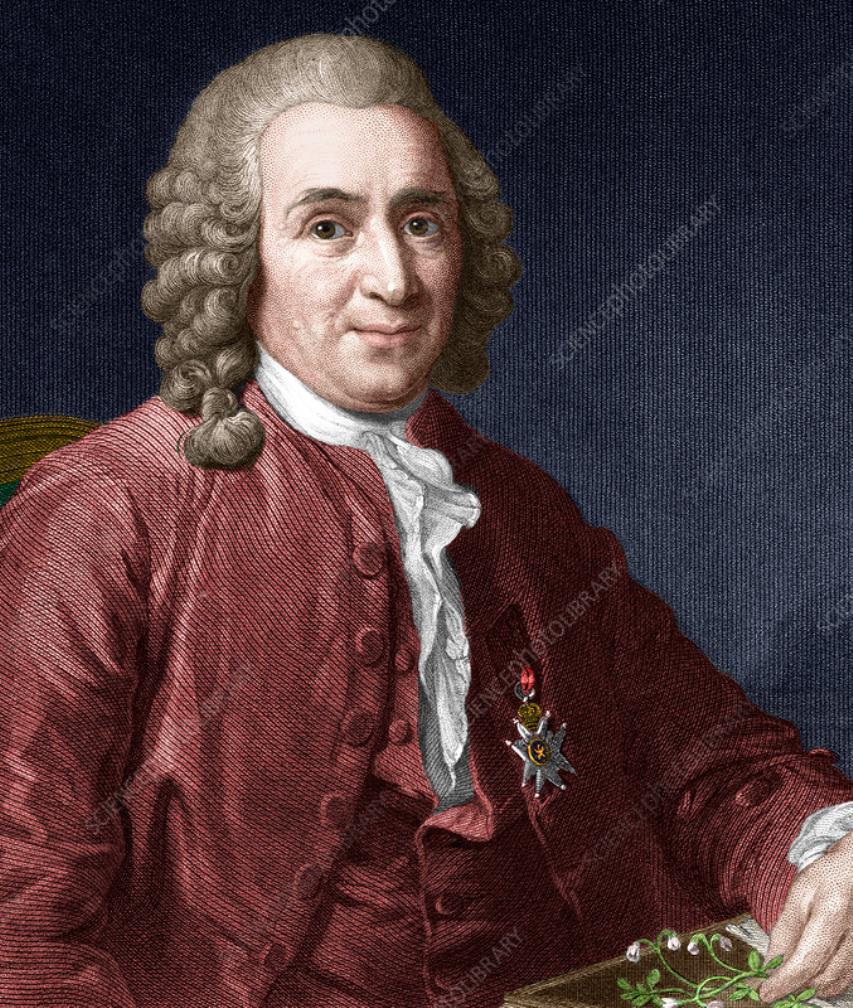
Carl Linnaeus was a Swedish naturalist, botanist and physician.
Carl Linnaeus created a unified system of classification of flora and fauna, in which he summarized and organized the knowledge of the entire previous period of development of biological science. He was the first to formulate the principles of definition of living beings of natural nature and created a unified system of their names, binary nomenclature. Linnaeus' book "The System of Nature", first published in 1735, is one of the most important books in the history of science and practically opened the classification of plants and animals.
Linnaeus was a professor at Uppsala University for many years, and he is also valued in Sweden as one of the creators of the literary Swedish language in its modern form. In addition to his work in botany and scientific classification, Linnaeus led many activities for the betterment of his native country. He was also involved in the establishment of the Royal Swedish Academy of Sciences.

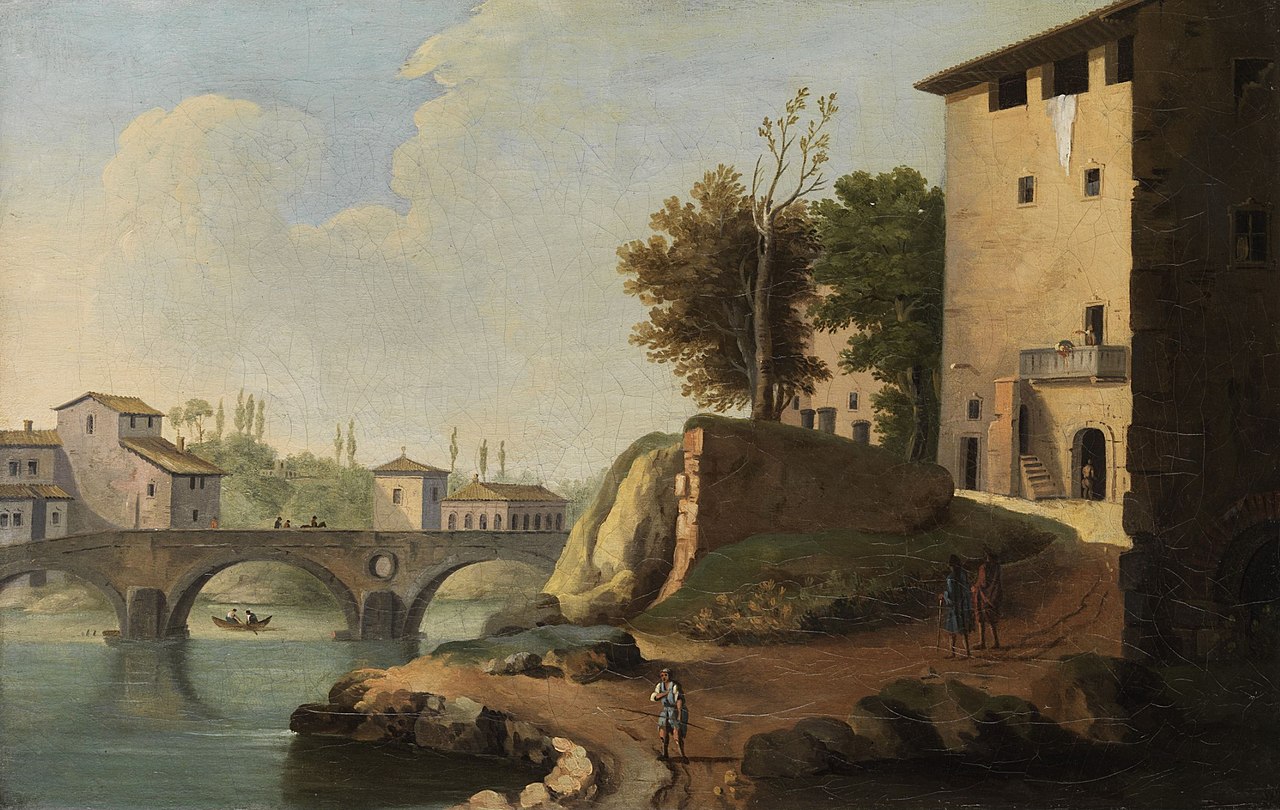
Paolo Anesi was an Italian painter of the 18th century, active mainly in painting capriccios and landscapes (vedute) in the style of Giovanni Paolo Pannini.


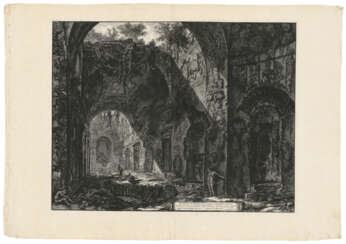

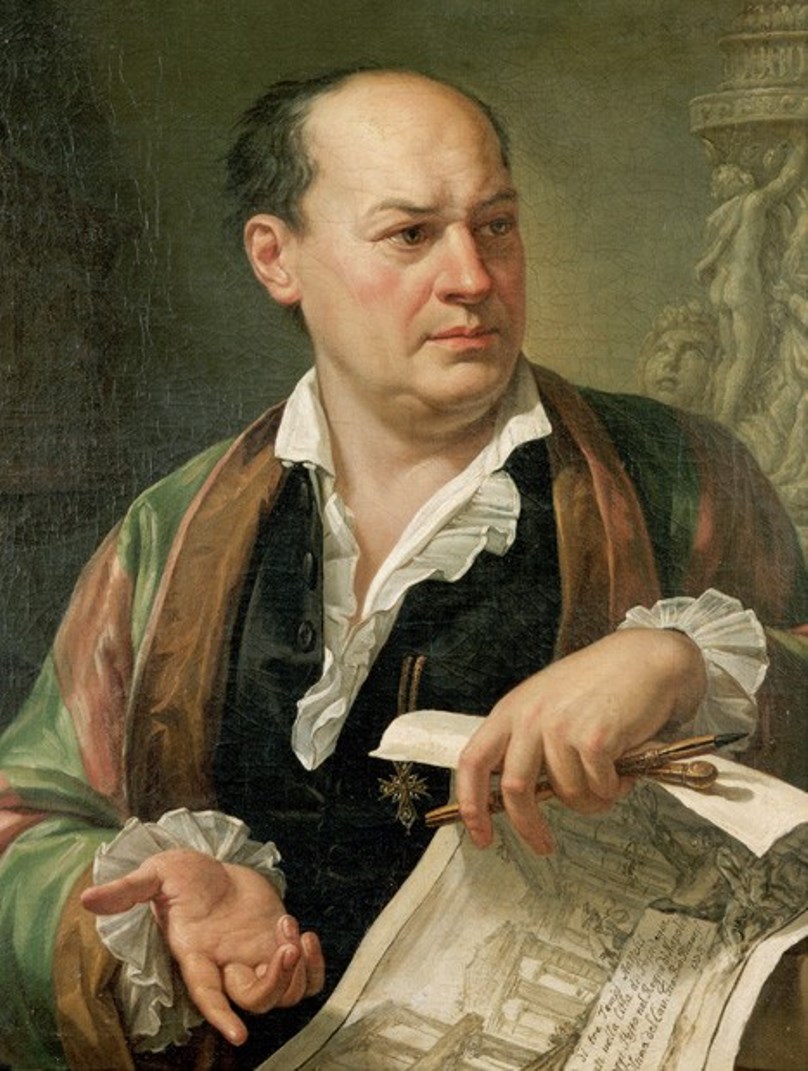
Giovanni Battista Piranesi was an 18th-century Italian painter, engraver, architect, and archaeologist who represented Neoclassicism and Romanticism. He was famous for creating a lot of original etchings with images of antique architecture monuments.
Giovanni Piranesi created hundreds of drawings and drafts in which he depicted the reconstructed ruins of ancient Roman buildings. His works are still used as teaching aids in the education of architectural students in many prestigious European universities. Piranesi periodically printed voluminous books with dozens of his own engravings depicting modified ancient architectural masterpieces - "graphic fantasies". His works were in demand among professional architects, who borrowed Piranesi's original ideas for their designs.
The peak of Piranesi's career came in the 1760s when, in recognition of his merits, he became an honorary member of the Guild of St. Luke and received from the Pope the title of Knight of the Golden Spur.
More than 700 of the master's original etchings have survived, printed in scholarly works.

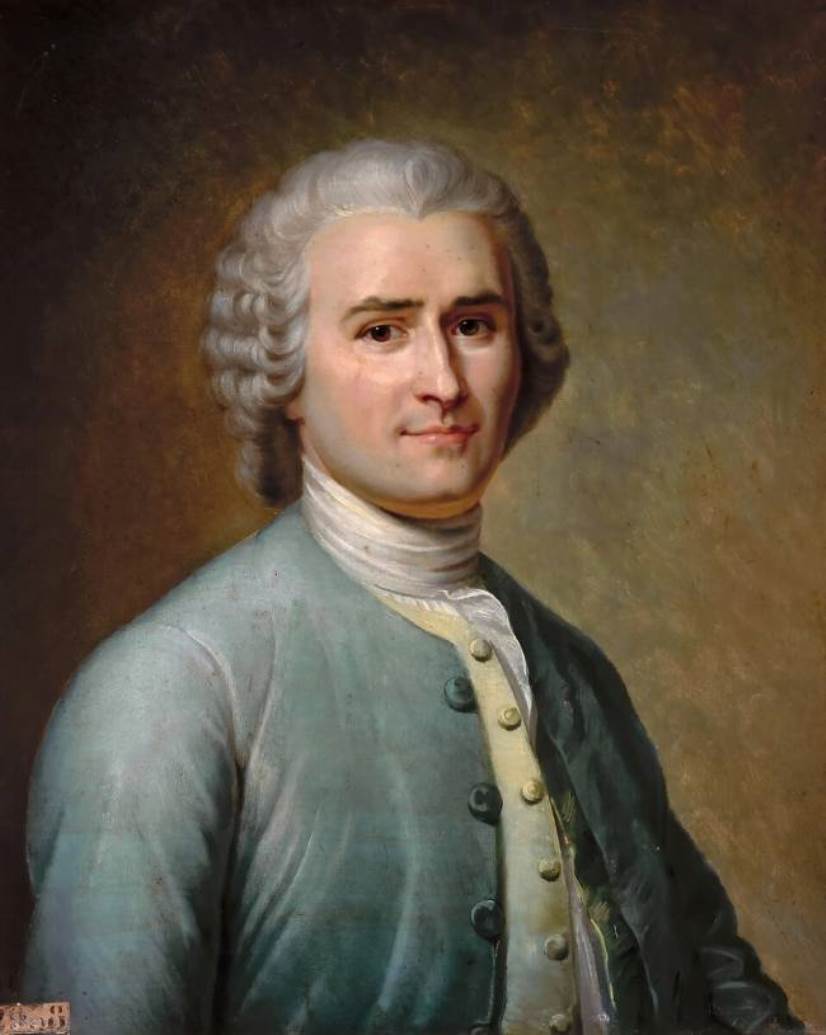
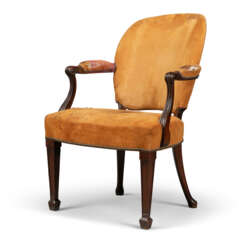

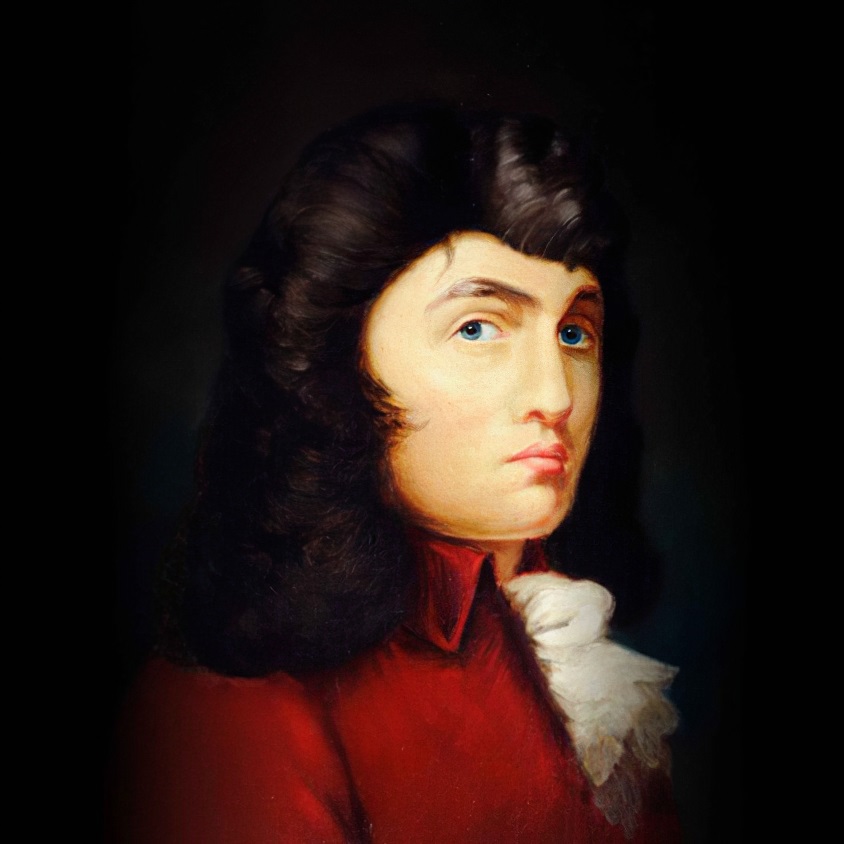
Thomas Chippendale was a cabinet-maker in London, designing furniture in the mid-Georgian, English Rococo, and Neoclassical styles. In 1754 he published a book of his designs in a trade catalogue titled The Gentleman and Cabinet Maker's Director — the most important collection of furniture designs published in England to that point which created a mass market for furniture—upon which success he became renowned. According to the Victoria and Albert Museum, «so influential were his designs, in Britain and throughout Europe and America, that "Chippendale" became a shorthand description for any furniture similar to his Director designs».

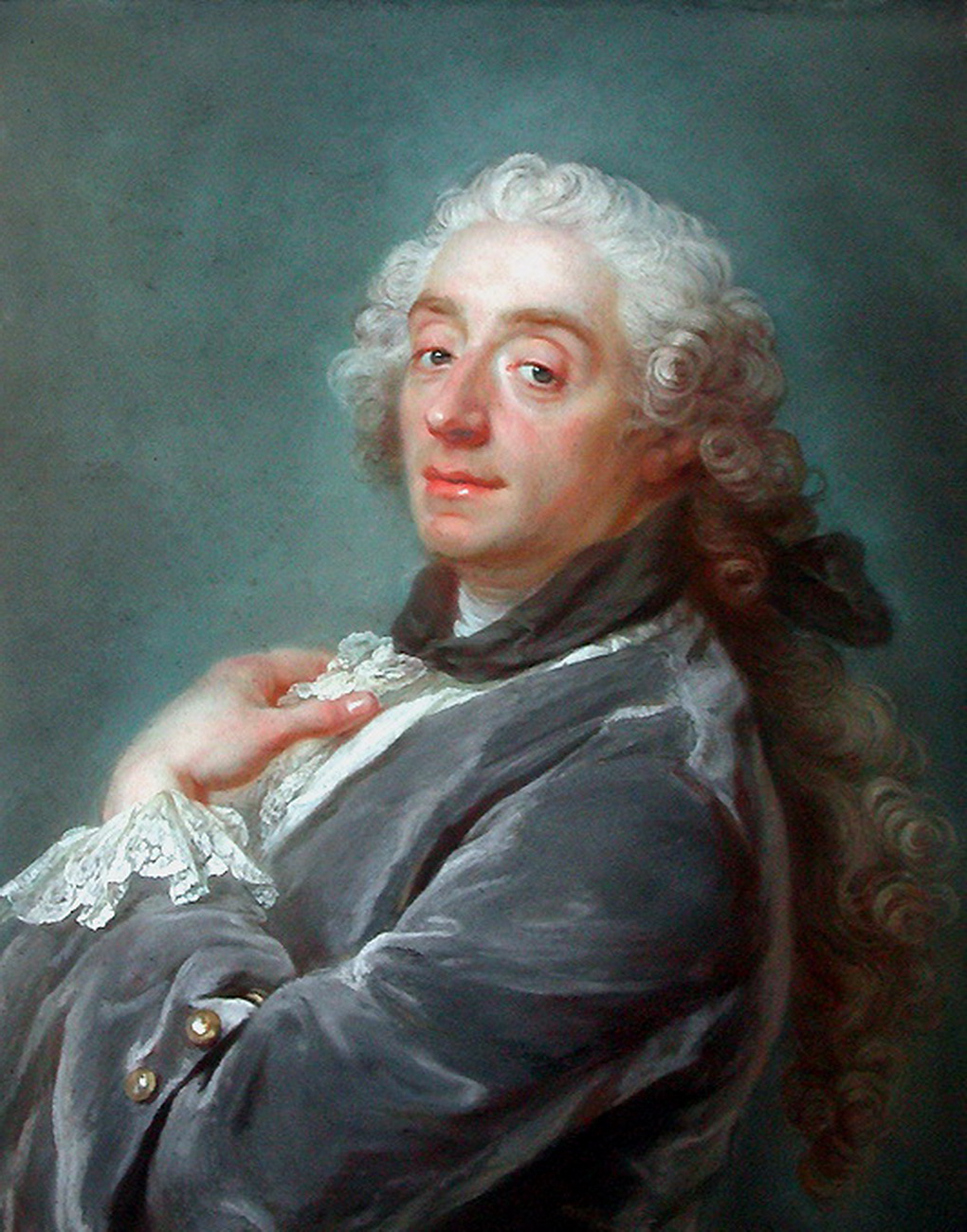
François Boucher, a French artist, is celebrated for his significant contributions to the Rococo style of painting. His works are renowned for their idyllic and voluptuous themes, which include classical subjects, decorative allegories, and pastoral scenes. Boucher's talent in creating intricate and charming paintings made him a favorite in the French court, especially with Madame de Pompadour.
François Boucher's skills were not confined to painting alone; he was also an adept draftsman and tapestry designer. His designs for the Beauvais tapestry workshops were highly successful, influencing decorative arts across Europe. Moreover, Boucher's influence extended to porcelain, with his designs being replicated on tableware and decorative pieces at the Vincennes and Sèvres factories.
Despite the later criticism of his style as overly frivolous and disconnected from the emerging Neoclassical trends, François Boucher's works continue to be admired for their aesthetic beauty and historical significance. His ability to blend various elements into a cohesive and appealing visual narrative demonstrates his mastery and enduring legacy in the art world.
For art collectors and enthusiasts, François Boucher's oeuvre offers a fascinating glimpse into 18th-century French art and culture, reflecting the opulence and delicate tastes of the Rococo period. His paintings and designs continue to be celebrated and studied for their artistic merit and historical context.
To stay updated on the latest exhibitions, sales, and events related to François Boucher's works, consider subscribing to updates from reliable art and antique sources. This way, you'll remain informed about opportunities to engage with the art of one of Rococo's most distinguished masters.
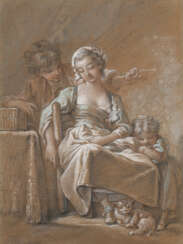

François Boucher, a French artist, is celebrated for his significant contributions to the Rococo style of painting. His works are renowned for their idyllic and voluptuous themes, which include classical subjects, decorative allegories, and pastoral scenes. Boucher's talent in creating intricate and charming paintings made him a favorite in the French court, especially with Madame de Pompadour.
François Boucher's skills were not confined to painting alone; he was also an adept draftsman and tapestry designer. His designs for the Beauvais tapestry workshops were highly successful, influencing decorative arts across Europe. Moreover, Boucher's influence extended to porcelain, with his designs being replicated on tableware and decorative pieces at the Vincennes and Sèvres factories.
Despite the later criticism of his style as overly frivolous and disconnected from the emerging Neoclassical trends, François Boucher's works continue to be admired for their aesthetic beauty and historical significance. His ability to blend various elements into a cohesive and appealing visual narrative demonstrates his mastery and enduring legacy in the art world.
For art collectors and enthusiasts, François Boucher's oeuvre offers a fascinating glimpse into 18th-century French art and culture, reflecting the opulence and delicate tastes of the Rococo period. His paintings and designs continue to be celebrated and studied for their artistic merit and historical context.
To stay updated on the latest exhibitions, sales, and events related to François Boucher's works, consider subscribing to updates from reliable art and antique sources. This way, you'll remain informed about opportunities to engage with the art of one of Rococo's most distinguished masters.
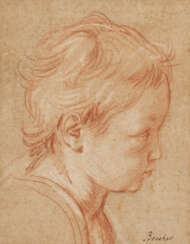

François Boucher, a French artist, is celebrated for his significant contributions to the Rococo style of painting. His works are renowned for their idyllic and voluptuous themes, which include classical subjects, decorative allegories, and pastoral scenes. Boucher's talent in creating intricate and charming paintings made him a favorite in the French court, especially with Madame de Pompadour.
François Boucher's skills were not confined to painting alone; he was also an adept draftsman and tapestry designer. His designs for the Beauvais tapestry workshops were highly successful, influencing decorative arts across Europe. Moreover, Boucher's influence extended to porcelain, with his designs being replicated on tableware and decorative pieces at the Vincennes and Sèvres factories.
Despite the later criticism of his style as overly frivolous and disconnected from the emerging Neoclassical trends, François Boucher's works continue to be admired for their aesthetic beauty and historical significance. His ability to blend various elements into a cohesive and appealing visual narrative demonstrates his mastery and enduring legacy in the art world.
For art collectors and enthusiasts, François Boucher's oeuvre offers a fascinating glimpse into 18th-century French art and culture, reflecting the opulence and delicate tastes of the Rococo period. His paintings and designs continue to be celebrated and studied for their artistic merit and historical context.
To stay updated on the latest exhibitions, sales, and events related to François Boucher's works, consider subscribing to updates from reliable art and antique sources. This way, you'll remain informed about opportunities to engage with the art of one of Rococo's most distinguished masters.
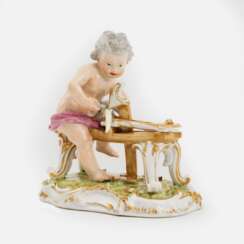

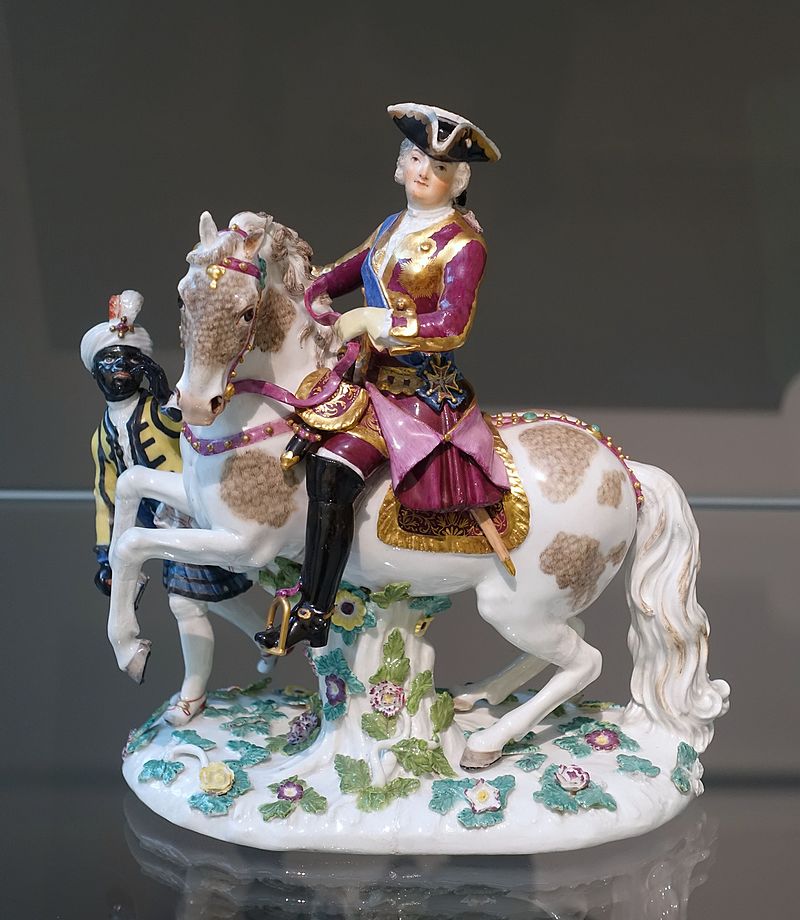
Johann Joachim Kändler was a German sculptor and porcelain artist best known for his role in transforming European porcelain, particularly through his work at the Meissen porcelain factory. His sculptures and figurines, characterized by their natural motifs and intricate details, significantly impacted the porcelain industry.
Kändler's early works often depicted elements from nature, with his bird sculptures—such as those of jays and woodpeckers—being particularly notable. As his career evolved, he delved into smaller decorative figures, such as those from the "Swan Service," a collection of detailed and delicate porcelain pieces. Kändler also drew inspiration from the commedia dell'arte, a popular form of theater, creating vibrant figurines that captured the spirit of this genre. His "Monkey Band" from 1753 is an enduring piece still celebrated today.
Throughout his career, Kändler produced over a thousand different items, many of which are now considered timeless masterpieces in European porcelain art. You can find his works in museums and galleries, such as the British Museum, Seattle Art Museum, and The Metropolitan Museum of Art. Some pieces are even available for auction or sale, often fetching high prices due to their rarity and artistic significance.
If you'd like to learn more about Johann Joachim Kändler or stay updated on related sales and auctions, you can subscribe to our newsletter for timely information and insights into his works.
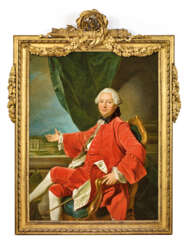

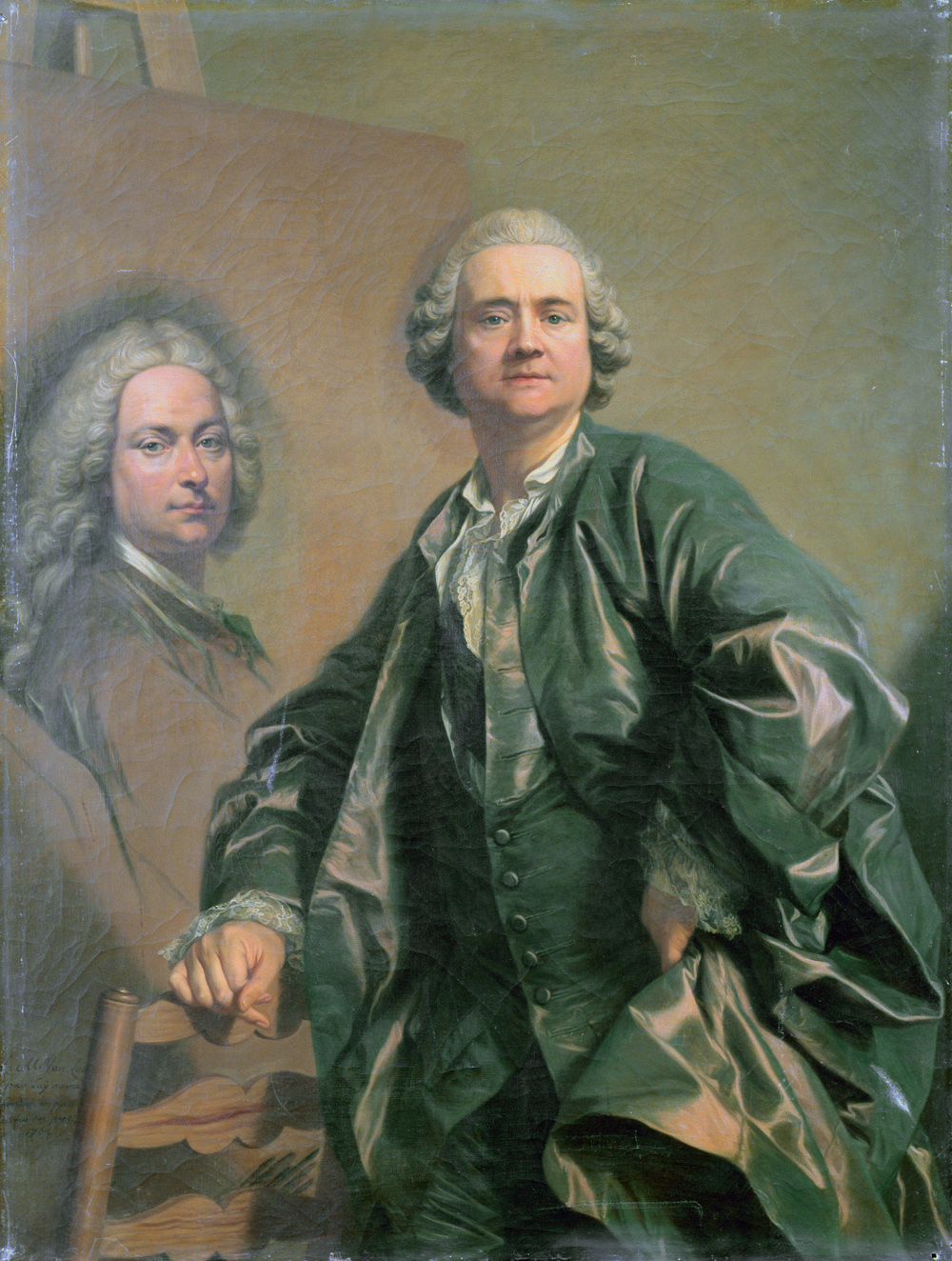
Louis-Michel van Loo, a prominent French painter born in 1707, was celebrated for his mastery in portraiture and history painting. Trained by his father, Jean-Baptiste van Loo, in Turin and Rome, Louis-Michel's early talent was recognized with a prize from the Académie Royale de Peinture et de Sculpture in Paris in 1725. His career flourished further when he became the court painter to Philip V of Spain in 1736, marking a significant period that included the founding membership of the Royal Academy of Fine Arts of San Fernando in Madrid.
Louis-Michel van Loo's return to Paris in 1753 led to his appointment as the director of the École Royale des Élèves Protégés in 1765, a position that underscored his influence in the art world. His body of work, known for its elegance and depth, includes portraits of European nobility and significant cultural figures, such as Denis Diderot and Louis XV of France. Noteworthy among his works are "The Family of Philip V" (1743) displayed at the Prado Museum, Madrid, and his portrait of Denis Diderot (1767), housed in the Louvre Museum, Paris.
For collectors and experts in art and antiques, Louis-Michel van Loo's paintings are not only significant for their artistic value but also for their historical context, reflecting the cultural and political landscapes of 18th-century Europe. His works are preserved in some of the world's most prestigious museums, providing a fascinating insight into the era's artistic trends and the subjects he portrayed.
To stay informed about Louis-Michel van Loo's artworks, particularly those coming up for sale or featured in auction events, signing up for updates is highly recommended. This service is tailored for art collectors and enthusiasts eager to deepen their collection with pieces by this distinguished artist. Subscribing ensures that you are the first to know about new sales and auction events related to Van Loo's legacy, offering a unique opportunity to acquire works by one of the 18th century's most notable painters.

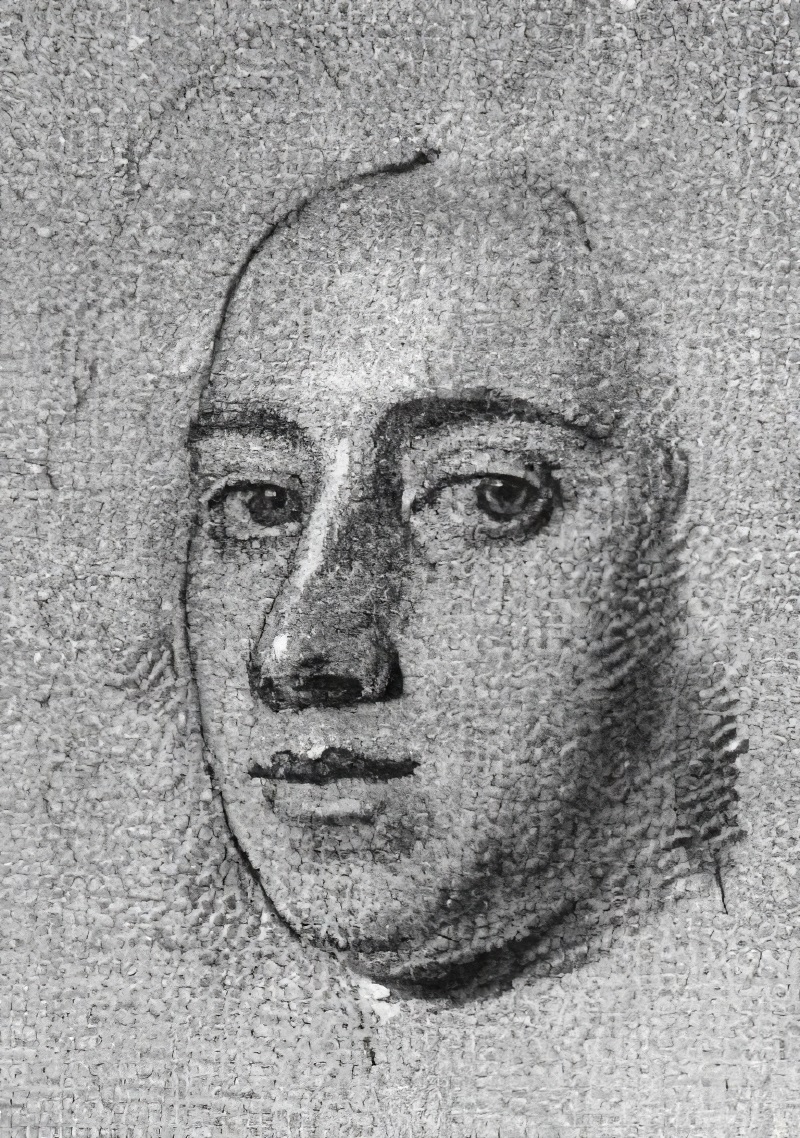
Thomas Hudson was an English portrait painter.
Hudson was most prolific between 1740 and 1760 and, from 1745 until 1755 was the most successful London portraitist.
Many of Hudson's works may be seen in art galleries throughout the United Kingdom. They include the National Portrait Gallery, the National Maritime Museum, Tate, Barnstaple Guildhall, Foundling Museum and the Bristol City Museum and Art Gallery.


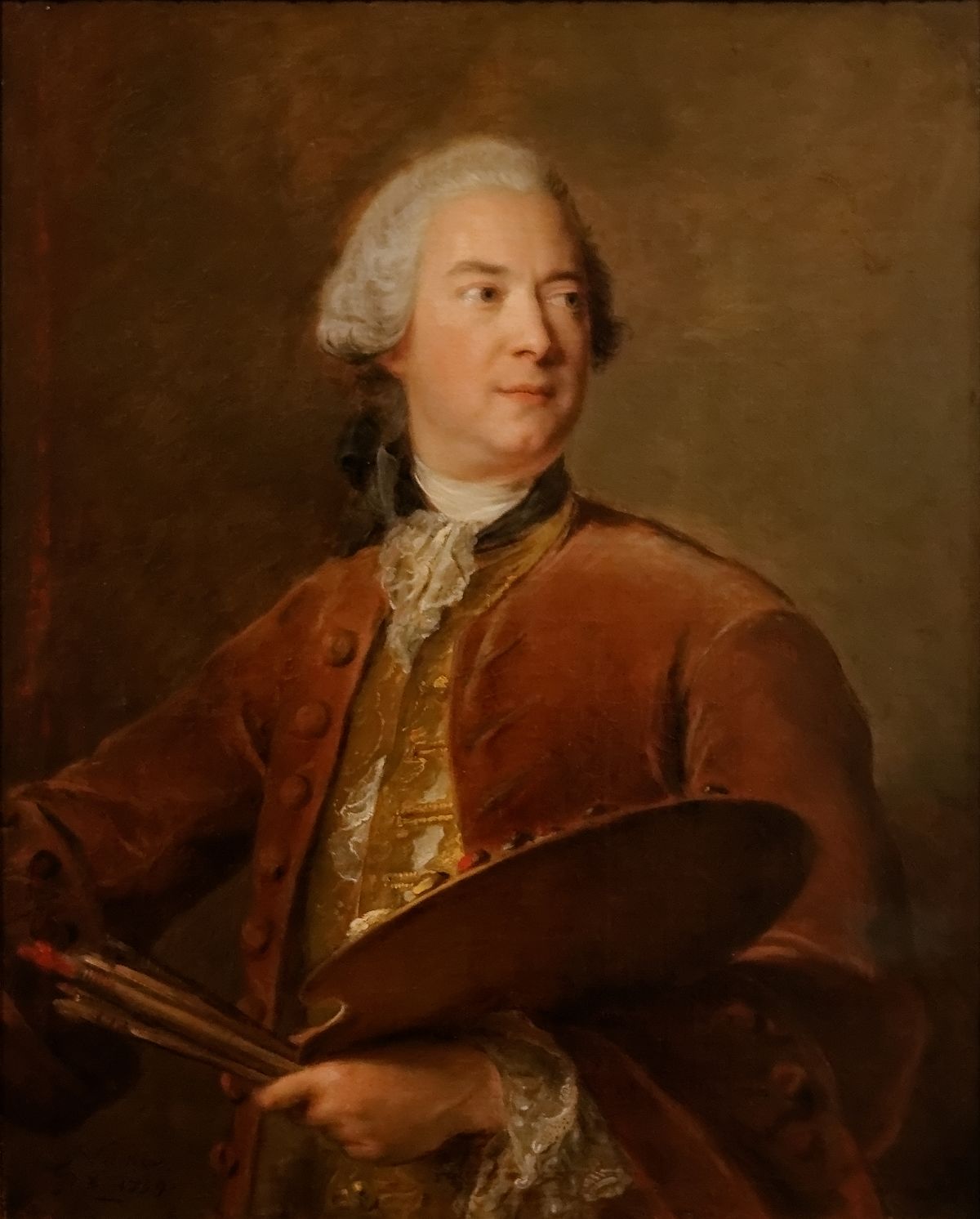
Jean Louis Tocqué was a French painter. He specialized in portrait painting.

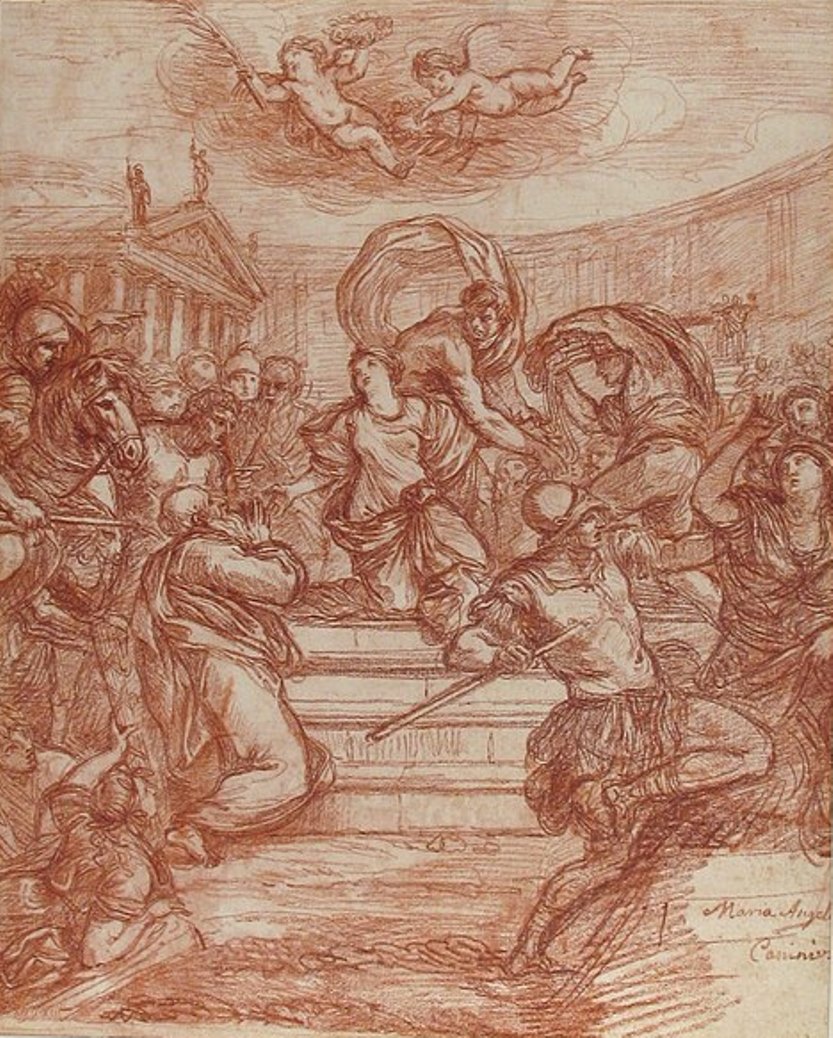
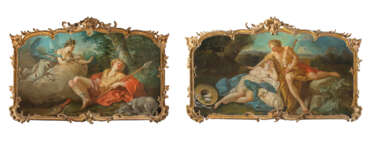

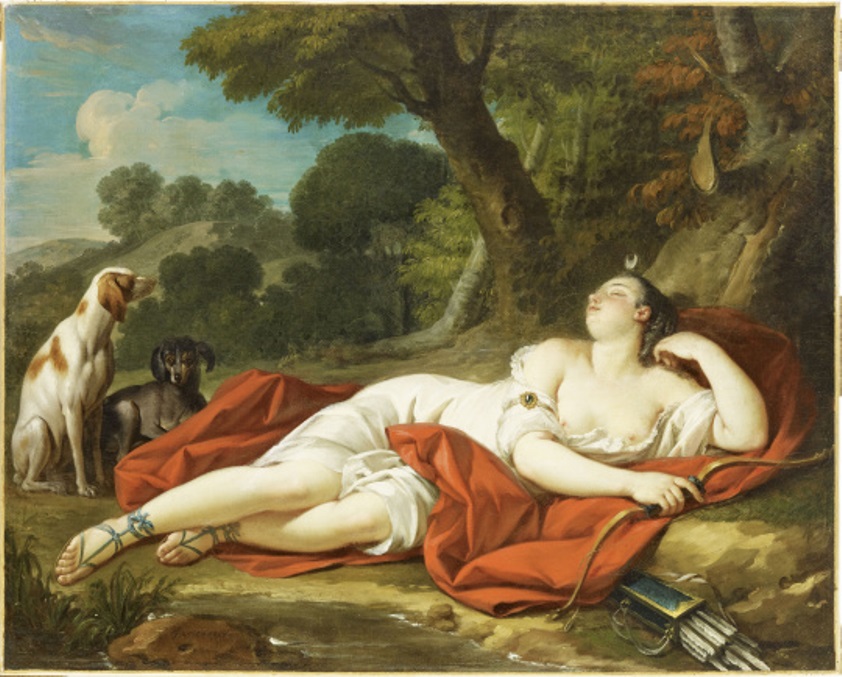
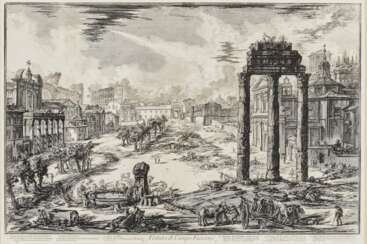

Giovanni Battista Piranesi was an 18th-century Italian painter, engraver, architect, and archaeologist who represented Neoclassicism and Romanticism. He was famous for creating a lot of original etchings with images of antique architecture monuments.
Giovanni Piranesi created hundreds of drawings and drafts in which he depicted the reconstructed ruins of ancient Roman buildings. His works are still used as teaching aids in the education of architectural students in many prestigious European universities. Piranesi periodically printed voluminous books with dozens of his own engravings depicting modified ancient architectural masterpieces - "graphic fantasies". His works were in demand among professional architects, who borrowed Piranesi's original ideas for their designs.
The peak of Piranesi's career came in the 1760s when, in recognition of his merits, he became an honorary member of the Guild of St. Luke and received from the Pope the title of Knight of the Golden Spur.
More than 700 of the master's original etchings have survived, printed in scholarly works.


Giovanni Battista Piranesi was an 18th-century Italian painter, engraver, architect, and archaeologist who represented Neoclassicism and Romanticism. He was famous for creating a lot of original etchings with images of antique architecture monuments.
Giovanni Piranesi created hundreds of drawings and drafts in which he depicted the reconstructed ruins of ancient Roman buildings. His works are still used as teaching aids in the education of architectural students in many prestigious European universities. Piranesi periodically printed voluminous books with dozens of his own engravings depicting modified ancient architectural masterpieces - "graphic fantasies". His works were in demand among professional architects, who borrowed Piranesi's original ideas for their designs.
The peak of Piranesi's career came in the 1760s when, in recognition of his merits, he became an honorary member of the Guild of St. Luke and received from the Pope the title of Knight of the Golden Spur.
More than 700 of the master's original etchings have survived, printed in scholarly works.


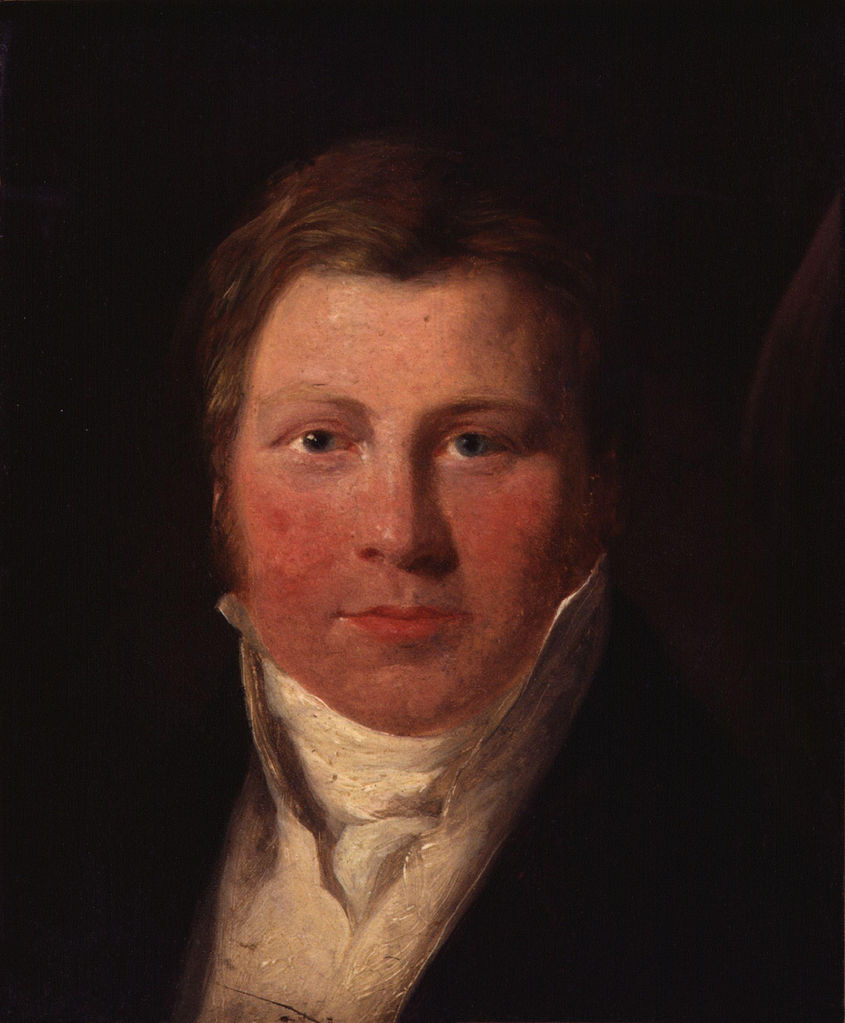
John Varley was an English watercolour painter and astrologer, and a close friend of William Blake.
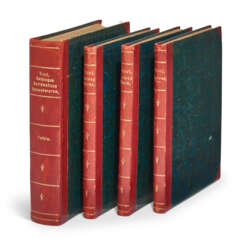

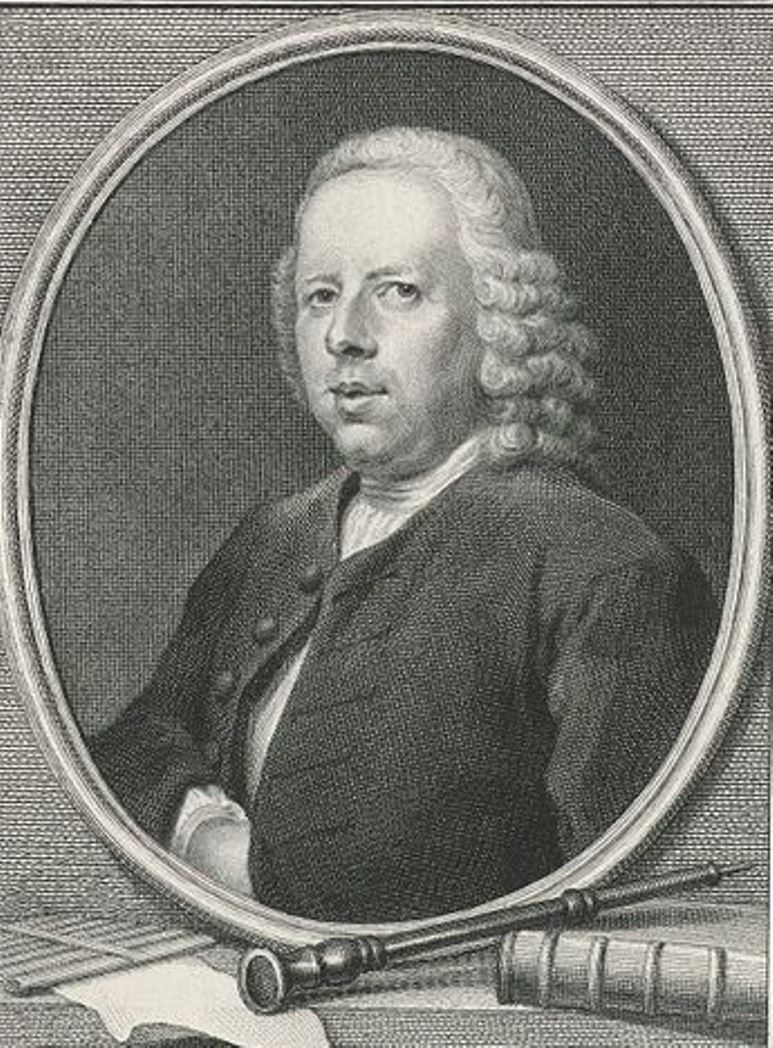
Johannes Eusebius Voet was a Dutch physician, poet, entomologist and illustrator.
Voet worked as a physician in Dordrecht and had a large collection of insects and shells. Studying beetles and other insects, he wrote Catalogus Systematicus Coleopterorum, Systematische naamlijst van dat geslacht der Insecten dat men Torren noemt, which was published in 1804-1806. It was one of the best entomological works published in the Netherlands. It contained numerous original hand-colored engravings, many of them by C.F.C. Kleemann, Rösel's son-in-law.
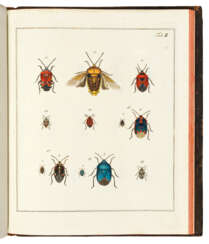

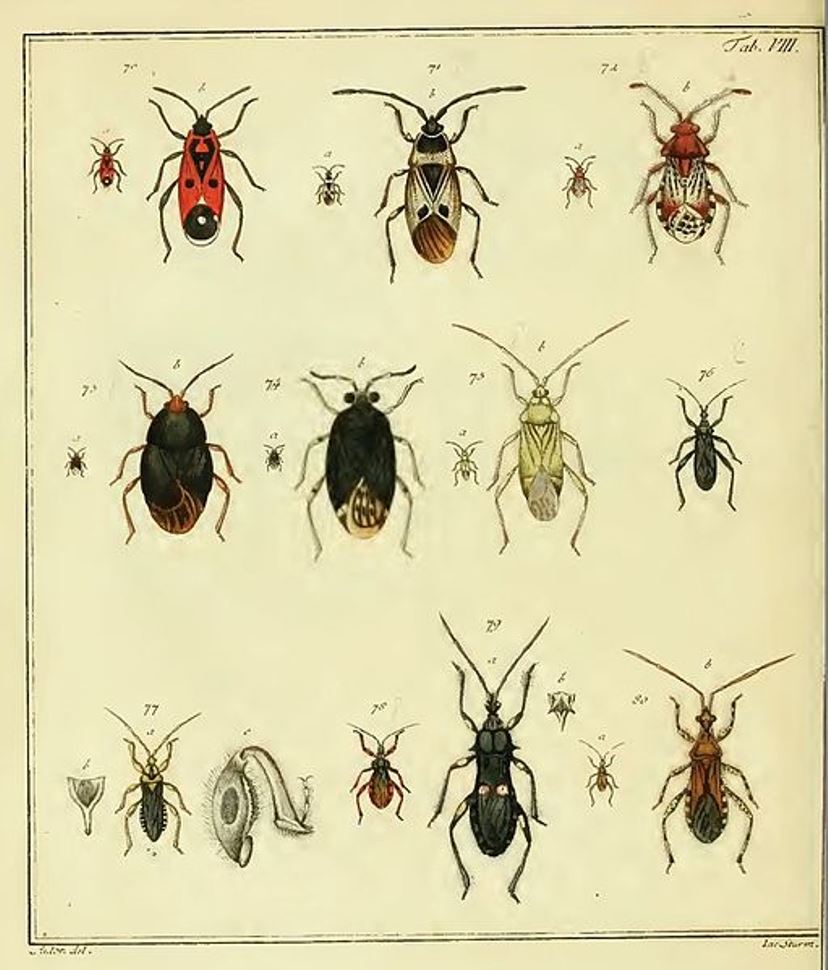
Johann Friedrich Wolff was a German biologist, physician, naturalist and illustrator.
He wrote and illustrated several scientific papers on insects.