1850&
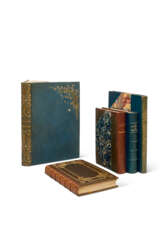

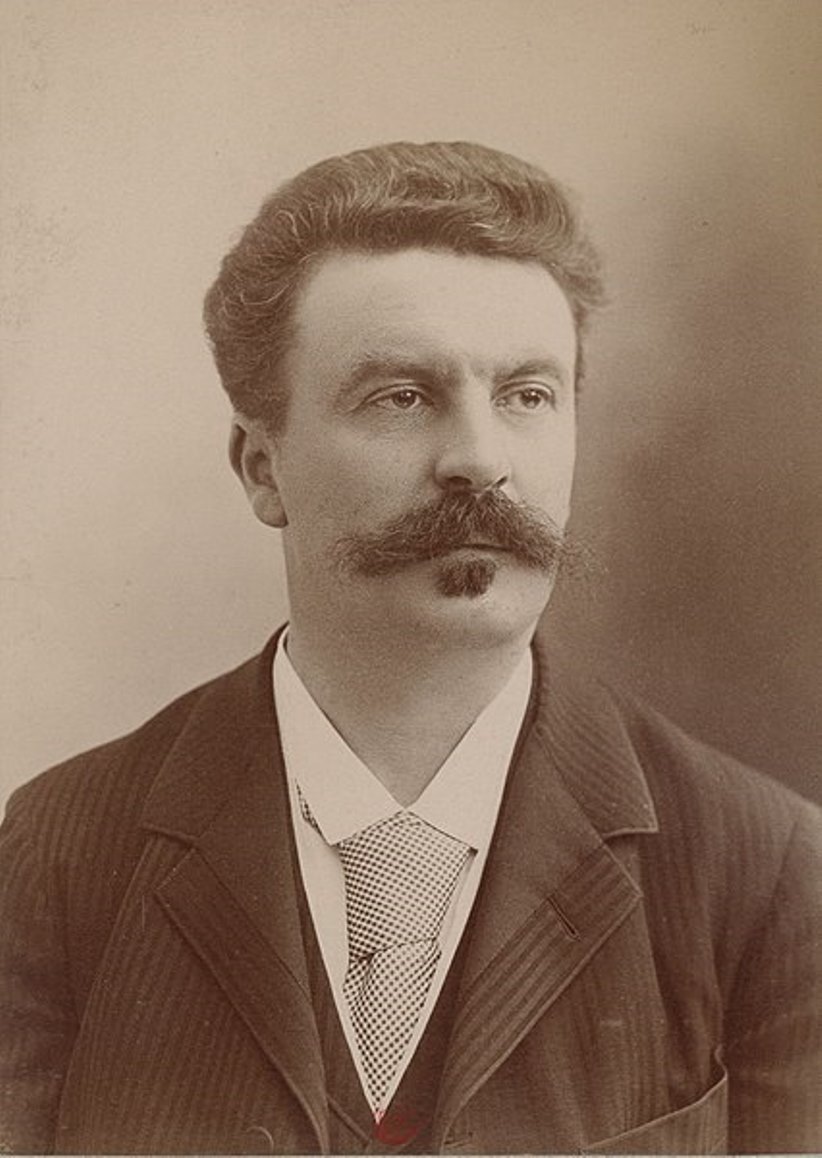
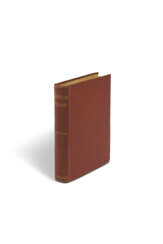

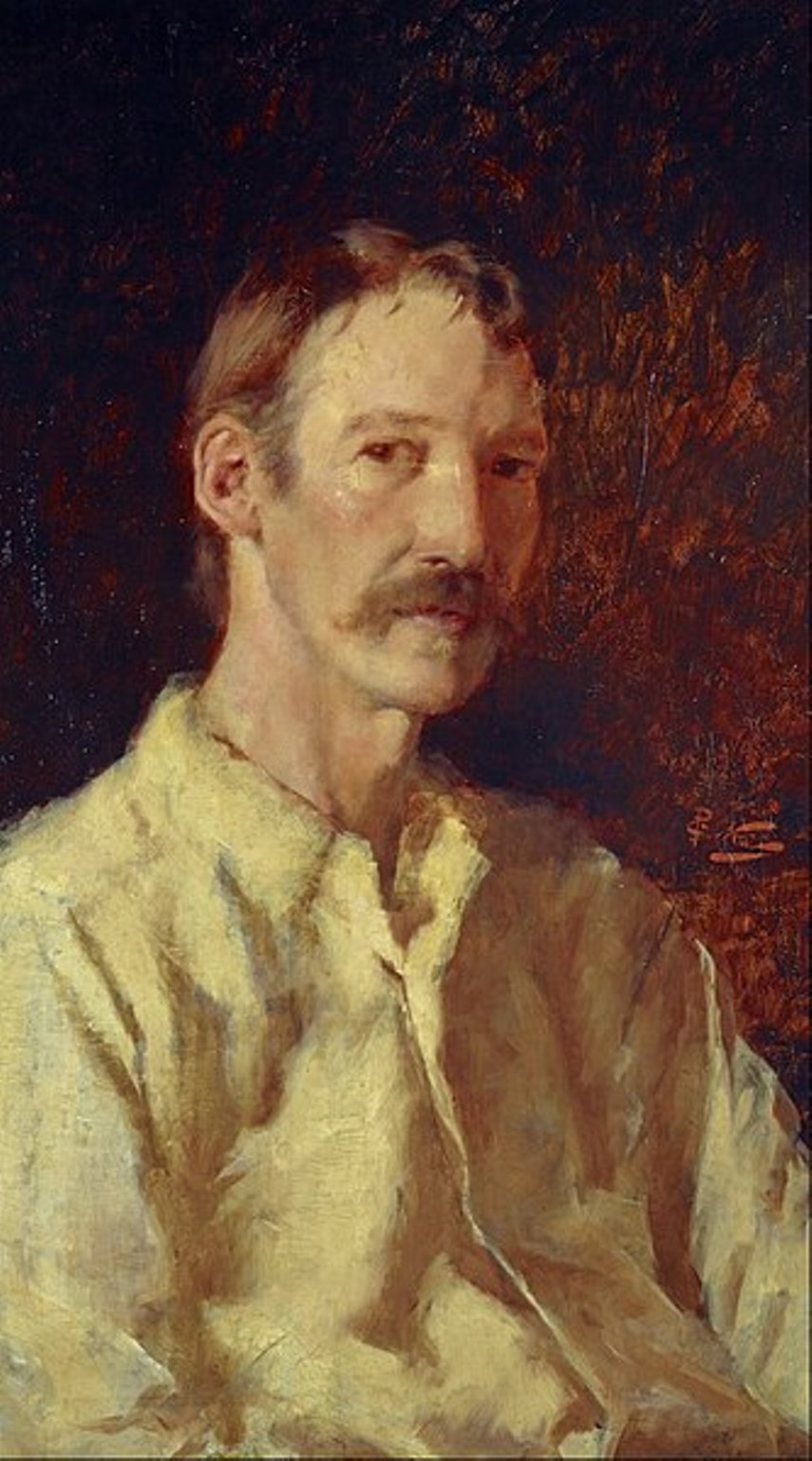
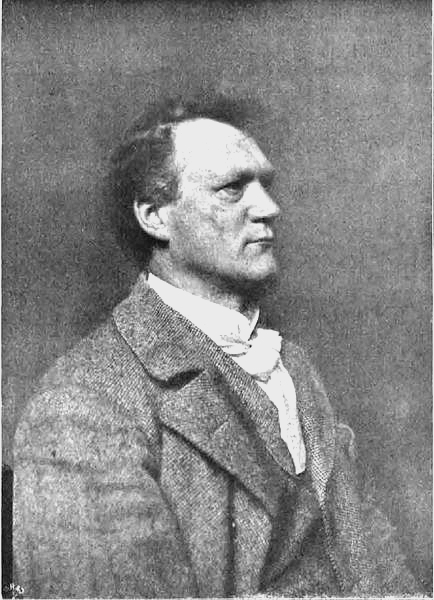
Robert Louis Stevenson, born Robert Lewis Balfour Stevenson, was a Scottish poet and writer, a major exponent of Neo-Romanticism.
He began studying engineering at the University of Edinburgh, but later began to study law. However, he was fascinated by literature, and already during his studies the student printed in periodicals. Stevenson was an avid traveler and also published several books about his travels. In 1881, he began serializing pirate stories, which were formalized into a book, Treasure Island, in 1883. The book became an instant bestseller. Next were adventure novels "Kidnapped" (1886), "The Strange Case of Dr. Jekyll and Mr. Hyde" (1886), "The Master of Ballantrae" (1889) and others, as well as many novels and short stories, ballads.
Robert Lewis Stevenson was very sickly from early childhood, and readers would not have guessed that he wrote his most exciting adventures while nearly bedridden. He died at the age of 44 from a cerebral hemorrhage. And Treasure Island remains one of the greatest and most popular adventure novels in the English language. It has been translated, reprinted and screened around the world many times.


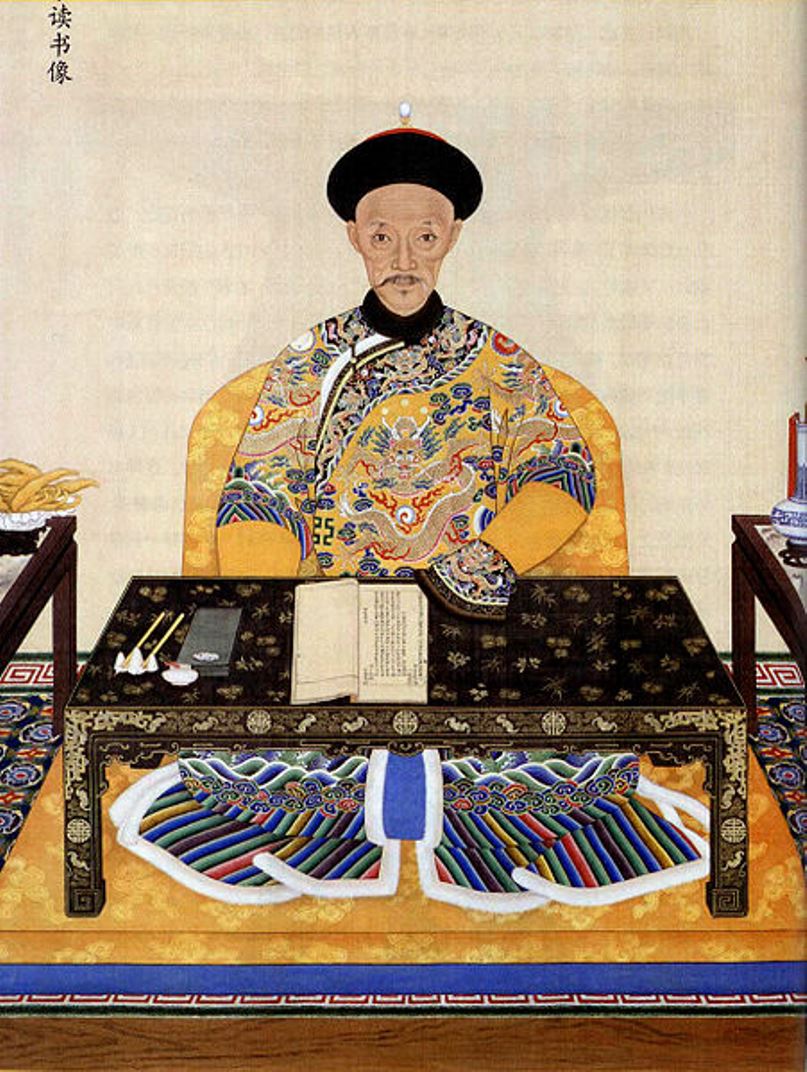
Emperor Daoguang, also known by his temple name Emperor Xuanzong of Qing, born Aixing-Gioro Mianning, was the seventh emperor of the Qing Dynasty and the sixth Qing emperor to rule China from 1820 to 1850.
As emperor and head of the country, Daoguang was weak. His 30-year reign was accompanied by internal and external problems, chief among them the First Opium War and the outbreak of the Taiping Rebellion. The country he led also experienced growing economic tensions, sectarian instability, and active foreign interference, which eventually led to the collapse of the Qing dynasty in 1911.
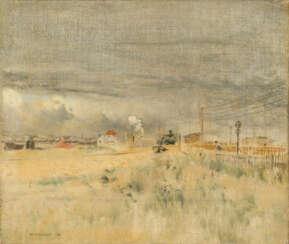

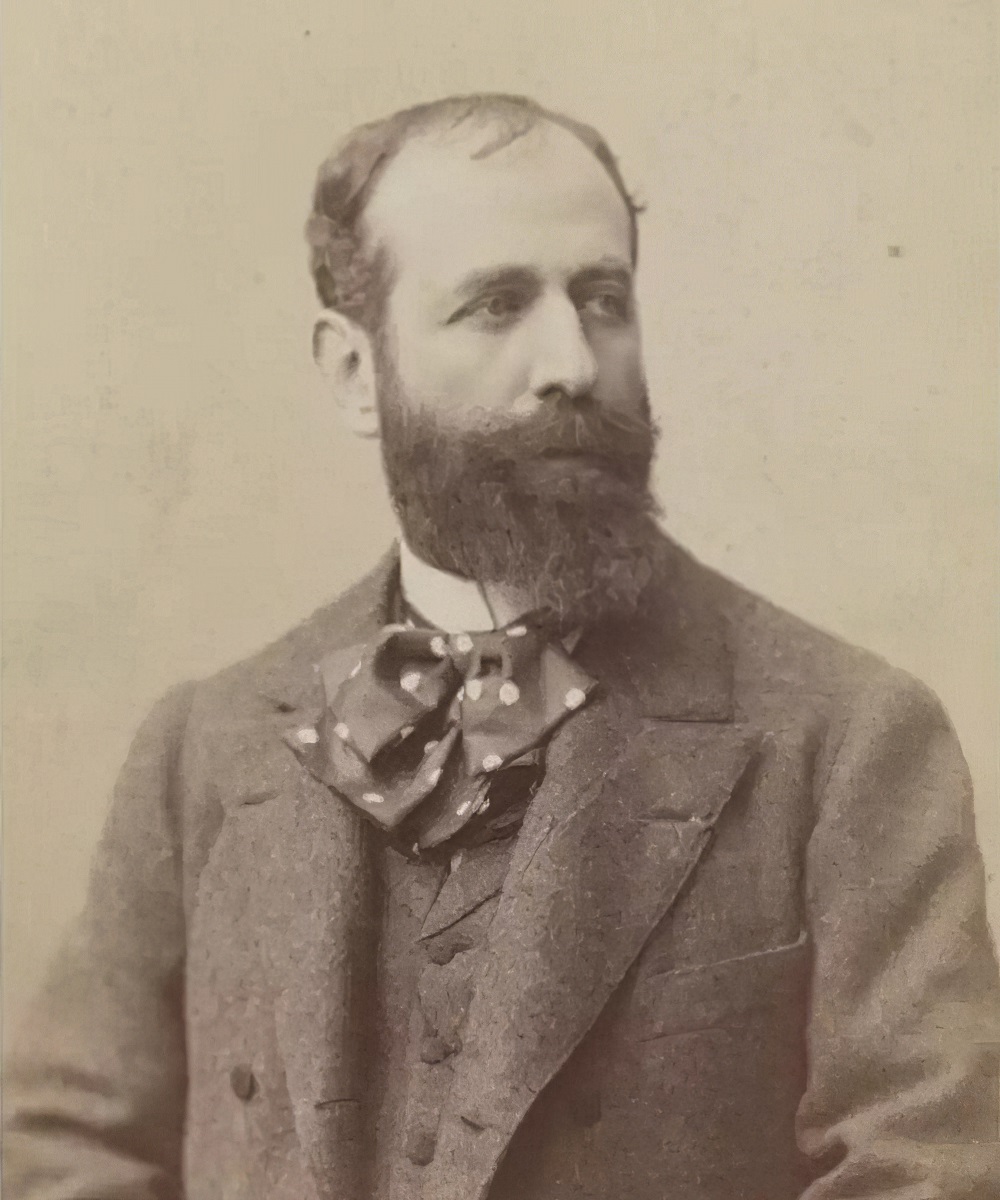
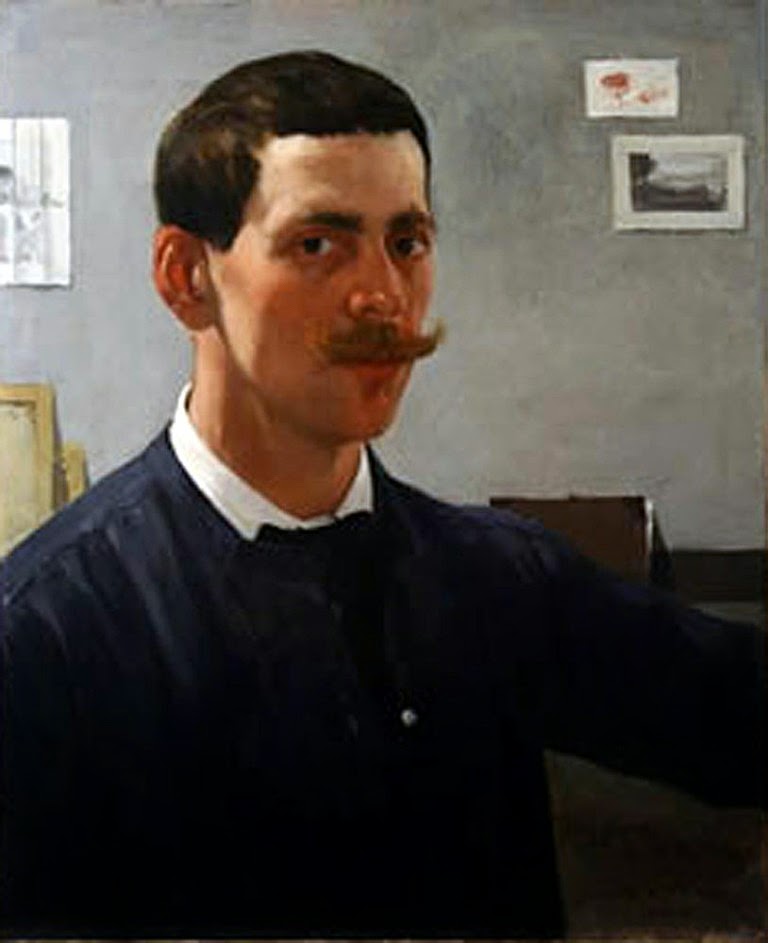
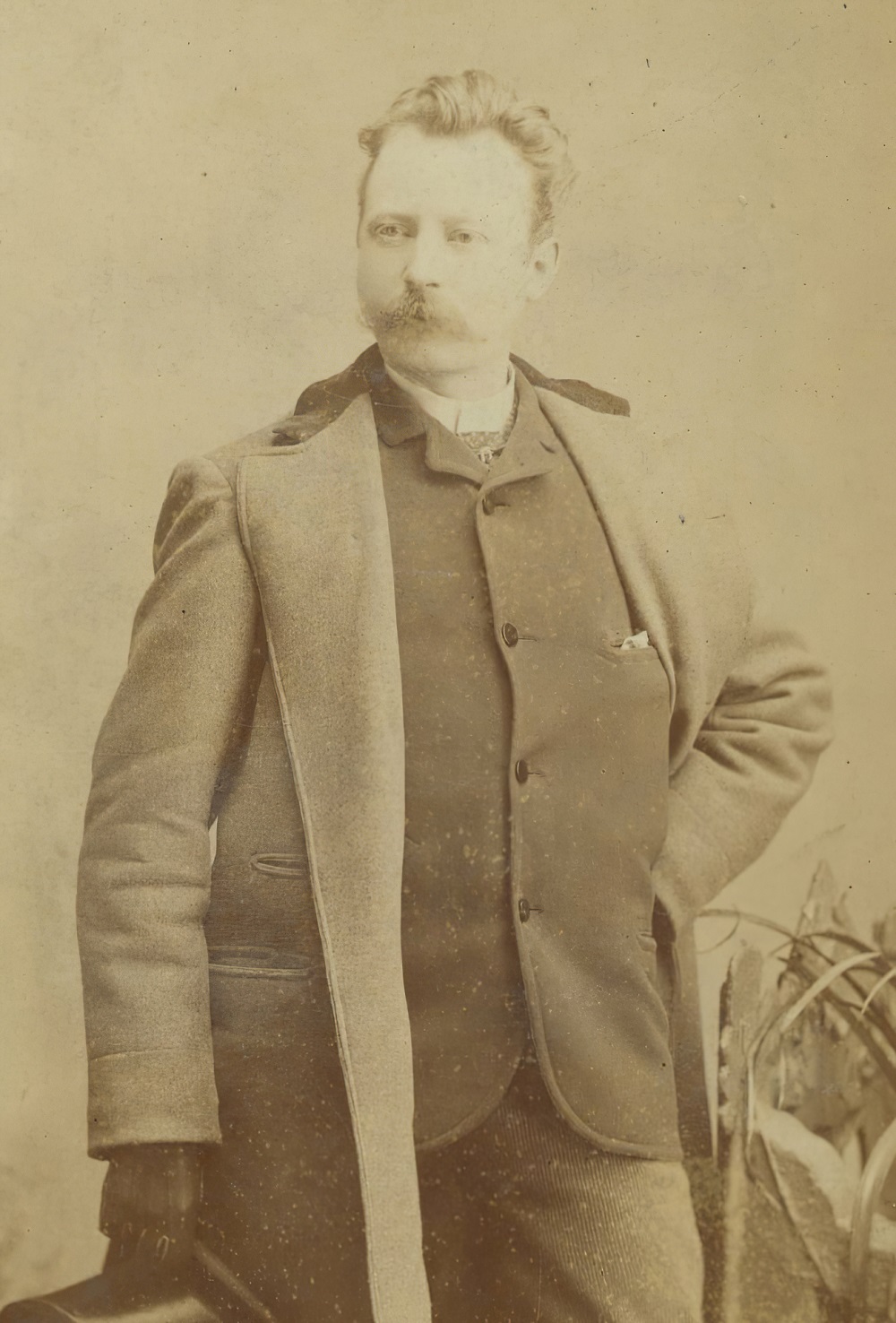
Jean-François Raffaëlli was a French realist painter, sculptor, and printmaker who exhibited with the Impressionists. He was also active as an actor and writer.
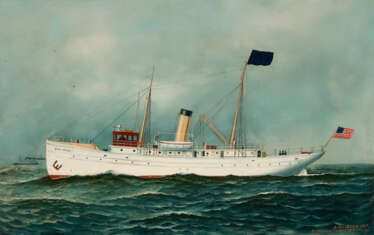

Antonio Nicolo Gasparo Jacobsen was a Danish-born American maritime artist known as the "Audubon of Steam Vessels".
The public rooms of The Griswold Inn in Essex, Connecticut, the oldest continuously run tavern in the United States, features the largest privately held collection of Jacobsen's paintings.
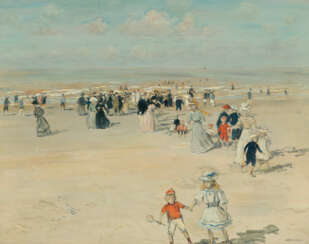

Jean-François Raffaëlli was a French realist painter, sculptor, and printmaker who exhibited with the Impressionists. He was also active as an actor and writer.
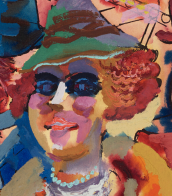
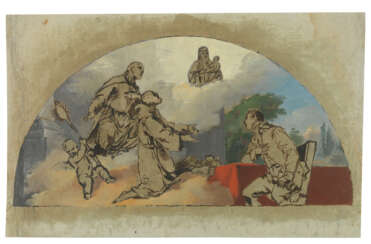

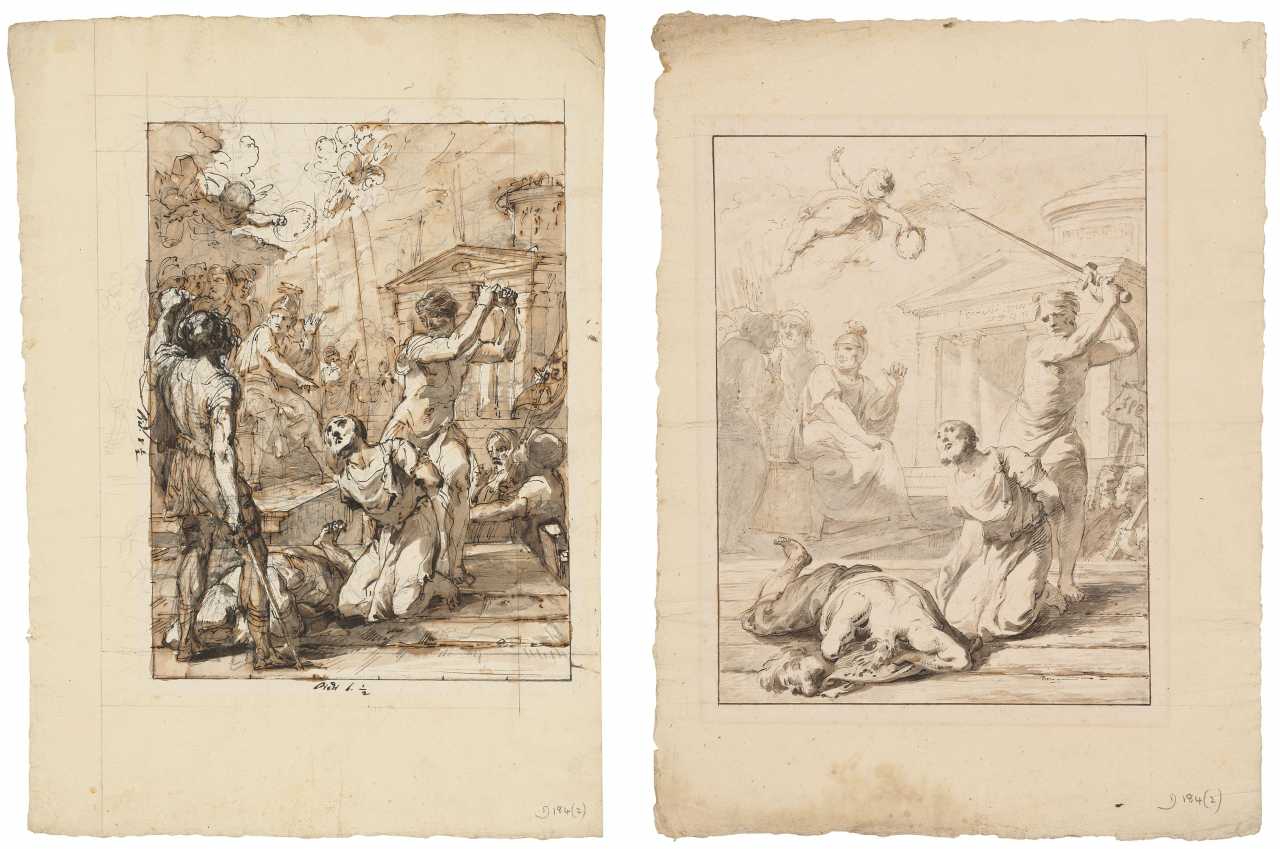



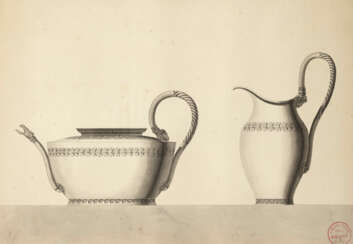

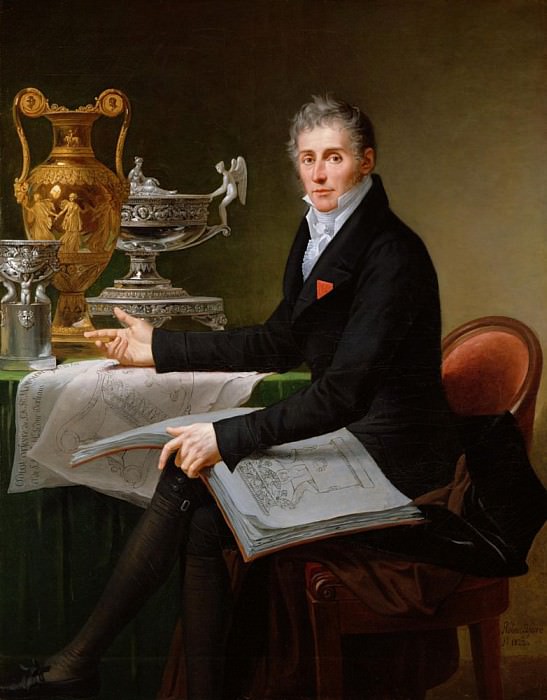
Jean-Baptiste-Claude Odiot was a French jeweller, the most famous head of the jewellery house Odiot, founded in 1695 and still in existence today.



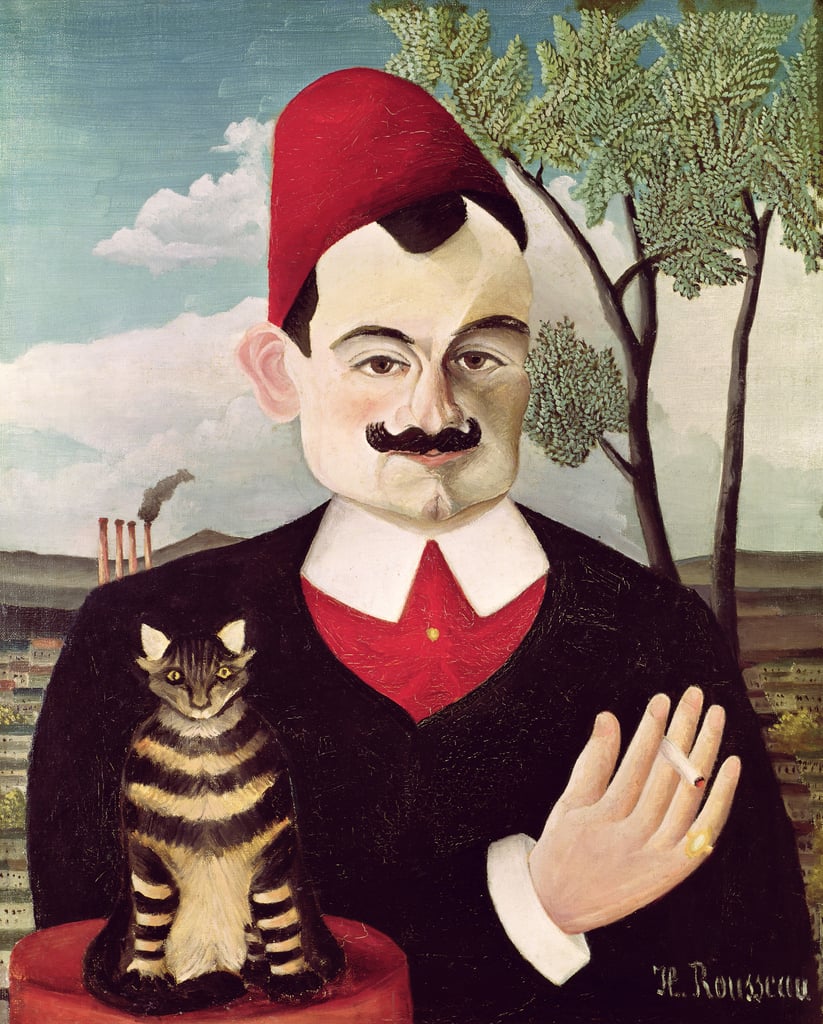
Pierre Loti, real name Louis Marie-Julien Viaud, was a French naval officer and novelist.
At the age of 17 he entered the naval school in Brest, then studied at École navale, the French naval academy. While pursuing a career as an officer in the navy, Louis Viaud began to think about writing. In 1872, he lived in Tahiti for several months and the result was Le Mariage de Loti (The Wedding of Loti), an autobiographical novel that began the fame of the writer Pierre Loti.
During his life he also visited Constantinople, the Holy Land, China, Algeria, British India, and Japan, writing a total of about 40 books. His colonial, mostly sentimental novels of life in exotic countries were very popular in Europe and in the United States, they were staged plays and films. In September 1920, Loti became an honorary citizen of Istanbul. He was also a member of the French Academy, Knight of the Grand Cross of the Legion of Honor.
Pierre Loti was also an avid collector, furnishing his Rochefort home in Orientalist and other styles, which today houses a museum of architectural eclecticism.





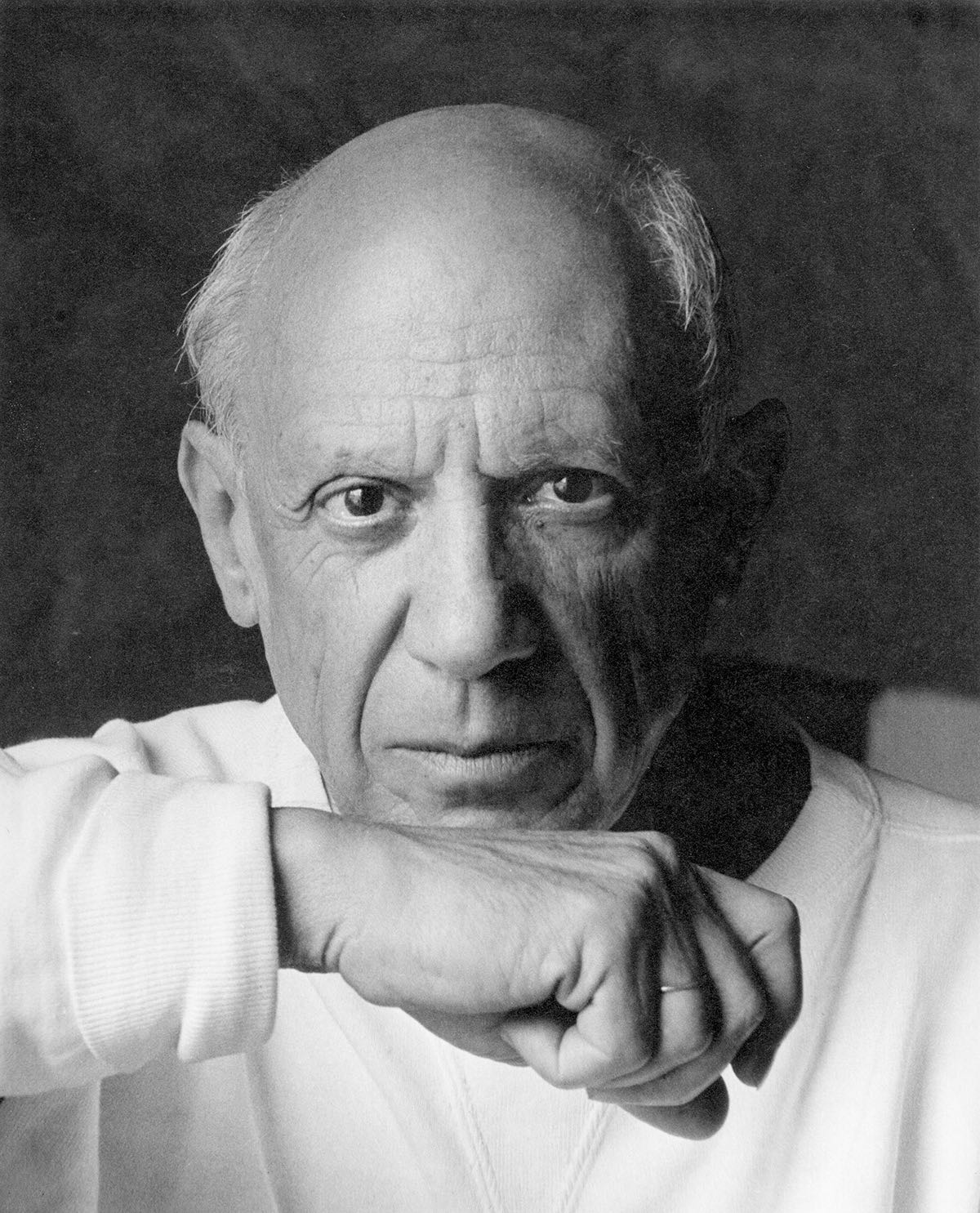
Pablo Ruiz Picasso, a Spanish artist renowned for his revolutionary contributions to the 20th-century art scene, is a figure that resonates profoundly with collectors and art experts. His unique blend of talents in painting, sculpture, printmaking, and ceramic art, infused with his time in France, positioned him as a pivotal character in modern art history.
Picasso's artistic journey was marked by distinct periods, each showcasing his evolving style and genius. His early years were characterized by the Blue Period (1901-1904), followed by the Rose Period (1904-1906), and then the African-influenced Period (1907-1909). Picasso's name is synonymous with Cubism, a movement he co-founded, which significantly altered artistic perspectives and methods. Works like "Les Demoiselles d'Avignon" (1907) and "Guernica" (1937) are emblematic of his cubist legacy, the latter being a poignant anti-war statement that remains influential.
His later years saw a return to more traditional styles, with neoclassical and surrealist influences becoming evident. Works from these phases reflect a deep engagement with mythological themes, as seen in "Faun with Stars" (1955), symbolizing his late-life romance with Jacqueline Roque, his second wife.
Picasso's prolific output and innovative spirit made him a legend in his own time, a status that only grew after his death. His works, housed in major museums and private collections worldwide, continue to captivate and inspire.
As a collector or expert in art and antiques, staying informed about Picasso's works, their auction events, and sales is essential. To stay updated on the latest developments and opportunities related to Pablo Picasso, sign up for our specialized updates. Rest assured, this subscription will focus solely on new product sales and auction events pertaining to Picasso's art, ensuring that you receive only the most relevant and valuable information.
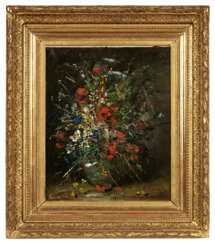

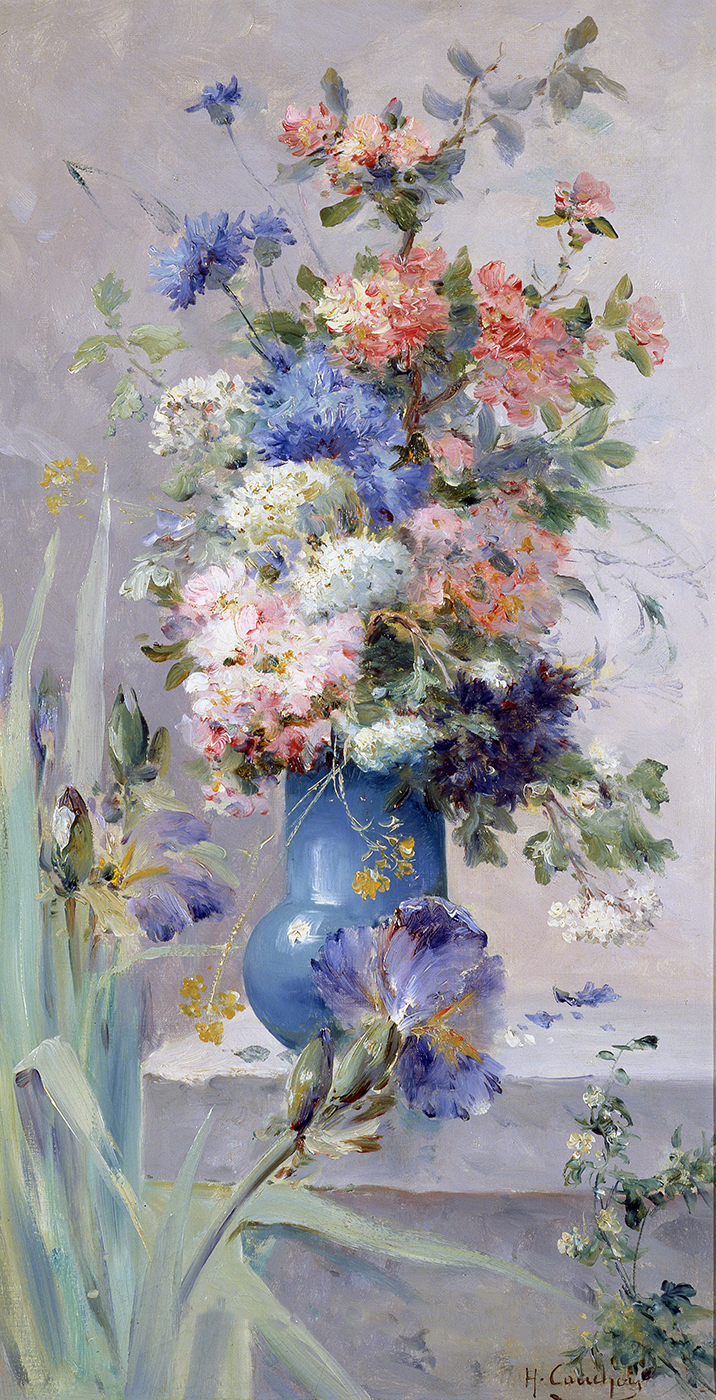
Eugène Henri Cauchois, a prominent French painter. He is celebrated for his enchanting floral still lifes, though he also dabbled in landscapes and seascapes. Eugène Henri Cauchois' journey in art began under the tutelage of master painters Ferdinand Duboc and Alexandre Cabanel. His style was significantly influenced by the Impressionist movement, characterized by soft, colorful, and lustrous compositions.
Eugène Henri Cauchois' technique involved layering paint with loose and fluid brush strokes, a method akin to that of the Impressionists. This approach allowed him to create vibrant canvases that stood out for their naturalism and intense color combinations. His talent was recognized early in his career, leading him to exhibit frequently at the Paris Salon from 1874. He received several accolades, including a Bronze medal in 1898 and 1900, and a Silver medal in 1904.
In the late 19th century, Eugène Henri Cauchois also ventured into large-scale decorative panel painting. His decorative works, just like his still lifes, were noted for their exquisite naturalism and bold color schemes. These works included commissions like the four panels representing the flowers of the four seasons for the École de filles de la 7ème arrondissement in Paris.
Eugène Henri Cauchois' work continues to be admired for its contribution to the tradition of still life and flower painting. His paintings are held in various public collections, such as in the museums of Chatellerault, Rouen, and Louviers. His legacy lives on, not just in the beauty of his art but also in the continued popularity and appreciation of still life as a significant art form.
For collectors and experts in art and antiques, the works of Eugène Henri Cauchois offer a glimpse into the world of French Impressionism and still life painting. His captivating floral compositions and skillful use of color and light make his pieces a prized addition to any collection.
If you are interested in staying informed about sales and auction events related to Eugène Henri Cauchois' art, consider signing up for updates. This subscription ensures that you are always in the know about opportunities to acquire pieces from this master of Impressionist still life.


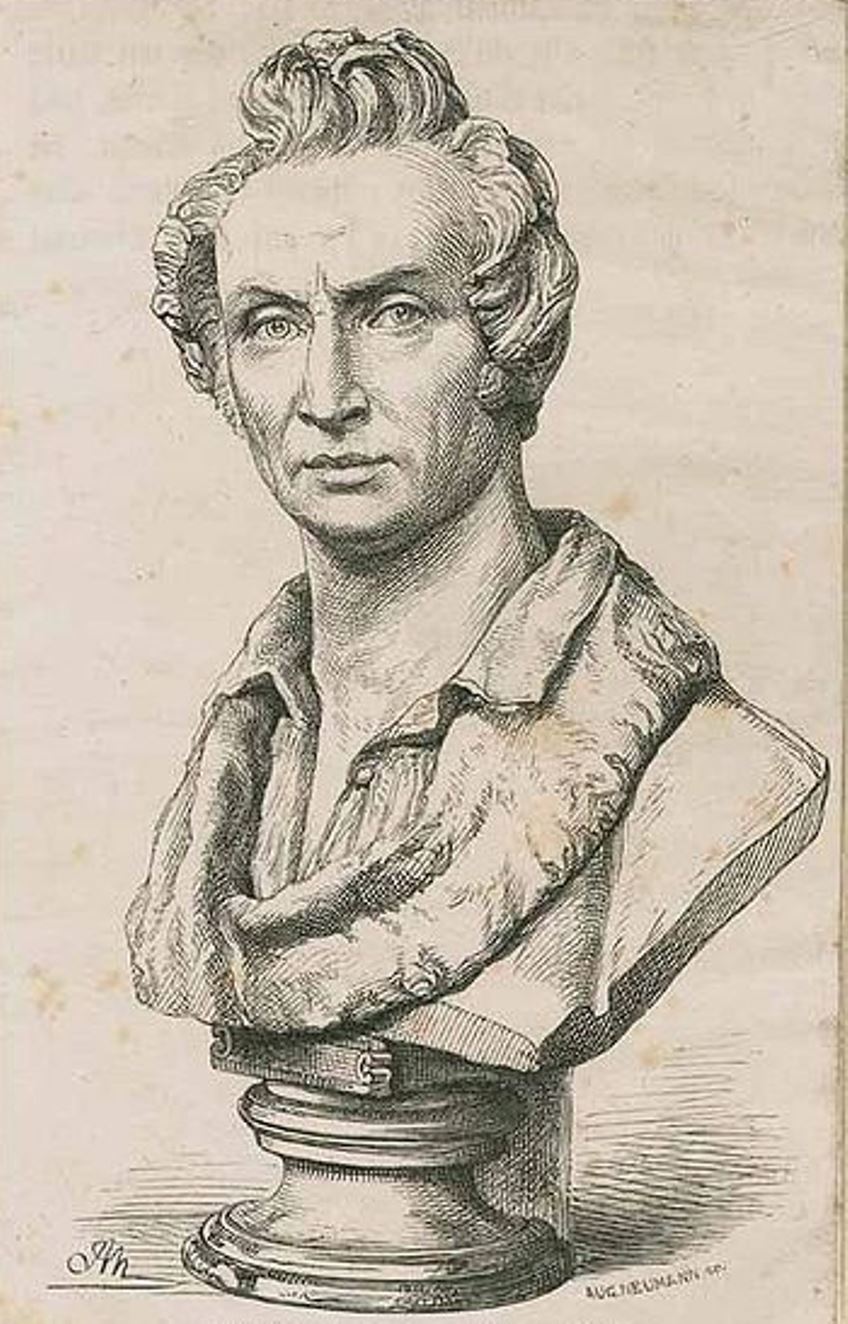
Carl Rottmann was a German painter of the first half of the 19th century. He is known as a master of the landscape genre. He became famous for his watercolor and oil paintings as well as his mural paintings of nature in the spirit of Romanticism.
Carl Rottmann comes from a dynasty of Rottmann artists: his father was a painter, and his younger brother continued the dynasty. Rottmann was among the court painters of King Ludwig I of Bavaria, from whom he received commissions to create large-scale landscapes.
Rottmann's best masterpieces are now preserved in museums in Germany, the most extensive collection of his works being held at the Neue Pinakothek in Munich.