211 university
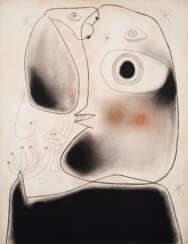

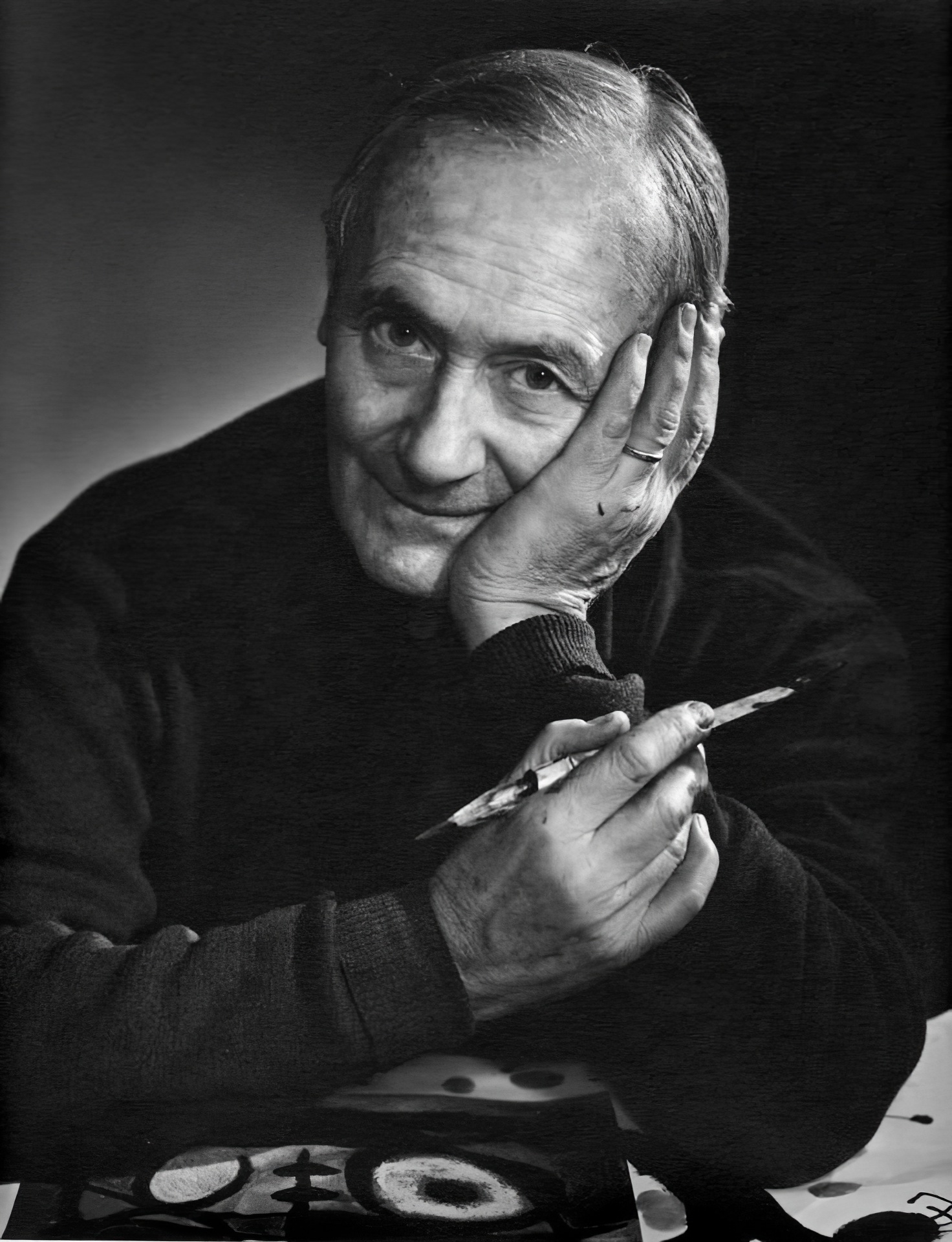
Joan Miró, a celebrated Spanish artist, was a master in painting, sculpture, and ceramics, renowned for his unique style that blurred the lines between Surrealism, Fauvism, and Expressionism. Born in Barcelona to a family of a goldsmith and a watchmaker, Miró grew up immersed in the rich cultural heritage of the Barri Gòtic neighborhood. His artistic journey began with drawing classes at the age of seven and continued at the prestigious La Llotja art academy. Despite an initial venture into the business world, Miró's passion for art prevailed, leading him to abandon his clerical career after a nervous breakdown.
Miró's work is noted for its exploration of the subconscious, often depicting a childlike perspective. This approach was both a critique of traditional painting methods and a means of expressing Catalan pride. His art, challenging to categorize, often featured symbolic elements and nationalistic qualities. One of his notable early works, "The Farm," reflects a transition to a more individual style, blending elements of his Catalan roots with broader artistic influences. This piece, later purchased by Ernest Hemingway, encapsulated the essence of Spain in its imagery.
In Paris, Miró joined the Surrealist movement in 1924, where his work began to reflect the influence of automatism, emphasizing spontaneous, automatic, or subconscious creation. He experimented with various mediums, including painting-poetry and collage, and even ventured into set and costume design for Sergei Diaghilev's Ballets Russes.
During World War II, Miró remained in Spain, and his work from this period, including the 22 Constellations series, reflected an interest in the night, music, and stars. His forms became increasingly abstracted, and he experimented with various techniques, often incorporating primary colors and evocative titles.
Miró's career spanned several decades, during which he continually evolved his style and explored new mediums. His contributions to art were recognized with numerous awards and retrospectives, including a major career retrospective at MoMA in 1941 and the Spanish Gold Medal for Fine Arts in 1980. Among his last major works was a tapestry for the World Trade Center in New York City, created in 1974.
For art collectors and enthusiasts, Joan Miró remains a figure of immense interest, not only for his distinct style and contributions to Surrealism but also for his ability to blend poetic imagery with political commentary. To stay updated on new product sales and auction events related to Joan Miró, sign up for our updates and immerse yourself in the world of this extraordinary artist.
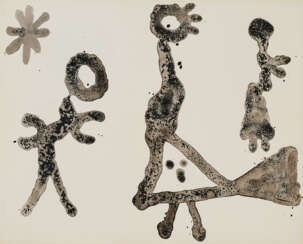

Joan Miró, a celebrated Spanish artist, was a master in painting, sculpture, and ceramics, renowned for his unique style that blurred the lines between Surrealism, Fauvism, and Expressionism. Born in Barcelona to a family of a goldsmith and a watchmaker, Miró grew up immersed in the rich cultural heritage of the Barri Gòtic neighborhood. His artistic journey began with drawing classes at the age of seven and continued at the prestigious La Llotja art academy. Despite an initial venture into the business world, Miró's passion for art prevailed, leading him to abandon his clerical career after a nervous breakdown.
Miró's work is noted for its exploration of the subconscious, often depicting a childlike perspective. This approach was both a critique of traditional painting methods and a means of expressing Catalan pride. His art, challenging to categorize, often featured symbolic elements and nationalistic qualities. One of his notable early works, "The Farm," reflects a transition to a more individual style, blending elements of his Catalan roots with broader artistic influences. This piece, later purchased by Ernest Hemingway, encapsulated the essence of Spain in its imagery.
In Paris, Miró joined the Surrealist movement in 1924, where his work began to reflect the influence of automatism, emphasizing spontaneous, automatic, or subconscious creation. He experimented with various mediums, including painting-poetry and collage, and even ventured into set and costume design for Sergei Diaghilev's Ballets Russes.
During World War II, Miró remained in Spain, and his work from this period, including the 22 Constellations series, reflected an interest in the night, music, and stars. His forms became increasingly abstracted, and he experimented with various techniques, often incorporating primary colors and evocative titles.
Miró's career spanned several decades, during which he continually evolved his style and explored new mediums. His contributions to art were recognized with numerous awards and retrospectives, including a major career retrospective at MoMA in 1941 and the Spanish Gold Medal for Fine Arts in 1980. Among his last major works was a tapestry for the World Trade Center in New York City, created in 1974.
For art collectors and enthusiasts, Joan Miró remains a figure of immense interest, not only for his distinct style and contributions to Surrealism but also for his ability to blend poetic imagery with political commentary. To stay updated on new product sales and auction events related to Joan Miró, sign up for our updates and immerse yourself in the world of this extraordinary artist.
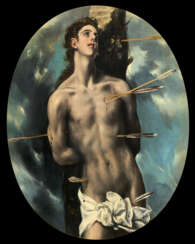

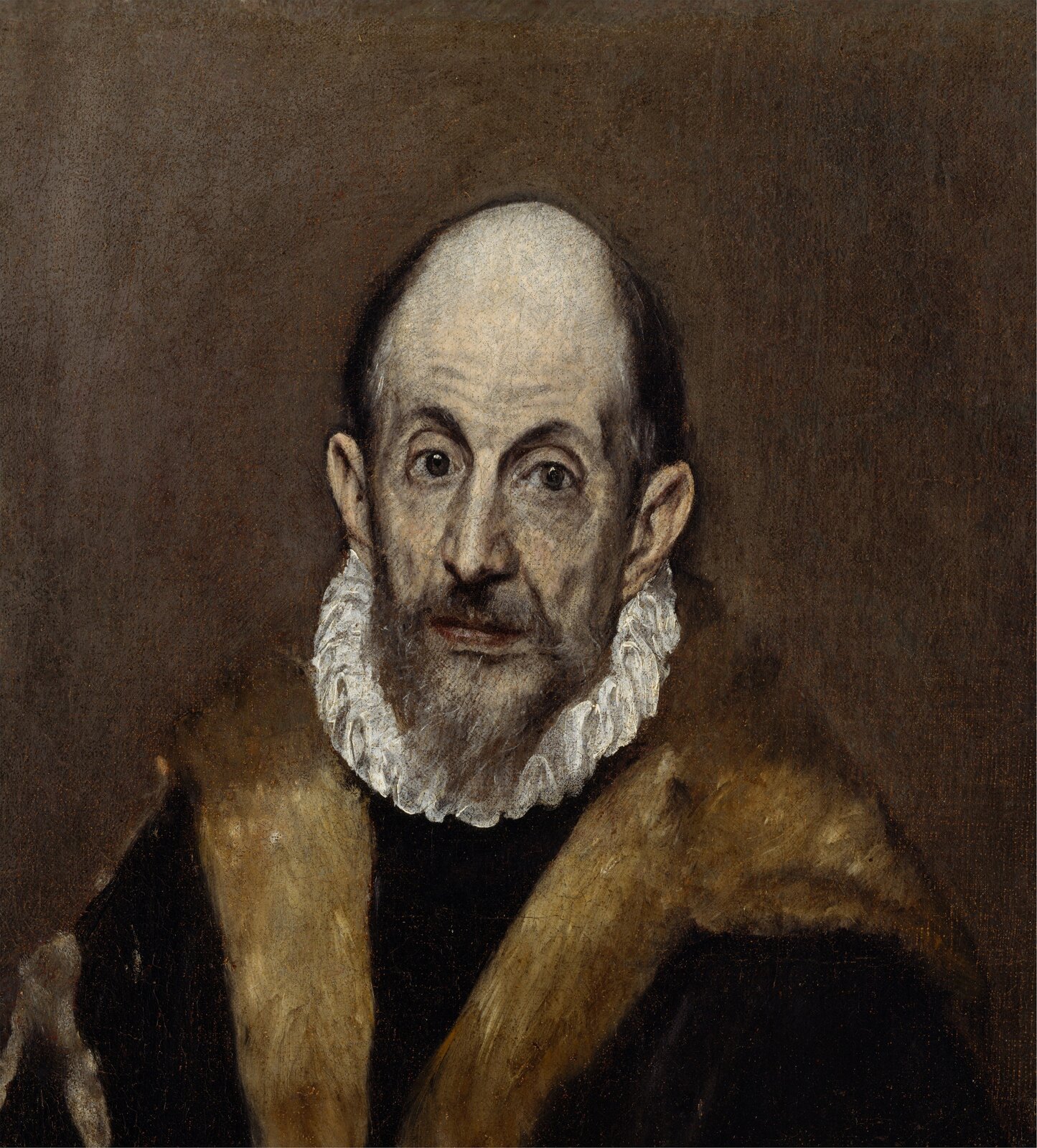
Domínikos Theotokópoulos, most widely known as El Greco ("The Greek"), was a Greek painter, sculptor and architect of the Spanish Renaissance.
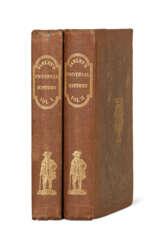

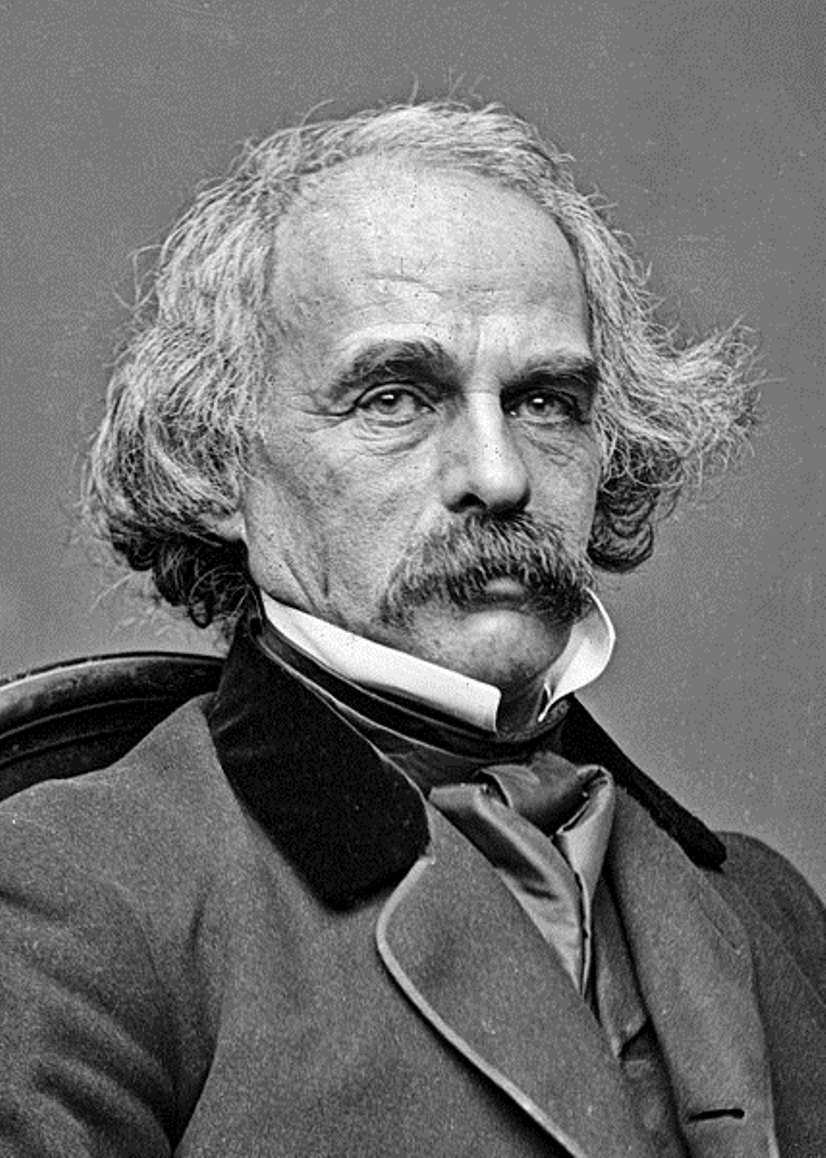
Nathaniel Hawthorne is an American writer and author.
Hawthorne is a recognized short story writer and a master of allegorical and symbolic narrative. One of the first fiction writers in American literature, he is best known for his works The Scarlet Letter (1850) and The House of Seven Gables (1851). Hawthorne's artistic works are considered part of the American Romantic movement and, in particular, of so-called dark Romanticism, a popular mid-19th-century fascination with the irrational, the demonic, and the grotesque.
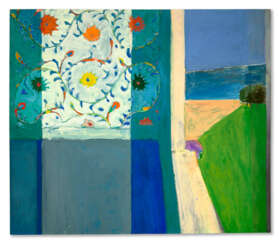

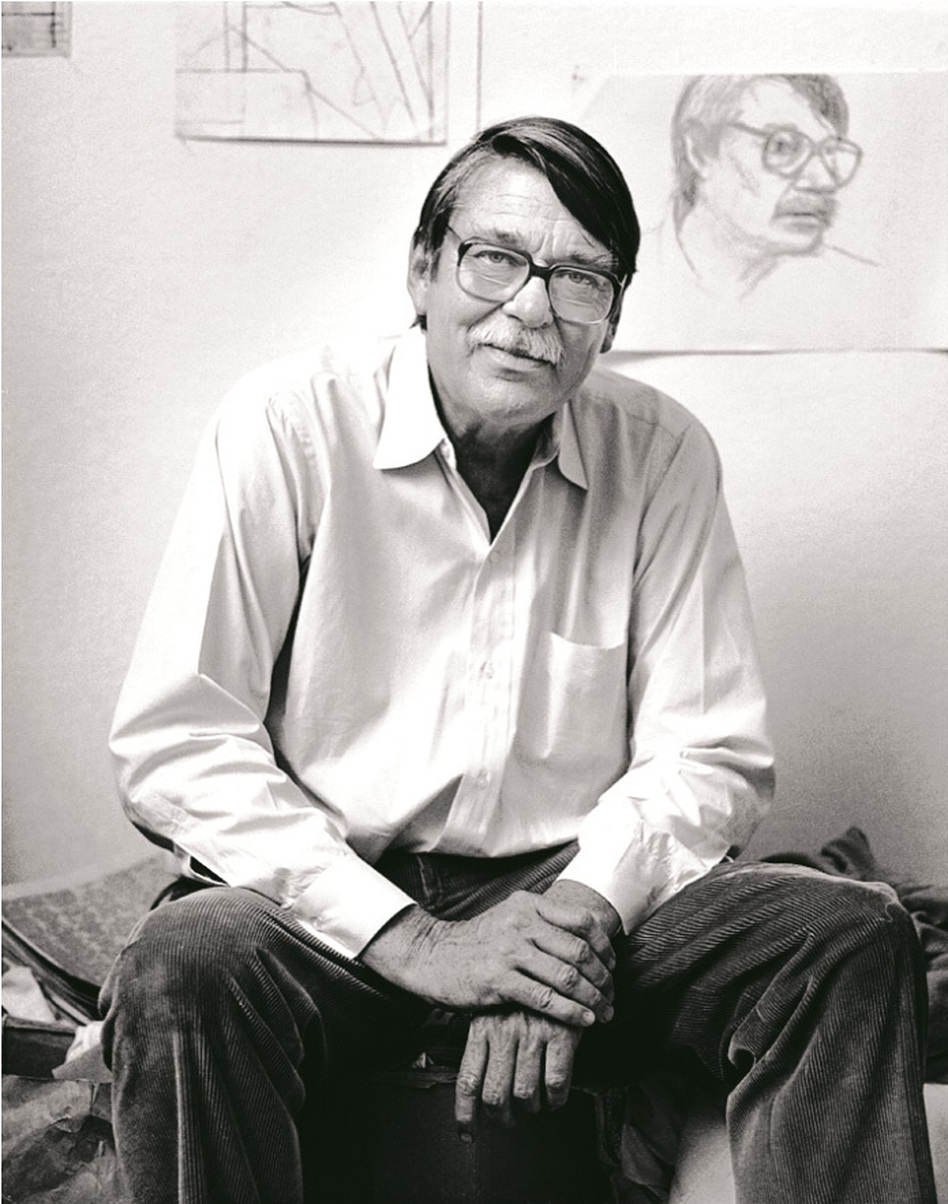
Richard Diebenkorn was an American artist. He was known for his abstract expressionist and later, figurative paintings that explored color, form, and space.
Diebenkorn studied at the University of California, Berkeley, and later at the California School of Fine Arts in San Francisco. In the 1950s and early 1960s, he was associated with the Bay Area Figurative Movement, which emphasized figurative painting in opposition to the prevailing trend of abstract expressionism.
In the mid-1960s, Diebenkorn moved to Southern California, where he began to develop his signature style of abstract paintings that featured large, geometric shapes in muted colors. His Ocean Park series, which he began in the late 1960s, is perhaps his most famous body of work, and is characterized by its luminous, layered surfaces and complex compositions.
Diebenkorn's work has been exhibited in major museums and galleries around the world, and he is widely regarded as one of the most important American painters of the 20th century. His influence can be seen in the work of many contemporary artists working in the fields of abstract painting and color field painting.
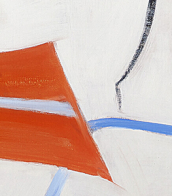



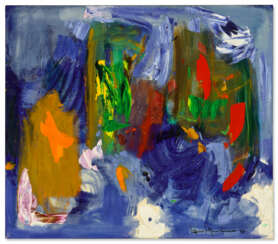

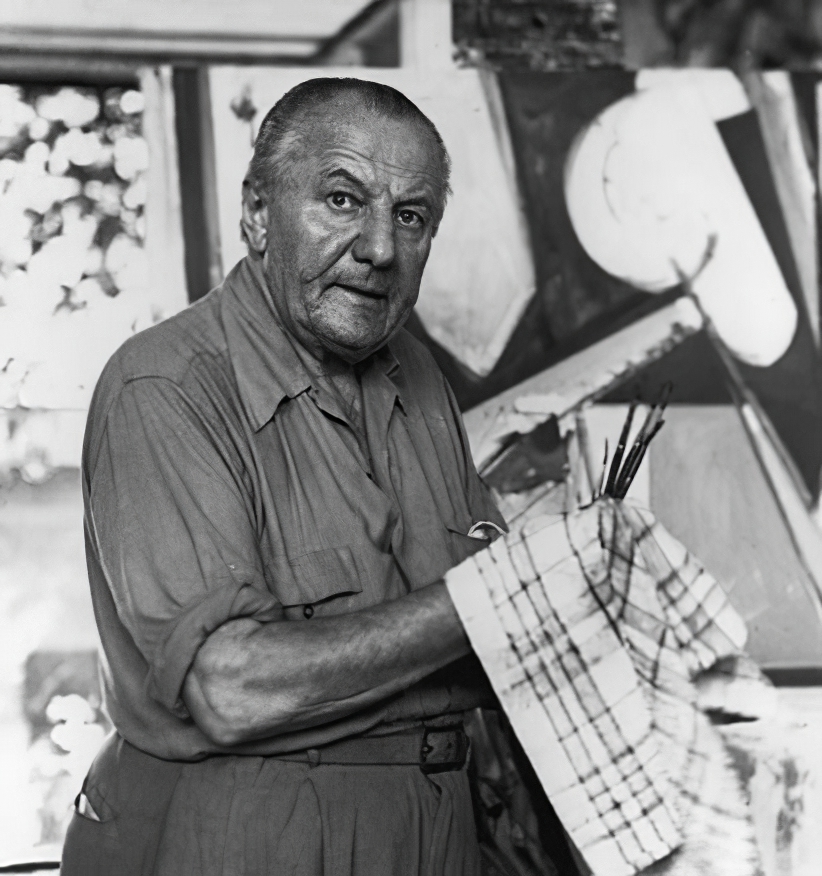
Hans Hofmann, a German-American painter, stands as a towering figure in the 20th-century art world, celebrated for his vibrant contributions to abstract expressionism. Born in Germany in 1880, Hofmann's journey in art took him across continents, from Europe to the United States, where his innovative teaching methods and bold, color-filled canvases left an indelible mark on generations of artists. His unique approach to painting, characterized by a dynamic interplay of color and form, helped bridge the gap between the European modernist traditions and the emerging American abstract art scene.
Hofmann's work is distinguished by its intense color palettes and the technique he termed "push and pull," which refers to the careful balance of color and shape to create depth and movement within the canvas. This technique not only showcased his mastery over the medium but also influenced the development of abstract expressionism, making Hofmann a pivotal figure among his contemporaries. His paintings, such as "The Gate" (1959-60), exemplify this approach and are celebrated in prestigious museums worldwide, including the Museum of Modern Art in New York and the San Francisco Museum of Modern Art.
Beyond his personal contributions as an artist, Hofmann was an esteemed educator, guiding the next generation of artists through his schools in New York and Provincetown. His teaching philosophy emphasized the importance of understanding the fundamental elements of art—color, form, and space—and their interrelation, which he believed was key to achieving harmony and expression in painting.
For collectors and experts in art and antiques, Hans Hofmann's works represent not just significant artistic achievements but also valuable pieces of cultural history. His paintings and teachings continue to inspire and influence the art world, making his pieces highly sought after in galleries and auctions.
We invite you to sign up for updates on new product sales and auction events related to Hans Hofmann. This subscription is your gateway to owning a piece of art history, ensuring you're informed of the latest opportunities to add to your collection. Join us in celebrating the legacy of a master whose work transcends time and continues to dazzle the art world.

.jpg)



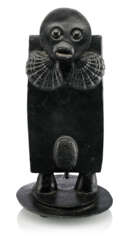

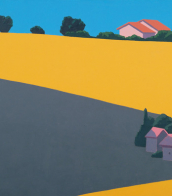






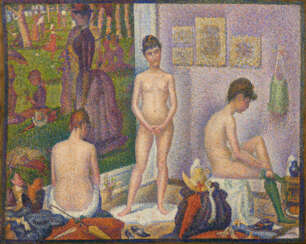

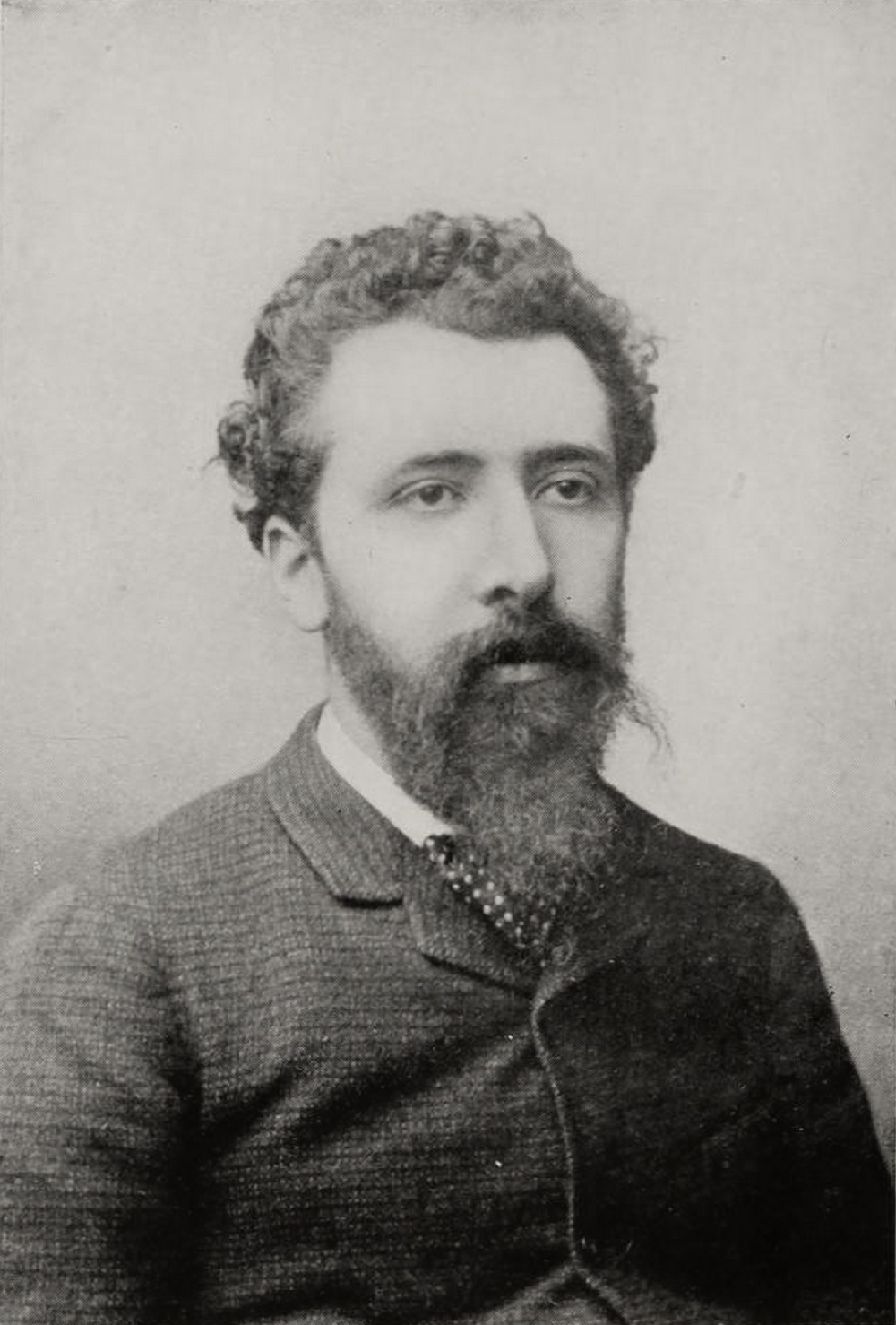
Georges Seurat was a French painter, renowned as the founder of the 19th-century French school of Neo-Impressionism. His groundbreaking technique, Pointillism, involved the use of tiny, contrasting color brushstrokes that, when viewed together, created a luminous quality in his compositions. Seurat's life was a blend of rigorous academic training and innovative artistic exploration.
Born on December 2, 1859, in Paris, Seurat demonstrated an early interest in art. He received formal training at the École des Beaux-Arts under Henri Lehmann, a disciple of the Neo-Classical painter Ingres, where he honed his skills in drawing and composition. Seurat was deeply influenced by color theories and the science of optics, which became central to his artistic approach. He was particularly inspired by the work of Michel-Eugène Chevreul and Ogden N. Rood, whose writings on color contrast and harmony greatly influenced his painting technique.
One of Seurat's most famous works, "A Sunday Afternoon on the Island of La Grande Jatte" (1884–1886), showcased his Pointillism technique. This painting, now housed in the Art Institute of Chicago, portrays members of different social classes engaged in various activities in a park setting. The work is notable for its use of small, juxtaposed dots of multi-colored paint, which allow the viewer's eye to blend colors optically. This technique was a significant departure from the traditional methods of color mixing on the canvas.
Another notable work by Seurat is "Bathers at Asnières" (1884), displayed at the National Gallery in London. This large canvas depicts young men relaxing by the Seine in a working-class suburb of Paris. The painting reflects Seurat's neoclassical training, with its smooth, simplified textures and carefully outlined figures.
Seurat's final painting, "The Circus" (1890-91), represents a shift to a more dynamic representation of movement and is typical of his late style. Unfortunately, Seurat's life was cut short when he died suddenly in March 1891, leaving "The Circus" unfinished. This painting is now part of the collection at the Musée d'Orsay in Paris.
Seurat's innovative techniques and his exploration of color theory and optics had a lasting impact on the art world, influencing subsequent generations of artists. His work remains a testament to the fusion of scientific principles with artistic expression, making him a pivotal figure in the transition from Impressionism to Post-Impressionism and modern art.
For those captivated by the genius of Georges Seurat and his revolutionary art, there's an exclusive opportunity waiting for you. By signing up for our updates, you'll be the first to know about new product sales and auction events related to Seurat's works and legacy. This subscription is tailored for enthusiasts, collectors, and experts in the field of art and antiques, ensuring you receive only the most relevant and curated information. Don't miss out on the chance to enhance your collection and deepen your understanding of Seurat's impact on the art world. Sign up now and stay ahead in the world of fine art and antiques.





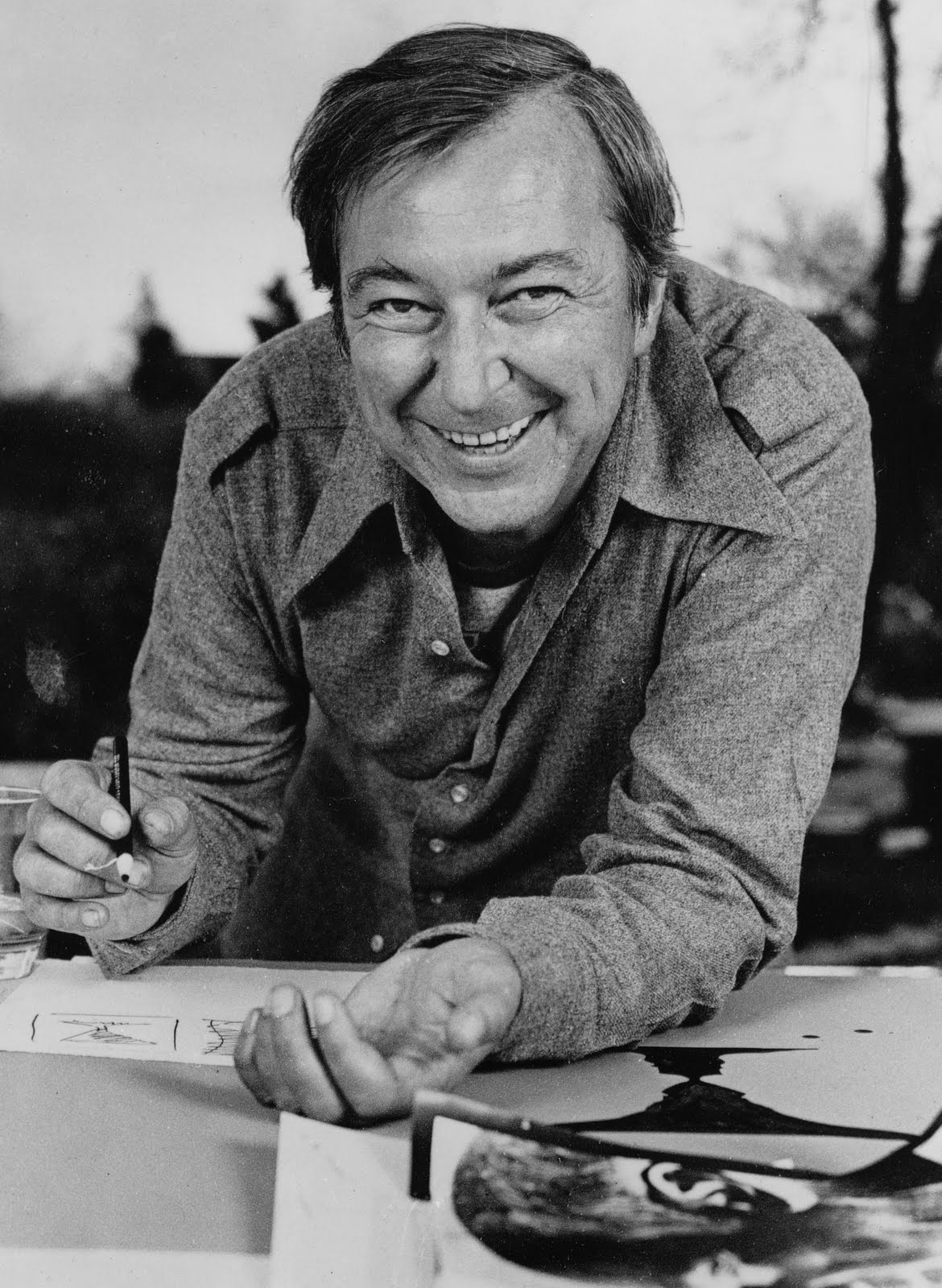
Jasper Johns, an American artist, has been a pivotal figure in the art world, celebrated for his innovative contributions to painting, sculpture, and printmaking. Johns, born in 1930, has challenged and expanded the boundaries of contemporary art with his unique approach to visual expression, blending elements of Abstract Expressionism, Neo-Dada, and Pop Art. He is perhaps best known for his iconic depictions of everyday objects and symbols, such as flags, maps, numbers, and targets, which he transforms into complex, layered works that invite contemplation on themes of identity, perception, and memory.
Johns' art is distinguished by its masterful use of texture, symbolism, and an exploration of the materiality of the medium. His technique of incorporating textural elements and found objects into his canvases blurs the lines between painting and sculpture, challenging traditional distinctions in art. For instance, his piece "Flag" (1954-55) reimagines the American flag with a surface rich in encaustic paint and newspaper clippings, creating a work that is both a familiar symbol and a deeply personal expression. Similarly, "Painted Bronze" (Ale Cans) (1960) playfully interrogates the nature of representation and the art object by presenting a lifelike bronze sculpture of beer cans, furthering the dialogue on art's relationship with the everyday.
Johns' work is held in high esteem and can be found in major museums and galleries worldwide, including the Museum of Modern Art in New York and the Tate Modern in London. His influence extends beyond his own oeuvre, impacting the development of several art movements, including Pop Art and Conceptual Art. Johns' exploration of language and semiotics, particularly in works like "According to What" (1964), prefigured the Conceptual Art movement's interest in the role of language and ideas in art.
For collectors and experts in art and antiques, Jasper Johns' work represents a critical junction in the evolution of post-war American art, offering rich insights into the interplay between cultural symbols and artistic innovation. His enduring relevance and the intellectual depth of his work continue to inspire and challenge audiences, making him a central figure in discussions of contemporary art.
To stay informed about new sales, auction events, and updates related to Jasper Johns, we invite you to sign up for our newsletter. This subscription is an excellent resource for enthusiasts and collectors eager to engage with the dynamic market for Jasper Johns' works and related artistic developments.



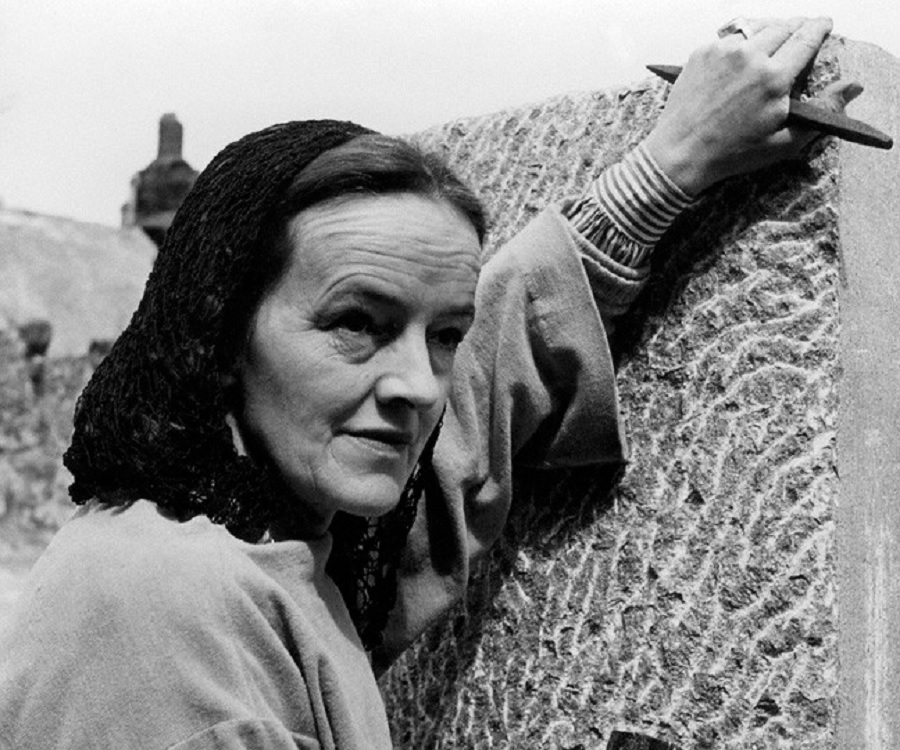
Barbara Hepworth was an English artist and sculptor. Her work exemplifies Modernism and in particular modern sculpture. Along with artists such as Ben Nicholson and Naum Gabo, Hepworth was a leading figure in the colony of artists who resided in St Ives during the Second World War.
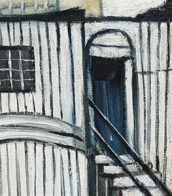
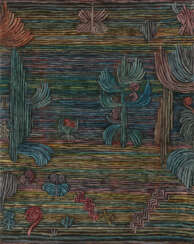

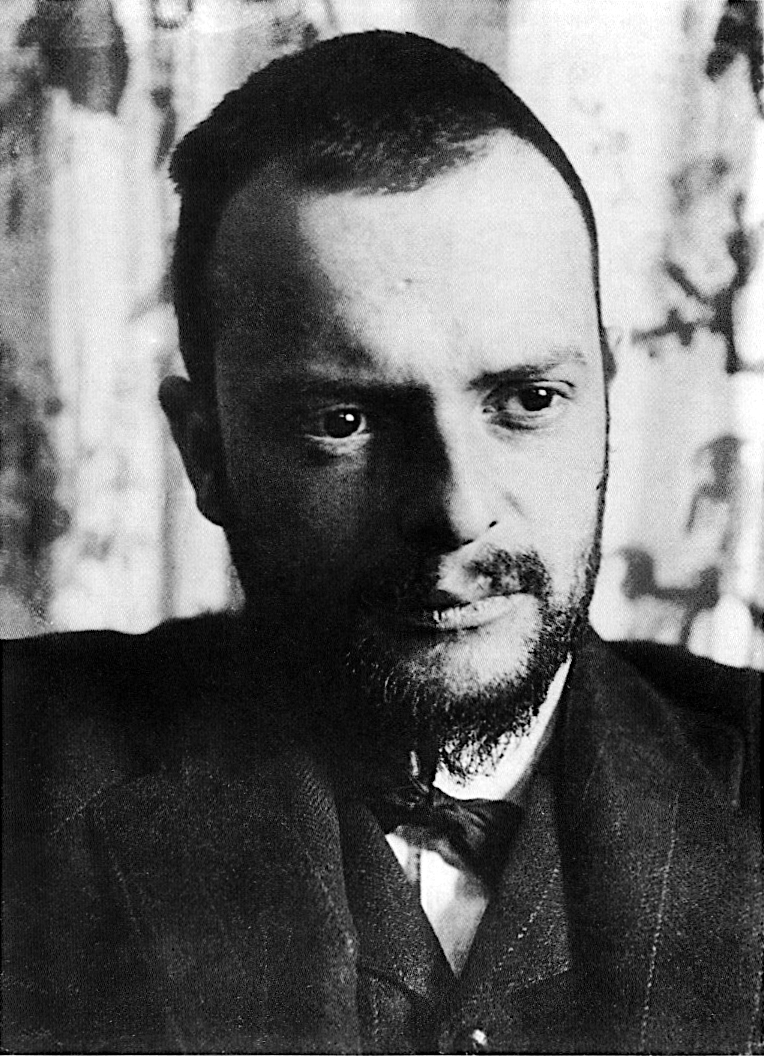
Paul Klee, a Swiss-born German artist, was renowned for his unique contribution to the art world, blending elements from expressionism, cubism, and surrealism. Born on December 18, 1879, in Münchenbuchsee, Switzerland, Klee was the second child of a German music teacher and a Swiss singer. Despite early musical talent, Klee pursued visual arts, influenced by a dissatisfaction with the state of modern music and a desire for creative freedom.
Klee's artistic journey began in earnest after he decided against a career in music, despite his exceptional skills with the violin. His education at the Academy of Fine Arts in Munich under the guidance of Heinrich Knirr and Franz von Stuck was crucial in shaping his artistic direction. Although he struggled with color initially, Klee later became a master of color theory, a transition marked by his transformative visit to Tunisia in 1914. This trip was a pivotal moment, leading Klee to declare, "Color and I are one. I am a painter".
Throughout his career, Klee's work was characterized by a profound sense of experimentation and innovation. He explored the boundaries of abstract art, drawing inspiration from his vast interests, including literature, music, and his own theories on art and aesthetics. His lectures on form and design theory at the Bauhaus, where he taught alongside luminaries like Wassily Kandinsky, are considered as seminal to modern art as Leonardo da Vinci's treatises were to the Renaissance.
Klee's art is celebrated for its intricacy, humor, and the ability to express complex themes through seemingly simplistic and childlike forms. His notable works, such as "Twittering Machine" (1922) and "Highway and Byways" (1928), showcase his skill in using color, shape, and line to evoke depth and emotion.
For collectors and art and antiques experts, Klee's legacy is a testament to the power of innovation and the search for personal expression within the avant-garde movements of the 20th century. His works, housed in prestigious museums and galleries around the world, continue to inspire and intrigue.
If you're passionate about art and wish to stay informed about new discoveries and sales related to Paul Klee's works, consider signing up for updates. This subscription will ensure you're alerted to upcoming auction events and product sales, allowing you to deepen your collection and appreciation of this remarkable artist's legacy.
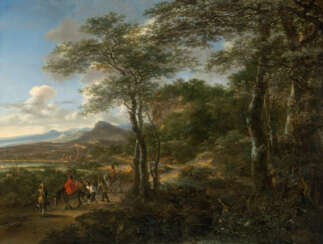

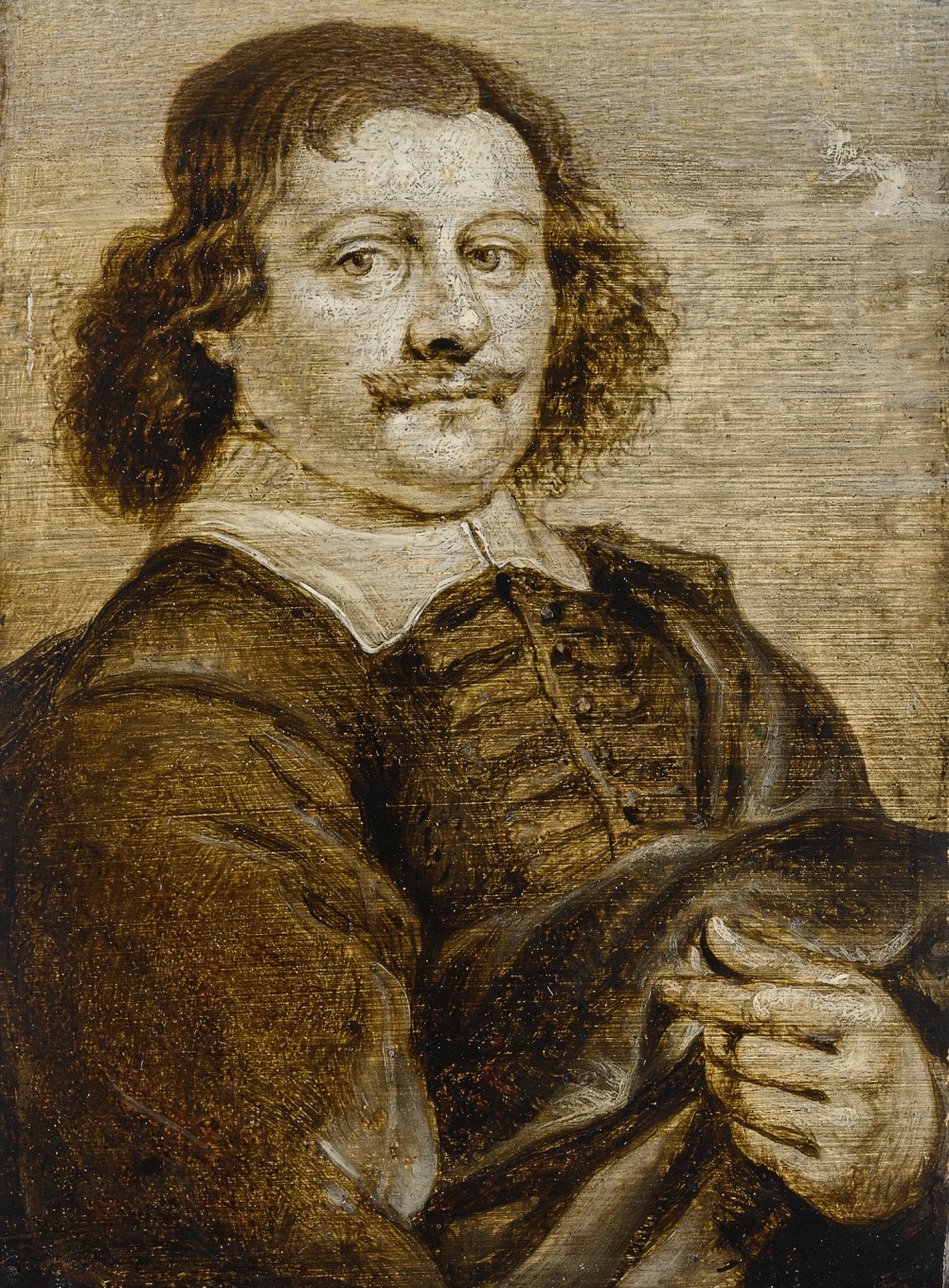
Jan Dirksz Both was a distinguished Dutch painter, draughtsman, and etcher renowned for his pivotal role in the evolution of Dutch Italianate landscape painting. His journey into the arts began in Utrecht, learning from his father before becoming a pupil of Abraham Bloemaert. Both's career took a significant turn when he, alongside his brother Andries, ventured to Rome, absorbing the influence of Claude Lorrain and contributing to projects such as the Buen Retiro Palace in Madrid.
By the mid-1640s, Jan had returned to Utrecht, further honing his craft to produce expansive landscapes illuminated by a Mediterranean glow, notable for their mixture of realism in the foreground against idyllic backgrounds. Noteworthy pieces include "Landscape with Bandits Leading Prisoners" and "Judgement of Paris," showcasing his mastery in blending naturalistic details with mythological and religious figures. His landscapes, characterized by their golden light and imaginative vistas, earned him a place among the leading masters of the Italianate trend in Dutch landscape painting.
Jan Both's legacy is preserved in prestigious collections worldwide, including the Fitzwilliam Museum, the Hermitage, the Kunsthistorisches Museum, the Louvre, and the National Gallery, among others. His work reflects a significant Italian influence merged with his native Dutch sensibilities, marking him as a key figure in the 17th-century art scene.
For collectors and experts in art and antiques, Jan Dirksz Both's oeuvre offers a fascinating glimpse into the blend of Dutch and Italian influences that characterize the Italianate landscape painting tradition. His contributions not only enriched Dutch art but also provided a bridge between the Renaissance and Baroque periods, capturing the beauty of landscapes with a unique, poetic light.
To explore more about Jan Dirksz Both's contributions to art and to stay informed about exhibitions or sales featuring his work, signing up for updates from art institutions can offer exclusive insights into the world of this influential Dutch painter. This subscription ensures enthusiasts and collectors are well-informed about developments related to Both's oeuvre, enhancing their appreciation and understanding of his artistic legacy.
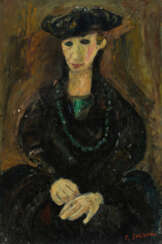

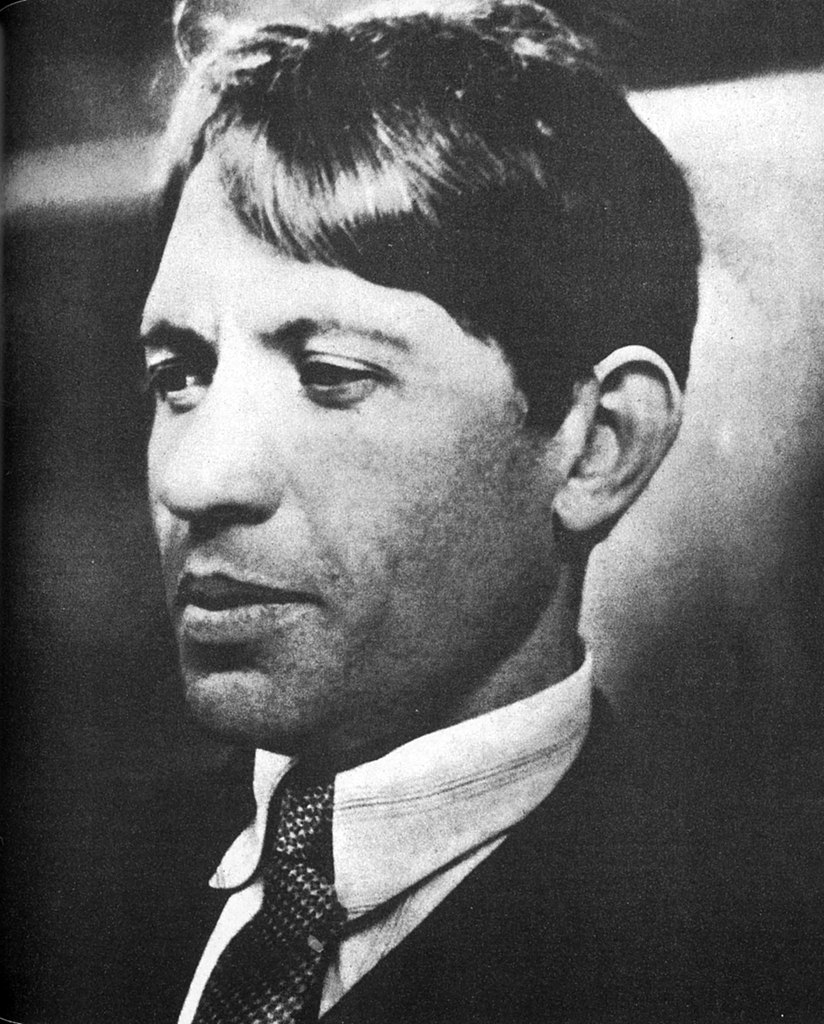
Chaïm Soutine (Russian: Хаим Соломонович Сутин), a Russian-born French painter, left an indelible mark on the world of art with his expressionist works that radiate emotional intensity and bold coloration. Born in 1893 in a small village in what is now Belarus, Soutine grew up in a Jewish family, the tenth of eleven children. His journey to Paris marked the beginning of a significant chapter in his life, where he would eventually become a central figure in the School of Paris, a movement that defined the city's artistic landscape in the early 20th century.
Soutine's artistry is characterized by its raw emotional power, often conveyed through distorted forms and vigorous brushwork. This unique style reflects not only his personal struggles and the hardships he faced as an immigrant artist but also his deep admiration for the Old Masters, particularly Rembrandt, whose influence is evident in Soutine's thematic choices and technique. His work spans a range of subjects, from landscapes and portraits to still lifes, each imbued with a sense of vitality and movement that is distinctly Soutine's.
One of the most compelling aspects of Soutine's oeuvre is his series of carcass paintings, notably inspired by Rembrandt's "Slaughtered Ox." These works, particularly "Carcass of Beef," showcase his fascination with the theme of decay and the beauty he found within it, despite the controversy such subjects provoked among his contemporaries. This series exemplifies Soutine's ability to transform a potentially repulsive subject into a profound exploration of color and form.
Soutine's legacy is also marked by his tumultuous life, including his struggles with poverty and persecution during World War II due to his Jewish heritage. Despite these challenges, his work gained recognition and support from influential art dealers and collectors, such as Albert C. Barnes, who purchased a significant number of his paintings in a single encounter, providing Soutine with financial stability and public exposure.
Today, Soutine's works are celebrated in major museums and galleries around the world, testament to his enduring influence on subsequent generations of artists. His paintings, characterized by their emotional depth and innovative use of color and form, continue to captivate art lovers and collectors alike.
For those passionate about the evolution of modern art and the expressionist movement, Soutine's work offers a window into the soul of an artist who transformed personal adversity into profound artistic expression. To stay informed about upcoming sales and auction events featuring Soutine's work, I encourage you to sign up for updates. This subscription is an opportunity to deepen your appreciation for Soutine's contributions to art and culture and to possibly acquire a piece of his legacy for your collection.



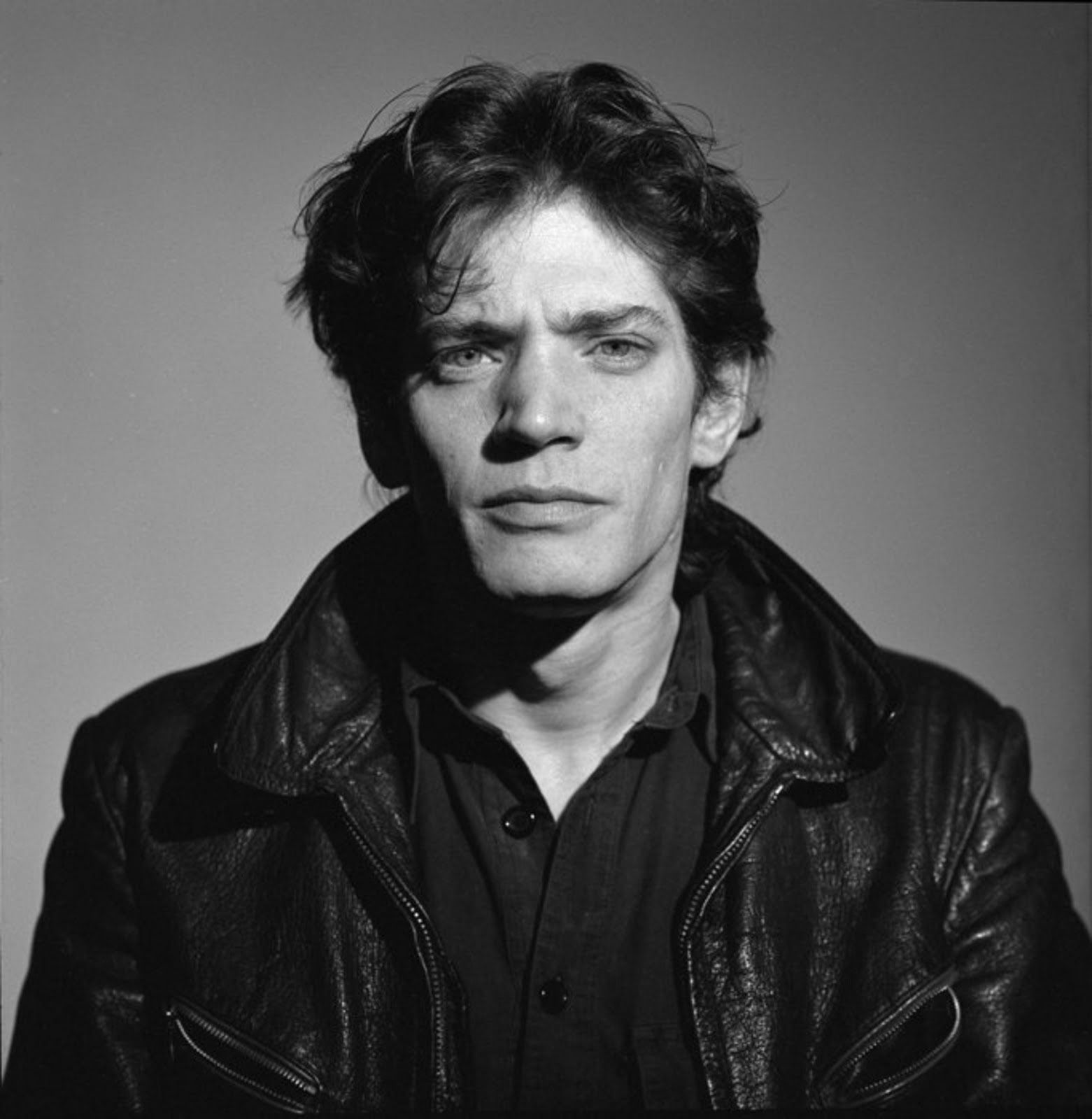
Robert Mapplethorpe was an American photographer, celebrated for his black-and-white photographs that captured a range of subjects including celebrity portraits, male and female nudes, self-portraits, and still-life images. Born in New York in 1946, Mapplethorpe's work is renowned for its technical precision, formal elegance, and controversial content, particularly his documentation of the gay male BDSM subculture and his erotic art. His body of work not only includes provocative themes but also more traditional subjects like flowers, showcasing his versatile artistic talent.
Robert Mapplethorpe's education at Pratt Institute in Brooklyn was foundational to his artistic journey, where he met Patti Smith and began his explorations in photography, initially through Polaroid camera use before advancing to more sophisticated techniques. His collaboration with Lisa Lyon, the first World Women's Bodybuilding Champion, and his retrospectives at significant institutions like the Whitney Museum of American Art highlight his broad artistic impact and continued influence in the art world. Despite his premature death in 1989 due to complications from AIDS, Mapplethorpe's legacy endures, supported by the Robert Mapplethorpe Foundation which promotes photography and funds medical research.
For collectors and experts in art and antiques, Robert Mapplethorpe's work remains a testament to the power of photography as a medium of both aesthetic beauty and provocative commentary. To stay updated on sales and auction events related to Robert Mapplethorpe's works, sign up for updates to not miss out on owning a piece of this influential artist's legacy.