5 x 37cm)


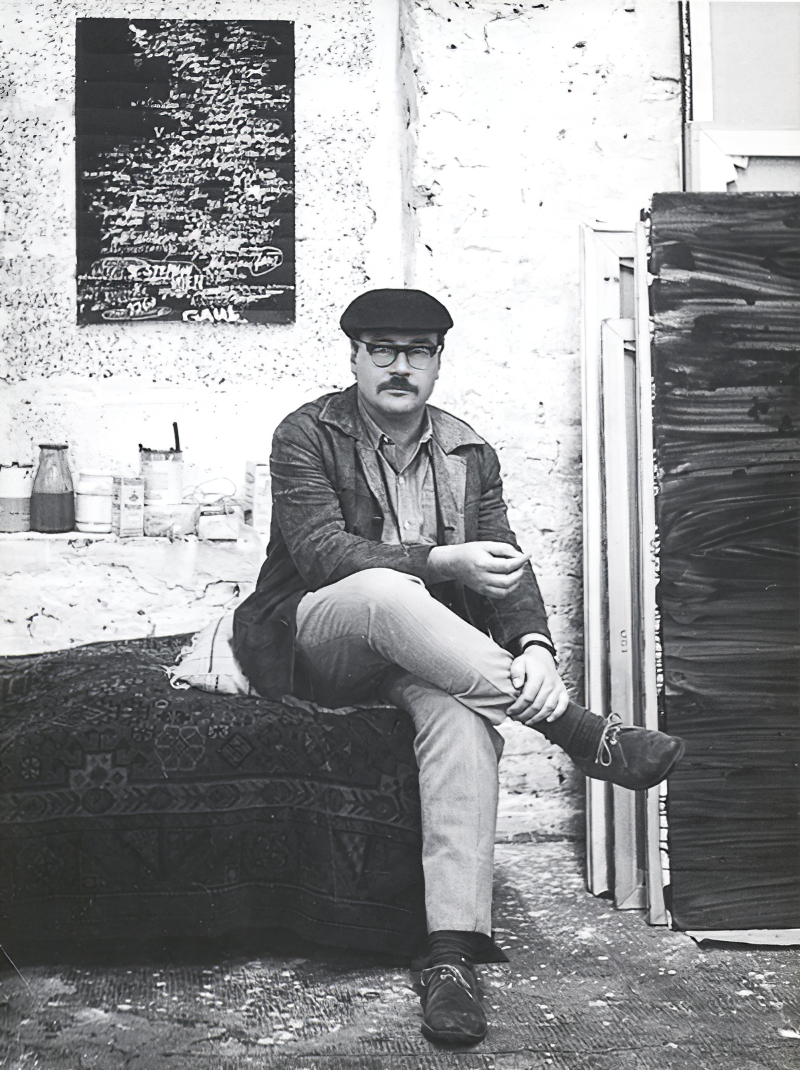
Winfred Gaul was a German artist of Informel and analytical painting.
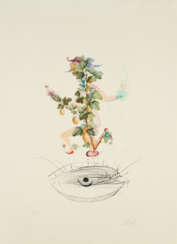

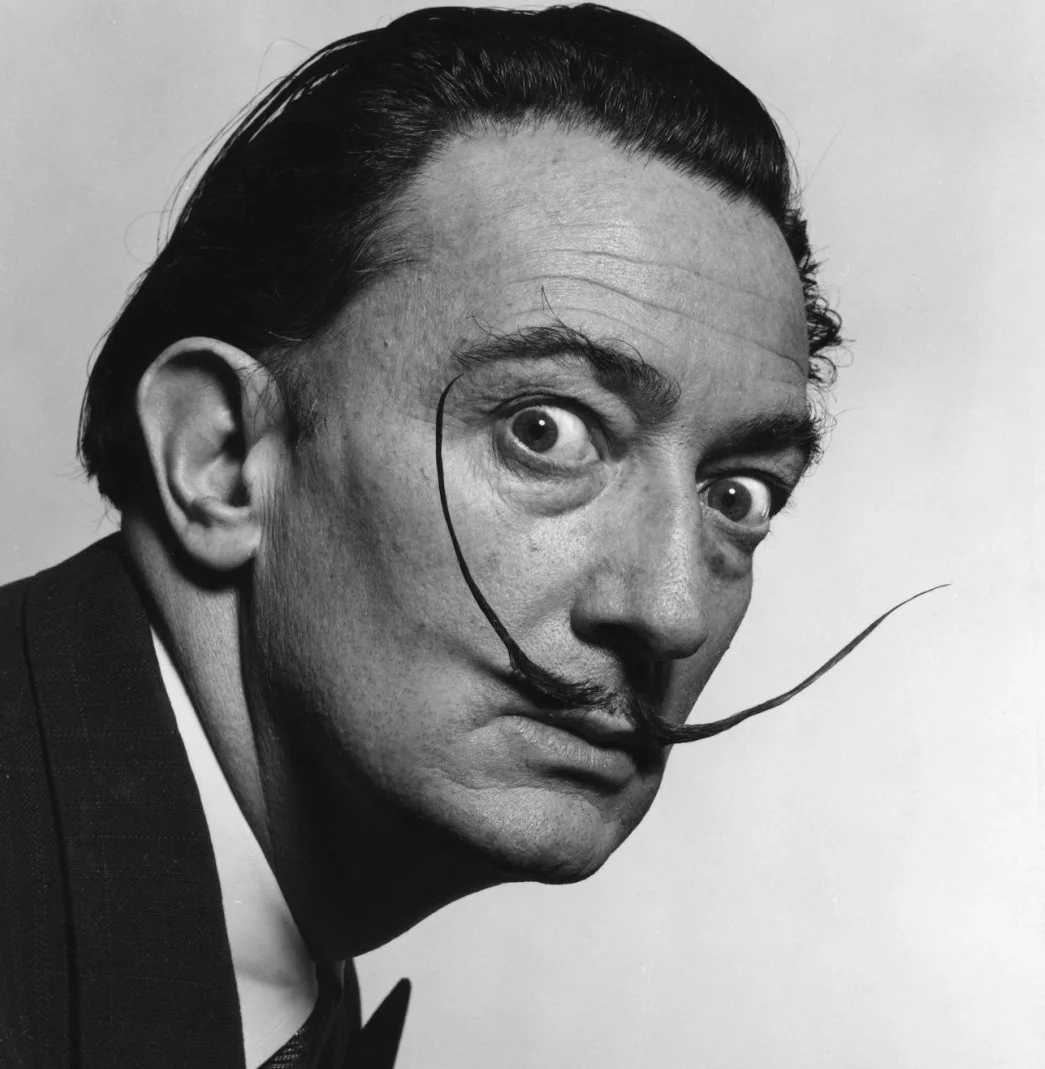
Salvador Dalí, a Spanish Surrealist painter and printmaker, is celebrated for his vivid and imaginative works that delve into subconscious imagery. Born on May 11, 1904, in Figueres, Catalonia, Spain, Dalí's early exposure to Impressionism and Renaissance masters significantly influenced his artistic development. His education in fine arts in Madrid further shaped his style, leading him to experiment with Cubism and avant-garde movements. In the late 1920s, Dalí embraced Surrealism, joining the Surrealist group in 1929 and rapidly becoming one of its most prominent figures.
Dalí's most famous work, "The Persistence of Memory," completed in 1931, epitomizes the Surrealist movement with its iconic melting clocks symbolizing the fluidity of time. His artistic repertoire was diverse, including painting, graphic arts, film, sculpture, design, and photography, often incorporating themes of dreams, the subconscious, sexuality, religion, and science. Despite his remarkable artistic contributions, Dalí's eccentric and flamboyant public persona often overshadowed his work. He faced criticism for his public support of the Francoist regime and the authenticity of some of his late works.
Dalí's legacy is preserved in major museums, notably the Dalí Theatre-Museum in Figueres and the Salvador Dalí Museum in St. Petersburg, Florida. These institutions showcase his extensive and varied body of work, illustrating his profound impact on Surrealism, pop art, and contemporary artists.
If you're captivated by the surreal world of Salvador Dalí and want to stay informed about new sales and auction events featuring his works, sign up for our updates. Our service is tailored specifically for art collectors and experts, providing timely information and insights into the vibrant market of Dalí's art. Remember, this subscription is focused solely on bringing you the latest in product sales and auction events related to Salvador Dalí. Don't miss out on the opportunity to enrich your collection with pieces from one of the most influential surrealists of all time. Sign up now and be the first to know about these exclusive events.

Leonor Fini was an Argentinian born Italian surrealist painter, designer, illustrator, and author, known for her depictions of powerful and erotic women.
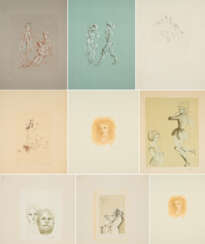

Leonor Fini was an Argentinian born Italian surrealist painter, designer, illustrator, and author, known for her depictions of powerful and erotic women.



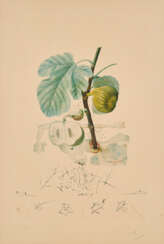

Salvador Dalí, a Spanish Surrealist painter and printmaker, is celebrated for his vivid and imaginative works that delve into subconscious imagery. Born on May 11, 1904, in Figueres, Catalonia, Spain, Dalí's early exposure to Impressionism and Renaissance masters significantly influenced his artistic development. His education in fine arts in Madrid further shaped his style, leading him to experiment with Cubism and avant-garde movements. In the late 1920s, Dalí embraced Surrealism, joining the Surrealist group in 1929 and rapidly becoming one of its most prominent figures.
Dalí's most famous work, "The Persistence of Memory," completed in 1931, epitomizes the Surrealist movement with its iconic melting clocks symbolizing the fluidity of time. His artistic repertoire was diverse, including painting, graphic arts, film, sculpture, design, and photography, often incorporating themes of dreams, the subconscious, sexuality, religion, and science. Despite his remarkable artistic contributions, Dalí's eccentric and flamboyant public persona often overshadowed his work. He faced criticism for his public support of the Francoist regime and the authenticity of some of his late works.
Dalí's legacy is preserved in major museums, notably the Dalí Theatre-Museum in Figueres and the Salvador Dalí Museum in St. Petersburg, Florida. These institutions showcase his extensive and varied body of work, illustrating his profound impact on Surrealism, pop art, and contemporary artists.
If you're captivated by the surreal world of Salvador Dalí and want to stay informed about new sales and auction events featuring his works, sign up for our updates. Our service is tailored specifically for art collectors and experts, providing timely information and insights into the vibrant market of Dalí's art. Remember, this subscription is focused solely on bringing you the latest in product sales and auction events related to Salvador Dalí. Don't miss out on the opportunity to enrich your collection with pieces from one of the most influential surrealists of all time. Sign up now and be the first to know about these exclusive events.

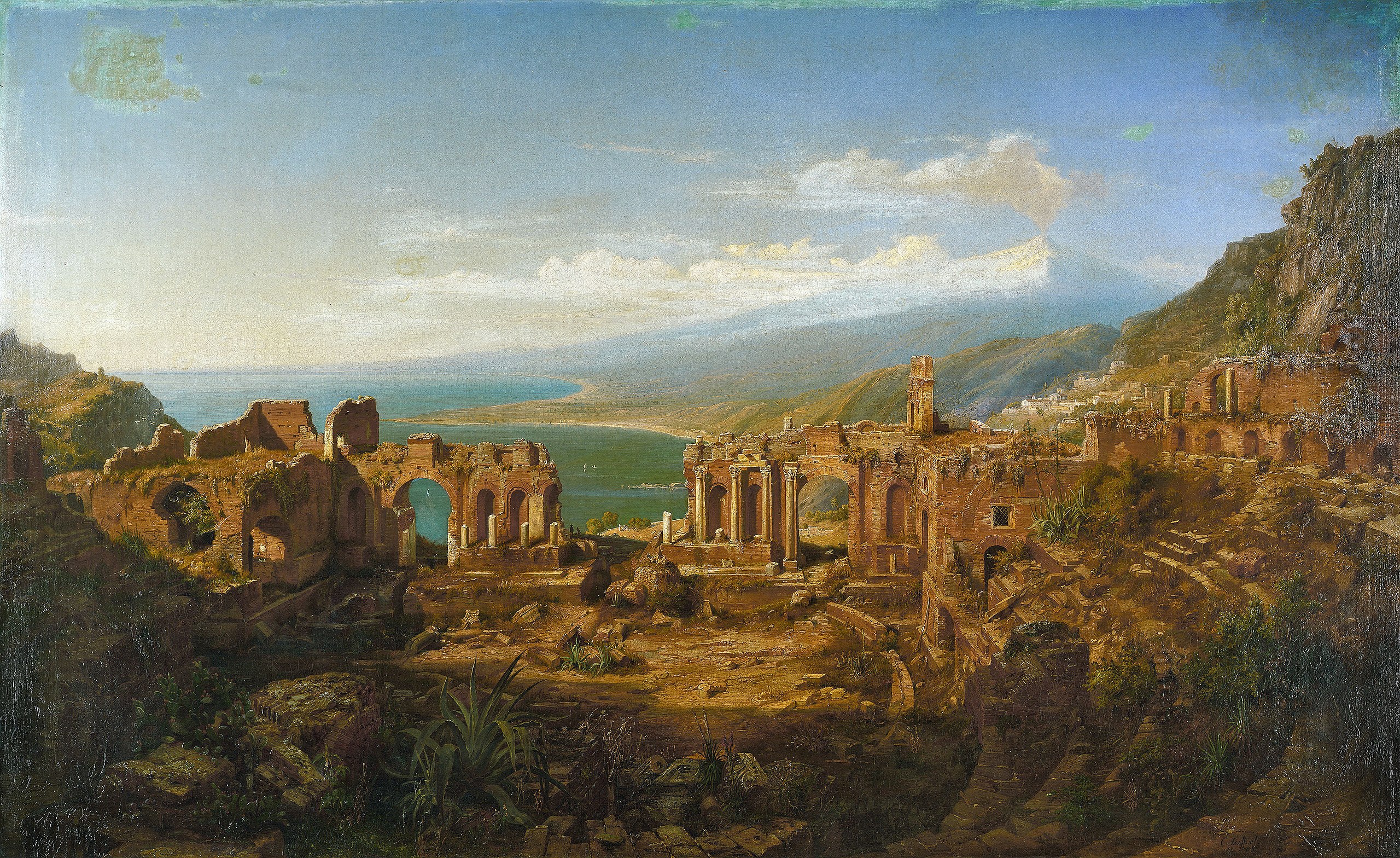
Carl Friedrich Seiffert was a German landscape painter.
This artist's landscapes, depicting mainly motifs of southern nature, convey it in an idealised form, although they generally correctly characterise each area.

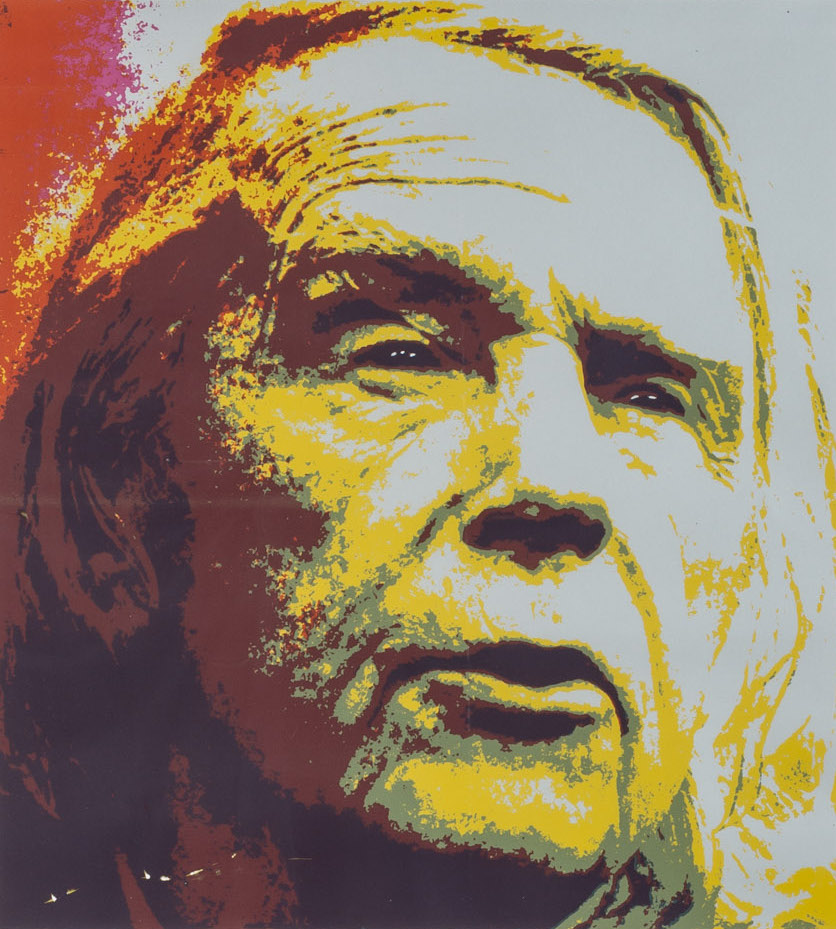
Max Ackermann was a German painter and graphic artist. He was a pupil of Adolf Hölzel and is considered a pioneer of abstract painting.
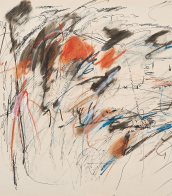
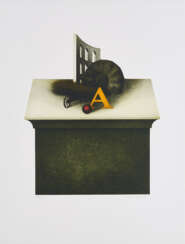

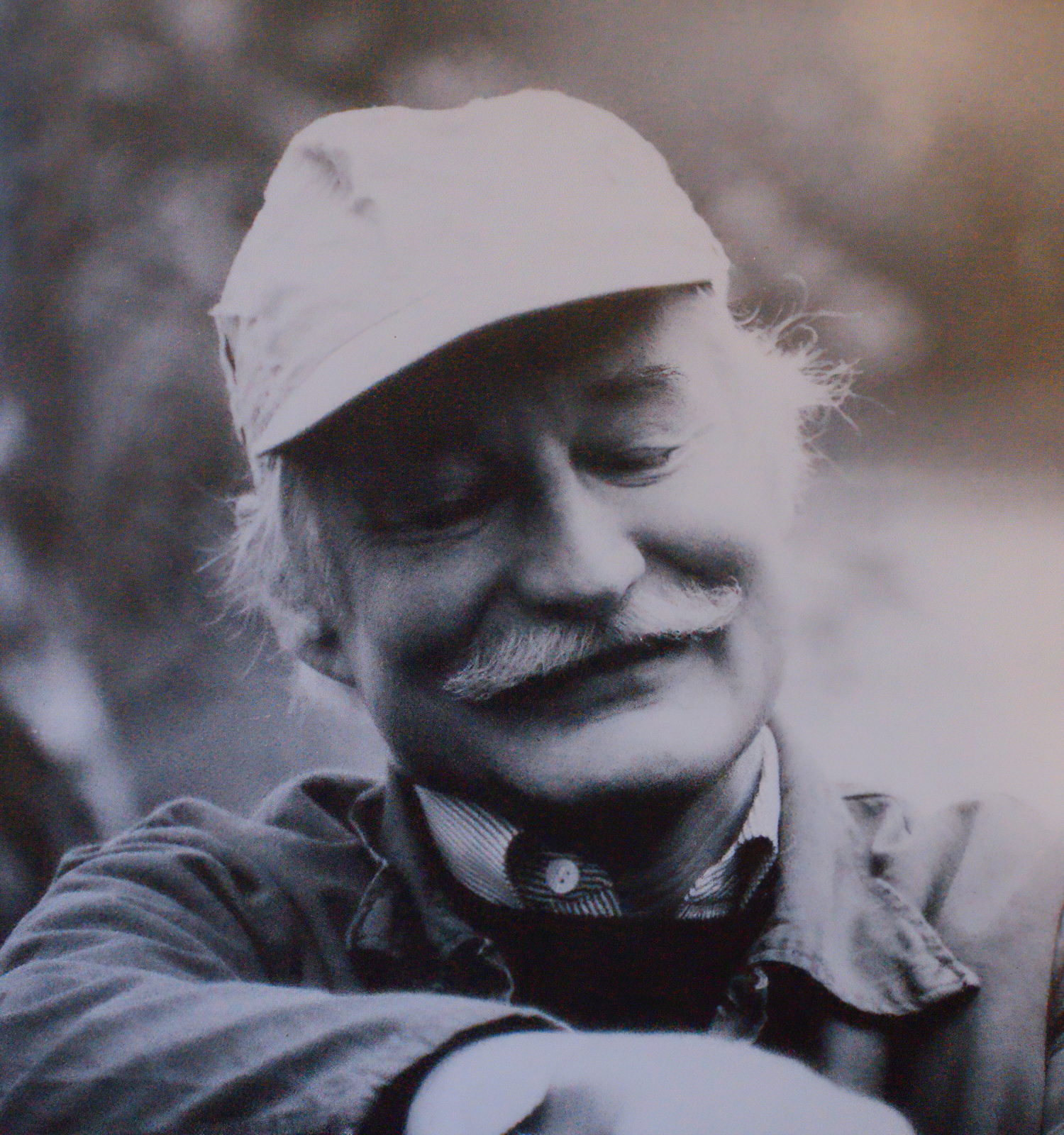
Friedrich Meckseper was a German painter, graphic artist, draughtsman, designer and author.
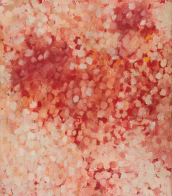
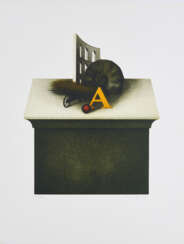

Friedrich Meckseper was a German painter, graphic artist, draughtsman, designer and author.
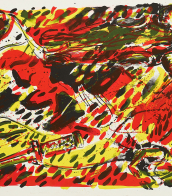
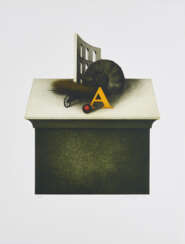

Friedrich Meckseper was a German painter, graphic artist, draughtsman, designer and author.



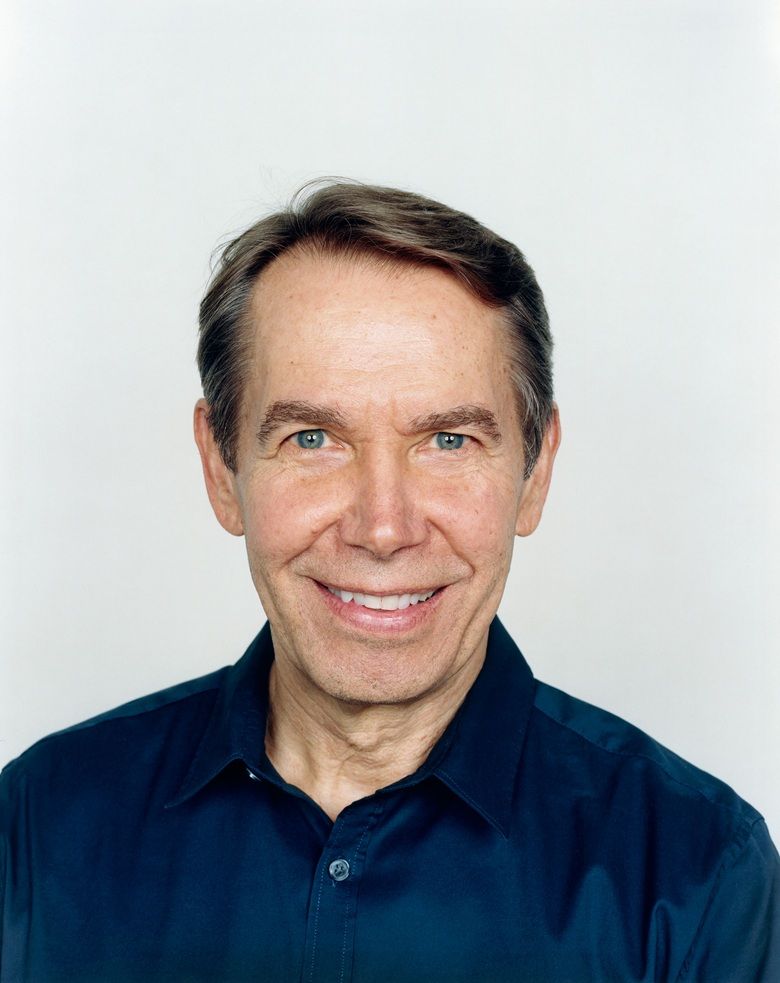
Jeffrey Lynn Koons is an American artist recognized for his work dealing with popular culture and his sculptures depicting everyday objects, including balloon animals produced in stainless steel with mirror-finish surfaces. He lives and works in both New York City and his hometown of York, Pennsylvania. His works have sold for substantial sums, including at least two record auction prices for a work by a living artist: US$58.4 million for Balloon Dog (Orange) in 2013 and US$91.1 million for Rabbit in 2019.
Critics are sharply divided in their views of Koons. Some view his work as pioneering and of major art-historical importance. Others dismiss his work as kitsch, crass, and based on cynical self-merchandising. Koons has stated that there are no hidden meanings and critiques in his works.

.jpg)
Max Ernst was a pivotal figure in the 20th-century art world, whose work transcended the boundaries of nationality and genre to leave an indelible mark on culture, art, sculpture, and painting. Born in Germany on April 2, 1891, and later becoming a naturalized American and French citizen, Ernst's career was a testament to his relentless innovation and creativity. Known primarily as an artist and painter, Ernst was a founding member of the Dada movement in Cologne before becoming a major proponent of Surrealism in Paris. His early encounters with the works of Pablo Picasso, Vincent van Gogh, and Paul Gauguin at the Sonderbund exhibition in 1912 deeply influenced his artistic direction, infusing it with elements of Cubism and Expressionism. Despite his lack of formal artistic training, Ernst's experimentation with techniques such as collage and frottage showcased his unique ability to blend the absurd with the sublime, making him a central figure in the artistic avant-garde of his time.
Ernst's work is notable for its exploration of the unconscious, using dreamlike imagery and symbolic figures to critique societal norms and delve into the chaos of the human psyche. His experiences in World War I profoundly impacted his worldview, leading to a deep skepticism of Western culture and an enduring search for meaning through art. This is evident in works such as "Europe After the Rain II," which reflects the devastation of war and "The Fireside Angel," inspired by the political turmoil of the Spanish Civil War, showcasing his ability to address contemporary issues through a surreal lens.
Ernst's contributions to art are preserved in major museums and galleries worldwide, including the Tate in the United Kingdom and the Museum of Modern Art in New York. His sculptures, paintings, and collages continue to be celebrated for their innovative techniques and imaginative scope, marking him as a revolutionary figure in modern art. Among his most significant works are "Ubu Imperator," "The Elephant Celebes," and "The Virgin Spanking the Christ Child before Three Witnesses," each reflecting his mastery over a diversity of mediums and themes.
For collectors and experts in art and antiques, Max Ernst remains a symbol of artistic freedom and exploration. His ability to navigate through various artistic movements while maintaining a distinct, innovative voice is a testament to his enduring legacy in the art world. To stay updated on new product sales and auction events related to Max Ernst, signing up for updates is a valuable opportunity for those deeply invested in the nuances of modern and surreal art.
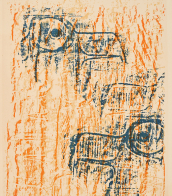


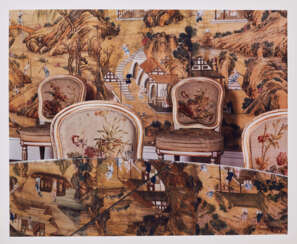

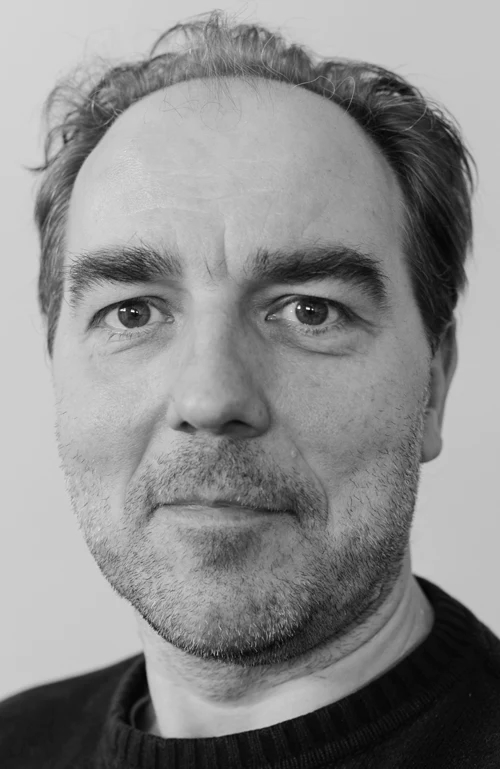
Jörg Sasse is a German photographer and visual artist. He is considered a representative of the Düsseldorf School of Photography.. His work uses found images that are scanned, pixelated and manipulated. In 2003 Sasse won the Cologne Fine Art Award and in 2005 was shortlisted for the Deutsche Börse Photography Foundation Prize. His work is held in the collections of the Belvedere, Fotomuseum Winterthur, Solomon R. Guggenheim Museum and the Städel.
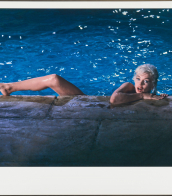
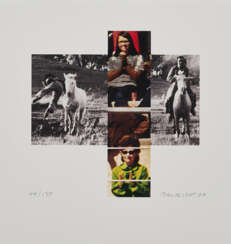

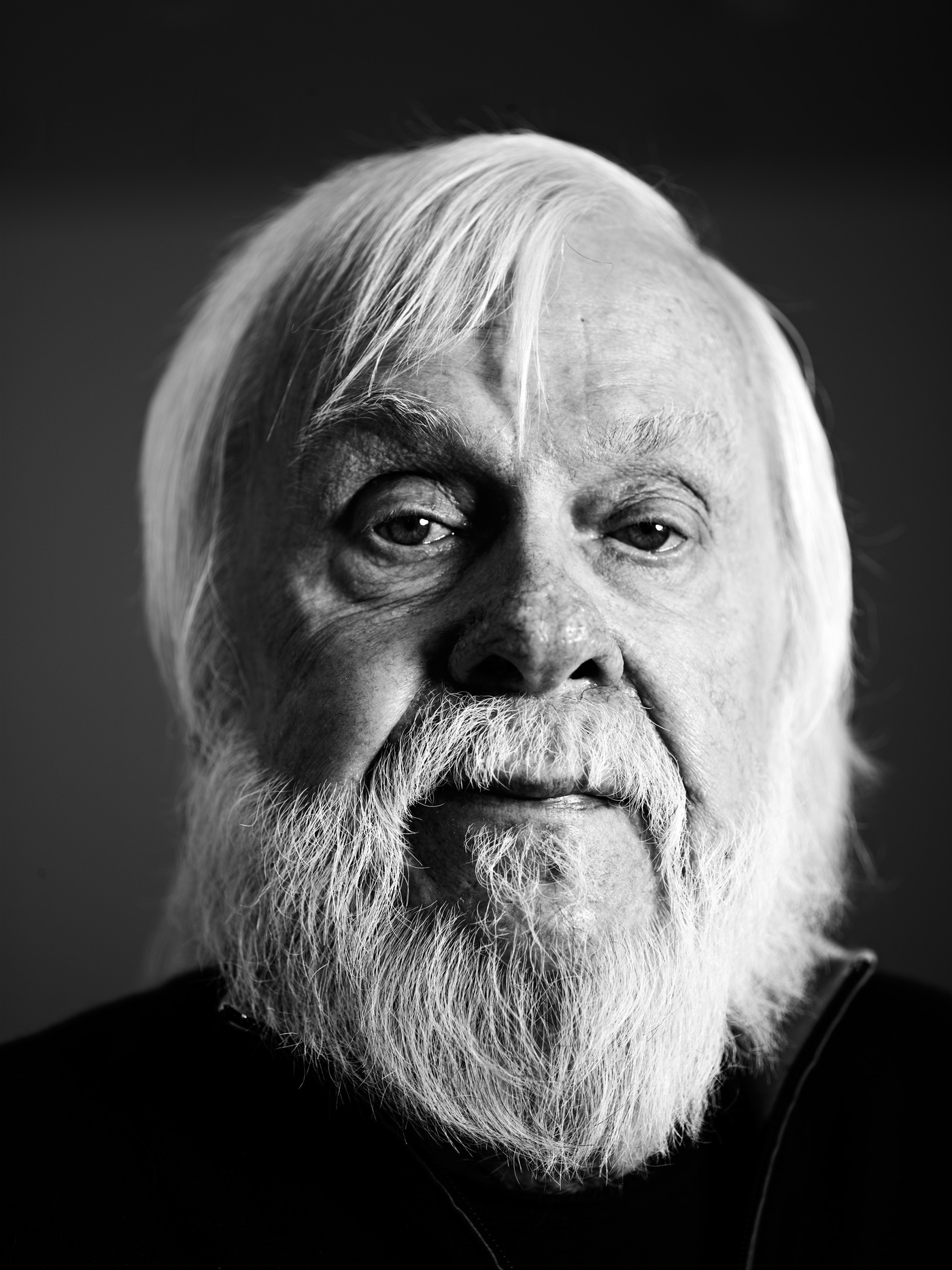
John Baldessari was an American conceptual artist known for his work featuring found photography and appropriated images. He lived and worked in Santa Monica and Venice, California.
Initially a painter, Baldessari began to incorporate texts and photography into his canvases in the mid-1960s. In 1970 he began working in printmaking, film, video, installation, sculpture and photography. He created thousands of works which demonstrate — and, in many cases, combine — the narrative potential of images and the associative power of language within the boundaries of the work of art. His art has been featured in more than 200 solo exhibitions in the U.S. and Europe. His work influenced that of Cindy Sherman, David Salle, Annette Lemieux, and Barbara Kruger among others.
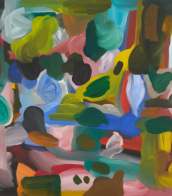
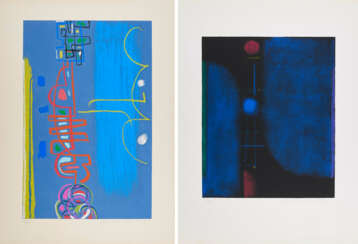

Max Ackermann was a German painter and graphic artist. He was a pupil of Adolf Hölzel and is considered a pioneer of abstract painting.
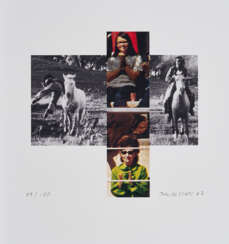

John Baldessari was an American conceptual artist known for his work featuring found photography and appropriated images. He lived and worked in Santa Monica and Venice, California.
Initially a painter, Baldessari began to incorporate texts and photography into his canvases in the mid-1960s. In 1970 he began working in printmaking, film, video, installation, sculpture and photography. He created thousands of works which demonstrate — and, in many cases, combine — the narrative potential of images and the associative power of language within the boundaries of the work of art. His art has been featured in more than 200 solo exhibitions in the U.S. and Europe. His work influenced that of Cindy Sherman, David Salle, Annette Lemieux, and Barbara Kruger among others.
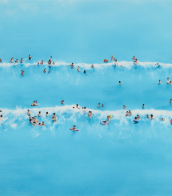


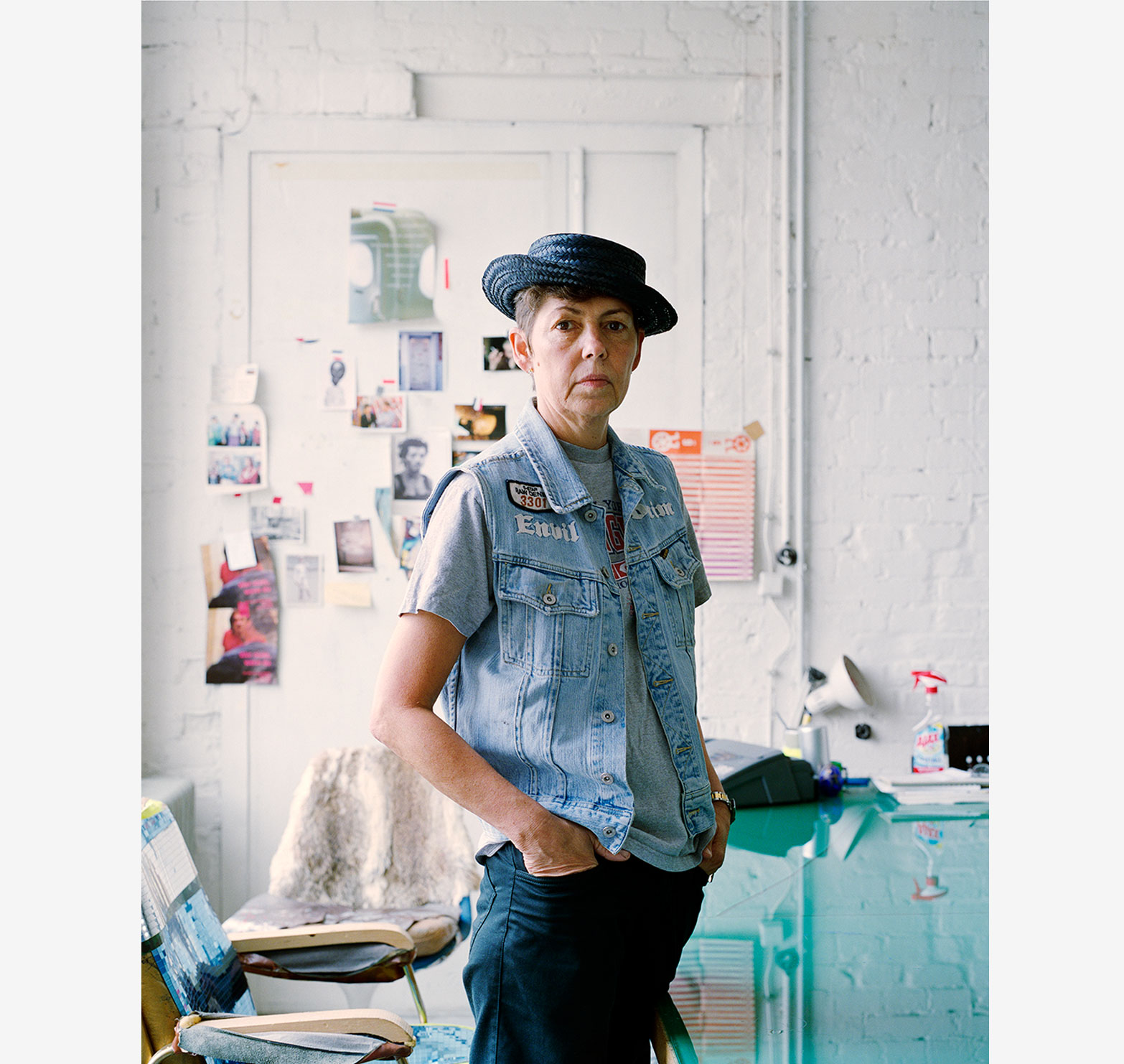
Isa Genzken is a German artist who lives and works in Berlin. Her primary media are sculpture and installation, using a wide variety of materials, including concrete, plaster, wood and textile. She also works with photography, video, film and collage.

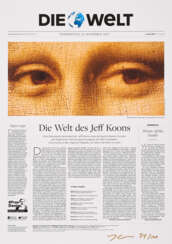

Jeffrey Lynn Koons is an American artist recognized for his work dealing with popular culture and his sculptures depicting everyday objects, including balloon animals produced in stainless steel with mirror-finish surfaces. He lives and works in both New York City and his hometown of York, Pennsylvania. His works have sold for substantial sums, including at least two record auction prices for a work by a living artist: US$58.4 million for Balloon Dog (Orange) in 2013 and US$91.1 million for Rabbit in 2019.
Critics are sharply divided in their views of Koons. Some view his work as pioneering and of major art-historical importance. Others dismiss his work as kitsch, crass, and based on cynical self-merchandising. Koons has stated that there are no hidden meanings and critiques in his works.
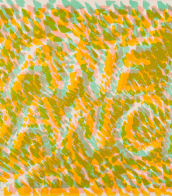
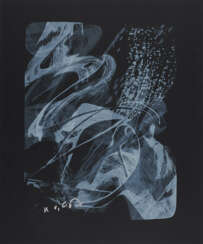

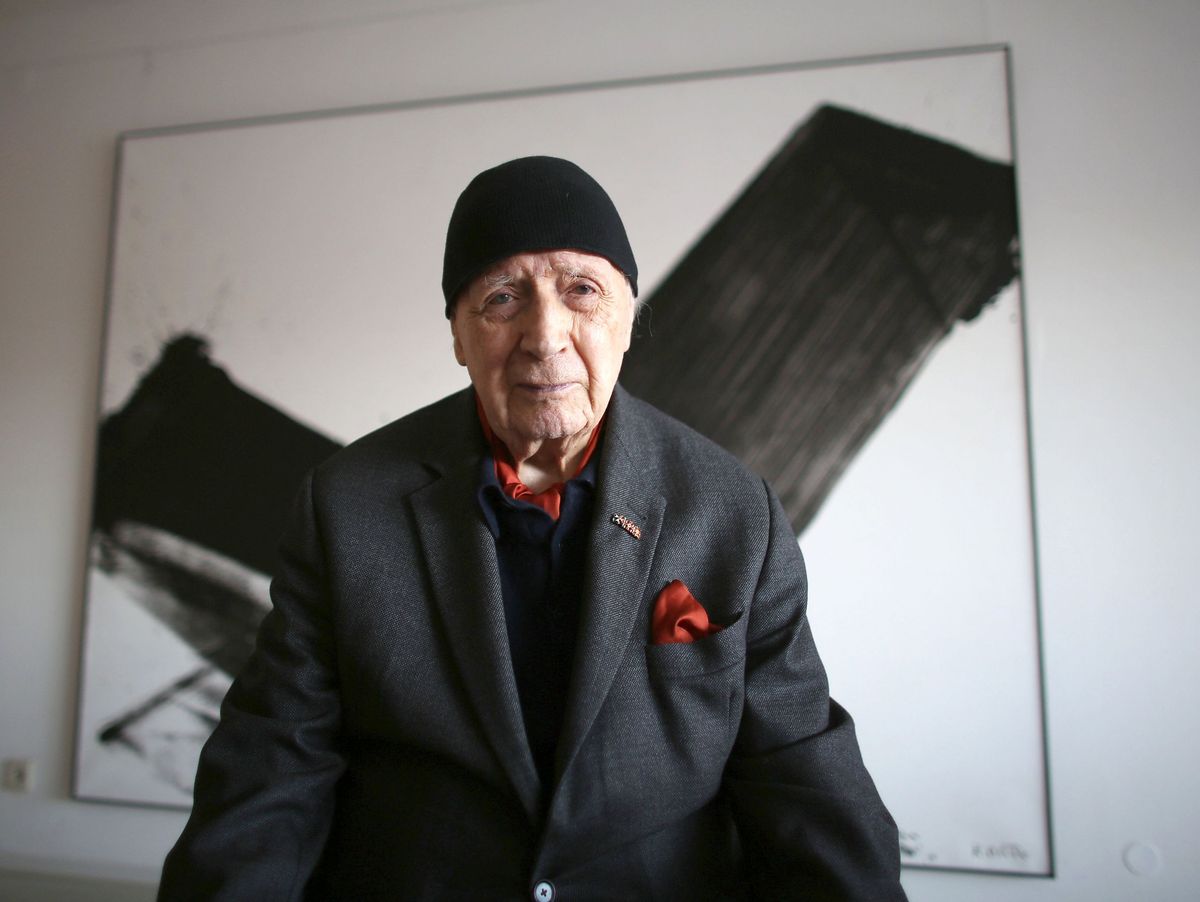
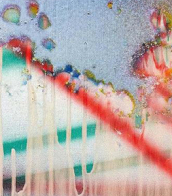
Karl Otto Götz was a German artist, filmmaker, draughtsman, printmaker, writer and professor of art at the Kunstakademie Düsseldorf. He was one of the oldest living and active artists older than 100 years of age and is best remembered for his explosive and complex abstract forms. His powerful, surrealist-inspired works earned him international recognition in exhibitions like documenta II in 1959. Götz never confined himself to one specific style or artistic field. He also explored generated abstract forms through television art. Götz is one of the most important members of the German Art Informel movement.

.jpg)
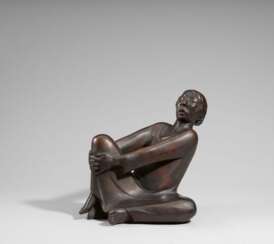
Ernst Heinrich Barlach was a German expressionist sculptor, medallist, printmaker and writer. Although he was a supporter of the war in the years leading to World War I, his participation in the war made him change his position, and he is mostly known for his sculptures protesting against the war. This created many conflicts during the rise of the Nazi Party, when most of his works were confiscated as degenerate art. Stylistically, his literary and artistic work would fall between the categories of twentieth-century Realism and Expressionism.
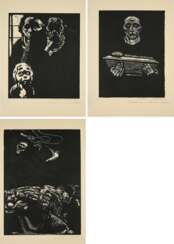


Käthe Kollwitz (born as Schmidt) was a German artist who worked with painting, printmaking (including etching, lithography and woodcuts) and sculpture. Her most famous art cycles, including The Weavers and The Peasant War, depict the effects of poverty, hunger and war on the working class. Despite the realism of her early works, her art is now more closely associated with Expressionism. Kollwitz was the first woman not only to be elected to the Prussian Academy of Arts but also to receive honorary professor status.
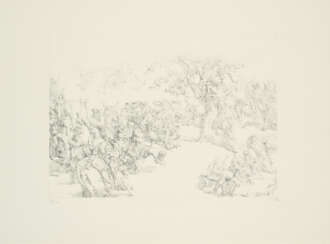


Werner Tübke was a German painter, best known for his monumental Peasants' War Panorama located in Bad Frankenhausen. Associated with the Leipzig School, he is "one of the few East German artists who gained recognition in West Germany."
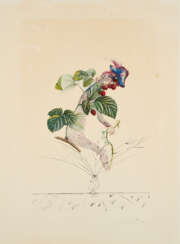

Salvador Dalí, a Spanish Surrealist painter and printmaker, is celebrated for his vivid and imaginative works that delve into subconscious imagery. Born on May 11, 1904, in Figueres, Catalonia, Spain, Dalí's early exposure to Impressionism and Renaissance masters significantly influenced his artistic development. His education in fine arts in Madrid further shaped his style, leading him to experiment with Cubism and avant-garde movements. In the late 1920s, Dalí embraced Surrealism, joining the Surrealist group in 1929 and rapidly becoming one of its most prominent figures.
Dalí's most famous work, "The Persistence of Memory," completed in 1931, epitomizes the Surrealist movement with its iconic melting clocks symbolizing the fluidity of time. His artistic repertoire was diverse, including painting, graphic arts, film, sculpture, design, and photography, often incorporating themes of dreams, the subconscious, sexuality, religion, and science. Despite his remarkable artistic contributions, Dalí's eccentric and flamboyant public persona often overshadowed his work. He faced criticism for his public support of the Francoist regime and the authenticity of some of his late works.
Dalí's legacy is preserved in major museums, notably the Dalí Theatre-Museum in Figueres and the Salvador Dalí Museum in St. Petersburg, Florida. These institutions showcase his extensive and varied body of work, illustrating his profound impact on Surrealism, pop art, and contemporary artists.
If you're captivated by the surreal world of Salvador Dalí and want to stay informed about new sales and auction events featuring his works, sign up for our updates. Our service is tailored specifically for art collectors and experts, providing timely information and insights into the vibrant market of Dalí's art. Remember, this subscription is focused solely on bringing you the latest in product sales and auction events related to Salvador Dalí. Don't miss out on the opportunity to enrich your collection with pieces from one of the most influential surrealists of all time. Sign up now and be the first to know about these exclusive events.
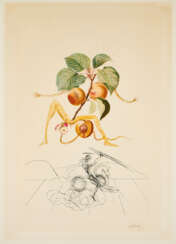

Salvador Dalí, a Spanish Surrealist painter and printmaker, is celebrated for his vivid and imaginative works that delve into subconscious imagery. Born on May 11, 1904, in Figueres, Catalonia, Spain, Dalí's early exposure to Impressionism and Renaissance masters significantly influenced his artistic development. His education in fine arts in Madrid further shaped his style, leading him to experiment with Cubism and avant-garde movements. In the late 1920s, Dalí embraced Surrealism, joining the Surrealist group in 1929 and rapidly becoming one of its most prominent figures.
Dalí's most famous work, "The Persistence of Memory," completed in 1931, epitomizes the Surrealist movement with its iconic melting clocks symbolizing the fluidity of time. His artistic repertoire was diverse, including painting, graphic arts, film, sculpture, design, and photography, often incorporating themes of dreams, the subconscious, sexuality, religion, and science. Despite his remarkable artistic contributions, Dalí's eccentric and flamboyant public persona often overshadowed his work. He faced criticism for his public support of the Francoist regime and the authenticity of some of his late works.
Dalí's legacy is preserved in major museums, notably the Dalí Theatre-Museum in Figueres and the Salvador Dalí Museum in St. Petersburg, Florida. These institutions showcase his extensive and varied body of work, illustrating his profound impact on Surrealism, pop art, and contemporary artists.
If you're captivated by the surreal world of Salvador Dalí and want to stay informed about new sales and auction events featuring his works, sign up for our updates. Our service is tailored specifically for art collectors and experts, providing timely information and insights into the vibrant market of Dalí's art. Remember, this subscription is focused solely on bringing you the latest in product sales and auction events related to Salvador Dalí. Don't miss out on the opportunity to enrich your collection with pieces from one of the most influential surrealists of all time. Sign up now and be the first to know about these exclusive events.
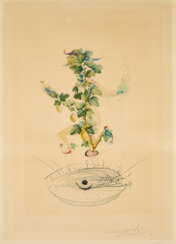

Salvador Dalí, a Spanish Surrealist painter and printmaker, is celebrated for his vivid and imaginative works that delve into subconscious imagery. Born on May 11, 1904, in Figueres, Catalonia, Spain, Dalí's early exposure to Impressionism and Renaissance masters significantly influenced his artistic development. His education in fine arts in Madrid further shaped his style, leading him to experiment with Cubism and avant-garde movements. In the late 1920s, Dalí embraced Surrealism, joining the Surrealist group in 1929 and rapidly becoming one of its most prominent figures.
Dalí's most famous work, "The Persistence of Memory," completed in 1931, epitomizes the Surrealist movement with its iconic melting clocks symbolizing the fluidity of time. His artistic repertoire was diverse, including painting, graphic arts, film, sculpture, design, and photography, often incorporating themes of dreams, the subconscious, sexuality, religion, and science. Despite his remarkable artistic contributions, Dalí's eccentric and flamboyant public persona often overshadowed his work. He faced criticism for his public support of the Francoist regime and the authenticity of some of his late works.
Dalí's legacy is preserved in major museums, notably the Dalí Theatre-Museum in Figueres and the Salvador Dalí Museum in St. Petersburg, Florida. These institutions showcase his extensive and varied body of work, illustrating his profound impact on Surrealism, pop art, and contemporary artists.
If you're captivated by the surreal world of Salvador Dalí and want to stay informed about new sales and auction events featuring his works, sign up for our updates. Our service is tailored specifically for art collectors and experts, providing timely information and insights into the vibrant market of Dalí's art. Remember, this subscription is focused solely on bringing you the latest in product sales and auction events related to Salvador Dalí. Don't miss out on the opportunity to enrich your collection with pieces from one of the most influential surrealists of all time. Sign up now and be the first to know about these exclusive events.


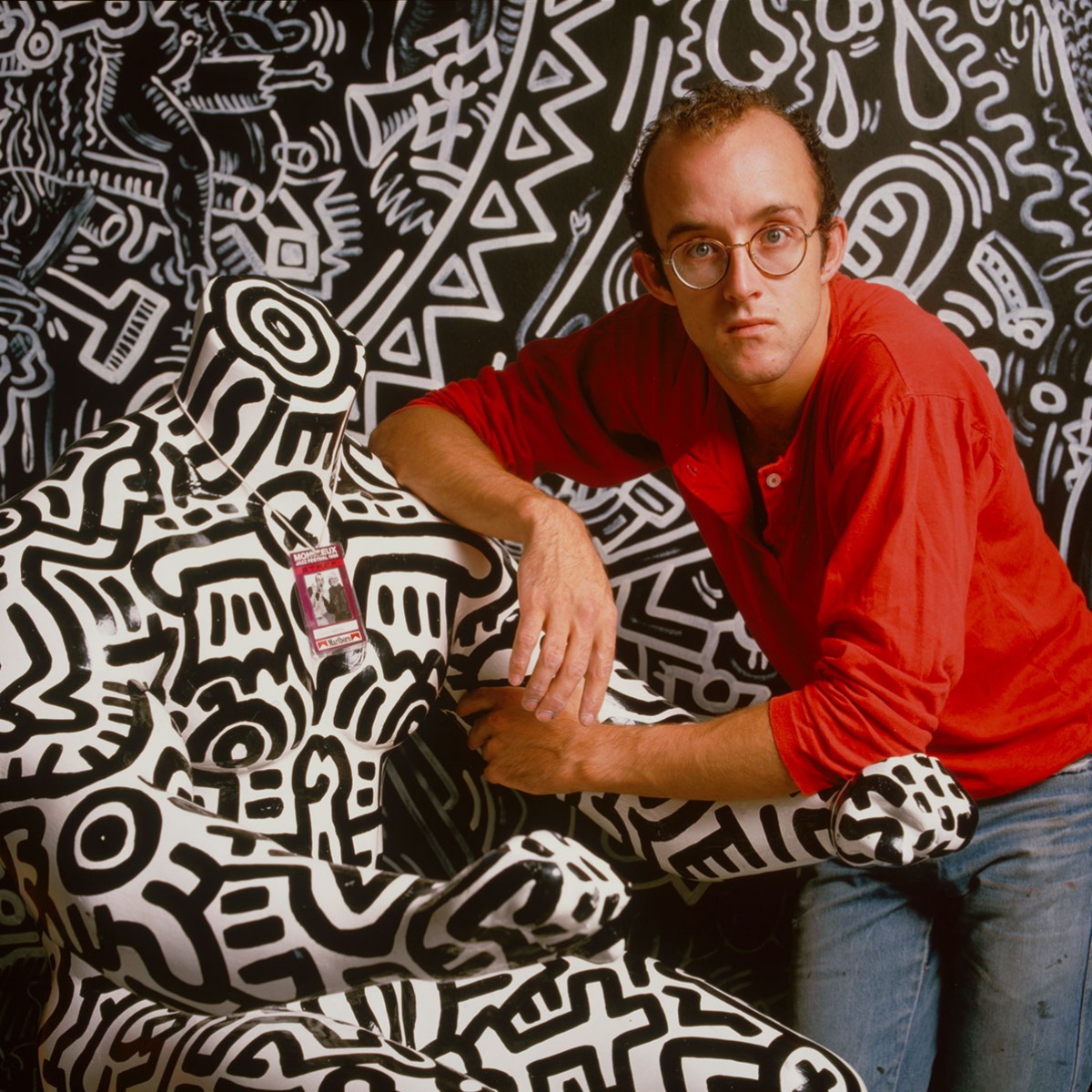
Keith Allen Haring was an iconic American artist, recognized globally for his distinctive contributions to painting, sculpture, and art culture. Haring's work is celebrated for its vibrant, dynamic imagery and its profound social activism, which addressed critical themes such as AIDS awareness, racial inequality, and the empowerment of communities through art. His art transcends conventional galleries, marking its presence in public spaces, museums, and collections worldwide, thereby democratizing art access and engagement.
Haring's unique approach to art was characterized by bold lines, vivid colors, and animated figures, which not only attracted art collectors and experts but also resonated with a broader audience. His ability to blend art with activism, using public spaces as his canvas, was revolutionary. Works like the "Crack is Wack" mural and the untitled piece on the Berlin Wall stand testament to his commitment to societal issues, making him a pioneer in using art as a tool for social change.
Keith Haring's legacy continues through the Keith Haring Foundation, established by the artist in 1989 to support children's programs and organizations dedicated to raising AIDS awareness. The Foundation ensures that Haring's artistic and philanthropic vision persists, facilitating exhibitions and educational initiatives. For collectors and art experts keen on exploring Haring's influential body of work and its impact on contemporary art and culture, his creations offer profound insights into the intersection of art, social activism, and community engagement.
For those interested in staying informed about new product sales, auction events, and exhibitions related to Keith Allen Haring, signing up for updates is a straightforward way to remain connected with the ongoing celebration of his art and humanitarian legacy. This subscription ensures direct access to the latest on Haring's impactful contributions to the world of art and culture.