662
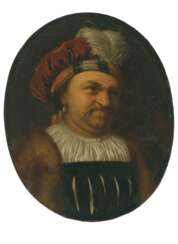

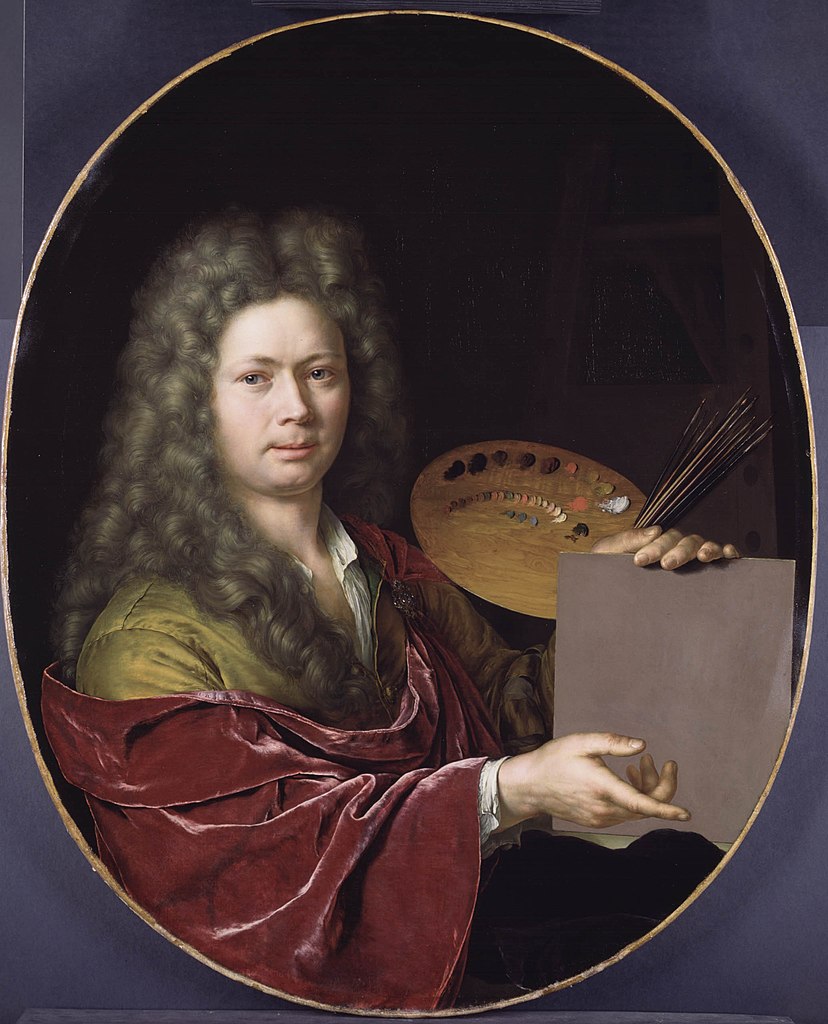
Willem van Mieris is a Dutch portrait painter who painted historical and genre scenes. He worked in the tradition of the Leiden art school founded by Gerard Dou.
Willem van Mieris became a member of Leiden's Guild of Artists of St. Luke's in 1683, after studying at his father's studio. In 1687, 1698, 1704 and 1708, he was the administrator of the Guild, and in 1699 he was elected its president.
In 1694, van Meeris, together with the painters Jacob Toorenvliet and Carel de Moor, founded the Leidse Tekenacademie, which existed in Leiden until 1736. Around this time Willem van Mieris became blind and stopped painting.
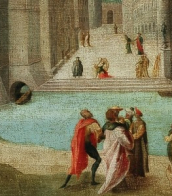
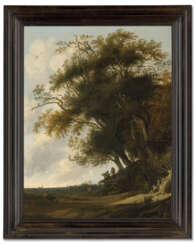

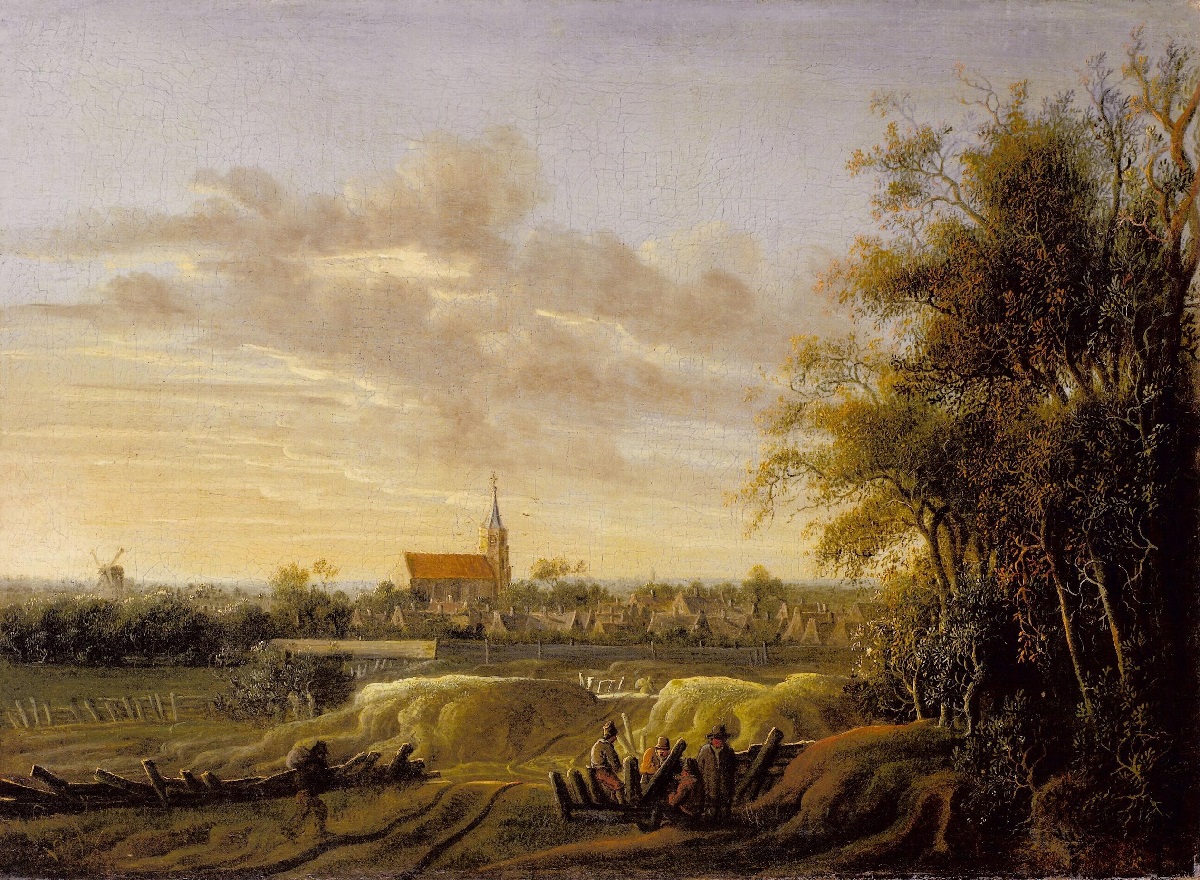
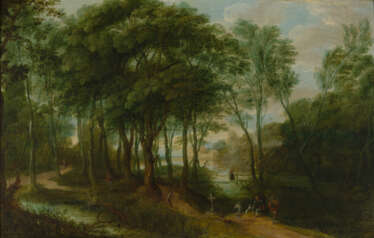
Anthonie Jansz. van der Croos was a Dutch painter and draughtsman of the Golden Age of Dutch painting. He mainly painted landscapes, often in combination with castles or country houses, as well as cityscapes. He was a pupil of Moyses van Uyttenbroeck.
Antoni Jans van der Kroes lived and worked in The Hague from 1634. He became a member of the local St. Luke's Guild in 1647. He was a neighbour of Jan van Goyen, whose work had a great influence on him, so much so that their works were sometimes confused with each other.
In 1656 he became co-founder and secretary of the Confrerie Pictura in The Hague.

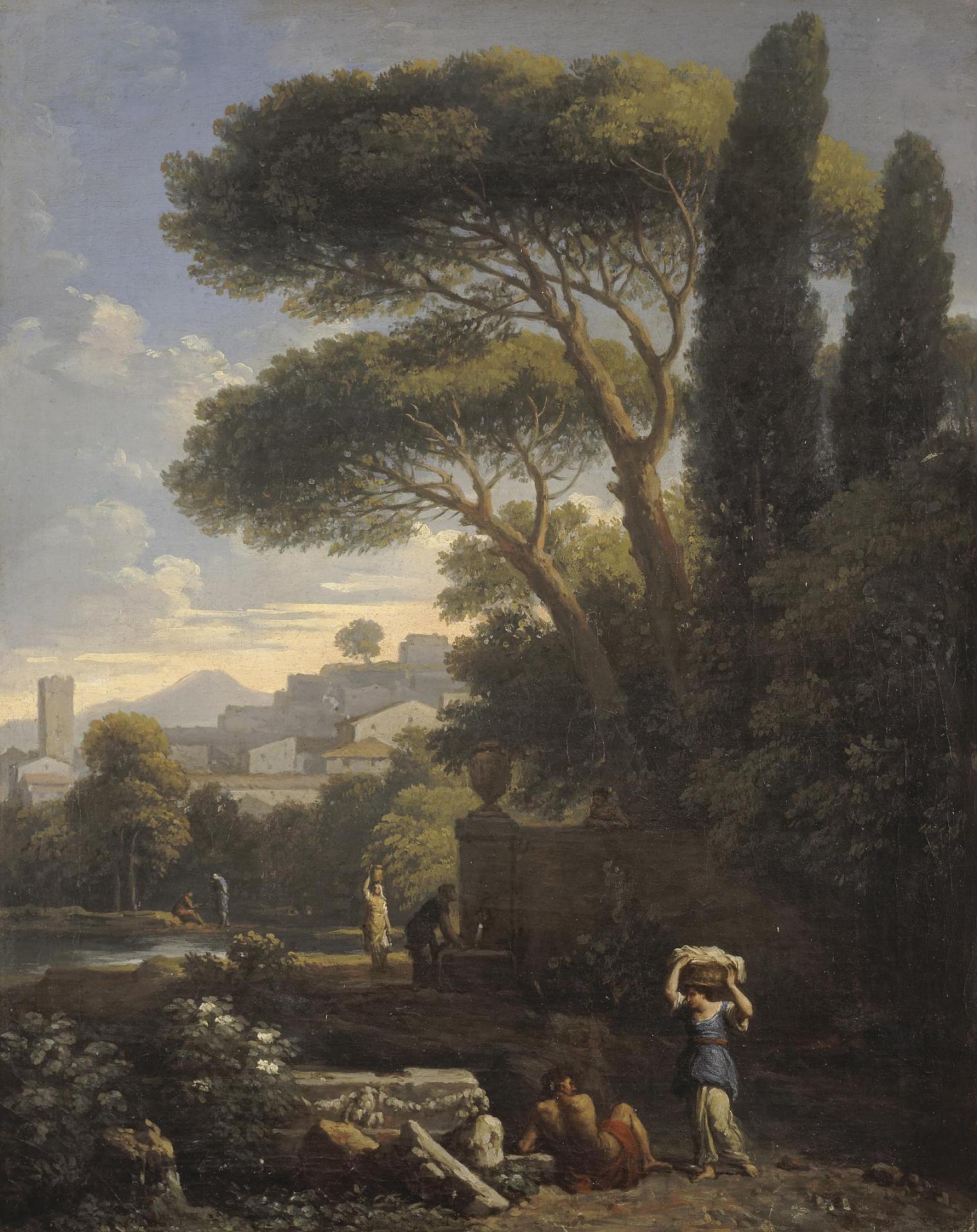
Jan Frans van Bloemen was a Flemish landscape painter mainly active in Rome. Here he was able to establish himself as the leading painter of views (vedute) of the Roman countryside depicted in the aesthetic of the classical landscape tradition.
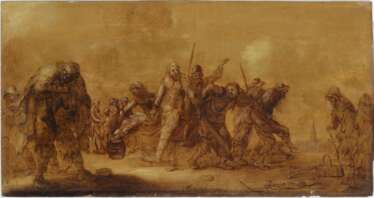

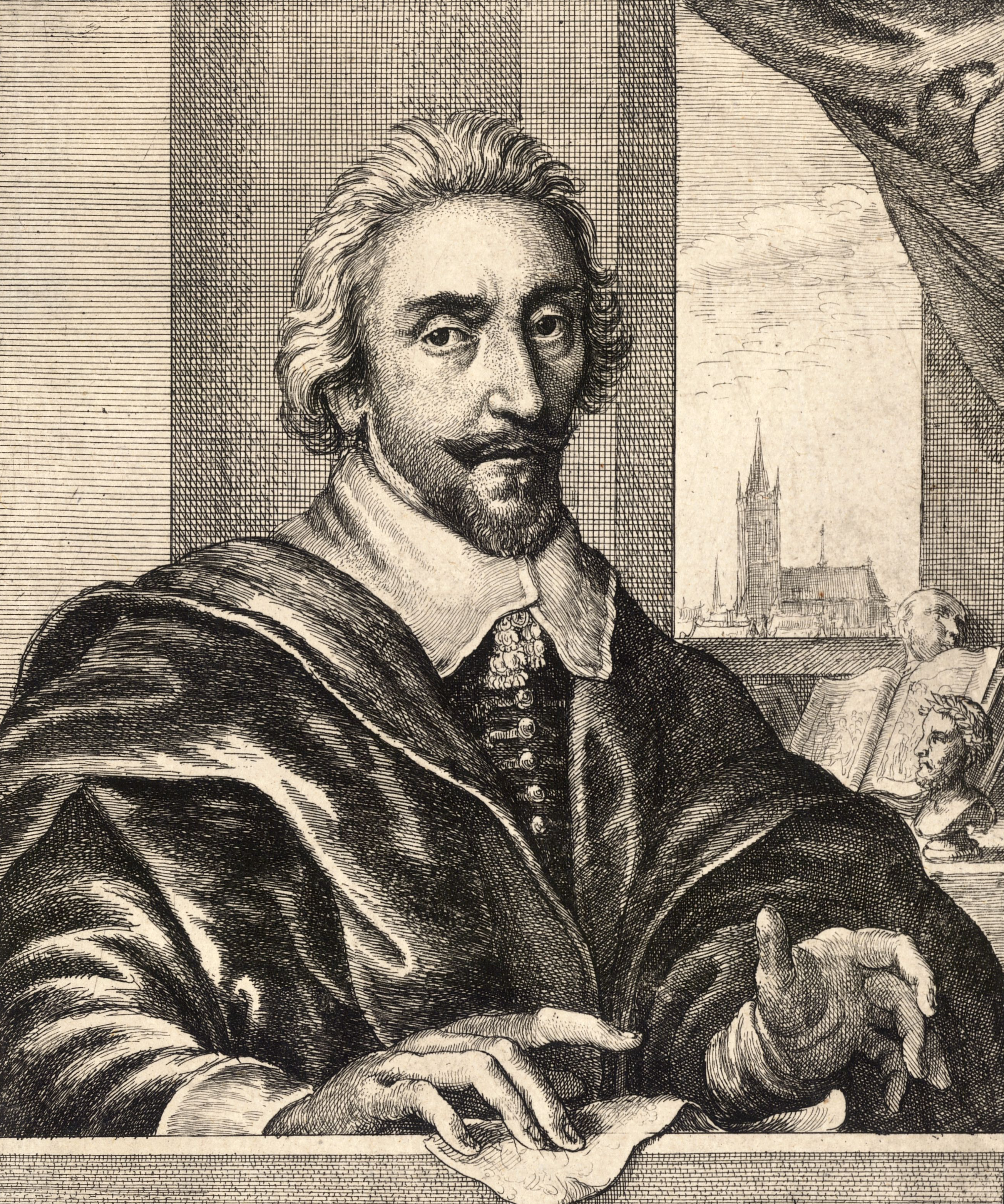
Adriaen Pietersz. van de Venne was a Dutch painter, graphic artist, and poet of the Golden Age and a member of the Guild of St. Luke in The Hague. He is known for his paintings of genre scenes, allegories, portraits, and historical scenes. De Venne painted many engravings illustrating genre scenes depicting peasants, old men, vagabonds, madmen, and thieves. These works often illustrate aphorisms and proverbs.
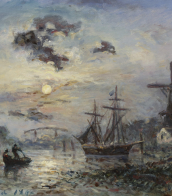
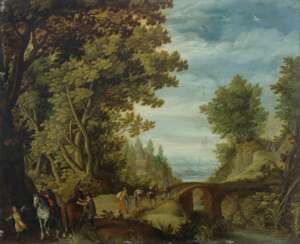

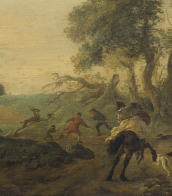


Anthonie Jansz. van der Croos was a Dutch painter and draughtsman of the Golden Age of Dutch painting. He mainly painted landscapes, often in combination with castles or country houses, as well as cityscapes. He was a pupil of Moyses van Uyttenbroeck.
Antoni Jans van der Kroes lived and worked in The Hague from 1634. He became a member of the local St. Luke's Guild in 1647. He was a neighbour of Jan van Goyen, whose work had a great influence on him, so much so that their works were sometimes confused with each other.
In 1656 he became co-founder and secretary of the Confrerie Pictura in The Hague.
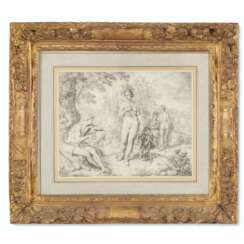

Willem van Mieris is a Dutch portrait painter who painted historical and genre scenes. He worked in the tradition of the Leiden art school founded by Gerard Dou.
Willem van Mieris became a member of Leiden's Guild of Artists of St. Luke's in 1683, after studying at his father's studio. In 1687, 1698, 1704 and 1708, he was the administrator of the Guild, and in 1699 he was elected its president.
In 1694, van Meeris, together with the painters Jacob Toorenvliet and Carel de Moor, founded the Leidse Tekenacademie, which existed in Leiden until 1736. Around this time Willem van Mieris became blind and stopped painting.
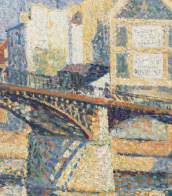
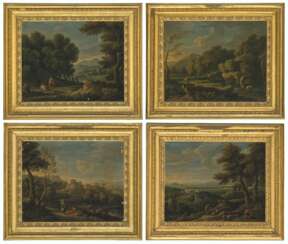

Jan Frans van Bloemen was a Flemish landscape painter mainly active in Rome. Here he was able to establish himself as the leading painter of views (vedute) of the Roman countryside depicted in the aesthetic of the classical landscape tradition.
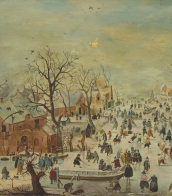
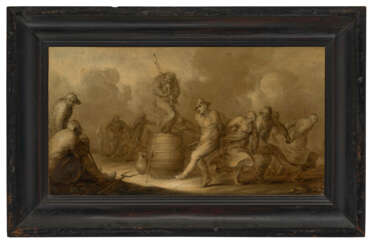

Adriaen Pietersz. van de Venne was a Dutch painter, graphic artist, and poet of the Golden Age and a member of the Guild of St. Luke in The Hague. He is known for his paintings of genre scenes, allegories, portraits, and historical scenes. De Venne painted many engravings illustrating genre scenes depicting peasants, old men, vagabonds, madmen, and thieves. These works often illustrate aphorisms and proverbs.
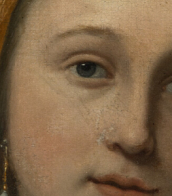


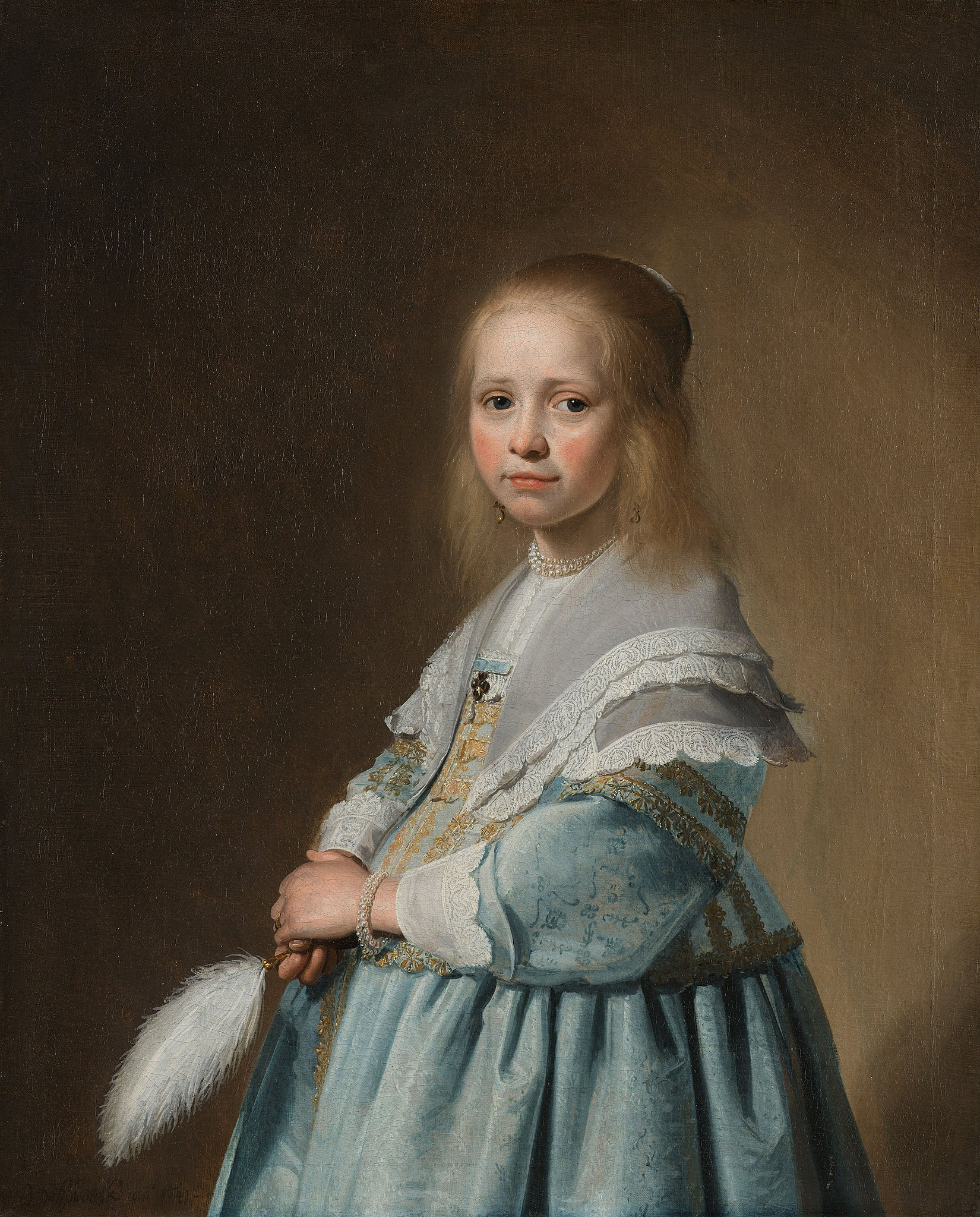
Johannes Cornelisz Verspronck was a Dutch Golden Age portrait painter from Haarlem.


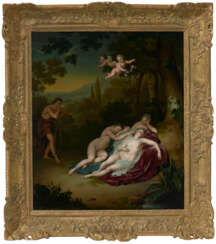

Willem van Mieris is a Dutch portrait painter who painted historical and genre scenes. He worked in the tradition of the Leiden art school founded by Gerard Dou.
Willem van Mieris became a member of Leiden's Guild of Artists of St. Luke's in 1683, after studying at his father's studio. In 1687, 1698, 1704 and 1708, he was the administrator of the Guild, and in 1699 he was elected its president.
In 1694, van Meeris, together with the painters Jacob Toorenvliet and Carel de Moor, founded the Leidse Tekenacademie, which existed in Leiden until 1736. Around this time Willem van Mieris became blind and stopped painting.



_Princess_of_Conti_by_Pierre_Gobert.jpg)
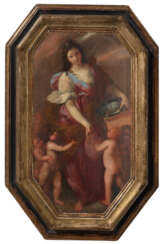
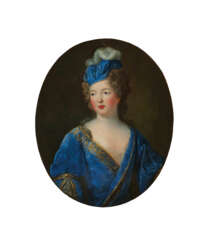
Pierre Gobert was a French court painter, known for his portrait paintings.
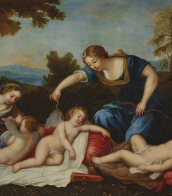


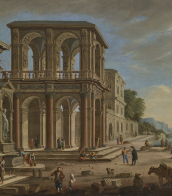
Jan Frans van Bloemen was a Flemish landscape painter mainly active in Rome. Here he was able to establish himself as the leading painter of views (vedute) of the Roman countryside depicted in the aesthetic of the classical landscape tradition.
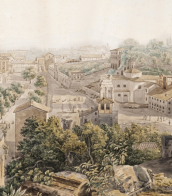
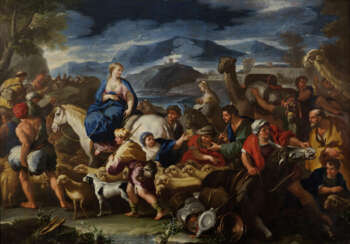

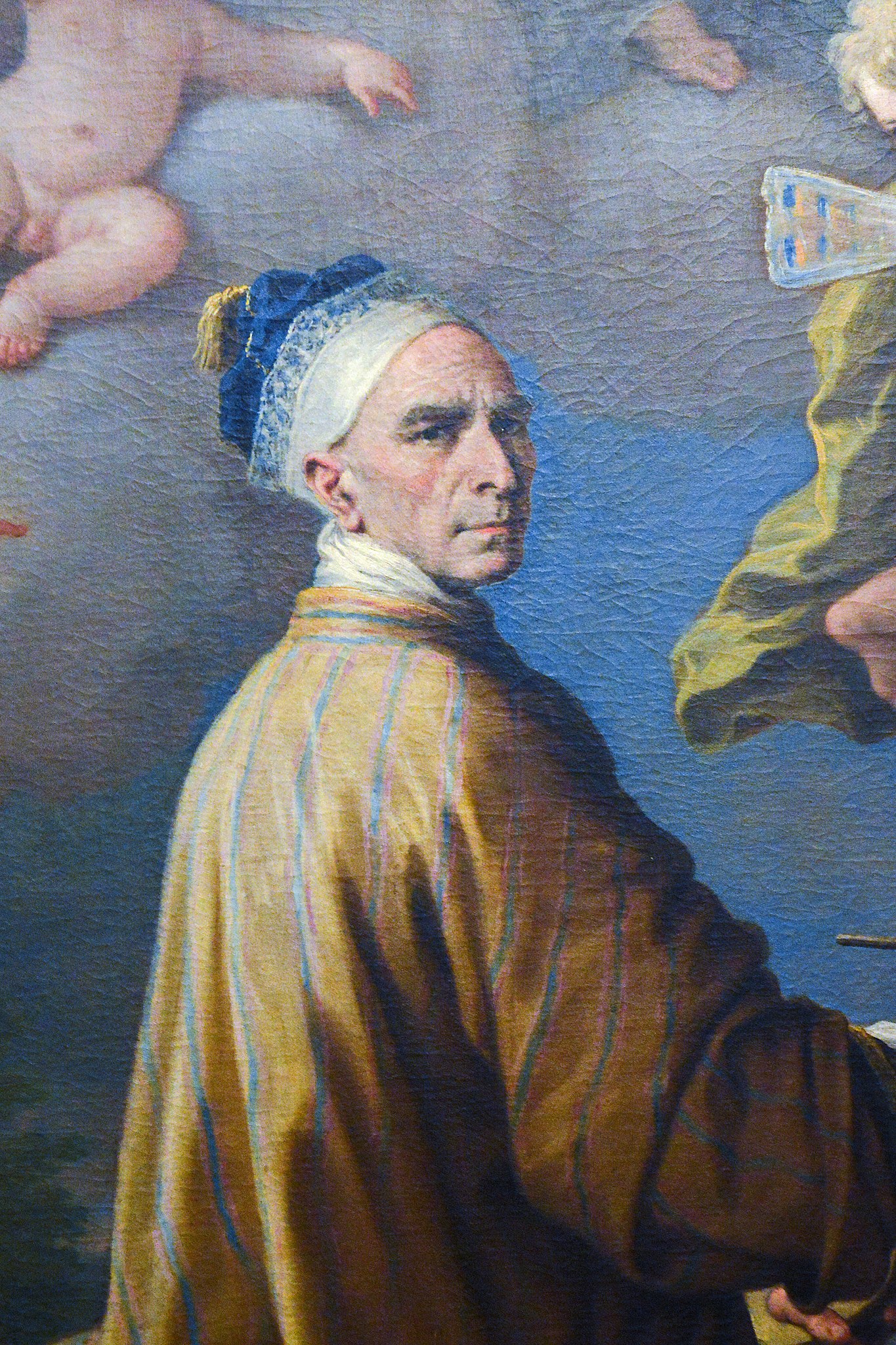
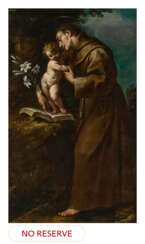
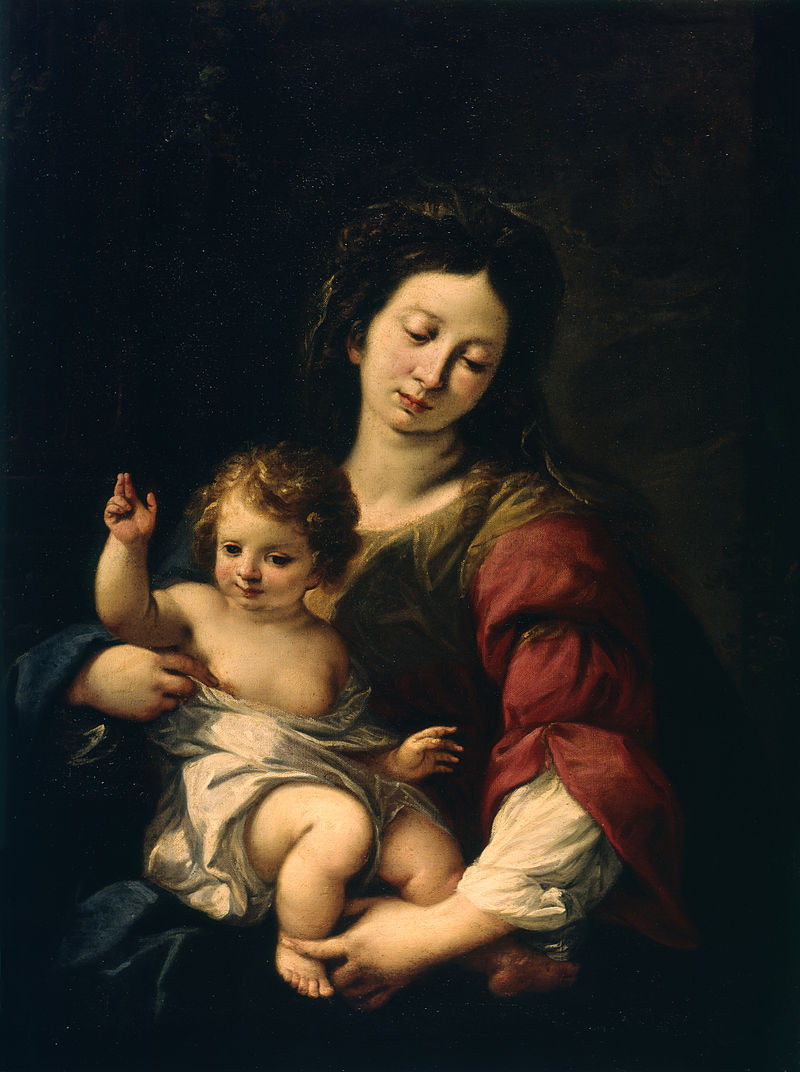
Paolo de Matteis was a distinguished Baroque painter known for his dynamic and expressive artworks. Matteis' training began with Francesco di Maria in Naples, followed by further guidance under the prominent painter Luca Giordano. His works are known for their vibrant compositions and dramatic flair, typical of the Baroque style prevalent during his time.
Paolo de Matteis' career was marked by significant contributions to the art world, including decorative schemes for Neapolitan churches like the vault of the chapel of San Ignatius in the church of Gesù Nuovo in Naples. His Assumption of the Virgin for the Abbey at Monte Cassino is another testament to his skill. Between 1723 and 1725, he spent time in Rome, receiving commissions from Pope Innocent XIII, further solidifying his reputation as a master painter.
Paolo de Matteis' influence extended beyond Italy. From 1702 to 1705, he worked in Paris, Calabria, and Genoa, showcasing his artistry to a broader European audience. In Genoa, one of his notable works was an Immaculate Conception with St. Jerome Appearing to St. Sevrio. His time in Paris was particularly significant, as it allowed him to infuse his Italian Baroque style with broader European influences.
Paolo de Matteis was not only a masterful painter but also a teacher. He nurtured the talents of several pupils, including Filippo Falciatore, Francesco Peresi, and members of the Sarnelli family. His legacy is carried forward through these artists, who were deeply influenced by his style and techniques.
For collectors and experts in art and antiques, Paolo de Matteis' works offer a captivating glimpse into the Baroque era, characterized by expressive brushwork, vivid color palettes, and dynamic compositions. His paintings remain a valuable part of the rich tapestry of Italian Baroque art.
To stay informed about Paolo de Matteis' masterpieces and their presence in the world of art sales and auctions, consider subscribing to our updates. This service will ensure you are always in the know about opportunities to explore and possibly acquire works by this celebrated Baroque artist.
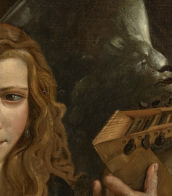


Anthonie Jansz. van der Croos was a Dutch painter and draughtsman of the Golden Age of Dutch painting. He mainly painted landscapes, often in combination with castles or country houses, as well as cityscapes. He was a pupil of Moyses van Uyttenbroeck.
Antoni Jans van der Kroes lived and worked in The Hague from 1634. He became a member of the local St. Luke's Guild in 1647. He was a neighbour of Jan van Goyen, whose work had a great influence on him, so much so that their works were sometimes confused with each other.
In 1656 he became co-founder and secretary of the Confrerie Pictura in The Hague.


Pierre Gobert was a French court painter, known for his portrait paintings.
![[PASCAL, Blaise (1623-1662)]](/assets/image/picture_3566746/5223e/92d07fa4acdc90b56eb25bd3efd98ffe1700607600jpg__fix_374_244.jpeg)
![[PASCAL, Blaise (1623-1662)]](https://veryimportantlot.com/assets/image/picture_3566746/5223e/92d07fa4acdc90b56eb25bd3efd98ffe1700607600jpg__fix_374_244.jpeg)
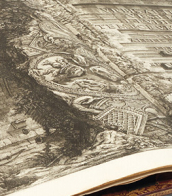
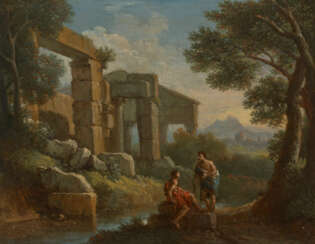

Jan Frans van Bloemen was a Flemish landscape painter mainly active in Rome. Here he was able to establish himself as the leading painter of views (vedute) of the Roman countryside depicted in the aesthetic of the classical landscape tradition.
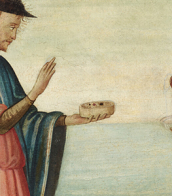
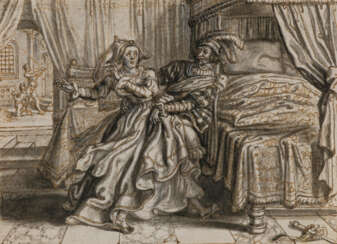

Adriaen Pietersz. van de Venne was a Dutch painter, graphic artist, and poet of the Golden Age and a member of the Guild of St. Luke in The Hague. He is known for his paintings of genre scenes, allegories, portraits, and historical scenes. De Venne painted many engravings illustrating genre scenes depicting peasants, old men, vagabonds, madmen, and thieves. These works often illustrate aphorisms and proverbs.
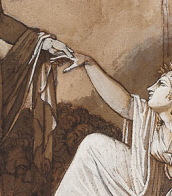
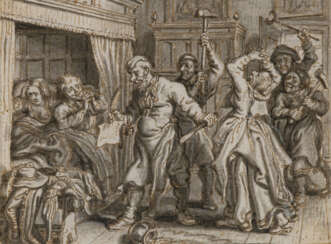

Adriaen Pietersz. van de Venne was a Dutch painter, graphic artist, and poet of the Golden Age and a member of the Guild of St. Luke in The Hague. He is known for his paintings of genre scenes, allegories, portraits, and historical scenes. De Venne painted many engravings illustrating genre scenes depicting peasants, old men, vagabonds, madmen, and thieves. These works often illustrate aphorisms and proverbs.
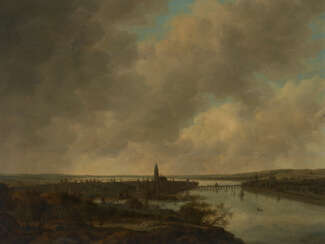

Anthonie Jansz. van der Croos was a Dutch painter and draughtsman of the Golden Age of Dutch painting. He mainly painted landscapes, often in combination with castles or country houses, as well as cityscapes. He was a pupil of Moyses van Uyttenbroeck.
Antoni Jans van der Kroes lived and worked in The Hague from 1634. He became a member of the local St. Luke's Guild in 1647. He was a neighbour of Jan van Goyen, whose work had a great influence on him, so much so that their works were sometimes confused with each other.
In 1656 he became co-founder and secretary of the Confrerie Pictura in The Hague.