80 mile


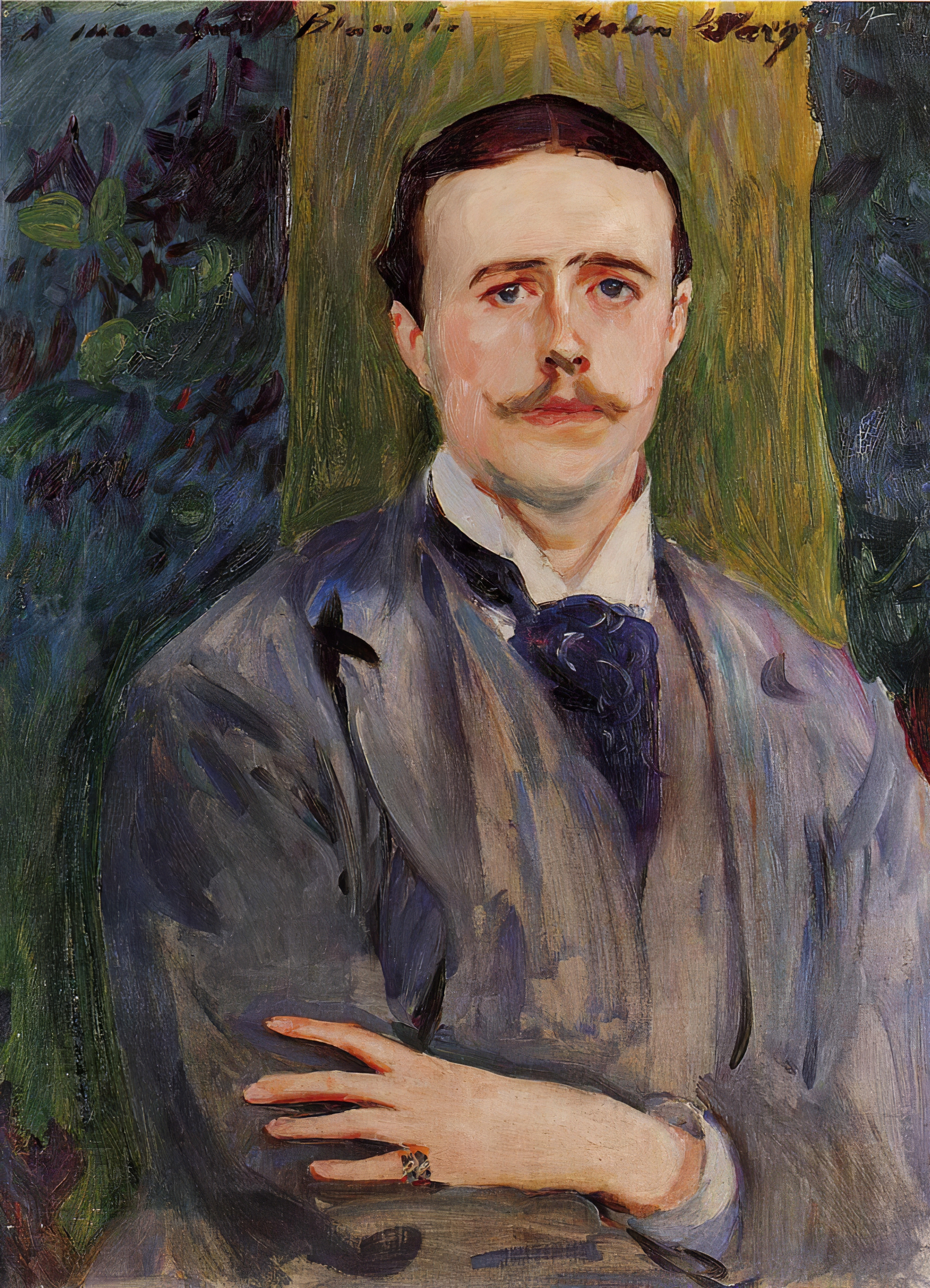
Jacques-Émile Blanche was a French artist, largely self-taught, who became a successful portrait painter, working in London and Paris.
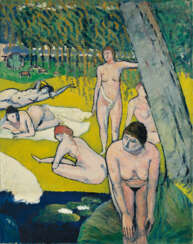

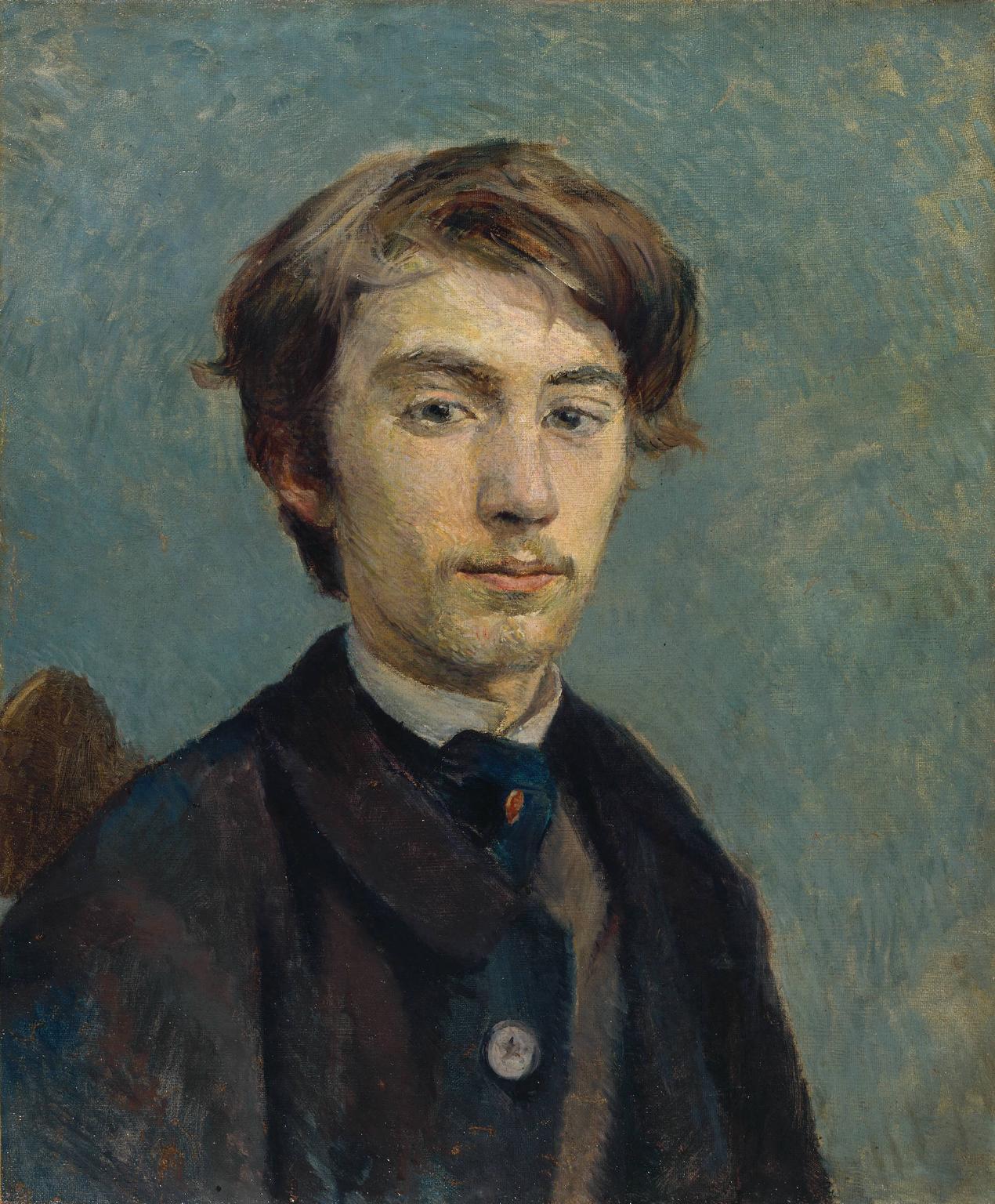
Émile Bernard, a French painter, was a significant figure in the Post-Impressionist movement. He is most famously associated with the development of Cloisonnism, a painting style characterized by bold outlines and flat, vivid color planes, and he played a role in Synthetism, a synthesis of forms and colors in art.
Bernard's artistic journey was influenced by his interactions with notable artists such as Paul Gauguin, Vincent van Gogh, and Louis Anquetin. His works, which often explored themes of symbolism and religious imagery, ranged from traditional paintings to engravings and illustrations. One of his notable works, "Madeleine au Bois d'Amour," is displayed at the Musée d'Orsay in Paris.
Despite his early success and influence, Bernard's artistic trajectory took a turn towards classicism later in life, distancing himself from the avant-garde styles he once embraced. His extensive travel experiences, particularly his time in Egypt, significantly impacted his art, leading to a broader range of stylistic elements in his later works.
To stay updated on the latest events and auctions related to Émile Bernard and his work, sign up for our newsletter. You'll receive timely alerts about new product sales and upcoming auction events related to Émile Bernard's art.
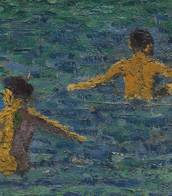
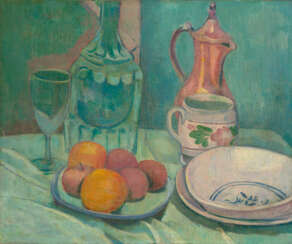

Émile Bernard, a French painter, was a significant figure in the Post-Impressionist movement. He is most famously associated with the development of Cloisonnism, a painting style characterized by bold outlines and flat, vivid color planes, and he played a role in Synthetism, a synthesis of forms and colors in art.
Bernard's artistic journey was influenced by his interactions with notable artists such as Paul Gauguin, Vincent van Gogh, and Louis Anquetin. His works, which often explored themes of symbolism and religious imagery, ranged from traditional paintings to engravings and illustrations. One of his notable works, "Madeleine au Bois d'Amour," is displayed at the Musée d'Orsay in Paris.
Despite his early success and influence, Bernard's artistic trajectory took a turn towards classicism later in life, distancing himself from the avant-garde styles he once embraced. His extensive travel experiences, particularly his time in Egypt, significantly impacted his art, leading to a broader range of stylistic elements in his later works.
To stay updated on the latest events and auctions related to Émile Bernard and his work, sign up for our newsletter. You'll receive timely alerts about new product sales and upcoming auction events related to Émile Bernard's art.
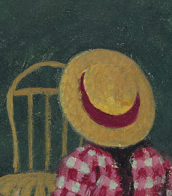
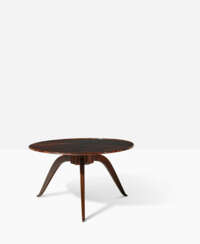

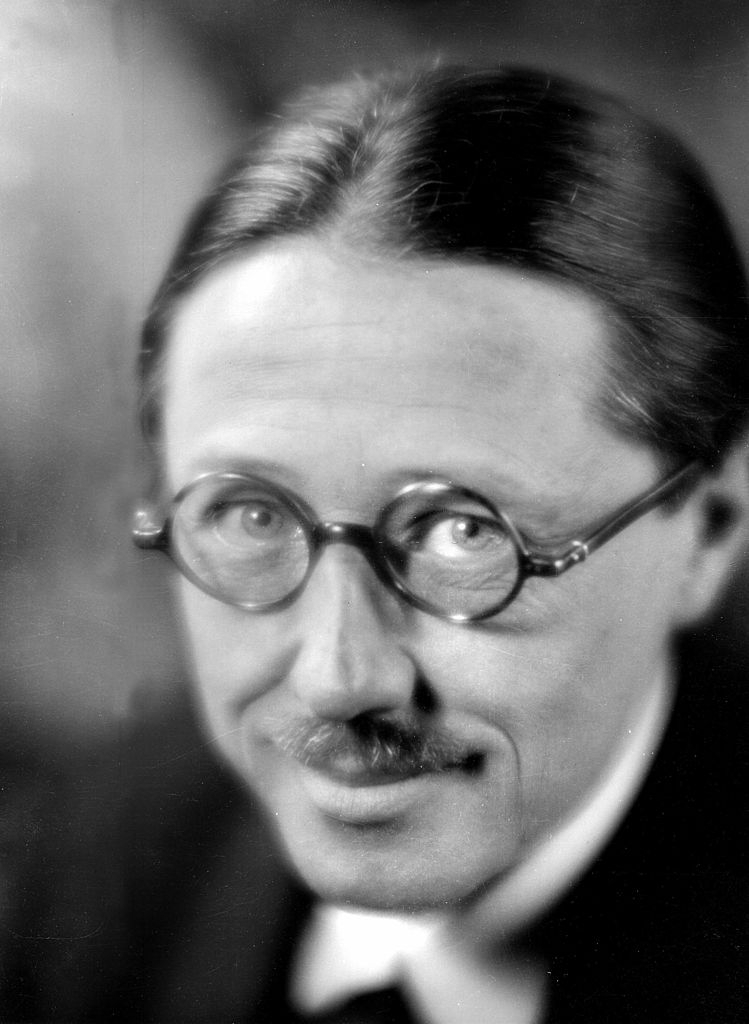
Émile-Jacques Ruhlmann, (sometimes called Jacques-Émile Ruhlmann), was a French furniture designer and interior decorator, who was one of the most important figures in the Art Deco movement. His furniture featured sleek designs, expensive and exotic materials and extremely fine craftsmanship, and became a symbol of the luxury and modernity of Art Deco. It also produced a reaction from other designers and architects, such as Le Corbusier, who called for simpler, functional furniture.


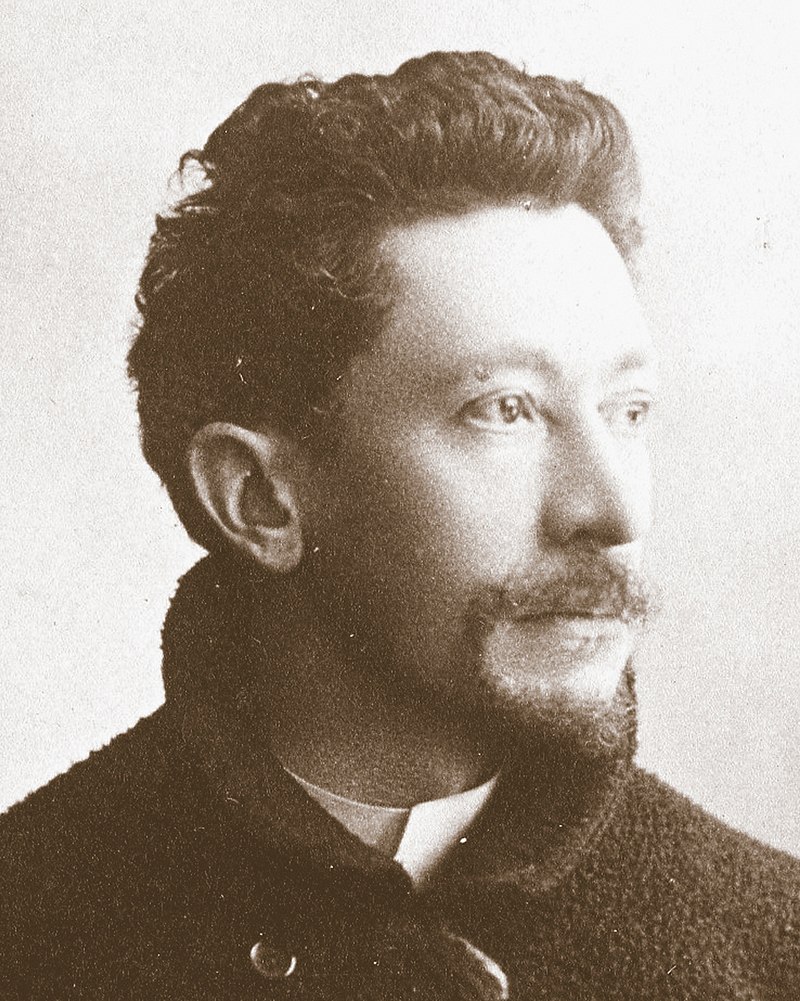
Emile Gallé was a French artist and designer who worked in glass, and is considered to be one of the major innovators in the French Art Nouveau movement. He was noted for his designs of Art Nouveau glass art and Art Nouveau furniture, and was a founder of the École de Nancy or Nancy School, a movement of design in the city of Nancy, France.
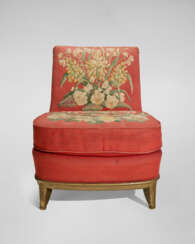

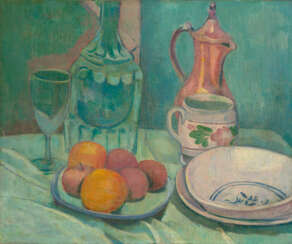

Émile Bernard, a French painter, was a significant figure in the Post-Impressionist movement. He is most famously associated with the development of Cloisonnism, a painting style characterized by bold outlines and flat, vivid color planes, and he played a role in Synthetism, a synthesis of forms and colors in art.
Bernard's artistic journey was influenced by his interactions with notable artists such as Paul Gauguin, Vincent van Gogh, and Louis Anquetin. His works, which often explored themes of symbolism and religious imagery, ranged from traditional paintings to engravings and illustrations. One of his notable works, "Madeleine au Bois d'Amour," is displayed at the Musée d'Orsay in Paris.
Despite his early success and influence, Bernard's artistic trajectory took a turn towards classicism later in life, distancing himself from the avant-garde styles he once embraced. His extensive travel experiences, particularly his time in Egypt, significantly impacted his art, leading to a broader range of stylistic elements in his later works.
To stay updated on the latest events and auctions related to Émile Bernard and his work, sign up for our newsletter. You'll receive timely alerts about new product sales and upcoming auction events related to Émile Bernard's art.
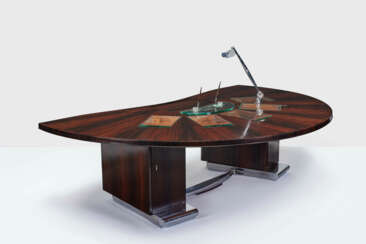

Émile-Jacques Ruhlmann, (sometimes called Jacques-Émile Ruhlmann), was a French furniture designer and interior decorator, who was one of the most important figures in the Art Deco movement. His furniture featured sleek designs, expensive and exotic materials and extremely fine craftsmanship, and became a symbol of the luxury and modernity of Art Deco. It also produced a reaction from other designers and architects, such as Le Corbusier, who called for simpler, functional furniture.
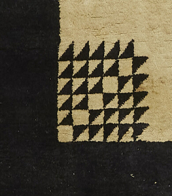
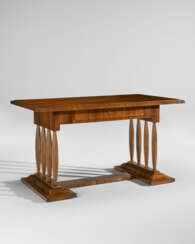

Émile-Jacques Ruhlmann, (sometimes called Jacques-Émile Ruhlmann), was a French furniture designer and interior decorator, who was one of the most important figures in the Art Deco movement. His furniture featured sleek designs, expensive and exotic materials and extremely fine craftsmanship, and became a symbol of the luxury and modernity of Art Deco. It also produced a reaction from other designers and architects, such as Le Corbusier, who called for simpler, functional furniture.

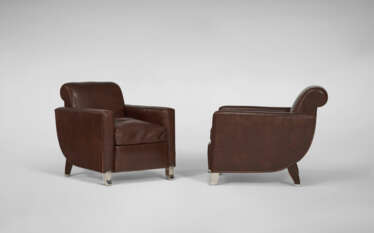

Émile-Jacques Ruhlmann, (sometimes called Jacques-Émile Ruhlmann), was a French furniture designer and interior decorator, who was one of the most important figures in the Art Deco movement. His furniture featured sleek designs, expensive and exotic materials and extremely fine craftsmanship, and became a symbol of the luxury and modernity of Art Deco. It also produced a reaction from other designers and architects, such as Le Corbusier, who called for simpler, functional furniture.
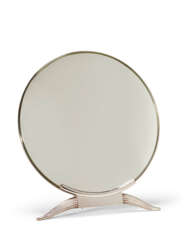

Émile-Jacques Ruhlmann, (sometimes called Jacques-Émile Ruhlmann), was a French furniture designer and interior decorator, who was one of the most important figures in the Art Deco movement. His furniture featured sleek designs, expensive and exotic materials and extremely fine craftsmanship, and became a symbol of the luxury and modernity of Art Deco. It also produced a reaction from other designers and architects, such as Le Corbusier, who called for simpler, functional furniture.
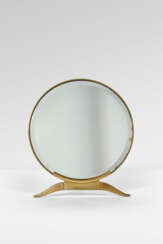

Émile-Jacques Ruhlmann, (sometimes called Jacques-Émile Ruhlmann), was a French furniture designer and interior decorator, who was one of the most important figures in the Art Deco movement. His furniture featured sleek designs, expensive and exotic materials and extremely fine craftsmanship, and became a symbol of the luxury and modernity of Art Deco. It also produced a reaction from other designers and architects, such as Le Corbusier, who called for simpler, functional furniture.


Émile-Jacques Ruhlmann, (sometimes called Jacques-Émile Ruhlmann), was a French furniture designer and interior decorator, who was one of the most important figures in the Art Deco movement. His furniture featured sleek designs, expensive and exotic materials and extremely fine craftsmanship, and became a symbol of the luxury and modernity of Art Deco. It also produced a reaction from other designers and architects, such as Le Corbusier, who called for simpler, functional furniture.
.jpg)
Jean Elysée Puiforcat was a French silversmith, sculptor and designer. Miller's Antiques Encyclopedia calls Puiforcat the «most important French Art Deco silversmith».
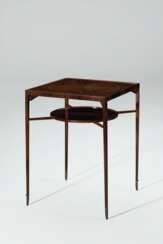

Émile-Jacques Ruhlmann, (sometimes called Jacques-Émile Ruhlmann), was a French furniture designer and interior decorator, who was one of the most important figures in the Art Deco movement. His furniture featured sleek designs, expensive and exotic materials and extremely fine craftsmanship, and became a symbol of the luxury and modernity of Art Deco. It also produced a reaction from other designers and architects, such as Le Corbusier, who called for simpler, functional furniture.
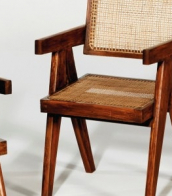
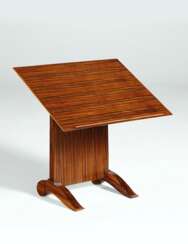

Émile-Jacques Ruhlmann, (sometimes called Jacques-Émile Ruhlmann), was a French furniture designer and interior decorator, who was one of the most important figures in the Art Deco movement. His furniture featured sleek designs, expensive and exotic materials and extremely fine craftsmanship, and became a symbol of the luxury and modernity of Art Deco. It also produced a reaction from other designers and architects, such as Le Corbusier, who called for simpler, functional furniture.


Émile-Jacques Ruhlmann, (sometimes called Jacques-Émile Ruhlmann), was a French furniture designer and interior decorator, who was one of the most important figures in the Art Deco movement. His furniture featured sleek designs, expensive and exotic materials and extremely fine craftsmanship, and became a symbol of the luxury and modernity of Art Deco. It also produced a reaction from other designers and architects, such as Le Corbusier, who called for simpler, functional furniture.
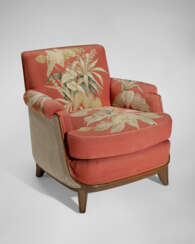

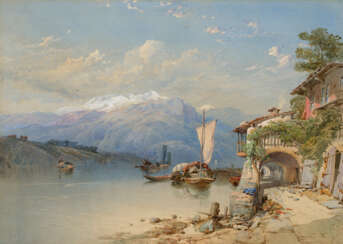

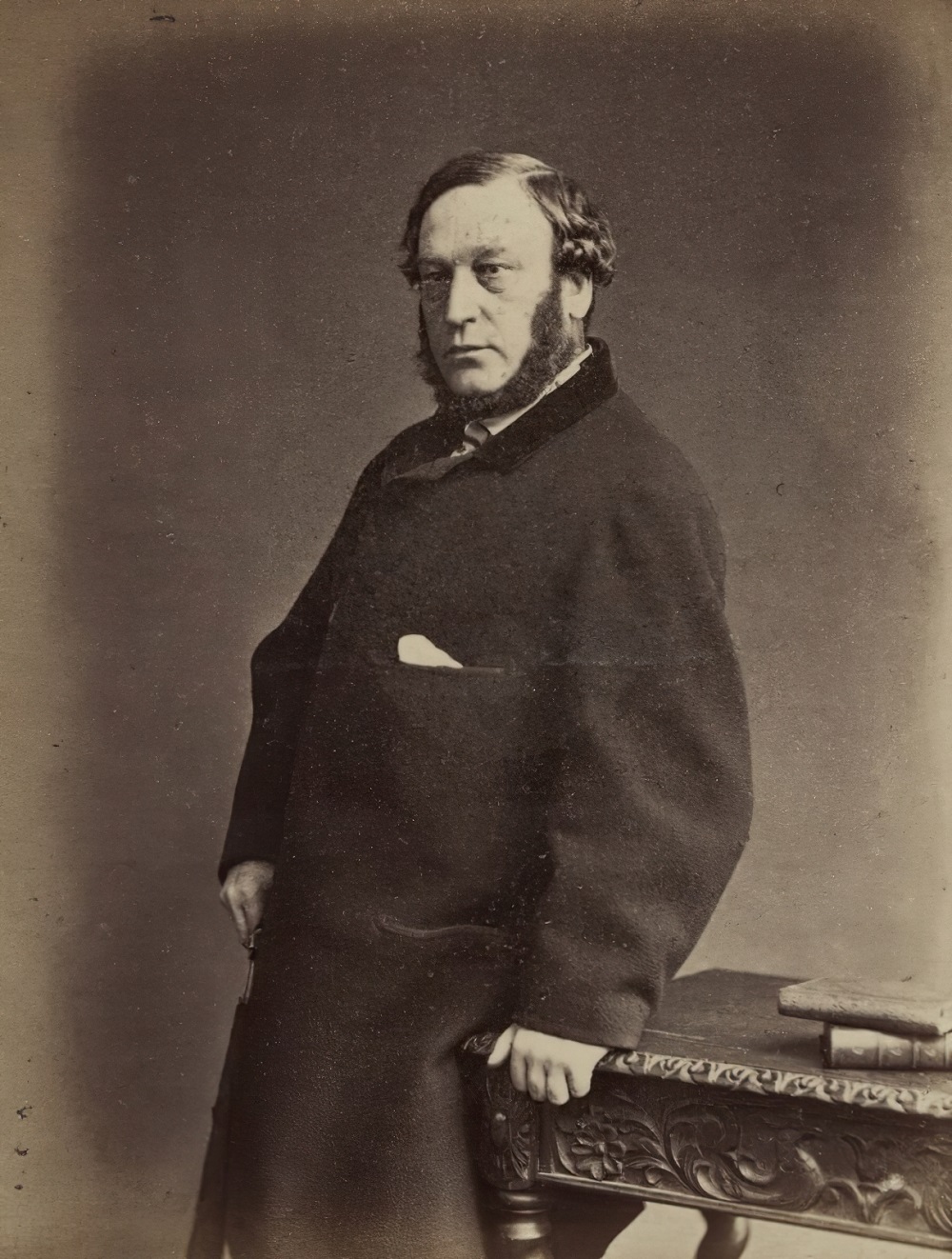
Thomas Miles Richardson II was an English landscape painter and watercolourist.


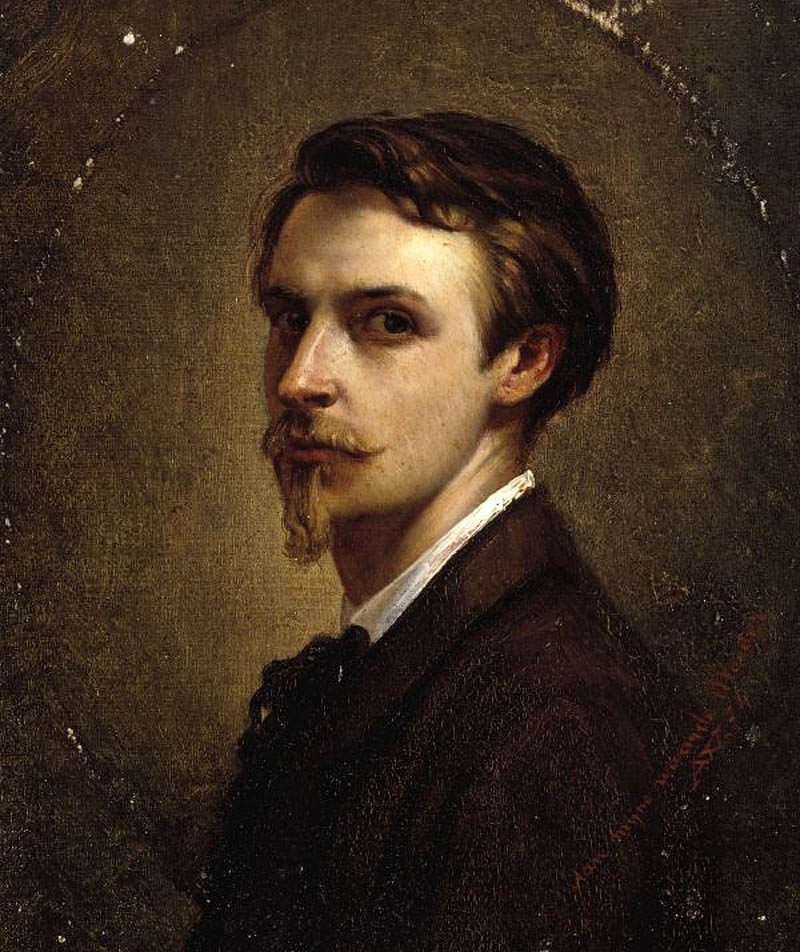
Emile Claus was a Belgian painter.
Under the influence of Claude Monet, he developed a style that has been characterized as luminism. In 1904, he started the artist group Vie et Lumière ('Life and Light').













![[CURIOSA] MARDRUS, Joseph-Charles, trad. (1868-1949) et Charles-Émile Egli, dit CARLÈGLE (1877-1937)](/assets/image/picture_1431552/4380d/f1c67eb9bf4e65a22f32336a5fd85c3c1620043200jpg__fix_374_244.jpeg)
![[CURIOSA] MARDRUS, Joseph-Charles, trad. (1868-1949) et Charles-Émile Egli, dit CARLÈGLE (1877-1937)](https://veryimportantlot.com/assets/image/picture_1431552/4380d/f1c67eb9bf4e65a22f32336a5fd85c3c1620043200jpg__fix_374_244.jpeg)