

849


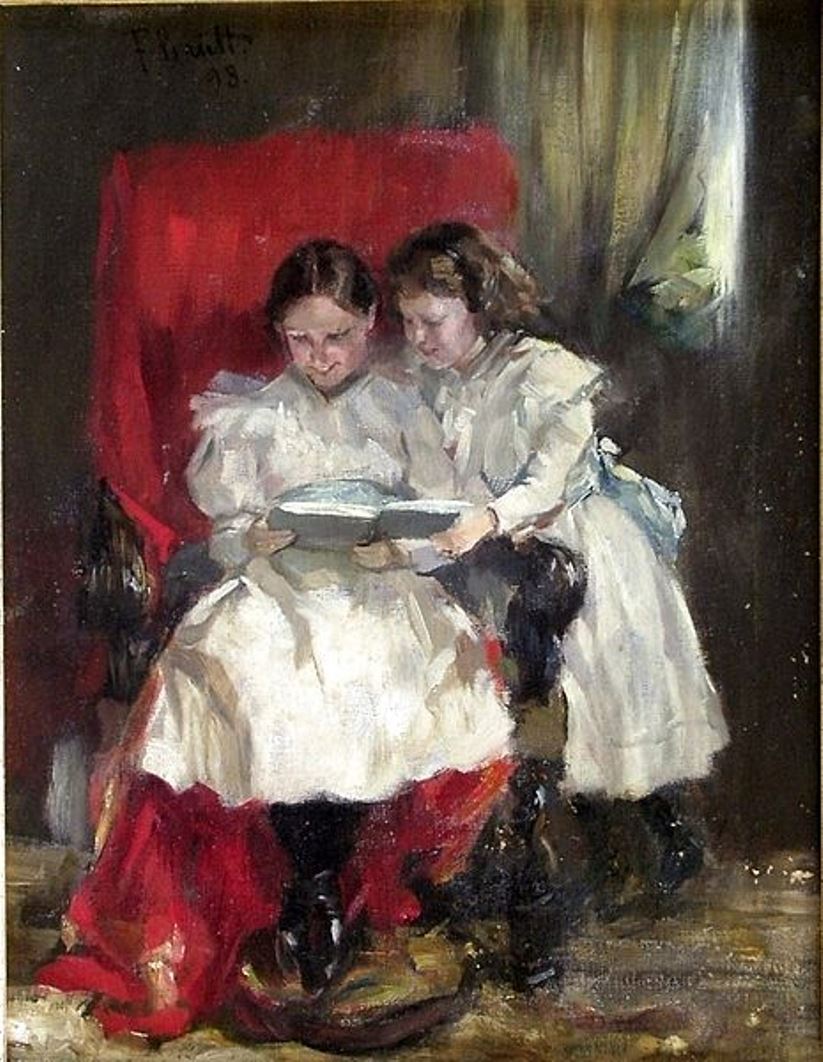
Ferdinand Brütt, full name Ferdinand Martin Cordt Brütt, was a German Impressionist painter.
Brütt began his studies at the Hamburg School of Applied Arts, then continued at the Art School of the Grand Duke of Saxony in Weimar before embarking on an extended study trip to Italy. For many years he lived in the Kronberg artists' colony in Kronberg im Taunus.
Brütt painted more often scenes from public places, particularly court sessions, domestic genre subjects and landscapes. From 1906 to 1913 he created several large wall and ceiling murals for the city of Frankfurt. In 1905 he was commissioned to design a large public hall in the town hall of Frankfurt am Main.
Ferdinand Brütt also taught at the Academy of Arts Düsseldorf, was a member of the Association of German Artists and was a member of the Association of Artists of Malkasten.


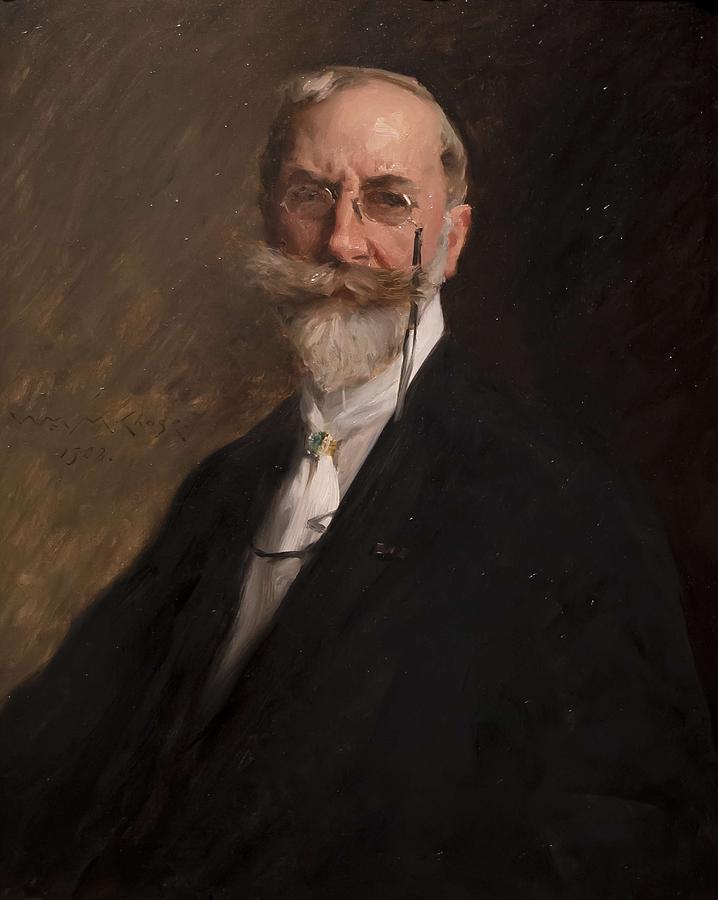
William Merritt Chase was an American painter, celebrated for his role in establishing Impressionism in America and his profound influence as an art educator. Born on November 1, 1849, in Indiana, Chase became a pivotal figure in American art, blending Impressionist and Realist styles with a distinctive flair that captured both cityscapes and intimate studio settings. His mastery of oil, pastel, and watercolor allowed him to create works renowned for their vibrancy and expressiveness.
Chase's career was notably marked by his transformation of studio environments into aesthetic showplaces, making them centers of social gatherings that enhanced his stature in the art community. His tenure at the Shinnecock Hills Summer School and his travels in Europe, especially his interactions with European artists, were crucial in shaping his artistic direction. Notably, his exposure to French Impressionism through exhibitions in New York profoundly influenced his style, integrating lighter palettes and freer brushwork which became evident in his landscapes and portraits.
Chase's works are celebrated for their innovative use of color and composition, qualities that made him a leading figure in American Impressionism. His notable works include scenes of everyday leisure, portraits, and vibrant landscapes, capturing the essence of his era with elegance and sophistication.
If you are intrigued by the artistic journey and impact of William Merritt Chase, consider signing up for updates. This subscription will keep you informed about new sales, upcoming auctions, and events related to his works. Stay connected with the vibrant world of William Merritt Chase and enhance your collection with knowledge and opportunities. Sign up today!
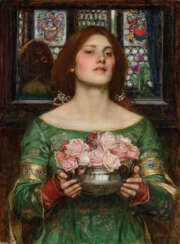

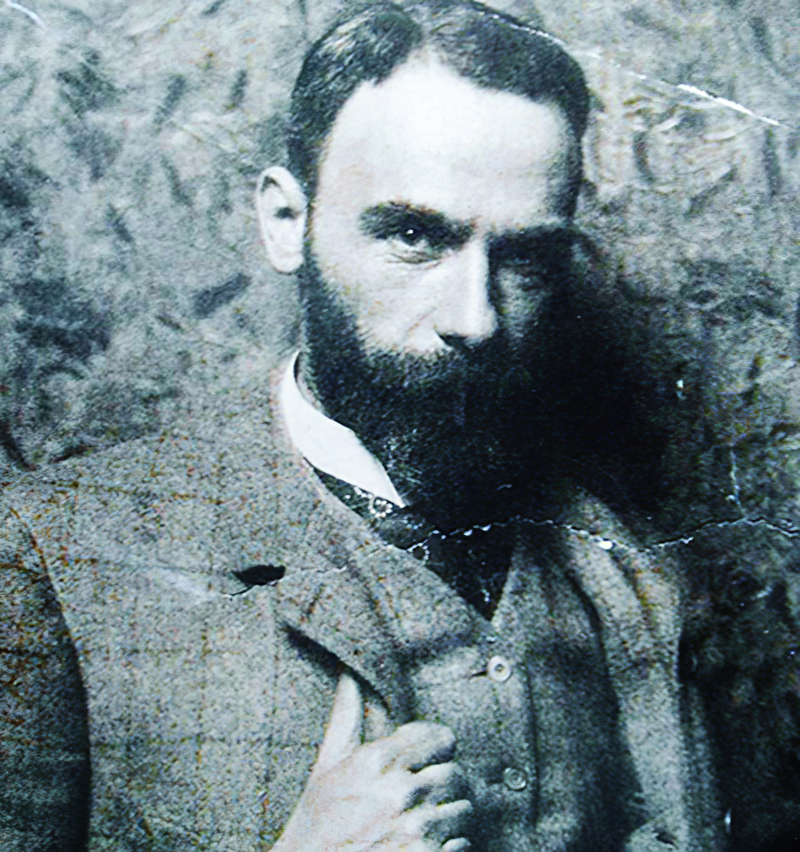
John William Waterhouse was an English painter known for working first in the Academic style and for then embracing the Pre-Raphaelite Brotherhood's style and subject matter. His artworks were known for their depictions of women from both ancient Greek mythology and Arthurian legend.
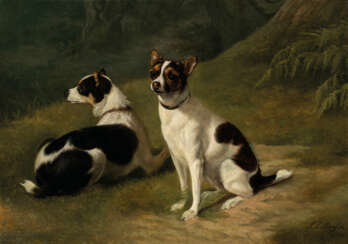

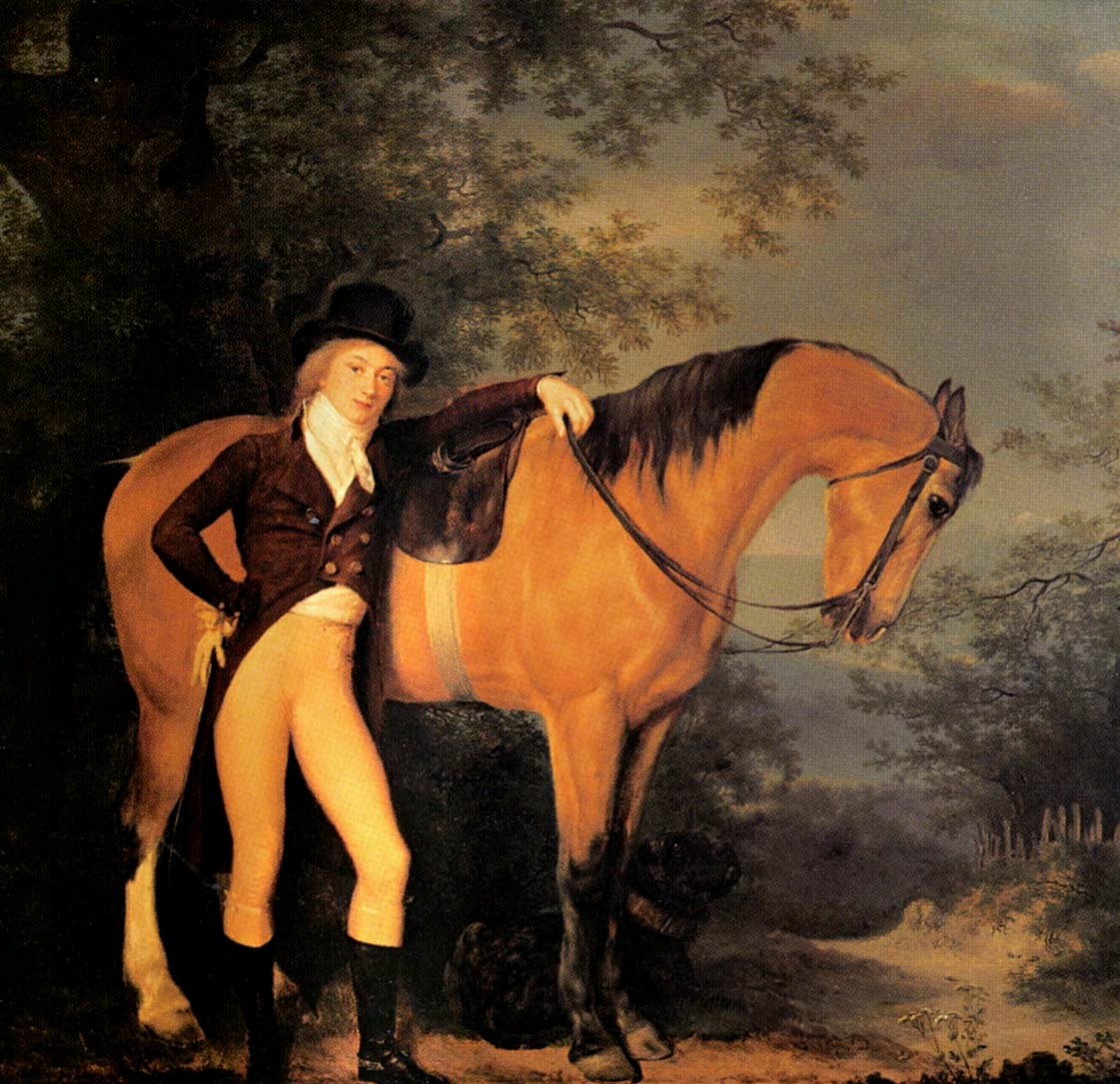
Jacques-Laurent Agasse is a Swiss animal painter.
As a young man he studied at the veterinary school in Paris and was well versed in equine anatomy. In 1880 he moved to London and began painting dogs and racehorses, as well as exotic animals such as giraffes and zebras, which he observed in London zoos. Later, Agasse began to paint landscapes, portraits, and genre scenes as well.


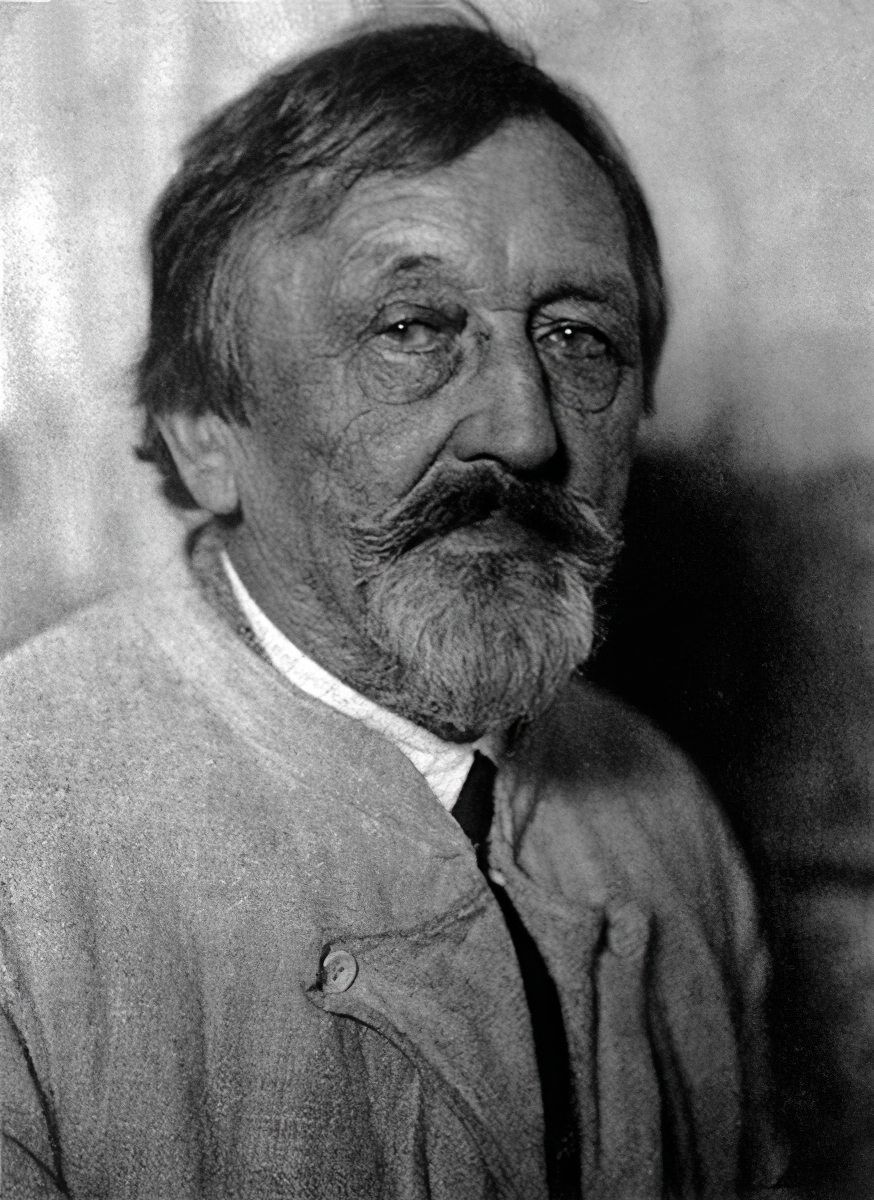
Christian Rohlfs was a German painter and printmaker, one of the important representatives of German expressionism.
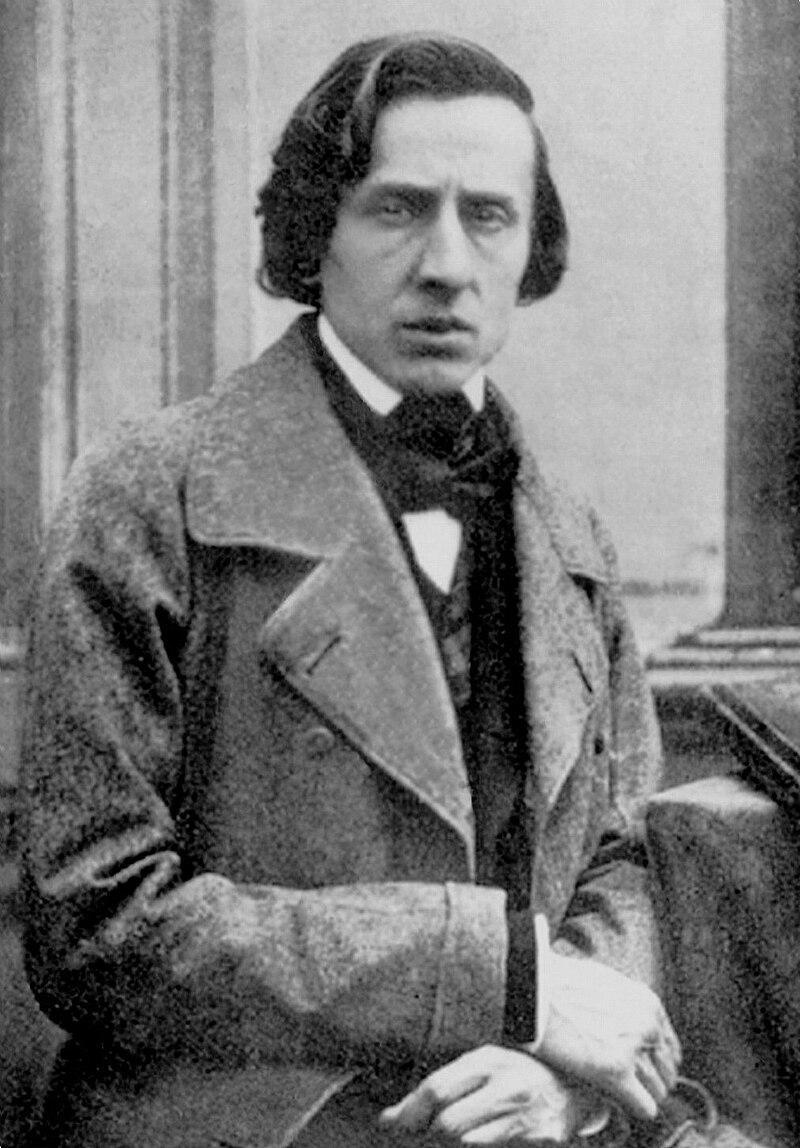
![CHOPIN, Frédéric (1810-1849) [et George SAND (1804-1876)]](/assets/image/picture_4259662/2e92e/pryubdxec22rash3hutkisg-t9nzulzo6llj3oynfeqys0fes5dqhrzflj8omqn1729410665jpg__fix_374_244.jpeg)
![CHOPIN, Frédéric (1810-1849) [et George SAND (1804-1876)]](https://veryimportantlot.com/assets/image/picture_4259662/2e92e/pryubdxec22rash3hutkisg-t9nzulzo6llj3oynfeqys0fes5dqhrzflj8omqn1729410665jpg__fix_374_244.jpeg)
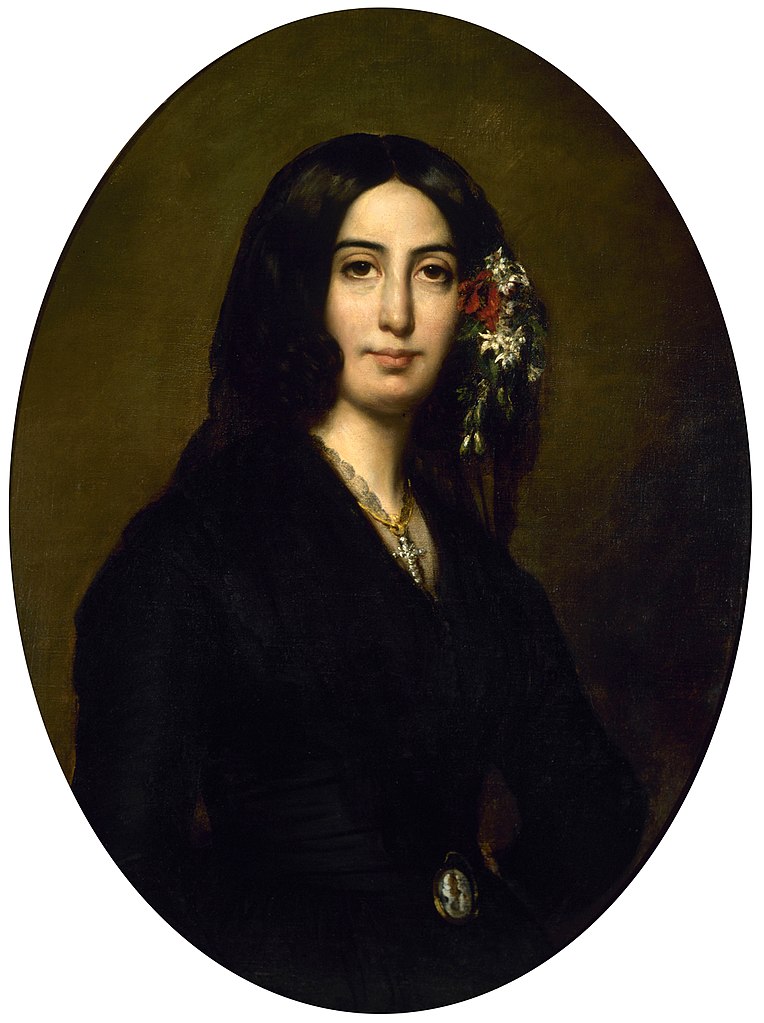
George Sand, born Amantine Aurore Lucile Dupin, was a French novelist, memoirist, and journalist, acclaimed as one of the most distinguished writers of the European Romantic era. Renowned more than Victor Hugo or Honoré de Balzac in her time, George Sand authored over 70 novels along with a wealth of other works, including plays and political texts. Her contributions were not limited to literature; she was a fervent advocate for women's rights, critiquing the institution of marriage and societal prejudices with a passion mirrored by her great-grandmother, Louise Dupin.
George Sand's upbringing in the village of Nohant under the care of her grandmother shaped her profound connection to the countryside, a theme recurrent in her rustic novels such as "La Mare au diable" and "La Petite Fadette." These works, celebrated for drawing inspiration from her love for the rural landscapes and empathy for the underprivileged, underscore her literary prowess and innovative exploration of pastoral themes.
Her life was marked by controversies, including her choice to wear male attire for practicality and statement, challenging societal norms. This defiance extended into her personal life, where she maintained numerous high-profile relationships, including a notable liaison with the composer Frédéric Chopin. Despite facing criticism for her unconventional lifestyle and progressive views, George Sand's work and personality captivated many of her contemporaries, earning her friendships with luminaries such as Franz Liszt and Gustave Flaubert.
In her later years, George Sand's home in Nohant became a haven for writers and artists, reflecting a mellowed phase of her life filled with writing, hosting friends, and engaging in botany. This period highlighted her enduring dedication to literature and her ability to foster intellectual and creative exchanges among the leading figures of her day.
For collectors and experts in art and antiques interested in the legacy of George Sand, staying informed about upcoming sales and auction events related to her works is essential. Signing up for updates ensures you won't miss the opportunity to own a piece of literary history that celebrates George Sand's remarkable contribution to literature and society.

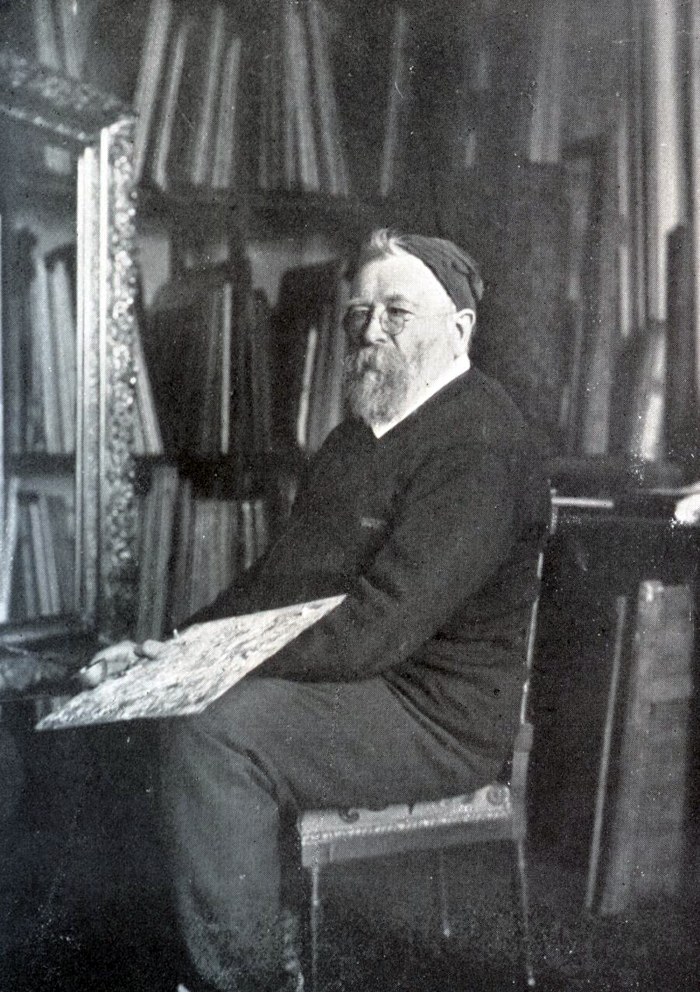
Charles Albert Lebourg was a French painter known for his landscapes and seascapes.
Lebourg began his career as a painter in his early twenties, studying at the École des Beaux-Arts in Paris. He was heavily influenced by the Barbizon School, a group of painters who focused on realistic depictions of nature.
Lebourg's paintings often depicted the beauty of the French countryside, including rolling hills, verdant forests, and meandering rivers. He was also known for his seascapes, which captured the movement of the waves and the changing colors of the ocean.
Lebourg exhibited his work at the Salon des Artistes Français in Paris and won several awards for his paintings. He was also a member of the Société Nationale des Beaux-Arts and the Académie des Beaux-Arts.
Lebourg continued to paint throughout his life, and his work is held in many major collections, including the Musée d'Orsay in Paris and the Metropolitan Museum of Art in New York.
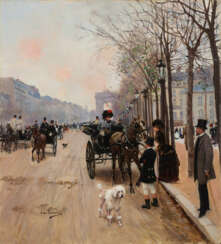

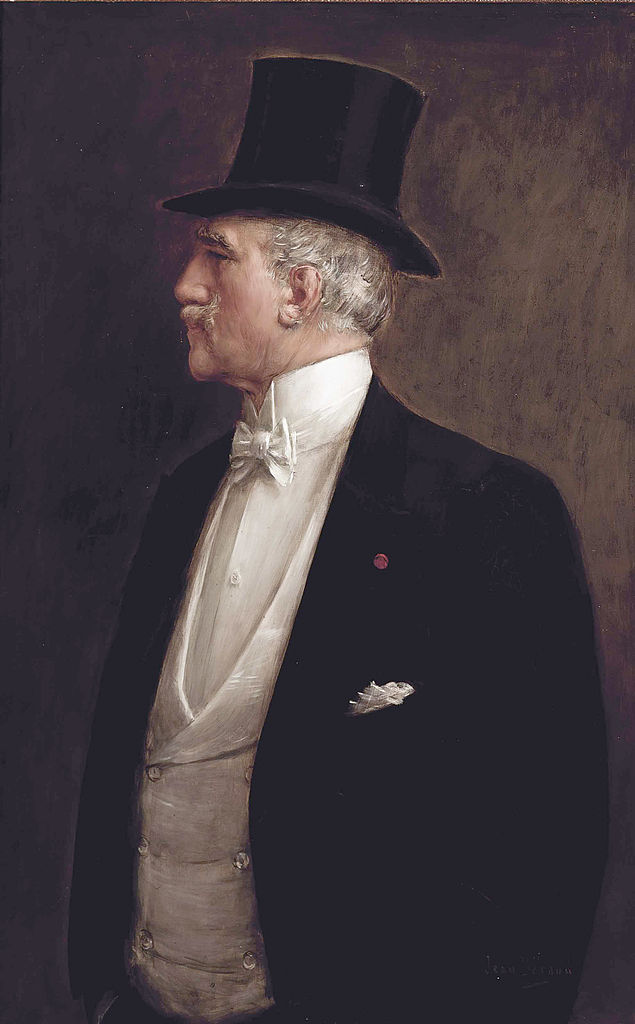
Jean Béraud was a French painter renowned for his numerous paintings depicting the life of Paris, and the nightlife of Paris society. Pictures of the Champs Elysees, cafés, Montmartre and the banks of the Seine are precisely detailed illustrations of everyday Parisian life during the "Belle Époque". He also painted religious subjects in a contemporary setting.
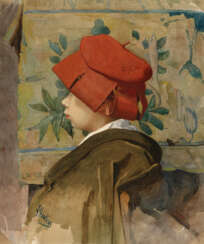

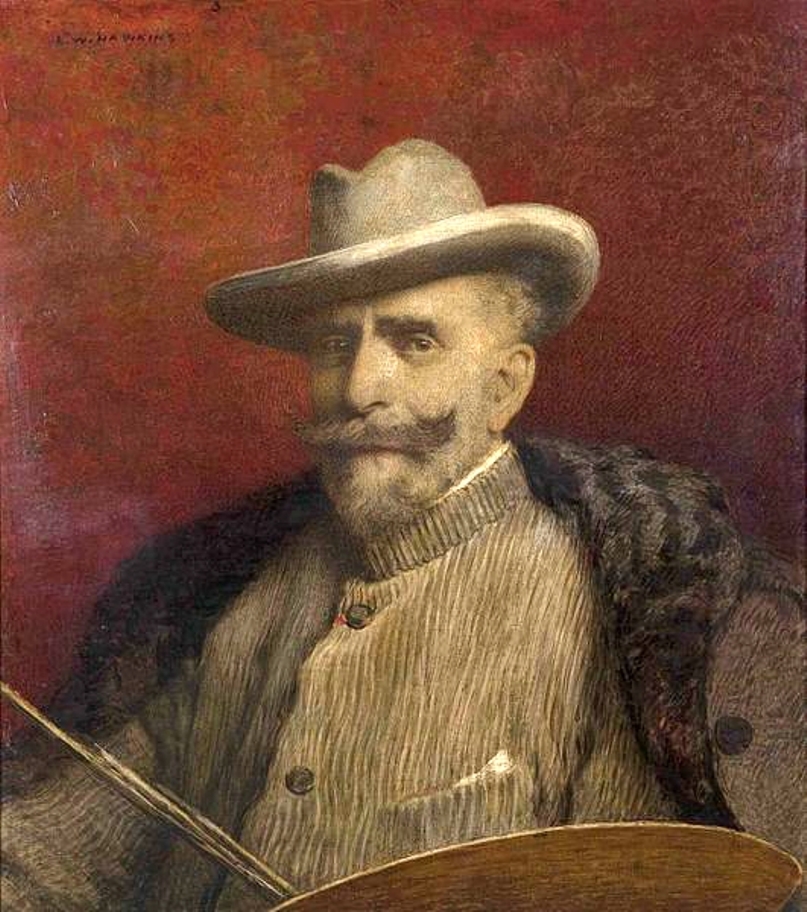
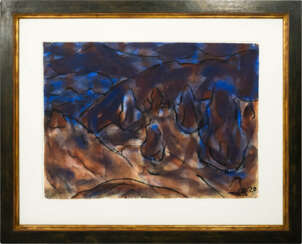

Christian Rohlfs was a German painter and printmaker, one of the important representatives of German expressionism.

_portrait.png)
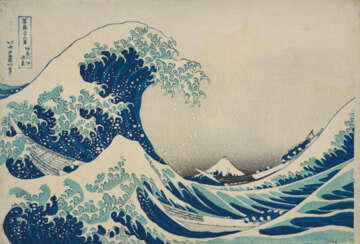
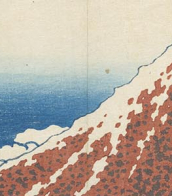
Katsushika Hokusai (Jap. 葛飾 北斎) was a well-known Japanese ukiyo-e artist, illustrator, etcher of the Edo period. He worked under many pseudonyms. He is one of the most famous Japanese engravers in the West, master of the concluding period of Japanese woodblock prints.
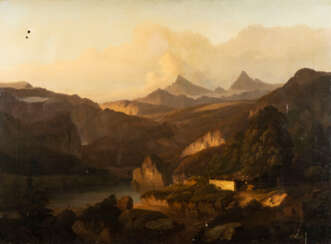

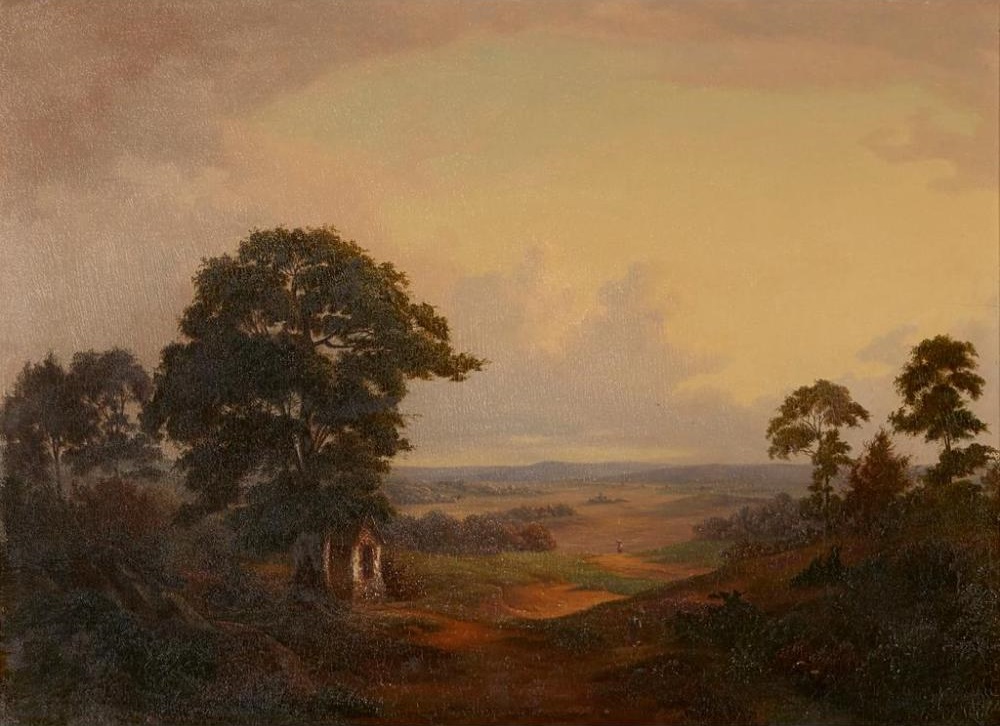
Wilhelm Themer was a German landscape painter of the Düsseldorf School.


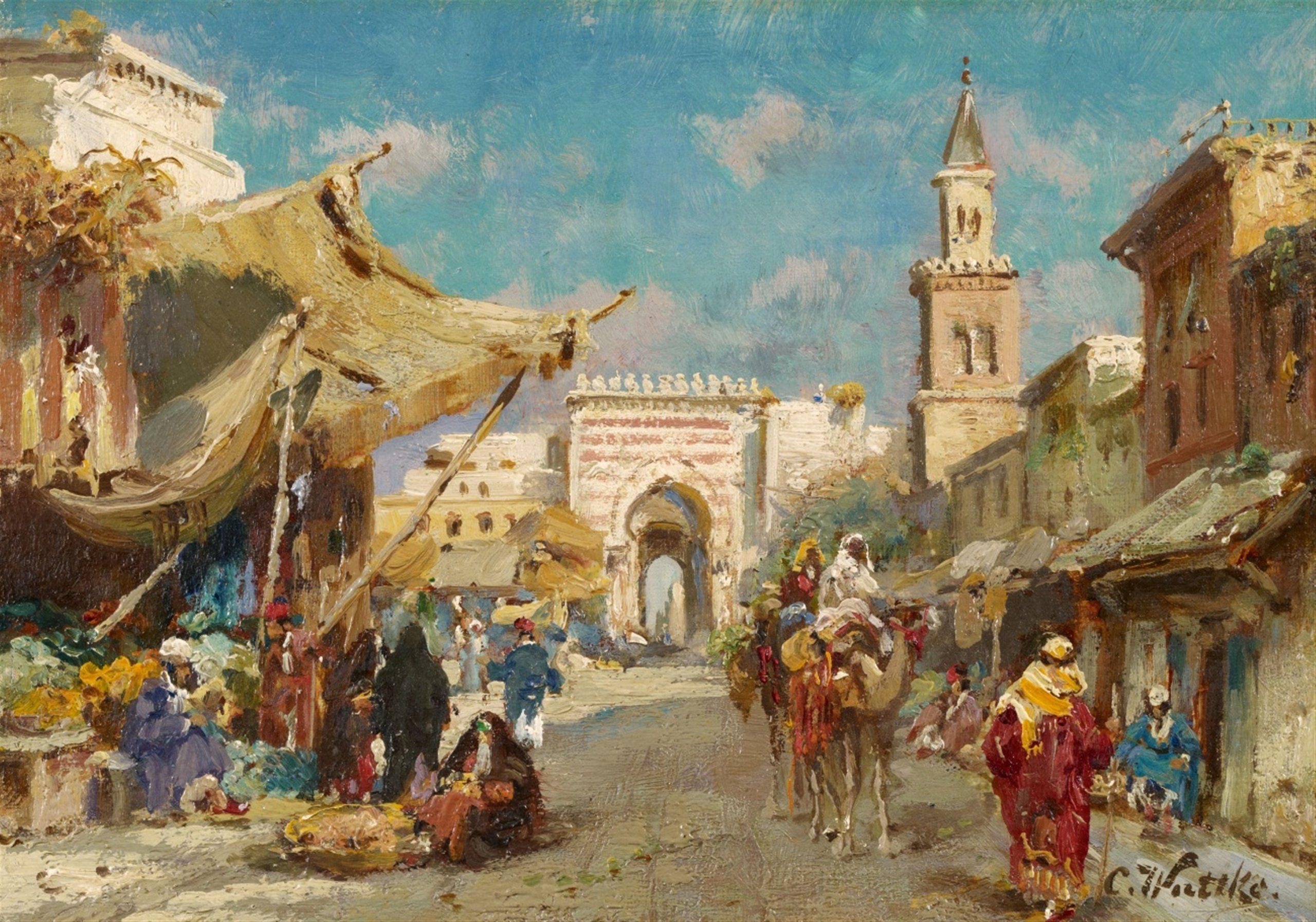
Carl Wuttke was a German painter of the last quarter of the nineteenth and first quarter of the twentieth centuries. He is known as a landscape and architectural painter.
Carl Wuttke traveled extensively, visiting Italy, Spain, Norway, Africa, the United States, China and Japan. He created many paintings, including paintings for German Emperor Wilhelm II. Wuttke, although he specialized in landscape, also painted genre scenes. His vivid colors and style make him one of the forerunners of Impressionism


Jean Béraud was a French painter renowned for his numerous paintings depicting the life of Paris, and the nightlife of Paris society. Pictures of the Champs Elysees, cafés, Montmartre and the banks of the Seine are precisely detailed illustrations of everyday Parisian life during the "Belle Époque". He also painted religious subjects in a contemporary setting.
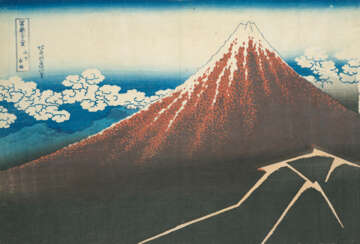

Katsushika Hokusai (Jap. 葛飾 北斎) was a well-known Japanese ukiyo-e artist, illustrator, etcher of the Edo period. He worked under many pseudonyms. He is one of the most famous Japanese engravers in the West, master of the concluding period of Japanese woodblock prints.


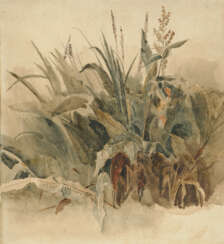

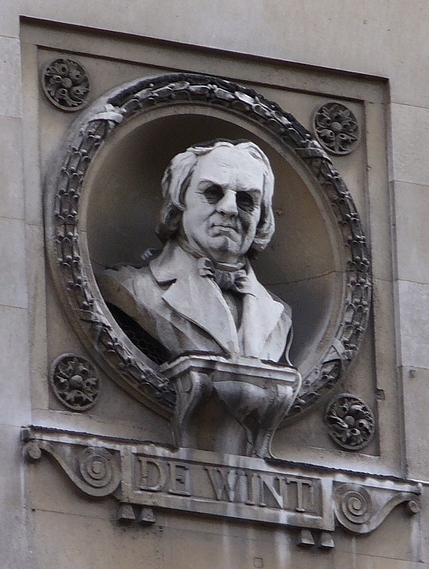
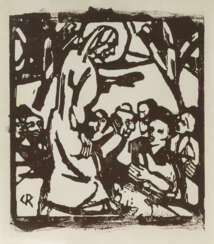

Christian Rohlfs was a German painter and printmaker, one of the important representatives of German expressionism.
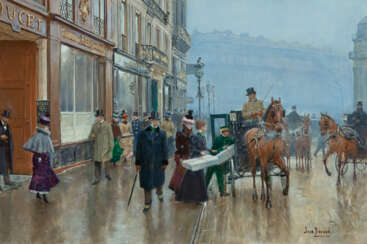

Jean Béraud was a French painter renowned for his numerous paintings depicting the life of Paris, and the nightlife of Paris society. Pictures of the Champs Elysees, cafés, Montmartre and the banks of the Seine are precisely detailed illustrations of everyday Parisian life during the "Belle Époque". He also painted religious subjects in a contemporary setting.


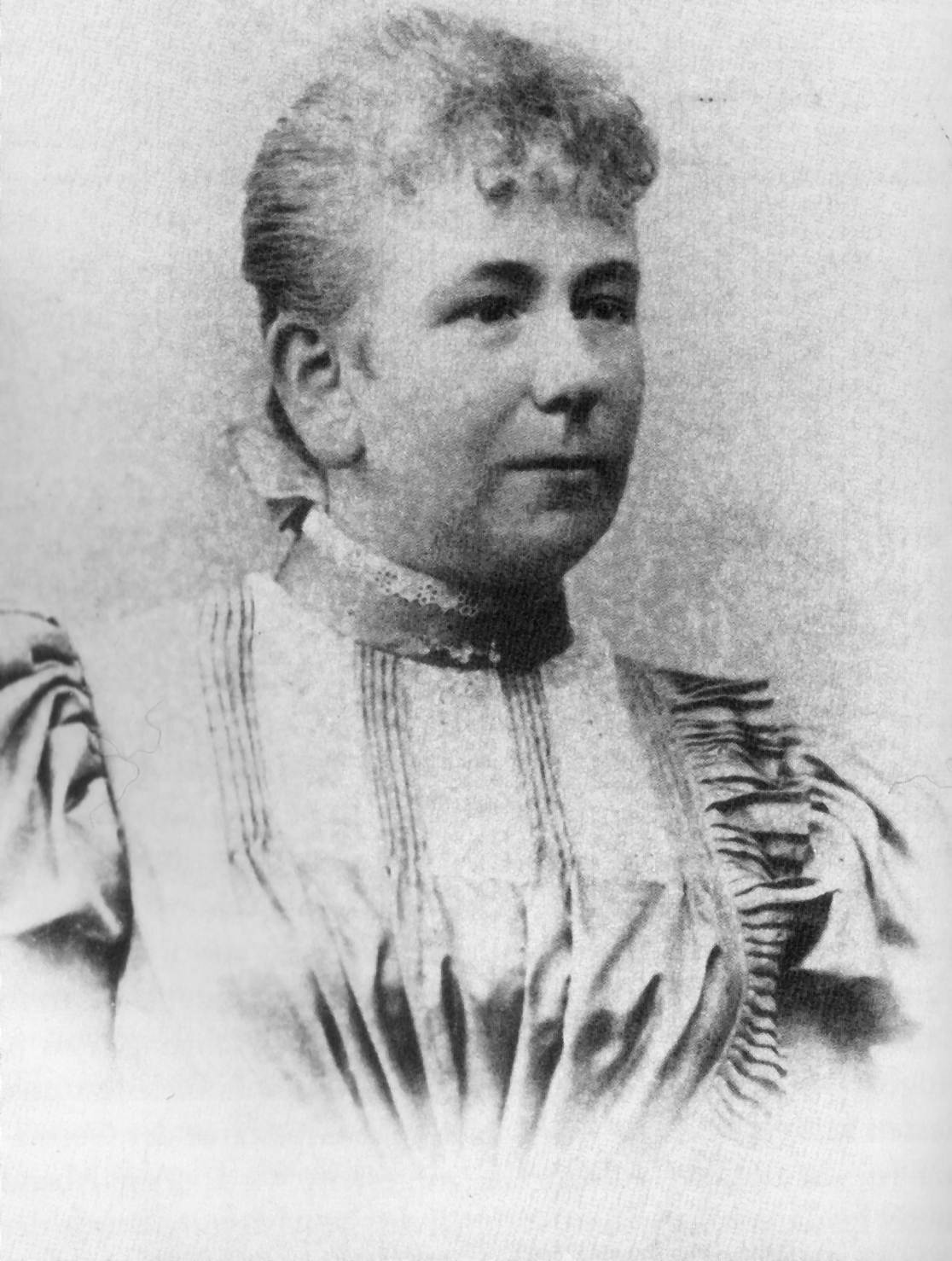
Emilie Preyer was a German painter of the last third of the nineteenth and first third of the twentieth centuries. She is known as a painter and a master of still life.
Emilie Preyer studied painting under her father Johann Wilhelm Preyer and worked in the same meticulous technique. She created still lifes with fruit and flowers. Over 250 of her paintings are in the Metropolitan Museum of Art in New York and the Philadelphia Museum of Art, as well as in private collections in the United Kingdom and the United States.




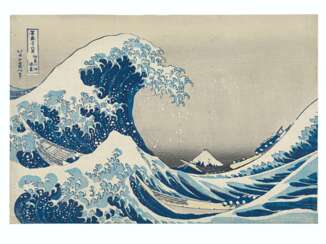

Katsushika Hokusai (Jap. 葛飾 北斎) was a well-known Japanese ukiyo-e artist, illustrator, etcher of the Edo period. He worked under many pseudonyms. He is one of the most famous Japanese engravers in the West, master of the concluding period of Japanese woodblock prints.
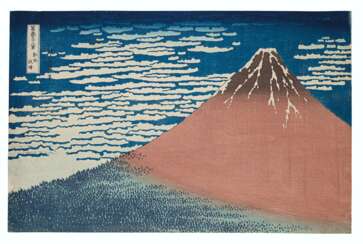

Katsushika Hokusai (Jap. 葛飾 北斎) was a well-known Japanese ukiyo-e artist, illustrator, etcher of the Edo period. He worked under many pseudonyms. He is one of the most famous Japanese engravers in the West, master of the concluding period of Japanese woodblock prints.

Katsushika Hokusai (Jap. 葛飾 北斎) was a well-known Japanese ukiyo-e artist, illustrator, etcher of the Edo period. He worked under many pseudonyms. He is one of the most famous Japanese engravers in the West, master of the concluding period of Japanese woodblock prints.
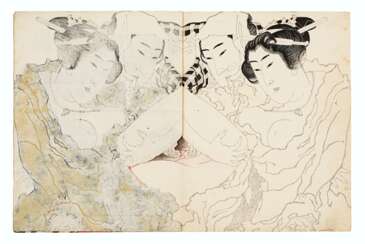

Katsushika Hokusai (Jap. 葛飾 北斎) was a well-known Japanese ukiyo-e artist, illustrator, etcher of the Edo period. He worked under many pseudonyms. He is one of the most famous Japanese engravers in the West, master of the concluding period of Japanese woodblock prints.
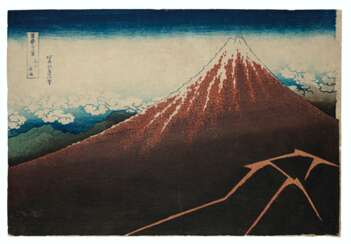

Katsushika Hokusai (Jap. 葛飾 北斎) was a well-known Japanese ukiyo-e artist, illustrator, etcher of the Edo period. He worked under many pseudonyms. He is one of the most famous Japanese engravers in the West, master of the concluding period of Japanese woodblock prints.
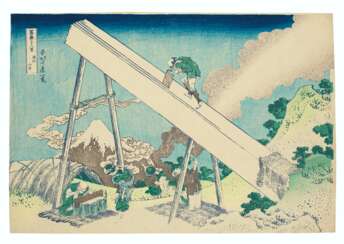

Katsushika Hokusai (Jap. 葛飾 北斎) was a well-known Japanese ukiyo-e artist, illustrator, etcher of the Edo period. He worked under many pseudonyms. He is one of the most famous Japanese engravers in the West, master of the concluding period of Japanese woodblock prints.
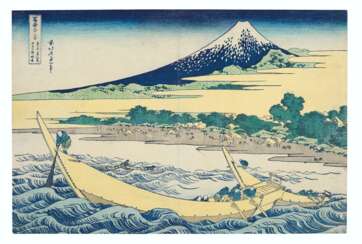

Katsushika Hokusai (Jap. 葛飾 北斎) was a well-known Japanese ukiyo-e artist, illustrator, etcher of the Edo period. He worked under many pseudonyms. He is one of the most famous Japanese engravers in the West, master of the concluding period of Japanese woodblock prints.