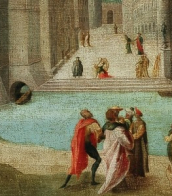
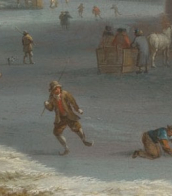
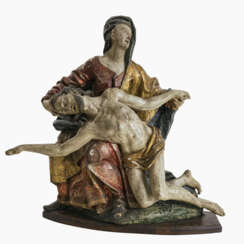
a. pieta





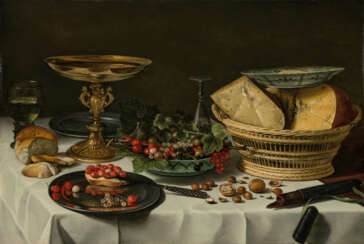

Pieter Claesz was a Dutch Golden Age painter of still lifes.
He and Willem Claeszoon Heda, who also worked in Haarlem, were the most important exponents of the "ontbijt" or dinner piece. They painted with subdued, virtually monochromatic palettes, the subtle handling of light and texture being the prime means of expression. Claesz generally chose objects of a more hospitable kind than Heda, although his later work became more colourful and decorative. Claesz's still lifes often suggest allegorical purpose, with skulls serving as reminders of human mortality. The two men founded a distinguished tradition of still life painting in Haarlem. Pieter Claesz was influenced by the artist movement 'Vanitas'.


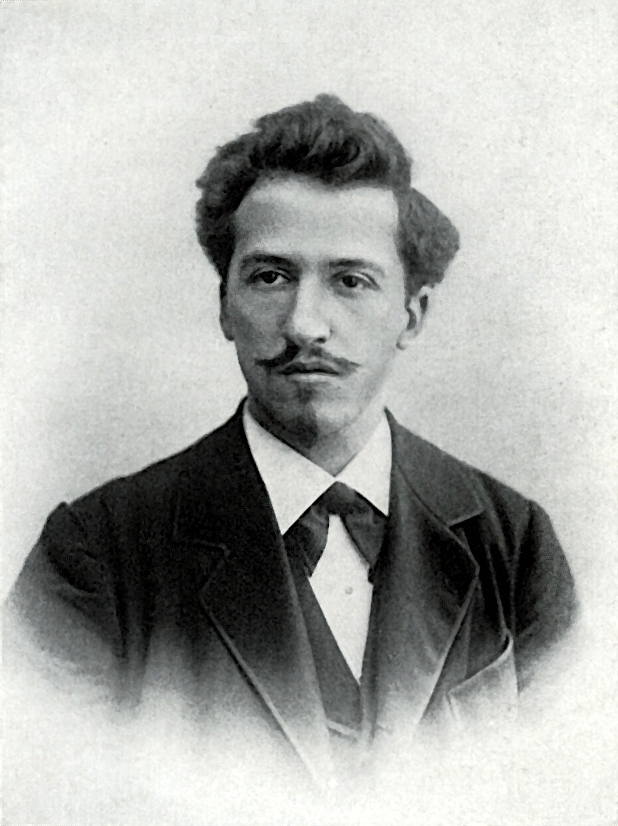
Pieter Cornelis Mondriaan, later known as Piet Mondrian, was a Dutch painter and art theoretician, whose transformation from figurative art to an abstract modernist style revolutionized the visual arts landscape of the 20th century. Born on March 7, 1872, in Amersfoort, Netherlands, and passing away on February 1, 1944, in New York, Mondrian's journey in art began in a devoutly Calvinist home where both art and music were encouraged. His early works were influenced by his surroundings, featuring landscapes in an Impressionist manner, but it was his shift to Paris in 1911 that marked the beginning of his profound evolution towards abstraction.
Mondrian co-founded the De Stijl art movement, aiming to achieve a universal aesthetic through the simplification of visual elements to their essentials: straight lines, right angles, primary colors, and the use of black, white, and gray. This reductionist approach, termed Neoplasticism, was Mondrian's contribution to creating 'universal beauty'. His philosophy extended beyond the canvas, influencing architecture, design, and fashion, encapsulating the modernist ideal and becoming synonymous with Modernism itself.
Some of Mondrian's notable works, such as "Composition with Red, Blue, and Yellow" and "Broadway Boogie Woogie", exemplify his revolutionary style, characterized by an economy of color and a rigorously abstract geometry that aimed to express the dynamic equilibrium of universal forces. These masterpieces, along with his theoretical writings, left a lasting impact on the course of abstract painting and several major art movements including Color Field painting, Abstract Expressionism, and Minimalism.
Mondrian's art is celebrated in museums and galleries worldwide, notably at the Gemeentemuseum Den Haag and the Museum of Modern Art in New York, where his evolution from figuration to geometric abstraction continues to inspire and captivate audiences. His commitment to exploring the spiritual in art through a radical simplification of form and color has cemented his legacy as one of the pioneers of 20th-century abstract art.
For collectors and experts in art and antiques, Mondrian's works represent not just significant artistic achievements but also pivotal moments in the history of modern art. His influence extends far beyond his own creations, shaping the development of modern aesthetics in numerous fields. If you're intrigued by Mondrian's vision of harmony and order through abstraction, we invite you to sign up for updates. This subscription will keep you informed about new product sales and auction events related to Mondrian's work, ensuring you stay connected to the ever-evolving world of art and design inspired by this iconic figure.

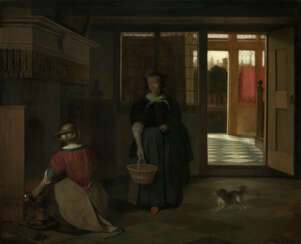

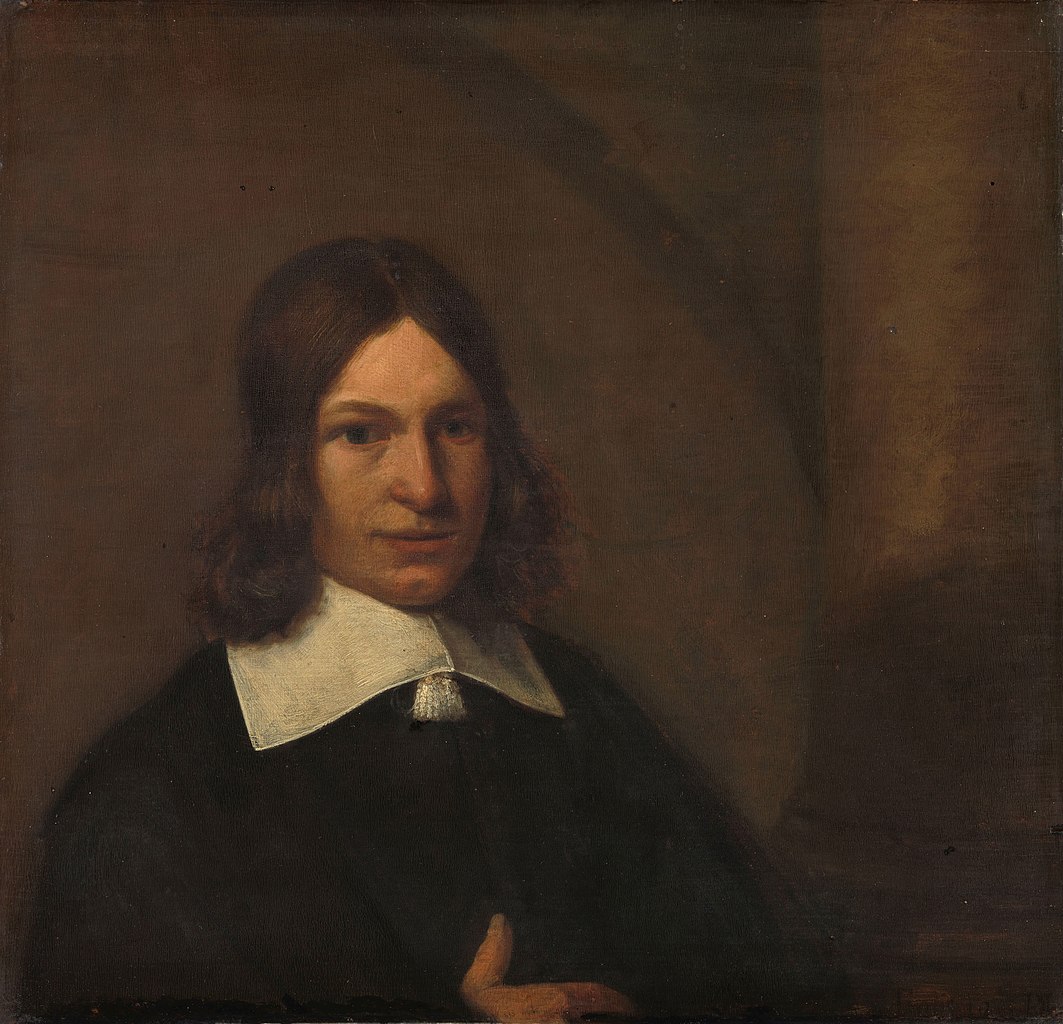
Pieter de Hooch was a Dutch Golden Age painter famous for his genre works of quiet domestic scenes with an open doorway. He was a contemporary of Jan Vermeer in the Delft Guild of St. Luke, with whom his work shares themes and style.


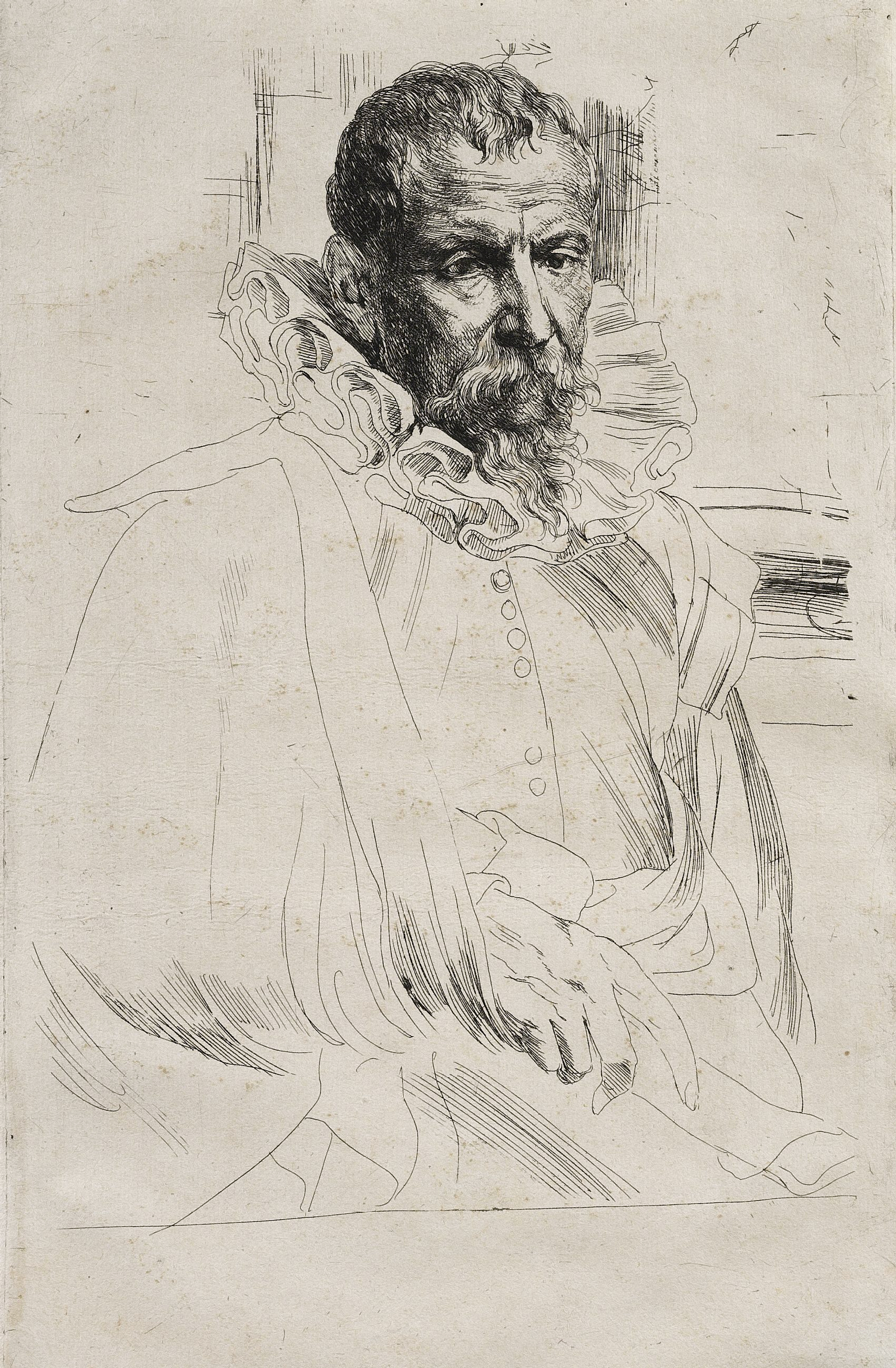
Pieter Brueghel the Younger was a Flemish artist celebrated for his detailed landscapes, religious themes, proverbs, and vibrant village scenes. Despite being the son of the illustrious Pieter Bruegel the Elder, Brueghel the Younger carved out his own niche in the art world, earning the moniker 'Hell Brueghel' for his dynamic scenes of fires and energetic copies of his father's peasant life portrayals.
Brueghel the Younger's original creations, such as "The Village Lawyer," showcase his keen observation of village life, merging the energy and boldness of 17th-century style with his father's idiom. His work is characterized by its lively, picturesque depiction of peasants, albeit some critics argue they lack the subtlety and humanism of his father's creations. Despite this, Brueghel the Younger's legacy includes a significant number of original works and copies that were rediscovered in the 20th century, highlighting his contribution to the Flemish painting tradition.
His workshop was known for its prolific output, especially in producing copies of Bruegel the Elder's compositions, a testament to the enduring popularity and influence of the Bruegel family's artistic legacy. However, Brueghel the Younger also impressed with his unique compositions, contributing to the genre of still life and village scenes with a distinct style that resonated well into modern times.
For collectors and experts in art and antiques, Pieter Brueghel the Younger's works represent an important period in Flemish art, offering insights into the evolution of genre painting and the detailed portrayal of rural life. His paintings, held in esteemed collections worldwide, continue to be studied and admired for their vibrancy, narrative quality, and historical value.
To explore more about Pieter Brueghel the Younger and to stay updated on sales and auction events related to his work, signing up for specialized updates can offer exclusive insights into the world of this influential Flemish painter. This subscription ensures enthusiasts and collectors are well-informed about developments related to Brueghel the Younger's oeuvre, enhancing their appreciation and understanding of his artistic legacy.
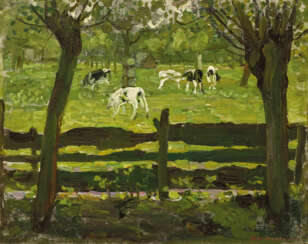

Pieter Cornelis Mondriaan, later known as Piet Mondrian, was a Dutch painter and art theoretician, whose transformation from figurative art to an abstract modernist style revolutionized the visual arts landscape of the 20th century. Born on March 7, 1872, in Amersfoort, Netherlands, and passing away on February 1, 1944, in New York, Mondrian's journey in art began in a devoutly Calvinist home where both art and music were encouraged. His early works were influenced by his surroundings, featuring landscapes in an Impressionist manner, but it was his shift to Paris in 1911 that marked the beginning of his profound evolution towards abstraction.
Mondrian co-founded the De Stijl art movement, aiming to achieve a universal aesthetic through the simplification of visual elements to their essentials: straight lines, right angles, primary colors, and the use of black, white, and gray. This reductionist approach, termed Neoplasticism, was Mondrian's contribution to creating 'universal beauty'. His philosophy extended beyond the canvas, influencing architecture, design, and fashion, encapsulating the modernist ideal and becoming synonymous with Modernism itself.
Some of Mondrian's notable works, such as "Composition with Red, Blue, and Yellow" and "Broadway Boogie Woogie", exemplify his revolutionary style, characterized by an economy of color and a rigorously abstract geometry that aimed to express the dynamic equilibrium of universal forces. These masterpieces, along with his theoretical writings, left a lasting impact on the course of abstract painting and several major art movements including Color Field painting, Abstract Expressionism, and Minimalism.
Mondrian's art is celebrated in museums and galleries worldwide, notably at the Gemeentemuseum Den Haag and the Museum of Modern Art in New York, where his evolution from figuration to geometric abstraction continues to inspire and captivate audiences. His commitment to exploring the spiritual in art through a radical simplification of form and color has cemented his legacy as one of the pioneers of 20th-century abstract art.
For collectors and experts in art and antiques, Mondrian's works represent not just significant artistic achievements but also pivotal moments in the history of modern art. His influence extends far beyond his own creations, shaping the development of modern aesthetics in numerous fields. If you're intrigued by Mondrian's vision of harmony and order through abstraction, we invite you to sign up for updates. This subscription will keep you informed about new product sales and auction events related to Mondrian's work, ensuring you stay connected to the ever-evolving world of art and design inspired by this iconic figure.
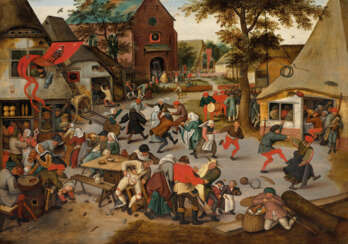

Pieter Brueghel the Younger was a Flemish artist celebrated for his detailed landscapes, religious themes, proverbs, and vibrant village scenes. Despite being the son of the illustrious Pieter Bruegel the Elder, Brueghel the Younger carved out his own niche in the art world, earning the moniker 'Hell Brueghel' for his dynamic scenes of fires and energetic copies of his father's peasant life portrayals.
Brueghel the Younger's original creations, such as "The Village Lawyer," showcase his keen observation of village life, merging the energy and boldness of 17th-century style with his father's idiom. His work is characterized by its lively, picturesque depiction of peasants, albeit some critics argue they lack the subtlety and humanism of his father's creations. Despite this, Brueghel the Younger's legacy includes a significant number of original works and copies that were rediscovered in the 20th century, highlighting his contribution to the Flemish painting tradition.
His workshop was known for its prolific output, especially in producing copies of Bruegel the Elder's compositions, a testament to the enduring popularity and influence of the Bruegel family's artistic legacy. However, Brueghel the Younger also impressed with his unique compositions, contributing to the genre of still life and village scenes with a distinct style that resonated well into modern times.
For collectors and experts in art and antiques, Pieter Brueghel the Younger's works represent an important period in Flemish art, offering insights into the evolution of genre painting and the detailed portrayal of rural life. His paintings, held in esteemed collections worldwide, continue to be studied and admired for their vibrancy, narrative quality, and historical value.
To explore more about Pieter Brueghel the Younger and to stay updated on sales and auction events related to his work, signing up for specialized updates can offer exclusive insights into the world of this influential Flemish painter. This subscription ensures enthusiasts and collectors are well-informed about developments related to Brueghel the Younger's oeuvre, enhancing their appreciation and understanding of his artistic legacy.
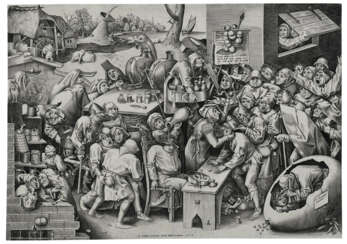

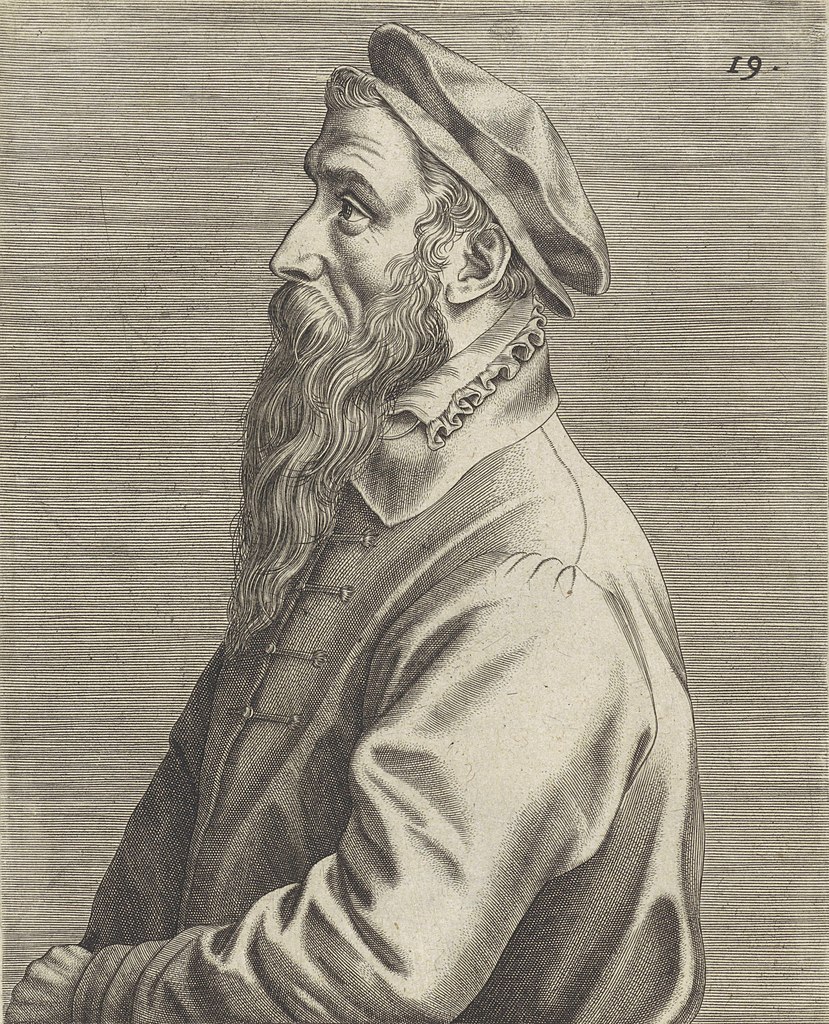
Pieter Bruegel (also Brueghel or Breughel) the Elder (Dutch: Pieter Bruegel de Oude) was the most significant artist of Dutch and Flemish Renaissance painting, a painter and printmaker, known for his landscapes and peasant scenes (so-called genre painting); he was a pioneer in making both types of subject the focus in large paintings.
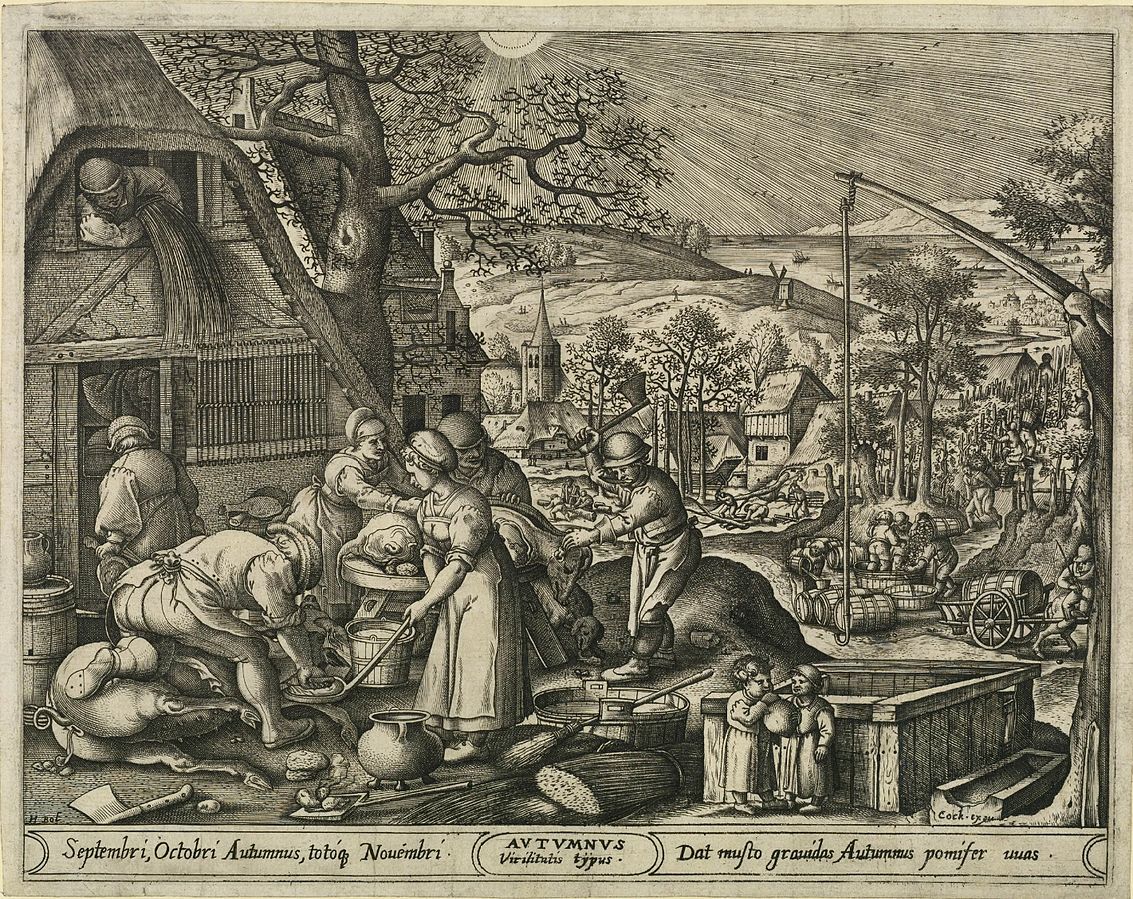
Pieter van der Heyden was a Belgian-Flemish printmaker who is known for his reproductive engravings after works by leading Flemish painters and designers of the 16th century.
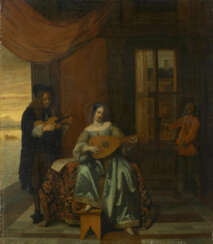

Pieter de Hooch was a Dutch Golden Age painter famous for his genre works of quiet domestic scenes with an open doorway. He was a contemporary of Jan Vermeer in the Delft Guild of St. Luke, with whom his work shares themes and style.
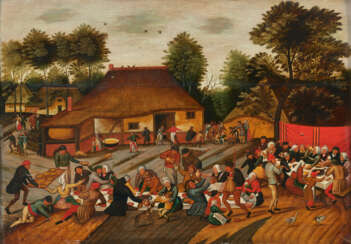

Pieter Brueghel the Younger was a Flemish artist celebrated for his detailed landscapes, religious themes, proverbs, and vibrant village scenes. Despite being the son of the illustrious Pieter Bruegel the Elder, Brueghel the Younger carved out his own niche in the art world, earning the moniker 'Hell Brueghel' for his dynamic scenes of fires and energetic copies of his father's peasant life portrayals.
Brueghel the Younger's original creations, such as "The Village Lawyer," showcase his keen observation of village life, merging the energy and boldness of 17th-century style with his father's idiom. His work is characterized by its lively, picturesque depiction of peasants, albeit some critics argue they lack the subtlety and humanism of his father's creations. Despite this, Brueghel the Younger's legacy includes a significant number of original works and copies that were rediscovered in the 20th century, highlighting his contribution to the Flemish painting tradition.
His workshop was known for its prolific output, especially in producing copies of Bruegel the Elder's compositions, a testament to the enduring popularity and influence of the Bruegel family's artistic legacy. However, Brueghel the Younger also impressed with his unique compositions, contributing to the genre of still life and village scenes with a distinct style that resonated well into modern times.
For collectors and experts in art and antiques, Pieter Brueghel the Younger's works represent an important period in Flemish art, offering insights into the evolution of genre painting and the detailed portrayal of rural life. His paintings, held in esteemed collections worldwide, continue to be studied and admired for their vibrancy, narrative quality, and historical value.
To explore more about Pieter Brueghel the Younger and to stay updated on sales and auction events related to his work, signing up for specialized updates can offer exclusive insights into the world of this influential Flemish painter. This subscription ensures enthusiasts and collectors are well-informed about developments related to Brueghel the Younger's oeuvre, enhancing their appreciation and understanding of his artistic legacy.
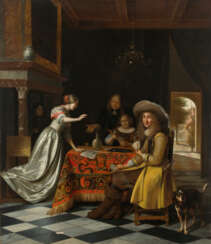

Pieter de Hooch was a Dutch Golden Age painter famous for his genre works of quiet domestic scenes with an open doorway. He was a contemporary of Jan Vermeer in the Delft Guild of St. Luke, with whom his work shares themes and style.
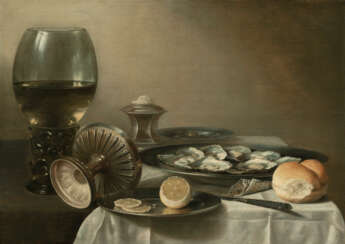

Pieter Claesz was a Dutch Golden Age painter of still lifes.
He and Willem Claeszoon Heda, who also worked in Haarlem, were the most important exponents of the "ontbijt" or dinner piece. They painted with subdued, virtually monochromatic palettes, the subtle handling of light and texture being the prime means of expression. Claesz generally chose objects of a more hospitable kind than Heda, although his later work became more colourful and decorative. Claesz's still lifes often suggest allegorical purpose, with skulls serving as reminders of human mortality. The two men founded a distinguished tradition of still life painting in Haarlem. Pieter Claesz was influenced by the artist movement 'Vanitas'.
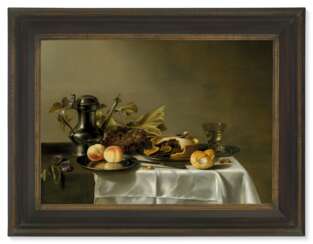

Pieter Claesz was a Dutch Golden Age painter of still lifes.
He and Willem Claeszoon Heda, who also worked in Haarlem, were the most important exponents of the "ontbijt" or dinner piece. They painted with subdued, virtually monochromatic palettes, the subtle handling of light and texture being the prime means of expression. Claesz generally chose objects of a more hospitable kind than Heda, although his later work became more colourful and decorative. Claesz's still lifes often suggest allegorical purpose, with skulls serving as reminders of human mortality. The two men founded a distinguished tradition of still life painting in Haarlem. Pieter Claesz was influenced by the artist movement 'Vanitas'.
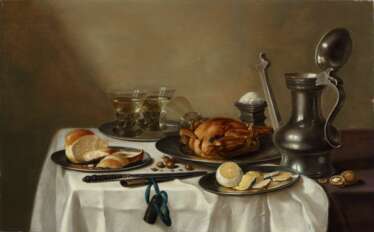

Pieter Claesz was a Dutch Golden Age painter of still lifes.
He and Willem Claeszoon Heda, who also worked in Haarlem, were the most important exponents of the "ontbijt" or dinner piece. They painted with subdued, virtually monochromatic palettes, the subtle handling of light and texture being the prime means of expression. Claesz generally chose objects of a more hospitable kind than Heda, although his later work became more colourful and decorative. Claesz's still lifes often suggest allegorical purpose, with skulls serving as reminders of human mortality. The two men founded a distinguished tradition of still life painting in Haarlem. Pieter Claesz was influenced by the artist movement 'Vanitas'.
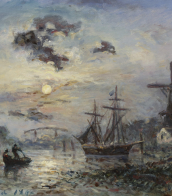
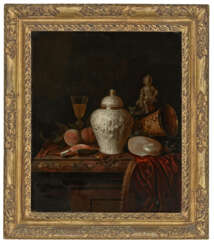

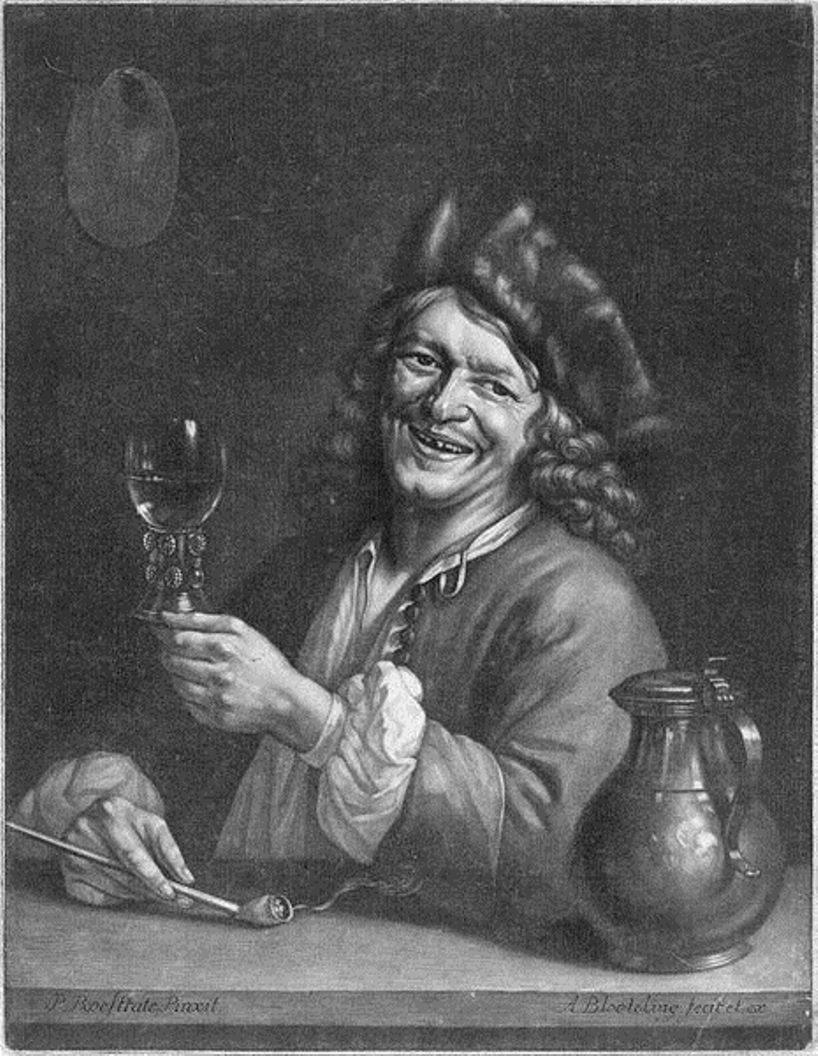
Pieter Gerritsz. van Roestraeten was a Dutch painter who spent most of his life in Great Britain.
He lived in Amsterdam, and in 1666 moved to London, where he remained for the rest of his life, enjoying the highest patronage.
Roestraeten painted mainly still lifes with luxury goods, as well as still lifes in the vanitas style. He created at least four self-portraits, and often painted his own reflections on polished silver objects in still lifes. The artist also depicted genre scenes from the everyday life of the common people.
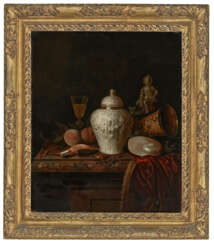

Pieter Gerritsz. van Roestraeten was a Dutch painter who spent most of his life in Great Britain.
He lived in Amsterdam, and in 1666 moved to London, where he remained for the rest of his life, enjoying the highest patronage.
Roestraeten painted mainly still lifes with luxury goods, as well as still lifes in the vanitas style. He created at least four self-portraits, and often painted his own reflections on polished silver objects in still lifes. The artist also depicted genre scenes from the everyday life of the common people.
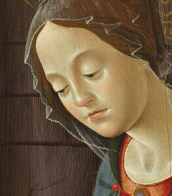
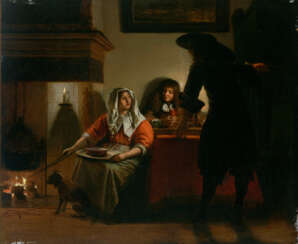

Pieter de Hooch was a Dutch Golden Age painter famous for his genre works of quiet domestic scenes with an open doorway. He was a contemporary of Jan Vermeer in the Delft Guild of St. Luke, with whom his work shares themes and style.
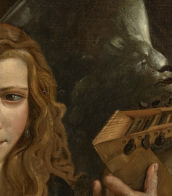
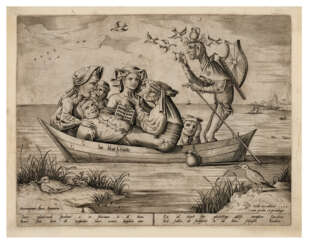

Pieter van der Heyden was a Belgian-Flemish printmaker who is known for his reproductive engravings after works by leading Flemish painters and designers of the 16th century.
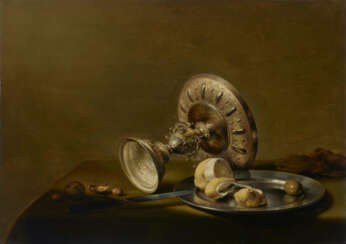

Pieter Claesz was a Dutch Golden Age painter of still lifes.
He and Willem Claeszoon Heda, who also worked in Haarlem, were the most important exponents of the "ontbijt" or dinner piece. They painted with subdued, virtually monochromatic palettes, the subtle handling of light and texture being the prime means of expression. Claesz generally chose objects of a more hospitable kind than Heda, although his later work became more colourful and decorative. Claesz's still lifes often suggest allegorical purpose, with skulls serving as reminders of human mortality. The two men founded a distinguished tradition of still life painting in Haarlem. Pieter Claesz was influenced by the artist movement 'Vanitas'.
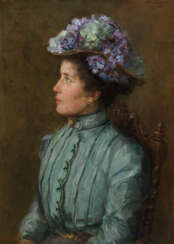

Pieter Cornelis Mondriaan, later known as Piet Mondrian, was a Dutch painter and art theoretician, whose transformation from figurative art to an abstract modernist style revolutionized the visual arts landscape of the 20th century. Born on March 7, 1872, in Amersfoort, Netherlands, and passing away on February 1, 1944, in New York, Mondrian's journey in art began in a devoutly Calvinist home where both art and music were encouraged. His early works were influenced by his surroundings, featuring landscapes in an Impressionist manner, but it was his shift to Paris in 1911 that marked the beginning of his profound evolution towards abstraction.
Mondrian co-founded the De Stijl art movement, aiming to achieve a universal aesthetic through the simplification of visual elements to their essentials: straight lines, right angles, primary colors, and the use of black, white, and gray. This reductionist approach, termed Neoplasticism, was Mondrian's contribution to creating 'universal beauty'. His philosophy extended beyond the canvas, influencing architecture, design, and fashion, encapsulating the modernist ideal and becoming synonymous with Modernism itself.
Some of Mondrian's notable works, such as "Composition with Red, Blue, and Yellow" and "Broadway Boogie Woogie", exemplify his revolutionary style, characterized by an economy of color and a rigorously abstract geometry that aimed to express the dynamic equilibrium of universal forces. These masterpieces, along with his theoretical writings, left a lasting impact on the course of abstract painting and several major art movements including Color Field painting, Abstract Expressionism, and Minimalism.
Mondrian's art is celebrated in museums and galleries worldwide, notably at the Gemeentemuseum Den Haag and the Museum of Modern Art in New York, where his evolution from figuration to geometric abstraction continues to inspire and captivate audiences. His commitment to exploring the spiritual in art through a radical simplification of form and color has cemented his legacy as one of the pioneers of 20th-century abstract art.
For collectors and experts in art and antiques, Mondrian's works represent not just significant artistic achievements but also pivotal moments in the history of modern art. His influence extends far beyond his own creations, shaping the development of modern aesthetics in numerous fields. If you're intrigued by Mondrian's vision of harmony and order through abstraction, we invite you to sign up for updates. This subscription will keep you informed about new product sales and auction events related to Mondrian's work, ensuring you stay connected to the ever-evolving world of art and design inspired by this iconic figure.
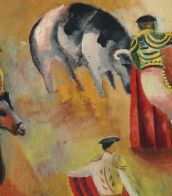
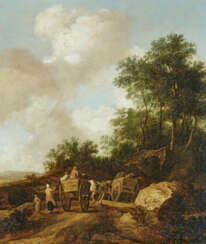

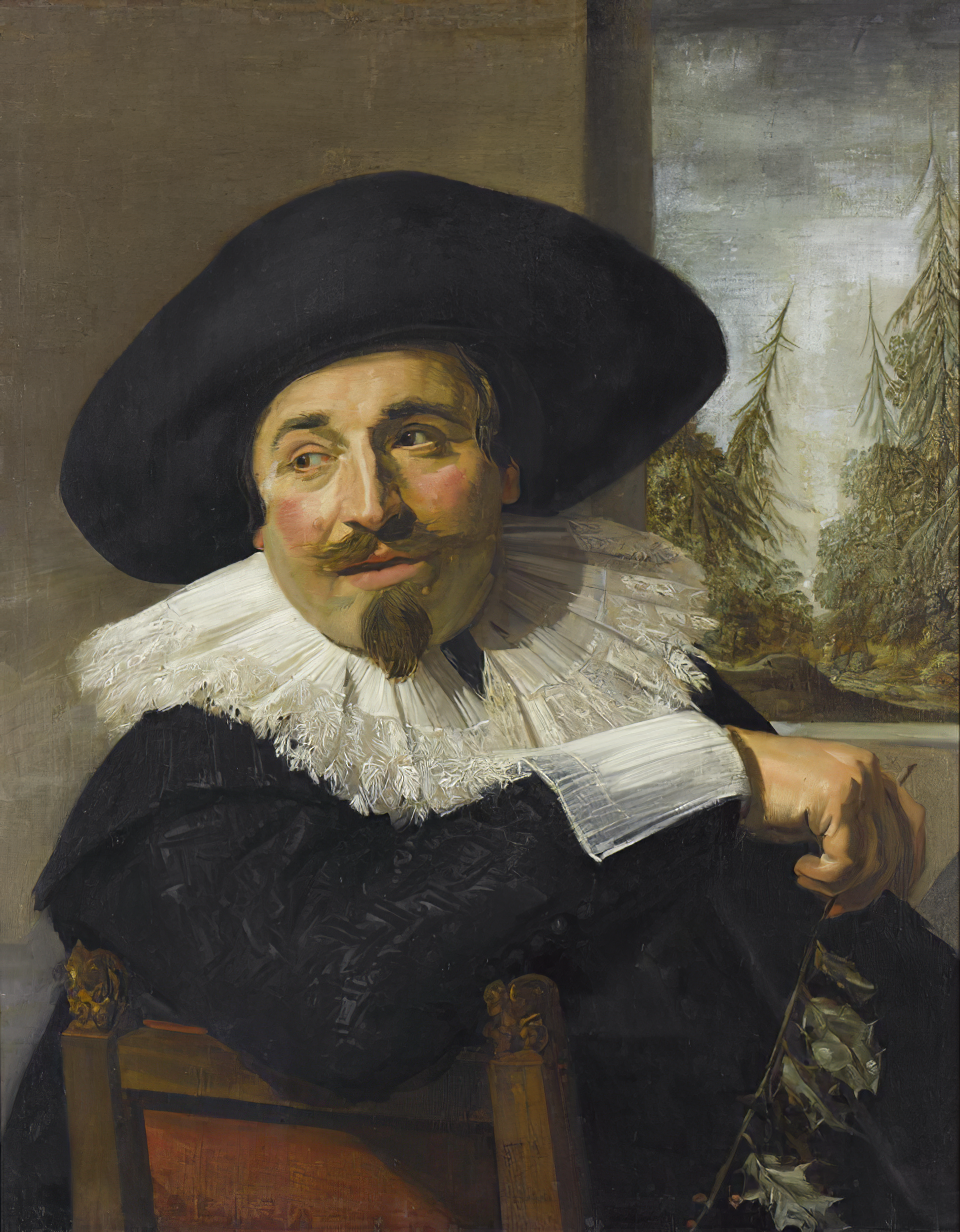
Pieter de Molijn, a distinguished Dutch Golden Age painter and engraver, was celebrated for his exceptional landscapes, genre pieces, and more. Born in London in 1595 to Flemish parents, he moved to the Netherlands, where he significantly contributed to Dutch art. Molijn was not just a painter; his talents extended to engraving, a testament to his versatility in the art world.
Pieter de Molijn's journey into art took him to Italy and then to Haarlem, where he joined the Guild of St. Luke in 1616, marking the start of a prolific career. His landscapes, known for their sweeping diagonals and tonal unity, helped pioneer a new style that influenced contemporaries and successors alike. Molijn's ability to capture the essence of the Dutch landscape made his works sought after, not just during his lifetime but also in today's art circles.
His works, like the captivating "Landscape with Figures," showcased at The Metropolitan Museum of Art, continue to fascinate art enthusiasts and collectors. Pieter de Molijn's artistry wasn't confined to landscapes alone; his genre pieces and marine scenes also garnered acclaim, reflecting his diverse skills and innovative approach.
For art collectors and experts keen on Dutch Golden Age paintings, Molijn's works represent a blend of technical mastery and artistic vision. Whether it's his detailed landscapes or compelling genre scenes, each piece invites viewers into the world he saw and experienced.
For those who appreciate the finesse of Dutch Golden Age art, staying updated on Pieter de Molijn's works is a must. Whether it's auctions, exhibitions, or private sales, sign up for updates and never miss out on the opportunity to explore or acquire Molijn's timeless masterpieces.
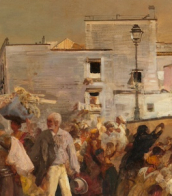
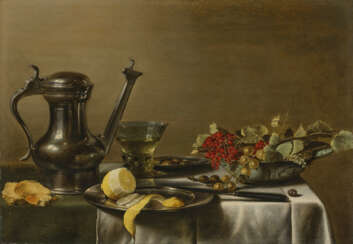

Pieter Claesz was a Dutch Golden Age painter of still lifes.
He and Willem Claeszoon Heda, who also worked in Haarlem, were the most important exponents of the "ontbijt" or dinner piece. They painted with subdued, virtually monochromatic palettes, the subtle handling of light and texture being the prime means of expression. Claesz generally chose objects of a more hospitable kind than Heda, although his later work became more colourful and decorative. Claesz's still lifes often suggest allegorical purpose, with skulls serving as reminders of human mortality. The two men founded a distinguished tradition of still life painting in Haarlem. Pieter Claesz was influenced by the artist movement 'Vanitas'.
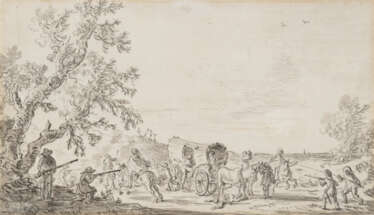

Pieter de Molijn, a distinguished Dutch Golden Age painter and engraver, was celebrated for his exceptional landscapes, genre pieces, and more. Born in London in 1595 to Flemish parents, he moved to the Netherlands, where he significantly contributed to Dutch art. Molijn was not just a painter; his talents extended to engraving, a testament to his versatility in the art world.
Pieter de Molijn's journey into art took him to Italy and then to Haarlem, where he joined the Guild of St. Luke in 1616, marking the start of a prolific career. His landscapes, known for their sweeping diagonals and tonal unity, helped pioneer a new style that influenced contemporaries and successors alike. Molijn's ability to capture the essence of the Dutch landscape made his works sought after, not just during his lifetime but also in today's art circles.
His works, like the captivating "Landscape with Figures," showcased at The Metropolitan Museum of Art, continue to fascinate art enthusiasts and collectors. Pieter de Molijn's artistry wasn't confined to landscapes alone; his genre pieces and marine scenes also garnered acclaim, reflecting his diverse skills and innovative approach.
For art collectors and experts keen on Dutch Golden Age paintings, Molijn's works represent a blend of technical mastery and artistic vision. Whether it's his detailed landscapes or compelling genre scenes, each piece invites viewers into the world he saw and experienced.
For those who appreciate the finesse of Dutch Golden Age art, staying updated on Pieter de Molijn's works is a must. Whether it's auctions, exhibitions, or private sales, sign up for updates and never miss out on the opportunity to explore or acquire Molijn's timeless masterpieces.


Pieter Bruegel (also Brueghel or Breughel) the Elder (Dutch: Pieter Bruegel de Oude) was the most significant artist of Dutch and Flemish Renaissance painting, a painter and printmaker, known for his landscapes and peasant scenes (so-called genre painting); he was a pioneer in making both types of subject the focus in large paintings.
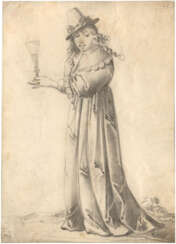

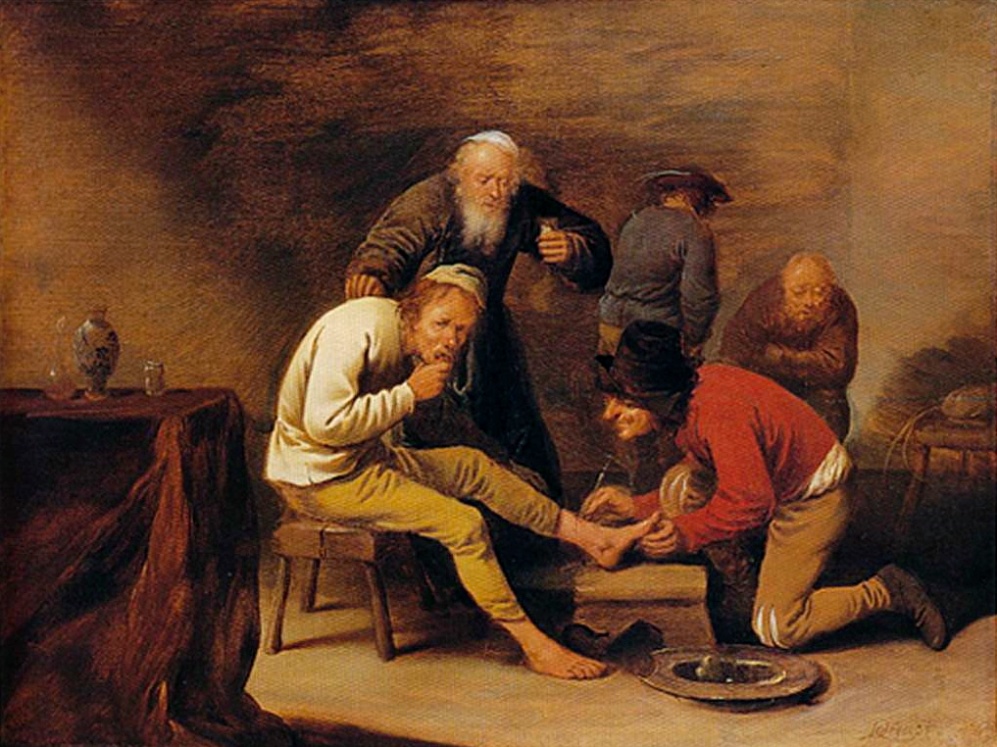


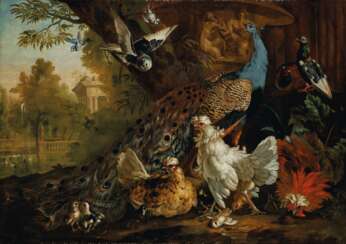

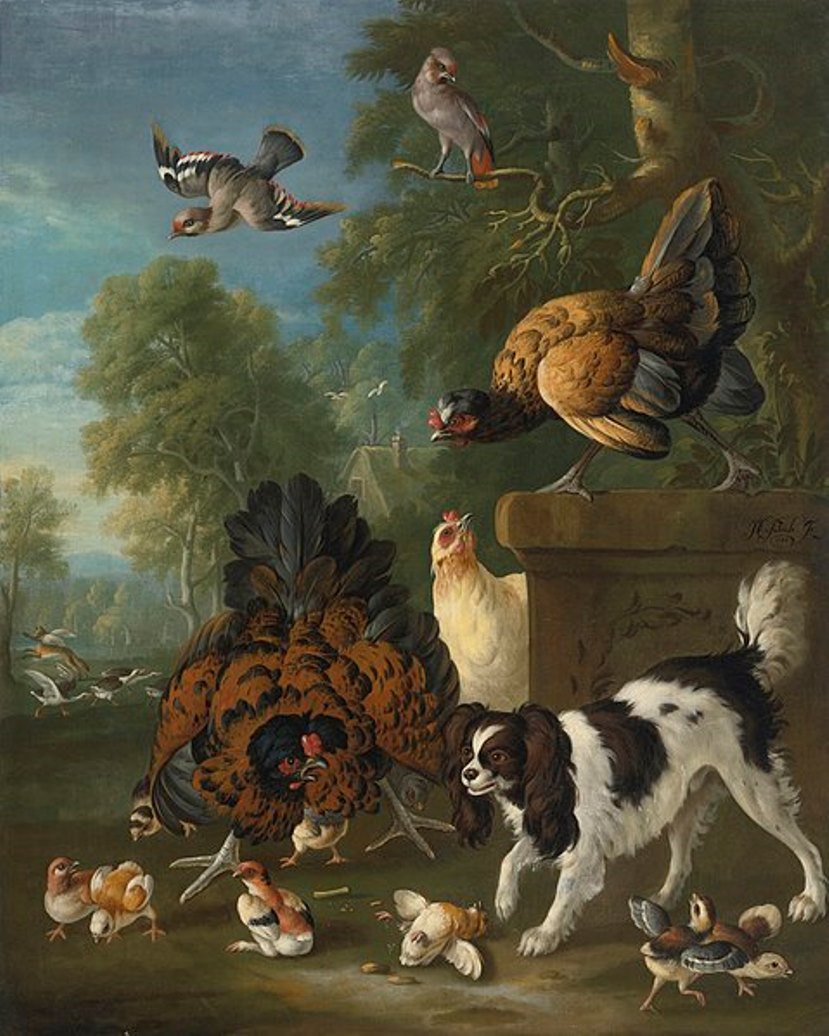
Pieter Casteels III was a Flemish painter, engraver and designer, a member of the Guild of St. Luke in Antwerp.
He was born into the family of the painter Pieter Casteels II or the Younger (1673-1701), who gave his son his first lessons in painting. In 1708 Peter went to London, where he became active in the London art community and a member of the Rose and Crown Club.
Casteells successfully painted numerous floral still lifes with exotic birds, which were favored by the nobility of the time, as well as idyllic scenes with domestic birds and animals. His works were also often used as decorations for fireplaces and doors. The great success of this genre led the artist to publish the Twelve Months of Flowers and Twelve Months of Fruit series - these prints served as models for workers in textiles and other luxury industries.
In 1735 Peter Casteells III retired from painting and turned his attention to textile design, working for the rest of his life for textile manufacturers in Surrey and then London.