allier





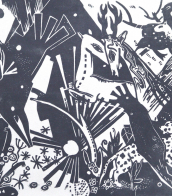


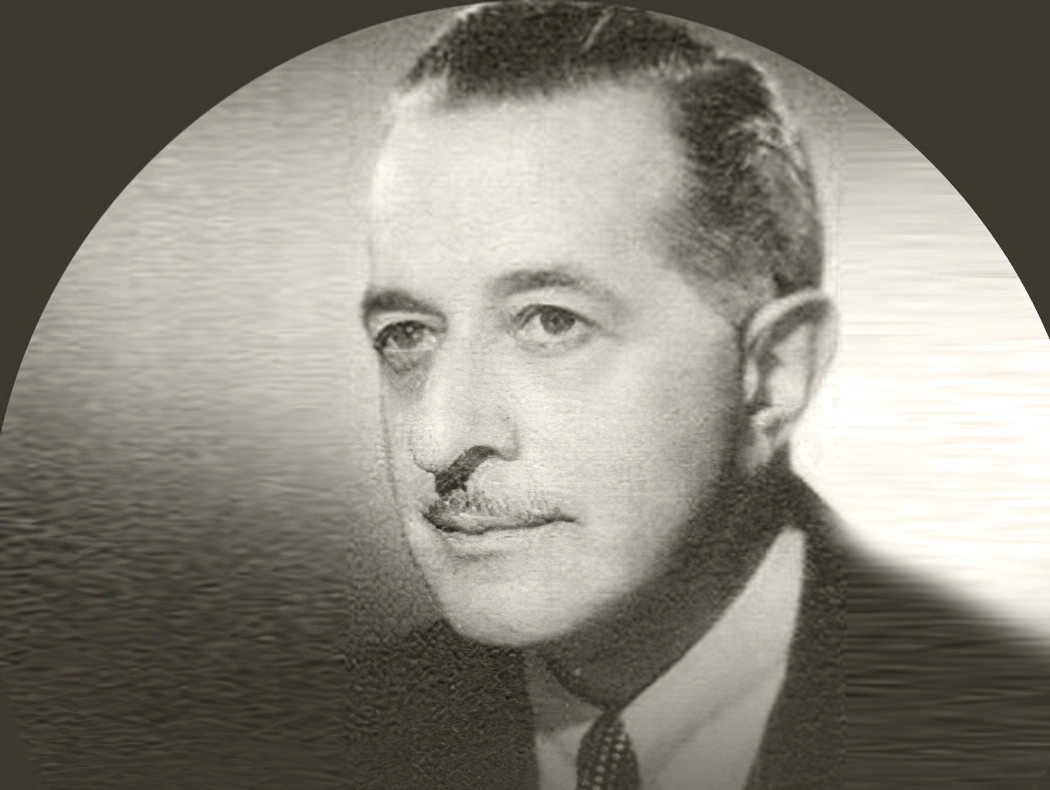
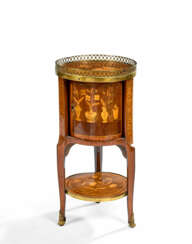
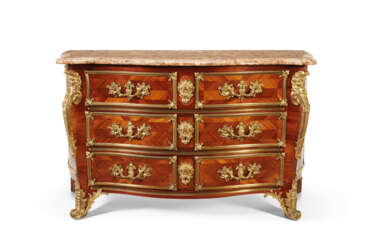
Marcel Coard is one of the great decorators and designers of the 1930s.


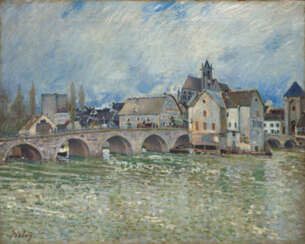

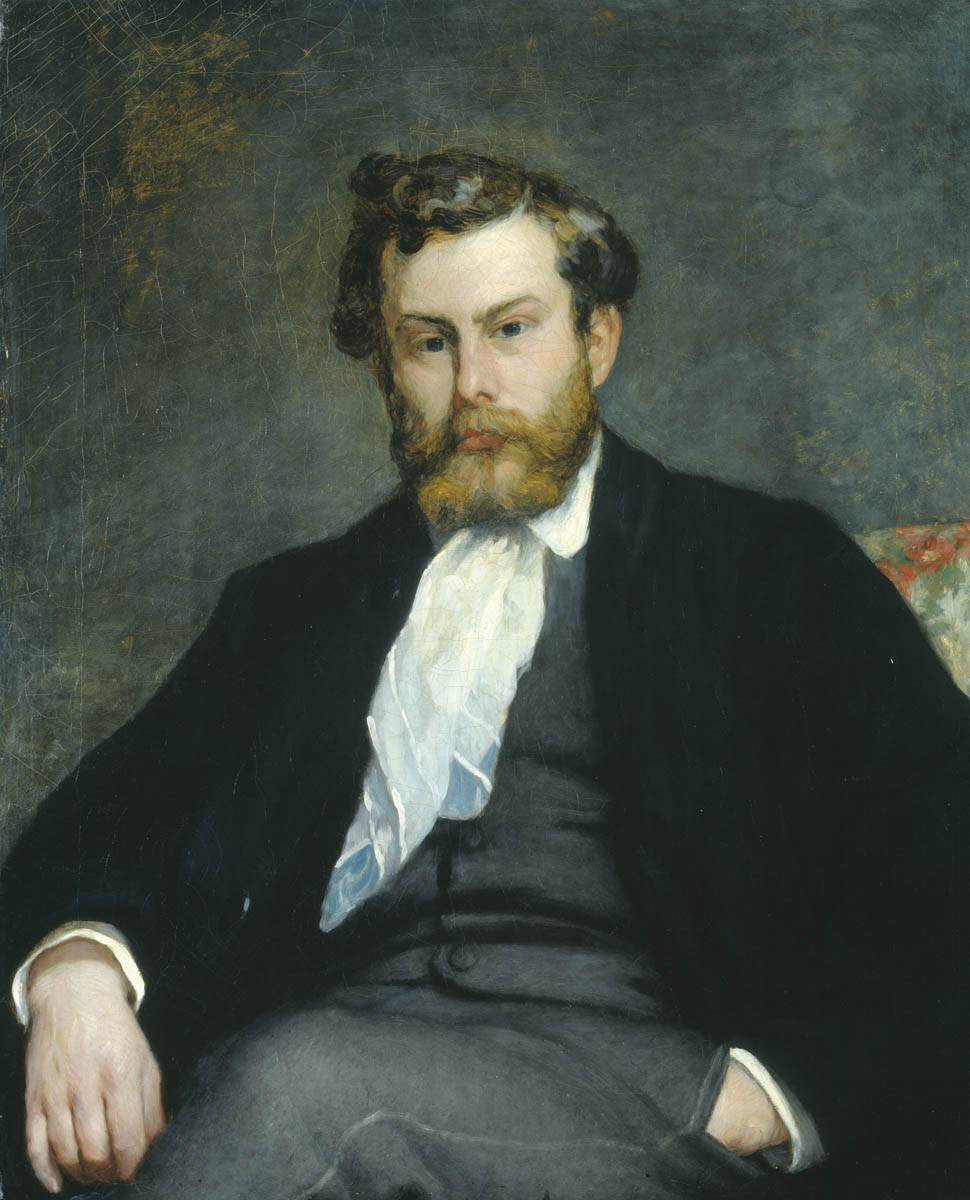
Alfred Sisley was a Franco-British painter, celebrated as a key figure in the Impressionist movement. Born in Paris to British parents, Sisley dedicated his artistic career to capturing the tranquil landscapes of his adopted France, particularly the areas around Paris and Moret-sur-Loing, where he spent his later years.
From the beginning, Alfred Sisley was a devoted landscape artist, preferring to work en plein air to capture the subtle shifts in the atmosphere and light of his surroundings. Unlike some of his contemporaries who explored urban scenes or human figures, Sisley's works predominantly feature rural settings, quiet streets, and serene river scenes, often devoid of people. His approach was deeply influenced by earlier landscape painters like Jean-Baptiste-Camille Corot, yet his style embodies the quintessential Impressionist focus on light and color.
Despite his dedication and prolific output, Alfred Sisley's work did not gain significant recognition or financial success during his lifetime. It was only posthumously that his paintings began to receive the acclaim they deserved, with his canvases now held in prestigious collections worldwide, including the Musée d'Orsay and the National Gallery.
For collectors and experts in art and antiques, Alfred Sisley's works represent a poignant chapter in the history of Impressionism, characterized by a gentle yet profound rendering of the natural world. His paintings not only reflect the beauty of the French countryside but also encapsulate the fleeting moments of light and weather, making them timeless masterpieces of Impressionist art.
For those interested in the serene beauty of Alfred Sisley's landscapes and updates on exhibitions or sales of his works, signing up for specialized newsletters can provide invaluable insights and opportunities.
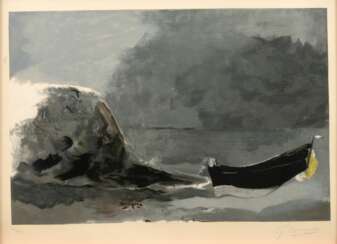

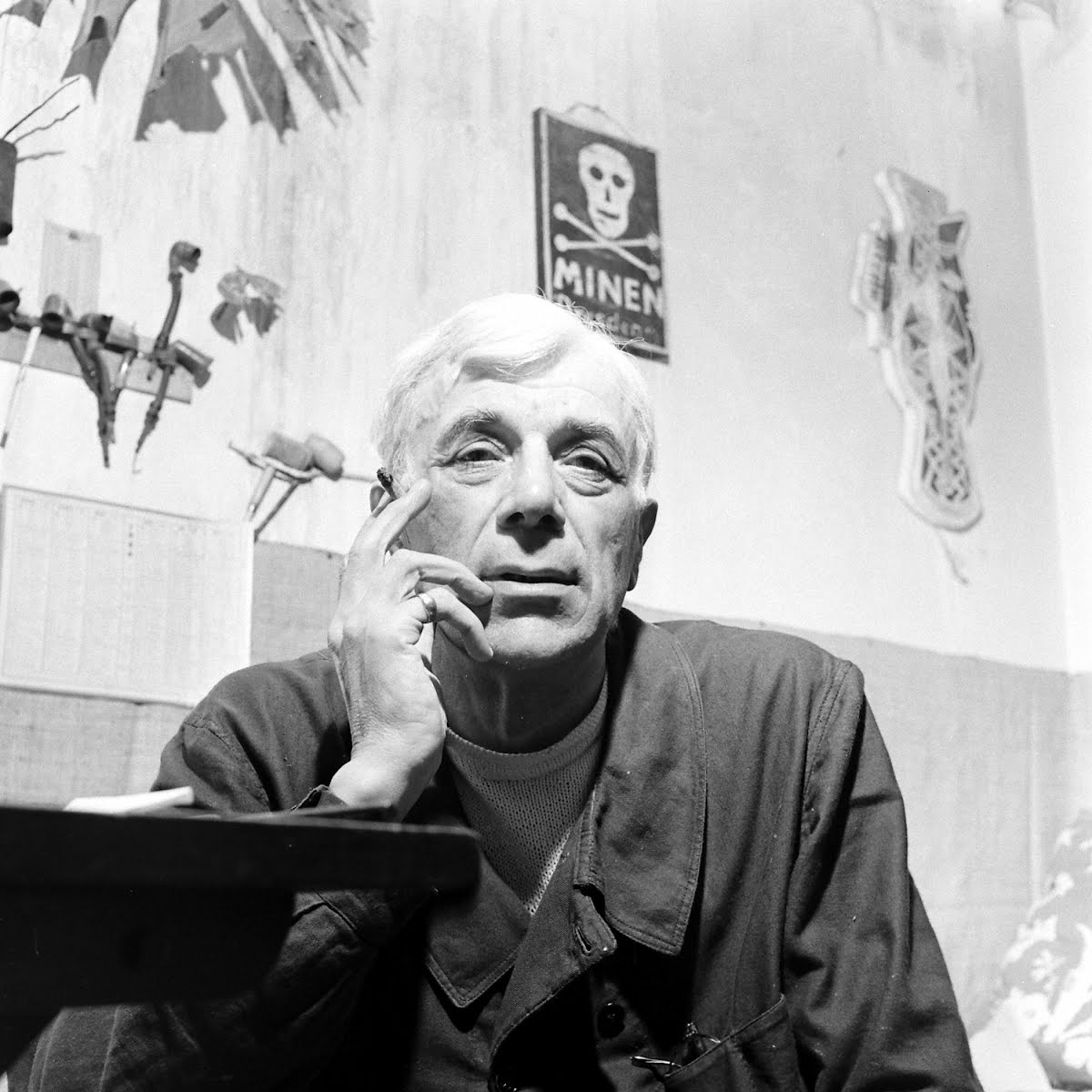
Georges Braque, a French artist, is celebrated as a pivotal figure in the development of Cubism, alongside Pablo Picasso. Braque's artistic journey transitioned from Impressionism to Fauvism before he delved into the groundbreaking realm of Cubism, characterized by its innovative use of perspective and geometric forms. His partnership with Picasso during the early 20th century marked a significant phase in art history, as they collectively pioneered the Analytic and Synthetic phases of Cubism.
Georges Braque's oeuvre is renowned for its technical precision, introspective quality, and harmonious color palettes. His contributions extended beyond painting to include sculpture and collage, demonstrating his versatile mastery over various mediums. Notable works like "Violin and Candlestick" and "Man with a Guitar" underscore his talent in transforming everyday objects into abstracted, multifaceted compositions.
Throughout his career, Georges Braque remained deeply committed to exploring the boundaries of visual perception and form. After World War I, his style evolved, incorporating brighter colors and new themes, yet he maintained a steadfast adherence to Cubist principles. His later years saw a focus on personal motifs, such as birds, which symbolized freedom and dynamism in his art.
Georges Braque's legacy is preserved in prestigious collections worldwide, including the Museum of Modern Art (MoMA), which houses a significant number of his works. His artistic innovations continue to inspire and influence the realms of art and culture.
For collectors and art enthusiasts, Georges Braque's work offers a profound insight into the evolution of modern art and the enduring allure of Cubism. His pieces are a testament to the enduring power of creativity and innovation in the face of changing artistic landscapes.
If you're keen on exploring Braque's contributions to art and wish to stay updated on exhibitions and sales featuring his work, consider subscribing for updates on Georges Braque's pieces and their presence in the art market today.







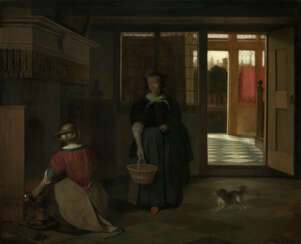

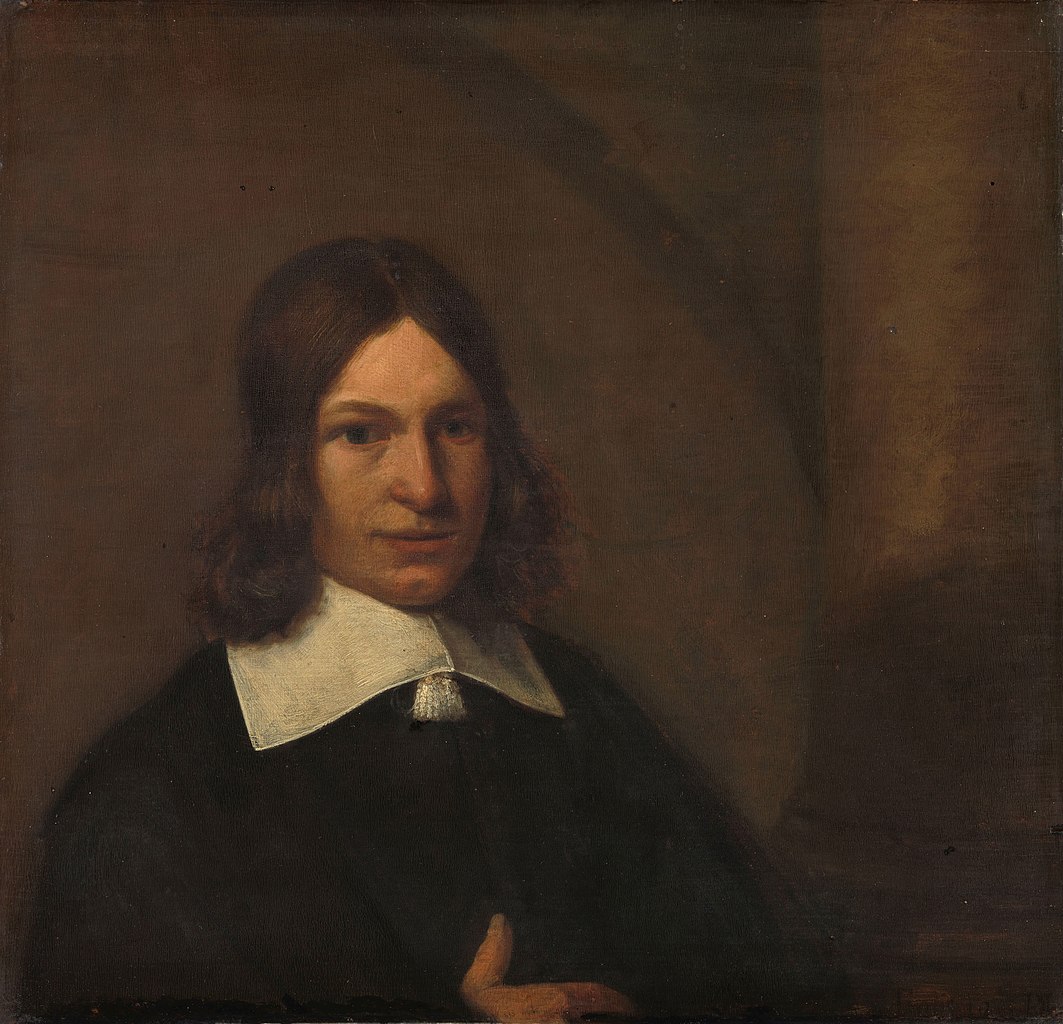
Pieter de Hooch was a Dutch Golden Age painter famous for his genre works of quiet domestic scenes with an open doorway. He was a contemporary of Jan Vermeer in the Delft Guild of St. Luke, with whom his work shares themes and style.

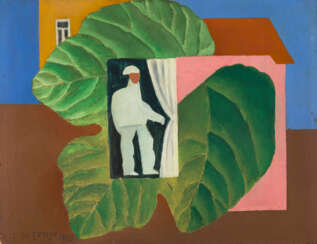

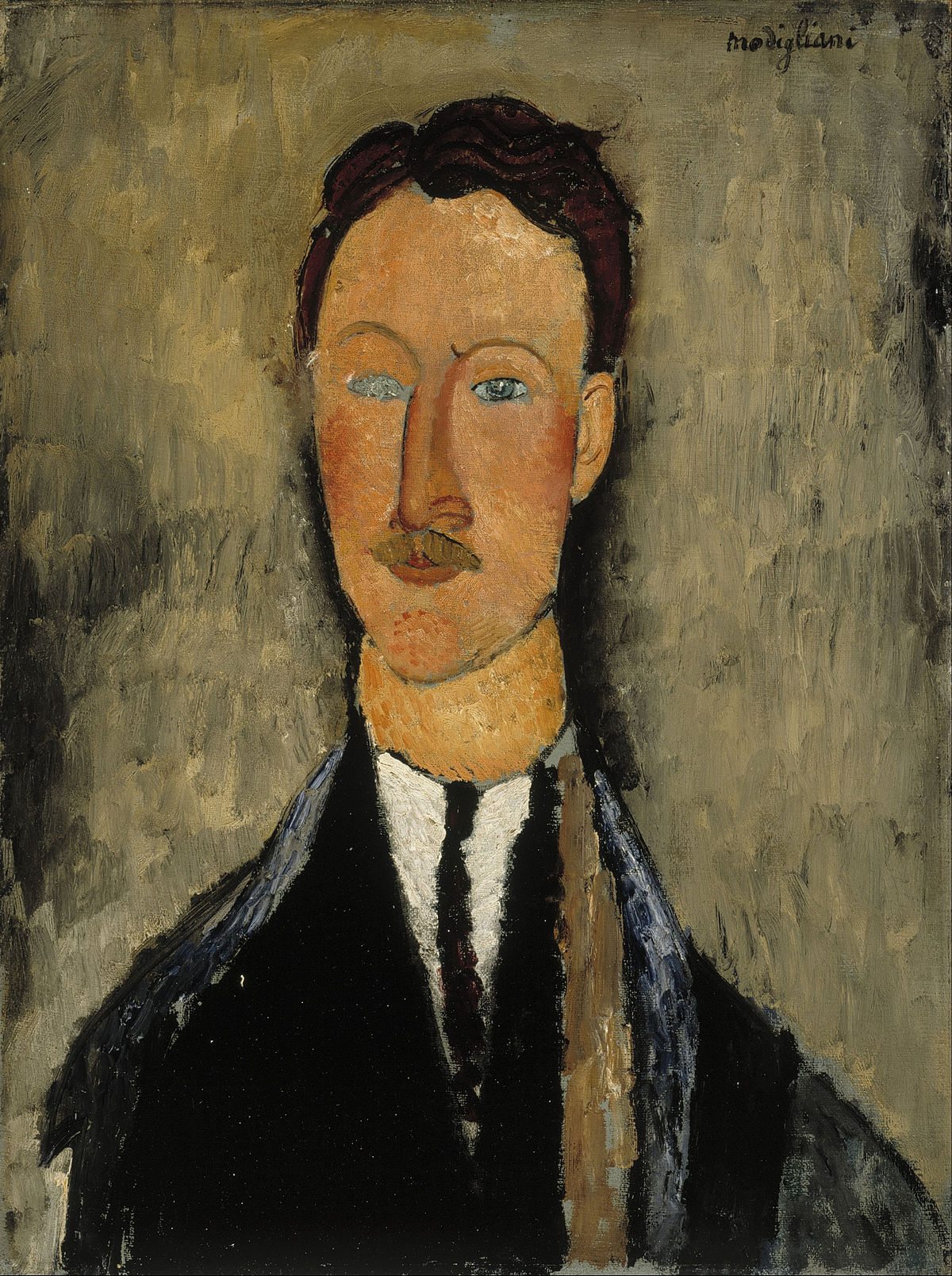
Léopold Survage was a French painter of Finnish origin. Trained in Moscow, he identified with the Russian avant-garde before moving to Paris, where he shared a studio with Amedeo Modigliani and experimented with abstract movies. He also gained commissions for Serge Diaghilev's Ballets Russes.


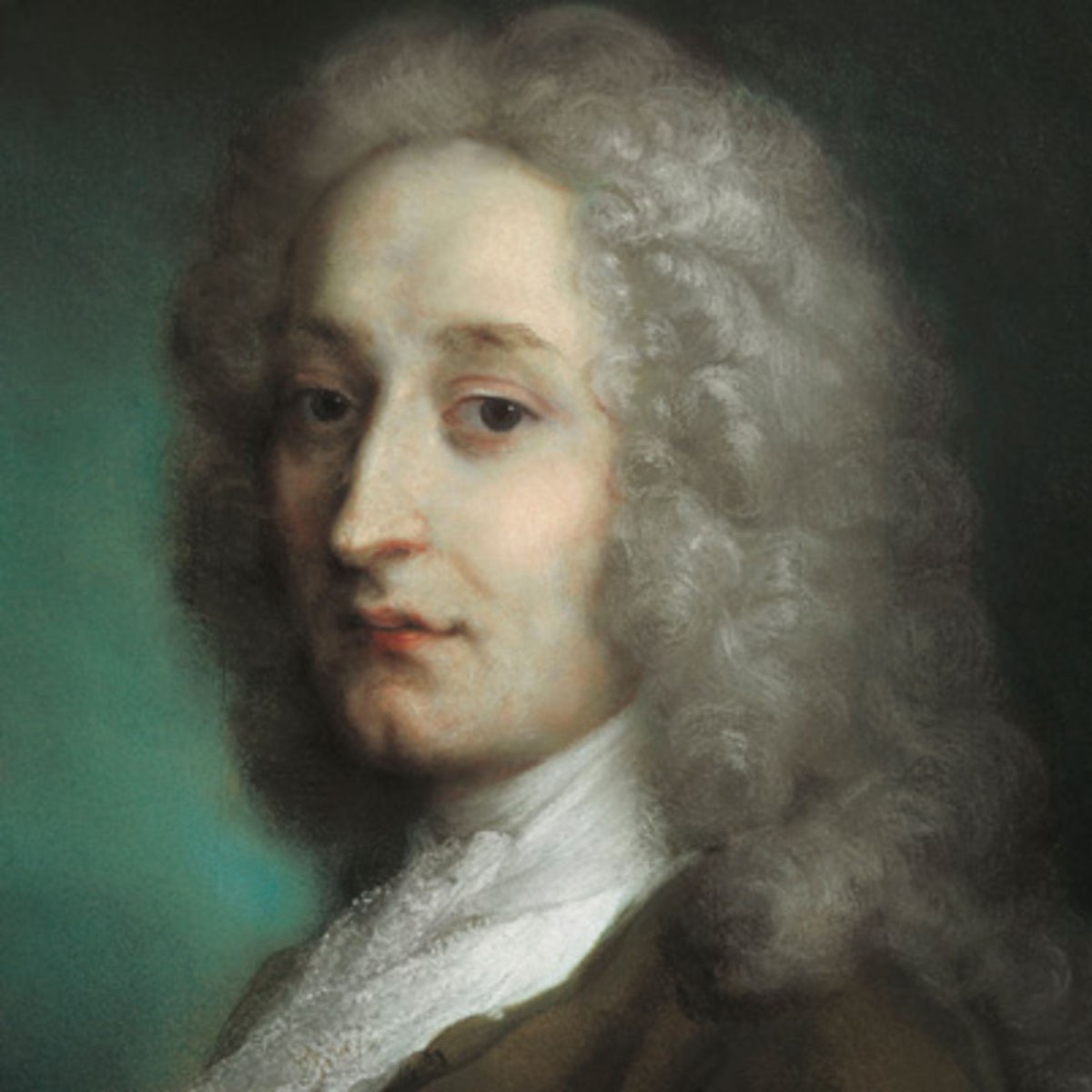
Jean-Antoine Watteau was a French painter and draughtsman whose brief career spurred the revival of interest in colour and movement, as seen in the tradition of Correggio and Rubens. He revitalized the waning Baroque style, shifting it to the less severe, more naturalistic, less formally classical, Rococo. Watteau is credited with inventing the genre of fêtes galantes, scenes of bucolic and idyllic charm, suffused with a theatrical air. Some of his best known subjects were drawn from the world of Italian comedy and ballet.












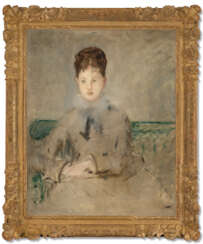


Édouard Manet, a French modernist painter born in 1832, was one of the pioneering artists of the 19th century who ventured into painting modern life, marking a significant transition from Realism to Impressionism. His notable works, such as "The Luncheon on the Grass" and "Olympia," both created in the early 1860s, were radical for their time and sparked controversy for their unconventional subject matter and depiction of modern life. These pieces, among others, have been recognized as milestones in the development of modern art.
Manet's background was one of privilege and connection, coming from an upper-class family with strong political ties. Despite expectations for him to pursue a career in law or the navy, Manet was drawn to painting from a young age, influenced by his uncle and the works of Old Masters like Diego Velázquez and Francisco José de Goya during his visits to the Louvre. His early rejection from the naval academy led him to fully commit to an art education under Thomas Couture, where he developed his unique style characterized by loose brush strokes and a focus on contemporary subjects over traditional historical, religious, or mythological themes.
Throughout his career, Manet's work was often met with criticism for its apparent disregard for traditional painting techniques and its bold choice of subject matter. Despite this, his exhibitions, including a self-organized one across from the Exposition Universelle in 1867, gradually gained the recognition and support of fellow artists and critics. His relationships with contemporaries like Émile Zola, Edgar Degas, and Claude Monet were crucial in his development and in establishing his legacy as a forerunner to the Impressionist movement, despite never formally joining their exhibitions.
Manet's influence on modern art cannot be overstated. His works are housed in prestigious museums worldwide, including the Musée d'Orsay in Paris, which holds "The Luncheon on the Grass," a testament to his enduring impact on the art world. Manet's ability to capture the essence of modern life, combined with his innovative techniques, positioned him as a central figure in the transition towards modern artistic expressions.
For collectors and experts in art and antiques, Manet's work represents not just the innovation of the 19th century but also the enduring appeal of an artist who dared to challenge the status quo. His paintings are not just artifacts of their time but also serve as a bridge between traditional and modern art, offering insight into the evolution of artistic expression.
To stay informed about new product sales, auction events, and updates related to Édouard Manet, signing up for updates can be a valuable resource for enthusiasts looking to deepen their understanding of this pivotal artist's contributions to the world of art.
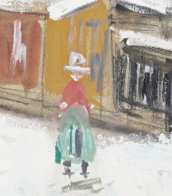



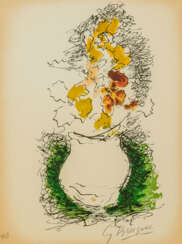

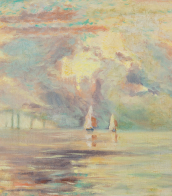
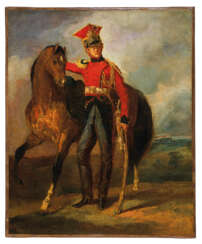

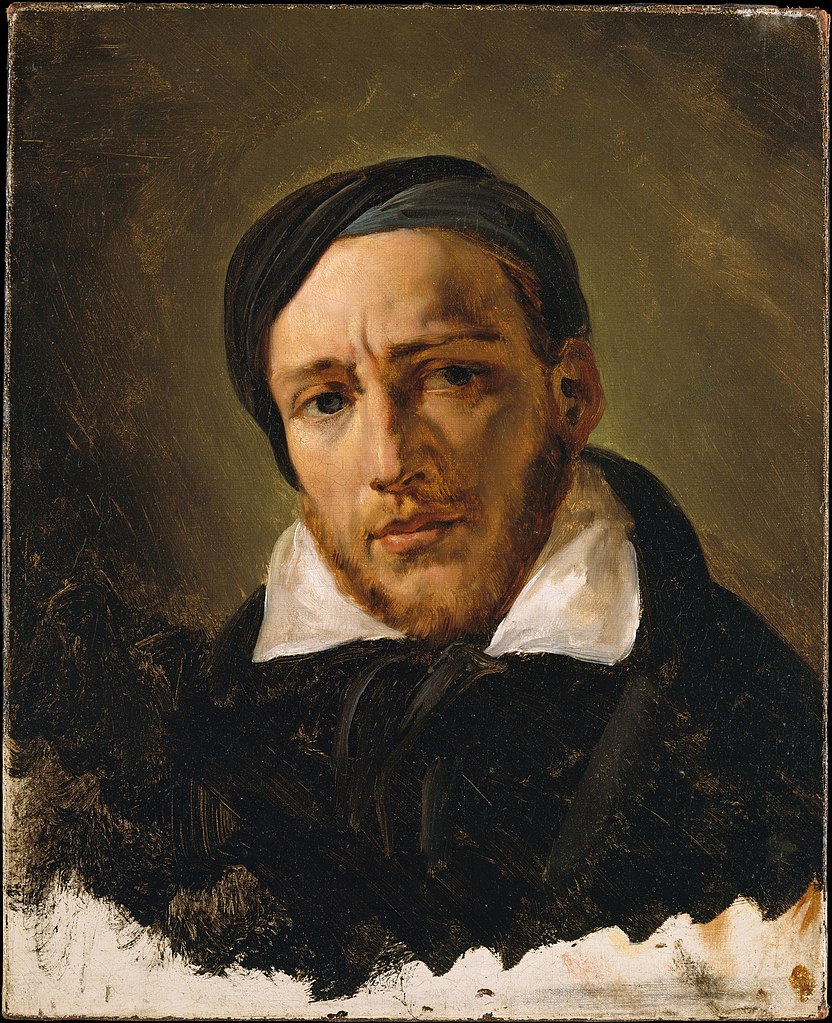
Jean-Louis André Théodore Géricault was a French painter and lithographer, celebrated for his pivotal role in the Romantic movement. Born in Rouen, France, in 1791, and educated among the elite in Paris, Géricault developed a profound connection with art from a young age, influenced by his training under notable figures like Carle Vernet and Pierre-Narcisse Guérin. This foundation set him on a path that diverged significantly from the classical traditions of his time.
Géricault's artistry is best known for its vibrant energy and emotional intensity, characteristics that marked a departure from the Neoclassical style predominant in the early 19th century. His most famous work, "The Raft of the Medusa" (1818–19), is a monumental canvas that dramatizes the tragic aftermath of the French shipwreck, Méduse, capturing the public and critical imagination for its raw portrayal of human despair and resilience. This painting not only criticized the French government but also showcased Géricault's masterful handling of drama, becoming an iconic symbol of Romanticism.
Throughout his career, Géricault remained deeply engaged with contemporary issues and the human condition, exploring themes of mental illness, social injustice, and the raw power of nature versus human vulnerability. His series of portraits depicting patients with mental illnesses, created towards the end of his life, highlighted his empathy and innovative approach to capturing human emotion and psychological depth.
Géricault's fascination with the dynamic forms and emotional potential of horses also led to some of the most stirring equestrian art of his time, reflecting his personal passion for horseback riding and his exceptional understanding of equine anatomy. This interest is evident in works like "A Horse Frightened by Lightning", showcasing his ability to capture motion and emotion in both human and animal forms.
Despite his premature death at the age of 32, Géricault's legacy endures, with his works residing in prestigious institutions like the Louvre in Paris. His artistic vision and dedication to portraying the realities and turbulences of his era have cemented his status as a pioneer of Romanticism, influencing subsequent generations of artists, including his contemporary and friend, Eugène Delacroix.
For collectors and experts in art and antiques, Géricault's oeuvre offers a profound insight into the Romantic spirit, embodying the tumult, passion, and innovation of an era on the cusp of modernity. His works continue to inspire and captivate audiences, reminding us of the power of art to provoke thought and evoke deep emotional responses.
To stay updated on exhibitions and auction events featuring Géricault's works, sign up for updates. This subscription will keep you informed on new discoveries and sales related to this influential artist, ensuring you never miss an opportunity to engage with the legacy of Jean-Louis André Théodore Géricault.