bücher und handschriften

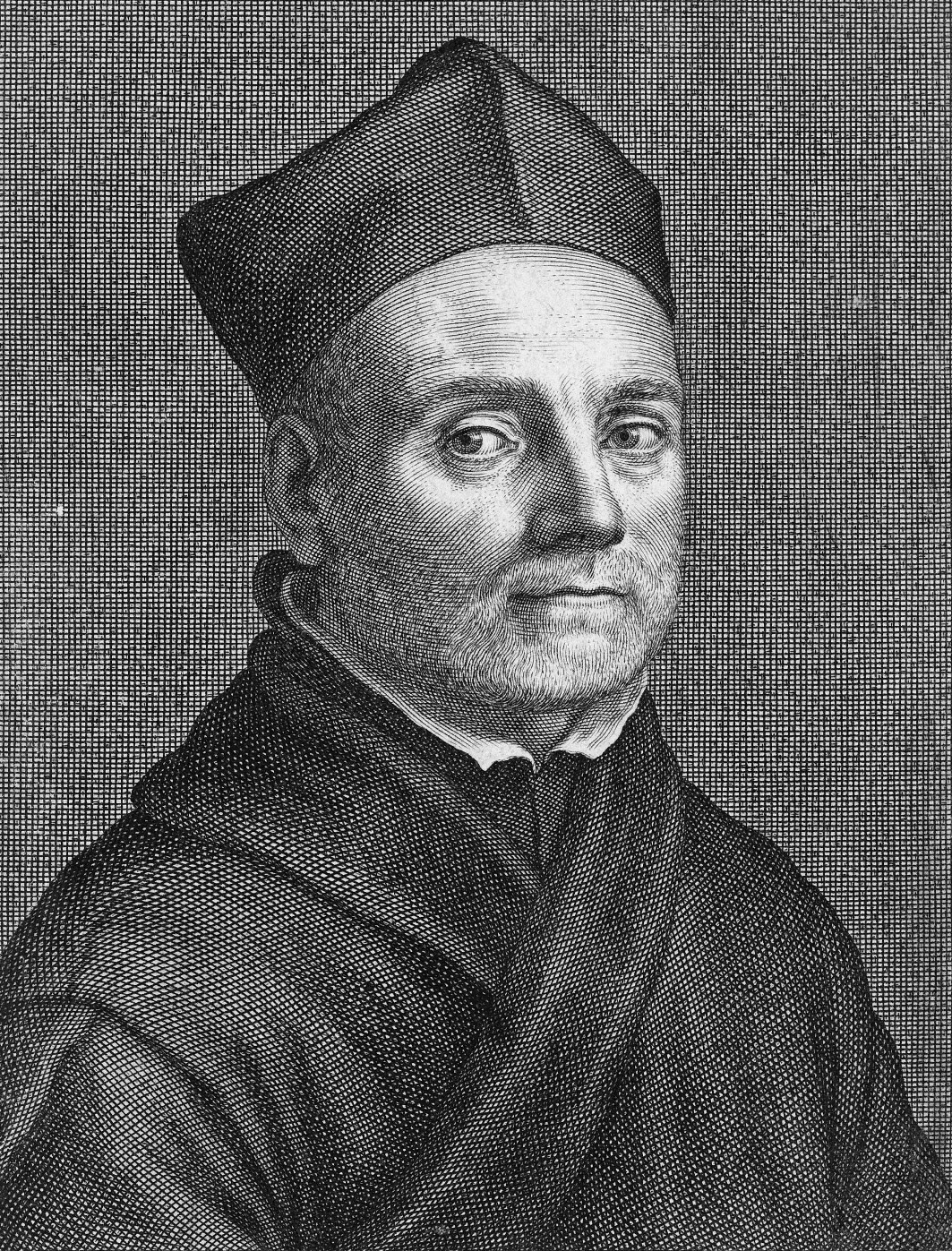
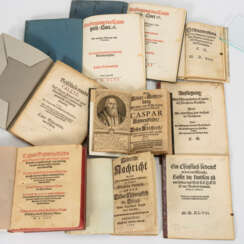
Athanasius Kircher was a German scholar, inventor, professor of mathematics and oriental studies, and a friar of the Jesuit order.
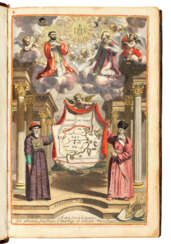
Kircher knew Greek and Hebrew, did scientific and humanities research in Germany, and was ordained in Mainz in 1628. During the Thirty Years' War he was forced to flee to Rome, where he remained for most of his life, serving as a kind of intellectual and information center for cultural and scientific information drawn not only from European sources but also from an extensive network of Jesuit missionaries. He was particularly interested in ancient Egypt and attempted to decipher hieroglyphics and other riddles. Kircher also compiled A Description of the Chinese Empire (1667), which was long one of the most influential books that shaped the European view of China.
A renowned polymath, Kircher conducted scholarly research in a variety of disciplines, including geography, astronomy, mathematics, languages, medicine, and music. He wrote some 44 books, and more than 2,000 of his manuscripts and letters have survived. He also assembled one of the first natural history collections.
![VISSCHER, Nicolaes, II (1649-1702) [and Elizabeth VISSCHER (fl.1702-1726)]](/assets/image/picture_4084580/9963a/3crheit0onn8d00dvgq0ob8-udmpgqincbfiejjep8fv8qql0z2uup-dvdvgi00l1719907278jpg__fix_374_244.jpeg)
![VISSCHER, Nicolaes, II (1649-1702) [and Elizabeth VISSCHER (fl.1702-1726)]](https://veryimportantlot.com/assets/image/picture_4084580/9963a/3crheit0onn8d00dvgq0ob8-udmpgqincbfiejjep8fv8qql0z2uup-dvdvgi00l1719907278jpg__fix_374_244.jpeg)


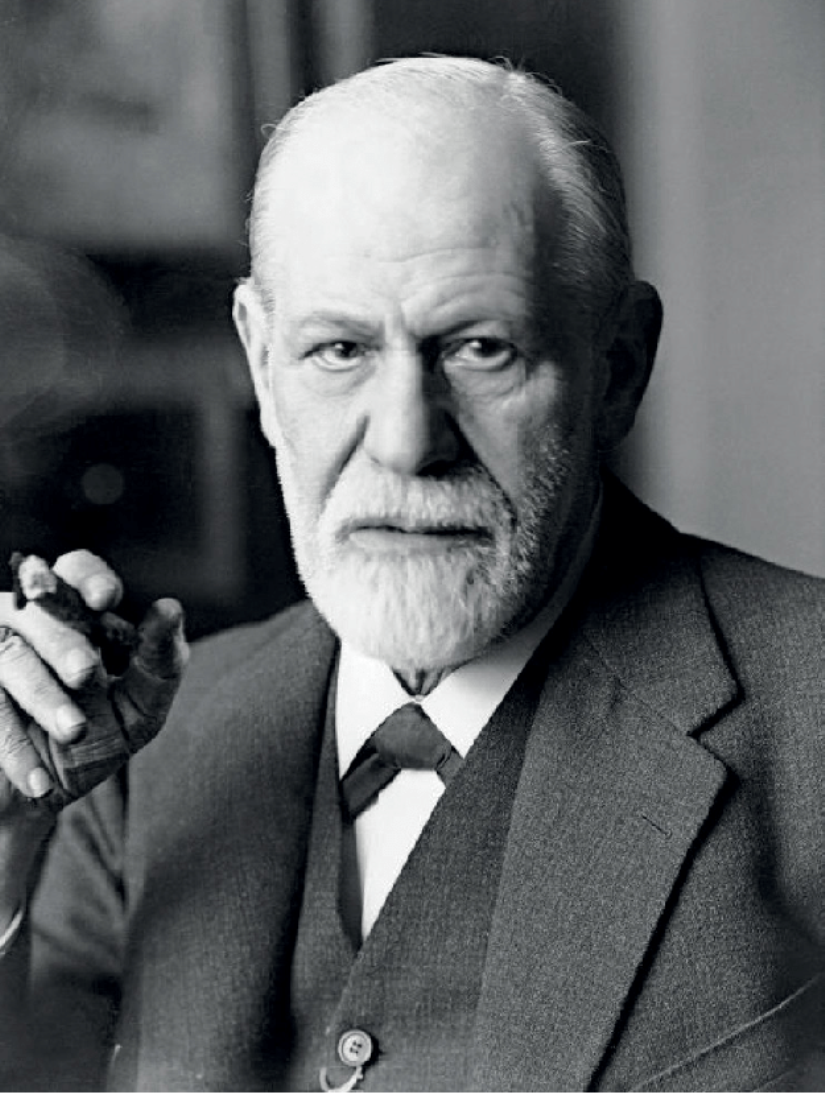
igmund Freud, born Sigismund Schlomo Freud, was an Austrian psychologist, psychiatrist and neurologist, the founder of psychoanalysis.
He graduated from the medical faculty of the University of Vienna, was engaged in self-education and numerous, cutting-edge for his time studies of the human psyche. The resulting psychoanalysis he created was both a theory of the human psyche, a therapy to alleviate its ills, and a tool for interpreting culture and society. Freud's psychoanalysis had a significant impact on psychology, medicine, sociology, anthropology, literature and art in the twentieth century.
Despite the sometimes harsh criticism of virtually all of his ideas and teachings, which continues almost a century after his death, Freud remains one of the most influential intellectual figures of our time.
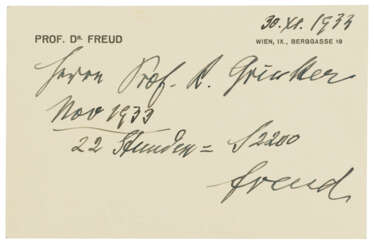

igmund Freud, born Sigismund Schlomo Freud, was an Austrian psychologist, psychiatrist and neurologist, the founder of psychoanalysis.
He graduated from the medical faculty of the University of Vienna, was engaged in self-education and numerous, cutting-edge for his time studies of the human psyche. The resulting psychoanalysis he created was both a theory of the human psyche, a therapy to alleviate its ills, and a tool for interpreting culture and society. Freud's psychoanalysis had a significant impact on psychology, medicine, sociology, anthropology, literature and art in the twentieth century.
Despite the sometimes harsh criticism of virtually all of his ideas and teachings, which continues almost a century after his death, Freud remains one of the most influential intellectual figures of our time.
![BRETON, André (1896-1966) [& Sigmund FREUD (1856-1939)]](/assets/image/picture_4604878/def7d/9fb8ac4d2c1ce569c01925107af54abb1747864800jpg__fix_374_244.jpeg)
![BRETON, André (1896-1966) [& Sigmund FREUD (1856-1939)]](https://veryimportantlot.com/assets/image/picture_4604878/def7d/9fb8ac4d2c1ce569c01925107af54abb1747864800jpg__fix_374_244.jpeg)
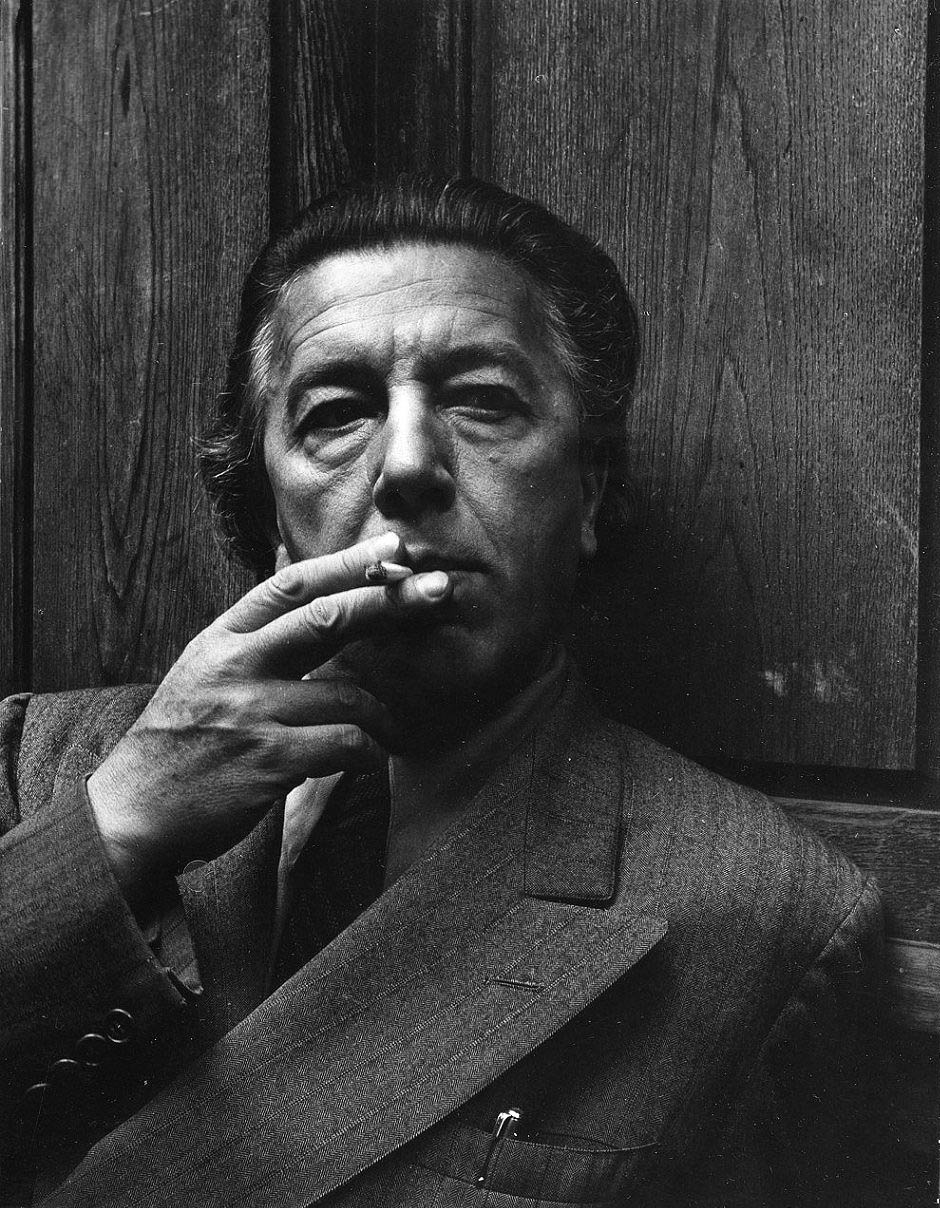
André Breton was a French writer, poet, and anti-fascist, renowned as the principal founder and leading theorist of Surrealism, an influential movement that sought to release the creative potential of the unconscious mind. Born in Tinchebray, France, in 1896, Breton's work was deeply influenced by the theories of Sigmund Freud and was characterized by a fascination with dreams, the irrational, and the workings of the mind. As a cultural icon, his contributions extended beyond literature into the realms of art, sculpture, and painting, making him a pivotal figure in 20th-century artistic movements.
Breton's seminal work, the "Manifesto of Surrealism" (1924), outlined the principles of the movement, advocating for the expression of the subconscious and the importance of dreams as a source of artistic inspiration. His leadership and writings not only shaped Surrealism but also had a lasting impact on the broader culture of art, influencing countless artists, painters, and sculptors. Breton's ability to merge poetry with visual arts led to collaborations with prominent artists like Salvador Dalí, Max Ernst, and Joan Miró, further cementing his legacy as a central figure in modern art.
Notably, André Breton's works and personal collection, which included art pieces and surreal objects, have been displayed in museums and galleries worldwide, showcasing his eclectic taste and profound influence on the art world. His Paris apartment was a gathering place for artists and intellectuals, becoming a hub of Surrealist activity and thought. For collectors and experts in art and antiques, Breton's contributions represent a fascinating intersection of literary prowess and visual creativity, highlighting the enduring relevance of Surrealism.
For those interested in exploring the depths of Surrealism and André Breton's groundbreaking contributions, signing up for updates can provide exclusive access to new product sales and auction events related to this pivotal artist and thinker. This subscription is an invaluable resource for collectors and enthusiasts keen to deepen their understanding of Breton's influence and the broader cultural movements he shaped.
igmund Freud, born Sigismund Schlomo Freud, was an Austrian psychologist, psychiatrist and neurologist, the founder of psychoanalysis.
He graduated from the medical faculty of the University of Vienna, was engaged in self-education and numerous, cutting-edge for his time studies of the human psyche. The resulting psychoanalysis he created was both a theory of the human psyche, a therapy to alleviate its ills, and a tool for interpreting culture and society. Freud's psychoanalysis had a significant impact on psychology, medicine, sociology, anthropology, literature and art in the twentieth century.
Despite the sometimes harsh criticism of virtually all of his ideas and teachings, which continues almost a century after his death, Freud remains one of the most influential intellectual figures of our time.
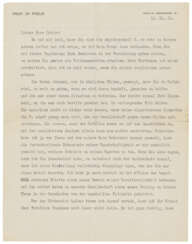

igmund Freud, born Sigismund Schlomo Freud, was an Austrian psychologist, psychiatrist and neurologist, the founder of psychoanalysis.
He graduated from the medical faculty of the University of Vienna, was engaged in self-education and numerous, cutting-edge for his time studies of the human psyche. The resulting psychoanalysis he created was both a theory of the human psyche, a therapy to alleviate its ills, and a tool for interpreting culture and society. Freud's psychoanalysis had a significant impact on psychology, medicine, sociology, anthropology, literature and art in the twentieth century.
Despite the sometimes harsh criticism of virtually all of his ideas and teachings, which continues almost a century after his death, Freud remains one of the most influential intellectual figures of our time.


.jpg)
Paracelsus, born Theophrastus von Hohenheim (full name Philippus Aureolus Theophrastus Bombastus von Hohenheim), was a Swiss physician, alchemist, lay theologian, and philosopher of the German Renaissance.
He was a pioneer in several aspects of the "medical revolution" of the Renaissance, emphasizing the value of observation in combination with received wisdom. He is credited as the "father of toxicology". Paracelsus also had a substantial influence as a prophet or diviner, his "Prognostications" being studied by Rosicrucians in the 1600s. Paracelsianism is the early modern medical movement inspired by the study of his works.
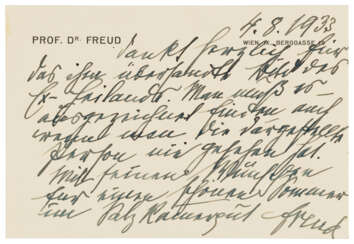

igmund Freud, born Sigismund Schlomo Freud, was an Austrian psychologist, psychiatrist and neurologist, the founder of psychoanalysis.
He graduated from the medical faculty of the University of Vienna, was engaged in self-education and numerous, cutting-edge for his time studies of the human psyche. The resulting psychoanalysis he created was both a theory of the human psyche, a therapy to alleviate its ills, and a tool for interpreting culture and society. Freud's psychoanalysis had a significant impact on psychology, medicine, sociology, anthropology, literature and art in the twentieth century.
Despite the sometimes harsh criticism of virtually all of his ideas and teachings, which continues almost a century after his death, Freud remains one of the most influential intellectual figures of our time.
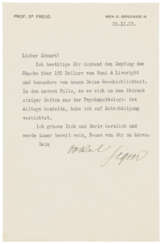

igmund Freud, born Sigismund Schlomo Freud, was an Austrian psychologist, psychiatrist and neurologist, the founder of psychoanalysis.
He graduated from the medical faculty of the University of Vienna, was engaged in self-education and numerous, cutting-edge for his time studies of the human psyche. The resulting psychoanalysis he created was both a theory of the human psyche, a therapy to alleviate its ills, and a tool for interpreting culture and society. Freud's psychoanalysis had a significant impact on psychology, medicine, sociology, anthropology, literature and art in the twentieth century.
Despite the sometimes harsh criticism of virtually all of his ideas and teachings, which continues almost a century after his death, Freud remains one of the most influential intellectual figures of our time.
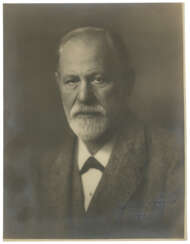

igmund Freud, born Sigismund Schlomo Freud, was an Austrian psychologist, psychiatrist and neurologist, the founder of psychoanalysis.
He graduated from the medical faculty of the University of Vienna, was engaged in self-education and numerous, cutting-edge for his time studies of the human psyche. The resulting psychoanalysis he created was both a theory of the human psyche, a therapy to alleviate its ills, and a tool for interpreting culture and society. Freud's psychoanalysis had a significant impact on psychology, medicine, sociology, anthropology, literature and art in the twentieth century.
Despite the sometimes harsh criticism of virtually all of his ideas and teachings, which continues almost a century after his death, Freud remains one of the most influential intellectual figures of our time.
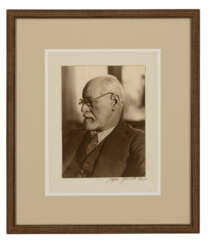

igmund Freud, born Sigismund Schlomo Freud, was an Austrian psychologist, psychiatrist and neurologist, the founder of psychoanalysis.
He graduated from the medical faculty of the University of Vienna, was engaged in self-education and numerous, cutting-edge for his time studies of the human psyche. The resulting psychoanalysis he created was both a theory of the human psyche, a therapy to alleviate its ills, and a tool for interpreting culture and society. Freud's psychoanalysis had a significant impact on psychology, medicine, sociology, anthropology, literature and art in the twentieth century.
Despite the sometimes harsh criticism of virtually all of his ideas and teachings, which continues almost a century after his death, Freud remains one of the most influential intellectual figures of our time.
Paracelsus, born Theophrastus von Hohenheim (full name Philippus Aureolus Theophrastus Bombastus von Hohenheim), was a Swiss physician, alchemist, lay theologian, and philosopher of the German Renaissance.
He was a pioneer in several aspects of the "medical revolution" of the Renaissance, emphasizing the value of observation in combination with received wisdom. He is credited as the "father of toxicology". Paracelsus also had a substantial influence as a prophet or diviner, his "Prognostications" being studied by Rosicrucians in the 1600s. Paracelsianism is the early modern medical movement inspired by the study of his works.