

best car at a low price






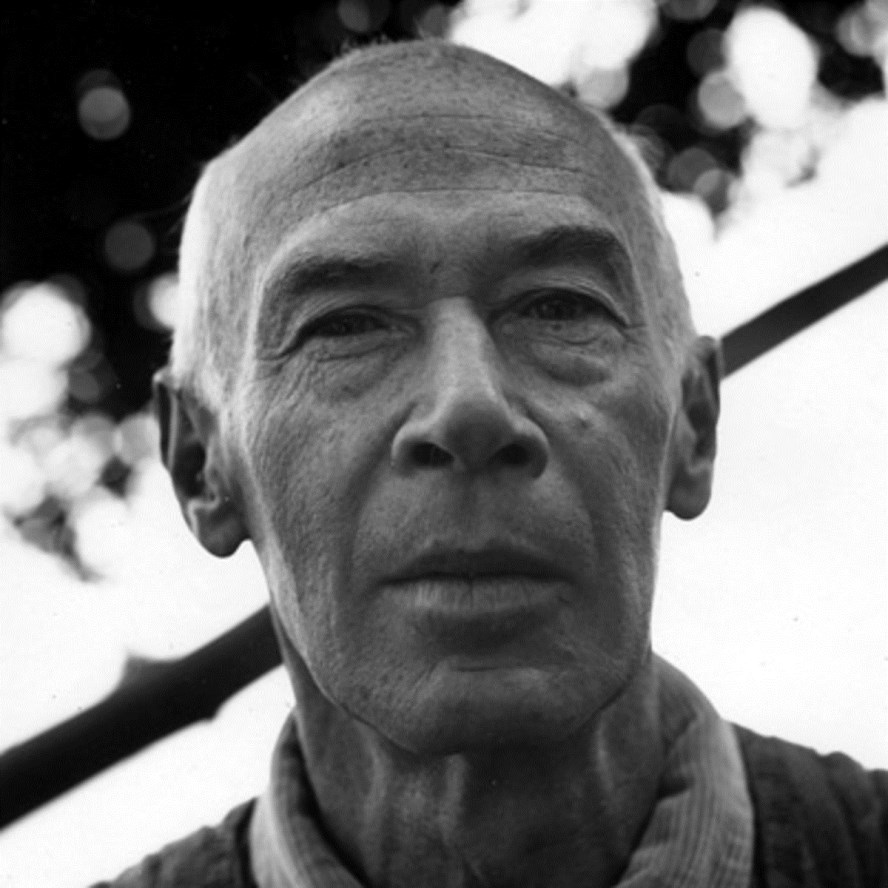


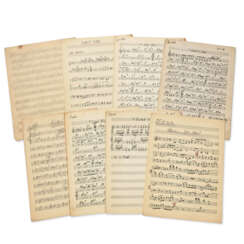




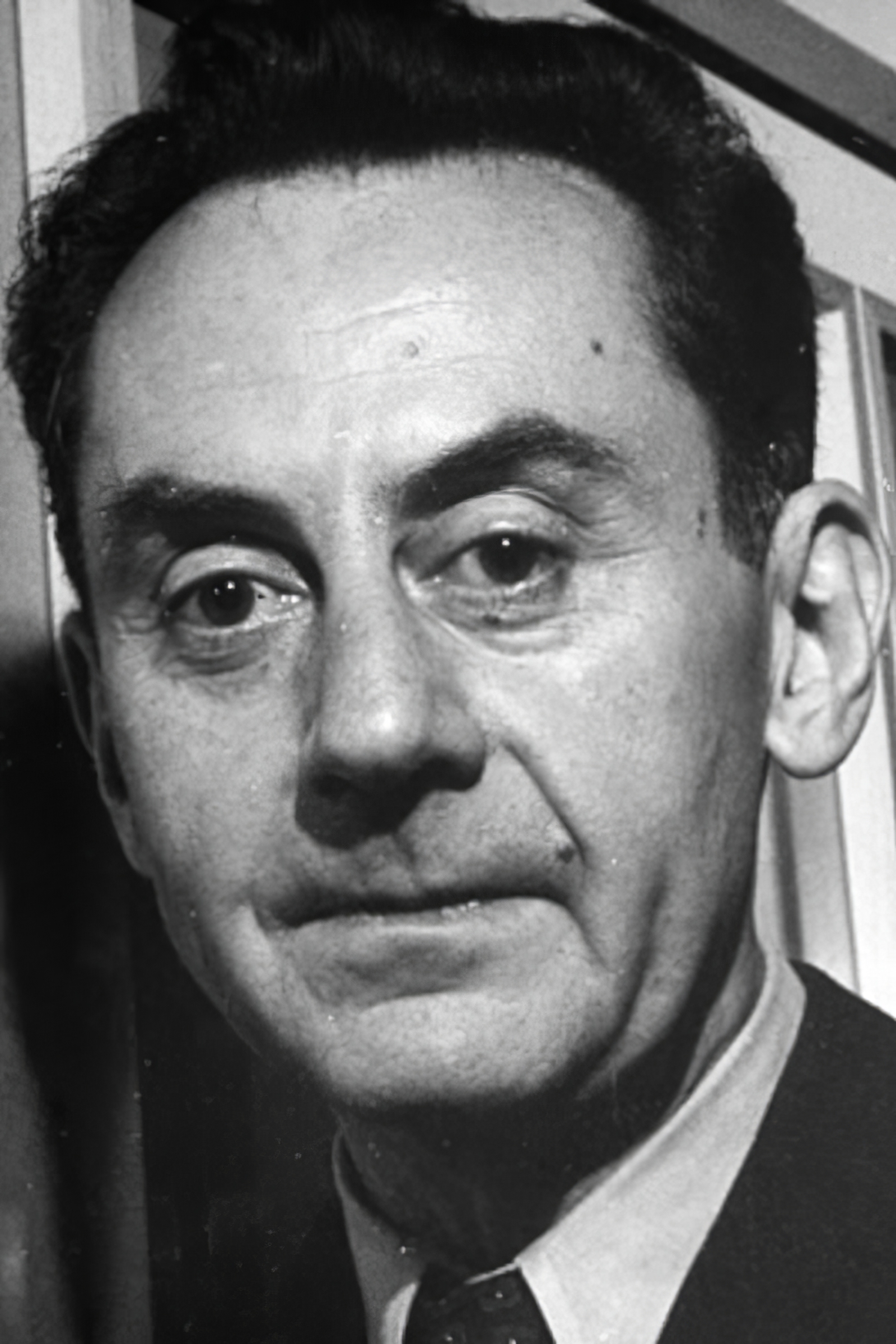
Man Ray, born Emmanuel Radnitzky, was an American visual artist who played a significant role in the Dada and Surrealist movements. His pioneering efforts in photography, alongside his work in painting and sculpture, have cemented his place as a major figure in modern art. Known for his innovative techniques and the ability to convey complex ideas through simple, striking visuals, Man Ray's contribution to the art world is profound.
Throughout his career, Man Ray was celebrated for his avant-garde approach and his ability to transcend traditional boundaries between different artistic mediums. His photography, characterized by experimental techniques such as solarization and rayographs (cameraless photographs), challenged conventional perceptions of photography as merely a means of representation. These artistic innovations made him a central figure in both Parisian and American art circles.
Man Ray's works are housed in some of the world's most prestigious museums and galleries, including the Museum of Modern Art in New York and the Centre Pompidou in Paris. His pieces, such as "Le Violon d'Ingres" and "Noire et Blanche," are iconic images that continue to influence artists today. His ability to blend the abstract with the realistic, and the humorous with the serious, has left a lasting legacy in the world of art.
For collectors and experts in art and antiques, the work of Man Ray offers a glimpse into the revolutionary changes that shaped the visual arts in the 20th century. His unique perspective and pioneering techniques continue to inspire and challenge those interested in the boundaries of creativity and expression.
If you're passionate about the avant-garde, or simply wish to explore the fascinating world of Man Ray further, sign up for our updates. You'll receive alerts on new product sales and auction events related to Man Ray, ensuring you never miss an opportunity to engage with the legacy of this extraordinary artist.


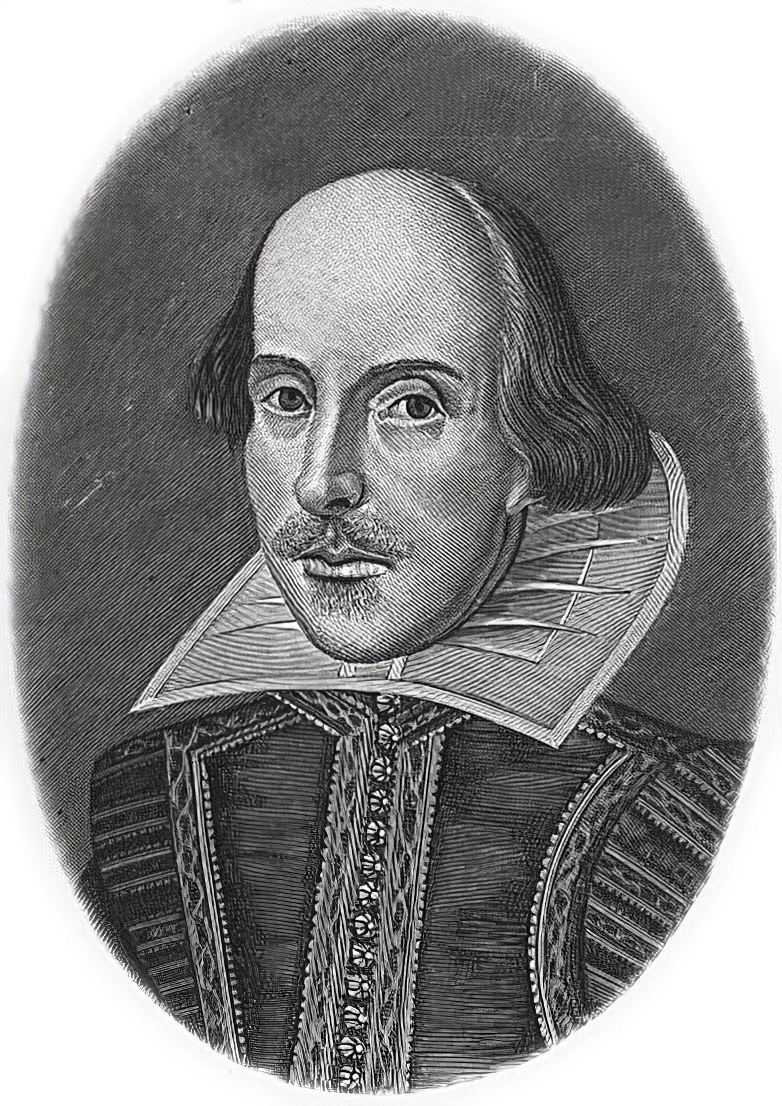
William Shakespeare was a British poet and playwright and writer.
William's father, John Shakespeare, was a merchant and official in Stratford. There are reports that he was a sailor for a time before joining a theater company in London. Beginning in the 1590s, Shakespeare began writing plays, and in 1593 he published a poem, Venus and Adonis, which became popular. He dedicated it to the Duke of Southampton, who was a philanthropist and patron of talent, and soon his business was booming.
From 1592 to 1600 Shakespeare wrote his dramas and romantic comedies "Richard III", "The Taming of the Shrew", "Romeo and Juliet", "A Midsummer Night's Dream" and "The Merchant of Venice", as well as the comedies "Much Ado About Nothing", "Twelfth Night" and the tragedy "Julius Caesar". The playwright's business was so successful that he even bought a large house in Stratford. In 1599, Shakespeare became one of the owners, playwright and actor of the new theater "Globe". In 1603 King James took Shakespeare's troupe under his direct patronage. In the mature period, the great playwright turned to tragedies, there were "Hamlet", "Othello", "King Lear", "Macbeth" and others.
Although in the 19th century researchers had some doubts about the authorship of many of these works, William Shakespeare is considered the greatest English playwright, one of the best playwrights in the world. His plays have been translated into all major languages and to this day form the basis of the world theatrical repertoire, most of them have been screened many times. According to the Guinness Book of Records, Shakespeare remains the world's best-selling playwright, and his plays and poems have sold more than 4 billion copies in the nearly 400 years since his death.

Robert Boyvin was a French illuminator who worked in Rouen between 1480 and 1536.
Robert came from the Boyvin family of booksellers, known since the early 15th century. He was part of a group of illuminators along with Jean Pichord, Jean Serpen, Etienne du Monstier and Nicolas Hisse.
Boyvin produced more than 80 surviving manuscripts, most of which were books of hours, and his style had a great influence on the Rouen workshops. From 1530, Boyvin also made some jewelry for Cardinal Georges d'Amboise.
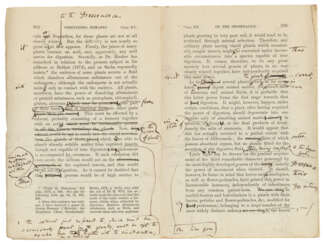

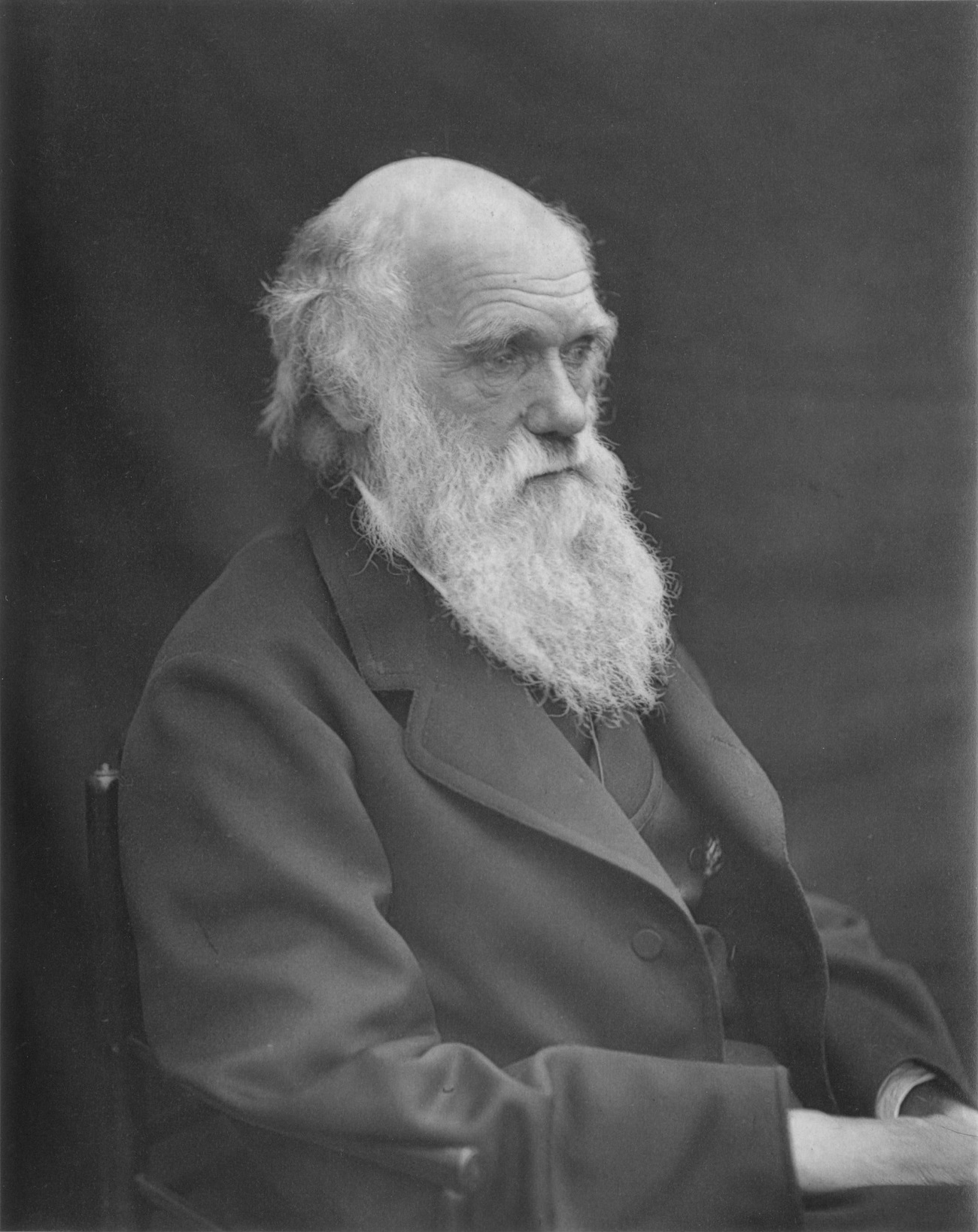
Charles Robert Darwin was an English naturalist, geologist, and biologist, widely known for contributing to the understanding of evolutionary biology. His proposition that all species of life have descended from a common ancestor is now generally accepted and considered a fundamental concept in science. In a joint publication with Alfred Russel Wallace, he introduced his scientific theory that this branching pattern of evolution resulted from a process that he called natural selection, in which the struggle for existence has a similar effect to the artificial selection involved in selective breeding. Darwin has been described as one of the most influential figures in human history, and he was honoured by burial in Westminster Abbey.
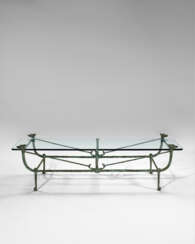


Diego Giacometti was a Swiss sculptor and designer, and the younger brother of the sculptor Alberto Giacometti.



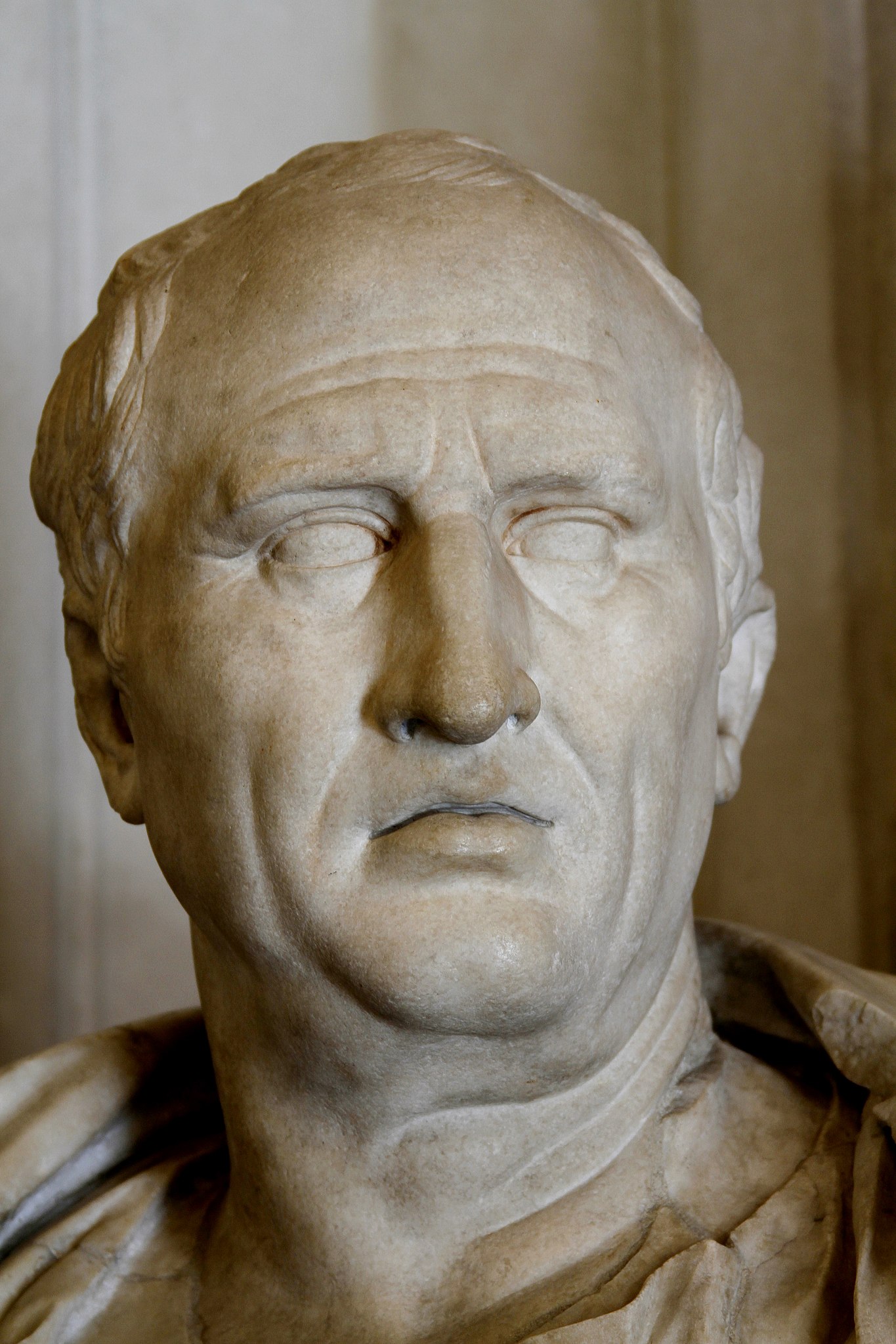
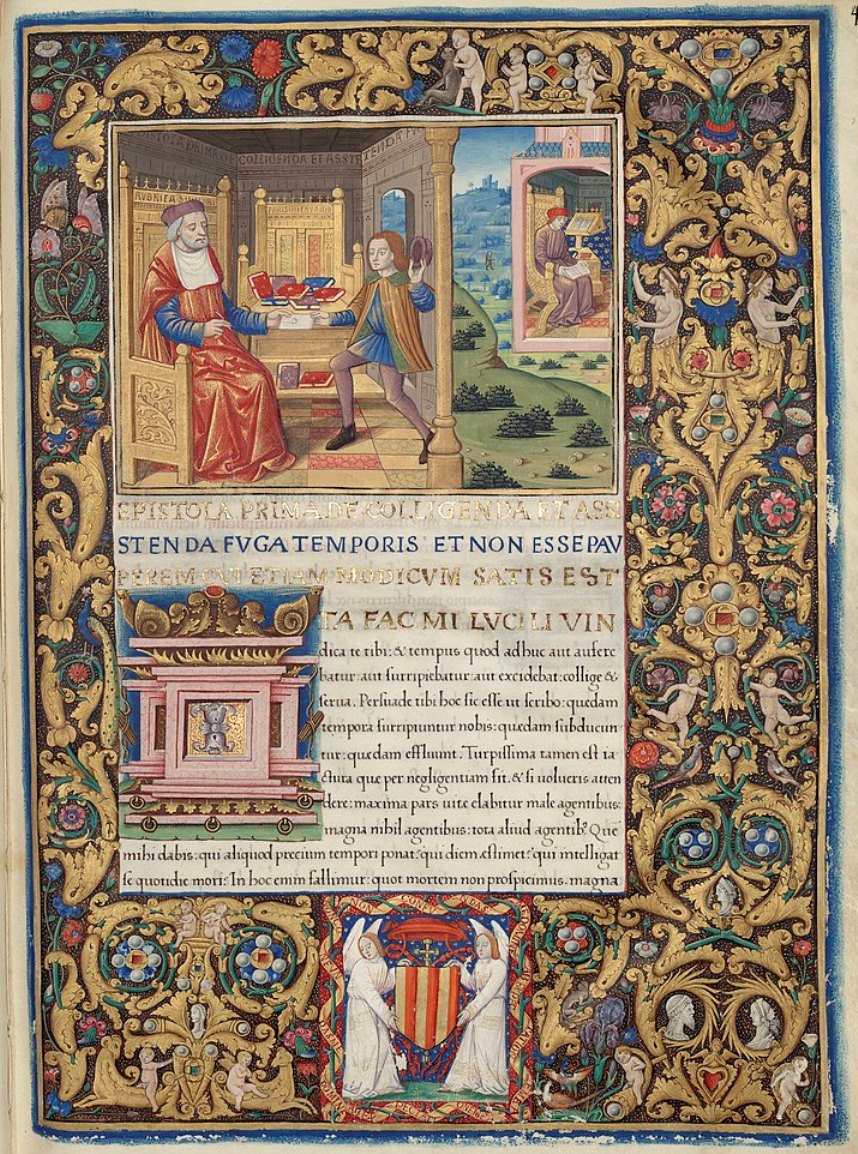
Marcus Tullius Cicero was a Roman statesman, lawyer, scholar, philosopher, and academic skeptic, who tried to uphold optimate principles during the political crises that led to the establishment of the Roman Empire. His extensive writings include treatises on rhetoric, philosophy and politics. He is considered one of Rome's greatest orators and prose stylists. He came from a wealthy municipal family of the Roman equestrian order, and served as consul in 63 BC.
His influence on the Latin language was immense. He wrote more than three-quarters of extant Latin literature that is known to have existed in his lifetime, and it has been said that subsequent prose was either a reaction against or a return to his style, not only in Latin but in European languages up to the 19th century. Cicero introduced into Latin the arguments of the chief schools of Hellenistic philosophy and created a Latin philosophical vocabulary with neologisms such as evidentia, humanitas, qualitas, quantitas, and essentia, distinguishing himself as a translator and philosopher.
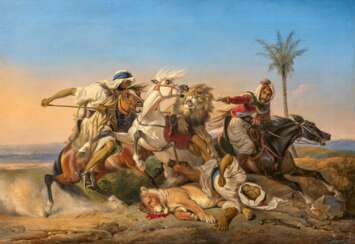

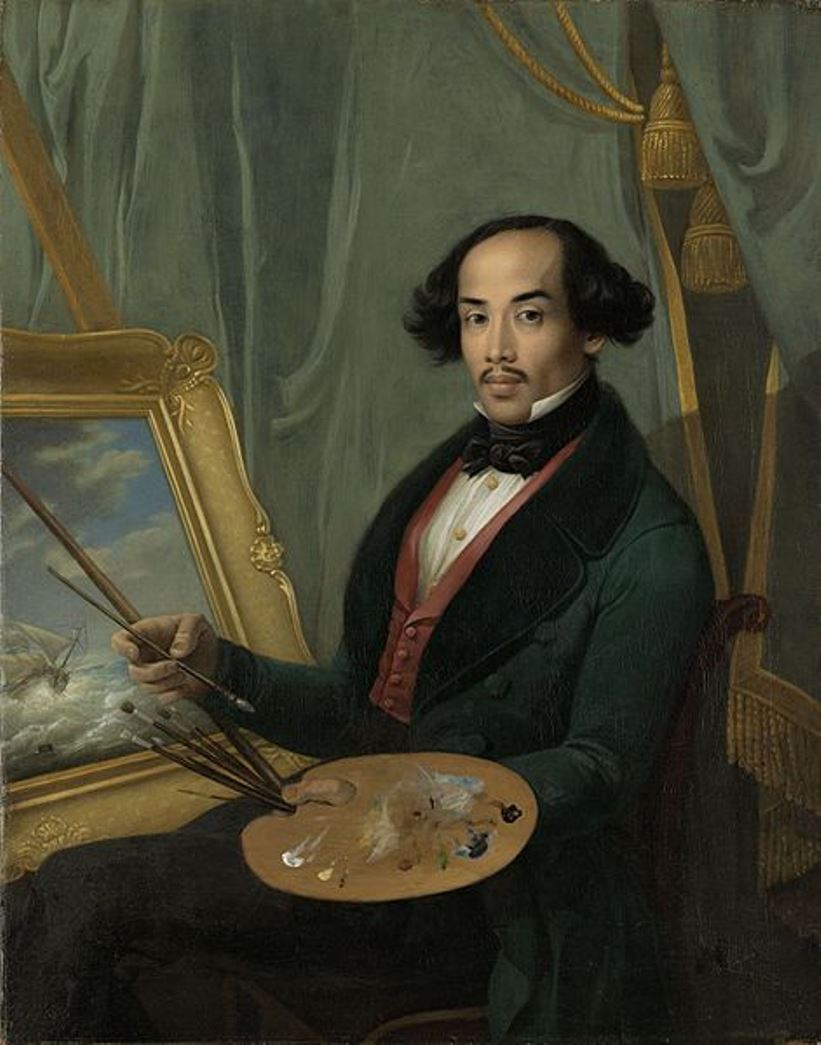
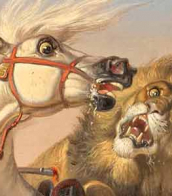
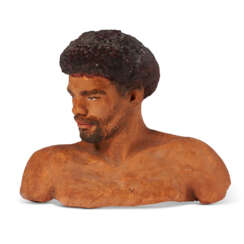

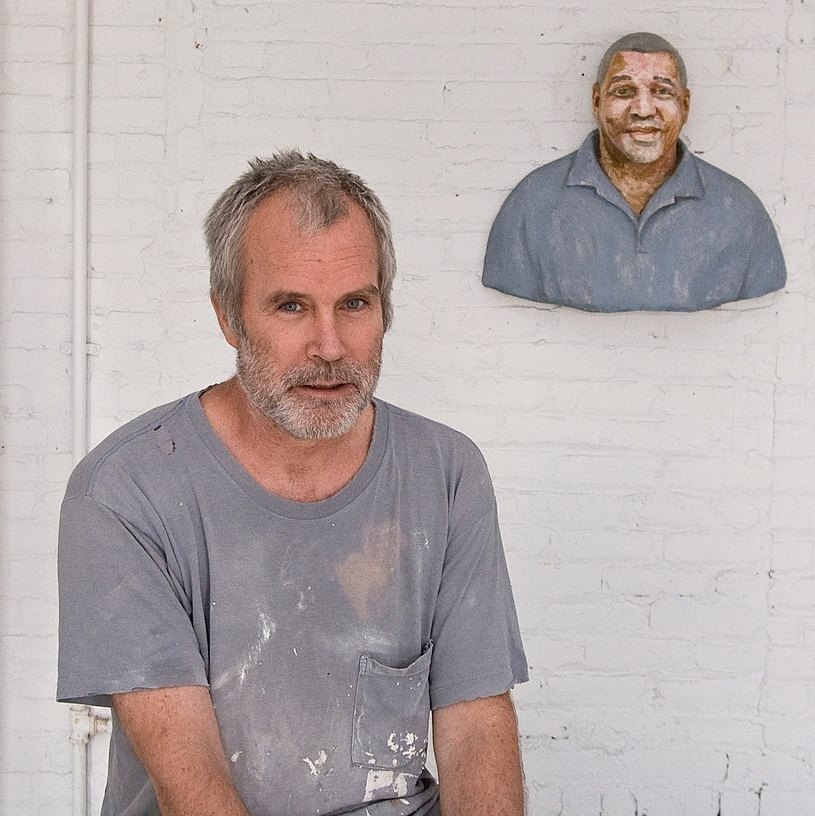
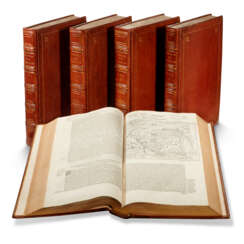



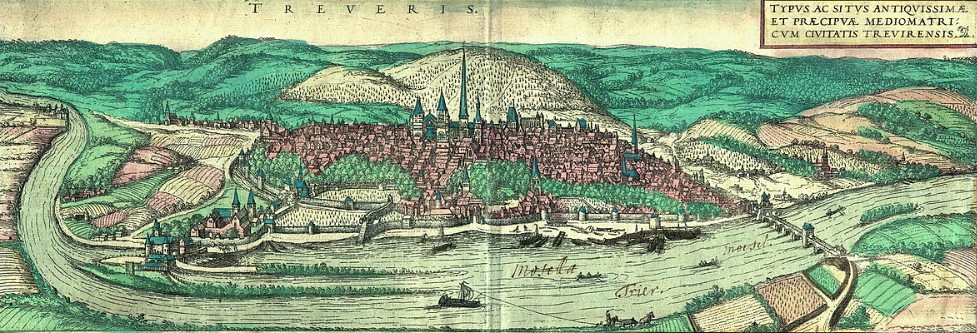
Frans Hogenberg was a Flemish and German painter, engraver, and mapmaker. He is known for portraits and topographical views as well as historical allegories. He also produced scenes of contemporary historical events. Hogenberg was the author of graphic works, engravings of city views and maps of the first four volumes of the six-volume atlas Theatrum Orbis Terrarum (Description and drawings of the most famous cities in the world), published in 1570 by the Flemish geographer Abraham Ortelius. Hogenberg's engravings are an invaluable source of information about urban development in medieval Europe.
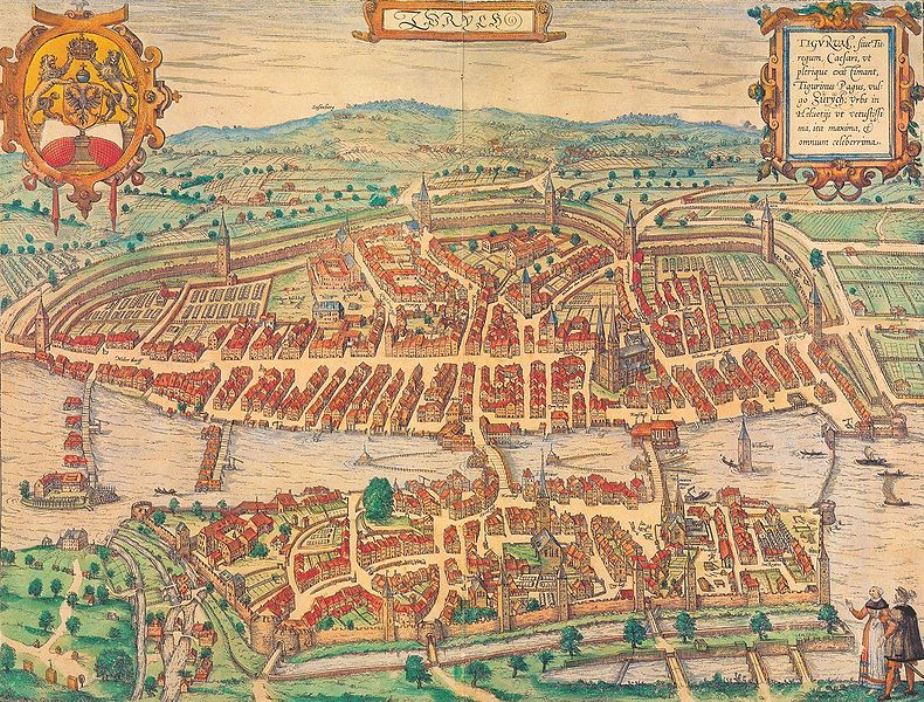
Georg Braun was a German topographical geographer, cartographer and publisher.
Braun was the editor-in-chief of the Civitates orbis terrarum, a groundbreaking atlas of cities, one of the major cartographic achievements of the 16th century. It was the first comprehensive and detailed atlas, with plans of the world's famous cities and bird's-eye views, and became one of the best-selling works of the time.
The book was prepared by Georg Braun in collaboration with the Flemish engraver and cartographer Frans Hoogenberg. Braun, as editor-in-chief, acquired tables, hired artists, and wrote the texts. They drew on existing maps as well as maps based on drawings by the Antwerp artist Joris Hofnagel and his son Jacob. Other authors include Pieter Bruegel the Elder (c. 1525-1569), Jacob van Deventer (c. 1505-1575), and more than a hundred other artists and engravers.
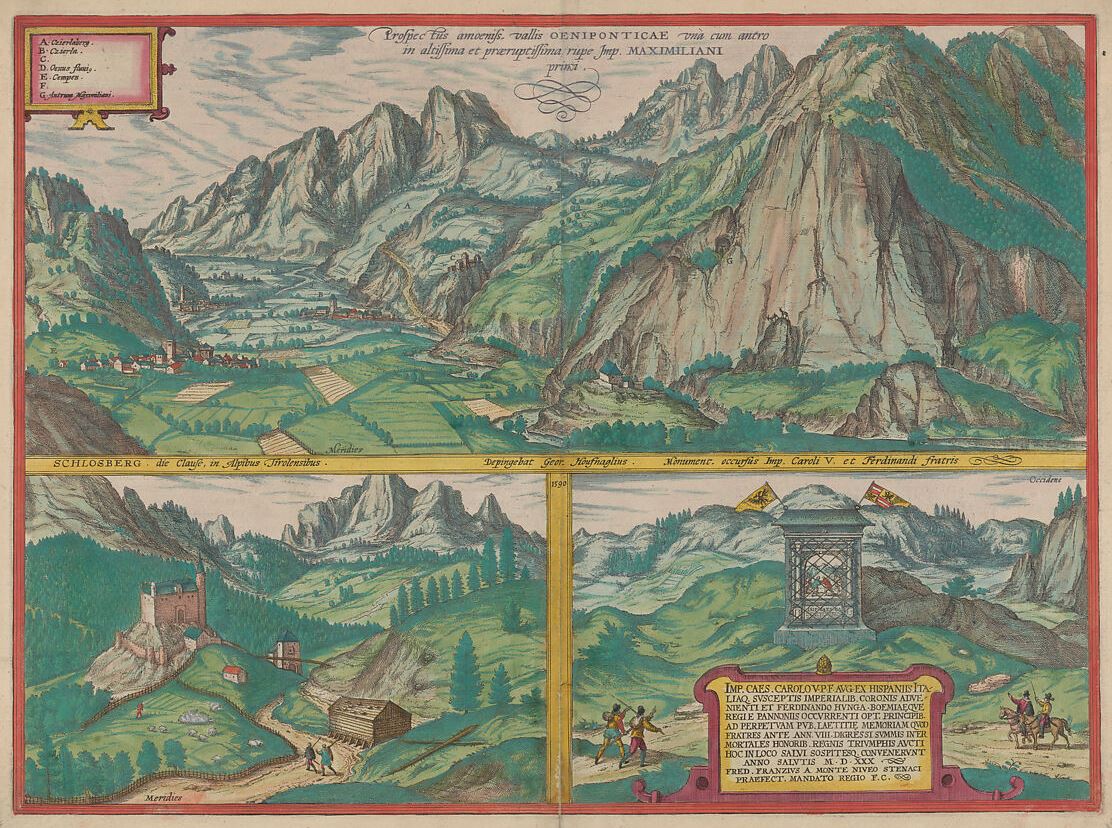
Simon Novellanus was a Dutch-born German artist, graphic artist and engraver who worked in Cologne in the second half of the 16th century.
He is known to have been a skilled engraver and collaborated with cartographer and engraver Franz Hogenberg in the production of books and atlases. Novellanus's sprawling, multi-layered landscapes are executed in a light and varied etching technique that creates intense light and atmosphere.

.jpg)
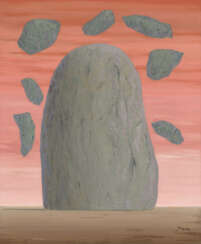
René Magritte, a Belgian artist, was renowned for his significant contributions to the Surrealist movement. His art, known for merging ordinary objects with bizarre, dream-like contexts, captivated the art world. Born on November 21, 1898, in Lessines, Belgium, Magritte's early artistic pursuits were impressionistic, transitioning through Cubism and Futurism influenced by artists like Jean Metzinger. However, his encounter with Giorgio de Chirico's work in 1922 steered him towards Surrealism.
Magritte's career was marked by various phases, each showcasing his evolving style and thematic focus. His initial foray into Surrealism began in 1926 with "The Lost Jockey" and was further solidified during his time in Paris, where he mingled with other prominent Surrealists like André Breton. Despite facing initial criticism and financial challenges, Magritte's unique blend of familiar imagery in unfamiliar contexts, like in "The Empire of Light" and "Time Transfixed," earned him acclaim.
Magritte's distinct visual language, characterized by recurring motifs like bowler hats and apples, and his exploration of reality and illusion, remain influential. His works are displayed in major galleries worldwide, continuing to inspire and intrigue art collectors and enthusiasts.
For collectors and experts in art and antiques, staying informed about Magritte's works and related auction events is crucial. Signing up for updates ensures you're alerted to new sales and events focusing on René Magritte's art, offering unique opportunities to acquire or learn more about his remarkable creations. This subscription will exclusively cover new product sales and auction events related to Magritte, keeping you updated on the most relevant information in the art world.
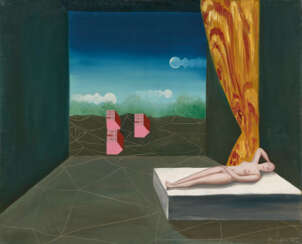

René Magritte, a Belgian artist, was renowned for his significant contributions to the Surrealist movement. His art, known for merging ordinary objects with bizarre, dream-like contexts, captivated the art world. Born on November 21, 1898, in Lessines, Belgium, Magritte's early artistic pursuits were impressionistic, transitioning through Cubism and Futurism influenced by artists like Jean Metzinger. However, his encounter with Giorgio de Chirico's work in 1922 steered him towards Surrealism.
Magritte's career was marked by various phases, each showcasing his evolving style and thematic focus. His initial foray into Surrealism began in 1926 with "The Lost Jockey" and was further solidified during his time in Paris, where he mingled with other prominent Surrealists like André Breton. Despite facing initial criticism and financial challenges, Magritte's unique blend of familiar imagery in unfamiliar contexts, like in "The Empire of Light" and "Time Transfixed," earned him acclaim.
Magritte's distinct visual language, characterized by recurring motifs like bowler hats and apples, and his exploration of reality and illusion, remain influential. His works are displayed in major galleries worldwide, continuing to inspire and intrigue art collectors and enthusiasts.
For collectors and experts in art and antiques, staying informed about Magritte's works and related auction events is crucial. Signing up for updates ensures you're alerted to new sales and events focusing on René Magritte's art, offering unique opportunities to acquire or learn more about his remarkable creations. This subscription will exclusively cover new product sales and auction events related to Magritte, keeping you updated on the most relevant information in the art world.
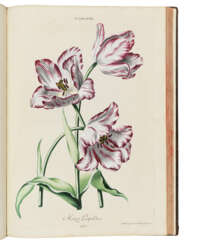

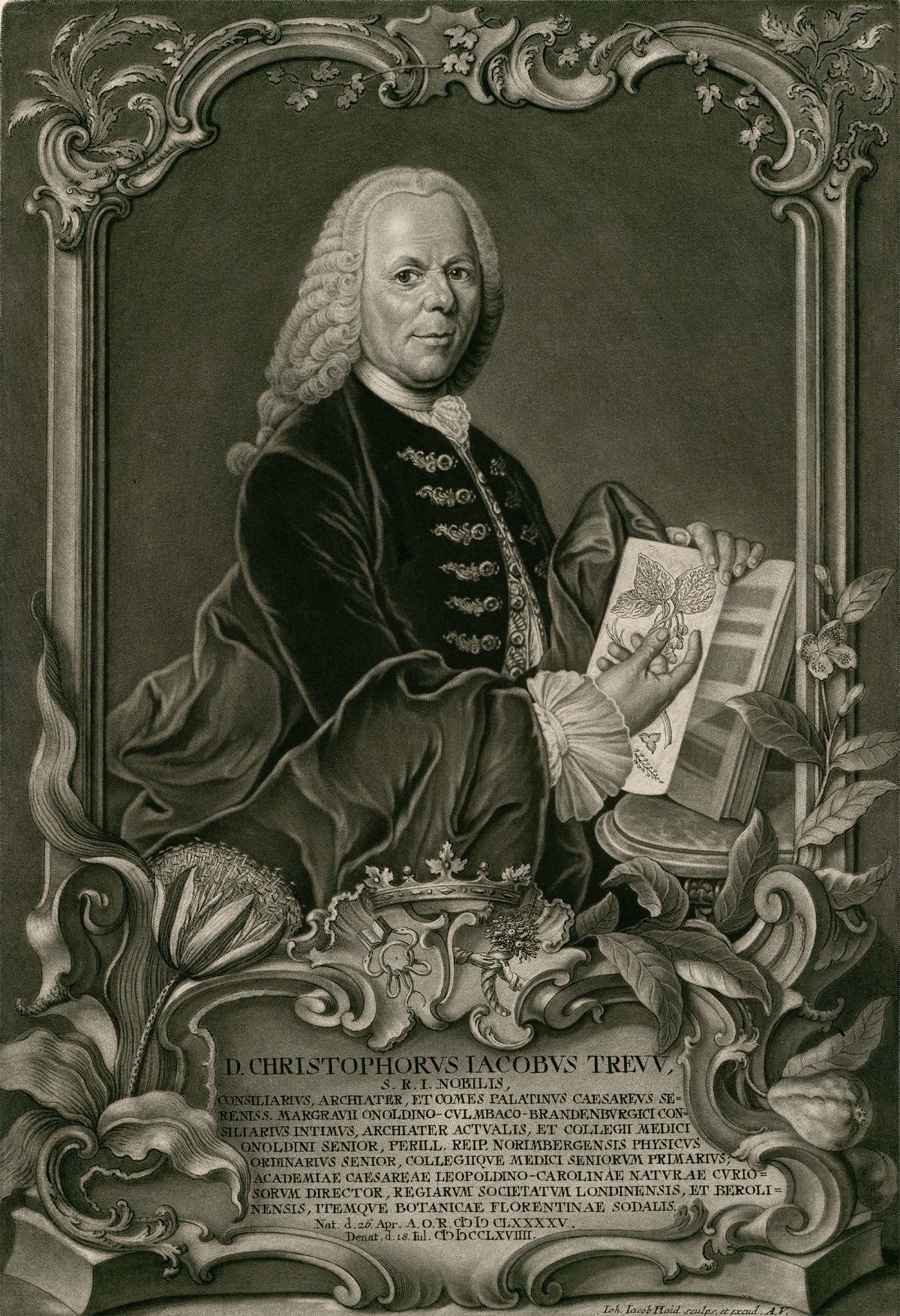
Christoph Jacob Trew was a German botanist.
He was originally a city solicitor, court physician, Count Palatine of the Holy Roman Empire, an advisor to the Margrave of Brandenburg-Ansbach. He also had an academic passion for botany. He was a member of the Royal Society of London, the Berlin Academy, and the Florentine Botanical Society. His interest in botany then led him to sponsor the publication of illustrated botanical books.
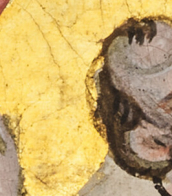
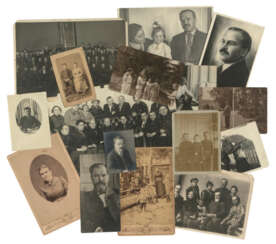

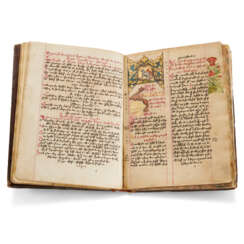

![[TRIP FROM DOVER TO PARIS]](/assets/image/picture_2944163/123b6/777345f6da2b97fdfa26603f0e992f631689199200jpg__fix_374_244.jpeg)
![[TRIP FROM DOVER TO PARIS]](https://veryimportantlot.com/assets/image/picture_2944163/123b6/777345f6da2b97fdfa26603f0e992f631689199200jpg__fix_374_244.jpeg)
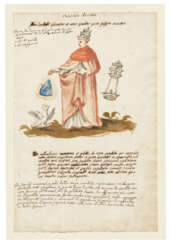

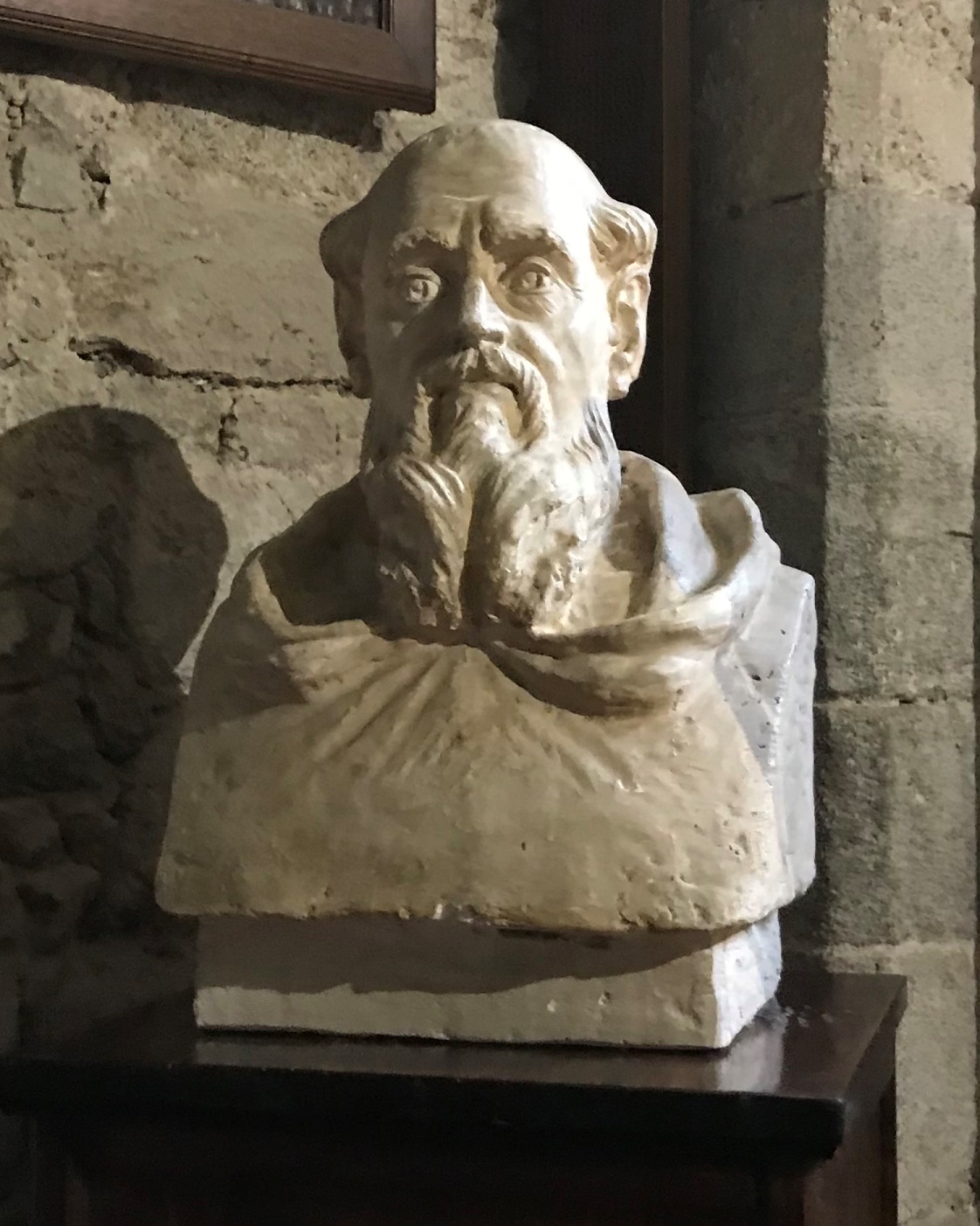
Joachim of Fiore, also known as Joachim de Fiore, and Gioacchino da Fiore, was an Italian mystic, theologian and philosopher of history, a great medieval thinker with a beautiful symbolic imagination.
Fiore was a prolific writer and explored the hidden meaning of the life of the apostles and the scriptures. At the end of the twelfth century Joachim had a high international reputation.
After a pilgrimage to the Holy Land, he became a Cistercian monk and by 1177 had become abbot at Corazzo, Sicily. He retired to the mountains to lead a contemplative life, and in 1196 he founded the Order of San Giovanni in Fiore. In his Book of the Harmony of the New and Old Testaments, Fiore set forth a theory of history and traced correspondences in the Old and New Testaments. In "An Exposition of the Apocalypse" he explored the symbols of the Antichrist, and in "The Ten-String Psalter" he set forth his doctrine of the Holy Trinity. A man of vivid imagination, he was proclaimed a prophet and condemned as a heretic.


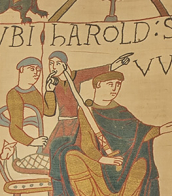
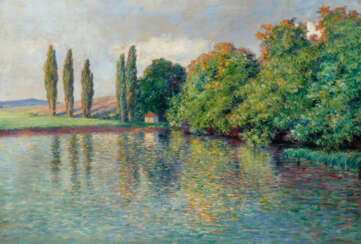

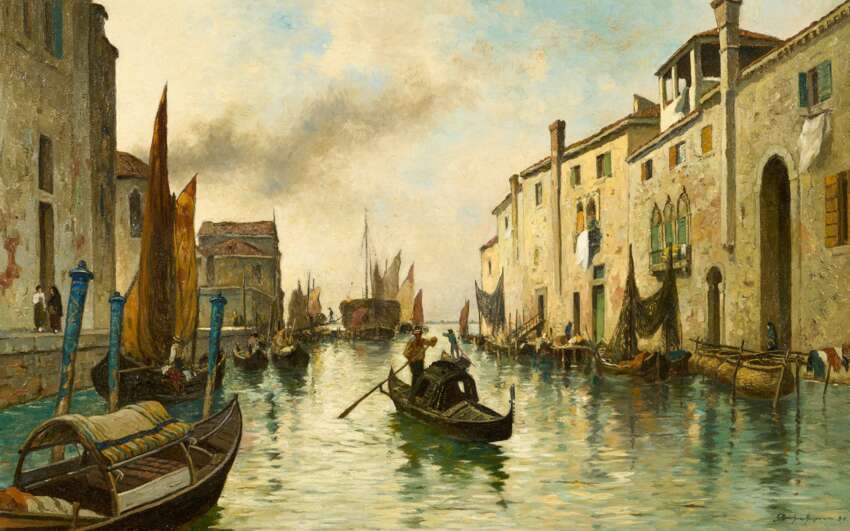
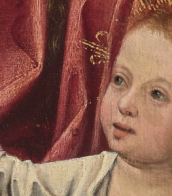


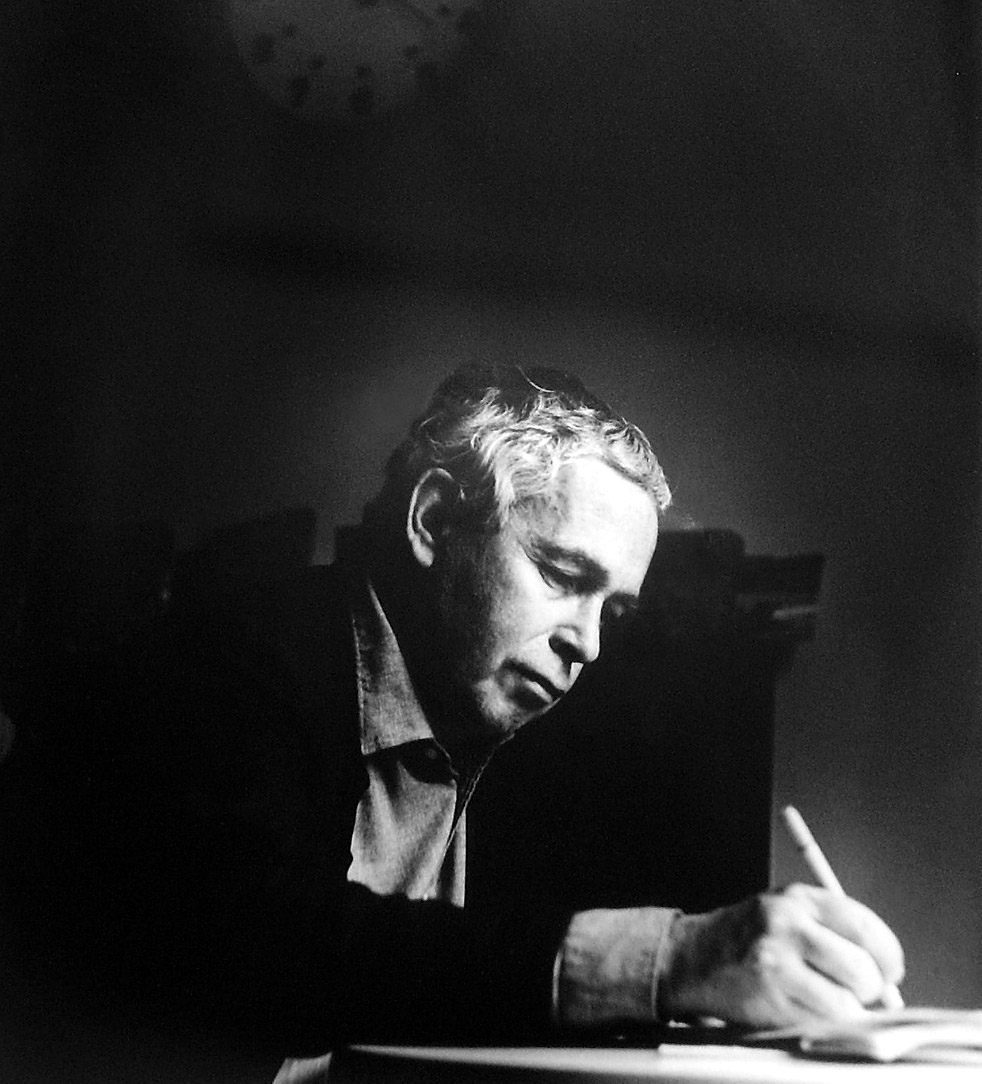
Sir Gordon Howard Eliott Hodgkin CH CBE was a British painter and printmaker, one of the most prominent colorists of his generation. His abstract paintings, often of a small format, are based on real events (as a rule, these are impressions from meetings with people).


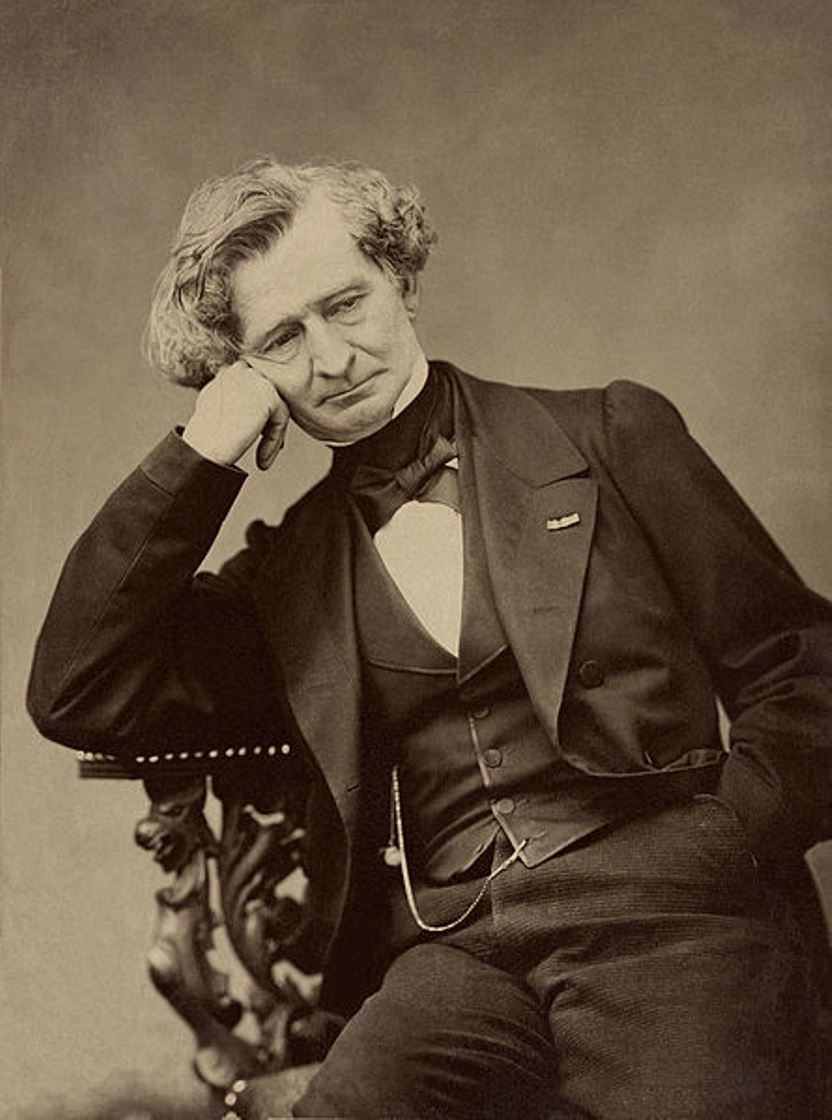
Hector Berlioz, full name Louis-Hector Berlioz, was a French composer, conductor, and music critic of the Romantic era.
Berlioz received his primary education from his father, an enlightened physician, who gave him his first lessons in music and Latin. By the age of 12, he was already composing music for local chamber ensembles and learning to play the guitar and flute with virtuosity. In 1821 his father sent him to Paris to study medicine, and he received his first scientific degree. But in parallel, he often visited the Paris Opera, where he studied the entire repertoire on the score.
Against the will of his parents, Berlioz took a compulsory course of study at the Conservatory of Paris and in 1830 received the Prix de Rome. In Italy he met the Russian composer Mikhail Glinka and became lifelong friends with Mendelssohn. From 1832 Berlioz worked for 30 years as a music critic for periodicals. He was acquainted with many of the leading writers and musicians of his time, including Victor Hugo, Alexandre Dumas, Niccolò Paganini, and George Sand.
Berlioz adored the works of Weber and Beethoven, as well as Gluck, and tirelessly introduced audiences to their works. As a result of his many trips as a conductor to Germany, Belgium, England, Russia, and Austria-Hungary, he taught the leading orchestras of Europe a new style.
Berlioz during these years wrote, among other things, the "Symphonie Fantastique" (1830) that made him famous, and the symphony "Harold in Italy" (1834). After a concert in 1838, where he conducted their performance, the famous violin virtuoso Paganini declared Hector Berlioz a continuator of Beethoven's musical traditions and presented him with 20,000 francs. A grateful Berlioz wrote a choral symphony, Romeo and Juliet, dedicated to Paganini.
In 1844, Berlioz created "Treatise on Modern Instrumentation and Orchestration", which is not just a technical manual, it served as an introduction to the aesthetics of expression in music for generations to come. Among Berlioz's dramatic works, The Damnation of Faust (1846) and The Nativity (1854) are world-famous.