bonn
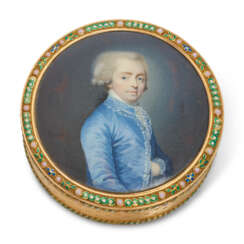

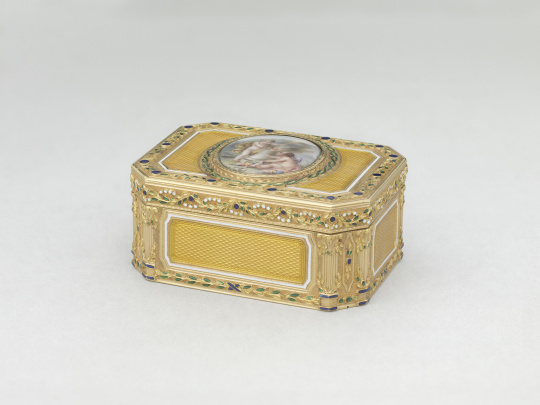
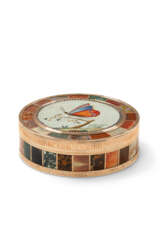
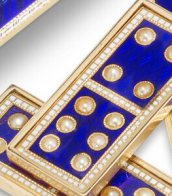
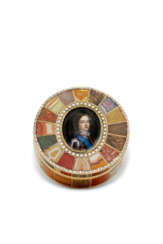
Charles Le Bastier, son of a Paris mercer of the same name, was apprenticed on 3 October 1738 at the age of 14, to Gabriel Vougny, marchand-orfèvre-joaillier. With the sponsorship of Jean Moynat, himself a noted gold box maker, Le Bastier became master goldsmith on 20 December 1754. He worked from the same premises in the rue Thévenot, near the rue St-Denis, until last recorded in 1783. Le Bastier was a successful and prolific maker of gold boxes who also supplied other retailers such as Jean-François Garand and Grancher of Du Petit Dunkerque, whose name or shop name appear engraved on the rims of several of Le Bastier's boxes. In the special tax list of 1774, he was listed 9th in order of the importance of his business. Since a number of Le Bastier's boxes survive in various collections (most notably in the Louvre and the Thurn und Taxis Museum, Regensburg), it is possible to trace the progression of his work from the earliest silver boxes with coloured gold ornament through a series of richly chased but comparatively plain gold boxes to the almost immediately recognisable gold and enamel boxes of his maturity.






 Пьер Боннар. «Автопортрет», 1889.jpg)
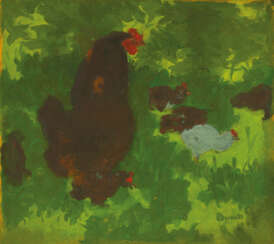
Pierre Bonnard was a distinguished French painter and printmaker, recognized as one of the foremost colorists of modern art. Born on October 3, 1867, in Fontenay-aux-Roses, France, Bonnard initially pursued law studies before embracing his true calling in art. He attended the École des Beaux-Arts and the Académie Julian, where his journey as an artist began in earnest.
Bonnard's art is characterized by its vibrant use of color and the portrayal of intimate, sunlit domestic interiors and gardens. His works often include scenes populated with friends and family, creating a narrative that is both personal and relatable. His distinctive style was influenced by Japanese prints, evident in his use of bold patterns and flat color planes. This influence earned him the nickname "Le Nabi très japonard" among his peers in the Les Nabis group, an avant-garde artists' group he joined in his twenties.
His early work, such as "Woman in Checkered Dress" (1890), showcases the influence of Japanese prints. Bonnard's talent was evident from the beginning of his career, with Claude Roger-Marx noting in 1893 his ability to capture fleeting poses and expressions. His work evolved over time, moving towards a style that resonated with the Intimists' focus on personal and intimate spaces.
Bonnard's wife, Marthe, was a recurring subject in his paintings, often depicted in everyday scenarios. Their relationship, spanning several decades, was a significant influence on his work. His paintings, such as "Dining Room on the Garden" and "Landscape at Le Cannet," demonstrate his mastery in capturing light and color, creating a sense of warmth and intimacy.
Bonnard's work remains influential and celebrated, with his paintings held in esteemed collections worldwide. His ability to transform everyday scenes into vibrant, color-filled canvases has made him a beloved figure in the world of modern art.
Art collectors and experts in the field will find Bonnard's work a study in the transformative power of color and composition. For those interested in staying updated on sales and auction events related to Pierre Bonnard's works, signing up for updates would provide valuable insights into this remarkable artist's enduring legacy.
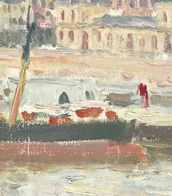


Pierre Bonnard was a distinguished French painter and printmaker, recognized as one of the foremost colorists of modern art. Born on October 3, 1867, in Fontenay-aux-Roses, France, Bonnard initially pursued law studies before embracing his true calling in art. He attended the École des Beaux-Arts and the Académie Julian, where his journey as an artist began in earnest.
Bonnard's art is characterized by its vibrant use of color and the portrayal of intimate, sunlit domestic interiors and gardens. His works often include scenes populated with friends and family, creating a narrative that is both personal and relatable. His distinctive style was influenced by Japanese prints, evident in his use of bold patterns and flat color planes. This influence earned him the nickname "Le Nabi très japonard" among his peers in the Les Nabis group, an avant-garde artists' group he joined in his twenties.
His early work, such as "Woman in Checkered Dress" (1890), showcases the influence of Japanese prints. Bonnard's talent was evident from the beginning of his career, with Claude Roger-Marx noting in 1893 his ability to capture fleeting poses and expressions. His work evolved over time, moving towards a style that resonated with the Intimists' focus on personal and intimate spaces.
Bonnard's wife, Marthe, was a recurring subject in his paintings, often depicted in everyday scenarios. Their relationship, spanning several decades, was a significant influence on his work. His paintings, such as "Dining Room on the Garden" and "Landscape at Le Cannet," demonstrate his mastery in capturing light and color, creating a sense of warmth and intimacy.
Bonnard's work remains influential and celebrated, with his paintings held in esteemed collections worldwide. His ability to transform everyday scenes into vibrant, color-filled canvases has made him a beloved figure in the world of modern art.
Art collectors and experts in the field will find Bonnard's work a study in the transformative power of color and composition. For those interested in staying updated on sales and auction events related to Pierre Bonnard's works, signing up for updates would provide valuable insights into this remarkable artist's enduring legacy.
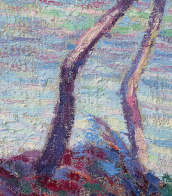


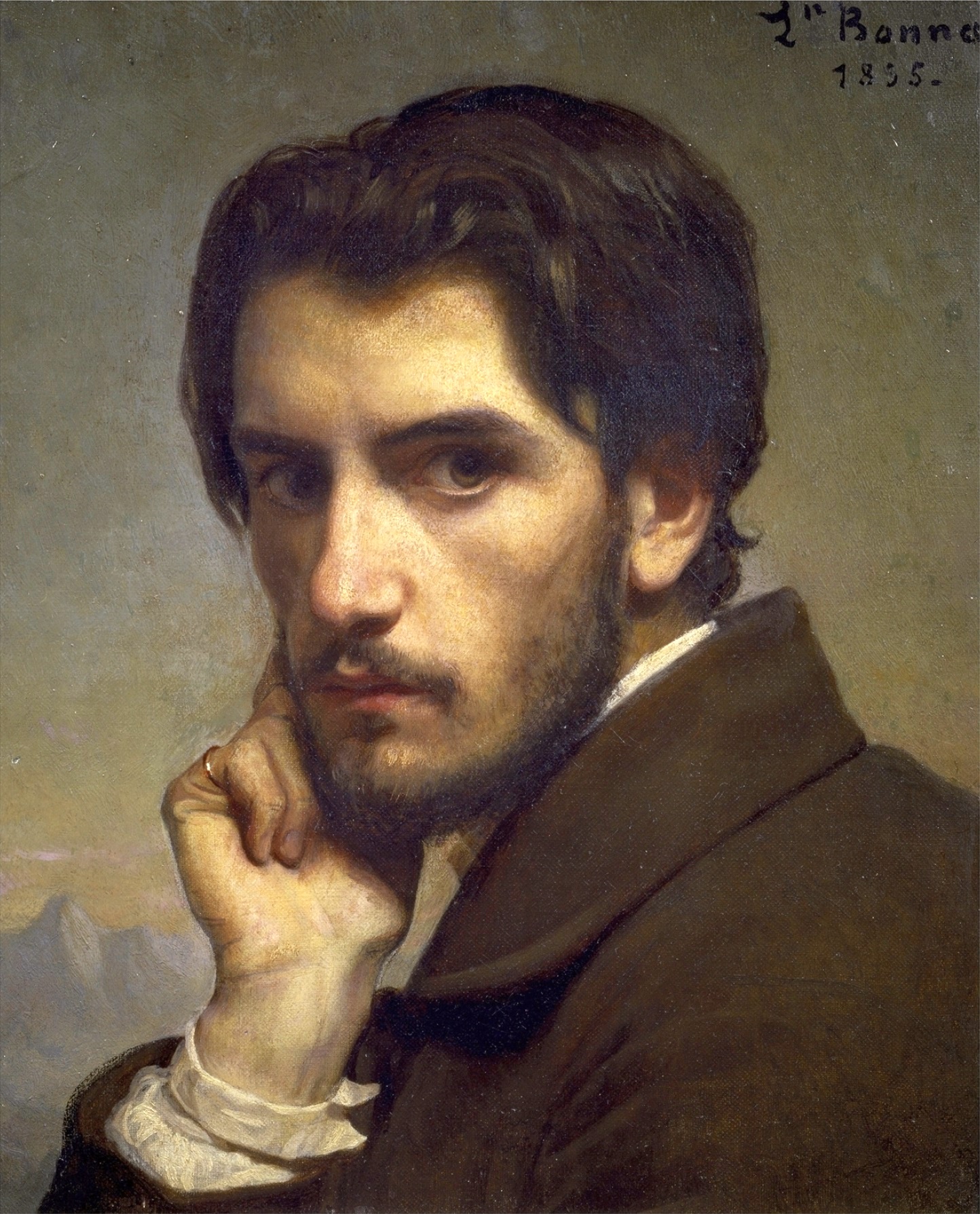
Léon Bonnat was a French academic painter renowned for his realistic and expressive portraits. Bonnat's early exposure to art came from his time in Madrid, where he developed a deep admiration for the works of Diego Velázquez, which significantly influenced his style.
Bonnat's artistry flourished in Paris, where his compelling portraits earned him accolades and recognition. He became a prominent figure at the Paris Salon, receiving his first public commission in 1863 and a Medal of Honor in 1869. His works include powerful religious paintings and portraits that captured the essence of his subjects with stark naturalism, distinct from the idealized finish typical of his era.
His teaching career at the Ecole des Beaux-Arts was equally distinguished. Bonnat was revered not just for his painting but also for his mentorship, guiding the next generation of artists, including Henri de Toulouse-Lautrec and Henri Matisse. He advocated for the freedom of artistic expression and encouraged his students to study masterworks directly, particularly advocating for trips to Madrid's Prado Museum.
Bonnat also assembled an exceptional collection of art, which he generously donated to the city of Bayonne. This collection included works from masters such as Rembrandt and Michelangelo, ensuring his legacy extended beyond his own creations.
His contributions to art were recognized with high honors, including the Grand Croix of the Legion of Honor. Bonnat's works continue to be celebrated for their technical prowess and emotional depth, residing in prestigious collections such as the Musée du Petit Palais and the Musée Bonnat.
For enthusiasts and collectors, Léon Bonnat’s work offers a glimpse into the soul of the French academic tradition and the evolution of portrait painting. Stay updated on exhibitions and sales featuring Bonnat's timeless art by signing up for our newsletter dedicated to bringing the latest news to art collectors and experts.


Léon Bonnat was a French academic painter renowned for his realistic and expressive portraits. Bonnat's early exposure to art came from his time in Madrid, where he developed a deep admiration for the works of Diego Velázquez, which significantly influenced his style.
Bonnat's artistry flourished in Paris, where his compelling portraits earned him accolades and recognition. He became a prominent figure at the Paris Salon, receiving his first public commission in 1863 and a Medal of Honor in 1869. His works include powerful religious paintings and portraits that captured the essence of his subjects with stark naturalism, distinct from the idealized finish typical of his era.
His teaching career at the Ecole des Beaux-Arts was equally distinguished. Bonnat was revered not just for his painting but also for his mentorship, guiding the next generation of artists, including Henri de Toulouse-Lautrec and Henri Matisse. He advocated for the freedom of artistic expression and encouraged his students to study masterworks directly, particularly advocating for trips to Madrid's Prado Museum.
Bonnat also assembled an exceptional collection of art, which he generously donated to the city of Bayonne. This collection included works from masters such as Rembrandt and Michelangelo, ensuring his legacy extended beyond his own creations.
His contributions to art were recognized with high honors, including the Grand Croix of the Legion of Honor. Bonnat's works continue to be celebrated for their technical prowess and emotional depth, residing in prestigious collections such as the Musée du Petit Palais and the Musée Bonnat.
For enthusiasts and collectors, Léon Bonnat’s work offers a glimpse into the soul of the French academic tradition and the evolution of portrait painting. Stay updated on exhibitions and sales featuring Bonnat's timeless art by signing up for our newsletter dedicated to bringing the latest news to art collectors and experts.


Léon Bonnat was a French academic painter renowned for his realistic and expressive portraits. Bonnat's early exposure to art came from his time in Madrid, where he developed a deep admiration for the works of Diego Velázquez, which significantly influenced his style.
Bonnat's artistry flourished in Paris, where his compelling portraits earned him accolades and recognition. He became a prominent figure at the Paris Salon, receiving his first public commission in 1863 and a Medal of Honor in 1869. His works include powerful religious paintings and portraits that captured the essence of his subjects with stark naturalism, distinct from the idealized finish typical of his era.
His teaching career at the Ecole des Beaux-Arts was equally distinguished. Bonnat was revered not just for his painting but also for his mentorship, guiding the next generation of artists, including Henri de Toulouse-Lautrec and Henri Matisse. He advocated for the freedom of artistic expression and encouraged his students to study masterworks directly, particularly advocating for trips to Madrid's Prado Museum.
Bonnat also assembled an exceptional collection of art, which he generously donated to the city of Bayonne. This collection included works from masters such as Rembrandt and Michelangelo, ensuring his legacy extended beyond his own creations.
His contributions to art were recognized with high honors, including the Grand Croix of the Legion of Honor. Bonnat's works continue to be celebrated for their technical prowess and emotional depth, residing in prestigious collections such as the Musée du Petit Palais and the Musée Bonnat.
For enthusiasts and collectors, Léon Bonnat’s work offers a glimpse into the soul of the French academic tradition and the evolution of portrait painting. Stay updated on exhibitions and sales featuring Bonnat's timeless art by signing up for our newsletter dedicated to bringing the latest news to art collectors and experts.
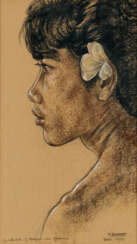

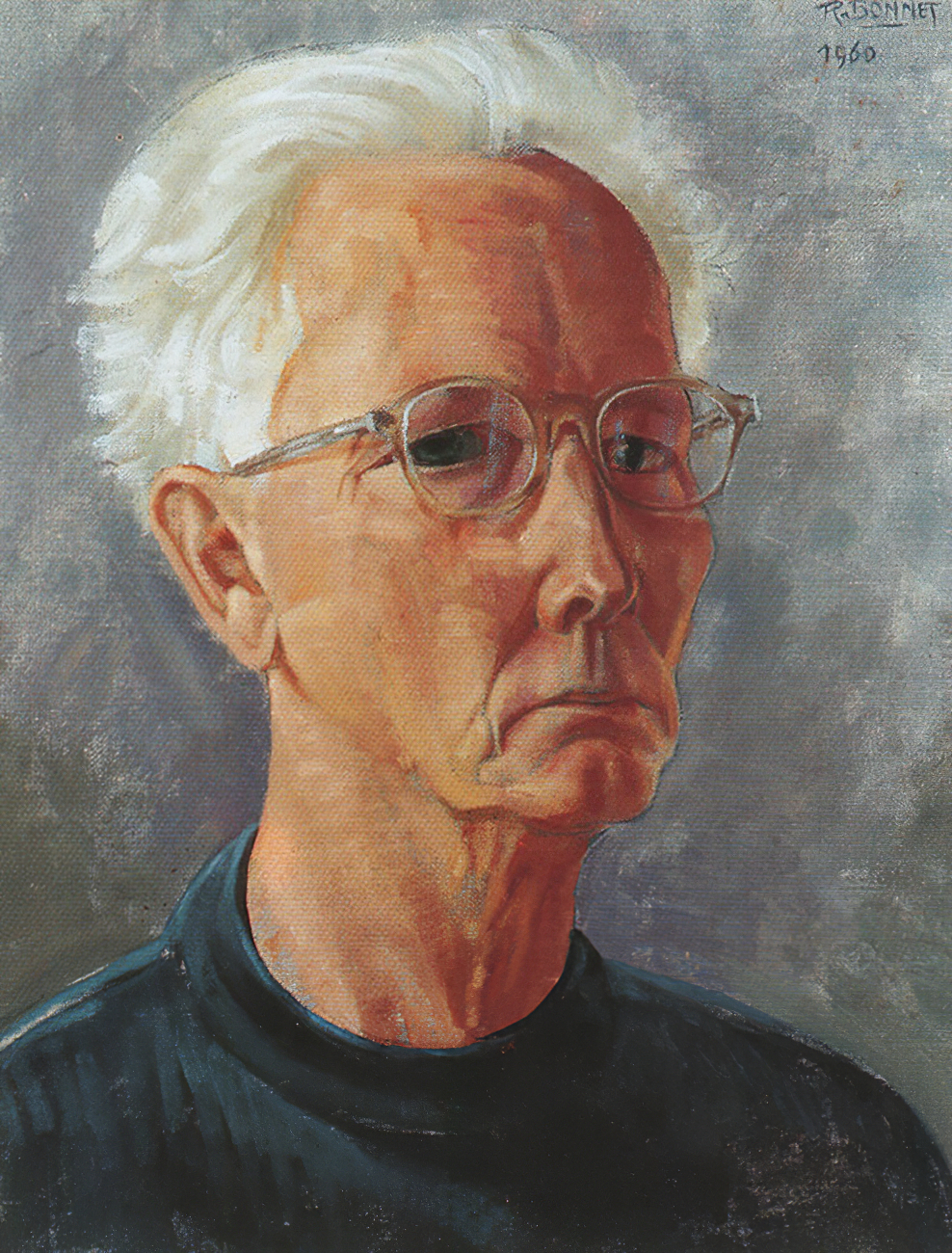
Johan Rudolf Bonnet was a Dutch artist who lived much of his life in the town of Ubud on Bali, Indonesia. He was born into a Dutch Huguenot-descended family who had been bakers for many generations. He attended the Rijksakademie van Beeldende Kunsten in Amsterdam.


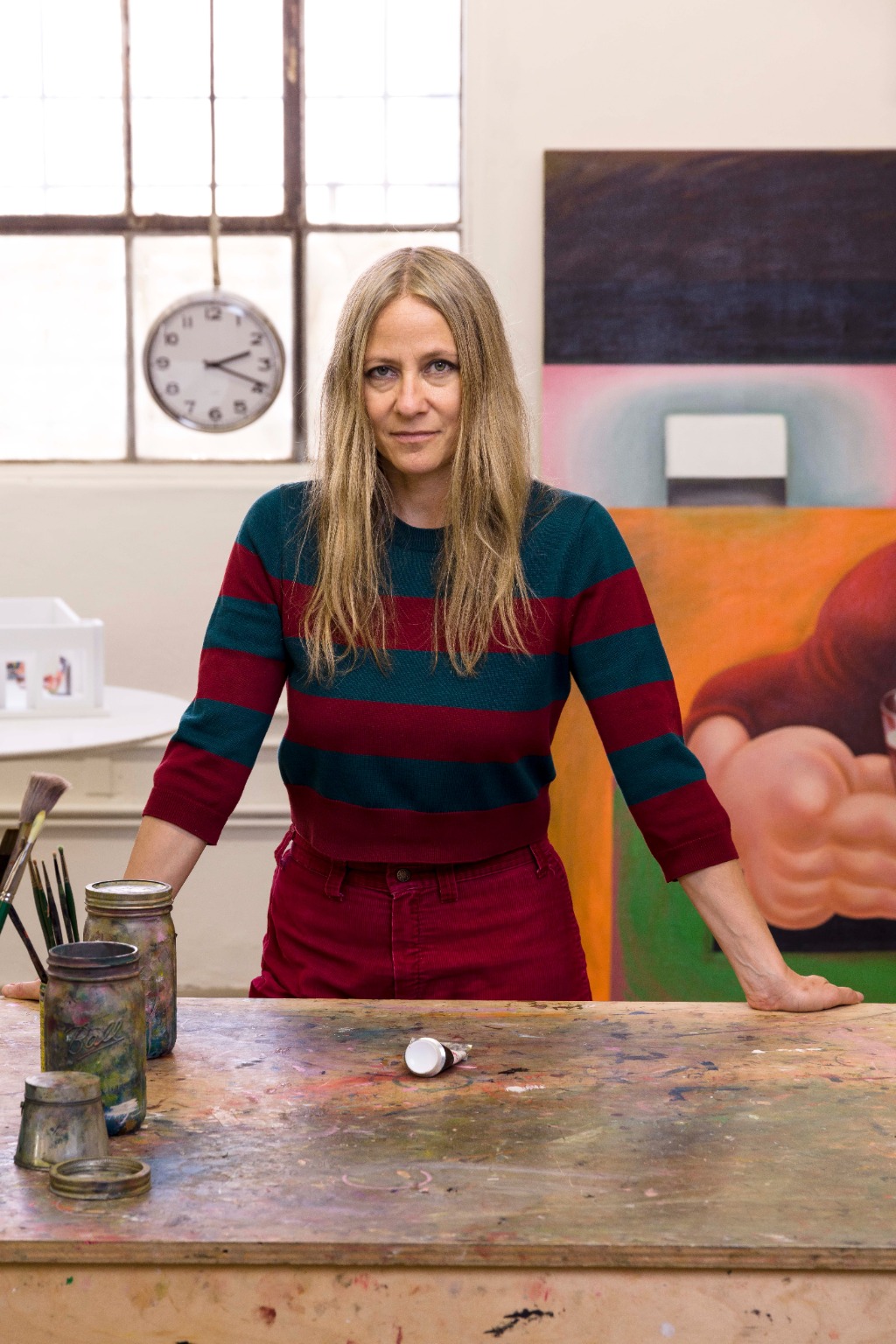
Louise Bonnet is a Swiss surrealist painter informed by alternative comix and dark humour. Her grotesque, corporeal figures often dominate the dreamlike settings they exist in, drawing on themes of gender, sexuality, and shame.


Louise Bonnet is a Swiss surrealist painter informed by alternative comix and dark humour. Her grotesque, corporeal figures often dominate the dreamlike settings they exist in, drawing on themes of gender, sexuality, and shame.
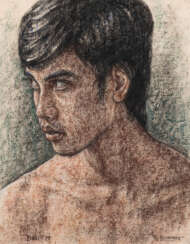

Johan Rudolf Bonnet was a Dutch artist who lived much of his life in the town of Ubud on Bali, Indonesia. He was born into a Dutch Huguenot-descended family who had been bakers for many generations. He attended the Rijksakademie van Beeldende Kunsten in Amsterdam.
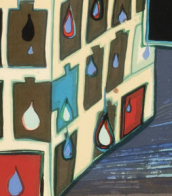


Louise Bonnet is a Swiss surrealist painter informed by alternative comix and dark humour. Her grotesque, corporeal figures often dominate the dreamlike settings they exist in, drawing on themes of gender, sexuality, and shame.
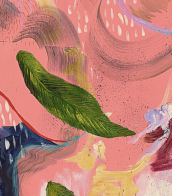


Louise Bonnet is a Swiss surrealist painter informed by alternative comix and dark humour. Her grotesque, corporeal figures often dominate the dreamlike settings they exist in, drawing on themes of gender, sexuality, and shame.
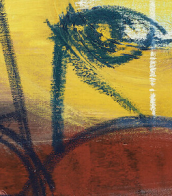


Louise Bonnet is a Swiss surrealist painter informed by alternative comix and dark humour. Her grotesque, corporeal figures often dominate the dreamlike settings they exist in, drawing on themes of gender, sexuality, and shame.
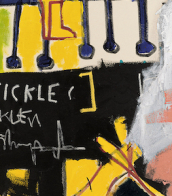


Johan Rudolf Bonnet was a Dutch artist who lived much of his life in the town of Ubud on Bali, Indonesia. He was born into a Dutch Huguenot-descended family who had been bakers for many generations. He attended the Rijksakademie van Beeldende Kunsten in Amsterdam.
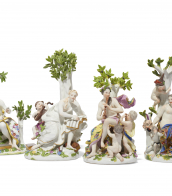


Johan Rudolf Bonnet was a Dutch artist who lived much of his life in the town of Ubud on Bali, Indonesia. He was born into a Dutch Huguenot-descended family who had been bakers for many generations. He attended the Rijksakademie van Beeldende Kunsten in Amsterdam.


Johan Rudolf Bonnet was a Dutch artist who lived much of his life in the town of Ubud on Bali, Indonesia. He was born into a Dutch Huguenot-descended family who had been bakers for many generations. He attended the Rijksakademie van Beeldende Kunsten in Amsterdam.


Louise Bonnet is a Swiss surrealist painter informed by alternative comix and dark humour. Her grotesque, corporeal figures often dominate the dreamlike settings they exist in, drawing on themes of gender, sexuality, and shame.
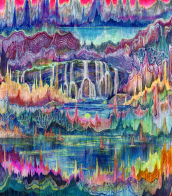
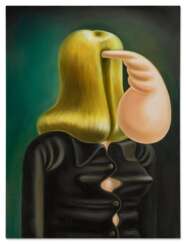

Louise Bonnet is a Swiss surrealist painter informed by alternative comix and dark humour. Her grotesque, corporeal figures often dominate the dreamlike settings they exist in, drawing on themes of gender, sexuality, and shame.
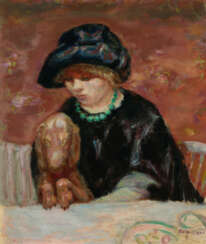

Pierre Bonnard was a distinguished French painter and printmaker, recognized as one of the foremost colorists of modern art. Born on October 3, 1867, in Fontenay-aux-Roses, France, Bonnard initially pursued law studies before embracing his true calling in art. He attended the École des Beaux-Arts and the Académie Julian, where his journey as an artist began in earnest.
Bonnard's art is characterized by its vibrant use of color and the portrayal of intimate, sunlit domestic interiors and gardens. His works often include scenes populated with friends and family, creating a narrative that is both personal and relatable. His distinctive style was influenced by Japanese prints, evident in his use of bold patterns and flat color planes. This influence earned him the nickname "Le Nabi très japonard" among his peers in the Les Nabis group, an avant-garde artists' group he joined in his twenties.
His early work, such as "Woman in Checkered Dress" (1890), showcases the influence of Japanese prints. Bonnard's talent was evident from the beginning of his career, with Claude Roger-Marx noting in 1893 his ability to capture fleeting poses and expressions. His work evolved over time, moving towards a style that resonated with the Intimists' focus on personal and intimate spaces.
Bonnard's wife, Marthe, was a recurring subject in his paintings, often depicted in everyday scenarios. Their relationship, spanning several decades, was a significant influence on his work. His paintings, such as "Dining Room on the Garden" and "Landscape at Le Cannet," demonstrate his mastery in capturing light and color, creating a sense of warmth and intimacy.
Bonnard's work remains influential and celebrated, with his paintings held in esteemed collections worldwide. His ability to transform everyday scenes into vibrant, color-filled canvases has made him a beloved figure in the world of modern art.
Art collectors and experts in the field will find Bonnard's work a study in the transformative power of color and composition. For those interested in staying updated on sales and auction events related to Pierre Bonnard's works, signing up for updates would provide valuable insights into this remarkable artist's enduring legacy.
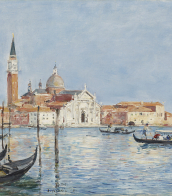
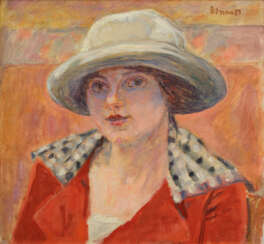

Pierre Bonnard was a distinguished French painter and printmaker, recognized as one of the foremost colorists of modern art. Born on October 3, 1867, in Fontenay-aux-Roses, France, Bonnard initially pursued law studies before embracing his true calling in art. He attended the École des Beaux-Arts and the Académie Julian, where his journey as an artist began in earnest.
Bonnard's art is characterized by its vibrant use of color and the portrayal of intimate, sunlit domestic interiors and gardens. His works often include scenes populated with friends and family, creating a narrative that is both personal and relatable. His distinctive style was influenced by Japanese prints, evident in his use of bold patterns and flat color planes. This influence earned him the nickname "Le Nabi très japonard" among his peers in the Les Nabis group, an avant-garde artists' group he joined in his twenties.
His early work, such as "Woman in Checkered Dress" (1890), showcases the influence of Japanese prints. Bonnard's talent was evident from the beginning of his career, with Claude Roger-Marx noting in 1893 his ability to capture fleeting poses and expressions. His work evolved over time, moving towards a style that resonated with the Intimists' focus on personal and intimate spaces.
Bonnard's wife, Marthe, was a recurring subject in his paintings, often depicted in everyday scenarios. Their relationship, spanning several decades, was a significant influence on his work. His paintings, such as "Dining Room on the Garden" and "Landscape at Le Cannet," demonstrate his mastery in capturing light and color, creating a sense of warmth and intimacy.
Bonnard's work remains influential and celebrated, with his paintings held in esteemed collections worldwide. His ability to transform everyday scenes into vibrant, color-filled canvases has made him a beloved figure in the world of modern art.
Art collectors and experts in the field will find Bonnard's work a study in the transformative power of color and composition. For those interested in staying updated on sales and auction events related to Pierre Bonnard's works, signing up for updates would provide valuable insights into this remarkable artist's enduring legacy.
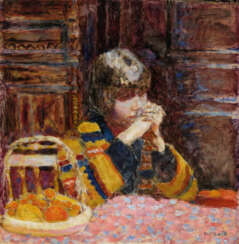

Pierre Bonnard was a distinguished French painter and printmaker, recognized as one of the foremost colorists of modern art. Born on October 3, 1867, in Fontenay-aux-Roses, France, Bonnard initially pursued law studies before embracing his true calling in art. He attended the École des Beaux-Arts and the Académie Julian, where his journey as an artist began in earnest.
Bonnard's art is characterized by its vibrant use of color and the portrayal of intimate, sunlit domestic interiors and gardens. His works often include scenes populated with friends and family, creating a narrative that is both personal and relatable. His distinctive style was influenced by Japanese prints, evident in his use of bold patterns and flat color planes. This influence earned him the nickname "Le Nabi très japonard" among his peers in the Les Nabis group, an avant-garde artists' group he joined in his twenties.
His early work, such as "Woman in Checkered Dress" (1890), showcases the influence of Japanese prints. Bonnard's talent was evident from the beginning of his career, with Claude Roger-Marx noting in 1893 his ability to capture fleeting poses and expressions. His work evolved over time, moving towards a style that resonated with the Intimists' focus on personal and intimate spaces.
Bonnard's wife, Marthe, was a recurring subject in his paintings, often depicted in everyday scenarios. Their relationship, spanning several decades, was a significant influence on his work. His paintings, such as "Dining Room on the Garden" and "Landscape at Le Cannet," demonstrate his mastery in capturing light and color, creating a sense of warmth and intimacy.
Bonnard's work remains influential and celebrated, with his paintings held in esteemed collections worldwide. His ability to transform everyday scenes into vibrant, color-filled canvases has made him a beloved figure in the world of modern art.
Art collectors and experts in the field will find Bonnard's work a study in the transformative power of color and composition. For those interested in staying updated on sales and auction events related to Pierre Bonnard's works, signing up for updates would provide valuable insights into this remarkable artist's enduring legacy.
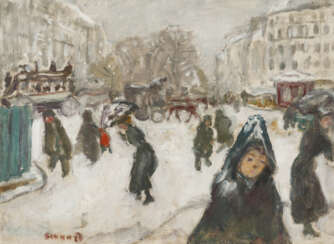

Pierre Bonnard was a distinguished French painter and printmaker, recognized as one of the foremost colorists of modern art. Born on October 3, 1867, in Fontenay-aux-Roses, France, Bonnard initially pursued law studies before embracing his true calling in art. He attended the École des Beaux-Arts and the Académie Julian, where his journey as an artist began in earnest.
Bonnard's art is characterized by its vibrant use of color and the portrayal of intimate, sunlit domestic interiors and gardens. His works often include scenes populated with friends and family, creating a narrative that is both personal and relatable. His distinctive style was influenced by Japanese prints, evident in his use of bold patterns and flat color planes. This influence earned him the nickname "Le Nabi très japonard" among his peers in the Les Nabis group, an avant-garde artists' group he joined in his twenties.
His early work, such as "Woman in Checkered Dress" (1890), showcases the influence of Japanese prints. Bonnard's talent was evident from the beginning of his career, with Claude Roger-Marx noting in 1893 his ability to capture fleeting poses and expressions. His work evolved over time, moving towards a style that resonated with the Intimists' focus on personal and intimate spaces.
Bonnard's wife, Marthe, was a recurring subject in his paintings, often depicted in everyday scenarios. Their relationship, spanning several decades, was a significant influence on his work. His paintings, such as "Dining Room on the Garden" and "Landscape at Le Cannet," demonstrate his mastery in capturing light and color, creating a sense of warmth and intimacy.
Bonnard's work remains influential and celebrated, with his paintings held in esteemed collections worldwide. His ability to transform everyday scenes into vibrant, color-filled canvases has made him a beloved figure in the world of modern art.
Art collectors and experts in the field will find Bonnard's work a study in the transformative power of color and composition. For those interested in staying updated on sales and auction events related to Pierre Bonnard's works, signing up for updates would provide valuable insights into this remarkable artist's enduring legacy.
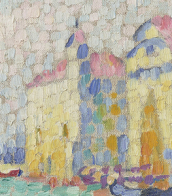


Pierre Bonnard was a distinguished French painter and printmaker, recognized as one of the foremost colorists of modern art. Born on October 3, 1867, in Fontenay-aux-Roses, France, Bonnard initially pursued law studies before embracing his true calling in art. He attended the École des Beaux-Arts and the Académie Julian, where his journey as an artist began in earnest.
Bonnard's art is characterized by its vibrant use of color and the portrayal of intimate, sunlit domestic interiors and gardens. His works often include scenes populated with friends and family, creating a narrative that is both personal and relatable. His distinctive style was influenced by Japanese prints, evident in his use of bold patterns and flat color planes. This influence earned him the nickname "Le Nabi très japonard" among his peers in the Les Nabis group, an avant-garde artists' group he joined in his twenties.
His early work, such as "Woman in Checkered Dress" (1890), showcases the influence of Japanese prints. Bonnard's talent was evident from the beginning of his career, with Claude Roger-Marx noting in 1893 his ability to capture fleeting poses and expressions. His work evolved over time, moving towards a style that resonated with the Intimists' focus on personal and intimate spaces.
Bonnard's wife, Marthe, was a recurring subject in his paintings, often depicted in everyday scenarios. Their relationship, spanning several decades, was a significant influence on his work. His paintings, such as "Dining Room on the Garden" and "Landscape at Le Cannet," demonstrate his mastery in capturing light and color, creating a sense of warmth and intimacy.
Bonnard's work remains influential and celebrated, with his paintings held in esteemed collections worldwide. His ability to transform everyday scenes into vibrant, color-filled canvases has made him a beloved figure in the world of modern art.
Art collectors and experts in the field will find Bonnard's work a study in the transformative power of color and composition. For those interested in staying updated on sales and auction events related to Pierre Bonnard's works, signing up for updates would provide valuable insights into this remarkable artist's enduring legacy.
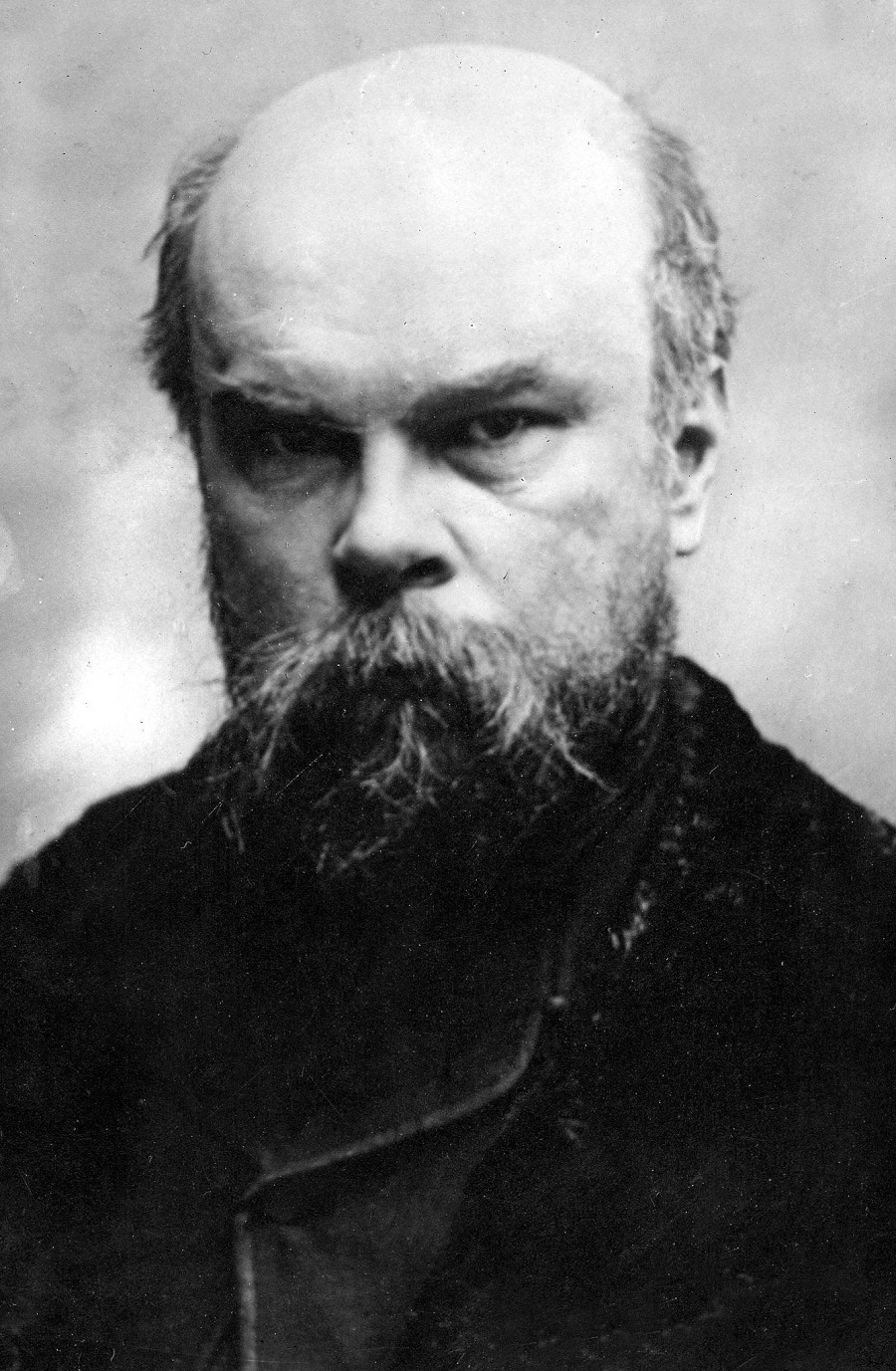
Paul Marie Verlaine was a French poet associated with the Symbolist movement.
Paul Verlaine's poetic style was characterized by musicality, evocative imagery and an exploration of themes such as love, beauty, melancholy and spirituality. His poems often conveyed a sense of heightened emotionality and expressed a deep sensitivity to the human experience.
Verlaine's work was a departure from the more structured and formal poetry of the previous era. He chose a more fluid and free style of verse, experimenting with rhythm, sound and imagery. His poems were often dreamlike, blurring the boundaries between reality and imagination.


Pierre Bonnard was a distinguished French painter and printmaker, recognized as one of the foremost colorists of modern art. Born on October 3, 1867, in Fontenay-aux-Roses, France, Bonnard initially pursued law studies before embracing his true calling in art. He attended the École des Beaux-Arts and the Académie Julian, where his journey as an artist began in earnest.
Bonnard's art is characterized by its vibrant use of color and the portrayal of intimate, sunlit domestic interiors and gardens. His works often include scenes populated with friends and family, creating a narrative that is both personal and relatable. His distinctive style was influenced by Japanese prints, evident in his use of bold patterns and flat color planes. This influence earned him the nickname "Le Nabi très japonard" among his peers in the Les Nabis group, an avant-garde artists' group he joined in his twenties.
His early work, such as "Woman in Checkered Dress" (1890), showcases the influence of Japanese prints. Bonnard's talent was evident from the beginning of his career, with Claude Roger-Marx noting in 1893 his ability to capture fleeting poses and expressions. His work evolved over time, moving towards a style that resonated with the Intimists' focus on personal and intimate spaces.
Bonnard's wife, Marthe, was a recurring subject in his paintings, often depicted in everyday scenarios. Their relationship, spanning several decades, was a significant influence on his work. His paintings, such as "Dining Room on the Garden" and "Landscape at Le Cannet," demonstrate his mastery in capturing light and color, creating a sense of warmth and intimacy.
Bonnard's work remains influential and celebrated, with his paintings held in esteemed collections worldwide. His ability to transform everyday scenes into vibrant, color-filled canvases has made him a beloved figure in the world of modern art.
Art collectors and experts in the field will find Bonnard's work a study in the transformative power of color and composition. For those interested in staying updated on sales and auction events related to Pierre Bonnard's works, signing up for updates would provide valuable insights into this remarkable artist's enduring legacy.
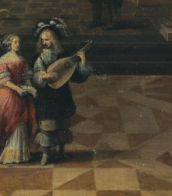


Pierre Bonnard was a distinguished French painter and printmaker, recognized as one of the foremost colorists of modern art. Born on October 3, 1867, in Fontenay-aux-Roses, France, Bonnard initially pursued law studies before embracing his true calling in art. He attended the École des Beaux-Arts and the Académie Julian, where his journey as an artist began in earnest.
Bonnard's art is characterized by its vibrant use of color and the portrayal of intimate, sunlit domestic interiors and gardens. His works often include scenes populated with friends and family, creating a narrative that is both personal and relatable. His distinctive style was influenced by Japanese prints, evident in his use of bold patterns and flat color planes. This influence earned him the nickname "Le Nabi très japonard" among his peers in the Les Nabis group, an avant-garde artists' group he joined in his twenties.
His early work, such as "Woman in Checkered Dress" (1890), showcases the influence of Japanese prints. Bonnard's talent was evident from the beginning of his career, with Claude Roger-Marx noting in 1893 his ability to capture fleeting poses and expressions. His work evolved over time, moving towards a style that resonated with the Intimists' focus on personal and intimate spaces.
Bonnard's wife, Marthe, was a recurring subject in his paintings, often depicted in everyday scenarios. Their relationship, spanning several decades, was a significant influence on his work. His paintings, such as "Dining Room on the Garden" and "Landscape at Le Cannet," demonstrate his mastery in capturing light and color, creating a sense of warmth and intimacy.
Bonnard's work remains influential and celebrated, with his paintings held in esteemed collections worldwide. His ability to transform everyday scenes into vibrant, color-filled canvases has made him a beloved figure in the world of modern art.
Art collectors and experts in the field will find Bonnard's work a study in the transformative power of color and composition. For those interested in staying updated on sales and auction events related to Pierre Bonnard's works, signing up for updates would provide valuable insights into this remarkable artist's enduring legacy.
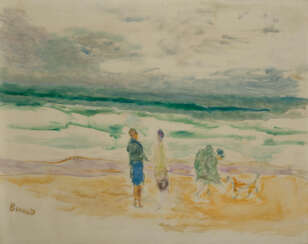

Pierre Bonnard was a distinguished French painter and printmaker, recognized as one of the foremost colorists of modern art. Born on October 3, 1867, in Fontenay-aux-Roses, France, Bonnard initially pursued law studies before embracing his true calling in art. He attended the École des Beaux-Arts and the Académie Julian, where his journey as an artist began in earnest.
Bonnard's art is characterized by its vibrant use of color and the portrayal of intimate, sunlit domestic interiors and gardens. His works often include scenes populated with friends and family, creating a narrative that is both personal and relatable. His distinctive style was influenced by Japanese prints, evident in his use of bold patterns and flat color planes. This influence earned him the nickname "Le Nabi très japonard" among his peers in the Les Nabis group, an avant-garde artists' group he joined in his twenties.
His early work, such as "Woman in Checkered Dress" (1890), showcases the influence of Japanese prints. Bonnard's talent was evident from the beginning of his career, with Claude Roger-Marx noting in 1893 his ability to capture fleeting poses and expressions. His work evolved over time, moving towards a style that resonated with the Intimists' focus on personal and intimate spaces.
Bonnard's wife, Marthe, was a recurring subject in his paintings, often depicted in everyday scenarios. Their relationship, spanning several decades, was a significant influence on his work. His paintings, such as "Dining Room on the Garden" and "Landscape at Le Cannet," demonstrate his mastery in capturing light and color, creating a sense of warmth and intimacy.
Bonnard's work remains influential and celebrated, with his paintings held in esteemed collections worldwide. His ability to transform everyday scenes into vibrant, color-filled canvases has made him a beloved figure in the world of modern art.
Art collectors and experts in the field will find Bonnard's work a study in the transformative power of color and composition. For those interested in staying updated on sales and auction events related to Pierre Bonnard's works, signing up for updates would provide valuable insights into this remarkable artist's enduring legacy.