bonnet bonnet (1970)


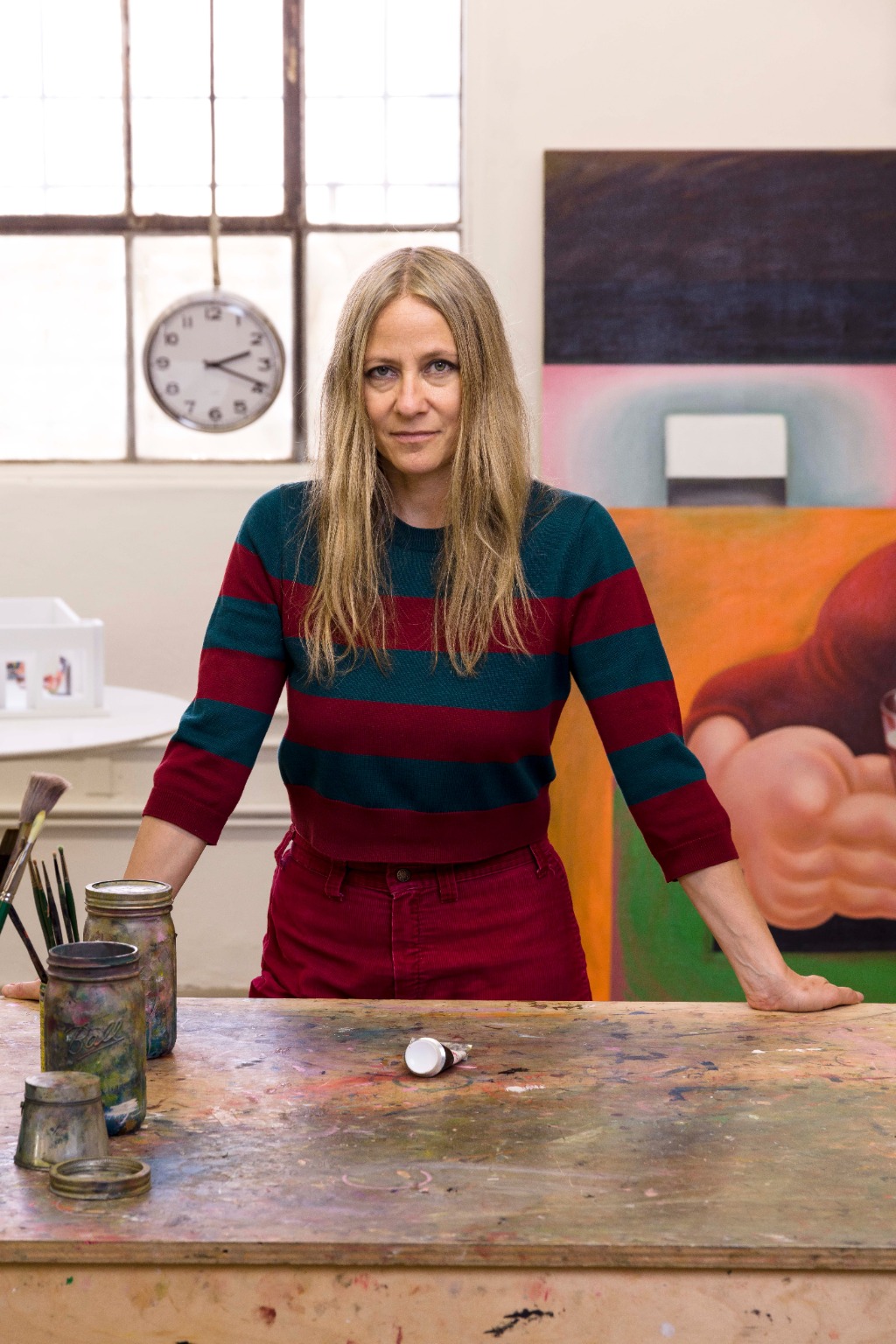
Louise Bonnet is a Swiss surrealist painter informed by alternative comix and dark humour. Her grotesque, corporeal figures often dominate the dreamlike settings they exist in, drawing on themes of gender, sexuality, and shame.


Louise Bonnet is a Swiss surrealist painter informed by alternative comix and dark humour. Her grotesque, corporeal figures often dominate the dreamlike settings they exist in, drawing on themes of gender, sexuality, and shame.


Louise Bonnet is a Swiss surrealist painter informed by alternative comix and dark humour. Her grotesque, corporeal figures often dominate the dreamlike settings they exist in, drawing on themes of gender, sexuality, and shame.


Louise Bonnet is a Swiss surrealist painter informed by alternative comix and dark humour. Her grotesque, corporeal figures often dominate the dreamlike settings they exist in, drawing on themes of gender, sexuality, and shame.


Louise Bonnet is a Swiss surrealist painter informed by alternative comix and dark humour. Her grotesque, corporeal figures often dominate the dreamlike settings they exist in, drawing on themes of gender, sexuality, and shame.


Louise Bonnet is a Swiss surrealist painter informed by alternative comix and dark humour. Her grotesque, corporeal figures often dominate the dreamlike settings they exist in, drawing on themes of gender, sexuality, and shame.
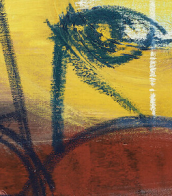
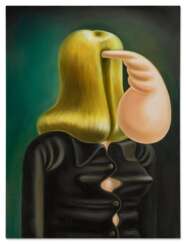

Louise Bonnet is a Swiss surrealist painter informed by alternative comix and dark humour. Her grotesque, corporeal figures often dominate the dreamlike settings they exist in, drawing on themes of gender, sexuality, and shame.
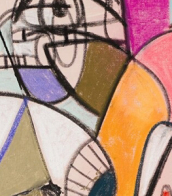
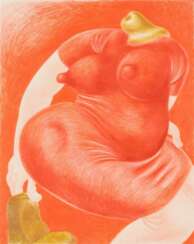

Louise Bonnet is a Swiss surrealist painter informed by alternative comix and dark humour. Her grotesque, corporeal figures often dominate the dreamlike settings they exist in, drawing on themes of gender, sexuality, and shame.

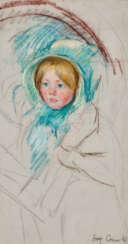

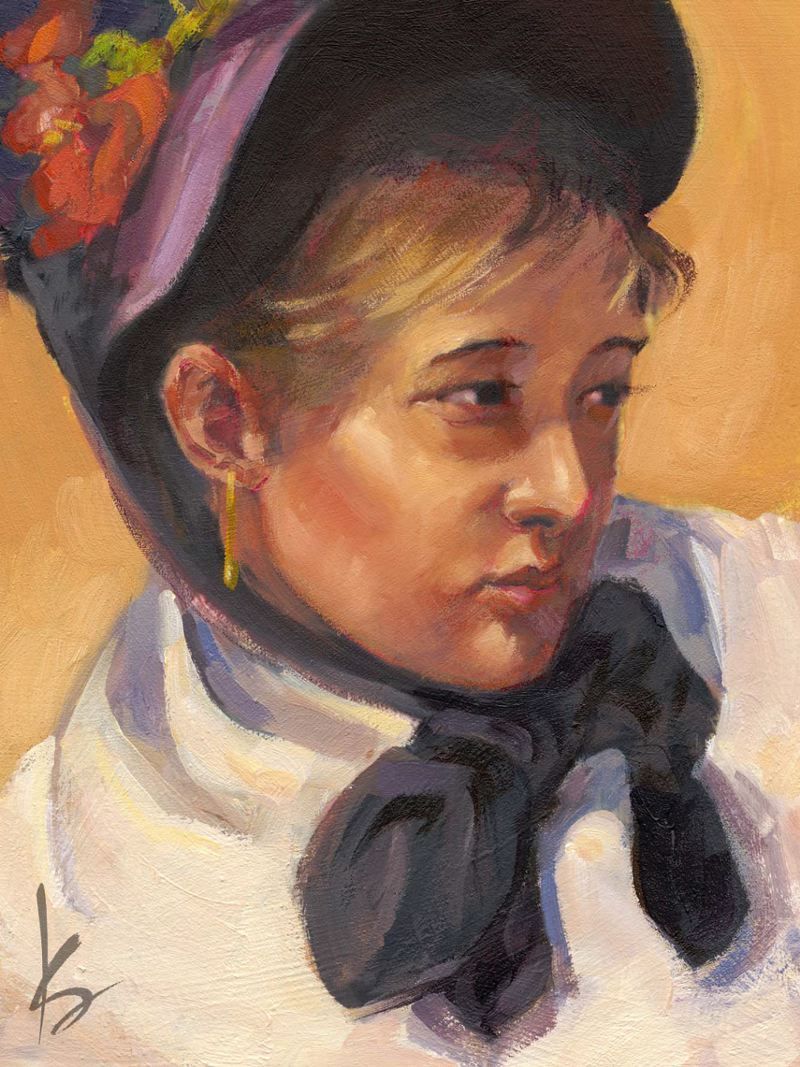
Mary Stevenson Cassatt was an influential American painter and printmaker known for her pivotal role in the Impressionist movement. Born on May 22, 1844, in Allegheny City, Pennsylvania, Cassatt spent much of her adult life in France, where she formed a significant professional relationship with Edgar Degas and exhibited with other Impressionists. Despite her family's initial reluctance, Cassatt pursued art from a young age, attending the Pennsylvania Academy of the Fine Arts at fifteen and later moving to Paris to continue her education under private tutors, including the renowned Jean-Léon Gérôme.
Cassatt's art mainly focused on women and children, encapsulating intimate moments with a profound sense of dignity and depth. Her works, such as "The Boating Party" and "Mother and Child," showcase her skill in portraying the nuanced interactions of everyday life. Cassatt's technique evolved from the light brushstrokes of early Impressionism to a more structured form, emphasizing solid figures and clear contours.
A prominent figure not just in art but also in art advocacy, Cassatt was instrumental in advising American collectors, including the Havemeyers, which helped enrich public and private American art collections significantly. Despite challenges related to her gender and later, her failing eyesight, Cassatt's contributions to art remain influential, reflecting her unique perspective and unyielding dedication to Impressionism.
For updates on exhibitions and sales related to Mary Stevenson Cassatt's works, consider signing up for our newsletter. This subscription will keep you informed about the latest auction events and product sales directly linked to Cassatt's enduring legacy.
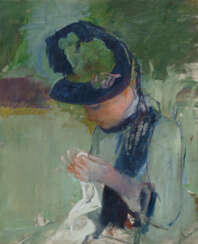

Mary Stevenson Cassatt was an influential American painter and printmaker known for her pivotal role in the Impressionist movement. Born on May 22, 1844, in Allegheny City, Pennsylvania, Cassatt spent much of her adult life in France, where she formed a significant professional relationship with Edgar Degas and exhibited with other Impressionists. Despite her family's initial reluctance, Cassatt pursued art from a young age, attending the Pennsylvania Academy of the Fine Arts at fifteen and later moving to Paris to continue her education under private tutors, including the renowned Jean-Léon Gérôme.
Cassatt's art mainly focused on women and children, encapsulating intimate moments with a profound sense of dignity and depth. Her works, such as "The Boating Party" and "Mother and Child," showcase her skill in portraying the nuanced interactions of everyday life. Cassatt's technique evolved from the light brushstrokes of early Impressionism to a more structured form, emphasizing solid figures and clear contours.
A prominent figure not just in art but also in art advocacy, Cassatt was instrumental in advising American collectors, including the Havemeyers, which helped enrich public and private American art collections significantly. Despite challenges related to her gender and later, her failing eyesight, Cassatt's contributions to art remain influential, reflecting her unique perspective and unyielding dedication to Impressionism.
For updates on exhibitions and sales related to Mary Stevenson Cassatt's works, consider signing up for our newsletter. This subscription will keep you informed about the latest auction events and product sales directly linked to Cassatt's enduring legacy.

![DU MONIN, Jean-Edouard (1557 - 1586). Nouvelles œuvres. Paris : Jean Parant, [1582].](/assets/image/picture_1320863/2a151/29a3eb1b44d037852a28f5307a10d83d1616454000jpg__fix_374_244.jpeg)
![DU MONIN, Jean-Edouard (1557 - 1586). Nouvelles œuvres. Paris : Jean Parant, [1582].](https://veryimportantlot.com/assets/image/picture_1320863/2a151/29a3eb1b44d037852a28f5307a10d83d1616454000jpg__fix_374_244.jpeg)


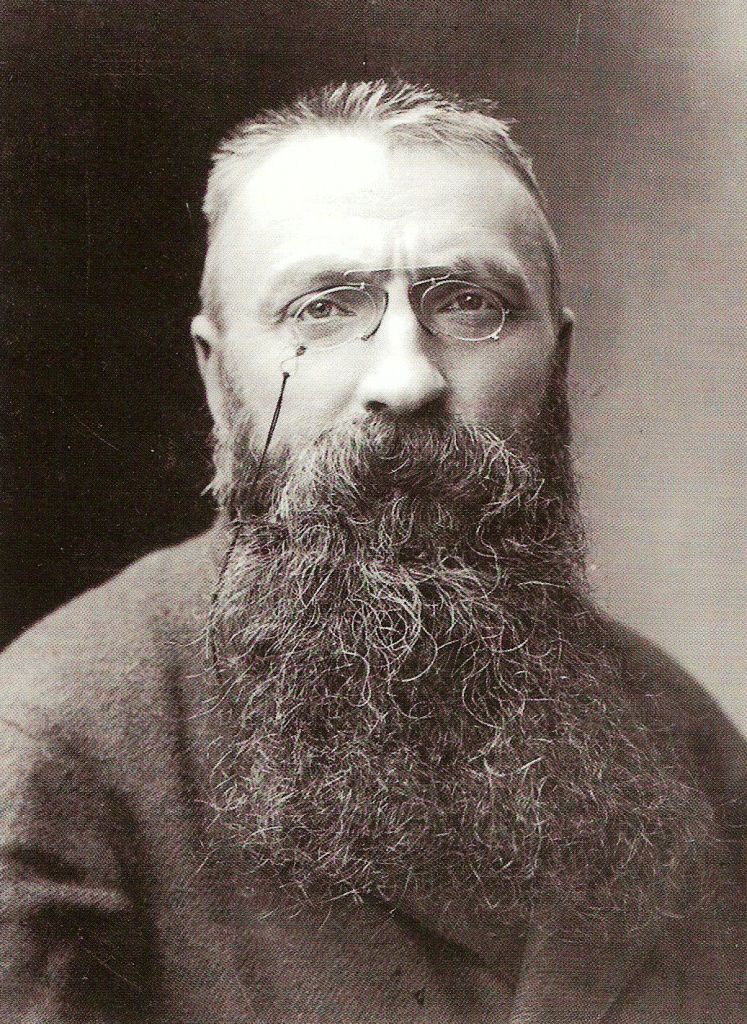
François Auguste René Rodin was a French sculptor, generally considered the founder of modern sculpture. He was schooled traditionally and took a craftsman-like approach to his work. Rodin possessed a unique ability to model a complex, turbulent, and deeply pocketed surface in clay. He is known for such sculptures as The Thinker, Monument to Balzac, The Kiss, The Burghers of Calais, and The Gates of Hell.
Many of Rodin's most notable sculptures were criticized, as they clashed with predominant figurative sculpture traditions in which works were decorative, formulaic, or highly thematic. Rodin's most original work departed from traditional themes of mythology and allegory. He modeled the human body with naturalism, and his sculptures celebrate individual character and physicality. Although Rodin was sensitive to the controversy surrounding his work, he refused to change his style, and his continued output brought increasing favor from the government and the artistic community.
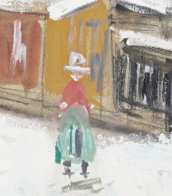


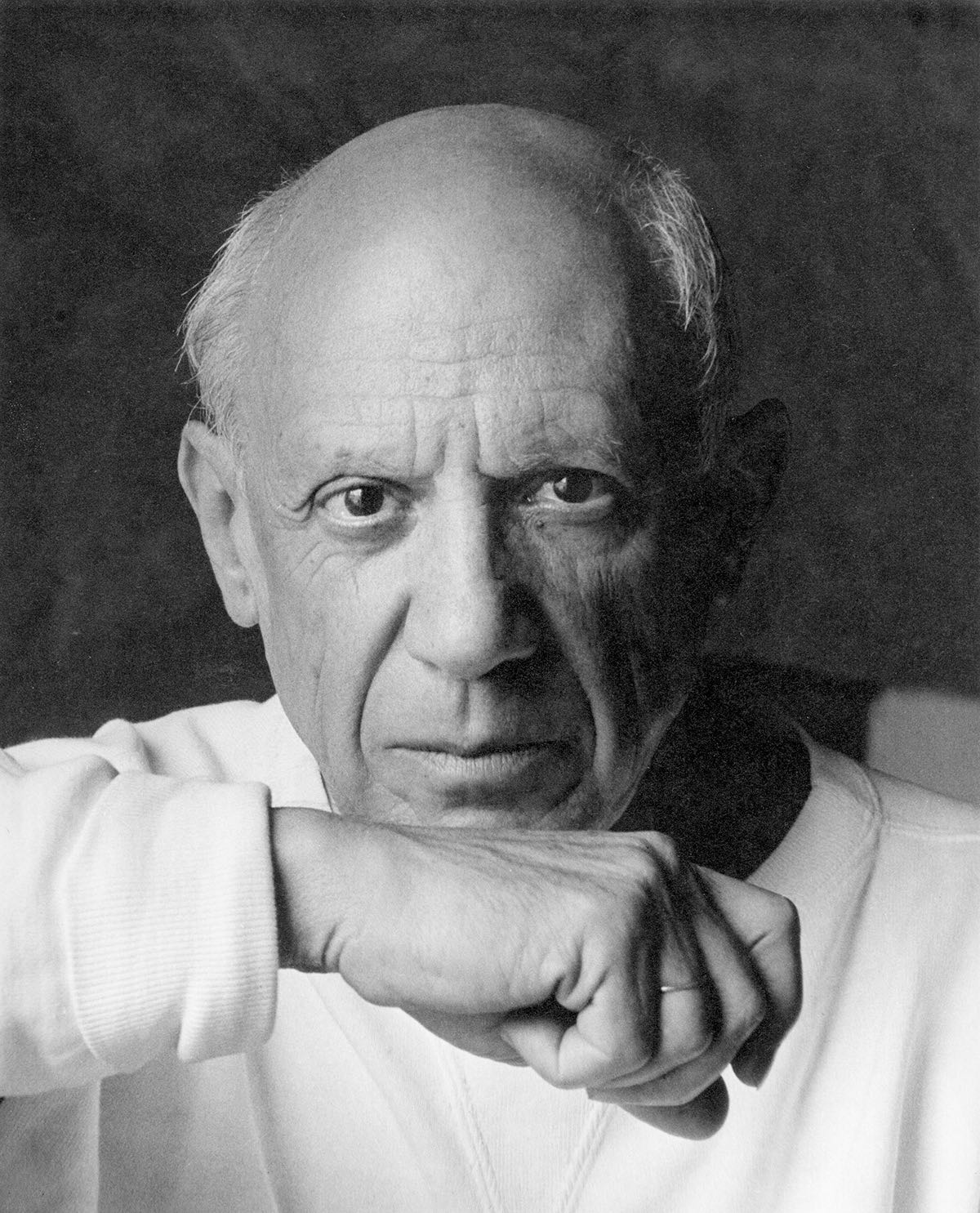
Pablo Ruiz Picasso, a Spanish artist renowned for his revolutionary contributions to the 20th-century art scene, is a figure that resonates profoundly with collectors and art experts. His unique blend of talents in painting, sculpture, printmaking, and ceramic art, infused with his time in France, positioned him as a pivotal character in modern art history.
Picasso's artistic journey was marked by distinct periods, each showcasing his evolving style and genius. His early years were characterized by the Blue Period (1901-1904), followed by the Rose Period (1904-1906), and then the African-influenced Period (1907-1909). Picasso's name is synonymous with Cubism, a movement he co-founded, which significantly altered artistic perspectives and methods. Works like "Les Demoiselles d'Avignon" (1907) and "Guernica" (1937) are emblematic of his cubist legacy, the latter being a poignant anti-war statement that remains influential.
His later years saw a return to more traditional styles, with neoclassical and surrealist influences becoming evident. Works from these phases reflect a deep engagement with mythological themes, as seen in "Faun with Stars" (1955), symbolizing his late-life romance with Jacqueline Roque, his second wife.
Picasso's prolific output and innovative spirit made him a legend in his own time, a status that only grew after his death. His works, housed in major museums and private collections worldwide, continue to captivate and inspire.
As a collector or expert in art and antiques, staying informed about Picasso's works, their auction events, and sales is essential. To stay updated on the latest developments and opportunities related to Pablo Picasso, sign up for our specialized updates. Rest assured, this subscription will focus solely on new product sales and auction events pertaining to Picasso's art, ensuring that you receive only the most relevant and valuable information.
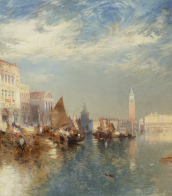
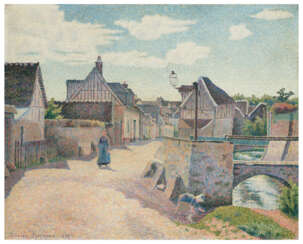

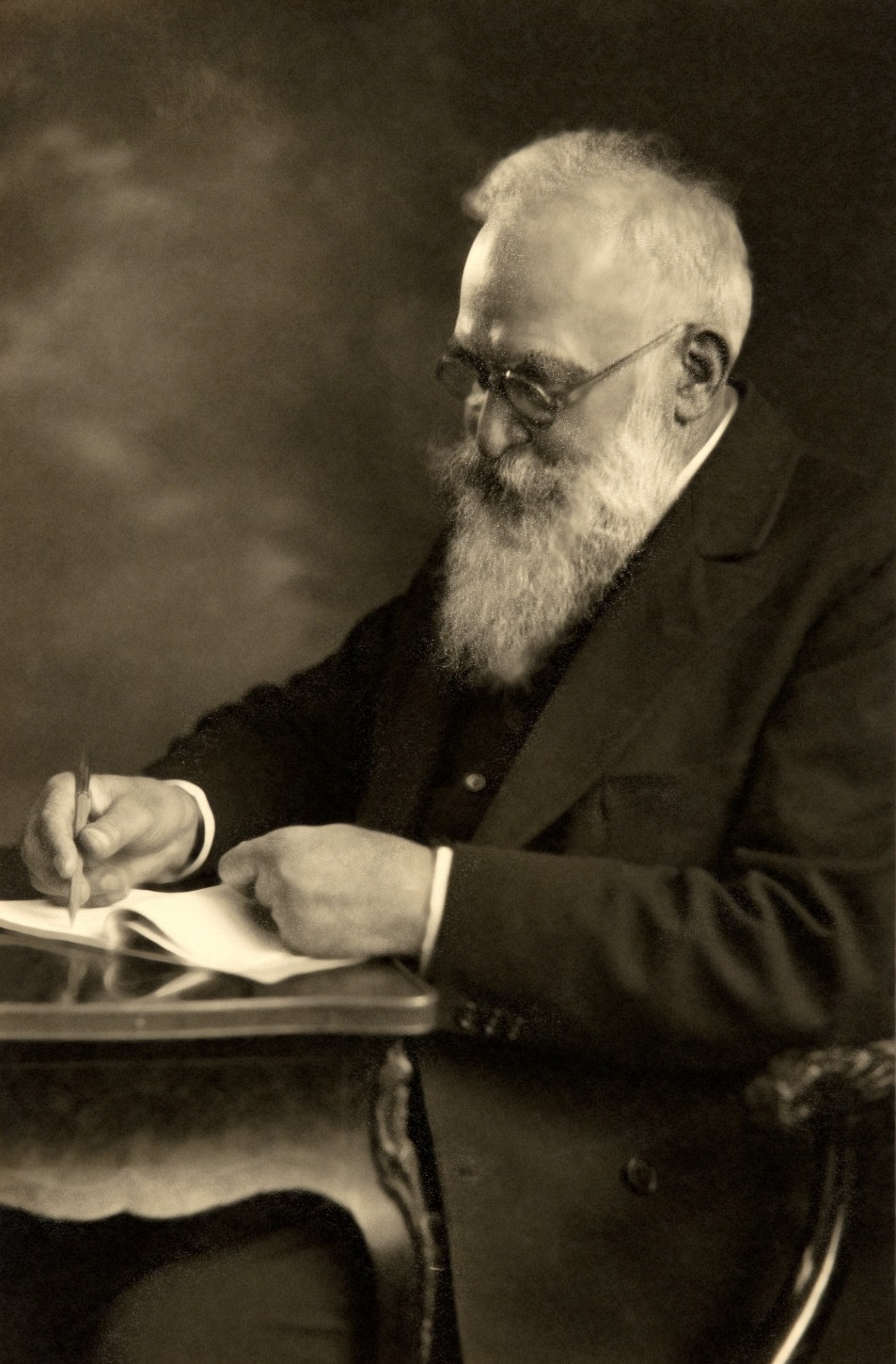
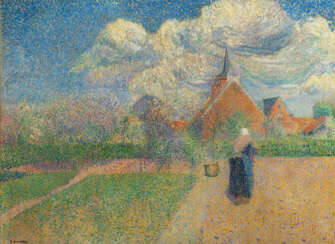
Lucien Pissarro was a French painter, graphic artist and woodcutter, representative of Pointillism. Son of Camille Pissarro. Since 1890, he lived and worked in England.
Lucien Pissarro initially studied painting under his father. He later developed his own artistic style influenced by the neo-impressionist techniques of Georges Seurat and Paul Signac. Like other Neo-Impressionist painters, Pissarro used broken strokes and divisionism techniques to create light and vivid effects.
The subjects of Pissarro's paintings often included landscapes, rural scenes and coastal vistas, reflecting his love of nature and the countryside. He was particularly fond of capturing the effects of light and atmosphere in his paintings, using a subtle and harmonious colour palette.