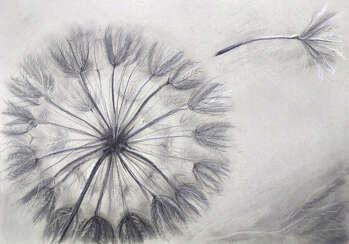
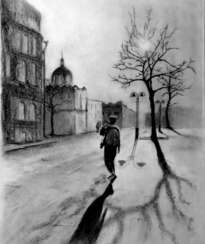
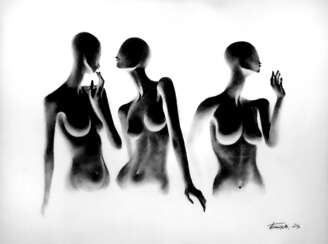
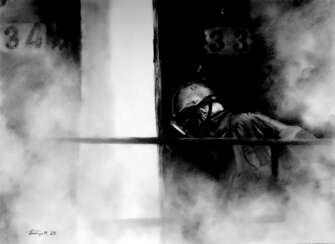
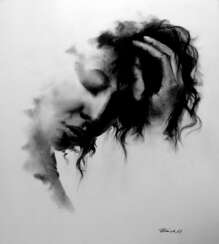
charcoal







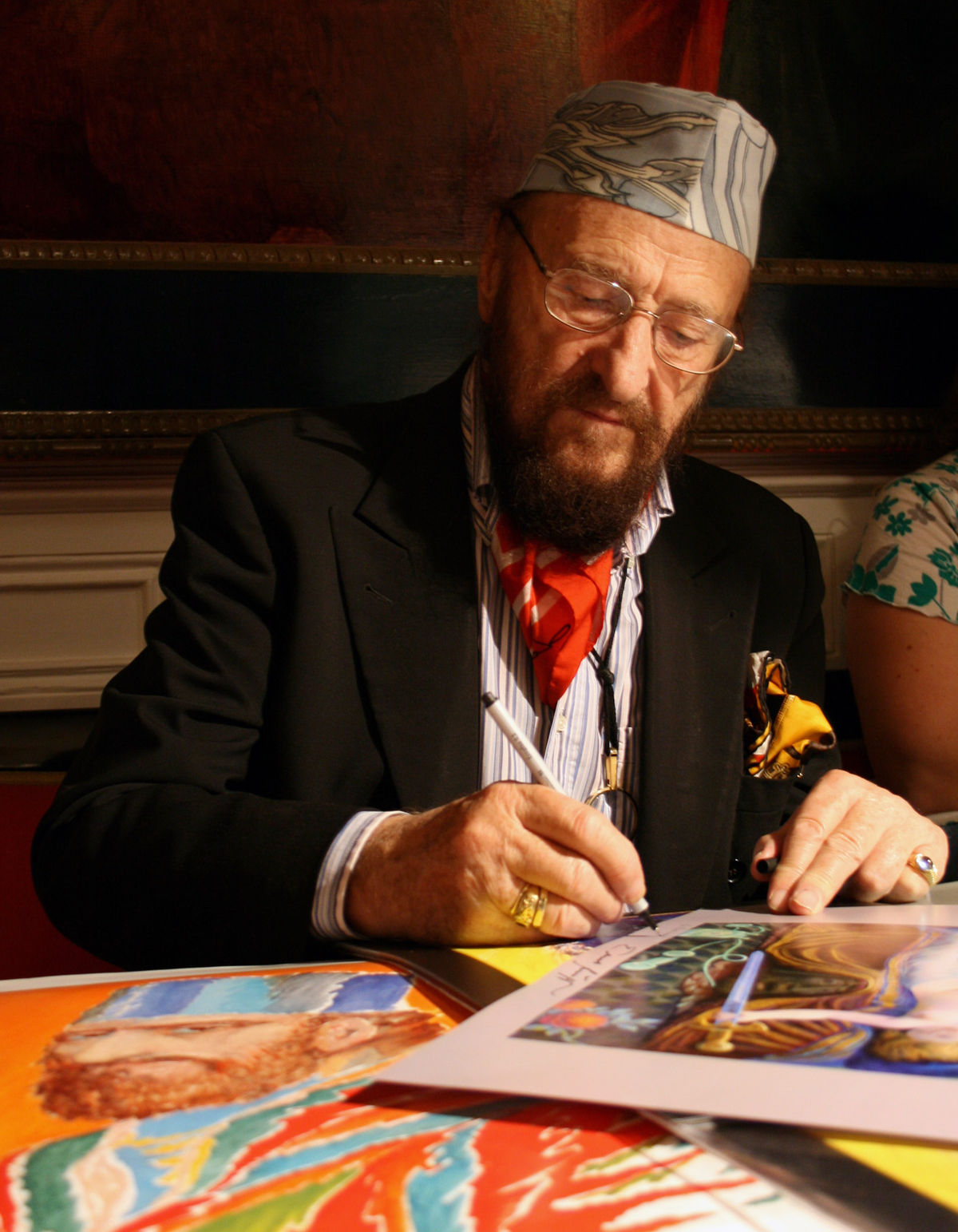
Ernst Fuchs was an Austrian painter, draftsman, printmaker, sculptor, architect, stage designer, composer, poet, and one of the founders of the Vienna School of Fantastic Realism. In 1972, he acquired the derelict Otto Wagner Villa in Hütteldorf, which he restored and transformed. The villa was inaugurated as the Ernst Fuchs Museum in 1988.

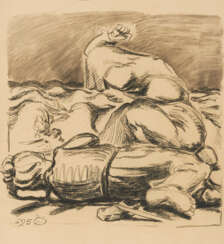

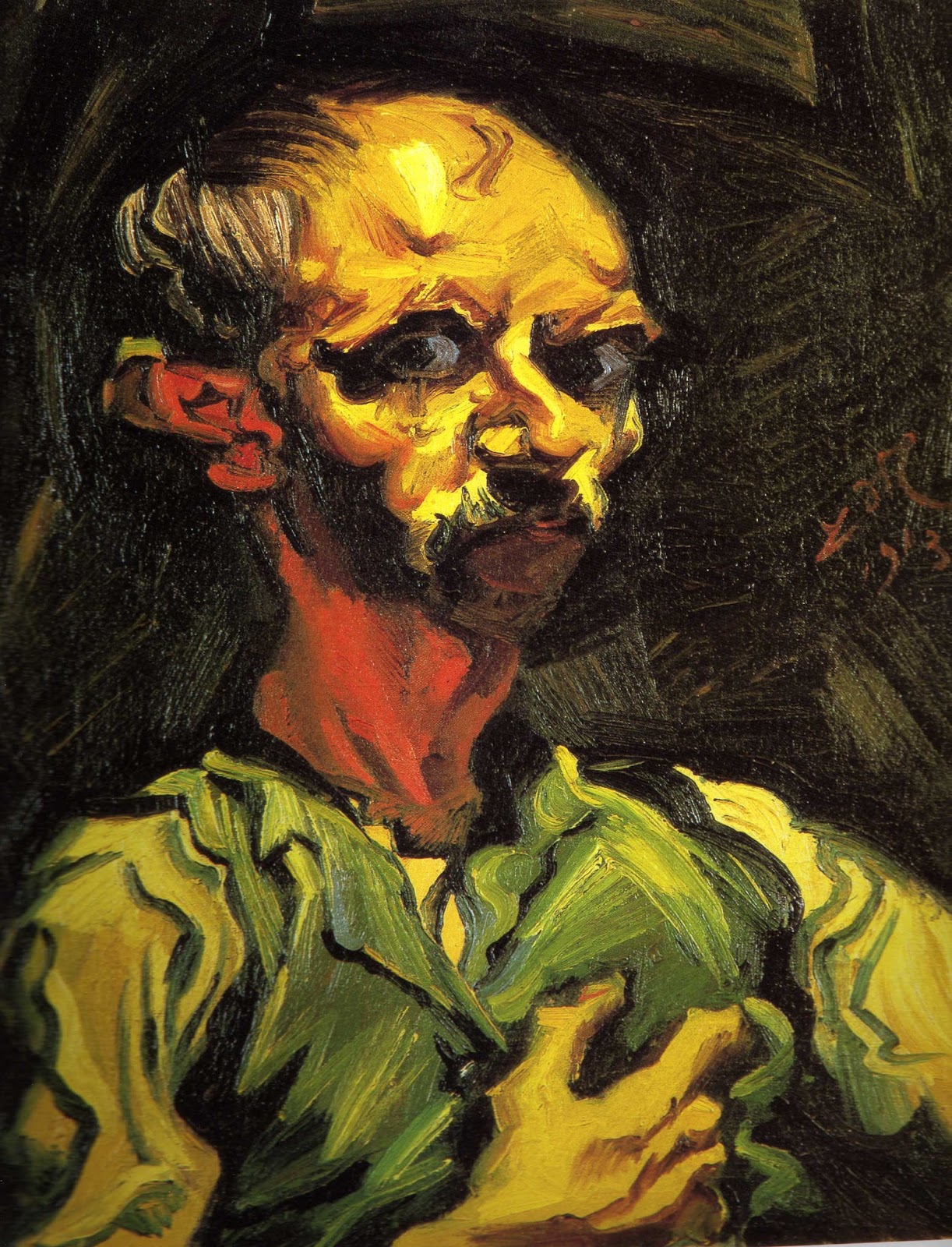
Ludwig Meidner is a German painter and writer, a representative of the expressionist school of art. Meidner is best known for his painted and printed portraits and landscapes, but is especially known for his 'apocalyptic' series of works that show his stylised visions of the coming transformation of Germany before the First World War.
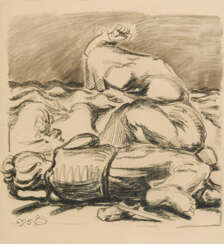

Ludwig Meidner is a German painter and writer, a representative of the expressionist school of art. Meidner is best known for his painted and printed portraits and landscapes, but is especially known for his 'apocalyptic' series of works that show his stylised visions of the coming transformation of Germany before the First World War.
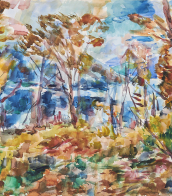
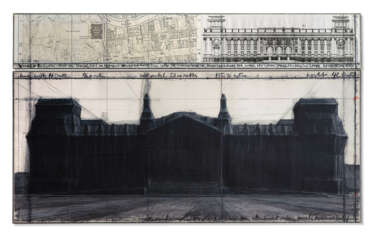

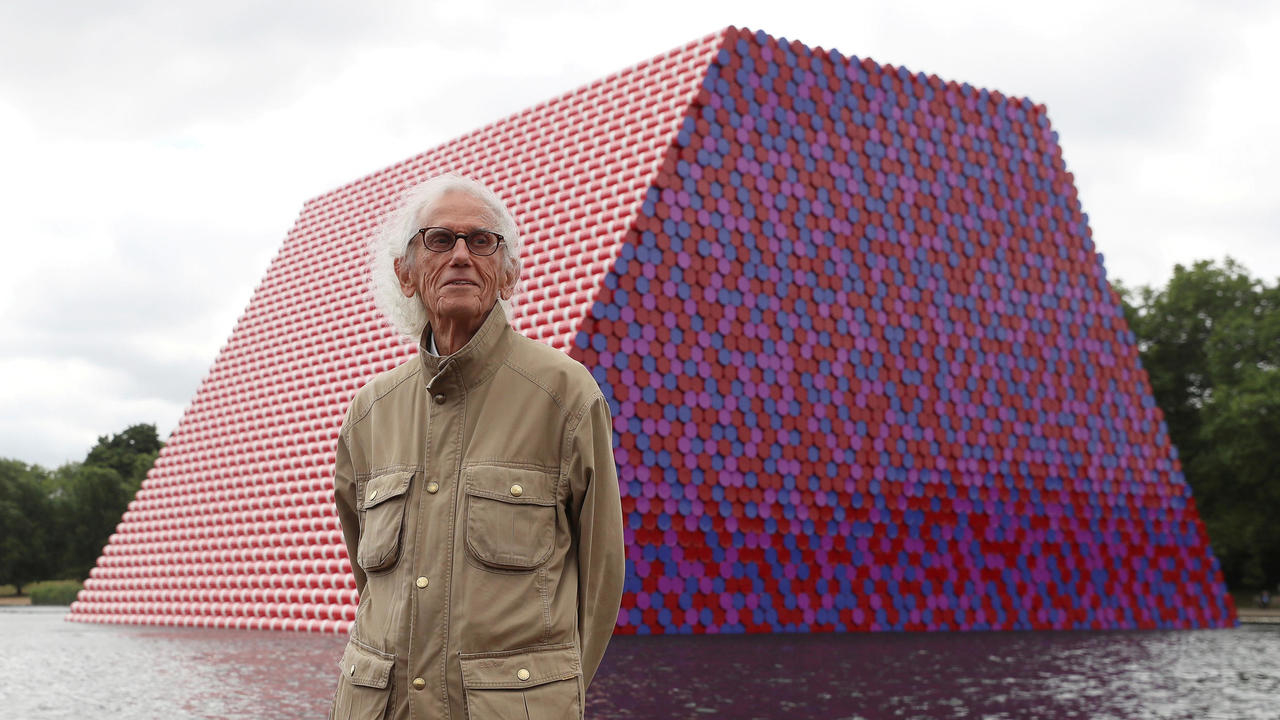
Christo Yavashev is a Bulgarian-born American sculptor and artist who, with his wife Jeanne-Claude de Guillebon, became famous for his work, in which he «packaged» objects ranging from a typewriter and a car to the Reichstag building and an entire seashore.
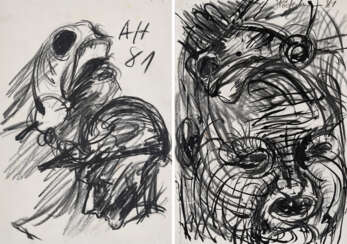

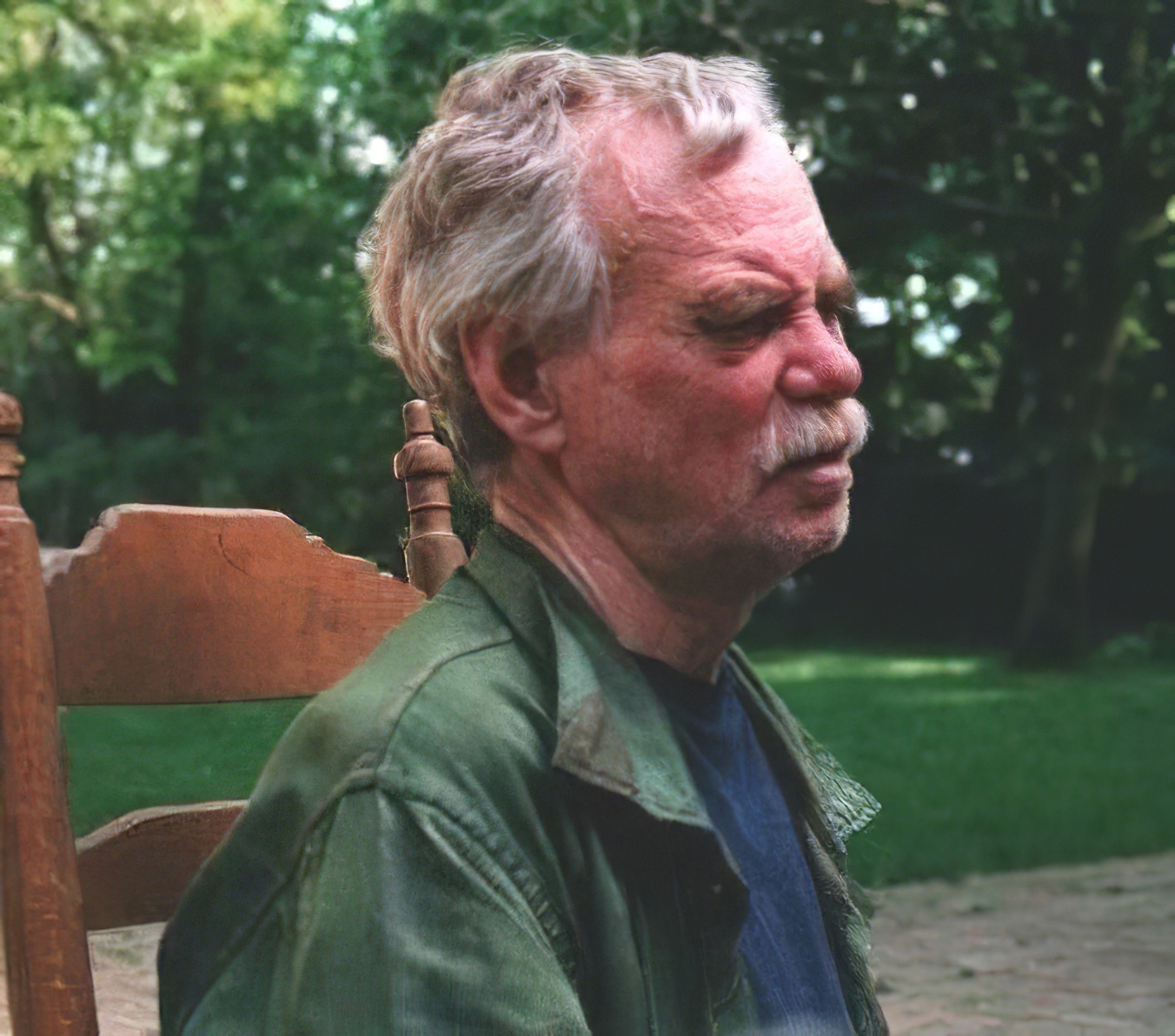
Antonius Höckelmann is a German painter and sculptor educated at the Academy of Fine Arts in Berlin.
Sculpture and painting are intertwined in Höckelmann's work. Wooden, plastic, bronze and even straw figures were painted by the artist, giving them a new sound.


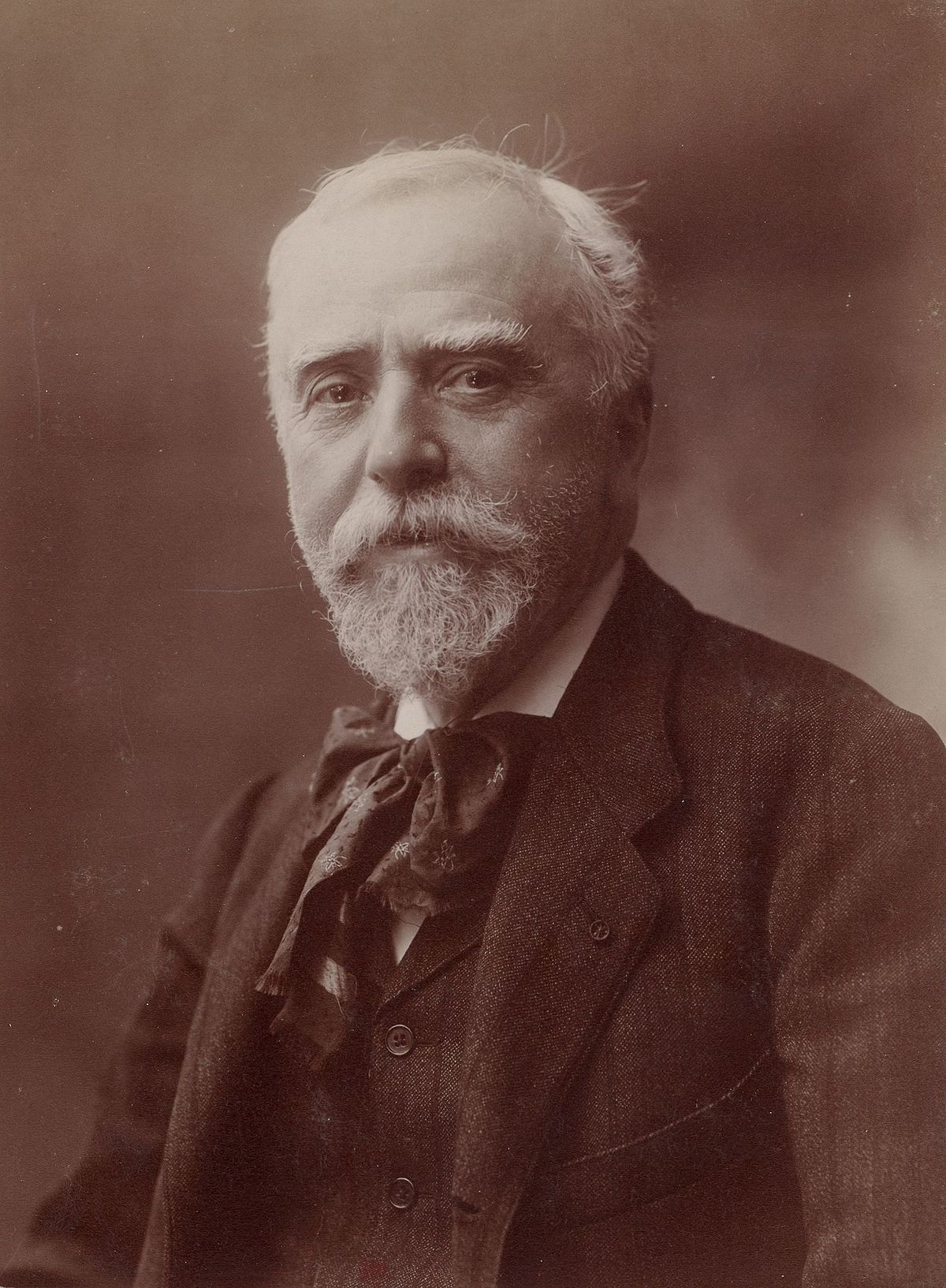
Léon Augustin Lhermitte was a French naturalist painter and etcher whose primary subject matter was rural scenes depicting peasants at work.


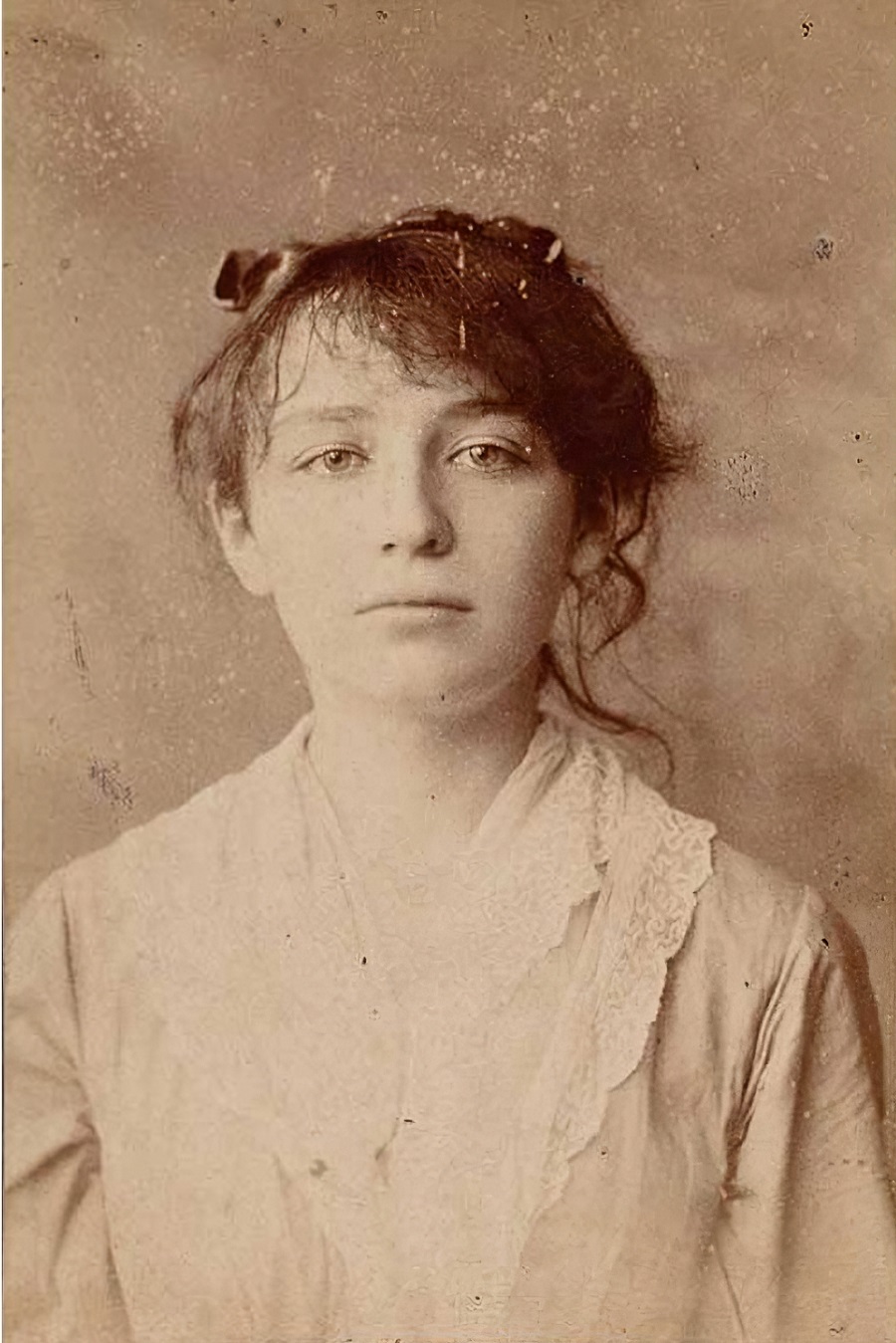
Camille Claudel was a French sculptor. She is known for her powerful and emotionally charged sculptures, which often portrayed human figures in moments of intense emotion or turmoil.
Claudel studied art in Paris under the tutelage of Auguste Rodin, and the two became lovers and collaborators for several years. Her work was heavily influenced by Rodin's style, and she often portrayed human bodies with a sense of fluidity and movement that was characteristic of his work.
Claudel's sculptures were praised for their technical skill and emotional intensity, but she struggled to gain recognition as an artist in her own right. She was frequently dismissed as simply a student of Rodin, and her personal life was marked by a series of setbacks and tragedies.
In 1913, Claudel suffered a nervous breakdown and was committed to a mental institution by her family, where she remained for the rest of her life. Her work was largely forgotten until the late 20th century, when a renewed interest in her life and career led to a reassessment of her place in the history of modern art. Today, her sculptures are celebrated for their technical virtuosity and emotional power, and her story has become an inspiration to many artists and scholars.

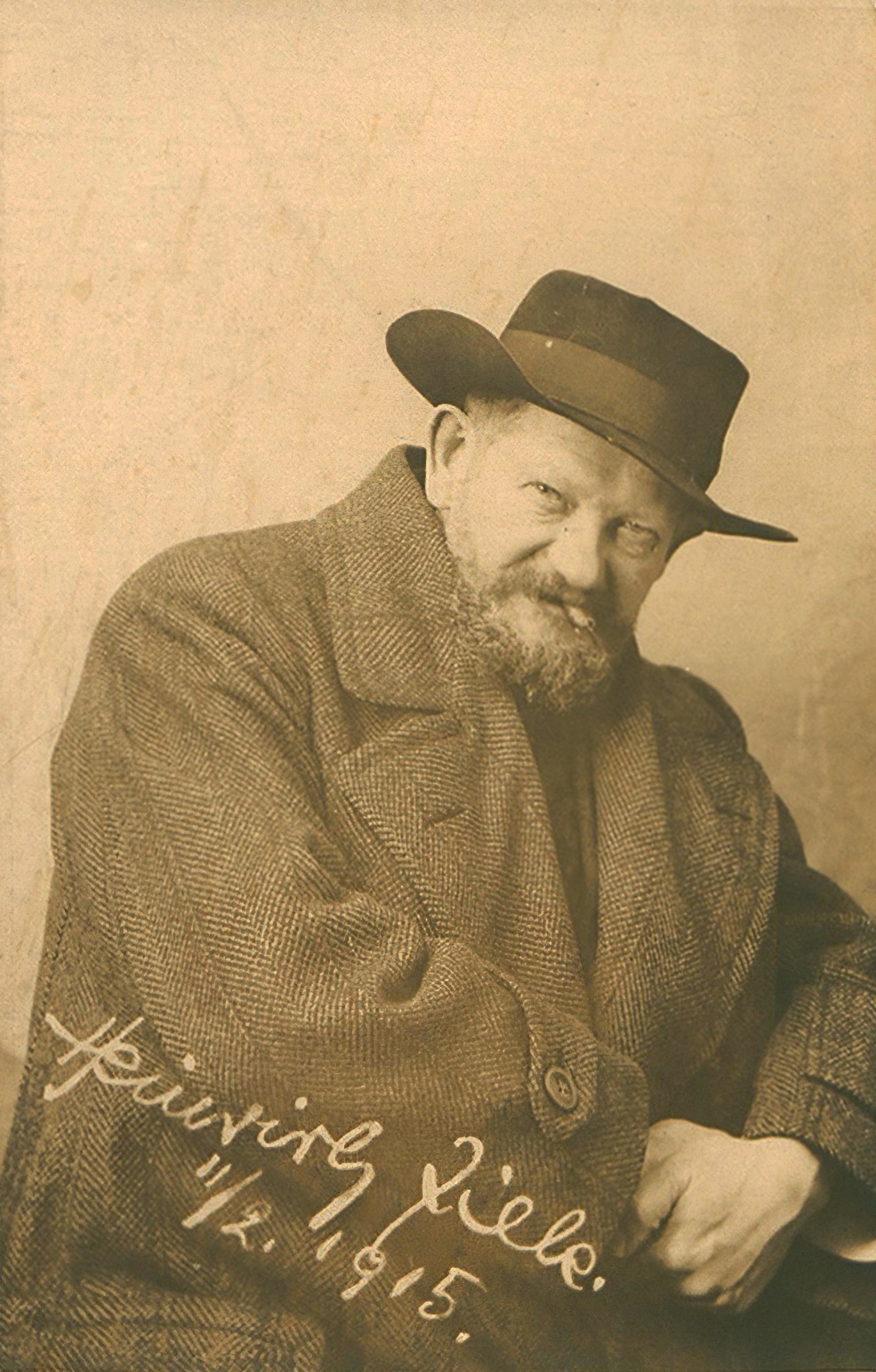
Heinrich Rudolf Zille was a German illustrator, caricaturist, lithographer and photographer.
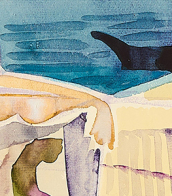


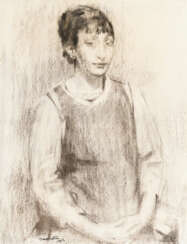

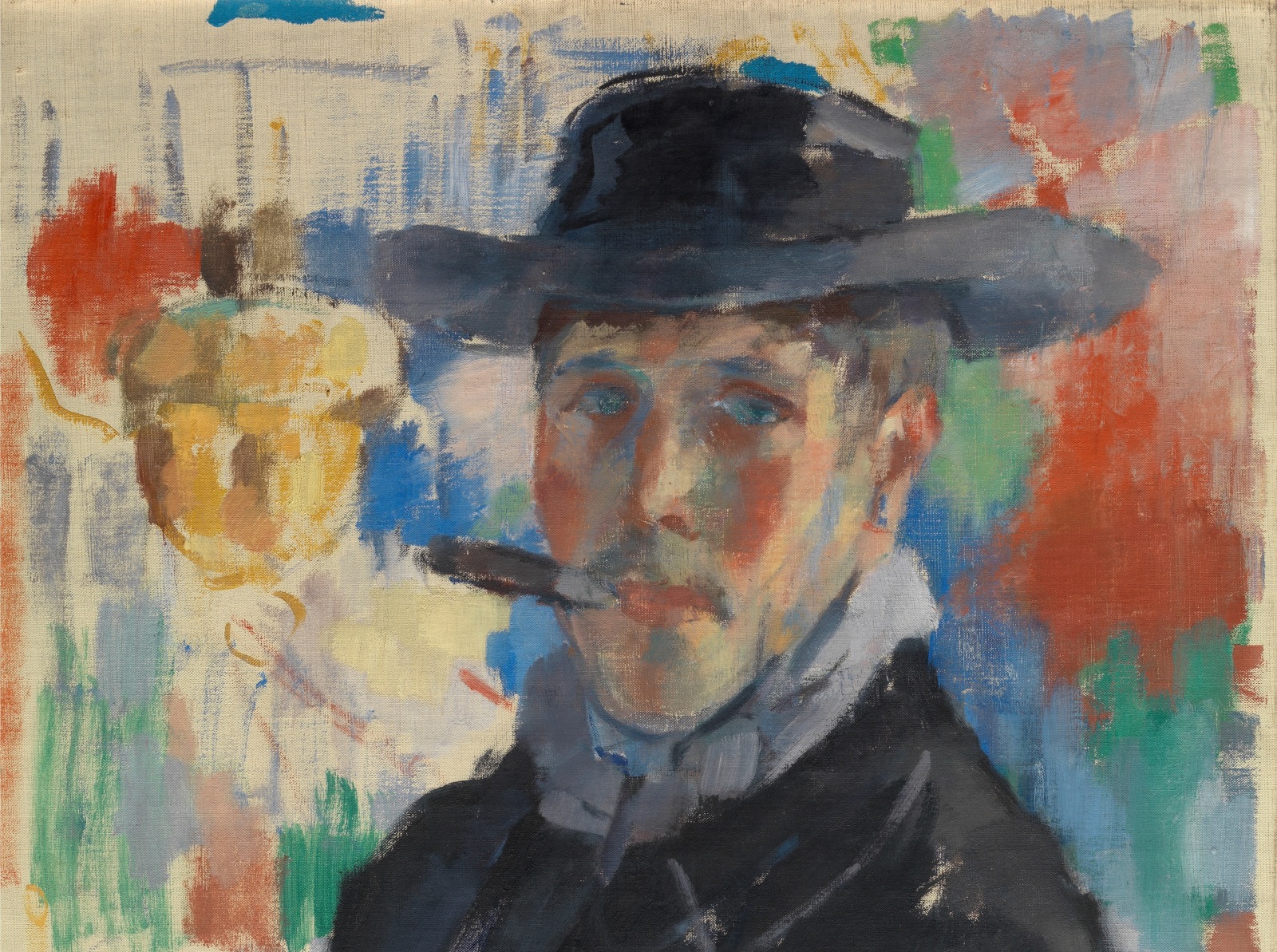
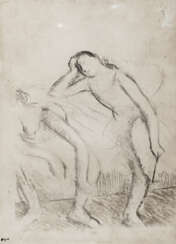

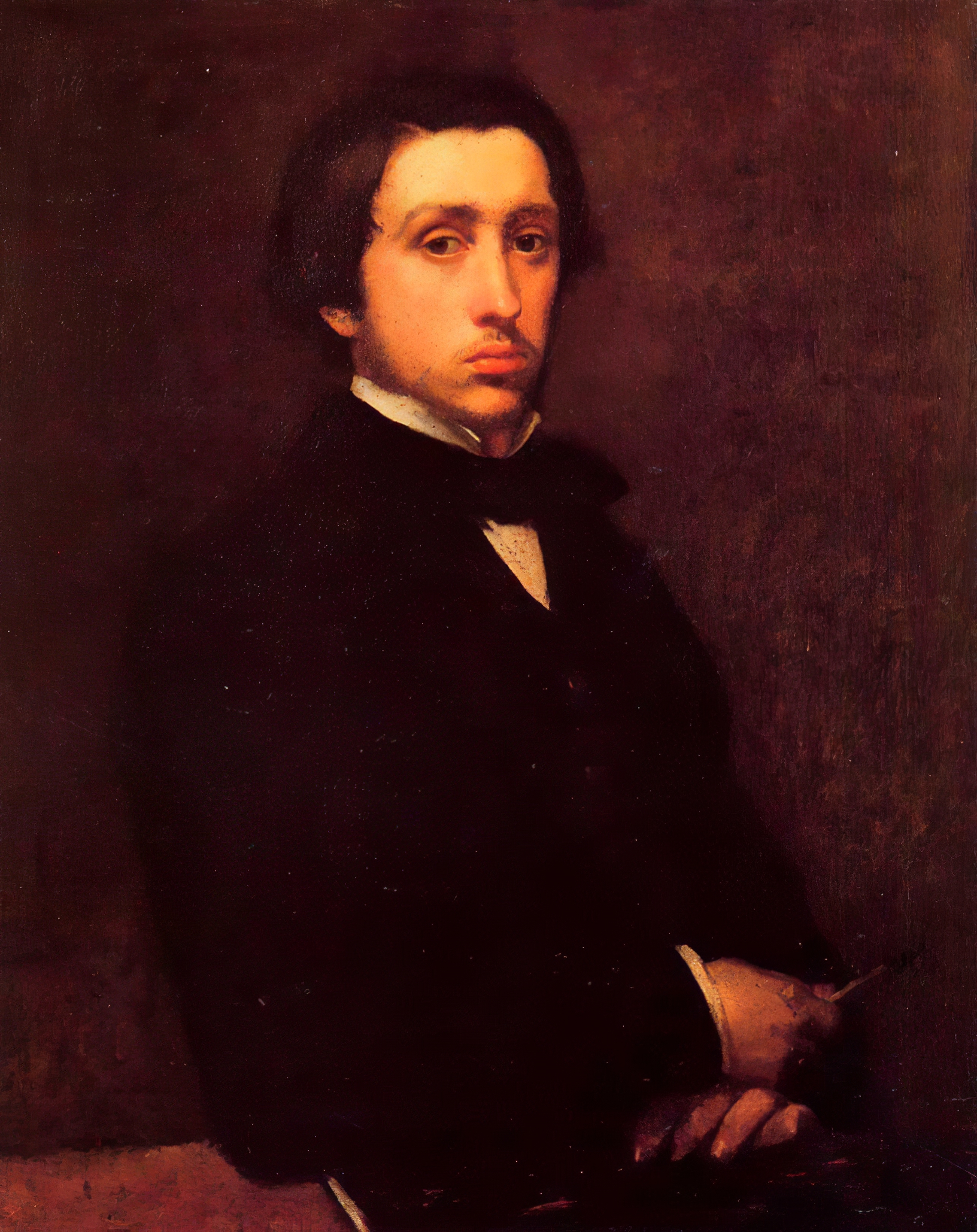
Edgar Degas, a French artist, was a master of painting, sculpture, and drawing, celebrated for his profound influence on the Impressionist movement despite his preference for being called a realist. Degas was born into a well-off family in Paris, France, and demonstrated a keen interest in art from an early age, eventually shaping his path to become one of the most sophisticated draftsmen of his time. His rigorous academic training and close study of classical art initially aimed him towards a career in history painting, but Degas soon pivoted towards contemporary subject matter, thus cementing his role as a classical painter of modern life.
Degas is renowned for his dynamic portrayals of movement, particularly in his depictions of dancers, racehorses, and everyday Parisian life. His works are characterized by their psychological depth and the isolation of his figures, showcasing his unique ability to capture the essence of his subjects with both empathy and critical distance. More than half of his oeuvre focuses on dancers, reflecting not only his fascination with the ballet but also his innovative approach to composition and form. This focus on the human figure, explored in various media including oil, pastel, and sculpture, underscores Degas's commitment to studying the nuances of human movement and expression.
Degas's artistic career is marked by his experimentation with various techniques and materials, as seen in his bronze sculptures and pastel nudes. One of his most famous sculptures, the study of the young ballet student Marie van Goethem, showcases his pioneering use of real objects in sculpture, a practice that prefigured later artistic innovations. Despite the controversies that sometimes surrounded his work, particularly in his depictions of the female nude, Degas's legacy as an artist who bridged the gap between traditional academic art and the modern movements of the early 20th century remains undisputed.
For collectors and experts in art and antiques, Degas's work offers a fascinating study in the evolution of modern art, highlighting the artist's deep engagement with the cultural and social dynamics of his time. His pieces, whether in the form of paintings, sculptures, or prints, continue to captivate audiences with their complexity, beauty, and innovative spirit.
If you are keen to stay updated on sales and auction events related to Edgar Degas, signing up for updates is a prudent choice. This subscription service ensures that you remain informed about new opportunities to acquire works by this pivotal figure in the art world, without overwhelming you with unnecessary information.
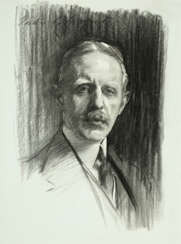

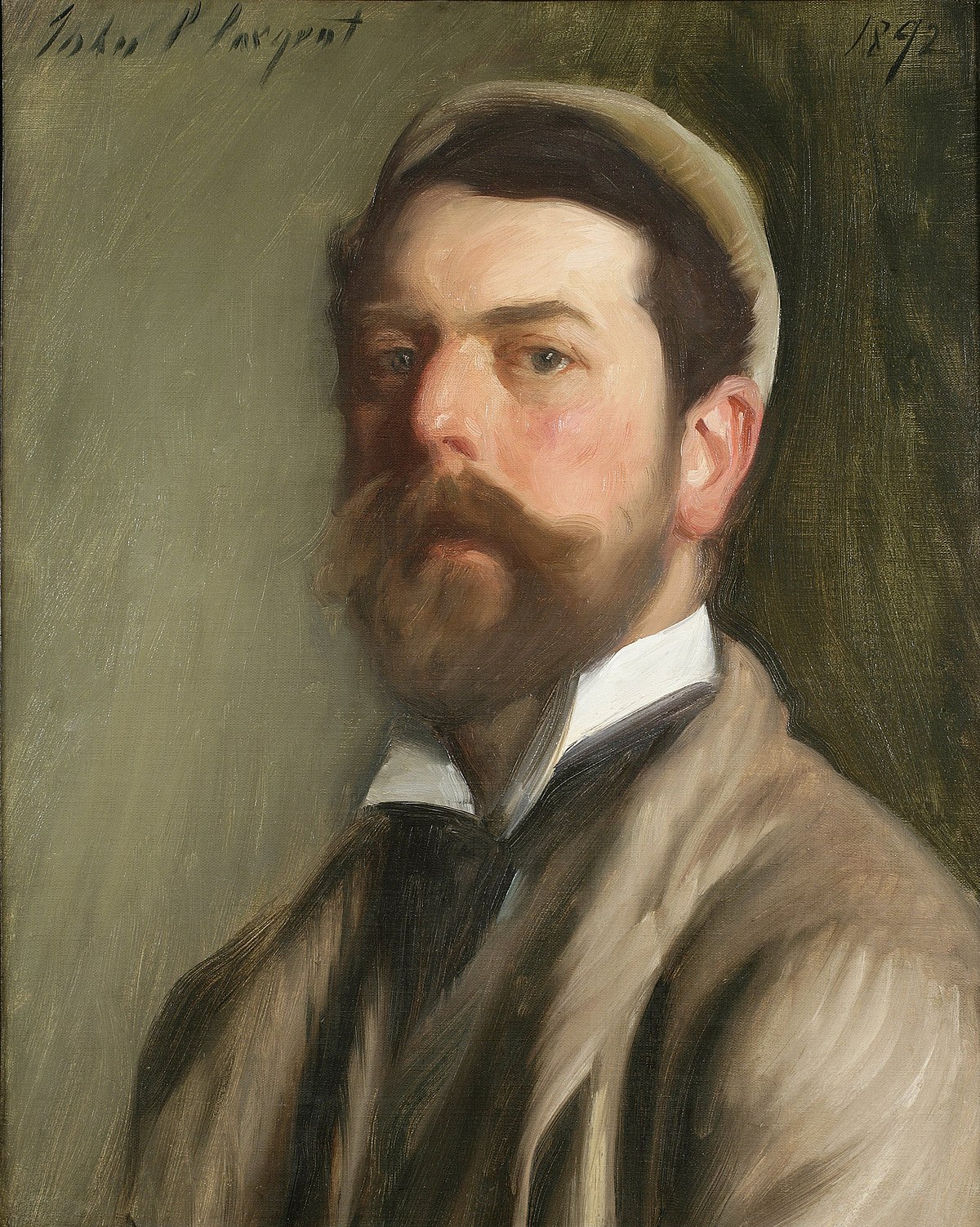
John Singer Sargent was an American artist celebrated for his captivating portraits, which mirrored the luxury of the Edwardian era. Born to American parents in Florence, Italy, Sargent was a well-traveled individual, fluent in multiple languages, and exposed to European art from a young age. His early artistic training came under the tutelage of Carolus-Duran in Paris, which significantly influenced his style and approach to art. Sargent's work, characterized by its striking realism and attention to detail, gained international acclaim, especially among the aristocracy in England and the United States.
Noteworthy is John Singer Sargent's "Carnation, Lily, Lily, Rose," a piece that, after its display at the Royal Academy in 1887, solidified his status in the London art scene. This painting, along with many others, showcases his ability to capture the essence of his subjects, earning him numerous commissions from prominent figures of his time. However, by the early 20th century, Sargent shifted his focus to watercolors and murals, seeking respite from the demands of portrait commissions. His mural works, like those for the Boston Public Library, highlight his versatility and commitment to art beyond portraiture.
For collectors and art experts, understanding John Singer Sargent's journey—from his early days in Florence and Paris to his ultimate success as a portraitist and muralist—offers valuable insights into his artistic evolution and the historical context of his work. His pieces, housed in prestigious institutions worldwide, continue to captivate audiences with their elegance and technical prowess.
If you're keen on staying updated with events and sales related to John Singer Sargent's art, consider signing up for updates. This subscription will keep you informed about new product sales and auction events specifically related to Sargent's works, ensuring you don't miss out on valuable opportunities.


Käthe Kollwitz (born as Schmidt) was a German artist who worked with painting, printmaking (including etching, lithography and woodcuts) and sculpture. Her most famous art cycles, including The Weavers and The Peasant War, depict the effects of poverty, hunger and war on the working class. Despite the realism of her early works, her art is now more closely associated with Expressionism. Kollwitz was the first woman not only to be elected to the Prussian Academy of Arts but also to receive honorary professor status.


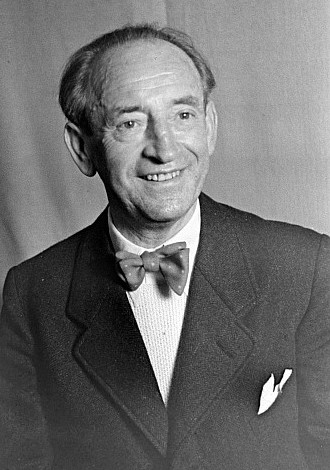
Max Pechstein, a German Expressionist painter and printmaker, was a significant figure in the art world known for his vibrant use of color and dynamic compositions. Born in Zwickau in 1881, Pechstein's journey into the realms of expressionism began with his training as a decorator's apprentice before moving to Dresden to further his studies at the Kunstgewerbeschule. His career took a pivotal turn in 1906 when he met Erich Heckel and joined the Die Brücke group, alongside other notable artists such as Ernst Ludwig Kirchner and Karl Schmidt-Rottluff, which marked the beginning of his foray into revolutionary art and expressionism.
Pechstein's art was not just confined to painting; he was also a master printmaker, with a prolific output that included 421 lithographs, 315 woodcuts and linocuts, and 165 intaglio prints, predominantly etchings. His works often depicted scenes from nature, social gatherings, and elements of primitive art, reflecting his interest in the raw and unrefined aspects of culture and humanity. This diverse body of work was recognized for its bold innovation and unique perspective, which significantly contributed to the expressionist movement.
The Nazis' rise to power in 1933 had a profound impact on Pechstein's career. His works were deemed degenerate, and he faced severe repression, including the removal of 326 of his paintings from German museums and his dismissal from his teaching position at the Preussische Akademie der Künste. Despite these challenges, Pechstein's legacy endured, and after World War II, he was reinstated to his teaching post and received numerous accolades for his contributions to art.
Pechstein's works are held in high esteem in museums and galleries worldwide. Notably, his etchings, which depicted the grim realities of war, are housed in the Imperial War Museum in London, showcasing his ability to convey profound emotional and psychological experiences through art. Additionally, his painting "Summer in Nidden," which captures the idyllic beauty of the Baltic coast, is part of the collection at the Museo Nacional Thyssen-Bornemisza in Madrid, illustrating his love for natural landscapes and vibrant, expressive use of color.
For collectors and experts in art and antiques, Hermann Max Pechstein's works offer a fascinating glimpse into the early 20th-century expressionist movement, characterized by a bold exploration of color, form, and social commentary. His contributions to modern art are invaluable, providing insight into the cultural and historical context of his time.
To stay informed about new product sales and auction events related to Hermann Max Pechstein, we invite you to sign up for updates. This subscription will ensure that you are the first to know about opportunities to acquire works by this influential artist, allowing you to add to your collection of significant expressionist art.