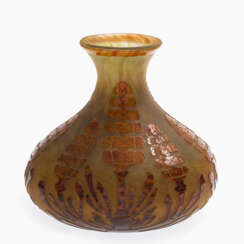
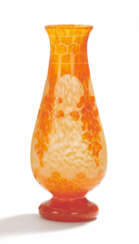
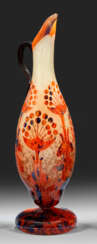
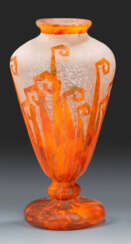
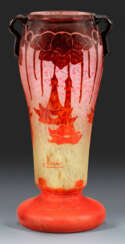
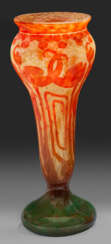
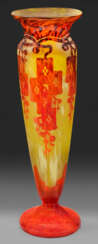
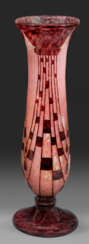
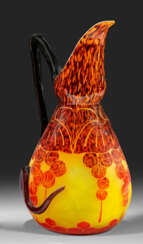
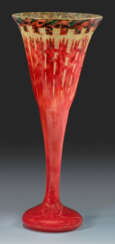
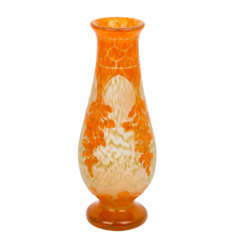
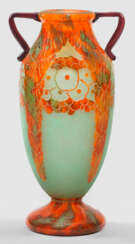
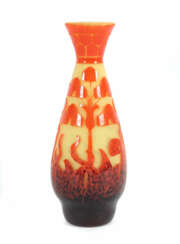
charles. "le verre français".









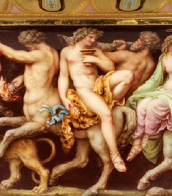










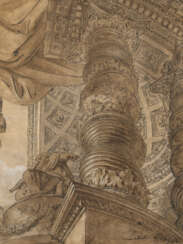

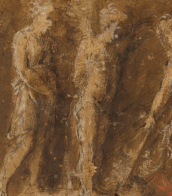
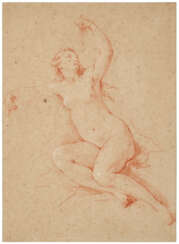

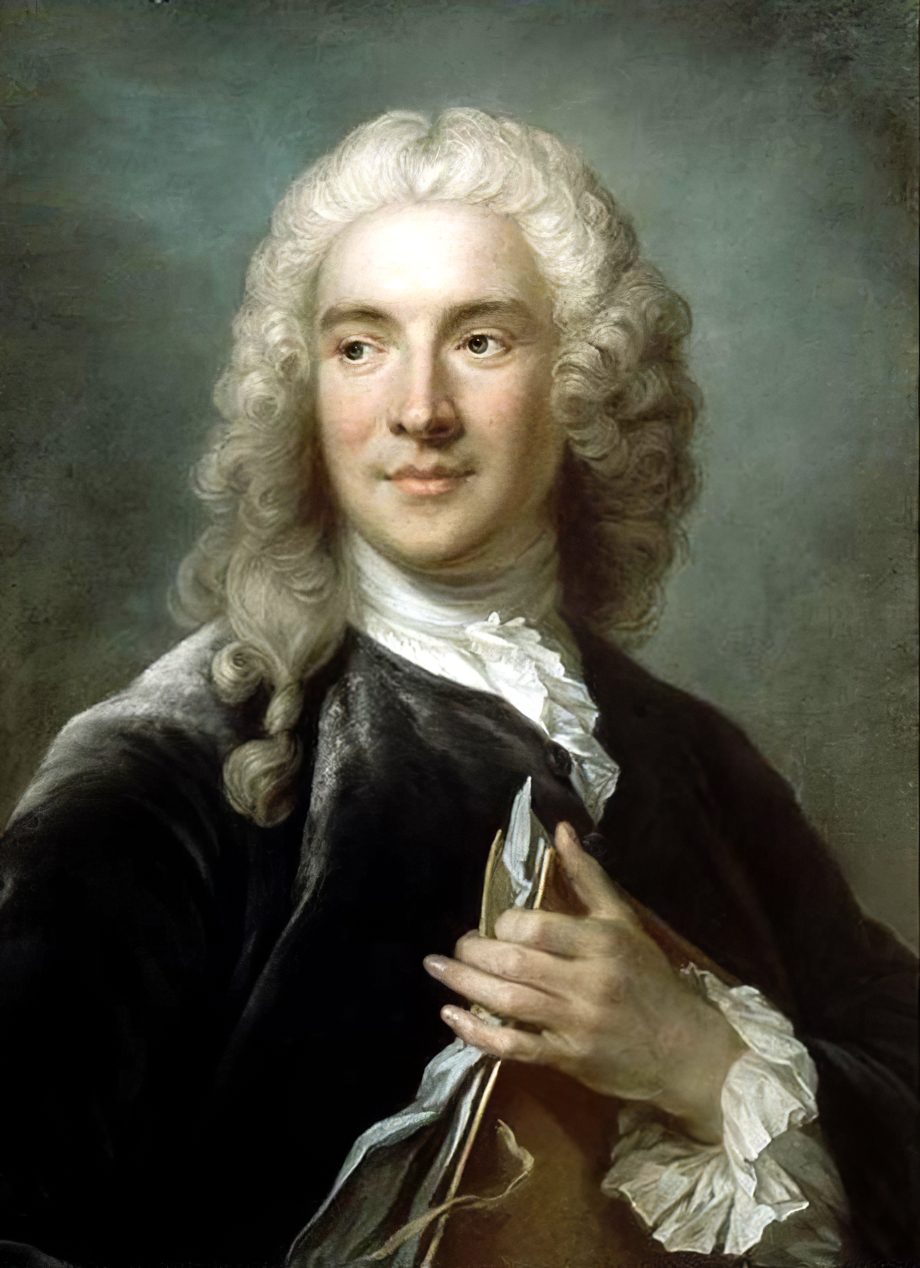
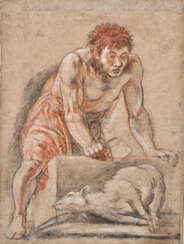
Charles-Joseph Natoire was a prominent Rococo painter, known for his significant contributions to French art during his lifetime. Trained under François Lemoyne, Natoire excelled in various artistic endeavors, earning royal commissions and contributing to significant artistic projects in Versailles and Fontainebleau. His works included tapestry cartoons for the Manufacture de Beauvais and Gobelins, and he was known for his series on the History of Psyche and Don Quixote.
In 1751, Charles-Joseph Natoire became the director of the French Academy in Rome, a role he held until 1775. During this period, he mentored notable students like Hubert Robert and Jean-Honoré Fragonard. Although his active painting career dwindled during his directorship, his influence on the students and the artistic community was significant.
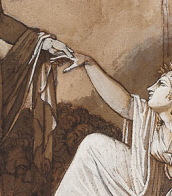
Charles-Joseph Natoire's works can be found in various prestigious institutions, including The Metropolitan Museum of Art and The Louvre. His painting "The Rebuke of Adam and Eve" is one such piece that showcases his mastery and attention to detail.
For collectors and experts in art and antiques, Charles-Joseph Natoire's works offer a glimpse into the Rococo style's elegance and the rich artistic heritage of 18th-century France. His contributions to tapestry and painting continue to be celebrated and studied for their historical and artistic value.
To stay updated on news and events related to Charles-Joseph Natoire and his works, consider subscribing for updates. This subscription will keep you informed about new product sales and auction events featuring Natoire's art, ensuring you don't miss out on opportunities to engage with the legacy of this influential painter.
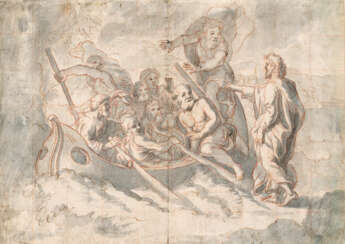

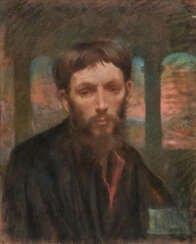









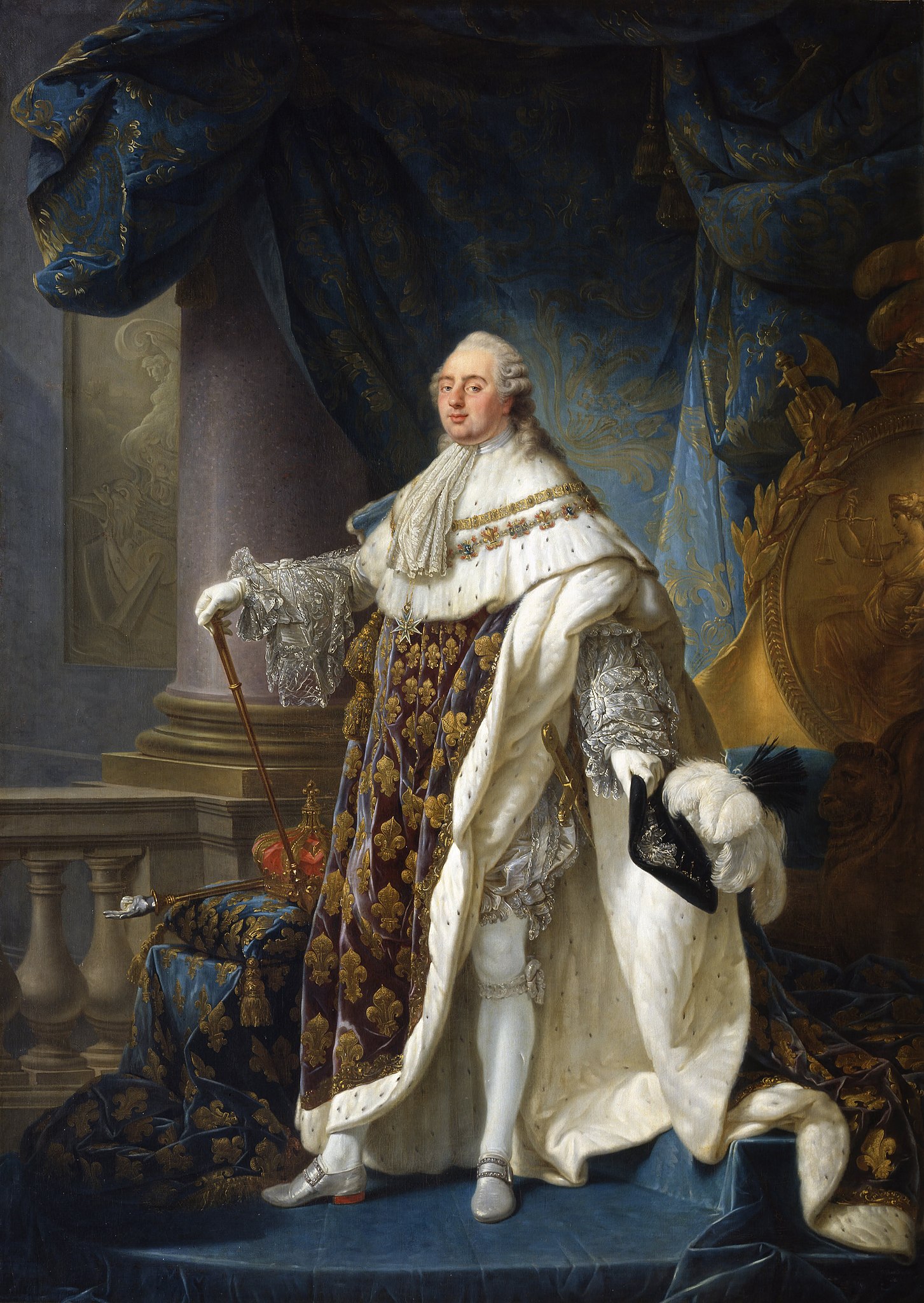
Antoine-François Callet was a French painter of portraits and allegorical works, who acted as official portraitist to Louis XVI.



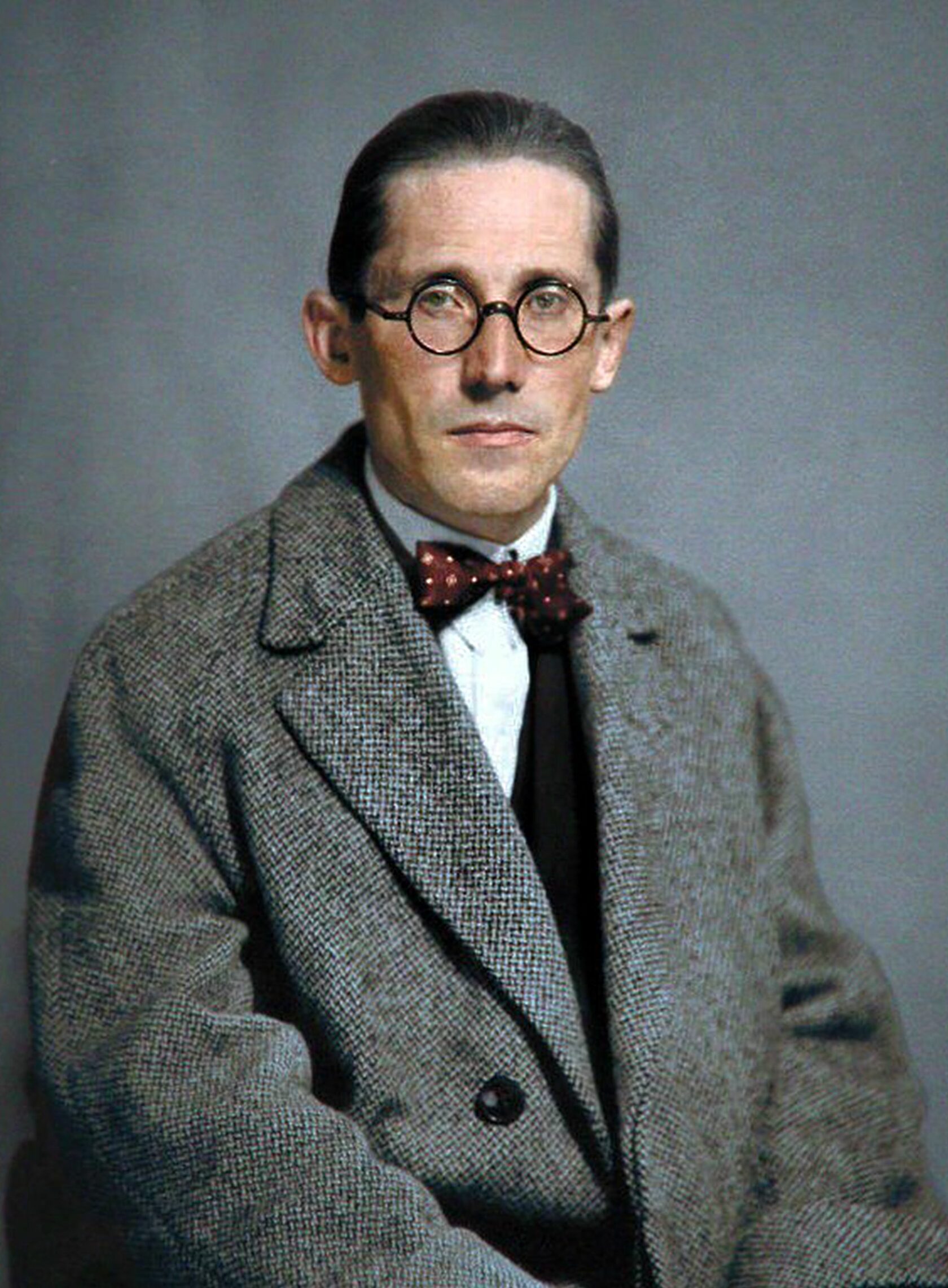
Le Corbusier, born Charles-Édouard Jeanneret in Switzerland, was a visionary French architect, designer, and writer who profoundly influenced modern architecture and urban planning. His innovative ideas blended functionalism with bold sculptural expressionism, embodying the essence of the International Style of architecture. Notably, Le Corbusier's designs, such as the Villa Savoye and the master plan for Chandigarh, India, are celebrated for their revolutionary approaches to living spaces and urban environments.
Le Corbusier's early life in La Chaux-de-Fonds, Switzerland, where he was immersed in the art and craft of watchmaking, significantly shaped his design principles. His architectural journey began without formal training, starting with his education in decorative arts and leading to significant collaborations across Europe. Le Corbusier's philosophy was deeply rooted in the belief that architecture should improve living conditions, particularly in crowded cities. This belief drove his contributions to the Congrès International d'Architecture Moderne and his development of influential architectural principles, such as the Five Points of Architecture, which are exemplified in Villa Savoye.
Villa Savoye, located in Poissy, France, stands as a testament to Le Corbusier's innovative approach, featuring pilotis (reinforced concrete stilts), a functional roof garden, an open floor plan, horizontal windows, and a free façade design. These elements collectively embody his vision of a "machine for living," integrating the house with its environment and the modern lifestyle. Despite facing issues with structural durability and weather resistance, Villa Savoye remains a pivotal work in architectural history, symbolizing the transition to modern architectural thought.
Le Corbusier's legacy is multifaceted, extending beyond architecture to furniture design and painting, showcasing his broad artistic talents. His work continues to inspire and provoke discussion, reflecting both his groundbreaking contributions to modern architecture and the complexities of his ideologies and methodologies.
If you are inspired by Le Corbusier's visionary approach to architecture and design, and wish to stay informed about related updates, consider signing up for our newsletter. This subscription will keep you in the loop about new product launches, sales, and auction events that are directly related to Le Corbusier's enduring legacy. Dive deeper into the world of architecture and design, and ensure you don't miss out on opportunities to engage with Le Corbusier's influential work. Sign up now to connect with the past, present, and future of architectural excellence.
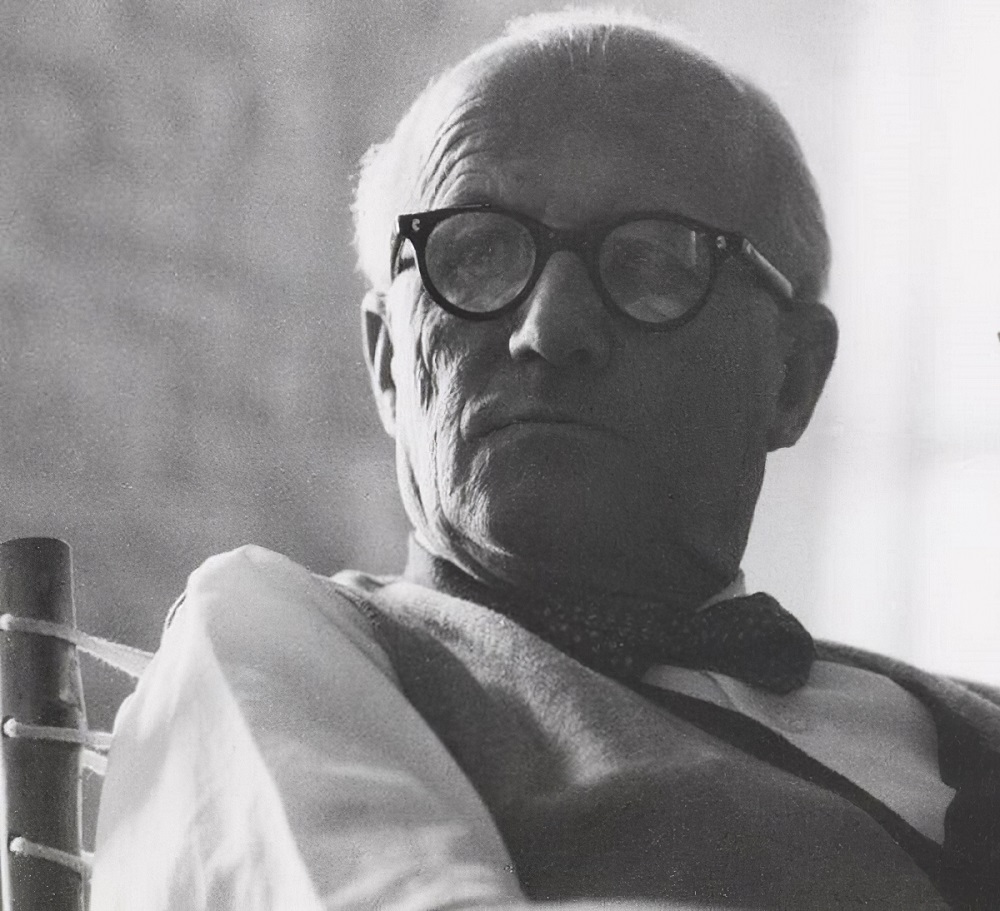
Pierre Jeanneret was a Swiss architect who collaborated with his cousin, Charles-Édouard Jeanneret (who assumed the pseudonym Le Corbusier), for about twenty years.
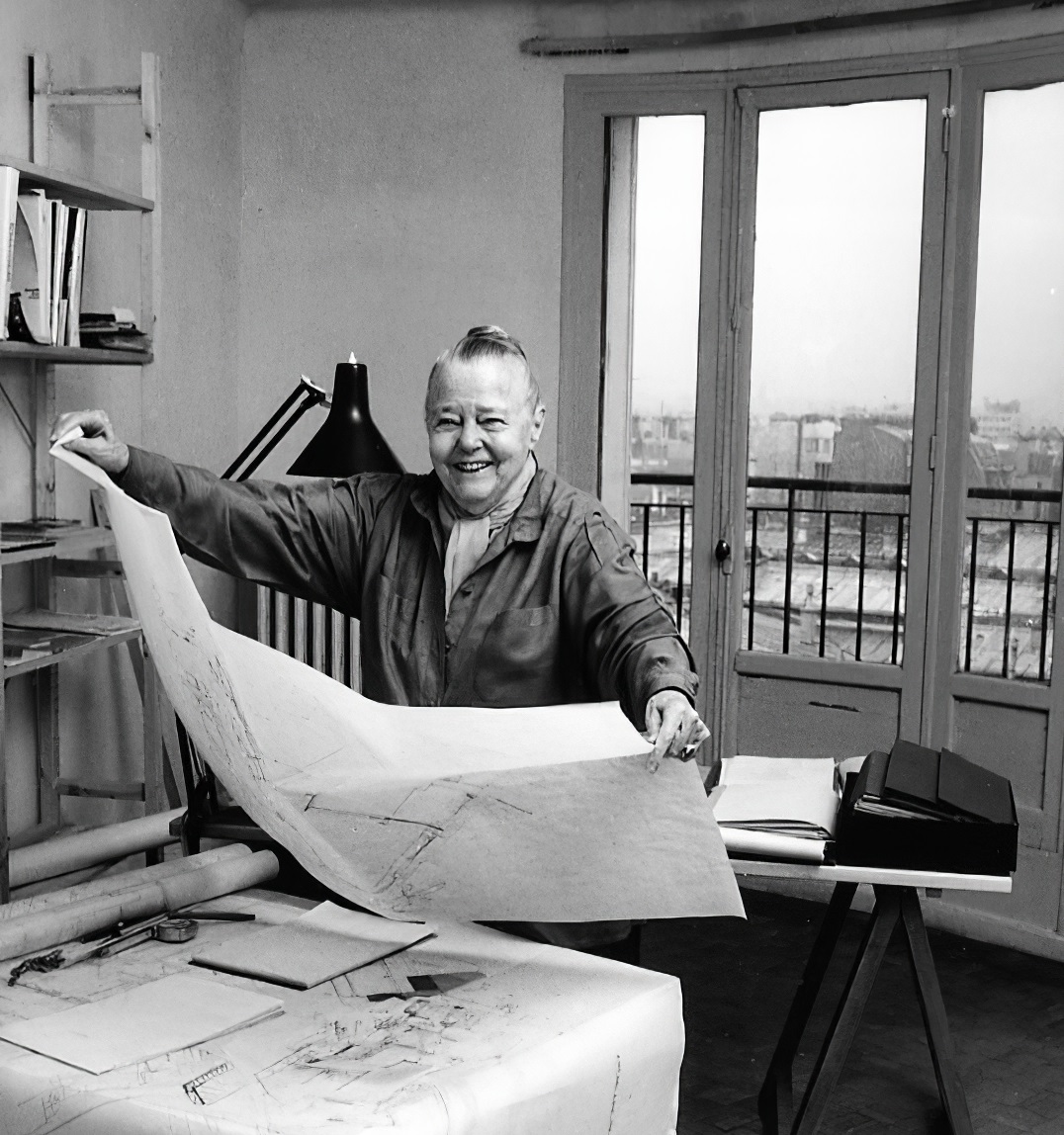
Charlotte Perriand was a French architect and designer. Her work aimed to create functional living spaces in the belief that better design helps in creating a better society. In her article "L'Art de Vivre" from 1981 she states "The extension of the art of dwelling is the art of living — living in harmony with man's deepest drives and with his adopted or fabricated environment." Charlotte liked to take her time in a space before starting the design process.