chart expo

















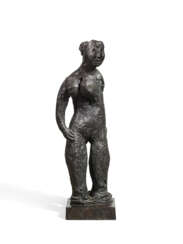

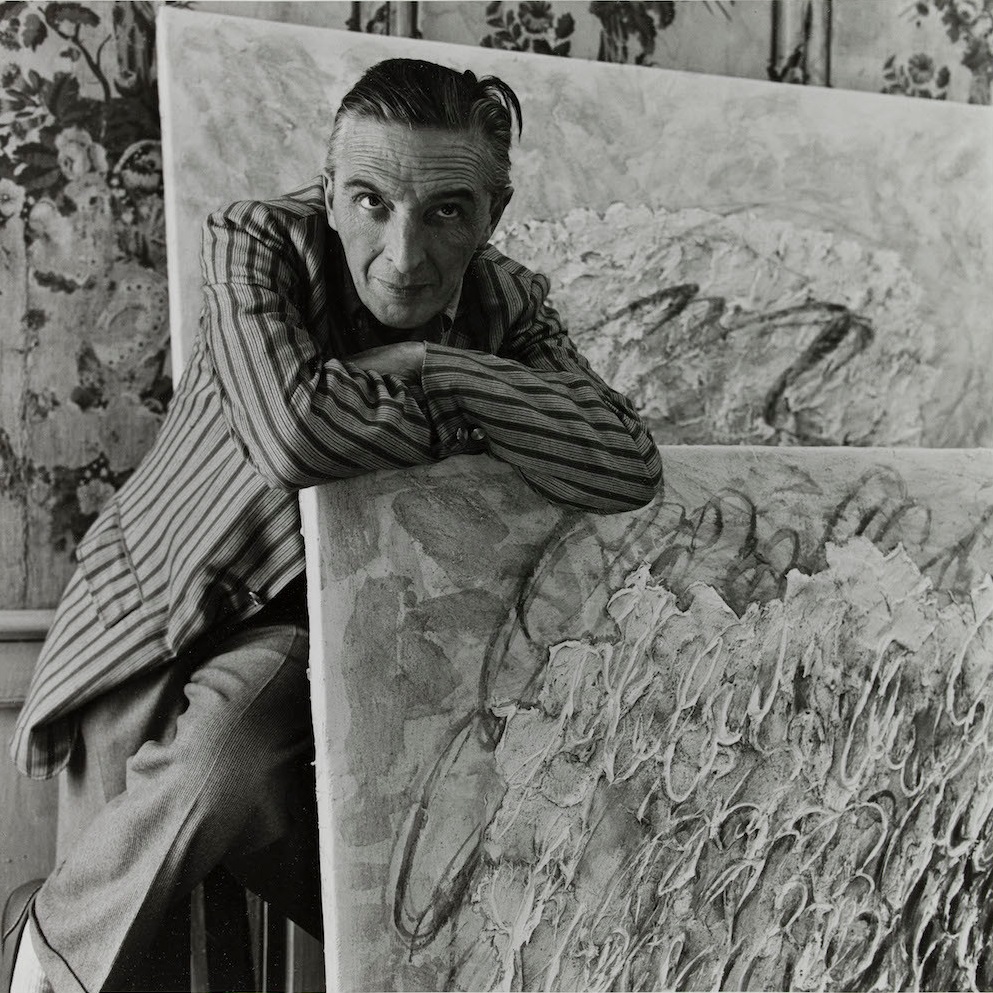
Jean Fautrier was a French painter and sculptor associated with the Art Informel and Tachisme movements. He initially studied architecture before turning to painting in the early 1920s.
Fautrier's early work was influenced by Cubism and Surrealism, but he eventually developed a more abstract style characterized by thick impasto and expressive brushwork. He often used unconventional materials, such as asphalt, sand, and tar, to create textured surfaces that conveyed a sense of materiality.
During World War II, Fautrier was active in the French Resistance and went into hiding to avoid arrest by the Nazis. His experiences during the war had a profound impact on his work, which became darker and more introspective. He began to create what he called "Hostage" paintings, which depicted anonymous faces and figures that were both haunting and vulnerable.
After the war, Fautrier continued to explore themes of violence, trauma, and decay in his art. He created a series of "Otages" (Hostages) sculptures that were made from casts of human limbs and torsos. These works were highly controversial and provoked strong reactions from critics and the public alike.
Fautrier's influence on the development of Art Informel and Tachisme was significant, and he is regarded as one of the key figures of the movement. His work is represented in many major museums and collections around the world, including the Centre Georges Pompidou in Paris and the Museum of Modern Art in New York.




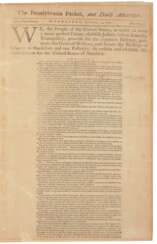

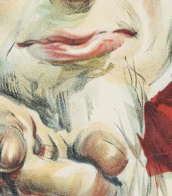
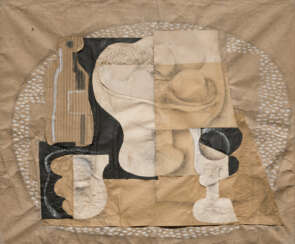

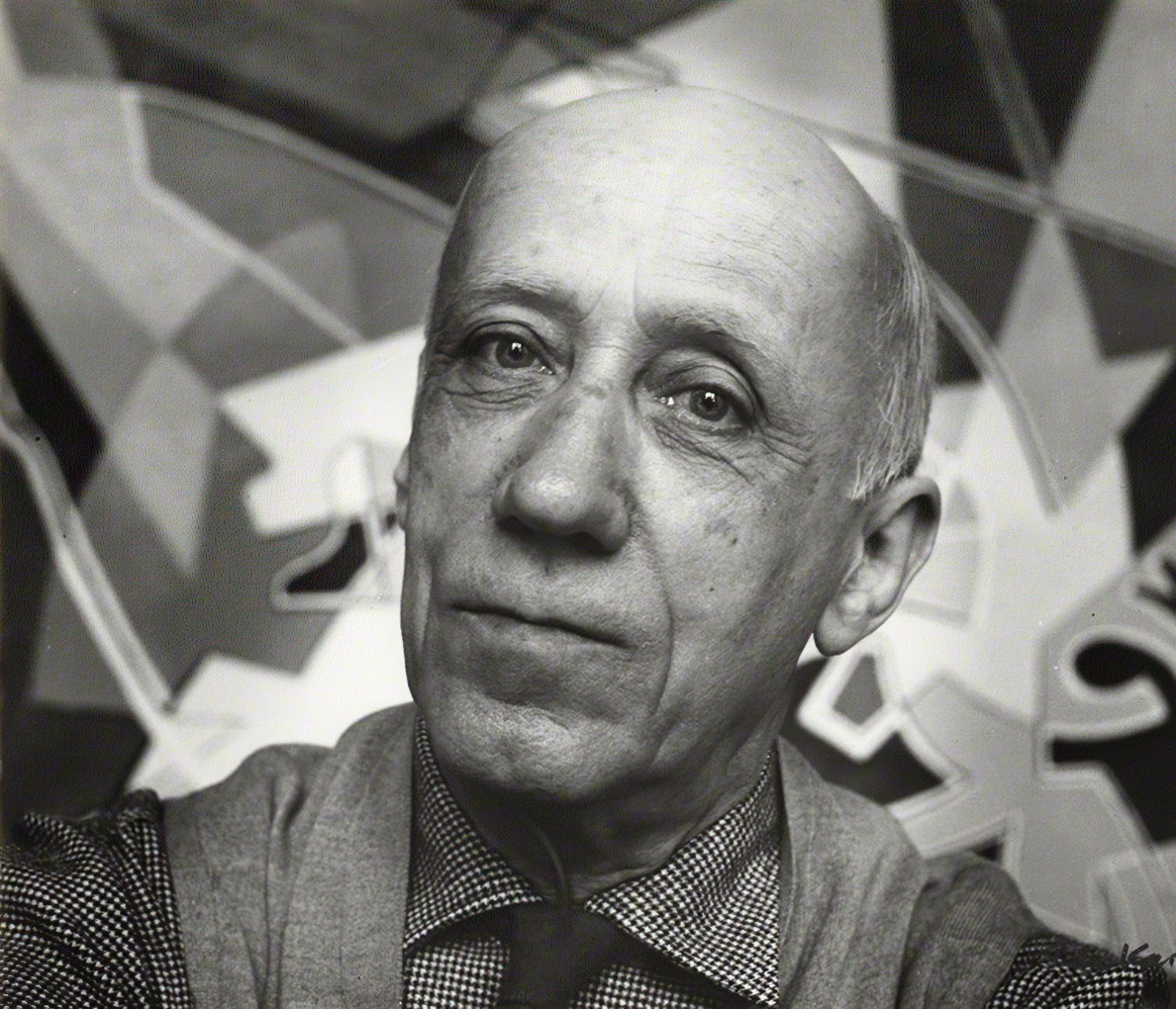
Gino Severini was an Italian painter and a prominent figure in the Futurist movement, known for his dynamic interpretation of movement and light in his artworks. Born in Cortona, Italy, in 1883, Severini moved to Paris in 1906, where he became deeply involved in the avant-garde scene, mingling with leading artists and embracing the vibrant cultural milieu of the city. His work often depicted lively urban scenes, dancers, and the energetic pace of modern life, distinguishing him within the Futurist movement for his unique focus on human figures and lively settings rather than the mechanical world.
Gino Severini's style evolved significantly over the years, moving from Futurism to incorporating elements of Cubism and later adopting a more classical approach in his art. After World War I, he aligned with the "return to order" movement, focusing on classical harmony and balance, which is evident in works like "The Two Pulchinellas." His later years saw him exploring various media, including mosaics and frescoes, contributing significantly to modern mosaic art and earning him the title "Father of Modern Mosaic."
Gino Severini's works are showcased in prestigious galleries worldwide, including the Museum of Modern Art (MoMA) in New York, where his influence on 20th-century art is celebrated. His contributions to art theory, his exploration across different art forms, and his ability to capture the essence of his time make Severini a fascinating subject for art collectors and experts alike.
For those interested in the evolution of modern art and the interplay between different artistic movements, Severini's work offers a compelling study of creativity and innovation. If you are intrigued by Gino Severini's contributions to the art world and wish to stay informed about upcoming sales and auction events related to his works, consider signing up for updates to deepen your knowledge and appreciation of this pivotal artist.

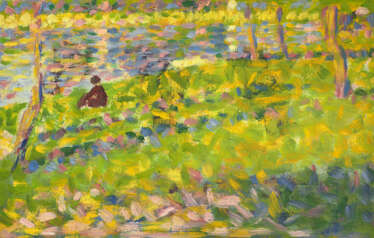

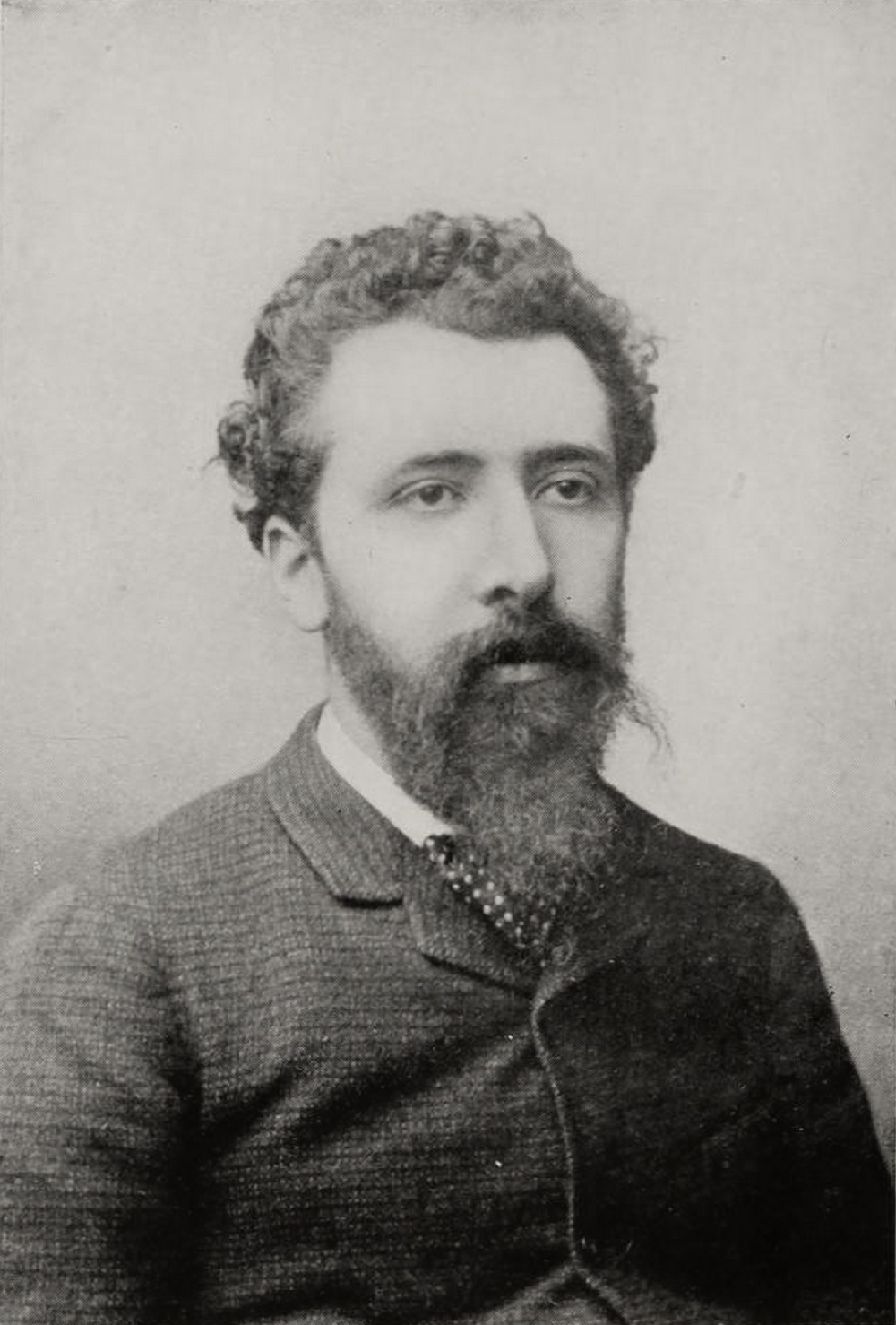
Georges Seurat was a French painter, renowned as the founder of the 19th-century French school of Neo-Impressionism. His groundbreaking technique, Pointillism, involved the use of tiny, contrasting color brushstrokes that, when viewed together, created a luminous quality in his compositions. Seurat's life was a blend of rigorous academic training and innovative artistic exploration.
Born on December 2, 1859, in Paris, Seurat demonstrated an early interest in art. He received formal training at the École des Beaux-Arts under Henri Lehmann, a disciple of the Neo-Classical painter Ingres, where he honed his skills in drawing and composition. Seurat was deeply influenced by color theories and the science of optics, which became central to his artistic approach. He was particularly inspired by the work of Michel-Eugène Chevreul and Ogden N. Rood, whose writings on color contrast and harmony greatly influenced his painting technique.
One of Seurat's most famous works, "A Sunday Afternoon on the Island of La Grande Jatte" (1884–1886), showcased his Pointillism technique. This painting, now housed in the Art Institute of Chicago, portrays members of different social classes engaged in various activities in a park setting. The work is notable for its use of small, juxtaposed dots of multi-colored paint, which allow the viewer's eye to blend colors optically. This technique was a significant departure from the traditional methods of color mixing on the canvas.
Another notable work by Seurat is "Bathers at Asnières" (1884), displayed at the National Gallery in London. This large canvas depicts young men relaxing by the Seine in a working-class suburb of Paris. The painting reflects Seurat's neoclassical training, with its smooth, simplified textures and carefully outlined figures.
Seurat's final painting, "The Circus" (1890-91), represents a shift to a more dynamic representation of movement and is typical of his late style. Unfortunately, Seurat's life was cut short when he died suddenly in March 1891, leaving "The Circus" unfinished. This painting is now part of the collection at the Musée d'Orsay in Paris.
Seurat's innovative techniques and his exploration of color theory and optics had a lasting impact on the art world, influencing subsequent generations of artists. His work remains a testament to the fusion of scientific principles with artistic expression, making him a pivotal figure in the transition from Impressionism to Post-Impressionism and modern art.
For those captivated by the genius of Georges Seurat and his revolutionary art, there's an exclusive opportunity waiting for you. By signing up for our updates, you'll be the first to know about new product sales and auction events related to Seurat's works and legacy. This subscription is tailored for enthusiasts, collectors, and experts in the field of art and antiques, ensuring you receive only the most relevant and curated information. Don't miss out on the chance to enhance your collection and deepen your understanding of Seurat's impact on the art world. Sign up now and stay ahead in the world of fine art and antiques.


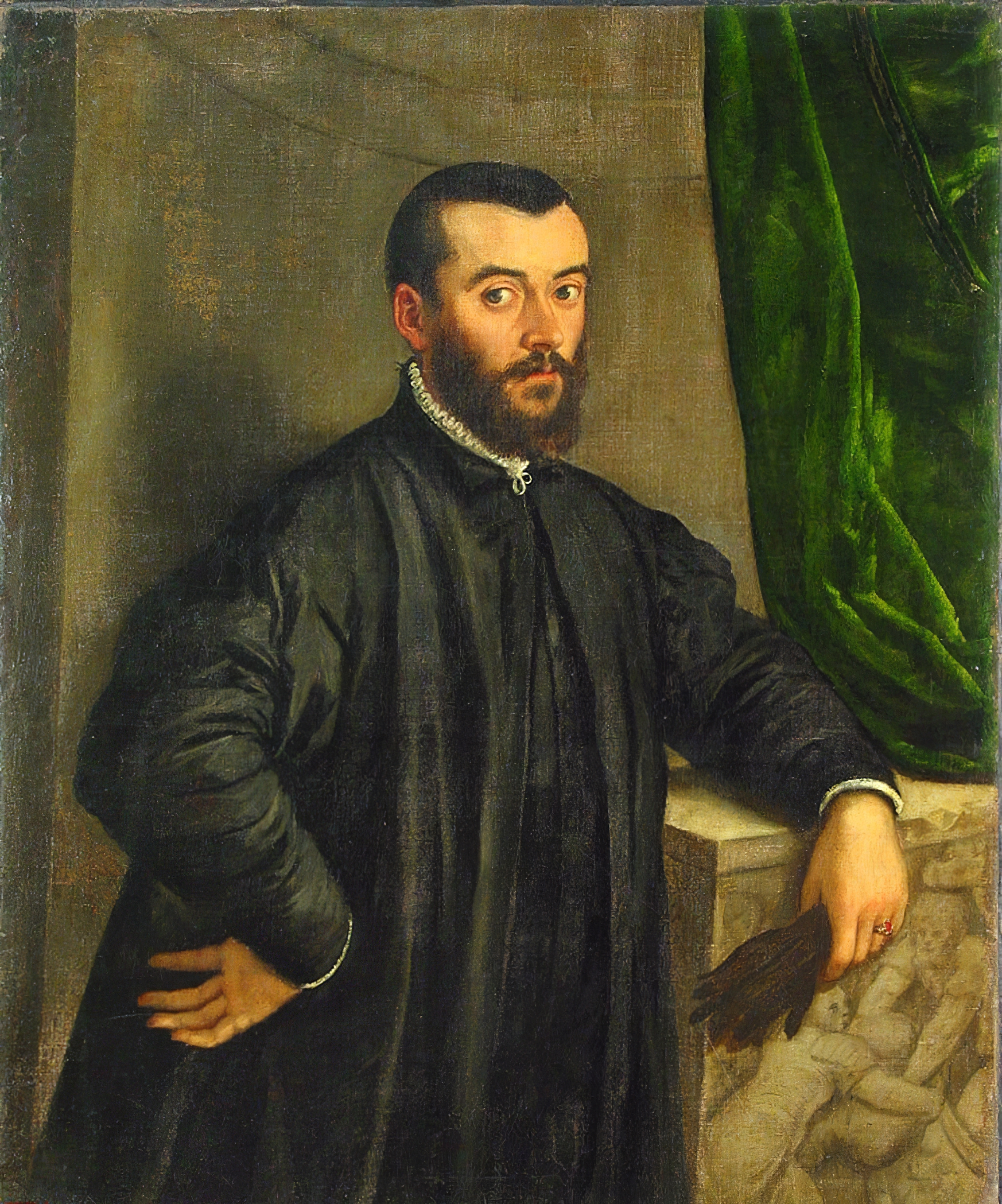
Andreas Vesalius (Dutch: Andries van Wesel) was a Flemish physician, one of the first anatomists of the Renaissance.
Vesalius came from a family of physicians and apothecaries, studied at the Catholic University of Leuven and at the medical school of the University of Paris, where he learned to dissect animals. He also had the opportunity to dissect human cadavers and devoted much time to the study of human bones. He later went to the University of Padua and, after earning his MD degree, was appointed professor of surgery, whose duties included anatomical demonstrations.
Vesalius revolutionized the study of biology and medical practice through his careful description of the anatomy of the human body. Based on observations made by himself, he wrote and illustrated the first complete textbook of anatomy. In 1543 his major work De humani corporis fabrica libri septem ("Seven Books on the Structure of the Human Body"), commonly known as Fabrica, was printed. In this epochal work, Vesalius gave far more extensive and accurate descriptions of the human body than anything that had been done by his predecessors.
In the same year, 1543, the Holy Roman Emperor Charles V appointed him staff physician of his house, and in 1559 Vesalius became physician to the Madrid court of Charles V's son, Philip II.
Vesalius' work made anatomy a scientific discipline with far-reaching implications not only for physiology but for all of biology.
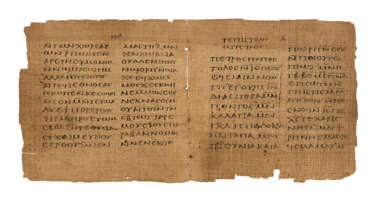


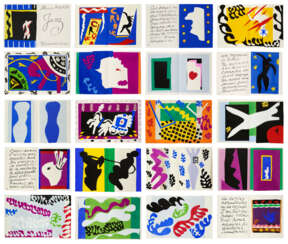

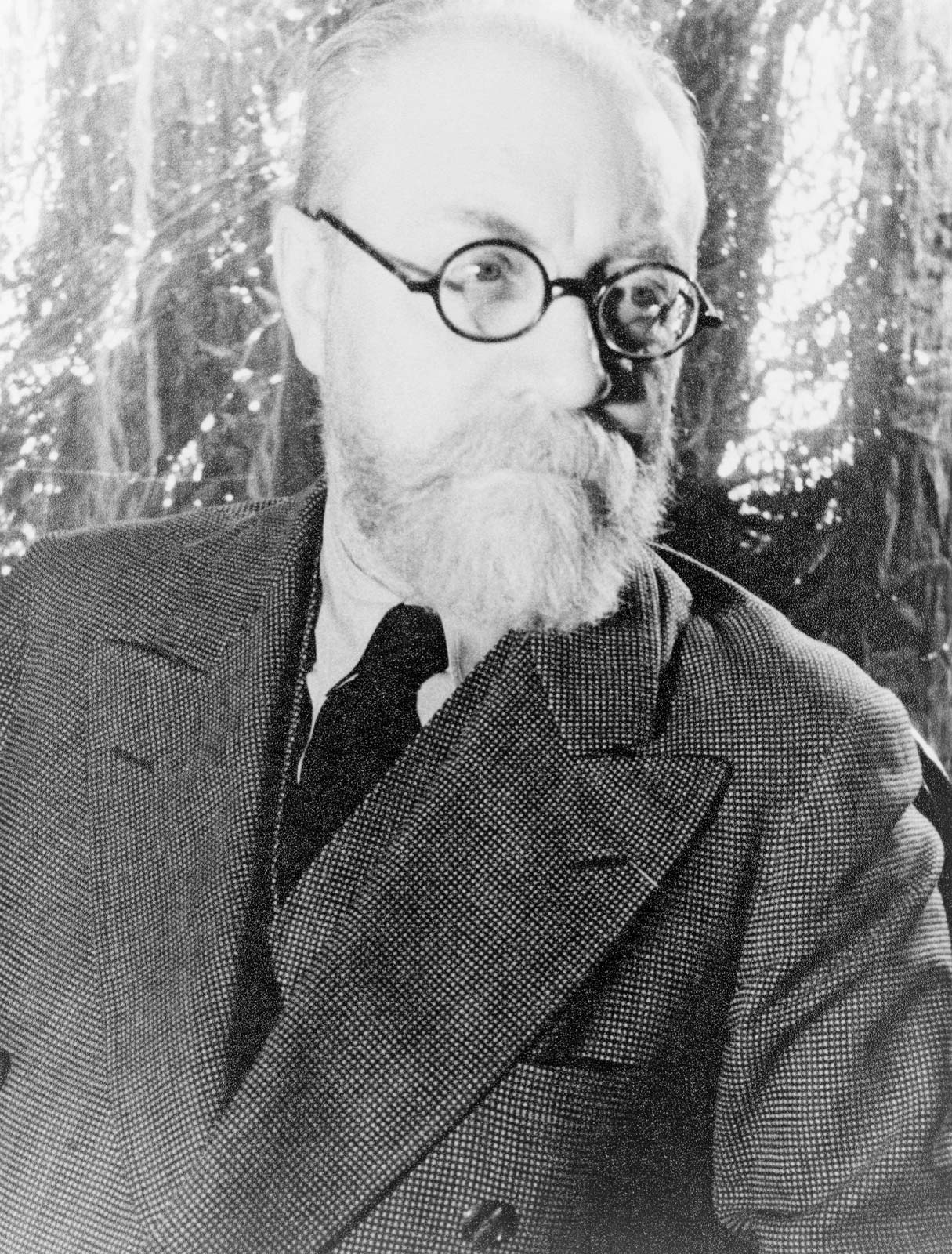
Henri Matisse, a renowned French visual artist, was celebrated for his vibrant use of color and fluid, original draughtsmanship. Born on December 31, 1869, in Le Cateau-Cambrésis, France, Matisse initially pursued a career in law before turning to art. He first began painting in 1889, a change inspired by convalescence art supplies his mother provided. This marked the beginning of a journey that would see him become a leading figure in modern art.
Matisse's career is notable for its stylistic evolution yet consistent aim to capture the "essential character of things." His early works, characterized by intense colorism, earned him recognition as one of the Fauves, or "wild beasts." The period from 1908 to 1913 was marked by significant developments, with works like "Reclining Odalisque" and "The Red Studio" showcasing his mastery in balance and serenity. In the 1920s, his style evolved to more relaxed forms, with a focus on light, color, and decorative patterns in paintings like his odalisque series.
Matisse's exploration of various mediums, including sculpture and paper collage, reflects his innovative spirit. His later years were dominated by cut paper collages, as health challenges limited his ability to paint. These works, alongside his bold drawings and sculptures, cemented his status as a pioneer in visual art.
For collectors and art experts, Matisse's work remains a testament to creative evolution and expressive use of color and form. His masterpieces can be found in prominent museums and galleries worldwide, continuing to inspire and fascinate art enthusiasts.
To stay updated on new product sales and auction events related to Henri Matisse's art, sign up for our updates. This subscription will keep you informed about opportunities to appreciate and acquire works connected to this iconic artist.





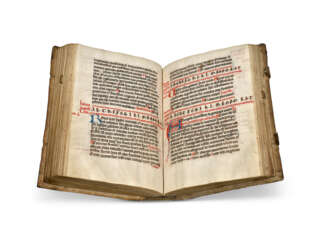

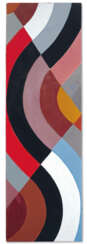

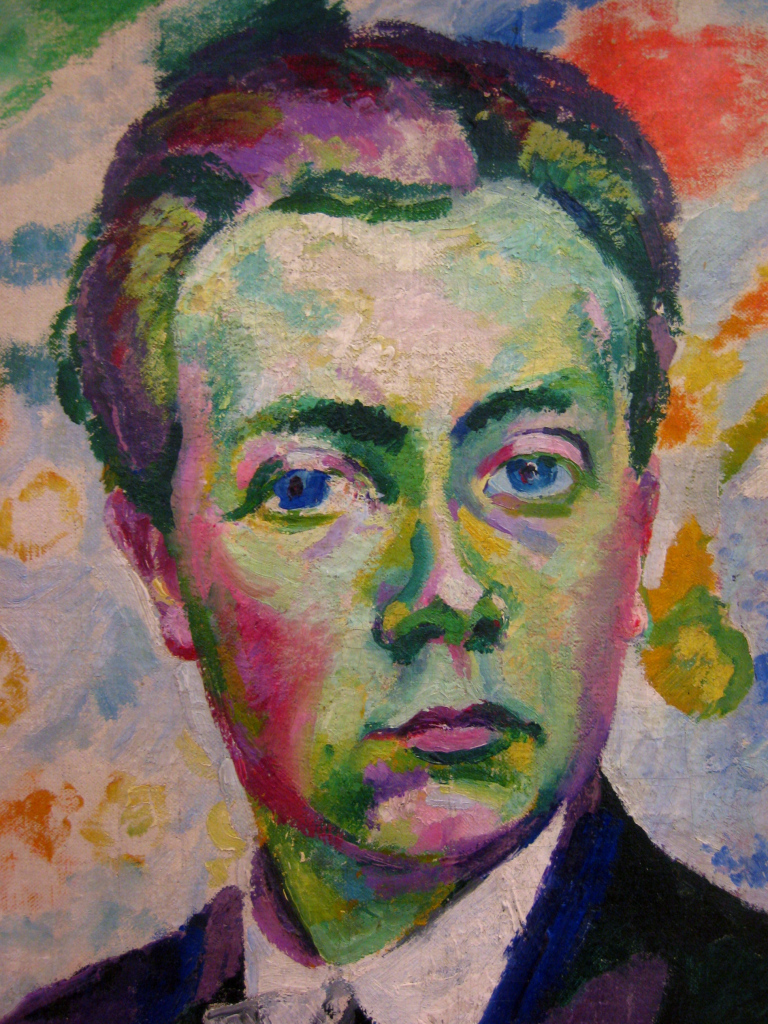
Robert Delaunay, a French artist, emerged as a pivotal figure in the development of early 20th-century art, blending the realms of painting and sculpture with his innovative approaches. His work is celebrated for its dynamic use of color and geometric shapes, making him a cornerstone in the Orphism movement, which he co-founded alongside his wife Sonia Delaunay and others. This movement is distinguished by its focus on vibrant colors and geometric forms, contributing significantly to the abstract art landscape.
Delaunay's artistic journey began earnestly at the age of 19 when he decided to fully dedicate himself to painting, contributing works to the Salon des Indépendants. His early career was marked by a deep engagement with Neo-Impressionism and Cubism, as evidenced by his collaborative work with Jean Metzinger and his exploration of color theory. Notable works from this period include "Paysage au disque" (1906–07) and "Champs de Mars: The Red Tower" (1911), showcasing his departure from representational art towards a more abstract, color-driven aesthetic.
Among Delaunay's celebrated series are the Eiffel Tower and Simultaneous Windows, reflecting his fascination with Parisian architecture and the dynamic interplay of light and color. These works, along with others like "L'Équipe de Cardiff" (1912-13) and "Endless Rhythm" (1934), are housed in prestigious museums such as the Musée d'Art Moderne de la Ville de Paris, The Solomon R. Guggenheim Museum, and the Tate collection. These pieces illustrate his evolving style, from the depiction of movement and technology in pre-war Paris to the rhythmic abstraction of later years.
Delaunay's influence extended beyond France, with significant contributions to exhibitions in Germany, Switzerland, and Russia, particularly through his involvement with Der Blaue Reiter group. His work not only captured the essence of the technological and cultural shifts of his time but also laid the groundwork for future artistic explorations into color and form.
For collectors and experts in art and antiques, Delaunay's oeuvre offers a rich study in the evolution of modern art, from its roots in Cubism and Neo-Impressionism to the heights of abstract expression. His works serve as a testament to the power of color and shape in conveying emotion and motion, making them invaluable to the understanding of 20th-century art history.
To stay informed on new sales, auctions, and exhibitions related to Robert Delaunay, sign up for updates. This subscription ensures you remain updated on opportunities to engage with Delaunay's influential body of work, reflecting the ongoing interest in his contributions to modern art.


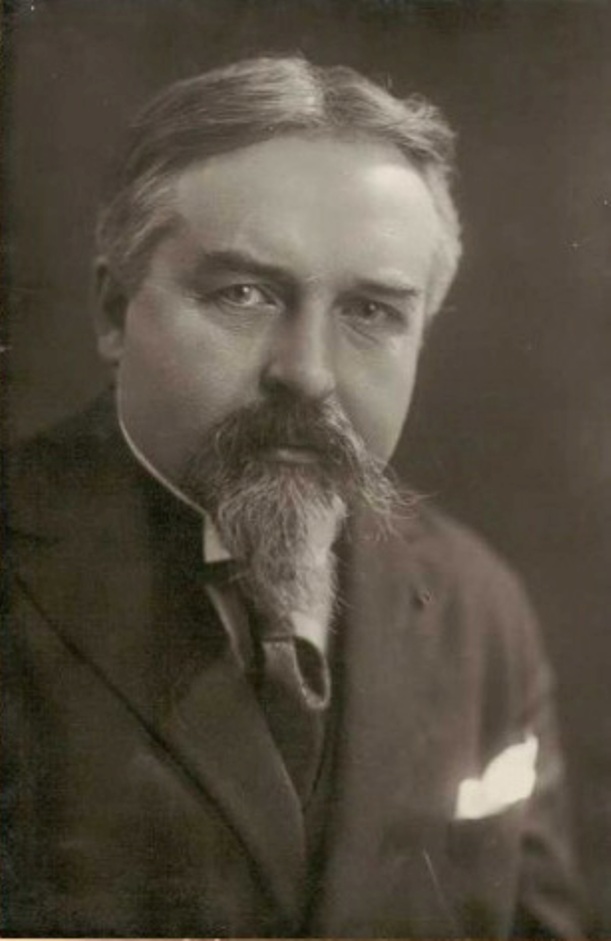
Maurice Denis, a French painter and writer, was an influential figure in the transition from impressionism to modern art. Born on November 25, 1870, in Granville, France, Denis's artistic journey began at the Académie Julian in Paris. Here, he met future collaborators like Paul Sérusier and Pierre Bonnard, with whom he later formed the Nabis group, a collective deriving its name from the Hebrew word "Nabi," meaning "Prophet".
Denis's style evolved from neoimpressionism, influenced by artists like Seurat, to a more decorative and colorful approach under the influence of Gauguin. This shift is evident in works like "Taches du soleil sur la terrace" (1890). He famously stated, "Art is no longer a visual sensation... it is a creation of our spirit," highlighting his belief in art as an idealistic expression, transcending mere imitation of nature.
Denis was also impacted by Japanese art, which influenced his compositions and styles, contributing to his unique and recognizable approach. His philosophy on art, encapsulated in his 1890 essay published in "Art et Critique," emphasized the importance of color and form in creating emotional depth, a notion that laid the groundwork for modernism. He argued that a painting's essence lies in its colors and composition, rather than its subject matter.
Throughout his career, Denis's work evolved towards a more classical approach. His involvement with the Ateliers d'Art Sacré, founded in 1919, demonstrated his interest in religious art and decoration. His notable works include "The Legend of Saint Hubert" (1897) and "The History of Music" for the Théâtre des Champs Elysées (1912-1913).
Tragically, Maurice Denis's life ended on November 13, 1943, when he was struck by a truck during the German occupation of Paris. However, his legacy endures through his contributions to modern art and symbolism, his influence on fellow artists, and his works displayed in various museums and galleries.
For collectors and art experts, Denis's work offers a unique glimpse into the evolution of modern art. His blend of symbolism, color, and form marks a significant shift in art history. To stay updated on new sales and auction events related to Maurice Denis's work, sign up for our newsletter. This subscription will keep you informed about the latest developments in the world of this remarkable artist.
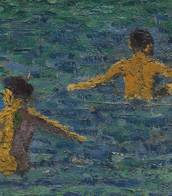
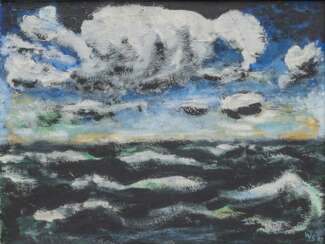

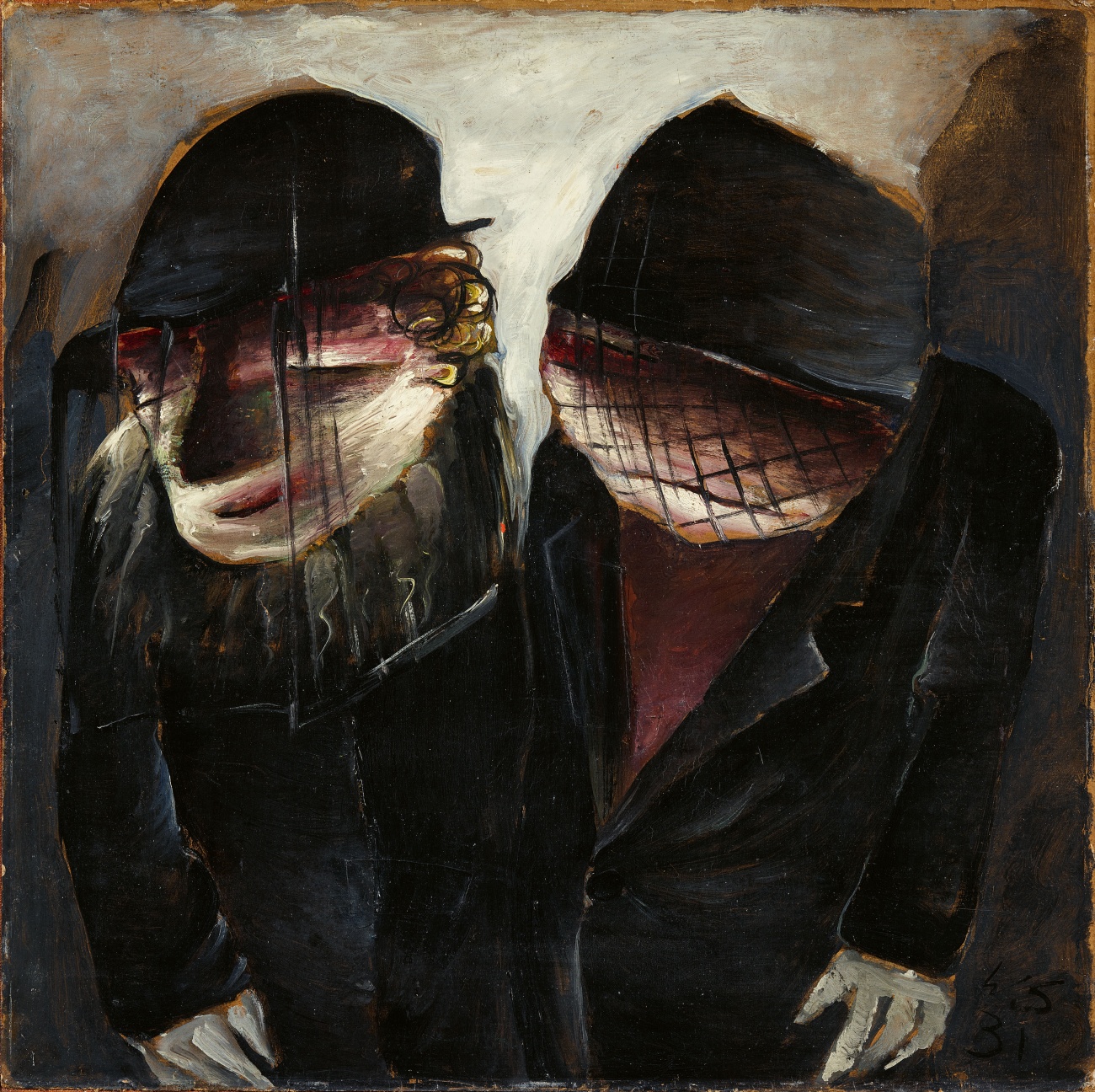
Werner Scholz was a famous German-Austrian expressionist painter of the 20th century.