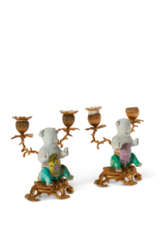
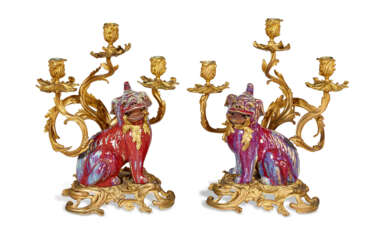
china and france
![[AEROSTATICA] - ORLANDI, Francesco - Descrizione della aerobata o macchina aereobatica costrutta dal signor Francesco Orlandi](/assets/image/picture_942490/879bc/ro7fquf1gfnknlvzq3duy-ijfccstob96gssgcd8m5hhp7n9ptcqpwzpr3zai5eo1596201882jpg__fix_374_244.jpeg)
![[AEROSTATICA] - ORLANDI, Francesco - Descrizione della aerobata o macchina aereobatica costrutta dal signor Francesco Orlandi](https://veryimportantlot.com/assets/image/picture_942490/879bc/ro7fquf1gfnknlvzq3duy-ijfccstob96gssgcd8m5hhp7n9ptcqpwzpr3zai5eo1596201882jpg__fix_374_244.jpeg)






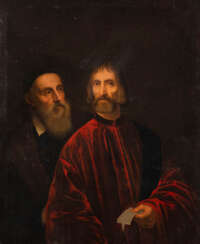

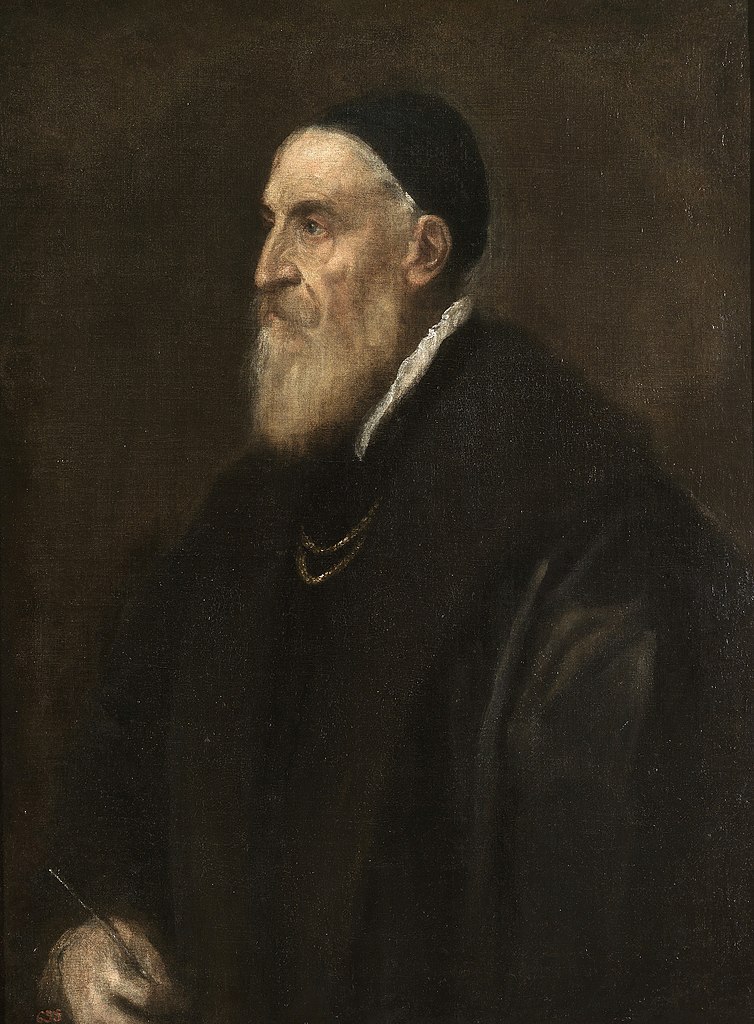
Tiziano Vecellio, an Italian Renaissance painter from Venice, stands out as a pivotal figure in the art world, renowned for his versatility across various genres like portraits, landscapes, and religious subjects. His influence on the development of Western art, particularly through his revolutionary use of color, is profound and long-lasting.
Born around 1488/90 in Pieve di Cadore, part of the then Republic of Venice, Titian's talent was evident early on. He began his artistic journey in the studio of the Bellini brothers in Venice, later joining forces with Giorgione, another influential painter of the time. This collaboration marked the beginning of a distinguished career that would see Titian become the most sought-after painter in Europe, working for nobility, the Habsburgs, and the papacy.
Titian's style evolved significantly throughout his career. He initially gained recognition for his vibrant, luminous colors and later became famous for his loose brushwork and subtle tonality. This shift was not just a matter of aesthetics but also represented a deeper understanding of color and light. Titian's approach to painting, particularly his use of colore, where he juxtaposed colors to define compositions, contrasted sharply with the line-focused disegno technique of the time. This method contributed significantly to the distinctiveness of Venetian art.
Among his many patrons, Emperor Charles V and his son, Philip II of Spain, were perhaps the most notable. As their official painter, Titian created numerous portraits and mythological works that were celebrated for their psychological depth and expressive use of color. His 'poesie' series for Philip II, including famous works like "Diana and Actaeon," showcased his skill in portraying mythological narratives with a sense of drama and sensuality.
Titian's later works, created in the 1560s and 1570s, are particularly revered for their experimental nature, pushing his art towards what has been termed 'magic impressionism'. These works, like "The Death of Actaeon" and the unfinished "Pietà", demonstrate a radical departure from his earlier style and reflect a continued evolution even in his later years.
For art collectors and experts, Titian's oeuvre represents a crucial link in the history of European art, illustrating the transition from the Renaissance to a more modern, expressive form of painting. His mastery of color and light, combined with his ability to convey deep emotional resonance, continues to influence artists and captivate viewers centuries later.
To stay updated on artworks and auction events related to Tiziano Vecelli, consider signing up for updates. This subscription will ensure you are informed about new product sales and auction events related to this remarkable artist.

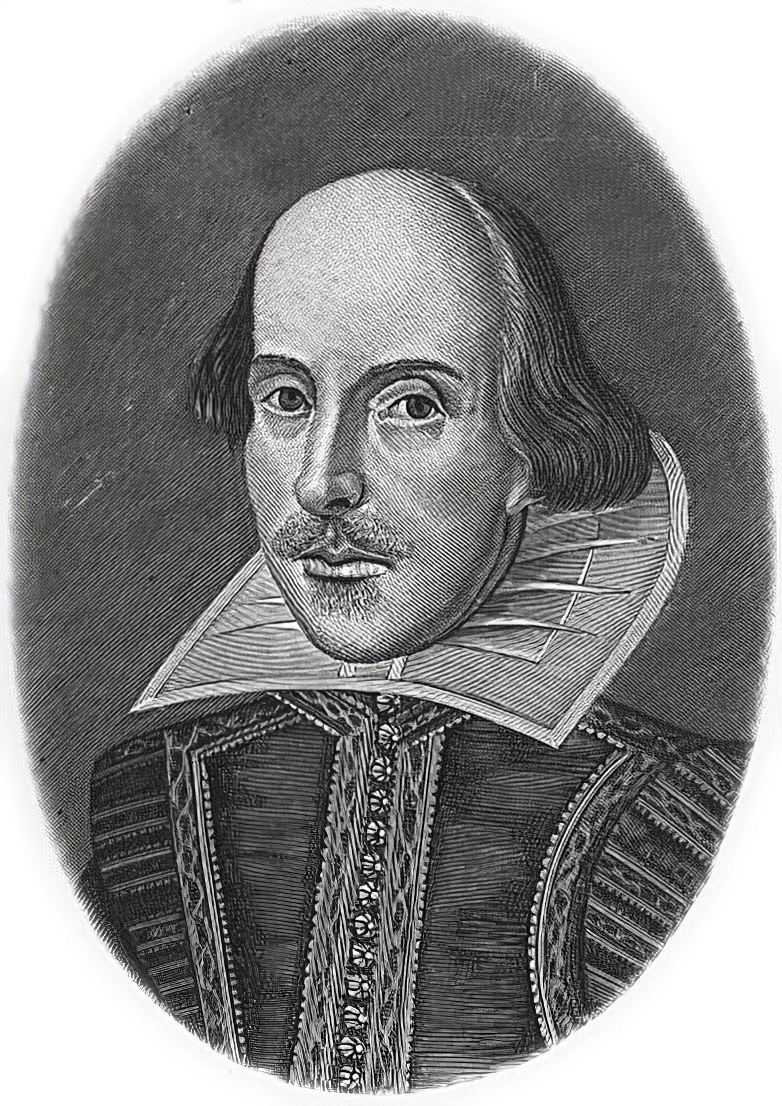
William Shakespeare was a British poet and playwright and writer.
William's father, John Shakespeare, was a merchant and official in Stratford. There are reports that he was a sailor for a time before joining a theater company in London. Beginning in the 1590s, Shakespeare began writing plays, and in 1593 he published a poem, Venus and Adonis, which became popular. He dedicated it to the Duke of Southampton, who was a philanthropist and patron of talent, and soon his business was booming.
From 1592 to 1600 Shakespeare wrote his dramas and romantic comedies "Richard III", "The Taming of the Shrew", "Romeo and Juliet", "A Midsummer Night's Dream" and "The Merchant of Venice", as well as the comedies "Much Ado About Nothing", "Twelfth Night" and the tragedy "Julius Caesar". The playwright's business was so successful that he even bought a large house in Stratford. In 1599, Shakespeare became one of the owners, playwright and actor of the new theater "Globe". In 1603 King James took Shakespeare's troupe under his direct patronage. In the mature period, the great playwright turned to tragedies, there were "Hamlet", "Othello", "King Lear", "Macbeth" and others.
Although in the 19th century researchers had some doubts about the authorship of many of these works, William Shakespeare is considered the greatest English playwright, one of the best playwrights in the world. His plays have been translated into all major languages and to this day form the basis of the world theatrical repertoire, most of them have been screened many times. According to the Guinness Book of Records, Shakespeare remains the world's best-selling playwright, and his plays and poems have sold more than 4 billion copies in the nearly 400 years since his death.






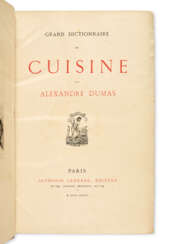

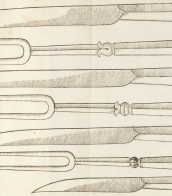
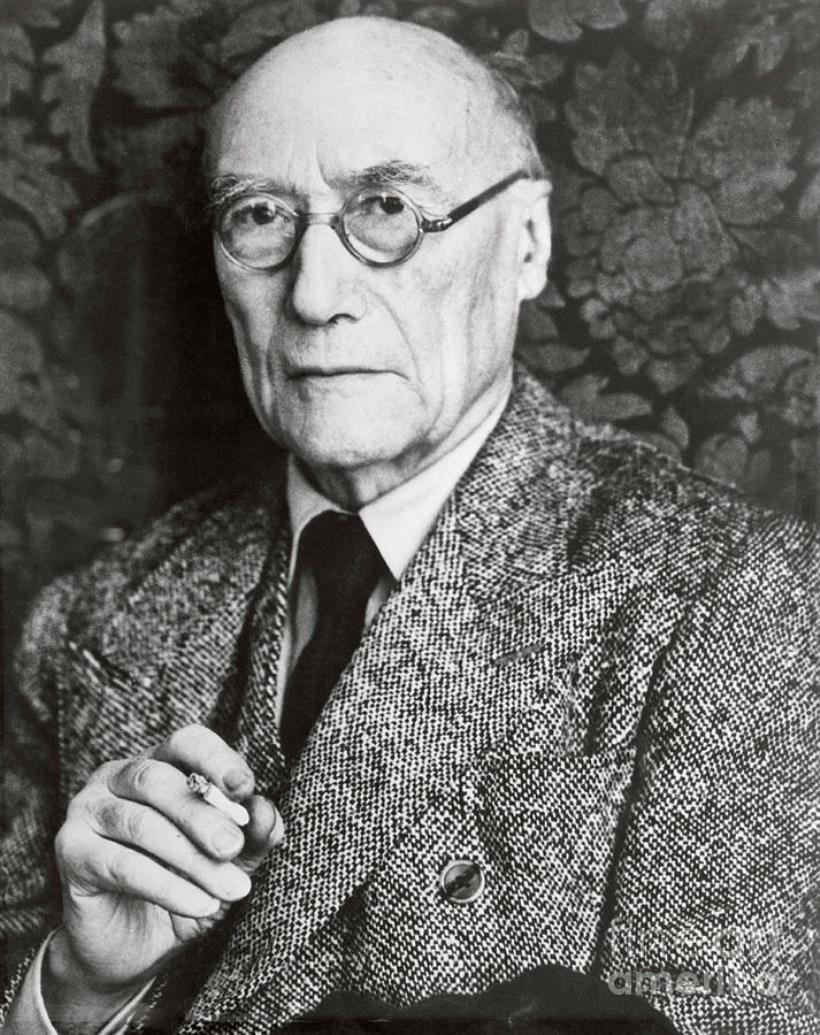
![[GIDE, André (1869-1951)]](/assets/image/picture_2932406/d2d06/ca67f0b0a719c7f232cd37f02a6aa93c1687420800jpg__fix_374_244.jpeg)
![[GIDE, André (1869-1951)]](https://veryimportantlot.com/assets/image/picture_2932406/d2d06/ca67f0b0a719c7f232cd37f02a6aa93c1687420800jpg__fix_374_244.jpeg)
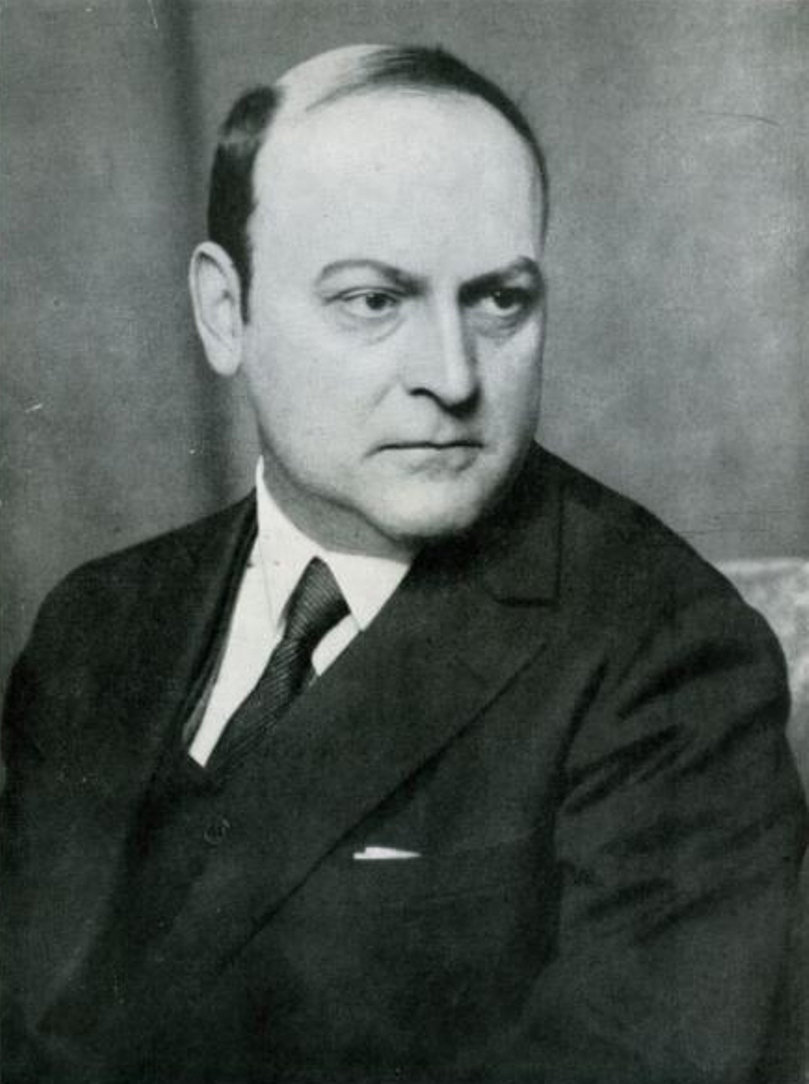
Léon-Paul Fargue was a French poet and novelist, journalist and publicist.
Léon-Paul studied at the Lycée Henry IV in Paris and as a young man became a member of the Symbolist circle associated with Le Mercure de France. His first collection of poems was published in 1912 and reprinted in 1918. After 1930, Fargue practiced journalism almost exclusively, writing newspaper columns and lyrical essays on Parisian life.
Léon Fargue's work encompasses various literary movements, being a kind of bridge from Symbolism to Surrealism. His work has also been associated with the Dadaists and the Cubists, but he followed his own path throughout his life. Fargue was among the founders of the Nouvelle Revue Française in 1912 and participated in the first issue of the surrealist journal Literature in 1919, and was one of the leaders of the experimental journal Commerce in the 1920s. Farg was friends with many writers, artists and composers, including Pablo Picasso and Igor Stravinsky.
In 1937, Léon-Paul Fargue was elected a member of the Académie Mallarmé, and in 1946 he won the Grand Poet Laureate of Paris.
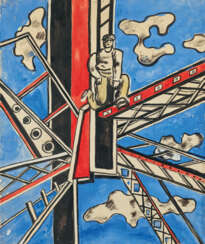

.jfif)
Joseph Fernand Henri Léger was a French artist renowned for his innovative approach to Cubism and his transition towards a figurative, populist style. Born in Argentan, Orne, Lower Normandy, Léger's early career was marked by a stint as an architectural draftsman and a series of educational pursuits that eventually led him to Paris, where he embraced painting seriously. His artistic journey was significantly influenced by the bold abstractions of Cubism, characterized by geometric shapes and a vibrant palette, distinguishing his work from his contemporaries with what came to be known as "Tubism".
Léger's service in World War I profoundly impacted his artistic direction, leading him to adopt a 'mechanical' style that depicted the modern industrial world with sleek, tubular forms. This period saw creations like "Soldier with a Pipe" and "The Card Players," reflecting his war experiences and the mechanical aesthetics of the time. The post-war era encouraged Léger to explore the mechanical style further, evident in works like "The Bargeman" and "Mechanical Elements," highlighting the pace of technological advancement.
Throughout his career, Léger's work evolved, notably in the 1920s, where he aligned with Purist ideas, blending classicism with modernity. This phase is exemplified in "Woman with a Cat," showcasing a classical form with a modern, polished finish. By the 1930s, Léger's art took a more figurative, populist turn, aiming to democratize contemporary art and make it more accessible. His commitment to art education, especially for the common worker, underscored his belief in the social role of art.
For those intrigued by Joseph Fernand Henri Léger's groundbreaking contributions to modern art, his works can be found in prestigious museums worldwide. His legacy continues to inspire art collectors and enthusiasts alike. To stay updated on exhibitions and auction events featuring Léger's work, sign up for updates and embrace the unique opportunity to explore the richness of his artistic endeavors.
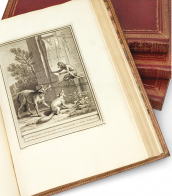
![[QIANLONG, Empereur de Chine (1711-1799) et Charles-Nicolas COCHIN (1715-1790), dir.]](/assets/image/picture_3601309/f9d87/rqfwcmyodhwl6a3u3cnvjqatap9yfxpvbnyt77bbuqb0bh1q4smembav9v5ika1700204263jpg__fix_374_244.jpeg)
![[QIANLONG, Empereur de Chine (1711-1799) et Charles-Nicolas COCHIN (1715-1790), dir.]](https://veryimportantlot.com/assets/image/picture_3601309/f9d87/rqfwcmyodhwl6a3u3cnvjqatap9yfxpvbnyt77bbuqb0bh1q4smembav9v5ika1700204263jpg__fix_374_244.jpeg)
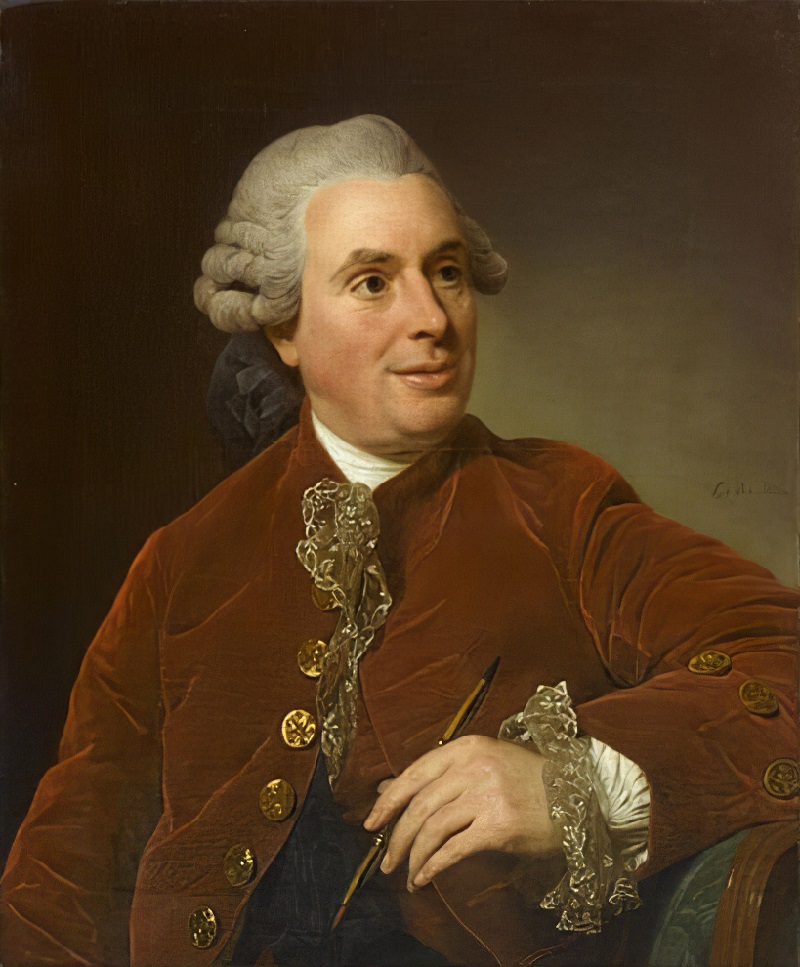
Charles-Nicolas Cochin was a French engraver, designer, writer, and art critic. To distinguish him from his father of the same name, he is variously called Charles-Nicolas Cochin the Younger, Charles-Nicolas Cochin the son, or Charles-Nicolas Cochin II.
More than fifteen hundred works by Cochin can be identified. They include historical subjects, book illustrations, and portraits in pencil and crayon. The richest collection of his engravings, apparently selected by himself, is in the Royal Library, now part of the Bibliothèque nationale.
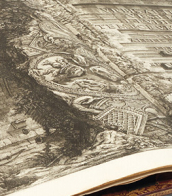
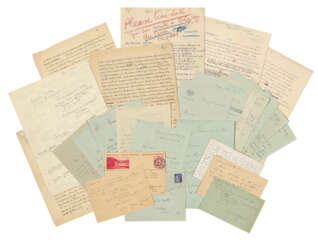

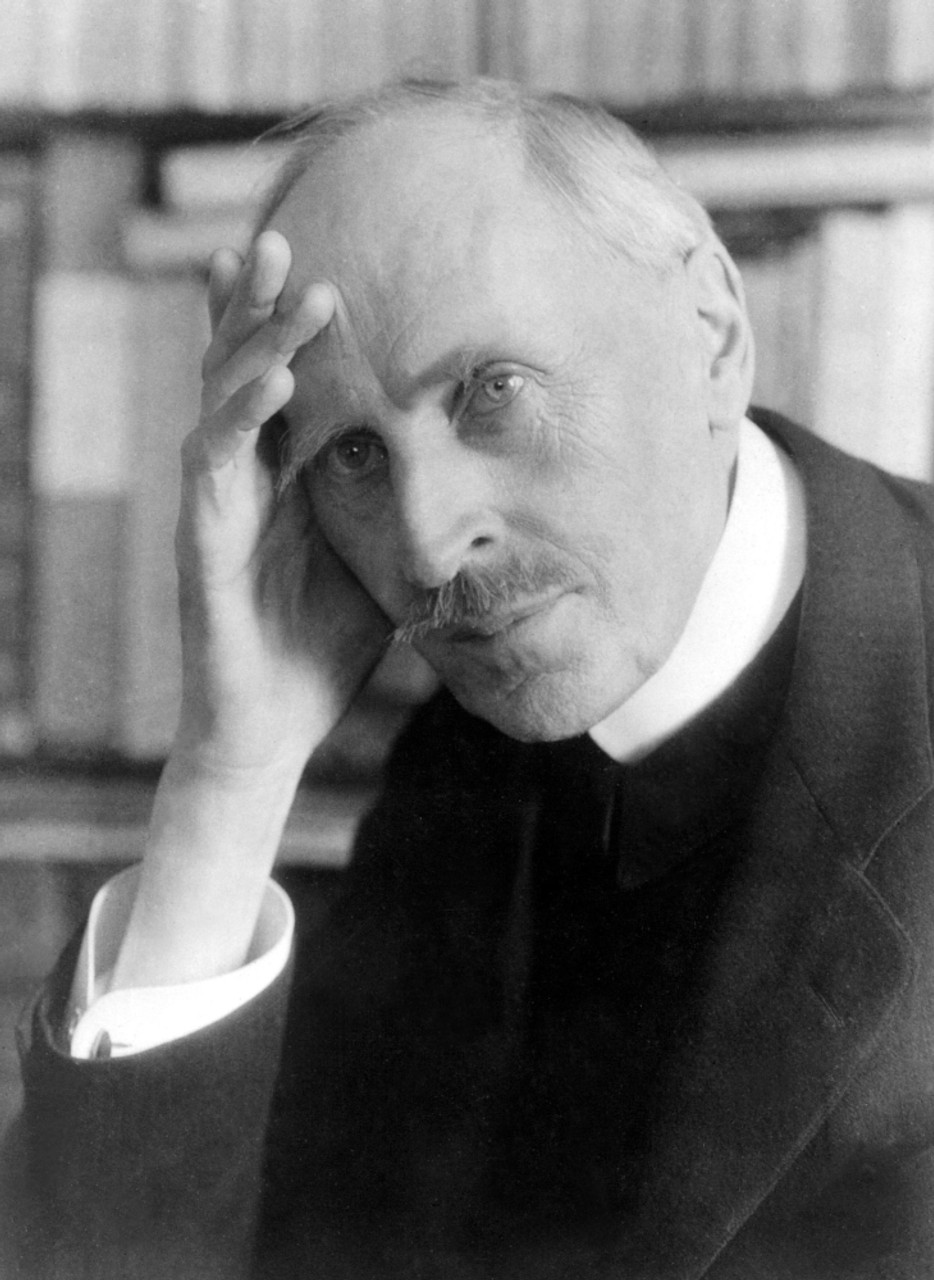




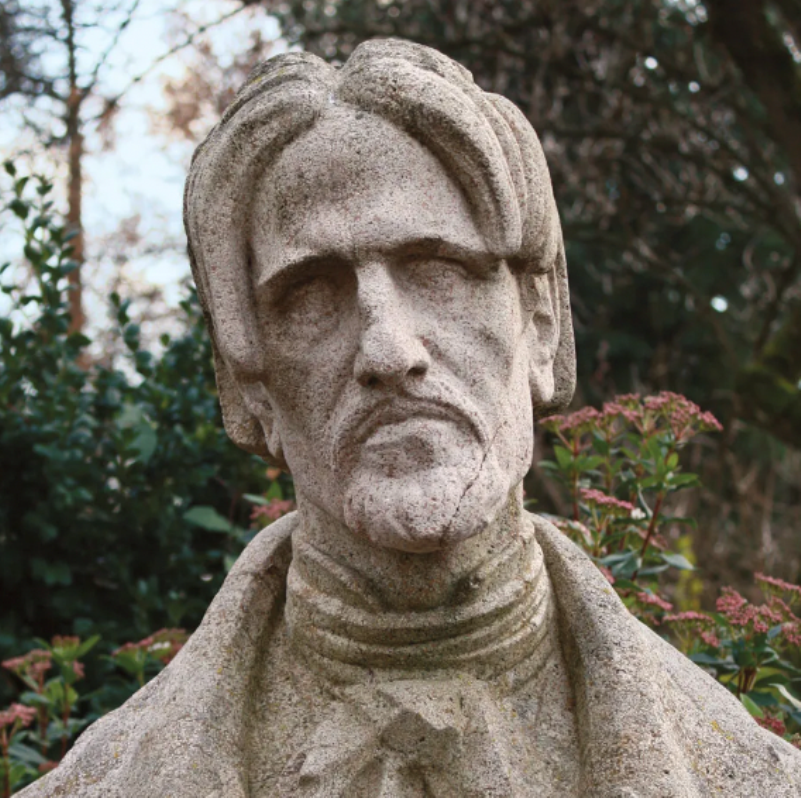
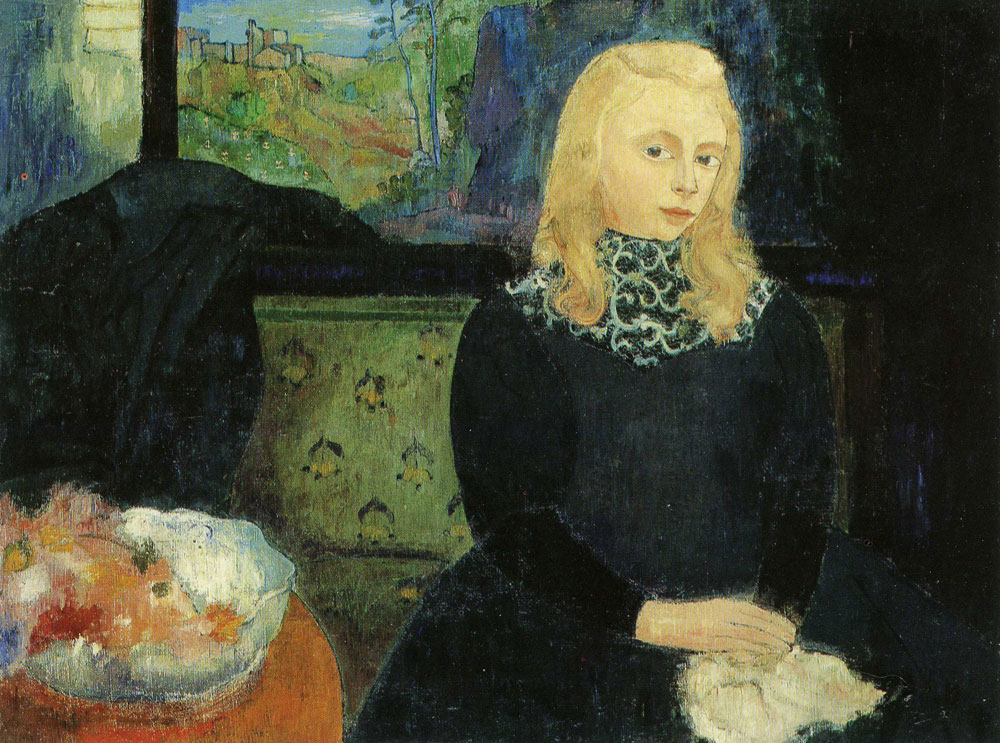
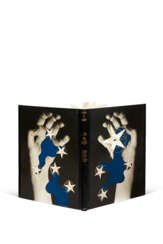

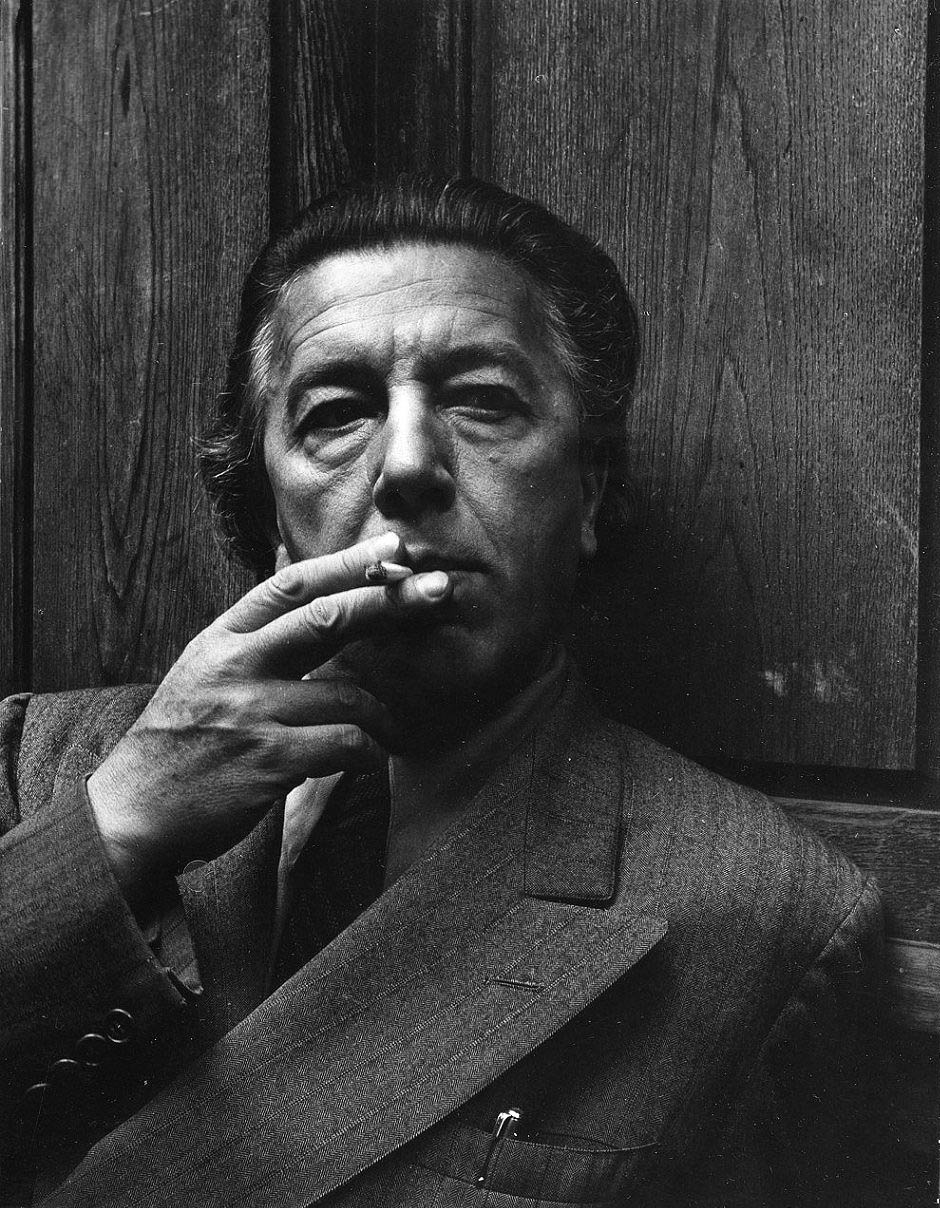
André Breton was a French writer, poet, and anti-fascist, renowned as the principal founder and leading theorist of Surrealism, an influential movement that sought to release the creative potential of the unconscious mind. Born in Tinchebray, France, in 1896, Breton's work was deeply influenced by the theories of Sigmund Freud and was characterized by a fascination with dreams, the irrational, and the workings of the mind. As a cultural icon, his contributions extended beyond literature into the realms of art, sculpture, and painting, making him a pivotal figure in 20th-century artistic movements.
Breton's seminal work, the "Manifesto of Surrealism" (1924), outlined the principles of the movement, advocating for the expression of the subconscious and the importance of dreams as a source of artistic inspiration. His leadership and writings not only shaped Surrealism but also had a lasting impact on the broader culture of art, influencing countless artists, painters, and sculptors. Breton's ability to merge poetry with visual arts led to collaborations with prominent artists like Salvador Dalí, Max Ernst, and Joan Miró, further cementing his legacy as a central figure in modern art.
Notably, André Breton's works and personal collection, which included art pieces and surreal objects, have been displayed in museums and galleries worldwide, showcasing his eclectic taste and profound influence on the art world. His Paris apartment was a gathering place for artists and intellectuals, becoming a hub of Surrealist activity and thought. For collectors and experts in art and antiques, Breton's contributions represent a fascinating intersection of literary prowess and visual creativity, highlighting the enduring relevance of Surrealism.
For those interested in exploring the depths of Surrealism and André Breton's groundbreaking contributions, signing up for updates can provide exclusive access to new product sales and auction events related to this pivotal artist and thinker. This subscription is an invaluable resource for collectors and enthusiasts keen to deepen their understanding of Breton's influence and the broader cultural movements he shaped.
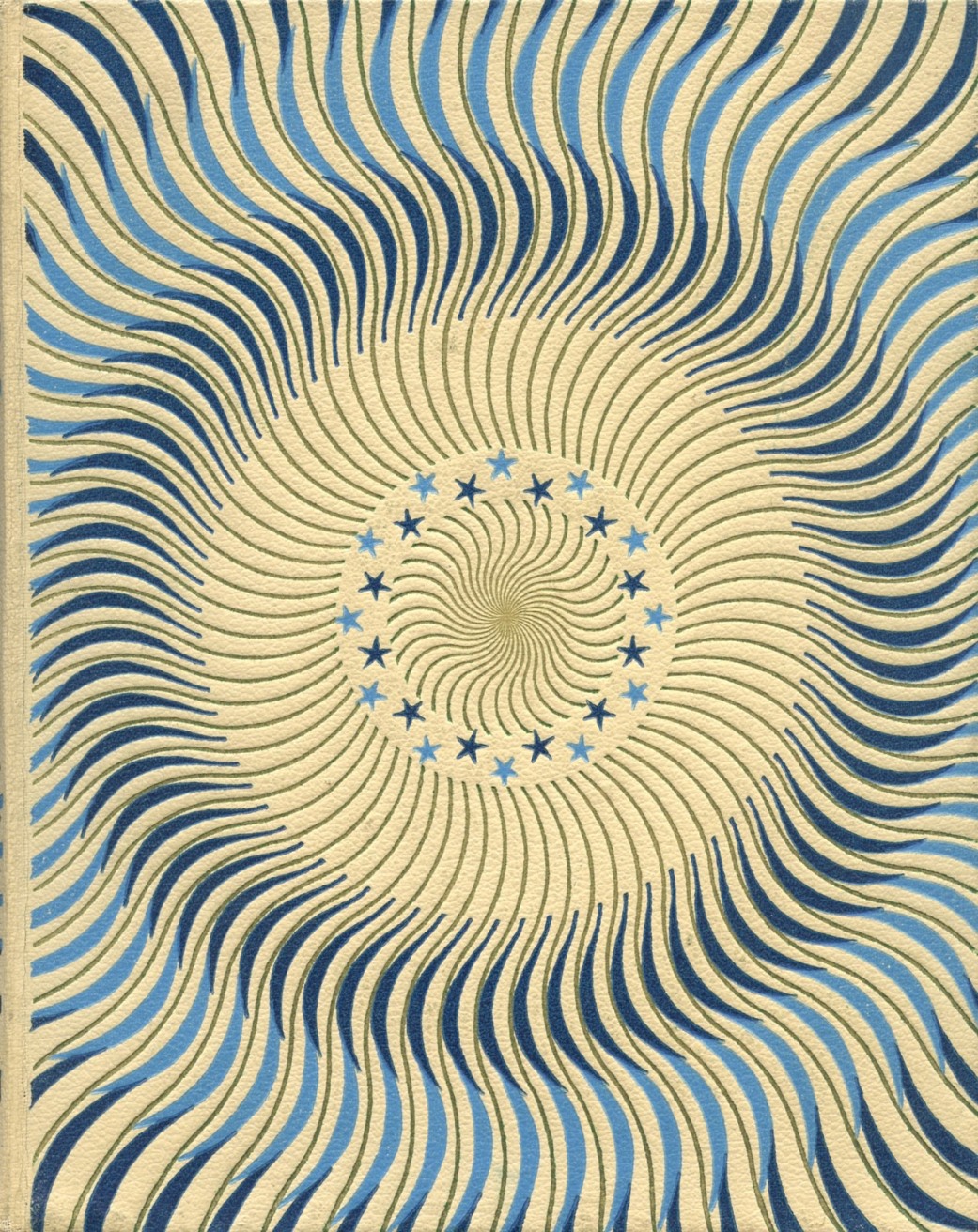
Paul Bonet, birth name Paul Joseph Ghislain Bonet, is a French bookbinder and bookbinding designer, Knight of the Legion of Honor.
Trained to make fashionable wooden mannequins, Paul Bonet worked in the fashion industry for several years and did not turn to bookbinding until 1920. His bright, colorful designs and prolific work made him famous. His first bindings were exhibited in 1925 at the Gallière Museum, then at the French Book Arts Exhibition, the Salon d'Automne and the Salon des Artistes Décoratifs, and his talent was recognized.
His decoration was particularly innovative. One of the great masters of French bookbinding, Paul Bonet became famous in the 1930s and 1940s for one of his signature patterns, "sunbeams." These patterns consist of many small lines with gold trim, carefully planned and giving the optical illusion of spatial depth.
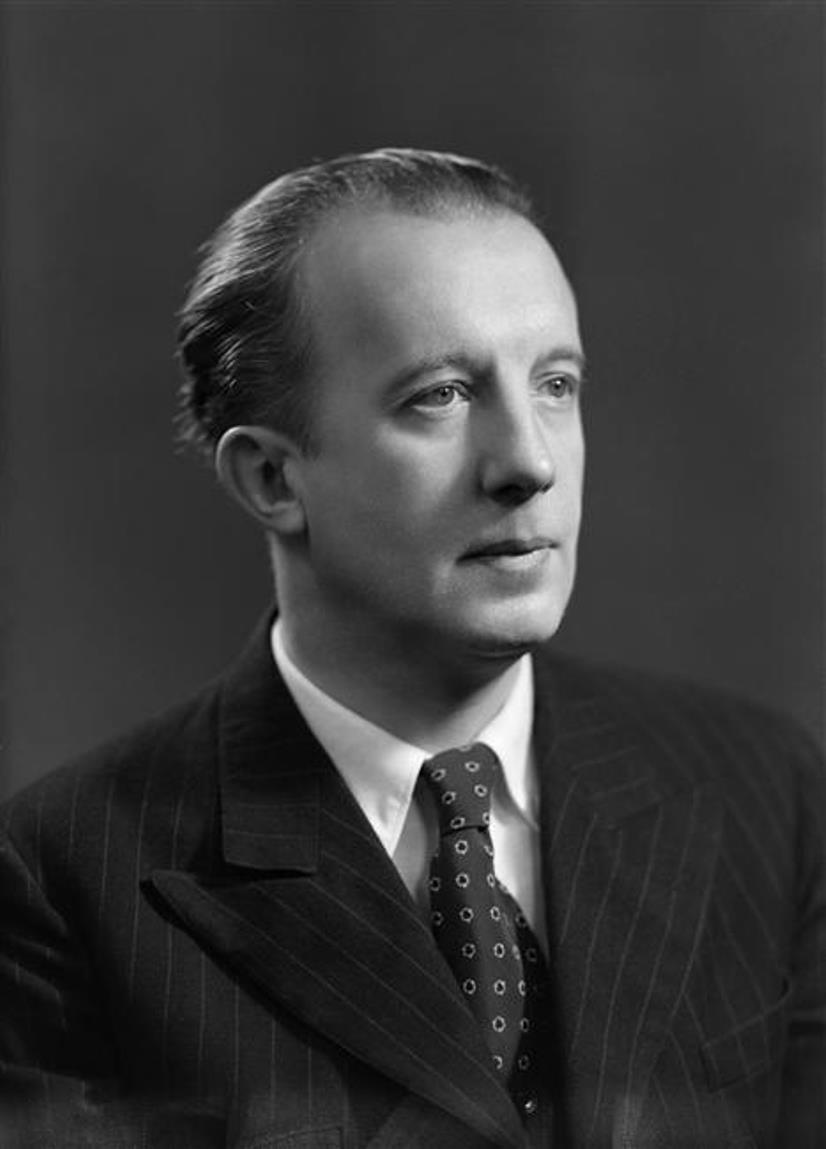



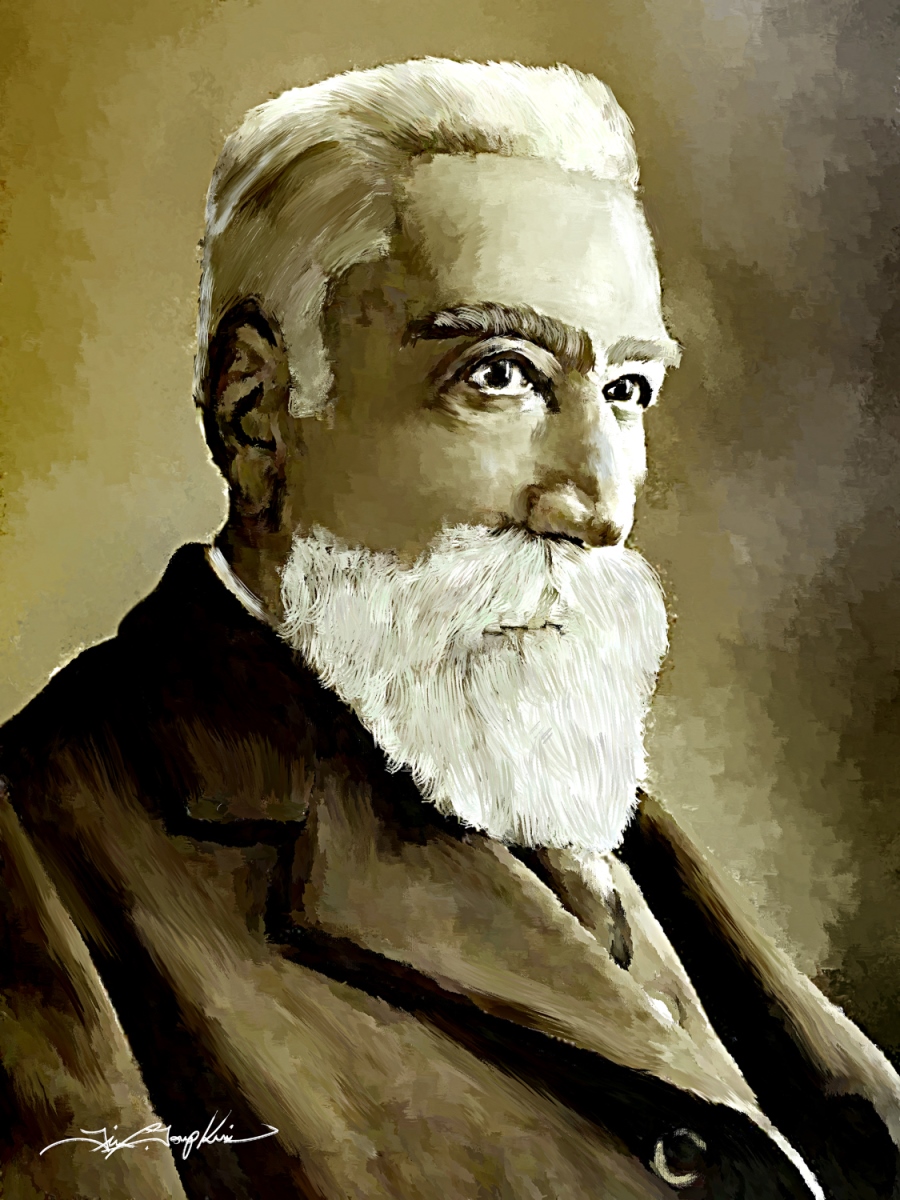
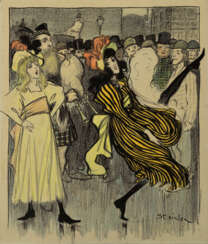

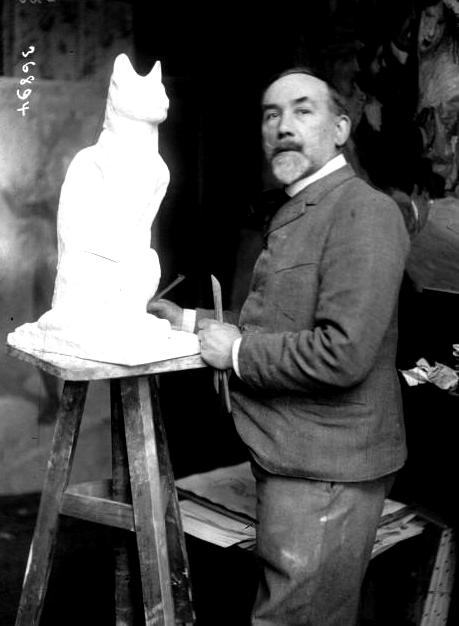
Théophile Alexandre Steinlen was a French painter, graphic artist, etcher, and illustrator of Swiss origin who worked in the Realist and Art Nouveau styles.