corton
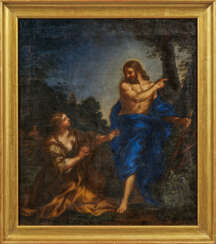

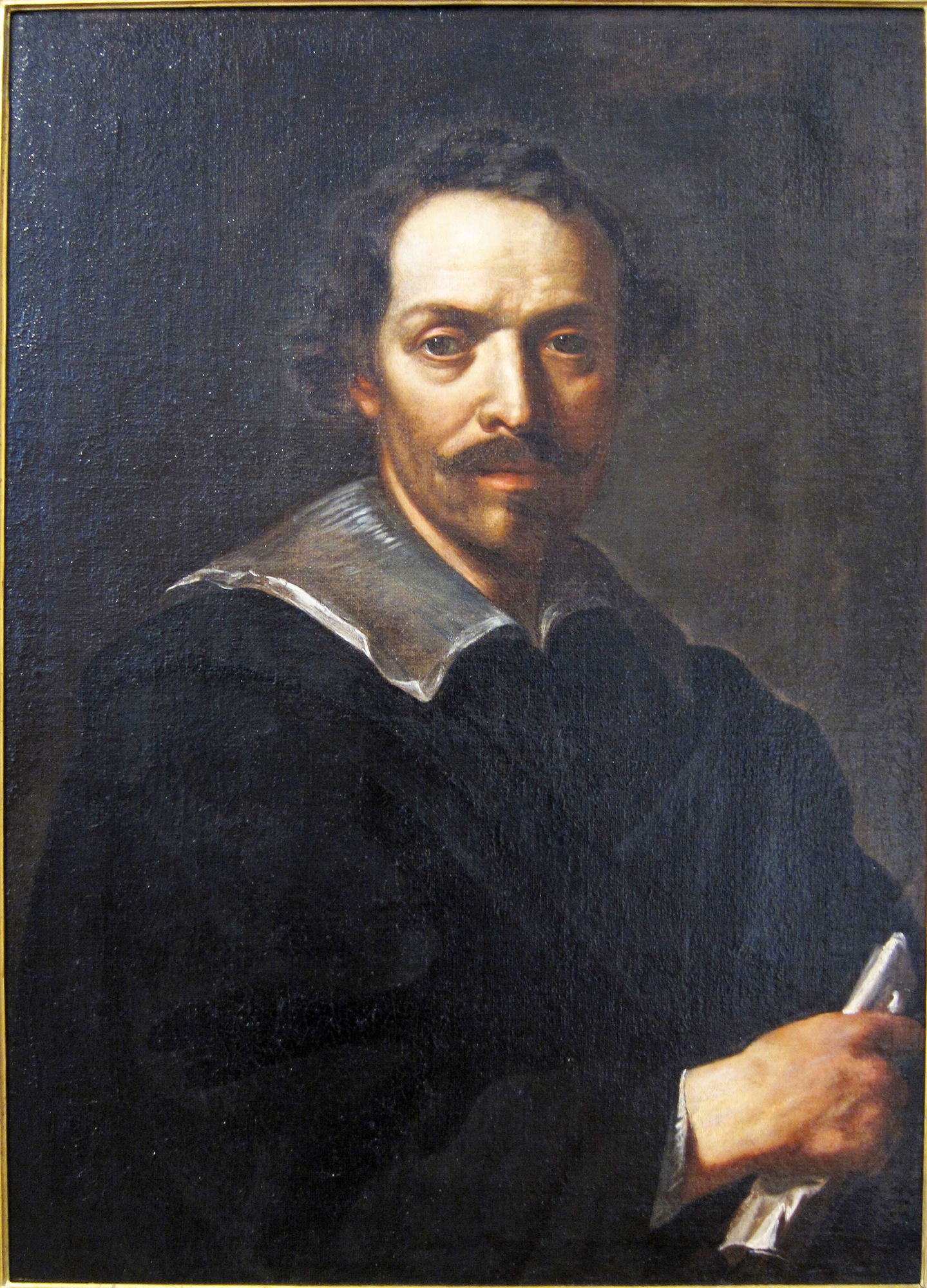
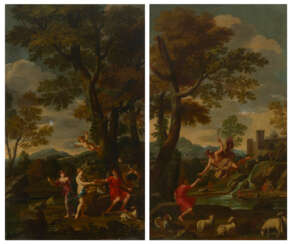
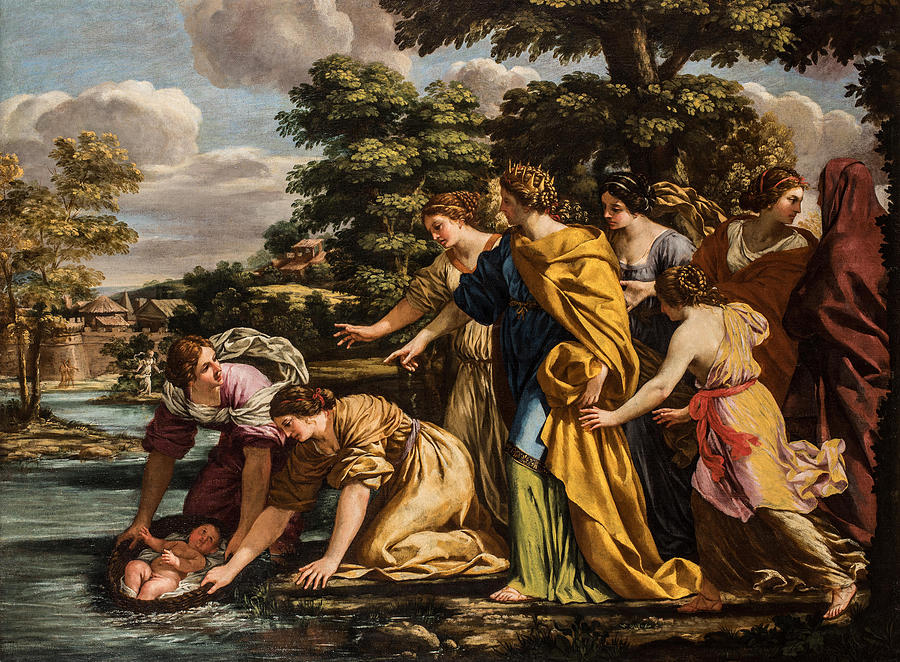
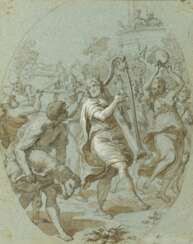
Pietro da Cortona, born as Pietro Berrettini, was an eminent figure in the Italian Baroque movement. His multi-faceted genius encompassed painting, architecture, and design, earning him a reputation second only to Bernini in the Roman Baroque style. Cortona's journey in art commenced in Rome around 1612, where his talents flourished under the patronage of influential families like the Barberini.
Pietro da Cortona's masterful frescoes in the church of S. Bibiana, commissioned by Urban VIII, set the tone for his illustrious career. His most iconic work, the colossal fresco "Allegory of Divine Providence and Barberini Power" in the Gran Salone of the Palazzo Barberini, epitomizes his skill in creating grandiose, illusionistic art. This piece, commenced in 1633 and completed in 1639, is a testament to his belief in the epic scale of history painting, a view he defended in a notable debate with Andrea Sacchi.
In 1637, Pietro da Cortona's artistic journey took him to Florence at the behest of Ferdinand II de' Medici, Grand Duke of Tuscany. Here, in the Palazzo Pitti, he created frescoes for the Planetary Rooms, combining allegorical themes with lush stucco work, significantly influencing the Italian and French decorative arts.
Pietro da Cortona's contributions to architecture were equally significant. His architectural masterpiece, the church of SS. Martina e Luca in Rome, exemplifies his ability to create grand structures with a unified Baroque vision. His architectural prowess, though less correlated with his painting style, made a lasting impact through its emphasis on form rather than ornament.
For art collectors and enthusiasts, Pietro da Cortona's works offer a rich tapestry of Baroque artistry, blending grandeur, realism, and allegory. His frescoes, paintings, and architectural designs continue to captivate audiences, symbolizing the opulence and dynamism of the Baroque era.
To stay updated on the latest insights and collections related to Pietro da Cortona, consider subscribing to our updates. Stay informed about new sales, exhibitions, and auction events related to this master of the Baroque style.
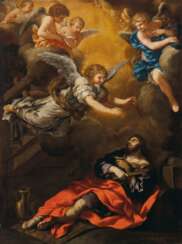

Pietro da Cortona, born as Pietro Berrettini, was an eminent figure in the Italian Baroque movement. His multi-faceted genius encompassed painting, architecture, and design, earning him a reputation second only to Bernini in the Roman Baroque style. Cortona's journey in art commenced in Rome around 1612, where his talents flourished under the patronage of influential families like the Barberini.
Pietro da Cortona's masterful frescoes in the church of S. Bibiana, commissioned by Urban VIII, set the tone for his illustrious career. His most iconic work, the colossal fresco "Allegory of Divine Providence and Barberini Power" in the Gran Salone of the Palazzo Barberini, epitomizes his skill in creating grandiose, illusionistic art. This piece, commenced in 1633 and completed in 1639, is a testament to his belief in the epic scale of history painting, a view he defended in a notable debate with Andrea Sacchi.
In 1637, Pietro da Cortona's artistic journey took him to Florence at the behest of Ferdinand II de' Medici, Grand Duke of Tuscany. Here, in the Palazzo Pitti, he created frescoes for the Planetary Rooms, combining allegorical themes with lush stucco work, significantly influencing the Italian and French decorative arts.
Pietro da Cortona's contributions to architecture were equally significant. His architectural masterpiece, the church of SS. Martina e Luca in Rome, exemplifies his ability to create grand structures with a unified Baroque vision. His architectural prowess, though less correlated with his painting style, made a lasting impact through its emphasis on form rather than ornament.
For art collectors and enthusiasts, Pietro da Cortona's works offer a rich tapestry of Baroque artistry, blending grandeur, realism, and allegory. His frescoes, paintings, and architectural designs continue to captivate audiences, symbolizing the opulence and dynamism of the Baroque era.
To stay updated on the latest insights and collections related to Pietro da Cortona, consider subscribing to our updates. Stay informed about new sales, exhibitions, and auction events related to this master of the Baroque style.
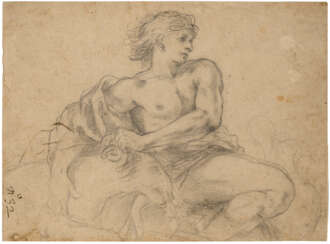

Pietro da Cortona, born as Pietro Berrettini, was an eminent figure in the Italian Baroque movement. His multi-faceted genius encompassed painting, architecture, and design, earning him a reputation second only to Bernini in the Roman Baroque style. Cortona's journey in art commenced in Rome around 1612, where his talents flourished under the patronage of influential families like the Barberini.
Pietro da Cortona's masterful frescoes in the church of S. Bibiana, commissioned by Urban VIII, set the tone for his illustrious career. His most iconic work, the colossal fresco "Allegory of Divine Providence and Barberini Power" in the Gran Salone of the Palazzo Barberini, epitomizes his skill in creating grandiose, illusionistic art. This piece, commenced in 1633 and completed in 1639, is a testament to his belief in the epic scale of history painting, a view he defended in a notable debate with Andrea Sacchi.
In 1637, Pietro da Cortona's artistic journey took him to Florence at the behest of Ferdinand II de' Medici, Grand Duke of Tuscany. Here, in the Palazzo Pitti, he created frescoes for the Planetary Rooms, combining allegorical themes with lush stucco work, significantly influencing the Italian and French decorative arts.
Pietro da Cortona's contributions to architecture were equally significant. His architectural masterpiece, the church of SS. Martina e Luca in Rome, exemplifies his ability to create grand structures with a unified Baroque vision. His architectural prowess, though less correlated with his painting style, made a lasting impact through its emphasis on form rather than ornament.
For art collectors and enthusiasts, Pietro da Cortona's works offer a rich tapestry of Baroque artistry, blending grandeur, realism, and allegory. His frescoes, paintings, and architectural designs continue to captivate audiences, symbolizing the opulence and dynamism of the Baroque era.
To stay updated on the latest insights and collections related to Pietro da Cortona, consider subscribing to our updates. Stay informed about new sales, exhibitions, and auction events related to this master of the Baroque style.
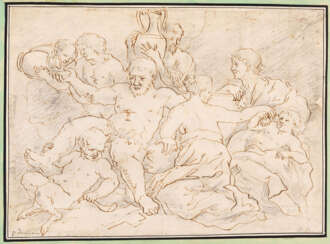

Pietro da Cortona, born as Pietro Berrettini, was an eminent figure in the Italian Baroque movement. His multi-faceted genius encompassed painting, architecture, and design, earning him a reputation second only to Bernini in the Roman Baroque style. Cortona's journey in art commenced in Rome around 1612, where his talents flourished under the patronage of influential families like the Barberini.
Pietro da Cortona's masterful frescoes in the church of S. Bibiana, commissioned by Urban VIII, set the tone for his illustrious career. His most iconic work, the colossal fresco "Allegory of Divine Providence and Barberini Power" in the Gran Salone of the Palazzo Barberini, epitomizes his skill in creating grandiose, illusionistic art. This piece, commenced in 1633 and completed in 1639, is a testament to his belief in the epic scale of history painting, a view he defended in a notable debate with Andrea Sacchi.
In 1637, Pietro da Cortona's artistic journey took him to Florence at the behest of Ferdinand II de' Medici, Grand Duke of Tuscany. Here, in the Palazzo Pitti, he created frescoes for the Planetary Rooms, combining allegorical themes with lush stucco work, significantly influencing the Italian and French decorative arts.
Pietro da Cortona's contributions to architecture were equally significant. His architectural masterpiece, the church of SS. Martina e Luca in Rome, exemplifies his ability to create grand structures with a unified Baroque vision. His architectural prowess, though less correlated with his painting style, made a lasting impact through its emphasis on form rather than ornament.
For art collectors and enthusiasts, Pietro da Cortona's works offer a rich tapestry of Baroque artistry, blending grandeur, realism, and allegory. His frescoes, paintings, and architectural designs continue to captivate audiences, symbolizing the opulence and dynamism of the Baroque era.
To stay updated on the latest insights and collections related to Pietro da Cortona, consider subscribing to our updates. Stay informed about new sales, exhibitions, and auction events related to this master of the Baroque style.









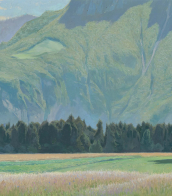




























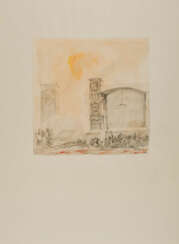

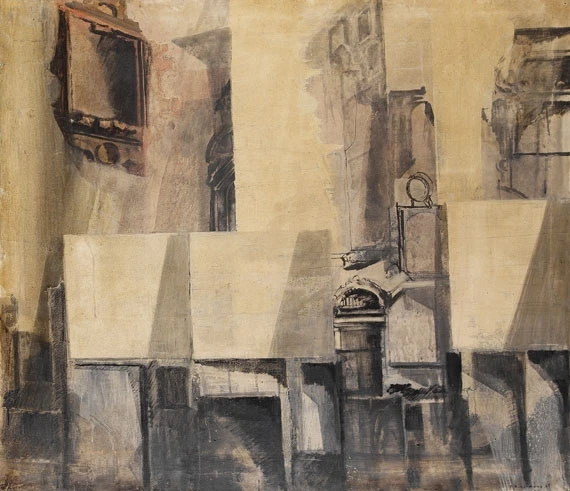
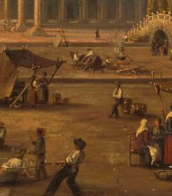
Peter Ackermann was a German painter and graphic artist. He became known for his alienation of architectural subjects. Ackermann was a representative of fantastic realism. The preferred subject of his work was classical Italian architecture, which he drew on site. He put together columns, portals and walls with machine parts, ruins and desolate parts of the city, which were piled up threateningly and thus alienated. In his etchings he showed references to the techniques of the old masters, his pictorial conception is compared with that of Giovanni Battista Piranesi and Canaletto.


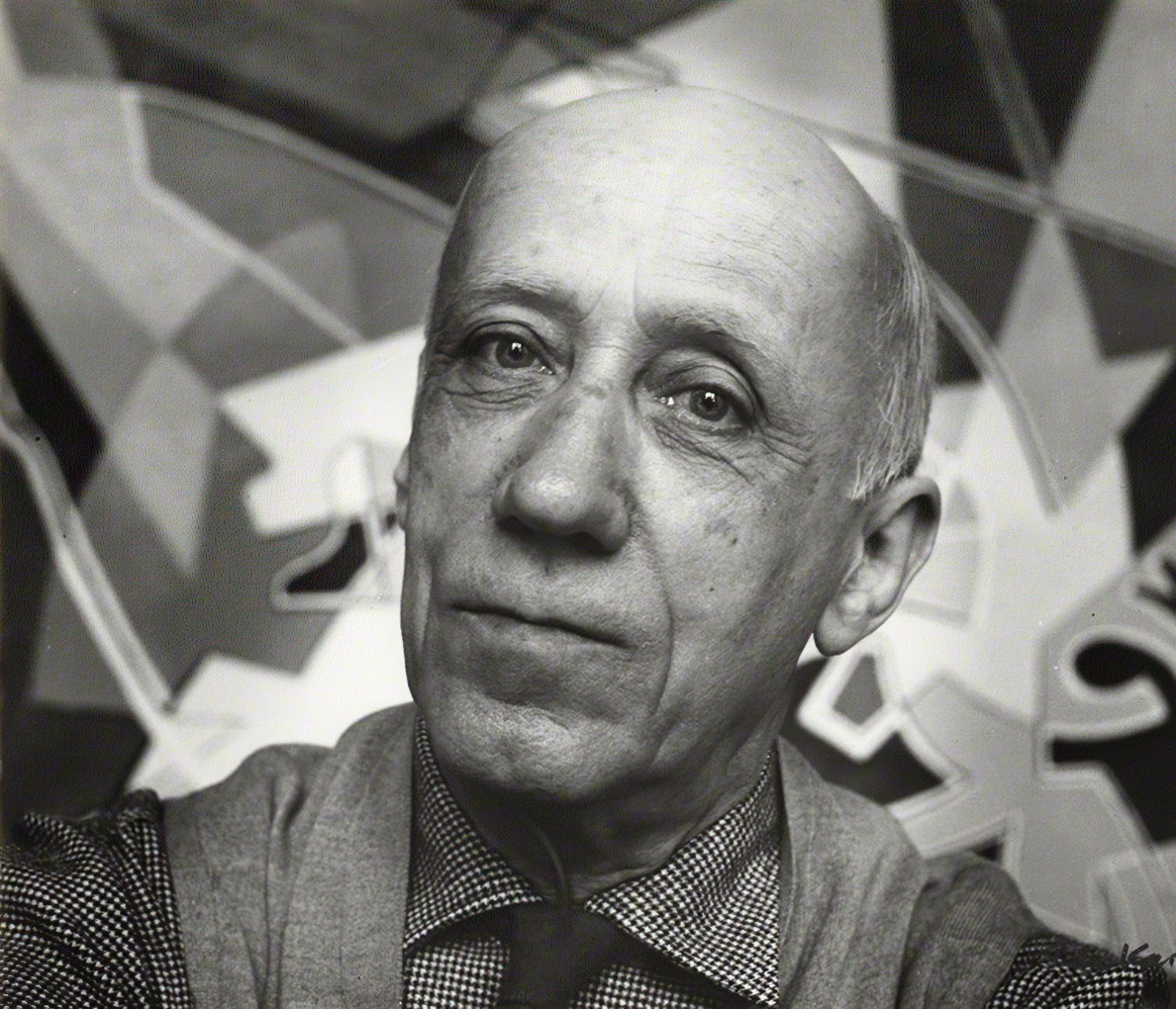
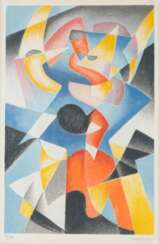
Gino Severini was an Italian painter and a prominent figure in the Futurist movement, known for his dynamic interpretation of movement and light in his artworks. Born in Cortona, Italy, in 1883, Severini moved to Paris in 1906, where he became deeply involved in the avant-garde scene, mingling with leading artists and embracing the vibrant cultural milieu of the city. His work often depicted lively urban scenes, dancers, and the energetic pace of modern life, distinguishing him within the Futurist movement for his unique focus on human figures and lively settings rather than the mechanical world.
Gino Severini's style evolved significantly over the years, moving from Futurism to incorporating elements of Cubism and later adopting a more classical approach in his art. After World War I, he aligned with the "return to order" movement, focusing on classical harmony and balance, which is evident in works like "The Two Pulchinellas." His later years saw him exploring various media, including mosaics and frescoes, contributing significantly to modern mosaic art and earning him the title "Father of Modern Mosaic."
Gino Severini's works are showcased in prestigious galleries worldwide, including the Museum of Modern Art (MoMA) in New York, where his influence on 20th-century art is celebrated. His contributions to art theory, his exploration across different art forms, and his ability to capture the essence of his time make Severini a fascinating subject for art collectors and experts alike.
For those interested in the evolution of modern art and the interplay between different artistic movements, Severini's work offers a compelling study of creativity and innovation. If you are intrigued by Gino Severini's contributions to the art world and wish to stay informed about upcoming sales and auction events related to his works, consider signing up for updates to deepen your knowledge and appreciation of this pivotal artist.
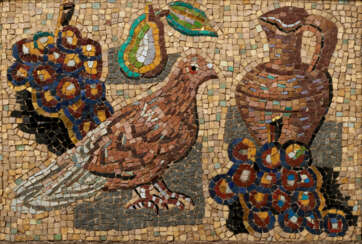

Gino Severini was an Italian painter and a prominent figure in the Futurist movement, known for his dynamic interpretation of movement and light in his artworks. Born in Cortona, Italy, in 1883, Severini moved to Paris in 1906, where he became deeply involved in the avant-garde scene, mingling with leading artists and embracing the vibrant cultural milieu of the city. His work often depicted lively urban scenes, dancers, and the energetic pace of modern life, distinguishing him within the Futurist movement for his unique focus on human figures and lively settings rather than the mechanical world.
Gino Severini's style evolved significantly over the years, moving from Futurism to incorporating elements of Cubism and later adopting a more classical approach in his art. After World War I, he aligned with the "return to order" movement, focusing on classical harmony and balance, which is evident in works like "The Two Pulchinellas." His later years saw him exploring various media, including mosaics and frescoes, contributing significantly to modern mosaic art and earning him the title "Father of Modern Mosaic."
Gino Severini's works are showcased in prestigious galleries worldwide, including the Museum of Modern Art (MoMA) in New York, where his influence on 20th-century art is celebrated. His contributions to art theory, his exploration across different art forms, and his ability to capture the essence of his time make Severini a fascinating subject for art collectors and experts alike.
For those interested in the evolution of modern art and the interplay between different artistic movements, Severini's work offers a compelling study of creativity and innovation. If you are intrigued by Gino Severini's contributions to the art world and wish to stay informed about upcoming sales and auction events related to his works, consider signing up for updates to deepen your knowledge and appreciation of this pivotal artist.
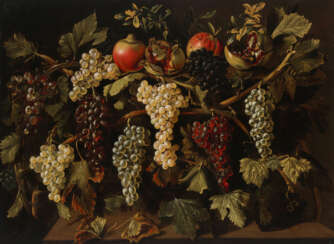

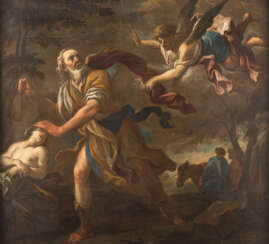

Pietro da Cortona, born as Pietro Berrettini, was an eminent figure in the Italian Baroque movement. His multi-faceted genius encompassed painting, architecture, and design, earning him a reputation second only to Bernini in the Roman Baroque style. Cortona's journey in art commenced in Rome around 1612, where his talents flourished under the patronage of influential families like the Barberini.
Pietro da Cortona's masterful frescoes in the church of S. Bibiana, commissioned by Urban VIII, set the tone for his illustrious career. His most iconic work, the colossal fresco "Allegory of Divine Providence and Barberini Power" in the Gran Salone of the Palazzo Barberini, epitomizes his skill in creating grandiose, illusionistic art. This piece, commenced in 1633 and completed in 1639, is a testament to his belief in the epic scale of history painting, a view he defended in a notable debate with Andrea Sacchi.
In 1637, Pietro da Cortona's artistic journey took him to Florence at the behest of Ferdinand II de' Medici, Grand Duke of Tuscany. Here, in the Palazzo Pitti, he created frescoes for the Planetary Rooms, combining allegorical themes with lush stucco work, significantly influencing the Italian and French decorative arts.
Pietro da Cortona's contributions to architecture were equally significant. His architectural masterpiece, the church of SS. Martina e Luca in Rome, exemplifies his ability to create grand structures with a unified Baroque vision. His architectural prowess, though less correlated with his painting style, made a lasting impact through its emphasis on form rather than ornament.
For art collectors and enthusiasts, Pietro da Cortona's works offer a rich tapestry of Baroque artistry, blending grandeur, realism, and allegory. His frescoes, paintings, and architectural designs continue to captivate audiences, symbolizing the opulence and dynamism of the Baroque era.
To stay updated on the latest insights and collections related to Pietro da Cortona, consider subscribing to our updates. Stay informed about new sales, exhibitions, and auction events related to this master of the Baroque style.