der erste großdeuts
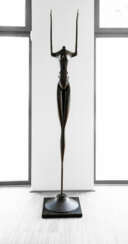

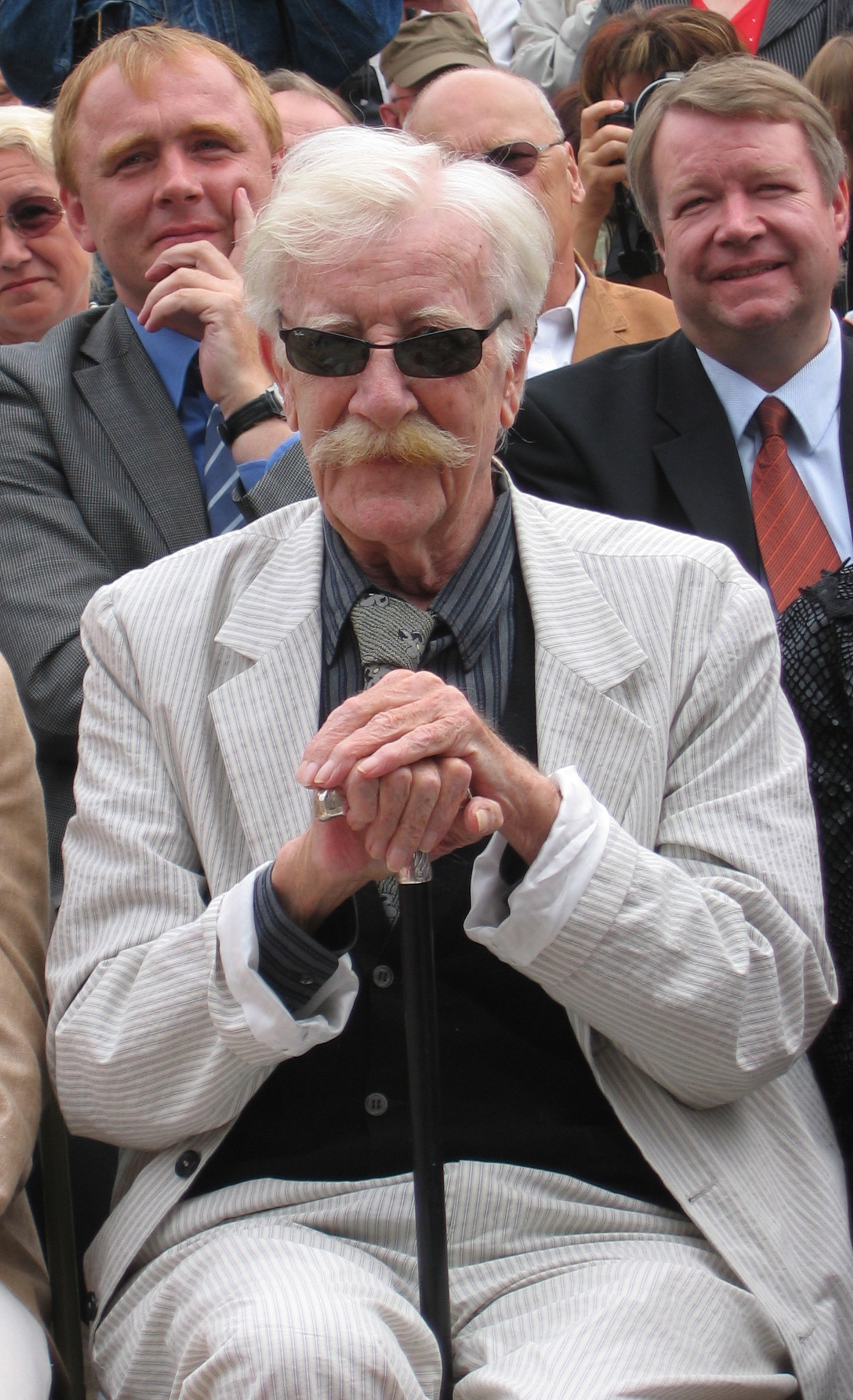
Paul Wunderlich was a German painter, sculptor and graphic artist. He designed Surrealist paintings and erotic sculptures. He often created paintings which referred to mythological legends.
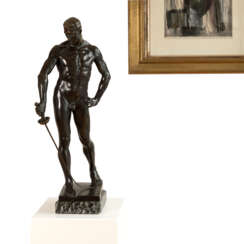

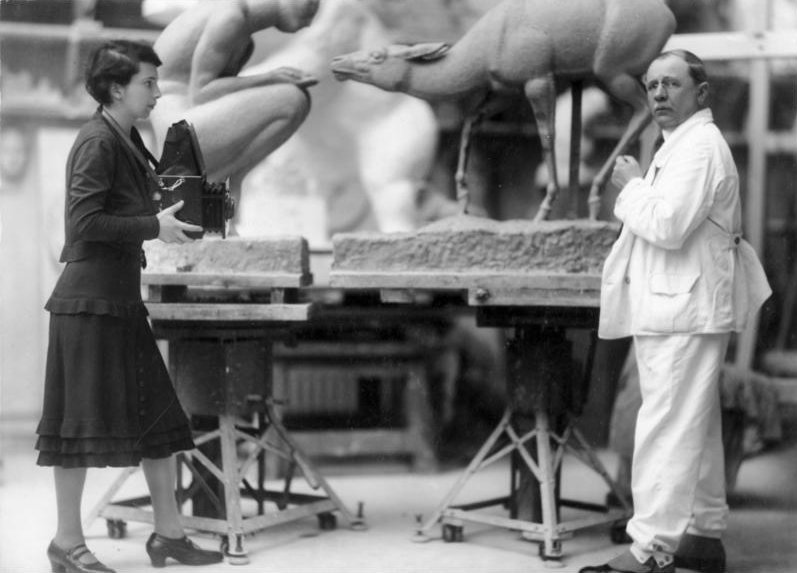
Hugo Lederer was a German sculptor and medallist. He lived and worked in Berlin during the reign of Kaiser Wilhelm II and the first German democracy. His most famous work is the monumental monument to Bismarck in Hamburg (1902-1906).
Hugo Lederer always stood on the side of upper-class modernism and opposed the anti-bourgeois left-wing or popular art scene. Initially he was still following Reinhold Begas and his neo-Baroque style, the Gründerzeit art movement favoured by Kaiser Wilhelm II and despised by many intellectuals of the time.


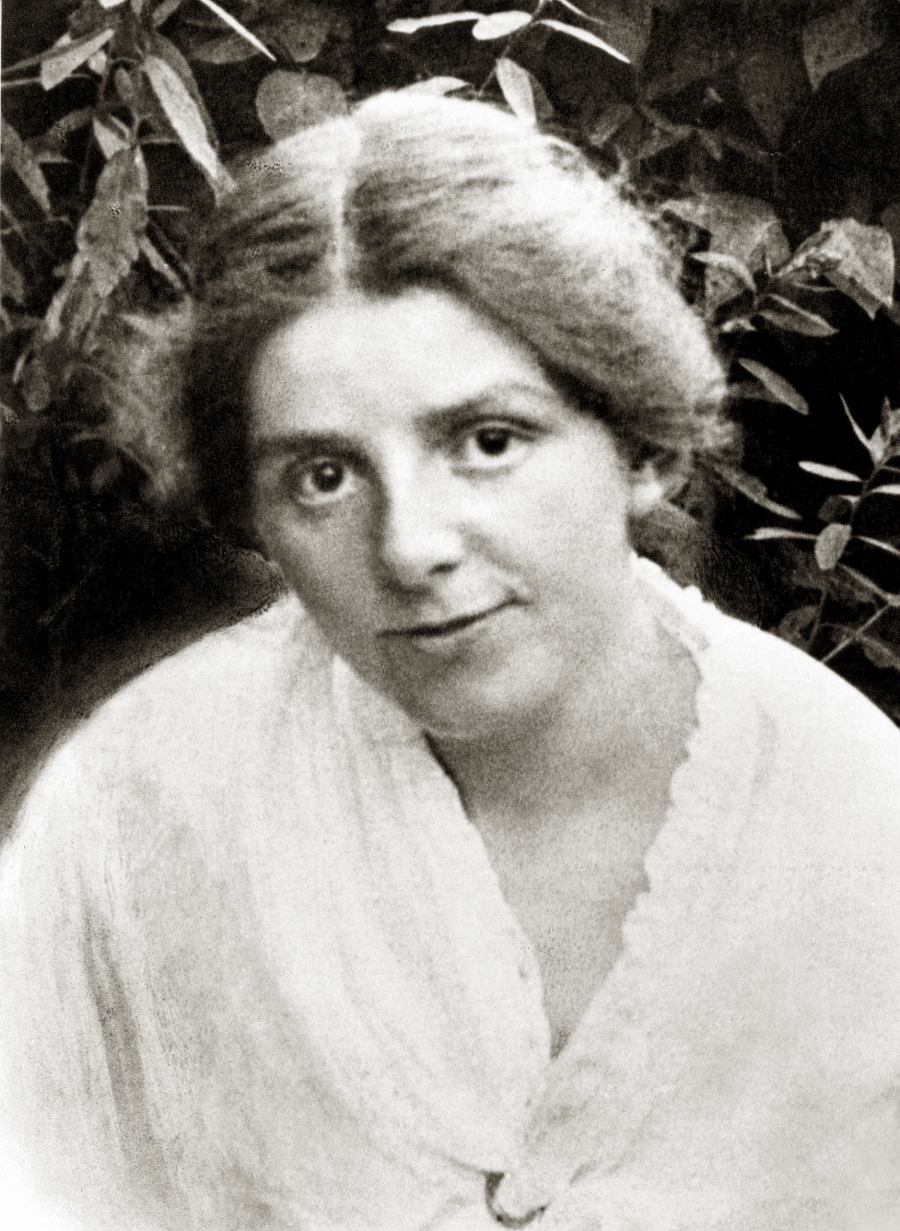
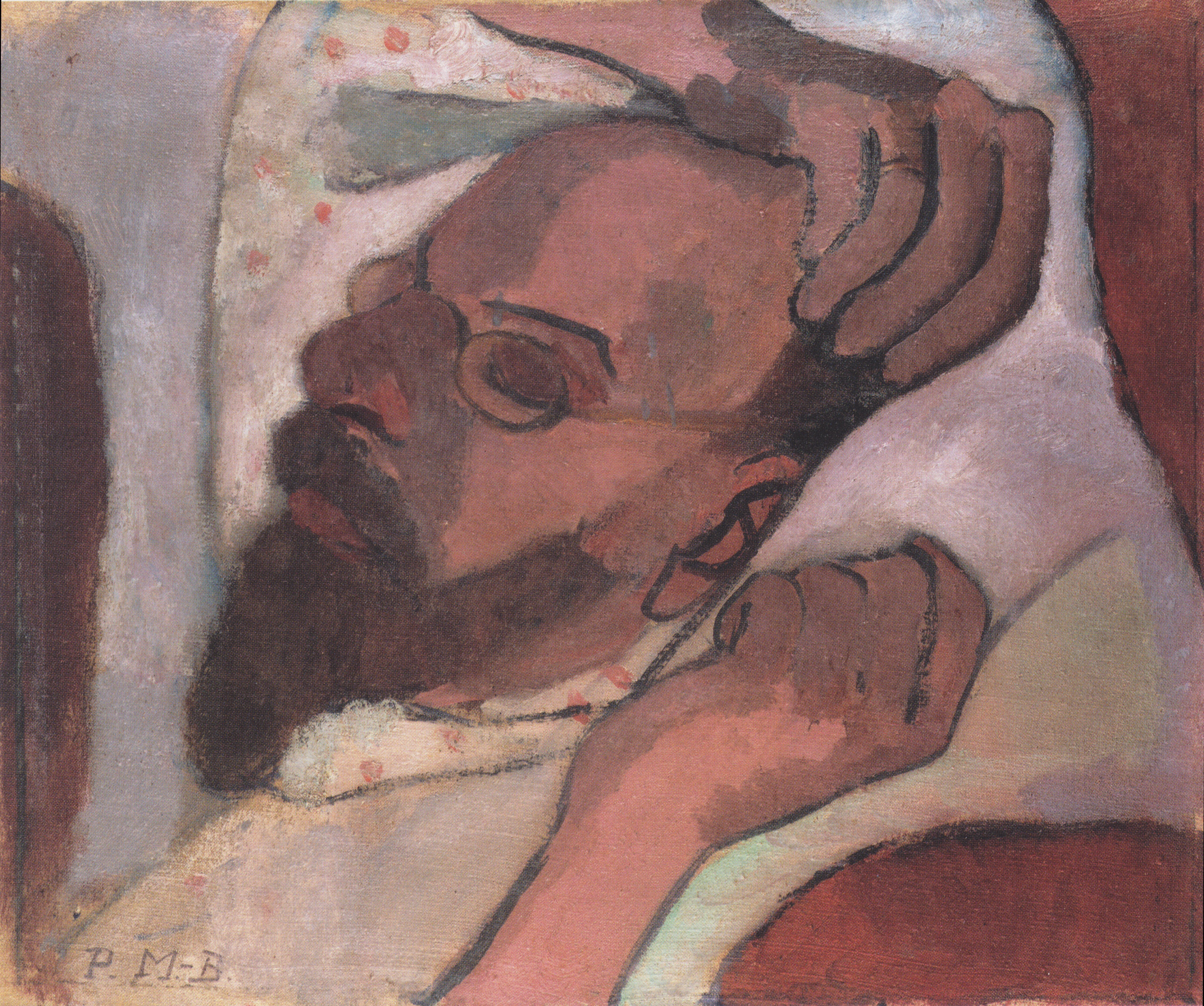
Paula Moderzohn-Becker was a German early expressionist painter.
In her youth she attended the traditional School for Women Artists in Berlin. Like many local German artists, she painted sentimental landscapes and scenes from peasant life.
And in 1900 Paula traveled with her husband to Paris, where she was influenced by post-Impressionist paintings and became an ardent enthusiast of painting by Paul Gauguin and Paul Cézanne. Today she is considered a forerunner of Expressionism because of the power of her compositions, although during her lifetime she was completely ignored. During her short career Moderzohn-Becker painted 750 canvases, about 1,000 drawings and 13 etchings, all of which incorporated the major art movements of the early 20th century.






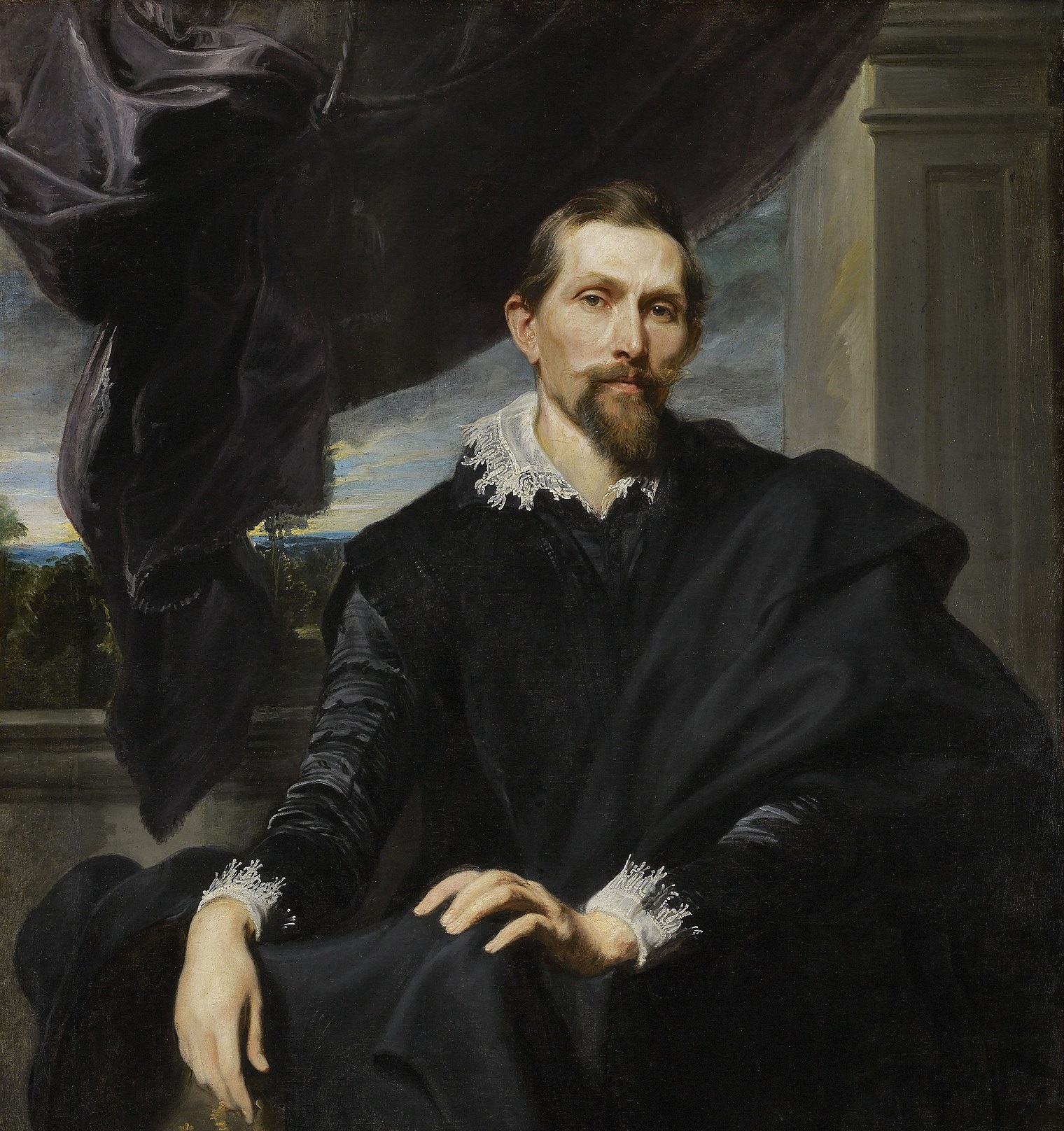
Frans Snyders was a Flemish painter of animals, hunting scenes, market scenes and still lifes. He was one of the earliest specialist animaliers and he is credited with initiating a wide variety of new still-life and animal subjects in Antwerp. He was a regular collaborator with leading Antwerp painters such as Peter Paul Rubens, Anthony van Dyck and Jacob Jordaens.



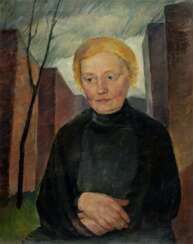

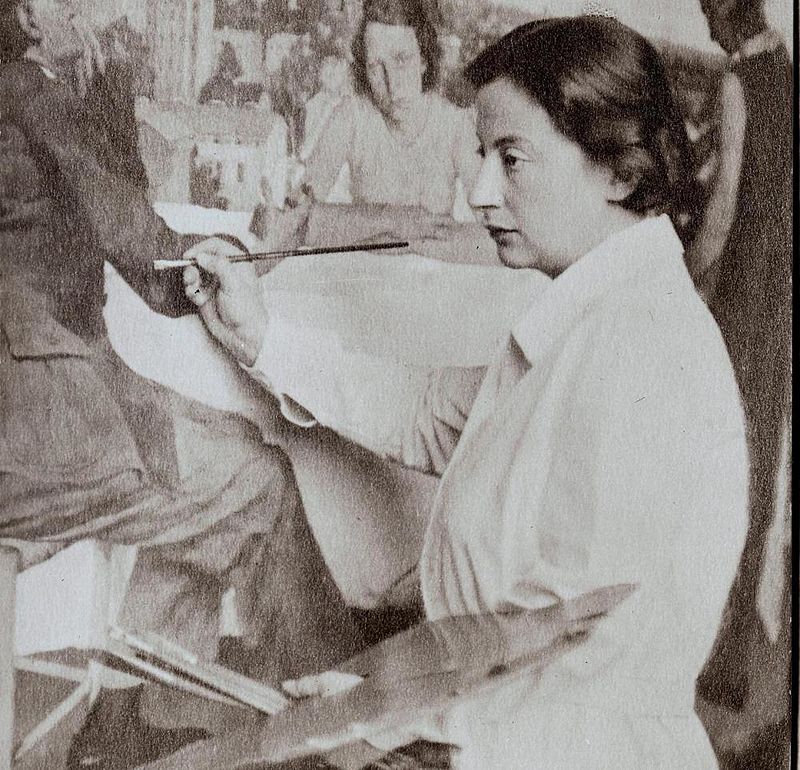
Lotte Laserstein was a German-Swedish artist and a prominent representative of German realism.
Lotte was a student at the prestigious Berlin Academy of Fine Arts and became an accomplished realist painter, receiving a gold medal from the Academy for her work. Her first exhibition took place in 1930 at a Berlin gallery. Laserstein worked partly in figurative painting, had apprentices, and illustrated anatomy texts to earn money. She also painted portraits of cosmopolitan, emancipated women as well as self-portraits.
The National Socialist regime forced the artist to leave Germany in 1937 and emigrate to Sweden. Her mother died in a concentration camp. Lotte Laserstein lived in Stockholm until the end of her life, creating over five decades of work, in addition to expressive self-portraits, many moving images of other immigrants, rural landscapes and urban scenes in Sweden.
Lotte Laserstein became a member of the Swedish Academy of Fine Arts and earned a reputation as a popular and respected portraitist. She has approximately 10,000 works in her oeuvre.
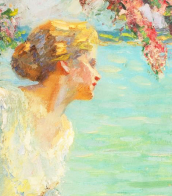
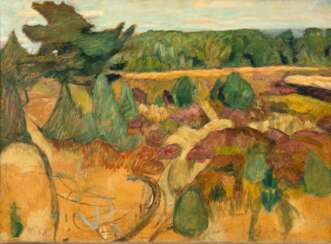

Friedrich Wilhelm Otto Modersohn was a German painter of the late 19th and first half of the 20th centuries. He is known as a landscape painter, a representative of the Barbizon School.
Otto Modersohn produced Barbizonian-style landscapes early in his career, but from about 1890 his style became more expressionist, with an emphasis on his choice of colors. The death of his second wife influenced his style: the colors became darker and the images more stark. Modersohn was one of the founders of the Worpswede artists' colony. A large collection of his works is kept in the Modersohn Museum in Fischerhude, and a street in Berlin is also named after him.

Lotte Laserstein was a German-Swedish artist and a prominent representative of German realism.
Lotte was a student at the prestigious Berlin Academy of Fine Arts and became an accomplished realist painter, receiving a gold medal from the Academy for her work. Her first exhibition took place in 1930 at a Berlin gallery. Laserstein worked partly in figurative painting, had apprentices, and illustrated anatomy texts to earn money. She also painted portraits of cosmopolitan, emancipated women as well as self-portraits.
The National Socialist regime forced the artist to leave Germany in 1937 and emigrate to Sweden. Her mother died in a concentration camp. Lotte Laserstein lived in Stockholm until the end of her life, creating over five decades of work, in addition to expressive self-portraits, many moving images of other immigrants, rural landscapes and urban scenes in Sweden.
Lotte Laserstein became a member of the Swedish Academy of Fine Arts and earned a reputation as a popular and respected portraitist. She has approximately 10,000 works in her oeuvre.
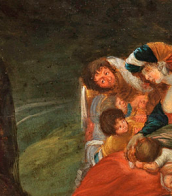
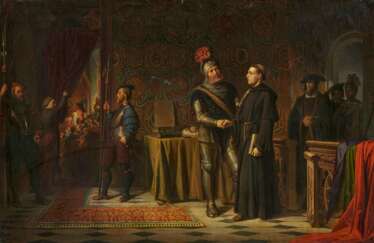

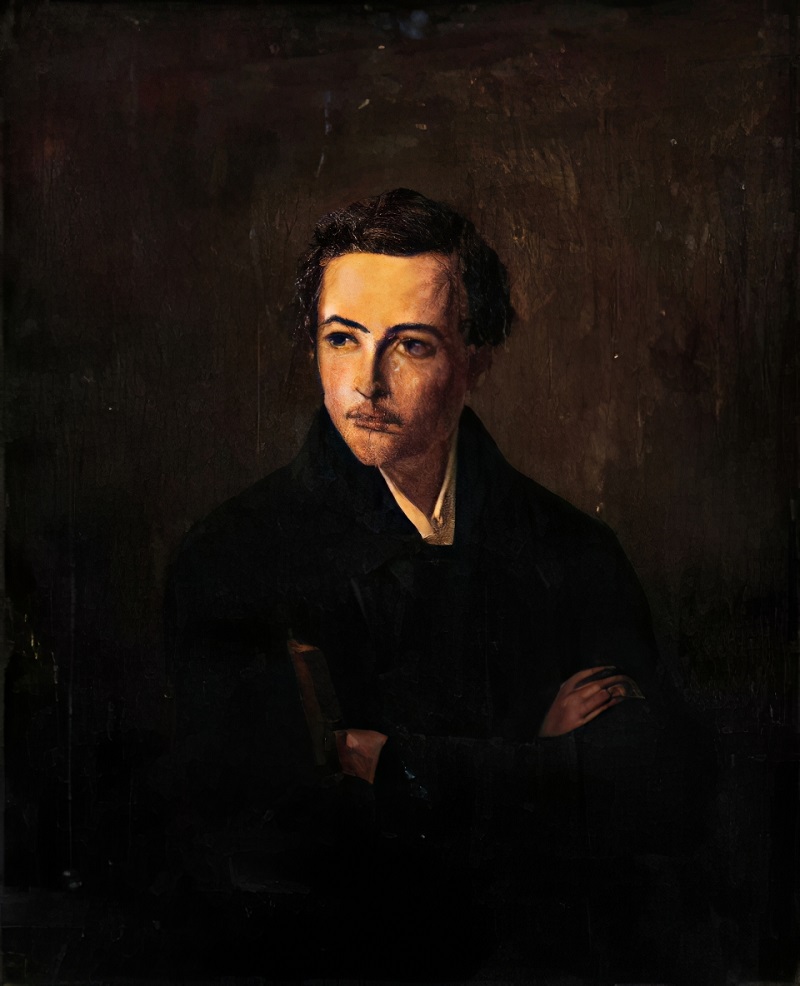
Friedrich Wilhelm Heinrich Martersteig was a German historical and genre painter and drawing teacher. From 1828 to 1834 he studied at the Dresden Academy of Art under Ludwig Richter. Afterwards he spent four years at the academy in Dusseldorf and was a pupil of Carl Ferdinand Sohn, Theodor Hildebrandt and Friedrich Wilhelm von Schadow.
Friedrich Martersteig was a member and professor of the Prussian Academy of Arts.
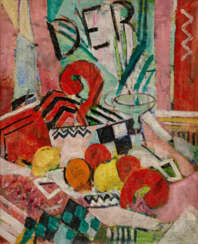

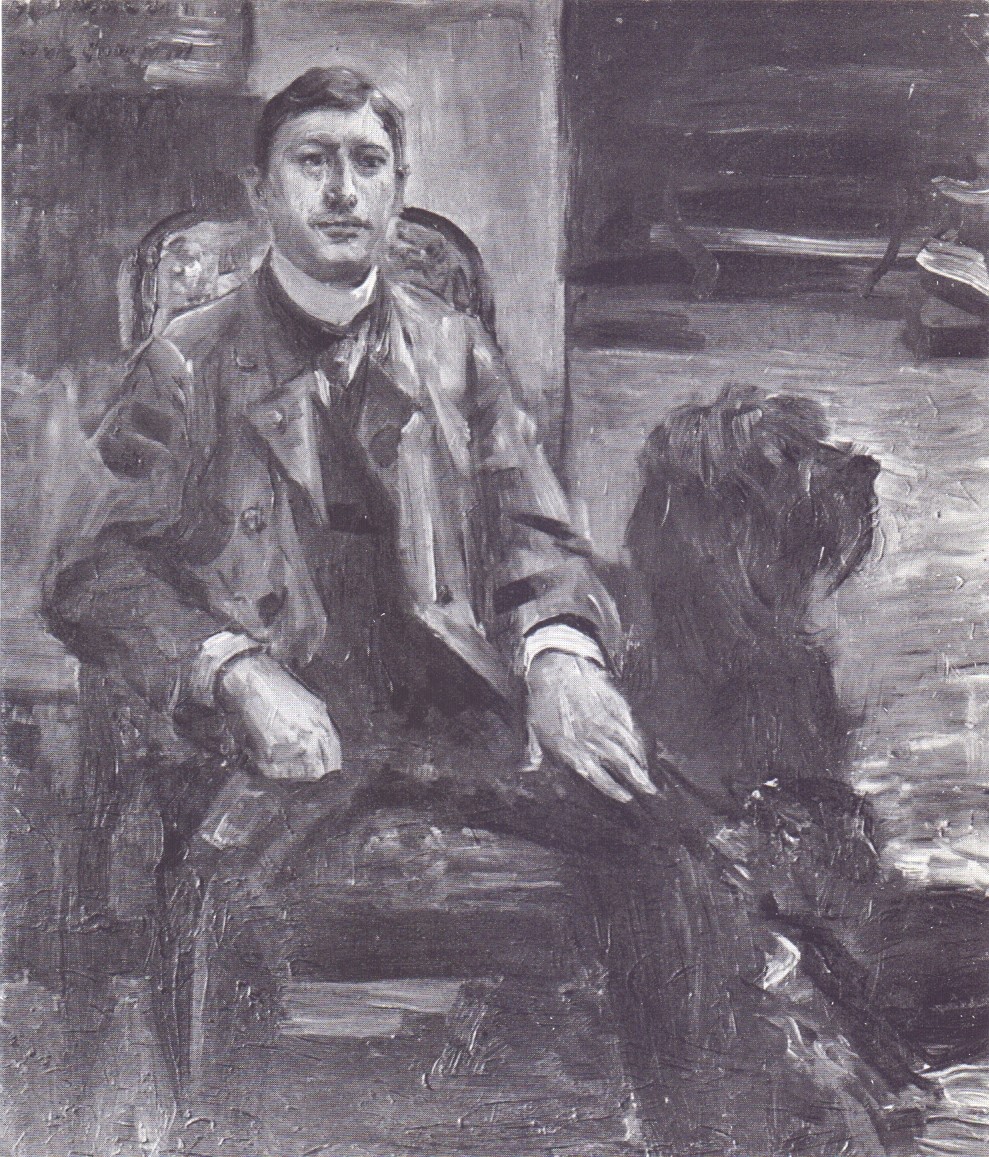
Oskar Moll was a German post-impressionist painter.
He studied painting in Munich and Berlin, met Henri Matisse in Paris in 1907 and took part in the founding of the Matisse Academy. He later taught at the Art Academy in Düsseldorf, from where he was eventually fired and branded as a propagator of degenerate art, one of his exhibitions was also banned by the Nazis and his works confiscated.
In his paintings, Moll combined linear structures with spaces of color, creating abstract and lyrical landscapes, still lifes and portraits. Contrasting color accents and ornamental motifs enliven the paintings.
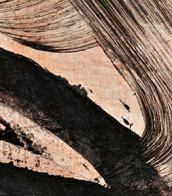



Katharina Grosse is a German artist. As an artist, Grosse's work employs a use of architecture, sculpture and painting. She is known for her large-scale, site-related installations to create immersive visual experiences. She has been using an industrial paint-sprayer to apply prismatic swaths of color to a variety of surfaces since the late 1990s, and often uses bright, unmixed sprayed-on acrylic paints to create both large-scale sculptural elements and smaller wall works.





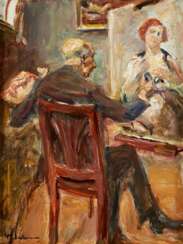



Lotte Laserstein was a German-Swedish artist and a prominent representative of German realism.
Lotte was a student at the prestigious Berlin Academy of Fine Arts and became an accomplished realist painter, receiving a gold medal from the Academy for her work. Her first exhibition took place in 1930 at a Berlin gallery. Laserstein worked partly in figurative painting, had apprentices, and illustrated anatomy texts to earn money. She also painted portraits of cosmopolitan, emancipated women as well as self-portraits.
The National Socialist regime forced the artist to leave Germany in 1937 and emigrate to Sweden. Her mother died in a concentration camp. Lotte Laserstein lived in Stockholm until the end of her life, creating over five decades of work, in addition to expressive self-portraits, many moving images of other immigrants, rural landscapes and urban scenes in Sweden.
Lotte Laserstein became a member of the Swedish Academy of Fine Arts and earned a reputation as a popular and respected portraitist. She has approximately 10,000 works in her oeuvre.
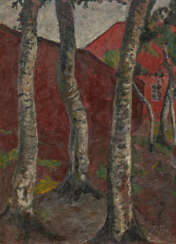

Paula Moderzohn-Becker was a German early expressionist painter.
In her youth she attended the traditional School for Women Artists in Berlin. Like many local German artists, she painted sentimental landscapes and scenes from peasant life.
And in 1900 Paula traveled with her husband to Paris, where she was influenced by post-Impressionist paintings and became an ardent enthusiast of painting by Paul Gauguin and Paul Cézanne. Today she is considered a forerunner of Expressionism because of the power of her compositions, although during her lifetime she was completely ignored. During her short career Moderzohn-Becker painted 750 canvases, about 1,000 drawings and 13 etchings, all of which incorporated the major art movements of the early 20th century.


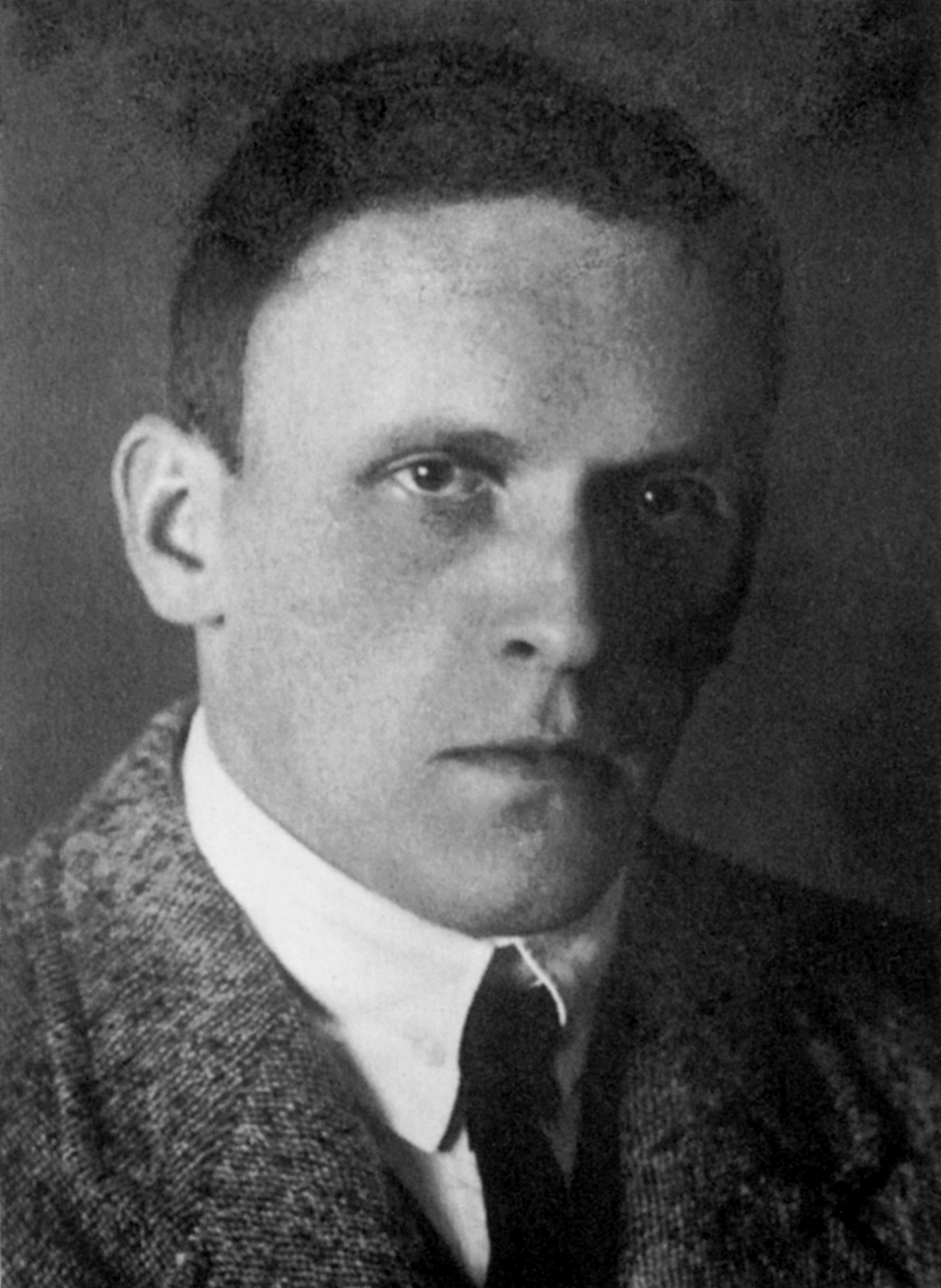
Walter Dexel was a German painter, commercial graphic designer, and transportation planner. He also functioned as an art historian and directed a museum in Braunschweig during the Second World War.
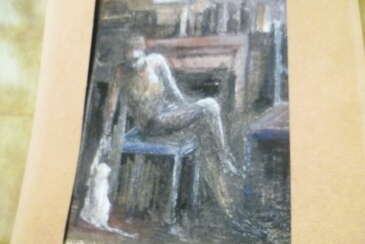

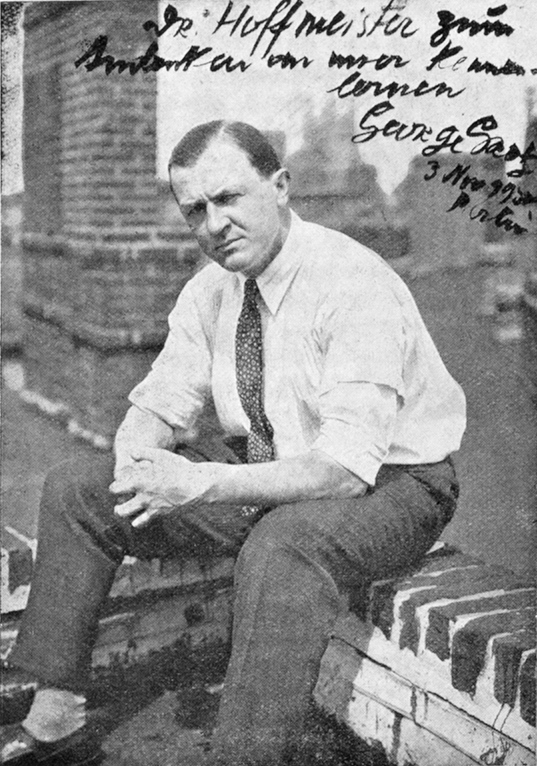
George Grosz was a twentieth-century German painter, graphic artist, and cartoonist. In his work one can find features of various styles of avant-garde art, including Dadaism, Expressionism, and Futurism.
George Grosz drew in every style in a sharp-grotesque and satirical spirit, ridiculing the vices of society. The erotic theme, which occupied a prominent place in Gross's work, was executed in the same spirit.
Grosz devoted more than 20 years to teaching at the Art Students League of New York, and was elected an honorary member of the American and Berlin Academies for his outstanding services to the arts.



.jpg)
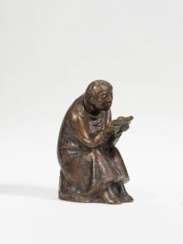
Ernst Heinrich Barlach was a German expressionist sculptor, medallist, printmaker and writer. Although he was a supporter of the war in the years leading to World War I, his participation in the war made him change his position, and he is mostly known for his sculptures protesting against the war. This created many conflicts during the rise of the Nazi Party, when most of his works were confiscated as degenerate art. Stylistically, his literary and artistic work would fall between the categories of twentieth-century Realism and Expressionism.







George Grosz was a twentieth-century German painter, graphic artist, and cartoonist. In his work one can find features of various styles of avant-garde art, including Dadaism, Expressionism, and Futurism.
George Grosz drew in every style in a sharp-grotesque and satirical spirit, ridiculing the vices of society. The erotic theme, which occupied a prominent place in Gross's work, was executed in the same spirit.
Grosz devoted more than 20 years to teaching at the Art Students League of New York, and was elected an honorary member of the American and Berlin Academies for his outstanding services to the arts.