

eff and blind
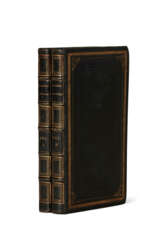

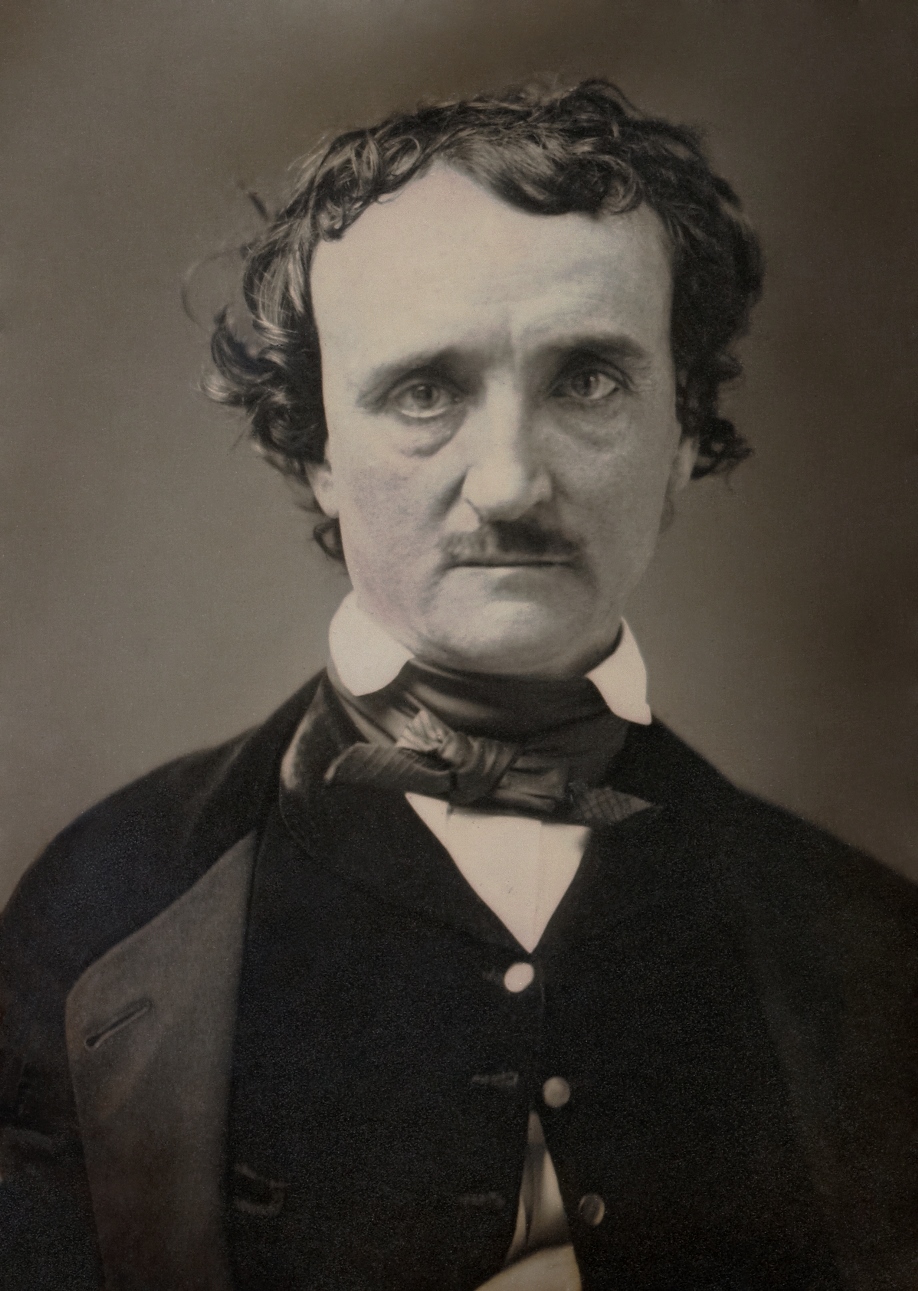
Edgar Allan Poe was an American writer and poet, editor and critic who created a form of classical detective fiction in an atmosphere of mystery and horror.
In prose, Allan Poe wrote mostly short stories. His novella The Murders in the Rue Morgue (1841) initiated the modern detective story, and his poem The Raven (1845) is among the most famous in American literature. Romanticism of the first third of the 19th century was shrouded in a fog of Satanism and the occult, which obviously influenced the work of Poe, whose personality was subtle, dualistic, and multifaceted.
Most of Poe's best works are permeated with horror and sorrow, but in life the poet was a pleasant conversationalist with a great sense of humor and a talented orator. All this, coupled with the genius of the writer-narrator provided him with a prominent place among the world-famous writers. Edgar Allan Poe revolutionized the horror genre. He was one of the first to bring deep, visceral, psychological horror into literature. In his stories, the true monster often turned out to be the capacity for evil that lurks within every human being.
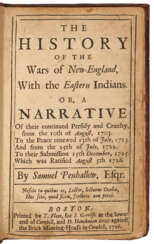





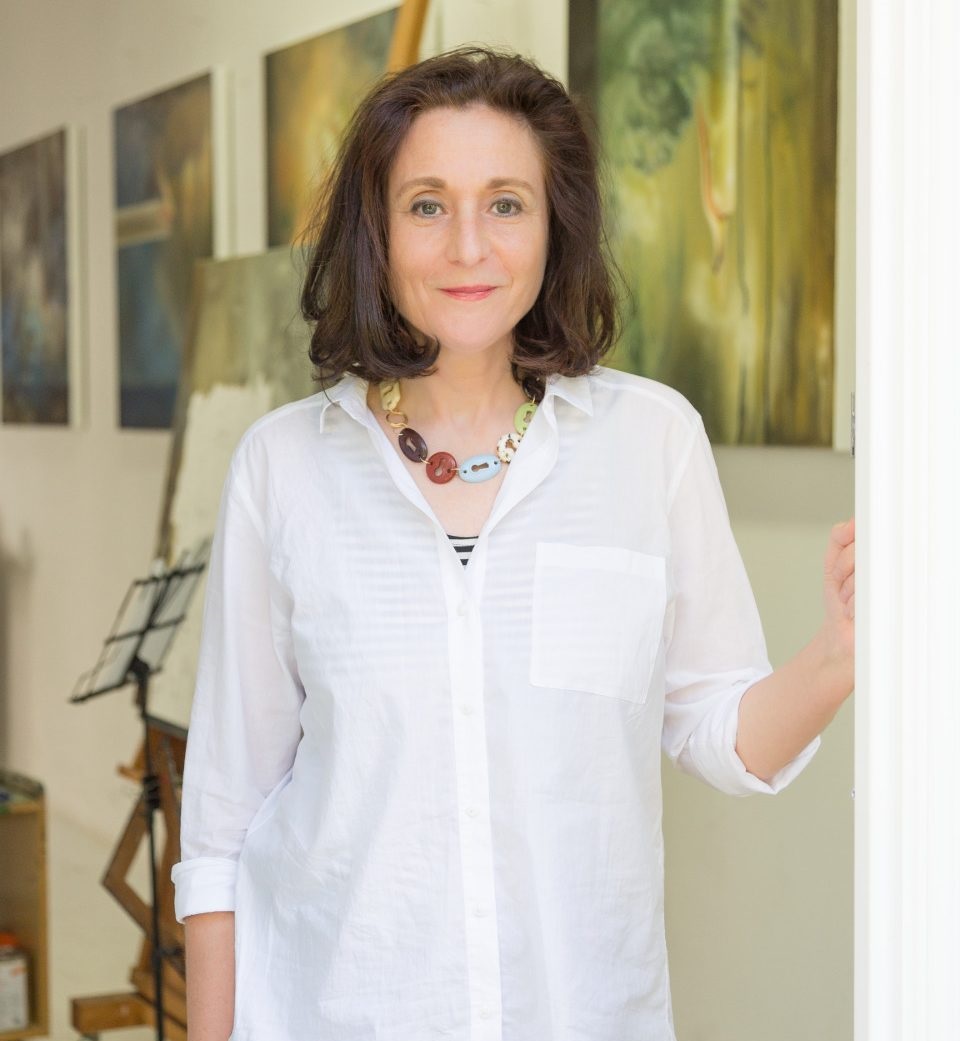
Karin Kneffel is one of Europe's most outstanding contemporary artists.

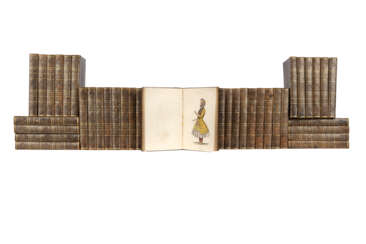

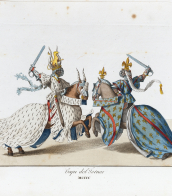
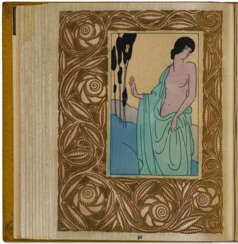

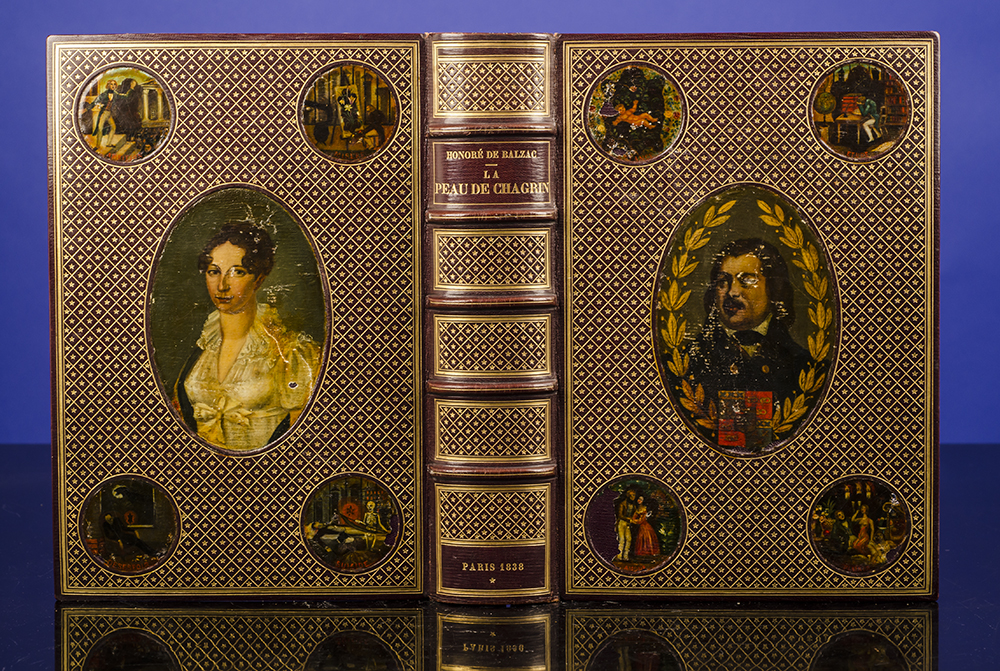
René Kieffer was a French bookbinder, publisher and bookseller.
A pupil of Henri Marius Michel, he worked for ten years as a gilder at the Chambolle-Douroux bookbinding factory. In 1903 René Kieffer opened his studio in Paris, and in the same year his work was first shown at the Salon de la Société des Artistes-Decorators.
Over time, his work shifted from classical forms to Art Nouveau motifs. René Kieffer was known for using bright colors in elaborate designs, creating luxurious bindings for unique publications. Between 1917 and 1923, he created Pierre Legrain's designs for Jacques Doucet's library. As a bookbinder and publisher, René Kieffer was vice-president of the book department of the 1925 Paris International Exhibition of Decorative Arts and Modern Industry. He also participated in the International Exhibition of Arts and Technology in Modern Life in Paris in 1937.

Dominique-André Dominique was a French artist, designer and decorator.
Together with the designer Marcel Genièvre (Marcel Genièvre, 1885-1967), Dominique-André Domin created in 1922 the firm Maison Dominique, which is known for its Cubist-inspired furniture: restrained but not without elegance. In addition to many achievements at exhibitions and pavilions, after World War II, the firm also received orders from the "National Furniture", including the Elysee Palace.







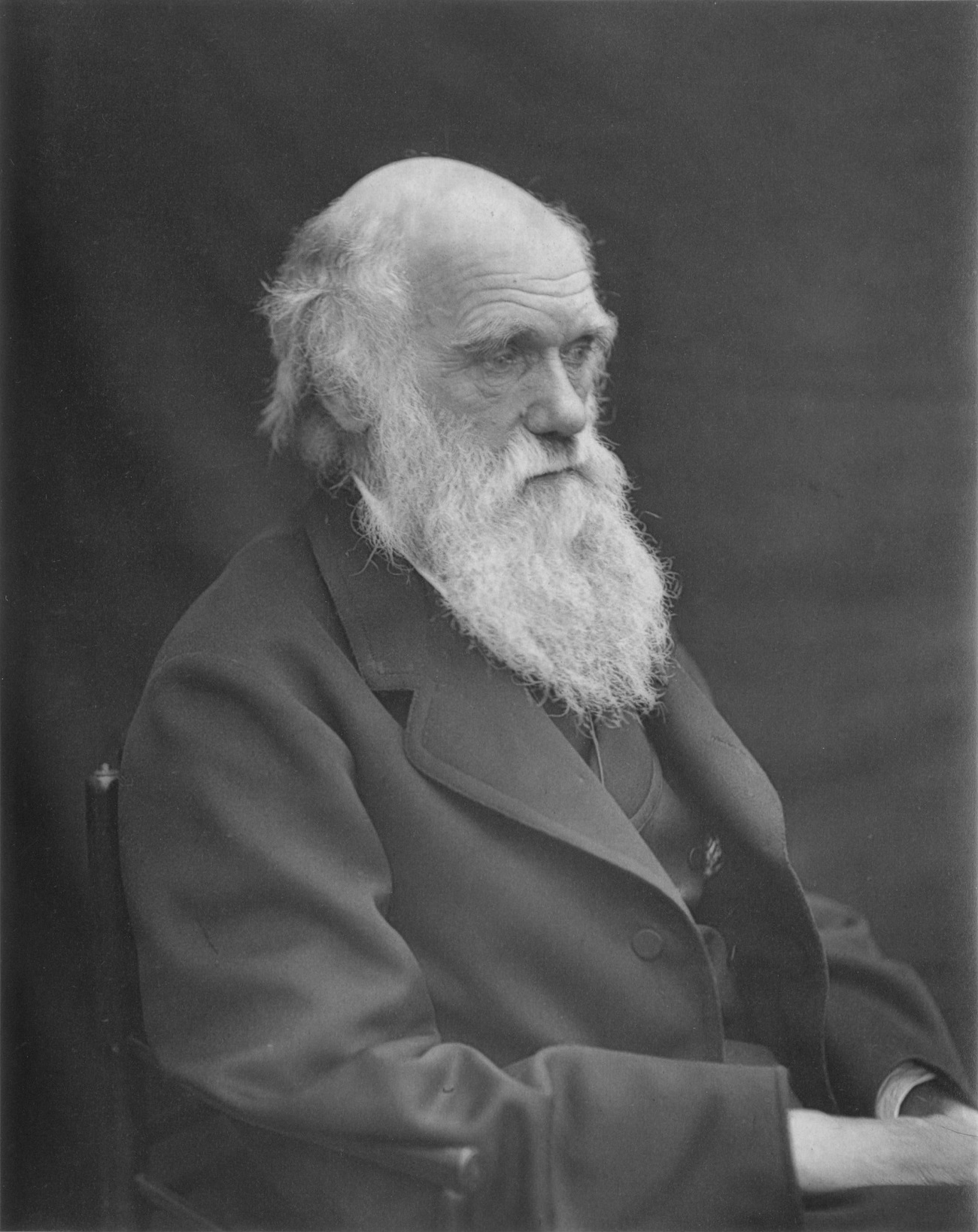
Charles Robert Darwin was an English naturalist, geologist, and biologist, widely known for contributing to the understanding of evolutionary biology. His proposition that all species of life have descended from a common ancestor is now generally accepted and considered a fundamental concept in science. In a joint publication with Alfred Russel Wallace, he introduced his scientific theory that this branching pattern of evolution resulted from a process that he called natural selection, in which the struggle for existence has a similar effect to the artificial selection involved in selective breeding. Darwin has been described as one of the most influential figures in human history, and he was honoured by burial in Westminster Abbey.

Charles Robert Darwin was an English naturalist, geologist, and biologist, widely known for contributing to the understanding of evolutionary biology. His proposition that all species of life have descended from a common ancestor is now generally accepted and considered a fundamental concept in science. In a joint publication with Alfred Russel Wallace, he introduced his scientific theory that this branching pattern of evolution resulted from a process that he called natural selection, in which the struggle for existence has a similar effect to the artificial selection involved in selective breeding. Darwin has been described as one of the most influential figures in human history, and he was honoured by burial in Westminster Abbey.


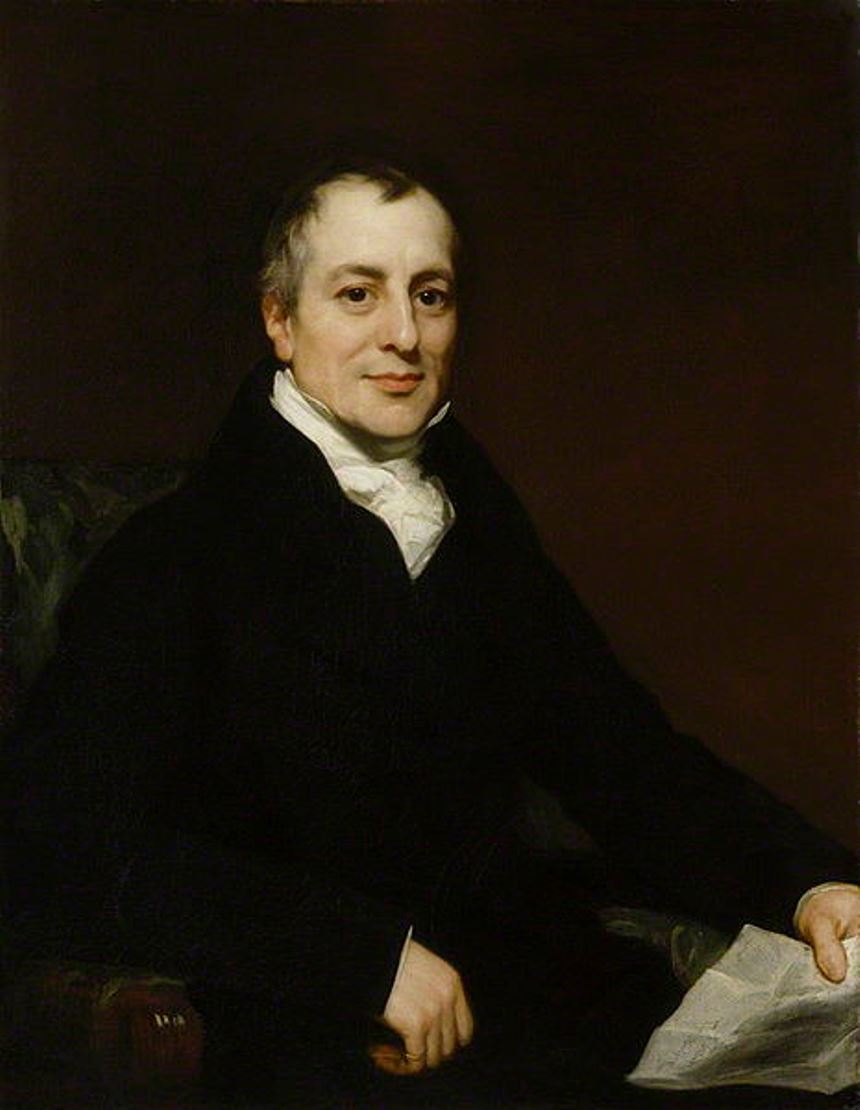
David Ricardo was a British economist and a classic of political economy.
David's father, a stockbroker, came from a Jewish family and emigrated from Holland to England in the early 1770s. After his studies, young David was hired by the London Stock Exchange and worked with his father, but at the age of 21 he broke away from his family. He soon started his own business as a dealer in government securities and became rich very quickly. At the age of 27, Ricardo became seriously interested in economics and from 1809 began to publish articles in the press on topical issues of currency and economics. He met the economist James Mill, who became his political and editorial adviser. He also befriended the utilitarian philosopher Jeremy Bentham and Thomas Malthus.
Ricardo's major work was On the Principles of Political Economy, and Taxation, published in London in 1817. It was a fundamental contribution to economic science and the first systematized approach to the subject. In this work, Ricardo addresses the "main problem of political economy," defined as determining the laws governing the "natural course of rents, profits, and wages" over time. He also develops ideas advanced in Adam Smith's The Wealth of Nations (1776), outlining a new labor theory of value, as well as theories of international competitive advantage and the effects of taxation. Ricardo was the first to formulate the "classical" system of political economy, and his ideas dominated economic thought throughout the 19th century.
By the age of 41, David Ricardo had completely retired from business and began to lead the quiet life of a gentleman and landowner on his estate. In 1819, Ricardo was elected to the British Parliament as an independent representative of a district in Ireland.


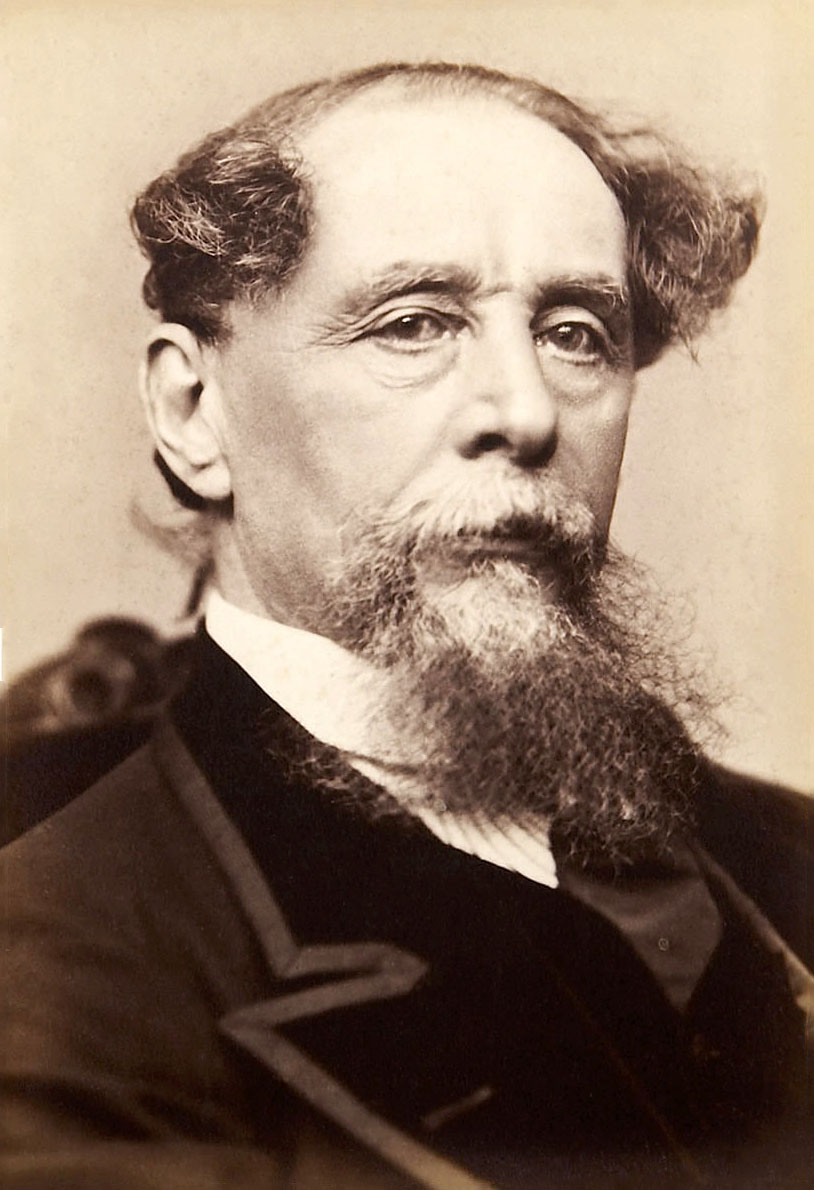
Charles Dickens, full name Charles John Huffam Dickens, is the most famous British writer of the Victorian era, a classic of world literature.
From childhood the future writer learned all the hardships of life in poverty: his father in prison for debts, hard work in a factory. Then service stenographer in court and reporter developed in him a strong attachment to journalism and contempt for both the law and parliament.
Dickens had many talents: in addition to literary work, he was an actor, published periodicals, arranged numerous literary readings, where he reveled in the admiration and love of the public. Fecund and versatile, Charles Dickens wrote many brilliant and often comic works. His novels cover a wide range of social, moral, emotional and other aspects. As a subtle psychologist, he is also very interested in the most ordinary people, but also the eccentric, the flawed, and even the insane.
Dickens was immensely popular around the world during his lifetime. His intellect, worldview, and deep reflections on society and its faults enriched his novels and made him one of the great figures of nineteenth-century literature, an influential spokesman for the conscience of his time.
Dickens' best-known and most popular novels are The Pickwick Club Posthumous Notes, Oliver Twist, Nicholas Nickleby, David Copperfield, Cold House, A Tale of Two Cities, Our Mutual Friend, Great Expectations, and The Mystery of Edwin Drood.
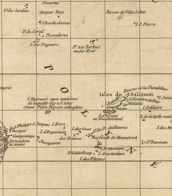
![McIAN, [Robert] R. (1803 – 1856) and James LOGAN (1797–1872)](/assets/image/picture_2943586/c610b/bc8a381ac624c9318364d86e25534b151689199200jpg__fix_374_244.jpeg)
![McIAN, [Robert] R. (1803 – 1856) and James LOGAN (1797–1872)](https://veryimportantlot.com/assets/image/picture_2943586/c610b/bc8a381ac624c9318364d86e25534b151689199200jpg__fix_374_244.jpeg)


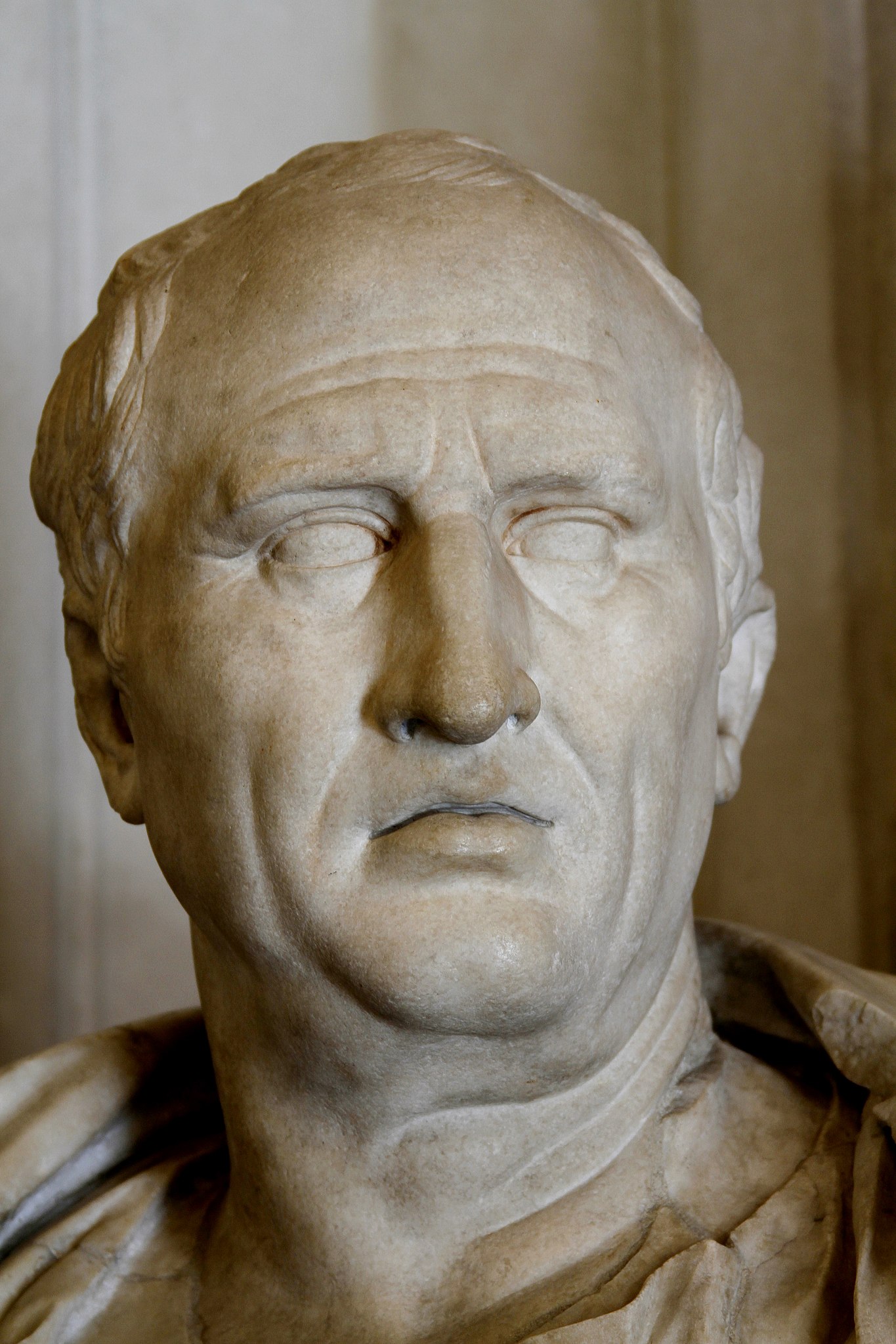
Marcus Tullius Cicero was a Roman statesman, lawyer, scholar, philosopher, and academic skeptic, who tried to uphold optimate principles during the political crises that led to the establishment of the Roman Empire. His extensive writings include treatises on rhetoric, philosophy and politics. He is considered one of Rome's greatest orators and prose stylists. He came from a wealthy municipal family of the Roman equestrian order, and served as consul in 63 BC.
His influence on the Latin language was immense. He wrote more than three-quarters of extant Latin literature that is known to have existed in his lifetime, and it has been said that subsequent prose was either a reaction against or a return to his style, not only in Latin but in European languages up to the 19th century. Cicero introduced into Latin the arguments of the chief schools of Hellenistic philosophy and created a Latin philosophical vocabulary with neologisms such as evidentia, humanitas, qualitas, quantitas, and essentia, distinguishing himself as a translator and philosopher.

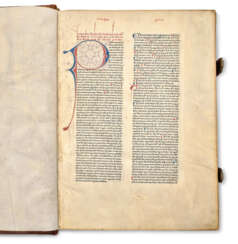

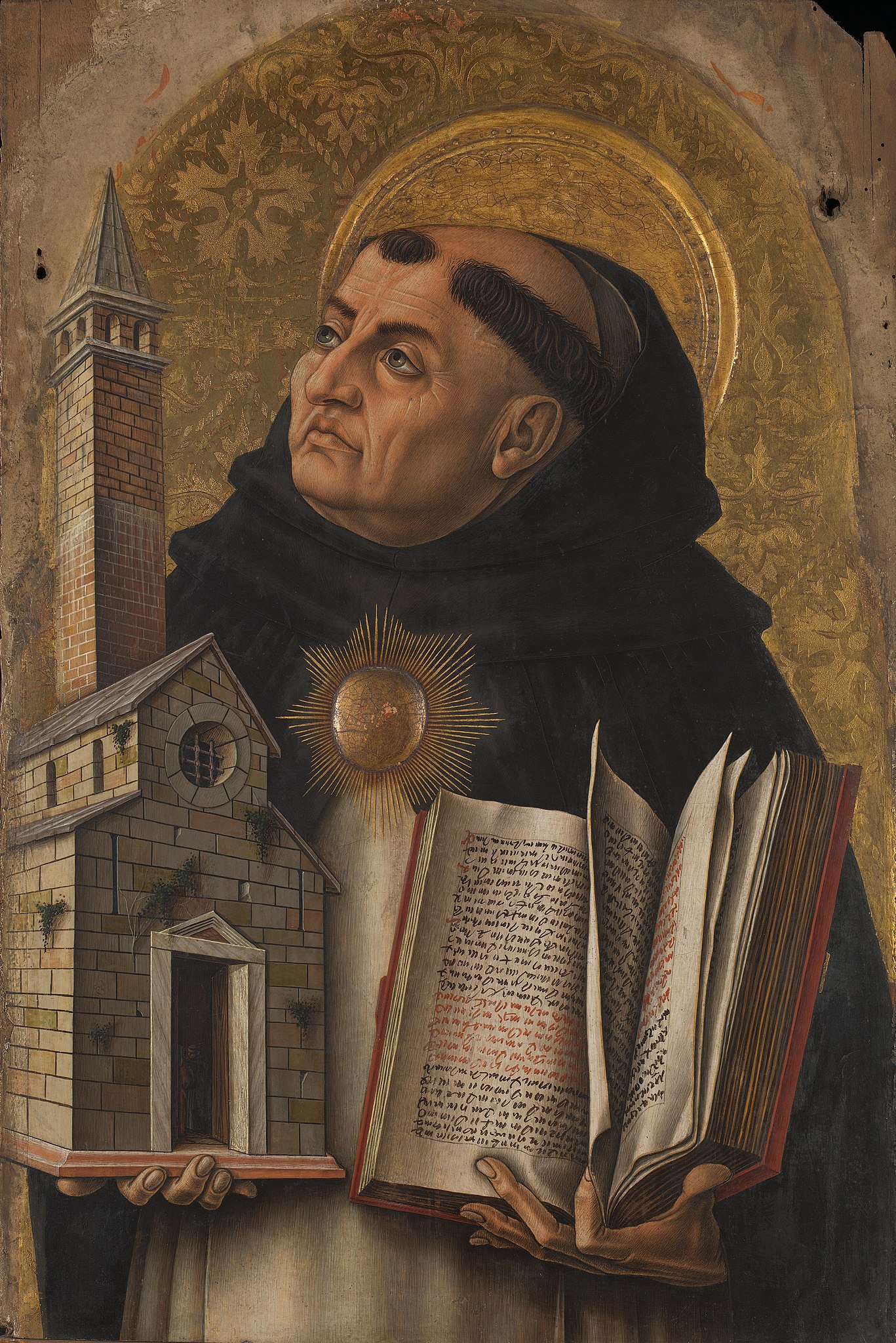
Thomas Aquinas (Italian: Tommaso d'Aquino, also called Aquinas, alias Doctor Angelicus) was an Italian poet and theologian, philosopher, and major medieval scholastic.
Thomas Aquinas is one of the most important theologians in the history of Western civilization, given the extent of his influence on the development of Roman Catholic theology since the fourteenth century. As a theologian, in his two masterpieces, Summa theologiae and Summa contra gentiles, he created the classical systematization of Latin theology, and as a poet, he wrote some of the most serious and beautiful Eucharistic hymns in the church liturgy. Thomas Aquinas is recognized by the Roman Catholic Church as the foremost Western philosopher and theologian and canonized as a saint.

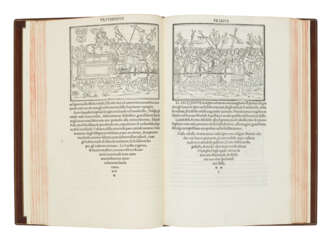

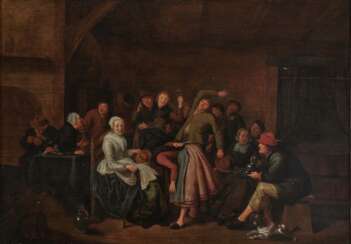

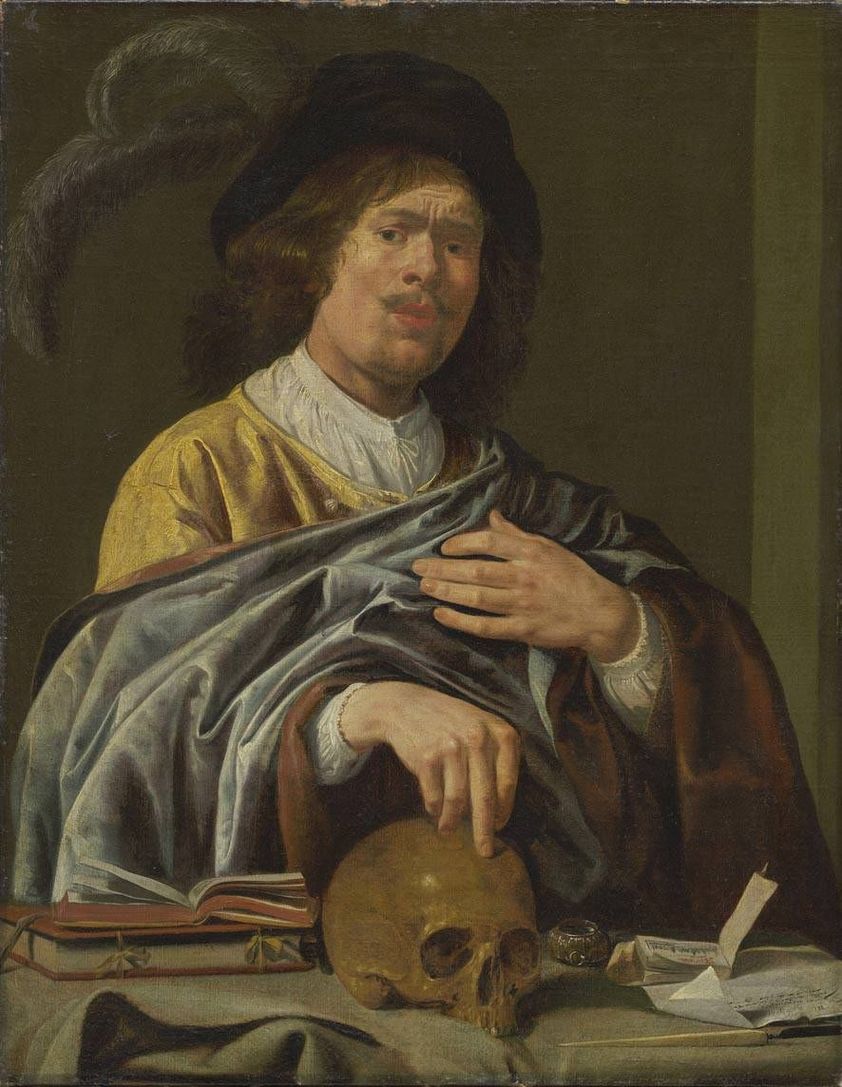
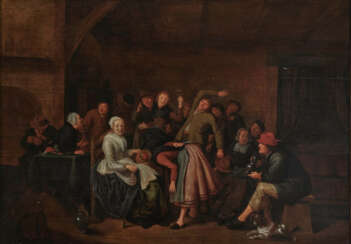
Jan Miense Molenaer was a Dutch painter of the Golden Age of Dutch painting, known for his genre scenes, in particular his depiction of everyday life in the Netherlands in the 17th century.
Jan Minse Molenaer was known for his humorous and lively scenes, often depicting peasants, drunks and musicians. He used a naturalistic style in his works, which were characterized by bright colours and a skilful use of light and shadow. During his career he also painted portraits and religious scenes.
Molenar was a member of the Haarlem Guild of St. Luke and his works were in great demand during his lifetime.











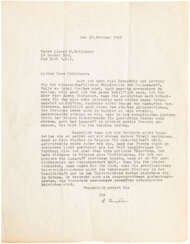

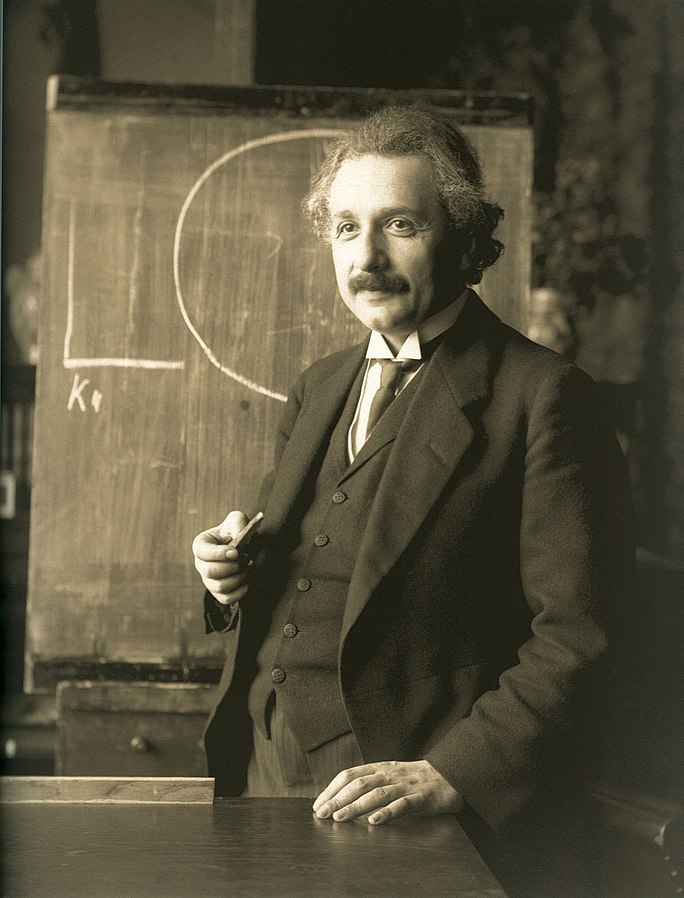
Albert Einstein was a German-born theoretical physicist, widely acknowledged to be one of the greatest and most influential physicists of all time. Einstein is best known for developing the theory of relativity, but he also made important contributions to the development of the theory of quantum mechanics. Relativity and quantum mechanics are together the two pillars of modern physics. His mass–energy equivalence formula E = mc2, which arises from relativity theory, has been dubbed "the world's most famous equation". His work is also known for its influence on the philosophy of science. He received the 1921 Nobel Prize in Physics "for his services to theoretical physics, and especially for his discovery of the law of the photoelectric effect", a pivotal step in the development of quantum theory. His intellectual achievements and originality resulted in "Einstein" becoming synonymous with "genius".







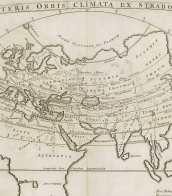

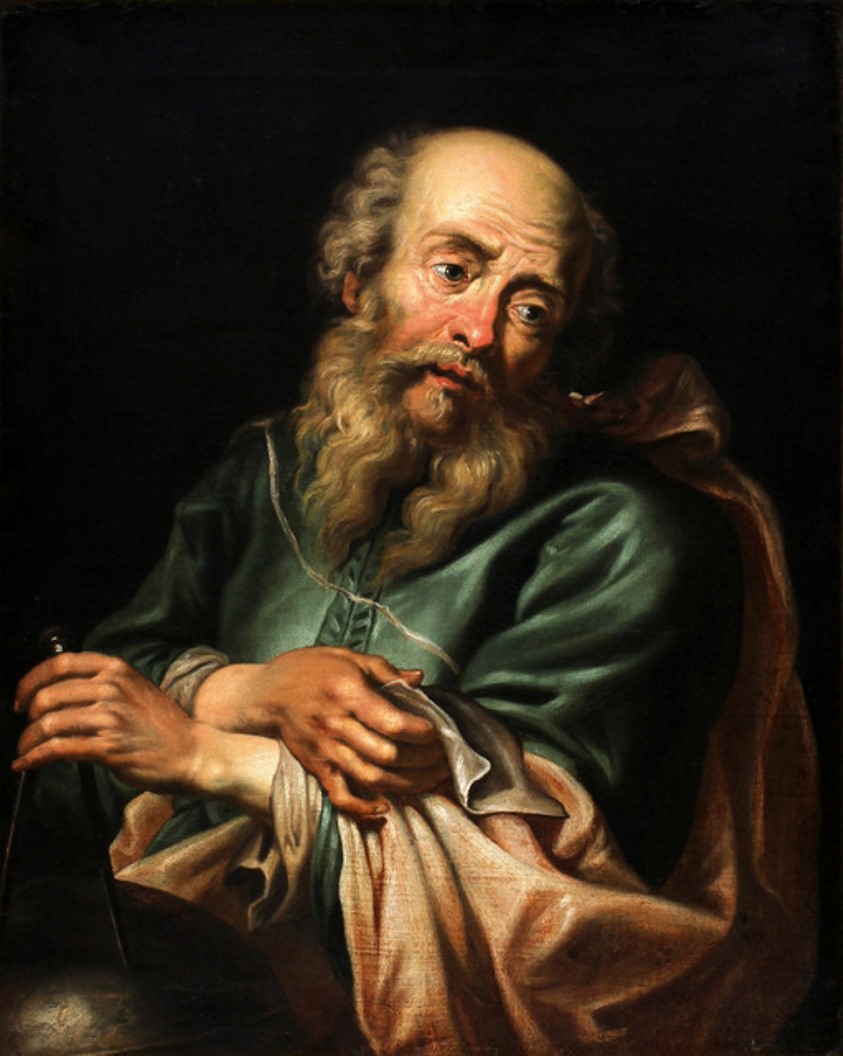
Galileo Galilei was an Italian naturalist, physicist, mechanic, astronomer, philosopher, and mathematician.
Using his own improved telescopes, Galileo Galilei observed the movements of the Moon, Earth's satellites, and the stars, making several breakthrough discoveries in astronomy. He was the first to see craters on the Moon, discovered sunspots and the rings of Saturn, and traced the phases of Venus. Galileo was a consistent and convinced supporter of the teachings of Copernicus and the heliocentric system of the world, for which he was subjected to the trial of the Inquisition.
Galileo is considered the founder of experimental and theoretical physics. He is also one of the founders of the principle of relativity in classical mechanics. Overall, the scientist had such a significant impact on the science of his time that he cannot be overemphasized.
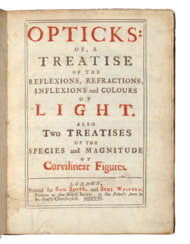

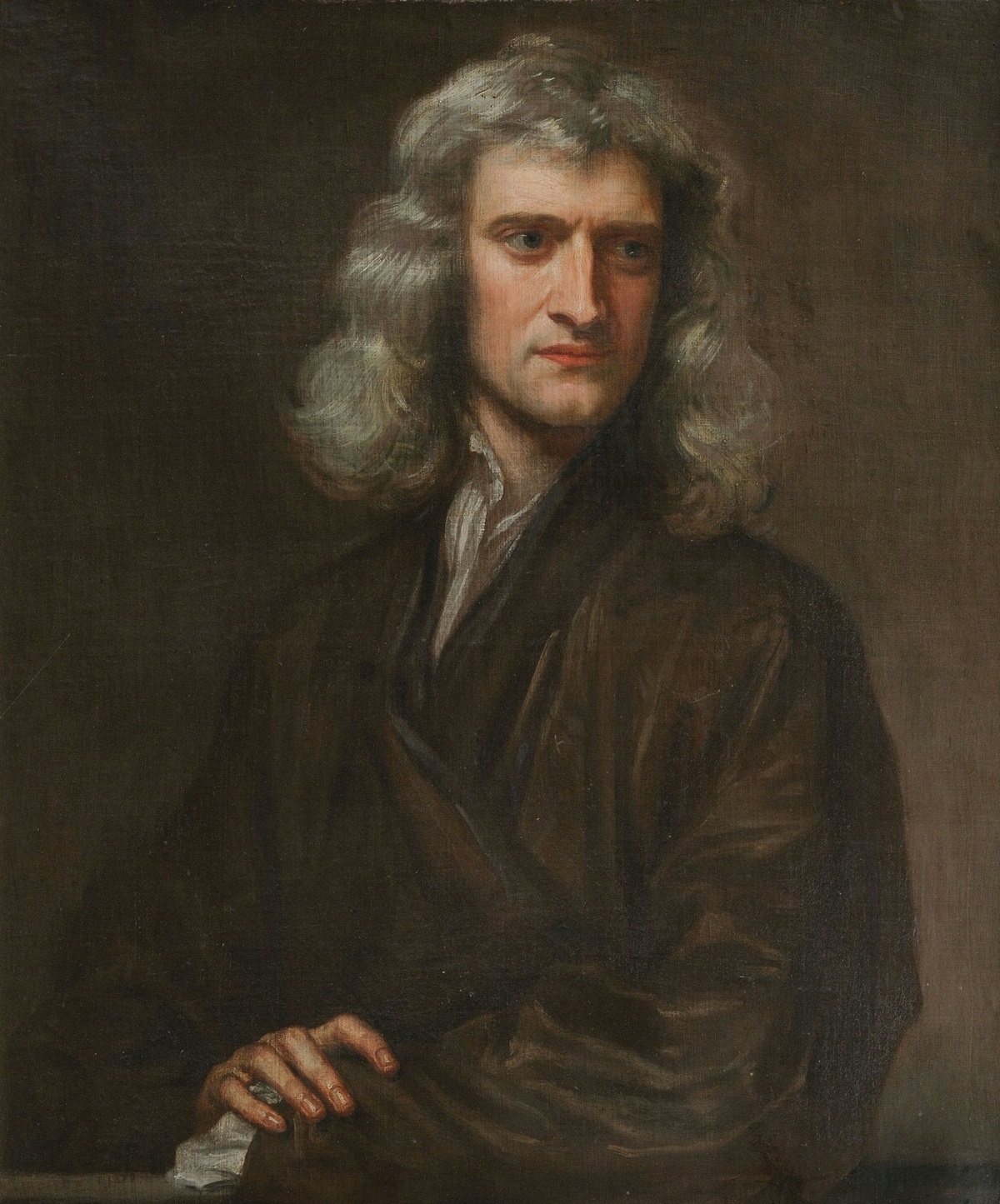
Isaac Newton was an English mathematician, physicist, astronomer, alchemist, theologian, and author (described in his time as a "natural philosopher"), widely recognised as one of the greatest mathematicians and physicists and among the most influential scientists of all time. He was a key figure in the philosophical revolution known as the Enlightenment. His book Philosophiæ Naturalis Principia Mathematica (Mathematical Principles of Natural Philosophy), first published in 1687, established classical mechanics. Newton also made seminal contributions to optics, and shares credit with German mathematician Gottfried Wilhelm Leibniz for developing infinitesimal calculus.
In the Principia, Newton formulated the laws of motion and universal gravitation that formed the dominant scientific viewpoint until it was superseded by the theory of relativity. Newton used his mathematical description of gravity to derive Kepler's laws of planetary motion, account for tides, the trajectories of comets, the precession of the equinoxes and other phenomena, eradicating doubt about the Solar System's heliocentricity. He demonstrated that the motion of objects on Earth and celestial bodies could be accounted for by the same principles. Newton's inference that the Earth is an oblate spheroid was later confirmed by the geodetic measurements of Maupertuis, La Condamine, and others, convincing most European scientists of the superiority of Newtonian mechanics over earlier systems.