first in math


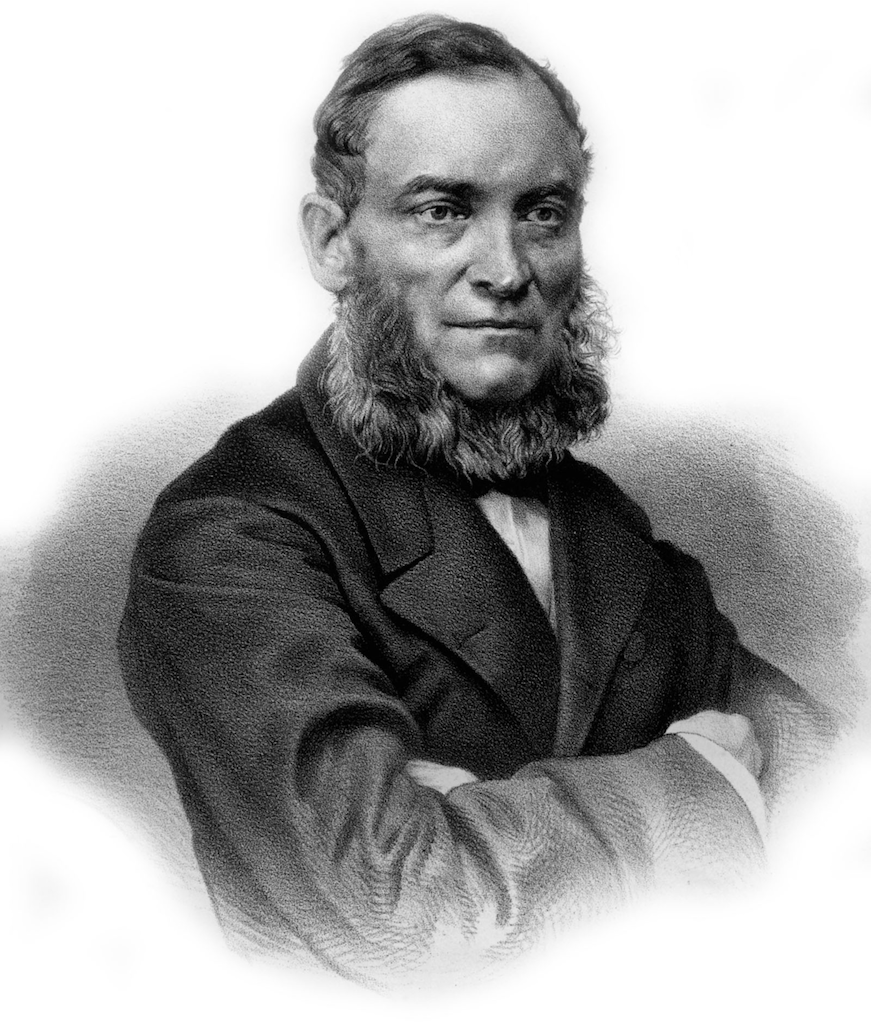
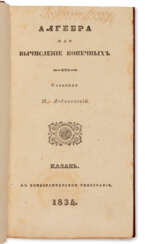
Victor Yakovlevich Bunyakovsky (Russian: Ви́ктор Я́ковлевич Буняко́вский) was a Russian mathematician, teacher, historian of mathematics, vice-president of the Academy of Sciences in 1864-1889. He made a significant contribution to number theory.



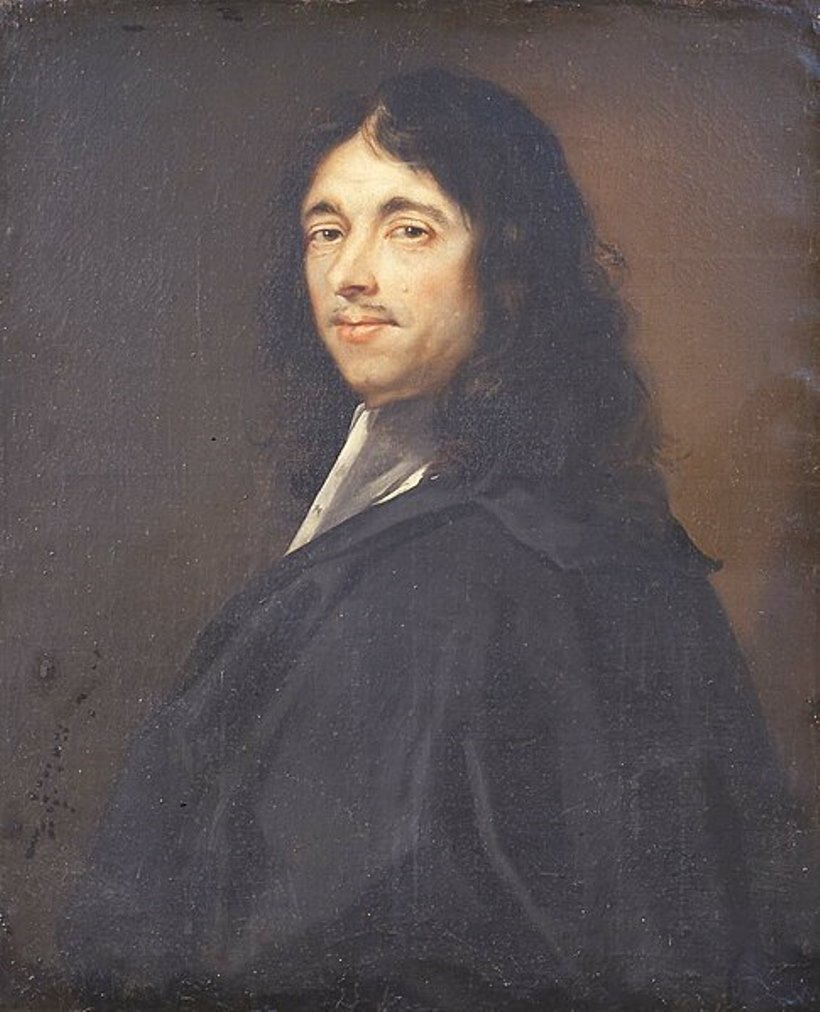



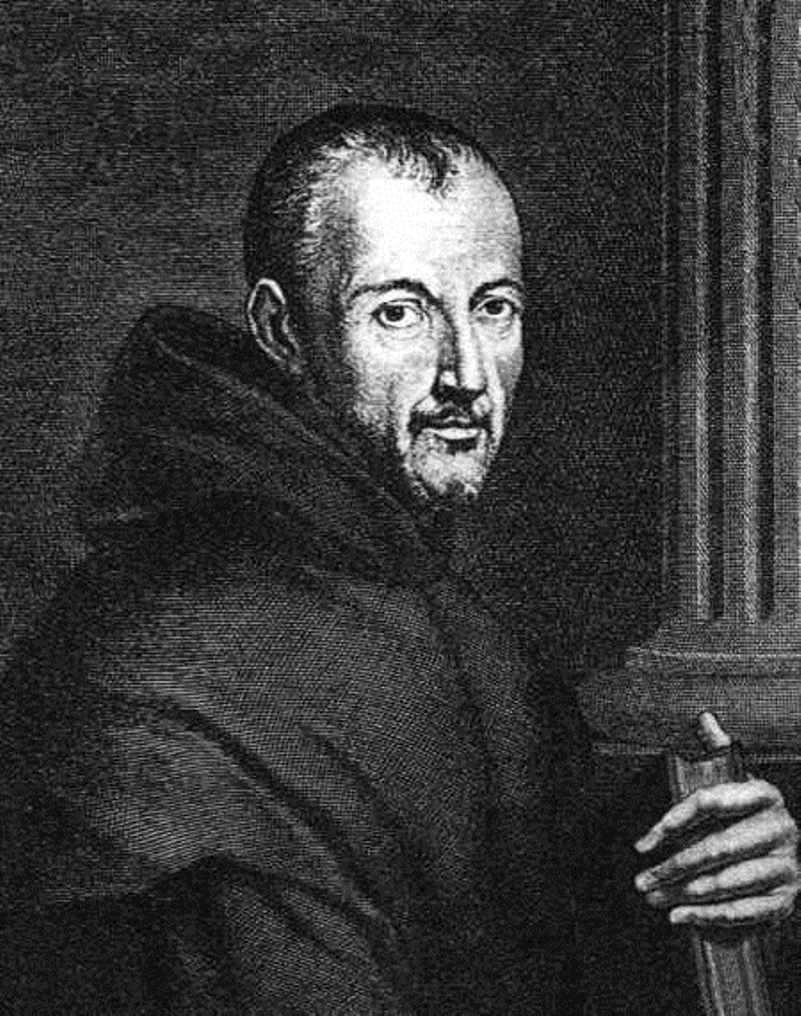
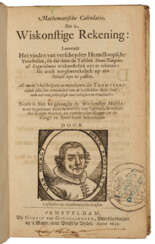
Marin Mersenne (also Marinus Mersennus or le Père Mersenne) was a French mathematician, physicist, philosopher and theologian, and music theorist.
Mersenne was educated at the Jesuit college of La Fleche and went on to study theology in Paris. He also became a member of the Order of the Minims and taught philosophy and theology at Nevers. He developed his ideas about the essence of the world and knowledge, insisting on the importance of experimentation and observation, and contrasted the rational natural world with human reason.
Beginning in 1635, Mersenne founded the Académie Parisienne, the forerunner of the French Academy of Sciences, where France's leading mathematicians and natural philosophers gathered. It provided a forum for the exchange of ideas among scientists and promoted the works of René Descartes and Galileo. The scientist's most famous achievement in mathematics was finding a formula for generating prime numbers, known today as Mersenne's Numbers. In 1644, Mersenne published his studies of Mersenne numbers and their relationship to prime numbers. His work in number theory and arithmetic proved pivotal to the development of mathematics in the seventeenth century.
He corresponded with many other scientists of the era, such as René Descartes, Blaise Pascal, and Pierre Fermat. However, his contributions extend much further, through his role in disseminating the work of the outstanding minds of his time. Mersenne traveled extensively throughout Europe, bringing new scientific ideas to France. He was an important mediator in the exchange of knowledge and contributed to the advancement of science in his era.
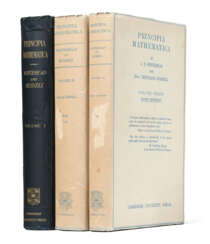



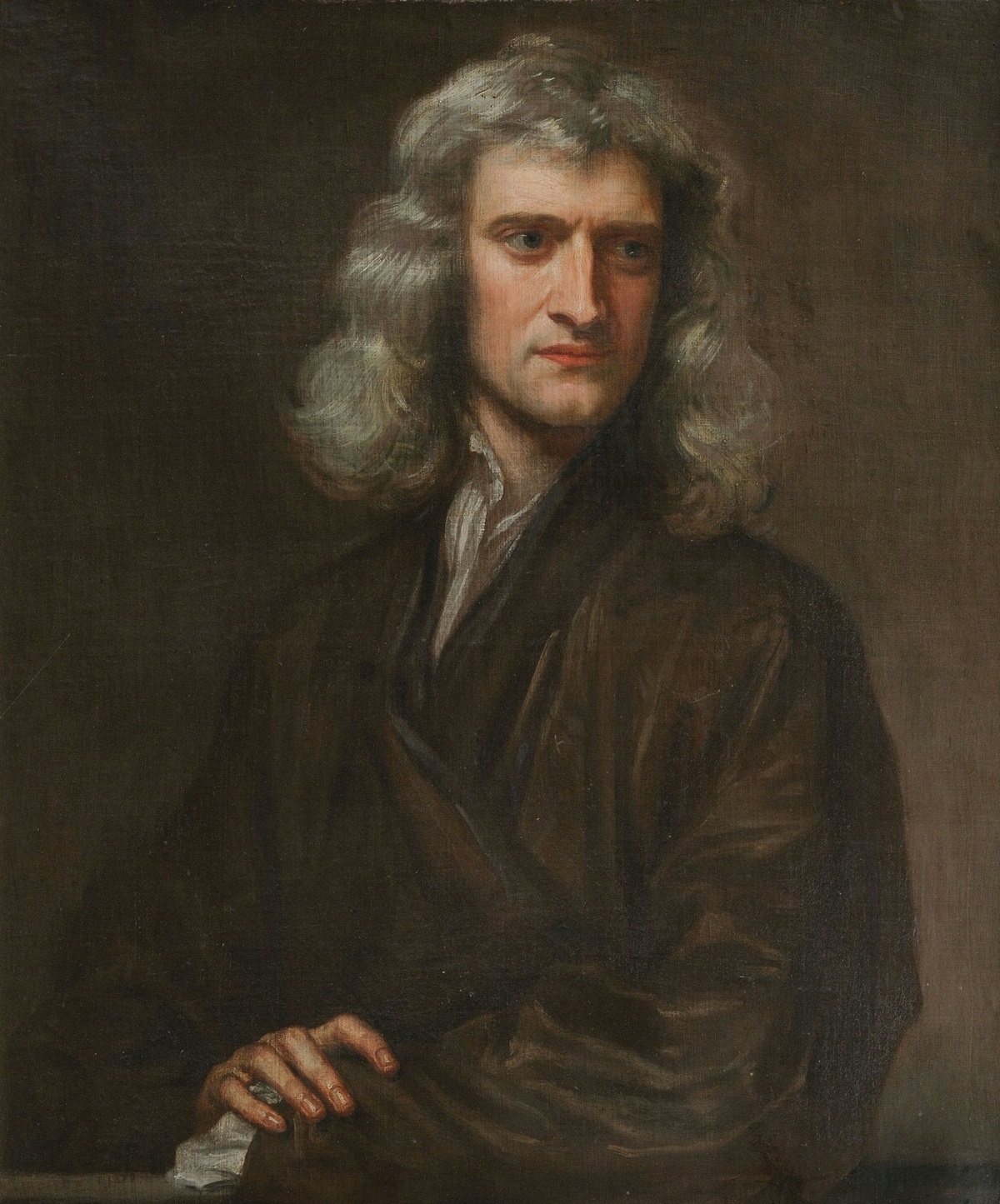
Isaac Newton was an English mathematician, physicist, astronomer, alchemist, theologian, and author (described in his time as a "natural philosopher"), widely recognised as one of the greatest mathematicians and physicists and among the most influential scientists of all time. He was a key figure in the philosophical revolution known as the Enlightenment. His book Philosophiæ Naturalis Principia Mathematica (Mathematical Principles of Natural Philosophy), first published in 1687, established classical mechanics. Newton also made seminal contributions to optics, and shares credit with German mathematician Gottfried Wilhelm Leibniz for developing infinitesimal calculus.
In the Principia, Newton formulated the laws of motion and universal gravitation that formed the dominant scientific viewpoint until it was superseded by the theory of relativity. Newton used his mathematical description of gravity to derive Kepler's laws of planetary motion, account for tides, the trajectories of comets, the precession of the equinoxes and other phenomena, eradicating doubt about the Solar System's heliocentricity. He demonstrated that the motion of objects on Earth and celestial bodies could be accounted for by the same principles. Newton's inference that the Earth is an oblate spheroid was later confirmed by the geodetic measurements of Maupertuis, La Condamine, and others, convincing most European scientists of the superiority of Newtonian mechanics over earlier systems.






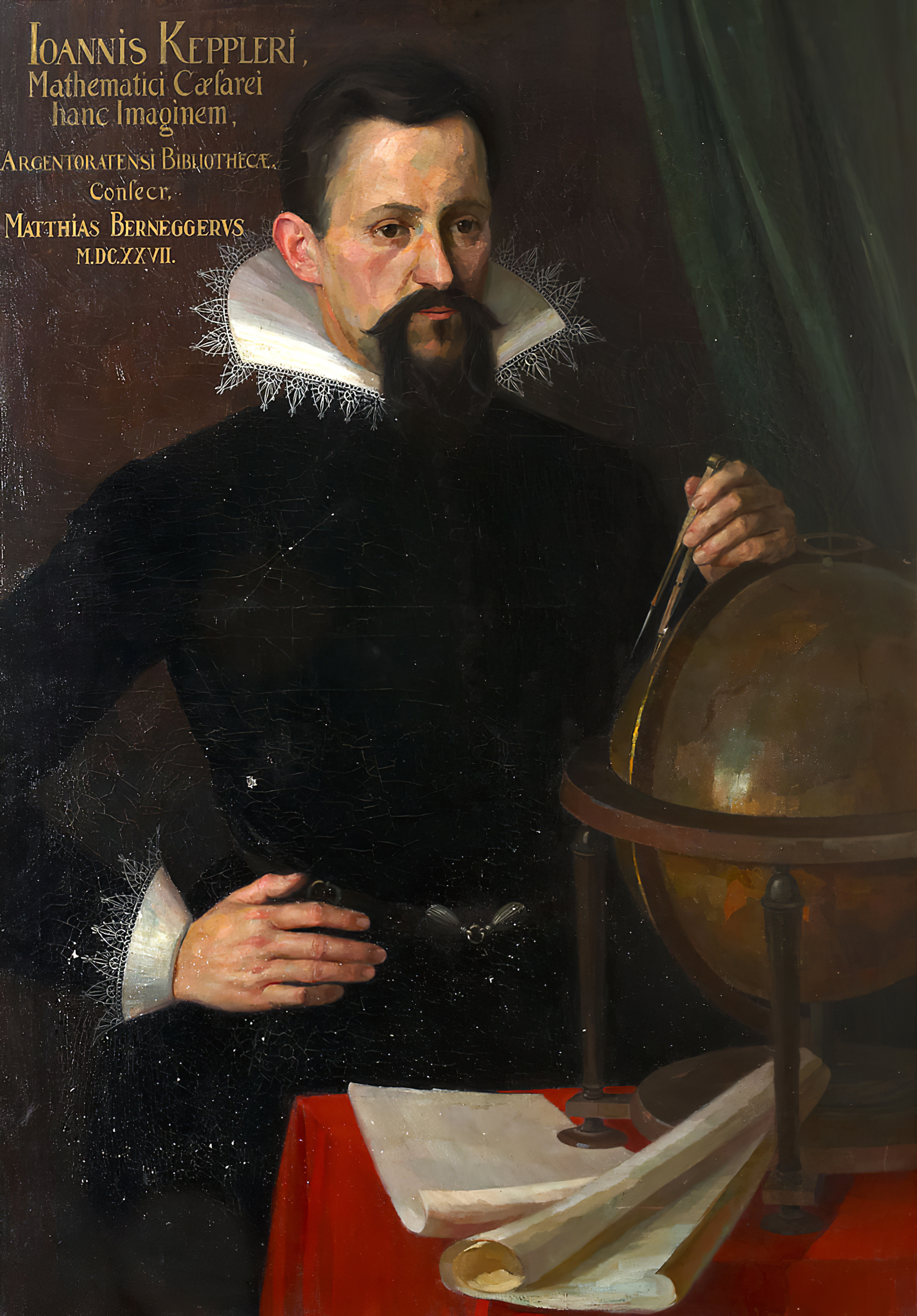
Johannes Kepler was a German mathematician and astronomer who discovered that the Earth and planets move around the Sun in elliptical orbits.
Kepler created the three fundamental laws of planetary motion. He also did seminal work in optics and geometry, calculated the most accurate astronomical tables, and made many inventions and discoveries in physics on which further scientific discoveries by advanced scientists were based.

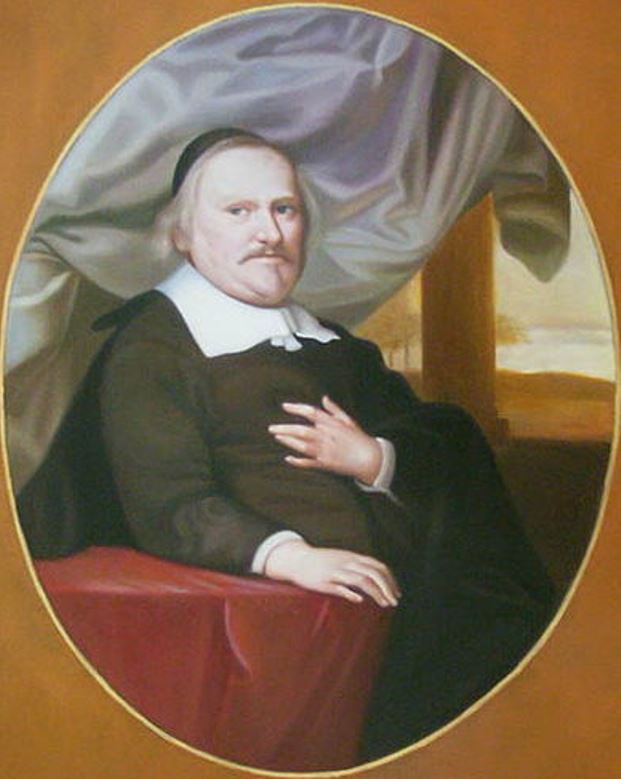
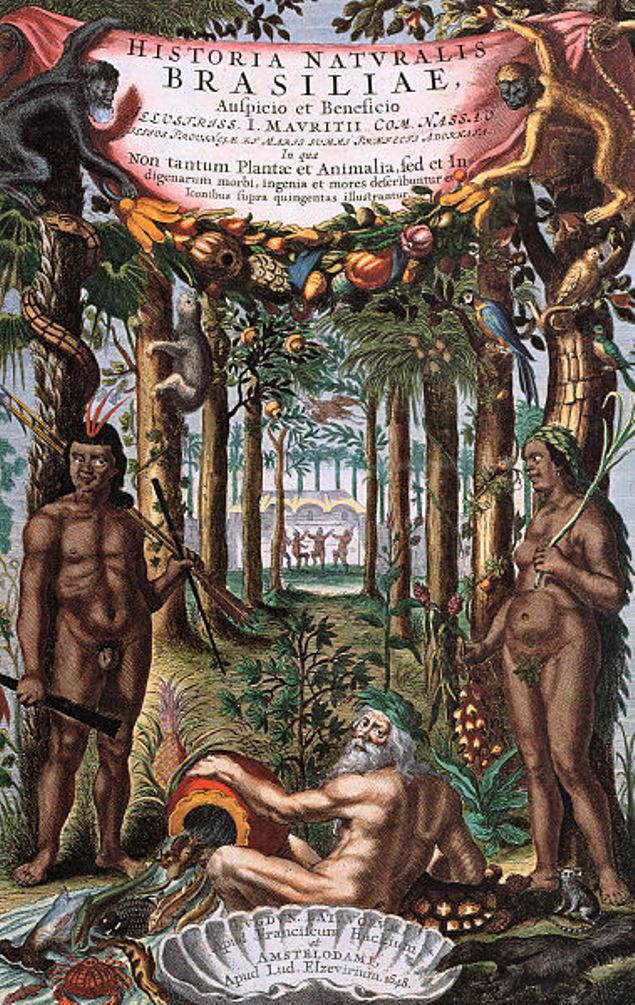
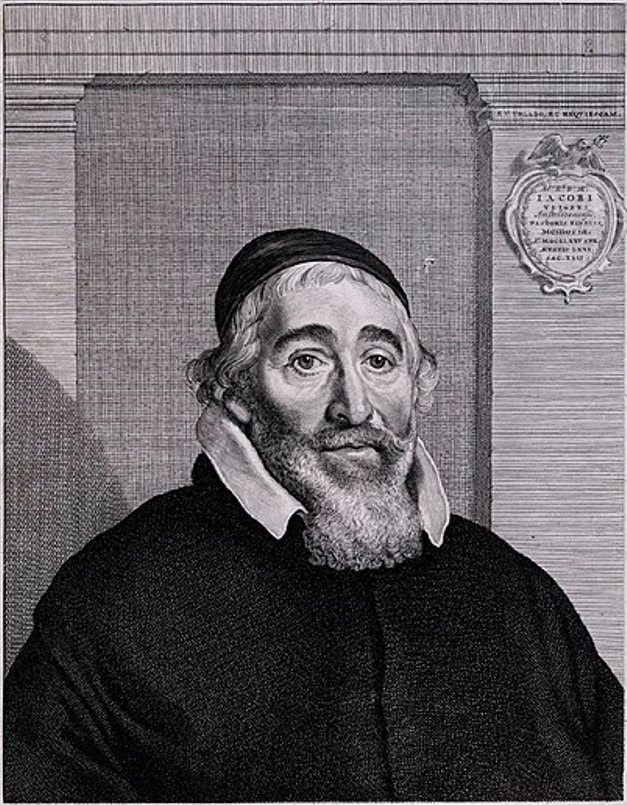


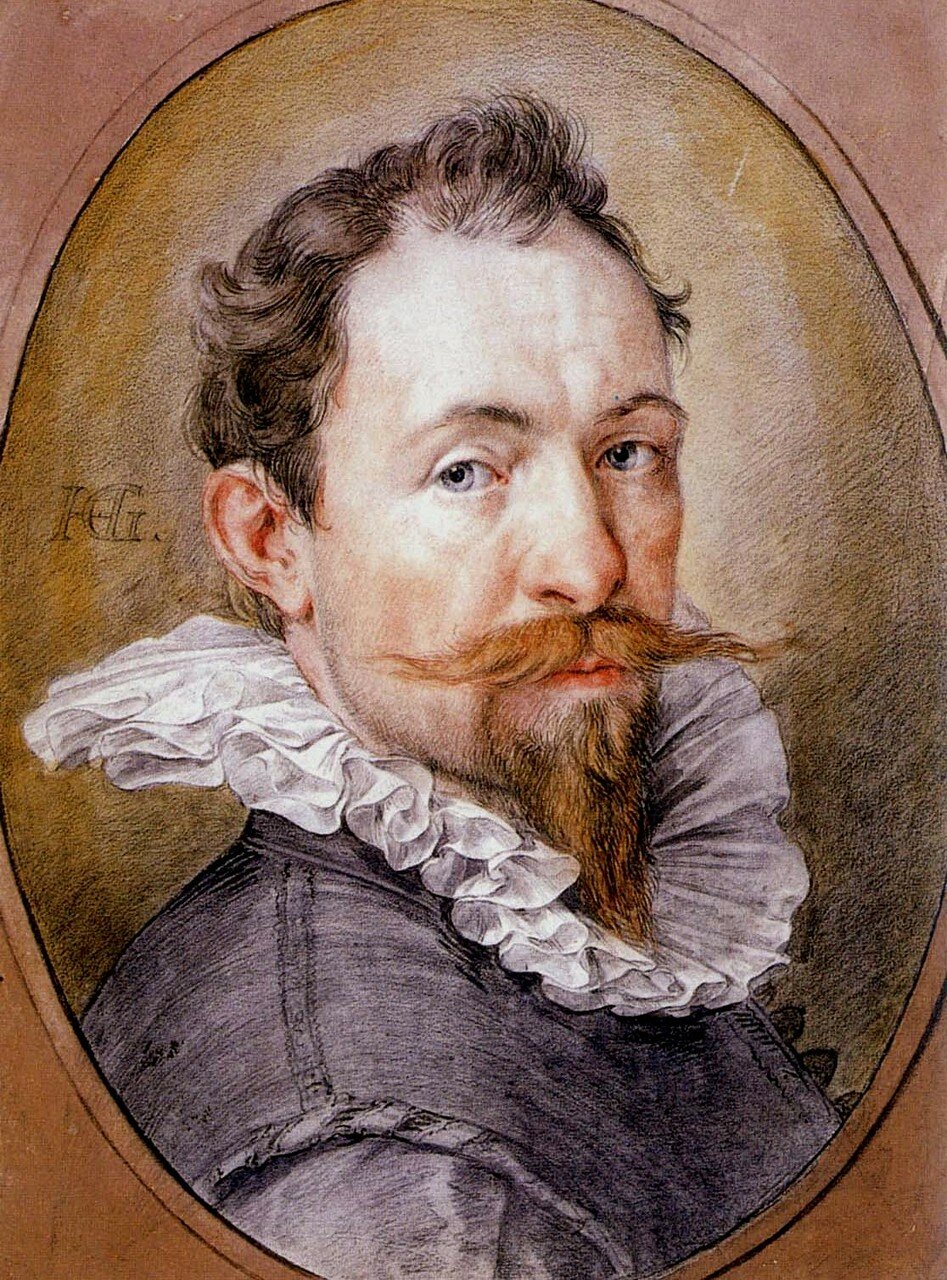
Hendrick Goltzius was a German-born Dutch printmaker, draftsman, and painter. He was the leading Dutch engraver of the early Baroque period, or Northern Mannerism, lauded for his sophisticated technique, technical mastership and "exuberance" of his compositions. According to A. Hyatt Mayor, Goltzius "was the last professional engraver who drew with the authority of a good painter and the last who invented many pictures for others to copy". In the middle of his life he also began to produce paintings.



Isaac Newton was an English mathematician, physicist, astronomer, alchemist, theologian, and author (described in his time as a "natural philosopher"), widely recognised as one of the greatest mathematicians and physicists and among the most influential scientists of all time. He was a key figure in the philosophical revolution known as the Enlightenment. His book Philosophiæ Naturalis Principia Mathematica (Mathematical Principles of Natural Philosophy), first published in 1687, established classical mechanics. Newton also made seminal contributions to optics, and shares credit with German mathematician Gottfried Wilhelm Leibniz for developing infinitesimal calculus.
In the Principia, Newton formulated the laws of motion and universal gravitation that formed the dominant scientific viewpoint until it was superseded by the theory of relativity. Newton used his mathematical description of gravity to derive Kepler's laws of planetary motion, account for tides, the trajectories of comets, the precession of the equinoxes and other phenomena, eradicating doubt about the Solar System's heliocentricity. He demonstrated that the motion of objects on Earth and celestial bodies could be accounted for by the same principles. Newton's inference that the Earth is an oblate spheroid was later confirmed by the geodetic measurements of Maupertuis, La Condamine, and others, convincing most European scientists of the superiority of Newtonian mechanics over earlier systems.


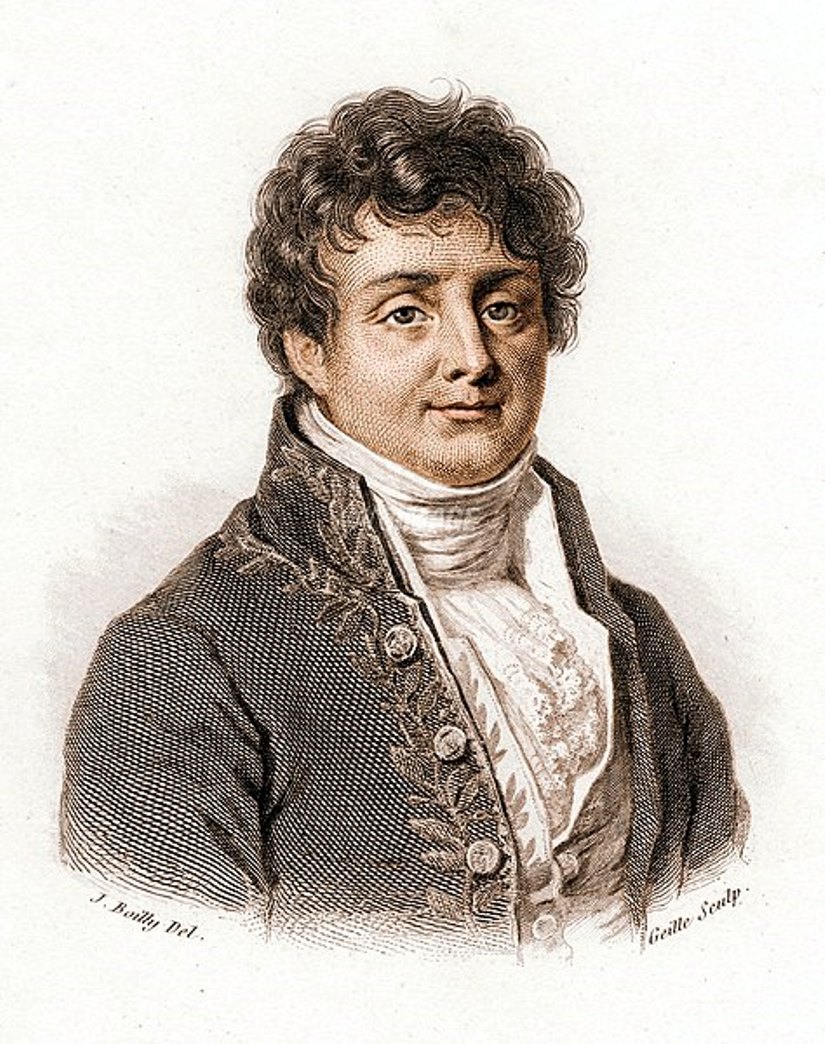
Joseph Fourier, full name Jean-Baptiste Joseph Fourier, was a French mathematician and physicist and historical Egyptologist.
Fourier famously accompanied Napoleon Bonaparte on his Egyptian expedition in 1798 as a scientific advisor and was appointed secretary of the Institute of Egypt. During the occupation of Egypt, Fourier worked in the French administration, supervised archaeological excavations, and worked to shape the educational system.
But the main thing in Fourier's life was science. Back in France, he studied the mathematical theory of heat conduction, established the partial differential equation governing heat diffusion, and solved it using an infinite series of trigonometric functions. Fourier showed that heat diffusion obeyed simple observable physical constants that could be expressed mathematically. His work The Analytic Theory of Heat (1822) had a great influence on the development of physics and pure mathematics.
Joseph Fourier was a member of the Paris Academy of Sciences, the French Academy, a foreign honorary member of the St. Petersburg Academy of Sciences, and a member of the Royal Society of London.



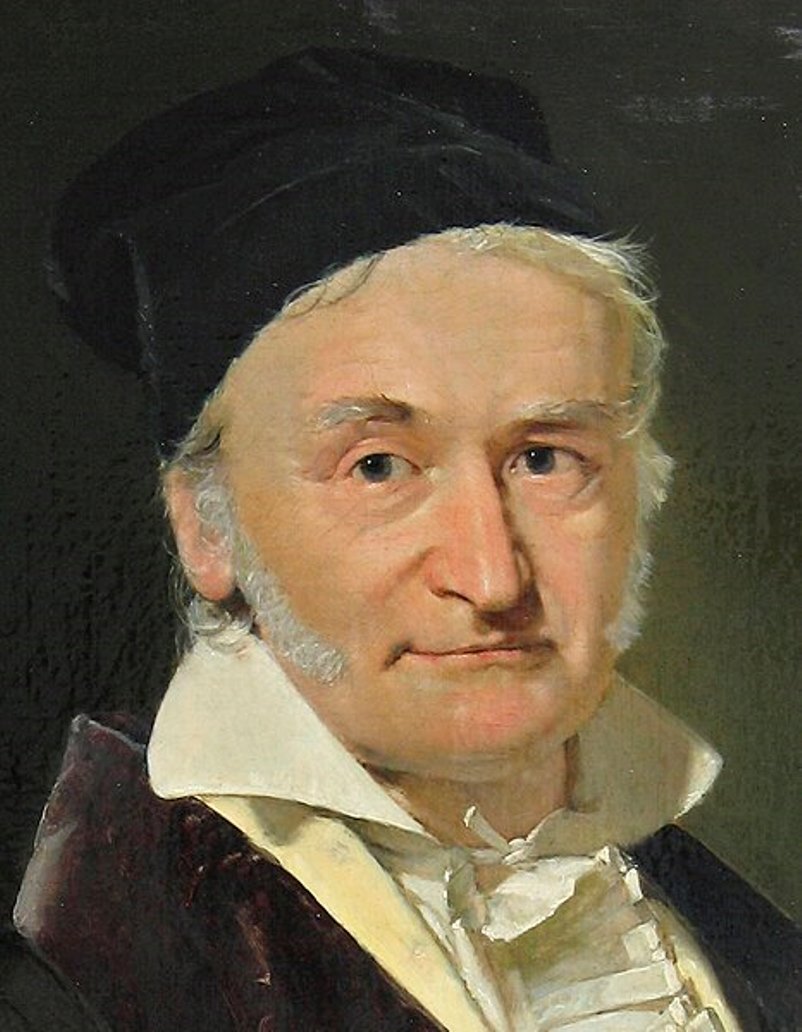



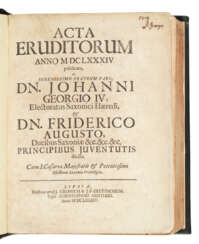

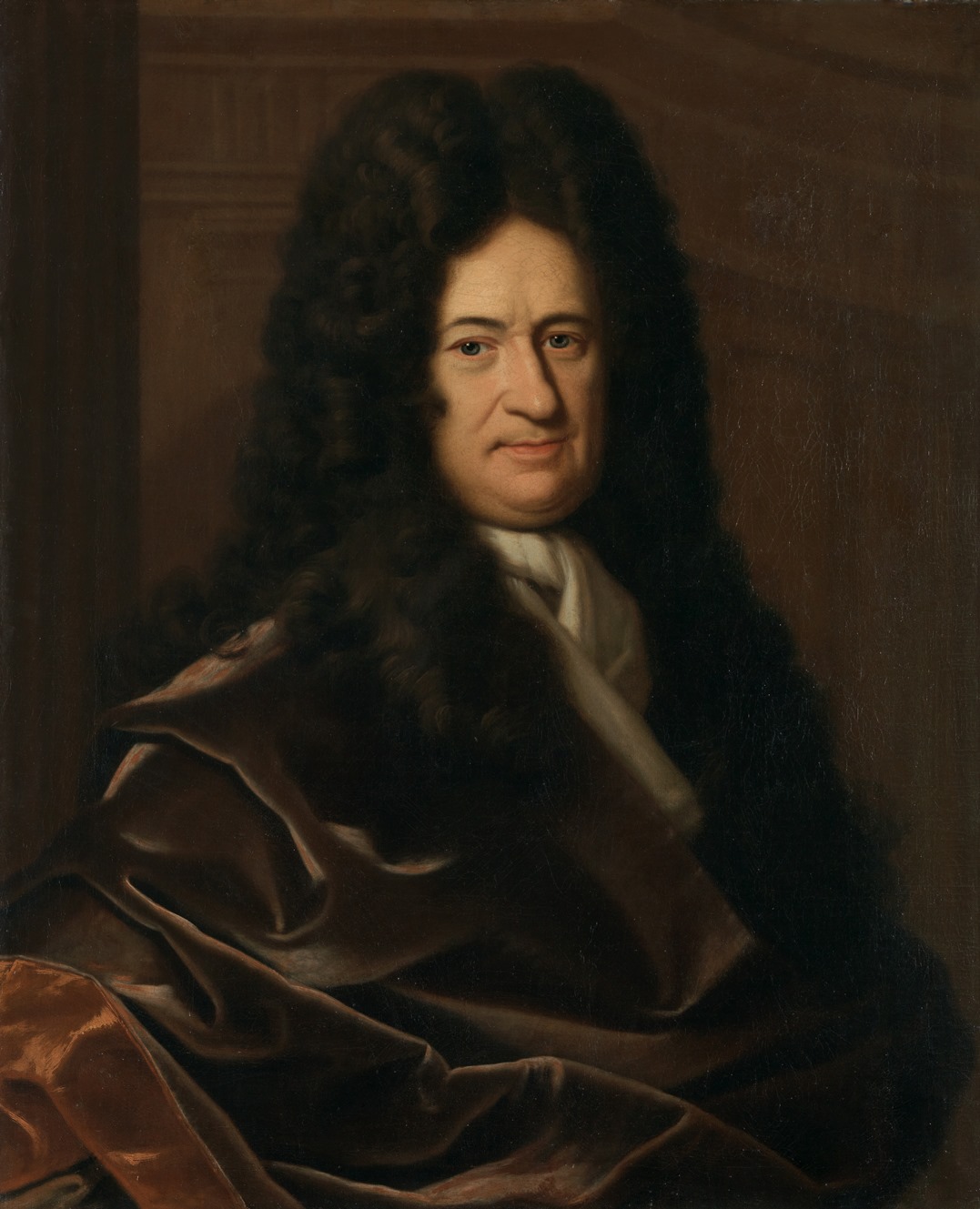
Gottfried Wilhelm Leibniz was a German philosopher and a prominent polymath in many fields of science.
Leibniz was a universal genius; he showed his talents in logic, mathematics, mechanics, physics, law, history, diplomacy, and linguistics, and in each of the disciplines he has serious scientific achievements. As a philosopher, he was a leading exponent of 17th-century rationalism and idealism.
Leibniz was a tireless worker and the greatest scholar of his time. In the fate of Leibniz, among other things, there is one interesting page: in 1697, he accidentally met the Russian Tsar Peter I during his trip to Europe. Their further meetings led to the realization of several grandiose projects in Russia, one of which was the establishment of the Academy of Sciences in St. Petersburg.
Gottfried Wilhelm Leibniz was also the founder and first president of the Berlin Academy of Sciences and a member of the Royal Society of London.
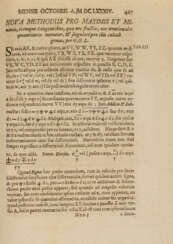

Gottfried Wilhelm Leibniz was a German philosopher and a prominent polymath in many fields of science.
Leibniz was a universal genius; he showed his talents in logic, mathematics, mechanics, physics, law, history, diplomacy, and linguistics, and in each of the disciplines he has serious scientific achievements. As a philosopher, he was a leading exponent of 17th-century rationalism and idealism.
Leibniz was a tireless worker and the greatest scholar of his time. In the fate of Leibniz, among other things, there is one interesting page: in 1697, he accidentally met the Russian Tsar Peter I during his trip to Europe. Their further meetings led to the realization of several grandiose projects in Russia, one of which was the establishment of the Academy of Sciences in St. Petersburg.
Gottfried Wilhelm Leibniz was also the founder and first president of the Berlin Academy of Sciences and a member of the Royal Society of London.



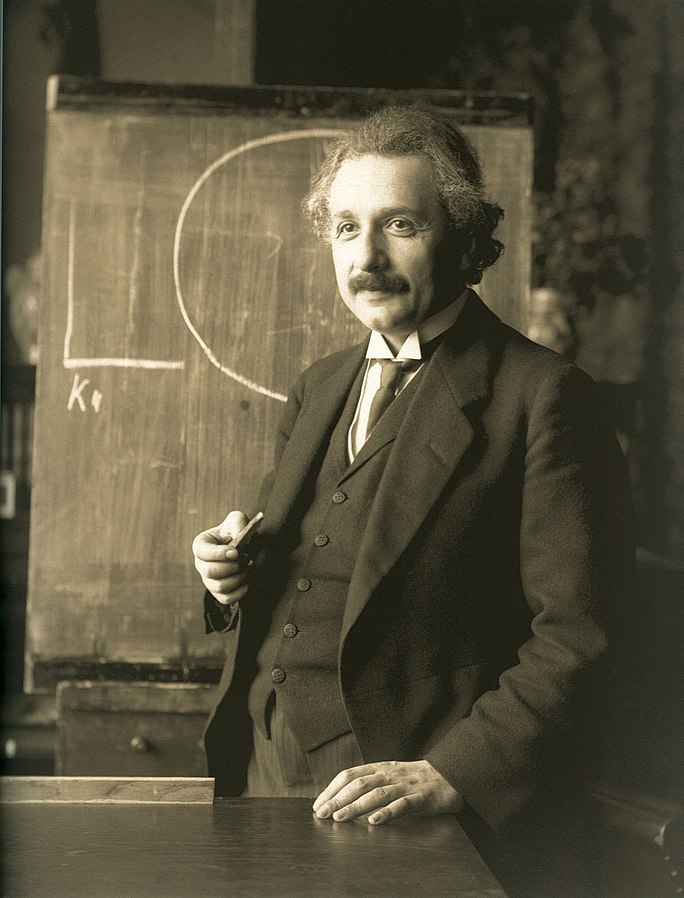
Albert Einstein was a German-born theoretical physicist, widely acknowledged to be one of the greatest and most influential physicists of all time. Einstein is best known for developing the theory of relativity, but he also made important contributions to the development of the theory of quantum mechanics. Relativity and quantum mechanics are together the two pillars of modern physics. His mass–energy equivalence formula E = mc2, which arises from relativity theory, has been dubbed "the world's most famous equation". His work is also known for its influence on the philosophy of science. He received the 1921 Nobel Prize in Physics "for his services to theoretical physics, and especially for his discovery of the law of the photoelectric effect", a pivotal step in the development of quantum theory. His intellectual achievements and originality resulted in "Einstein" becoming synonymous with "genius".



Isaac Newton was an English mathematician, physicist, astronomer, alchemist, theologian, and author (described in his time as a "natural philosopher"), widely recognised as one of the greatest mathematicians and physicists and among the most influential scientists of all time. He was a key figure in the philosophical revolution known as the Enlightenment. His book Philosophiæ Naturalis Principia Mathematica (Mathematical Principles of Natural Philosophy), first published in 1687, established classical mechanics. Newton also made seminal contributions to optics, and shares credit with German mathematician Gottfried Wilhelm Leibniz for developing infinitesimal calculus.
In the Principia, Newton formulated the laws of motion and universal gravitation that formed the dominant scientific viewpoint until it was superseded by the theory of relativity. Newton used his mathematical description of gravity to derive Kepler's laws of planetary motion, account for tides, the trajectories of comets, the precession of the equinoxes and other phenomena, eradicating doubt about the Solar System's heliocentricity. He demonstrated that the motion of objects on Earth and celestial bodies could be accounted for by the same principles. Newton's inference that the Earth is an oblate spheroid was later confirmed by the geodetic measurements of Maupertuis, La Condamine, and others, convincing most European scientists of the superiority of Newtonian mechanics over earlier systems.

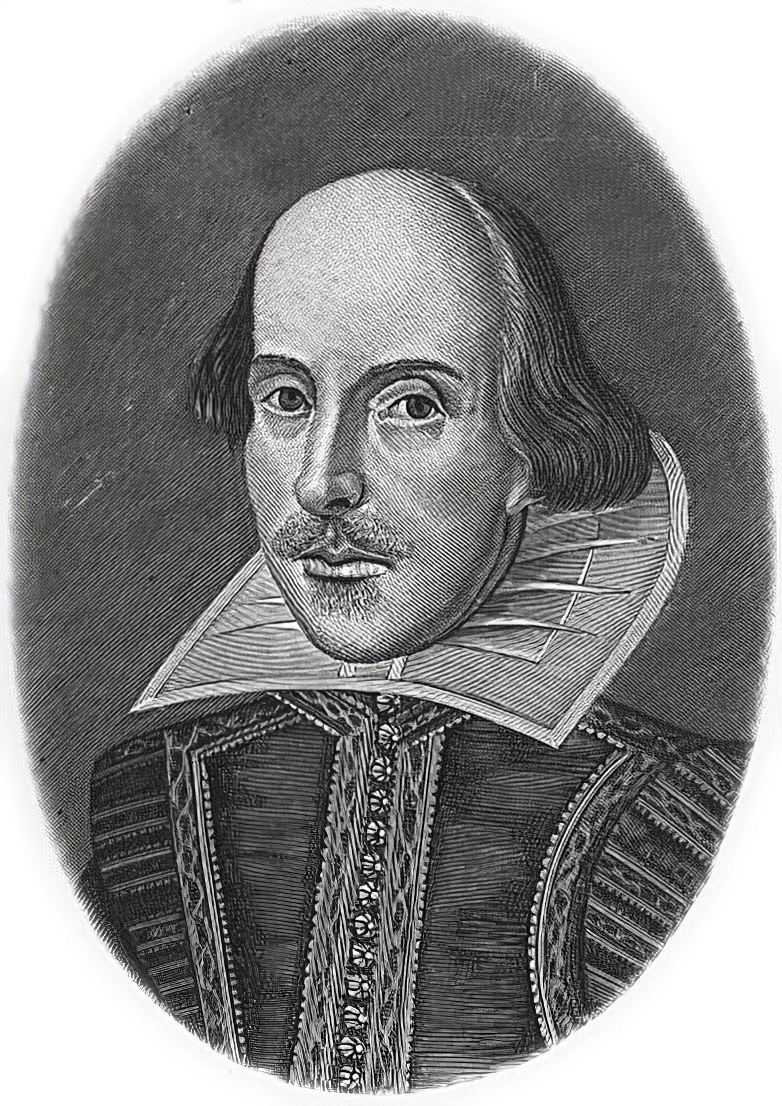
William Shakespeare was a British poet and playwright and writer.
William's father, John Shakespeare, was a merchant and official in Stratford. There are reports that he was a sailor for a time before joining a theater company in London. Beginning in the 1590s, Shakespeare began writing plays, and in 1593 he published a poem, Venus and Adonis, which became popular. He dedicated it to the Duke of Southampton, who was a philanthropist and patron of talent, and soon his business was booming.
From 1592 to 1600 Shakespeare wrote his dramas and romantic comedies "Richard III", "The Taming of the Shrew", "Romeo and Juliet", "A Midsummer Night's Dream" and "The Merchant of Venice", as well as the comedies "Much Ado About Nothing", "Twelfth Night" and the tragedy "Julius Caesar". The playwright's business was so successful that he even bought a large house in Stratford. In 1599, Shakespeare became one of the owners, playwright and actor of the new theater "Globe". In 1603 King James took Shakespeare's troupe under his direct patronage. In the mature period, the great playwright turned to tragedies, there were "Hamlet", "Othello", "King Lear", "Macbeth" and others.
Although in the 19th century researchers had some doubts about the authorship of many of these works, William Shakespeare is considered the greatest English playwright, one of the best playwrights in the world. His plays have been translated into all major languages and to this day form the basis of the world theatrical repertoire, most of them have been screened many times. According to the Guinness Book of Records, Shakespeare remains the world's best-selling playwright, and his plays and poems have sold more than 4 billion copies in the nearly 400 years since his death.


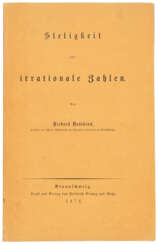
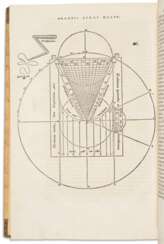
![Kurzer Grundriss eines Versuchs I. Die Arithmetik […] II. In der Geometrie](/assets/image/picture_3695444/280c1/eadbg48uqsbtyju1n4lvfepuz3tr1owekdzuohdxgbdeouha0gibqo77ffhjfjr11704446084jpg__fix_374_244.jpeg)
![Kurzer Grundriss eines Versuchs I. Die Arithmetik […] II. In der Geometrie](https://veryimportantlot.com/assets/image/picture_3695444/280c1/eadbg48uqsbtyju1n4lvfepuz3tr1owekdzuohdxgbdeouha0gibqo77ffhjfjr11704446084jpg__fix_374_244.jpeg)
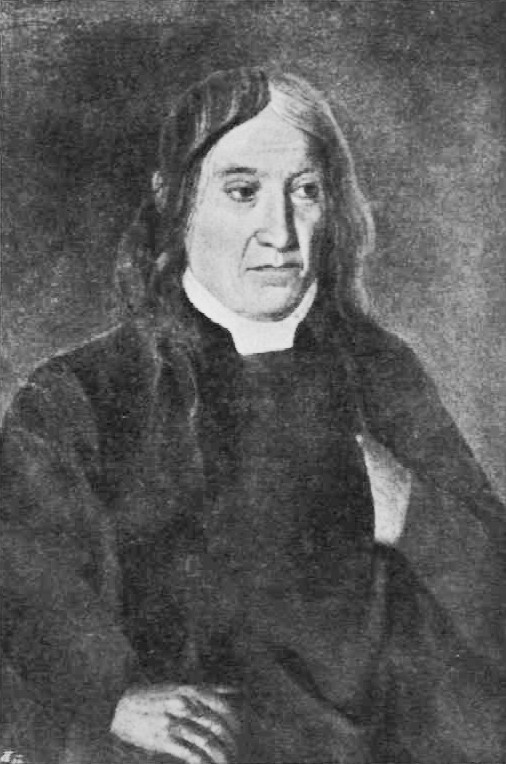
Farkas Bolyai, also known as Wolfgang Bolyai in Germany, was a Hungarian mathematician, mainly known for his work in geometry.