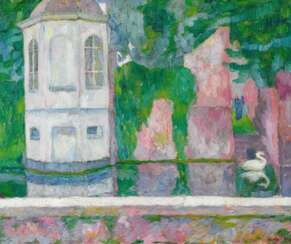
französischer impressionismus


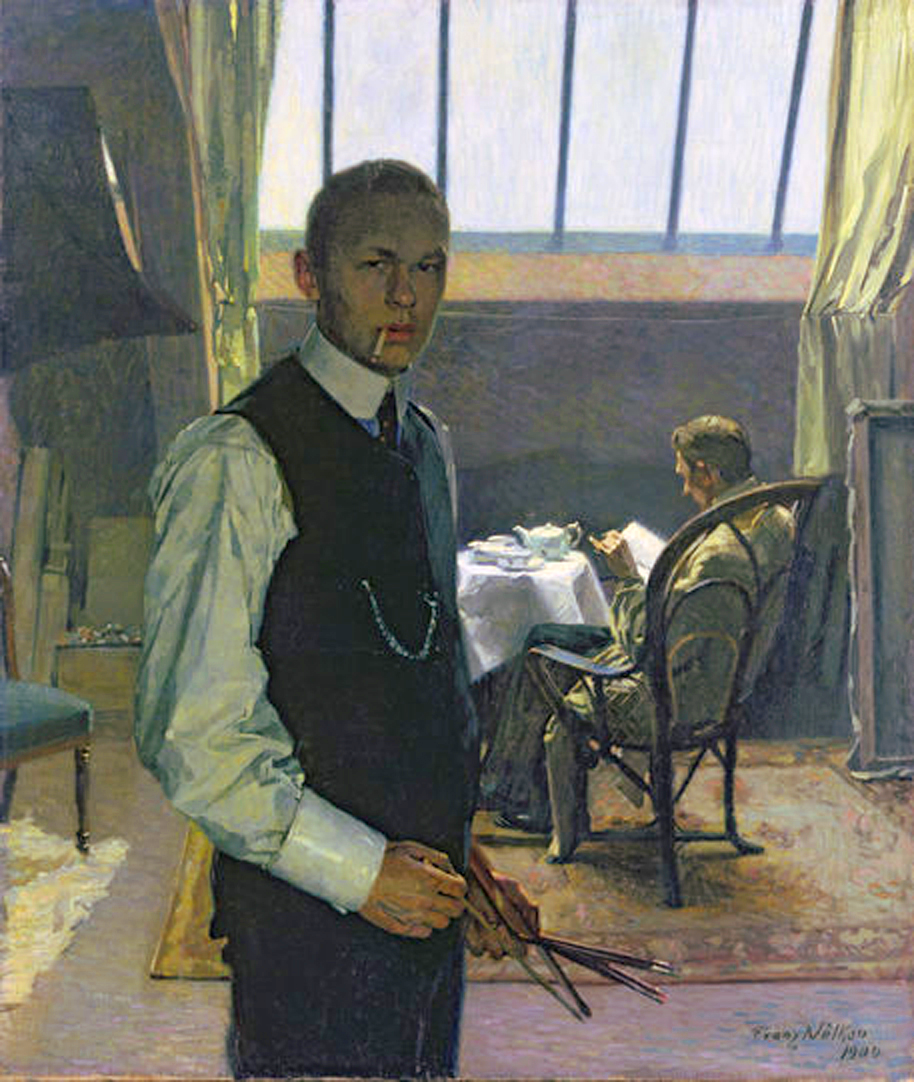
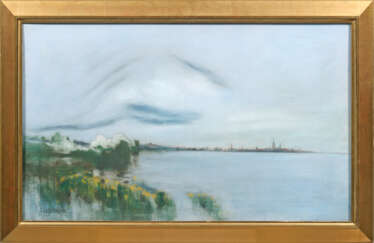
Franz Nölken was a German painter of the early twentieth century. He is known as a painter and a member of the Bridge art group, which became the founder of German Expressionism.
Franz Nölken, mastering a variety of techniques including oil, pastel and watercolor, excelled in portrait painting, as well as creating landscapes and still lifes. His work is characterized by virtuoso drawing and a desire to simplify his pictorial media. Conscripted during World War I, Nölken died in northern France just before the end of the war. He left an important mark on the history of Expressionism.
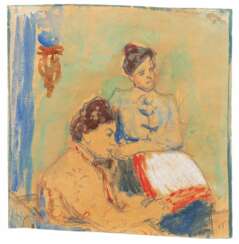

Franz Nölken was a German painter of the early twentieth century. He is known as a painter and a member of the Bridge art group, which became the founder of German Expressionism.
Franz Nölken, mastering a variety of techniques including oil, pastel and watercolor, excelled in portrait painting, as well as creating landscapes and still lifes. His work is characterized by virtuoso drawing and a desire to simplify his pictorial media. Conscripted during World War I, Nölken died in northern France just before the end of the war. He left an important mark on the history of Expressionism.
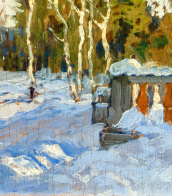
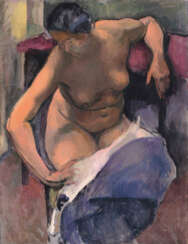

Franz Nölken was a German painter of the early twentieth century. He is known as a painter and a member of the Bridge art group, which became the founder of German Expressionism.
Franz Nölken, mastering a variety of techniques including oil, pastel and watercolor, excelled in portrait painting, as well as creating landscapes and still lifes. His work is characterized by virtuoso drawing and a desire to simplify his pictorial media. Conscripted during World War I, Nölken died in northern France just before the end of the war. He left an important mark on the history of Expressionism.


Franz Nölken was a German painter of the early twentieth century. He is known as a painter and a member of the Bridge art group, which became the founder of German Expressionism.
Franz Nölken, mastering a variety of techniques including oil, pastel and watercolor, excelled in portrait painting, as well as creating landscapes and still lifes. His work is characterized by virtuoso drawing and a desire to simplify his pictorial media. Conscripted during World War I, Nölken died in northern France just before the end of the war. He left an important mark on the history of Expressionism.
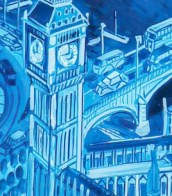


Franz Nölken was a German painter of the early twentieth century. He is known as a painter and a member of the Bridge art group, which became the founder of German Expressionism.
Franz Nölken, mastering a variety of techniques including oil, pastel and watercolor, excelled in portrait painting, as well as creating landscapes and still lifes. His work is characterized by virtuoso drawing and a desire to simplify his pictorial media. Conscripted during World War I, Nölken died in northern France just before the end of the war. He left an important mark on the history of Expressionism.
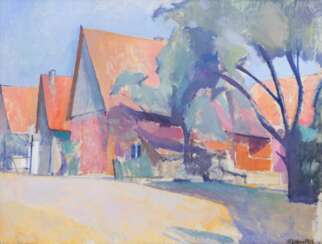

Franz Nölken was a German painter of the early twentieth century. He is known as a painter and a member of the Bridge art group, which became the founder of German Expressionism.
Franz Nölken, mastering a variety of techniques including oil, pastel and watercolor, excelled in portrait painting, as well as creating landscapes and still lifes. His work is characterized by virtuoso drawing and a desire to simplify his pictorial media. Conscripted during World War I, Nölken died in northern France just before the end of the war. He left an important mark on the history of Expressionism.
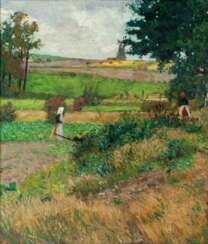

Franz Nölken was a German painter of the early twentieth century. He is known as a painter and a member of the Bridge art group, which became the founder of German Expressionism.
Franz Nölken, mastering a variety of techniques including oil, pastel and watercolor, excelled in portrait painting, as well as creating landscapes and still lifes. His work is characterized by virtuoso drawing and a desire to simplify his pictorial media. Conscripted during World War I, Nölken died in northern France just before the end of the war. He left an important mark on the history of Expressionism.






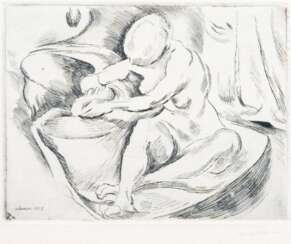

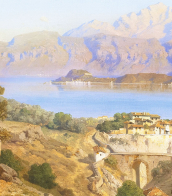
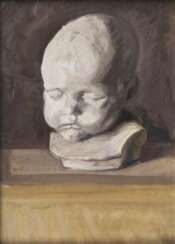

Franz Nölken was a German painter of the early twentieth century. He is known as a painter and a member of the Bridge art group, which became the founder of German Expressionism.
Franz Nölken, mastering a variety of techniques including oil, pastel and watercolor, excelled in portrait painting, as well as creating landscapes and still lifes. His work is characterized by virtuoso drawing and a desire to simplify his pictorial media. Conscripted during World War I, Nölken died in northern France just before the end of the war. He left an important mark on the history of Expressionism.





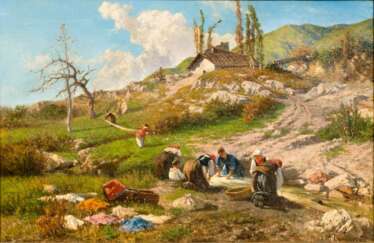

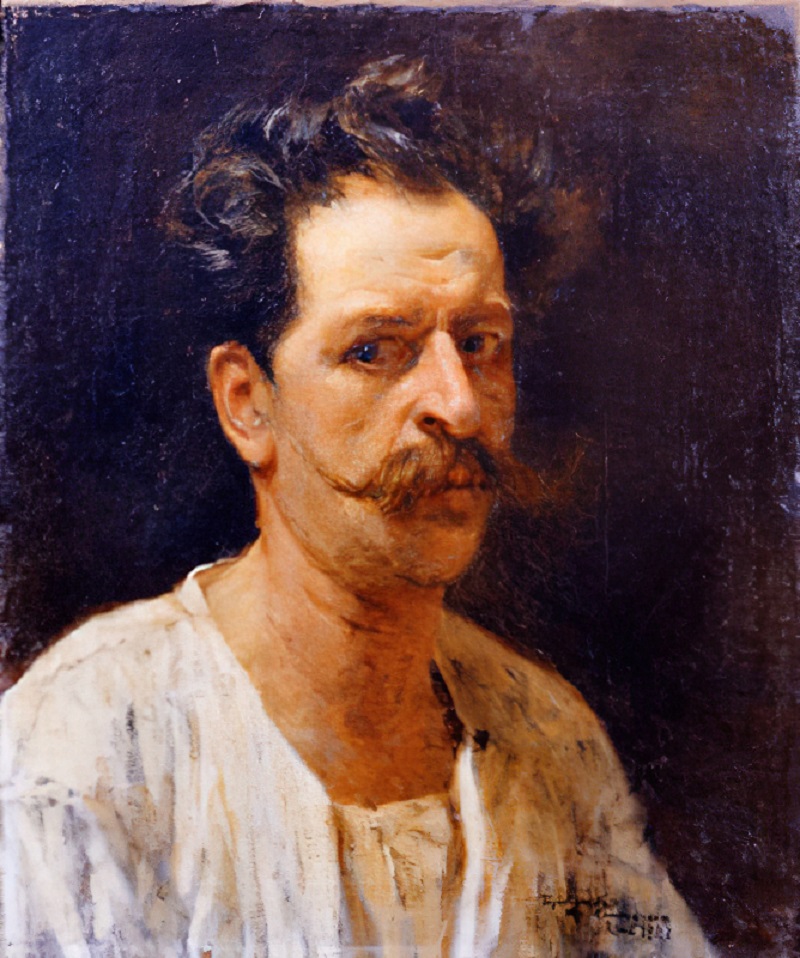
Michele Cammarano was an Italian realist painter. He is the author of numerous paintings in the battle genre. He studied painting at the Academy of Fine Arts in Naples.
In March 1870, during a trip to Paris, the artist met Gustave Courbet, whose work was close to his own views on art.





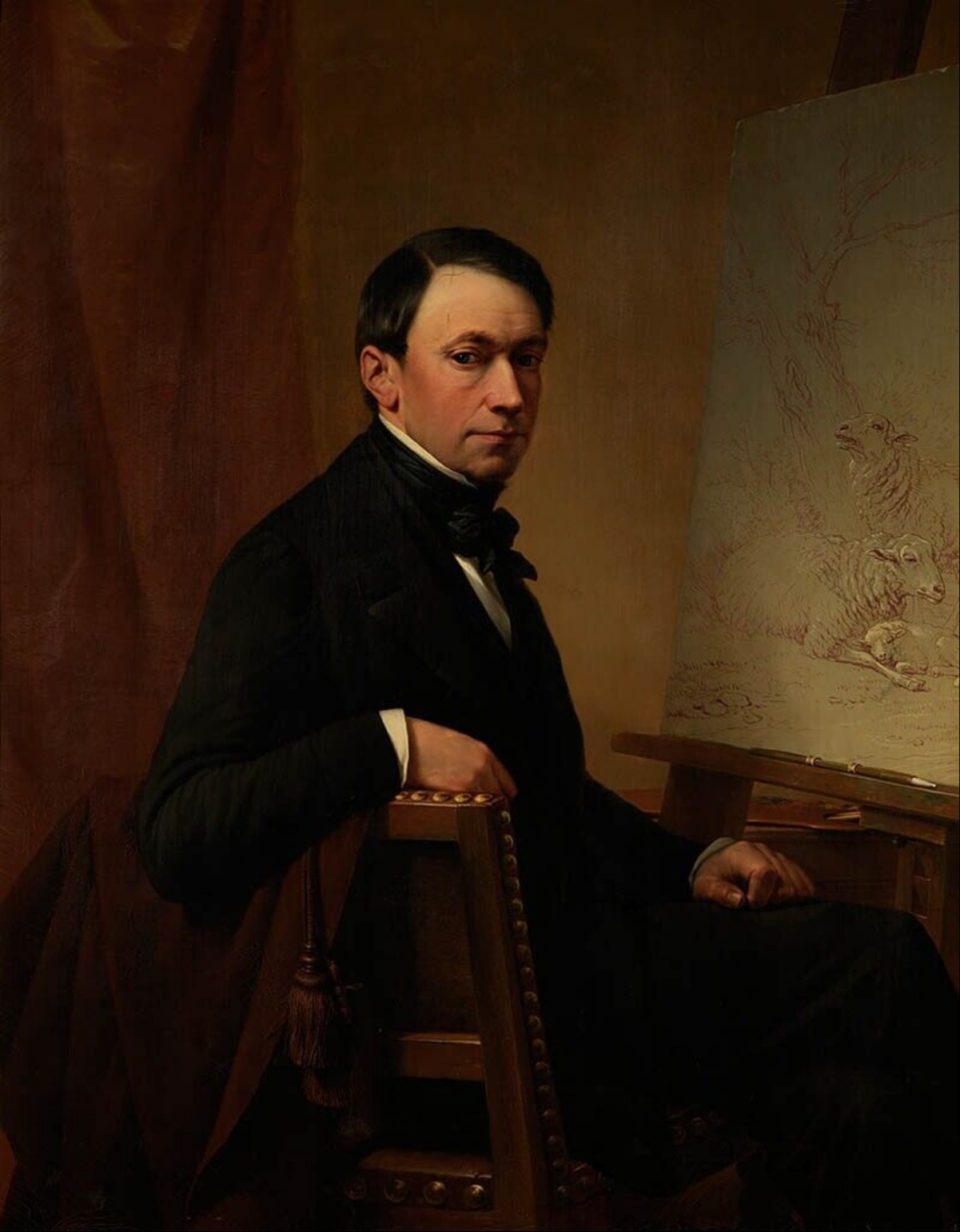
Eugène Joseph Verboeckhoven a Belgian painter, was born at Warneton in West Flanders. He was a painter, a sculptor, an etcher, an engraver, and a lithographer of animals, animated landscapes, and portraits.

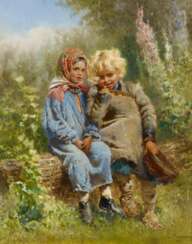

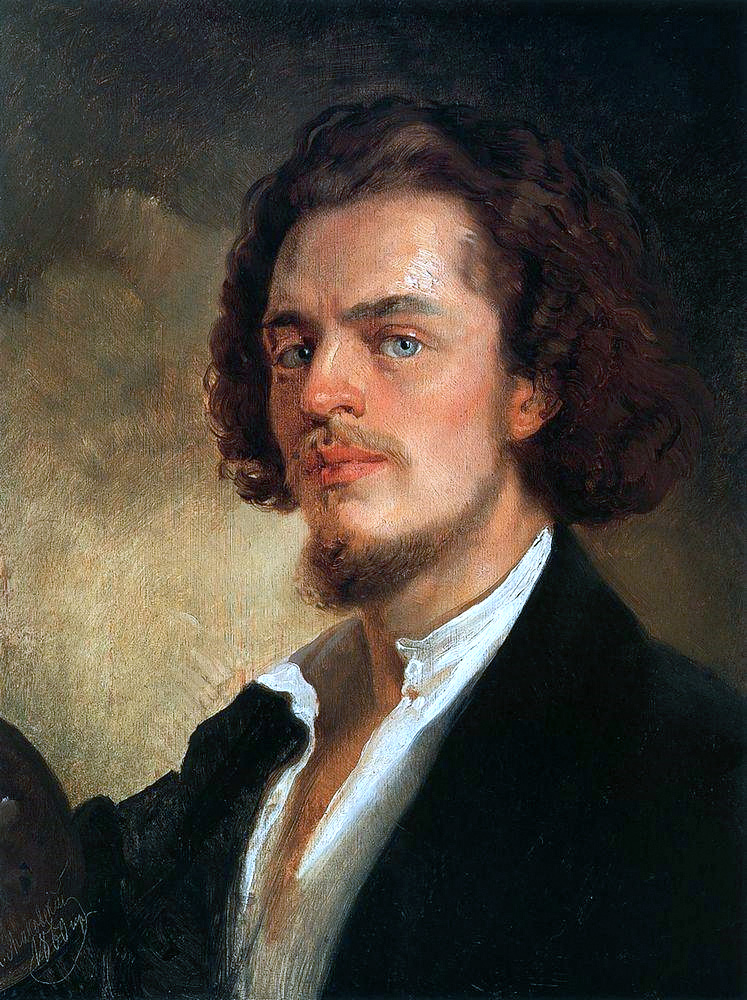
Konstantin Yegorovich Makovsky (Russian: Константин Егорович Маковский) was a renowned Russian painter, celebrated for his romantic and historical paintings that often portrayed an idealized view of Russian life in previous centuries. Born in Moscow in 1839, Makovsky became a pivotal figure in Russian art, distinguishing himself early on at the Moscow School of Painting, Sculpture and Architecture and later at the Imperial Academy of Arts in Saint Petersburg.
Makovsky was a core member of the "Peredvizhniki" or Wanderers, a group advocating for realism and social critique through art. His commitment to depicting the everyday life of old Russia won him accolades, including the Large Gold Medal at the World's Fair in Paris in 1889. Some of his notable works include "The Russian Bride's Attire" and "The Boyar Wedding Feast," which reflect his mastery in capturing the lavish and picturesque aspects of Russian history and culture.
Tragically, Makovsky's life ended in a road accident in Saint Petersburg in 1915, but his legacy lives on through his profound impact on Russian art and culture. His works continue to be highly regarded and are featured in major museums and collections worldwide.
For those interested in exploring Konstantin Makovsky's work further or acquiring pieces related to his artistic legacy, stay updated with our newsletters for announcements on sales and auction events. Sign up to not miss out on the opportunity to own a piece of Russian art history.


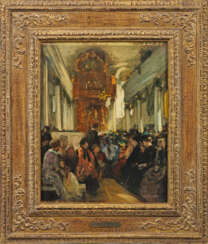

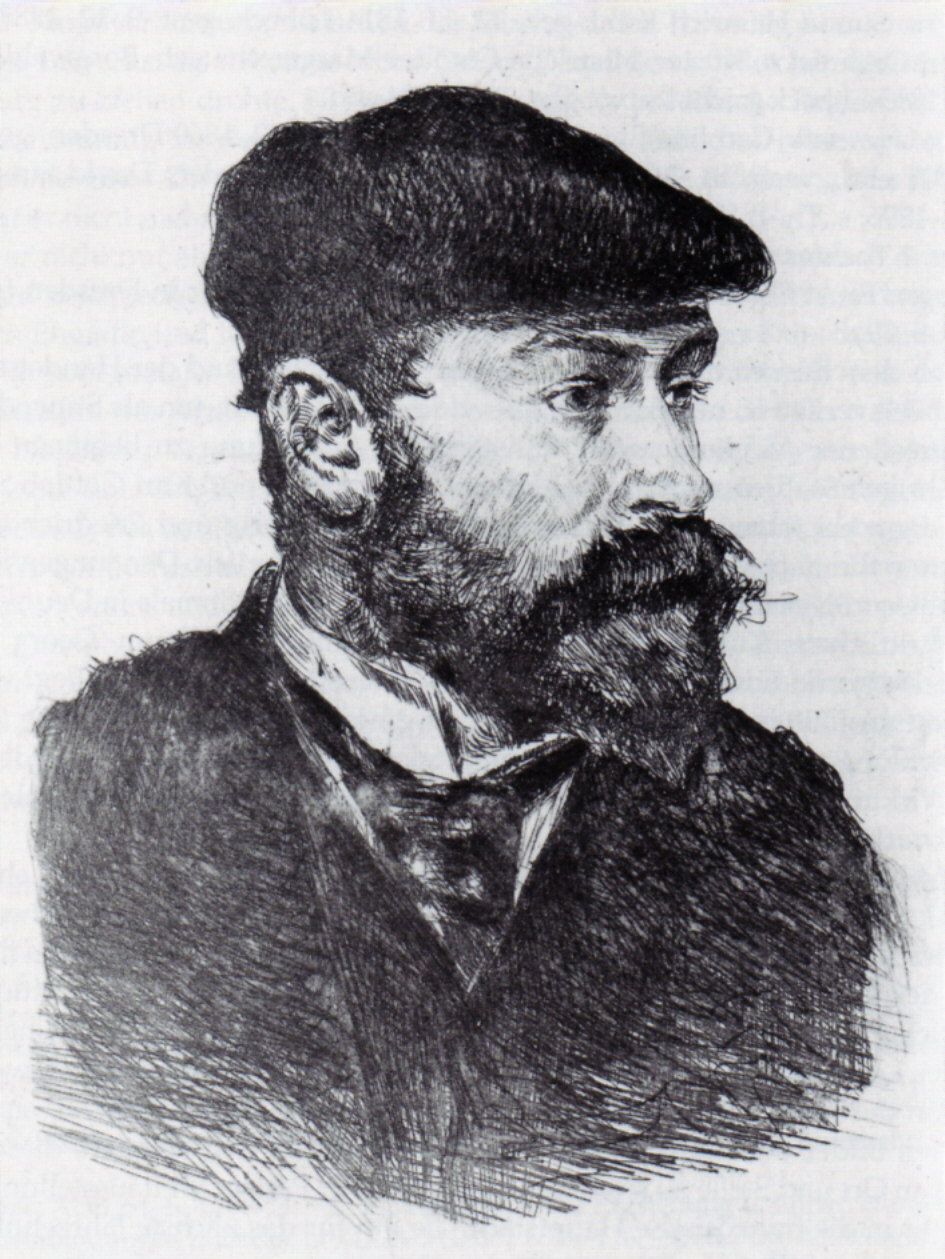
Gotthardt Kuehl was a German painter of the late nineteenth and early twentieth centuries. He is known as an impressionist painter and teacher.
Gotthardt Kuehl studied painting at the Dresden and Munich Art Academies, as well as in Paris, where he lived for two years, and on study trips to Italy and the Netherlands. He created cityscapes, architectural sketches and paintings with social themes, gaining recognition in the early stages of his work.
Kuehl participated in the founding of several artists' associations, including the Elbians, and was a member of the Berlin Secession. He continued to create and teach actively until his death.