

front rouge





.jfif)
Joseph Fernand Henri Léger was a French artist renowned for his innovative approach to Cubism and his transition towards a figurative, populist style. Born in Argentan, Orne, Lower Normandy, Léger's early career was marked by a stint as an architectural draftsman and a series of educational pursuits that eventually led him to Paris, where he embraced painting seriously. His artistic journey was significantly influenced by the bold abstractions of Cubism, characterized by geometric shapes and a vibrant palette, distinguishing his work from his contemporaries with what came to be known as "Tubism".
Léger's service in World War I profoundly impacted his artistic direction, leading him to adopt a 'mechanical' style that depicted the modern industrial world with sleek, tubular forms. This period saw creations like "Soldier with a Pipe" and "The Card Players," reflecting his war experiences and the mechanical aesthetics of the time. The post-war era encouraged Léger to explore the mechanical style further, evident in works like "The Bargeman" and "Mechanical Elements," highlighting the pace of technological advancement.
Throughout his career, Léger's work evolved, notably in the 1920s, where he aligned with Purist ideas, blending classicism with modernity. This phase is exemplified in "Woman with a Cat," showcasing a classical form with a modern, polished finish. By the 1930s, Léger's art took a more figurative, populist turn, aiming to democratize contemporary art and make it more accessible. His commitment to art education, especially for the common worker, underscored his belief in the social role of art.
For those intrigued by Joseph Fernand Henri Léger's groundbreaking contributions to modern art, his works can be found in prestigious museums worldwide. His legacy continues to inspire art collectors and enthusiasts alike. To stay updated on exhibitions and auction events featuring Léger's work, sign up for updates and embrace the unique opportunity to explore the richness of his artistic endeavors.

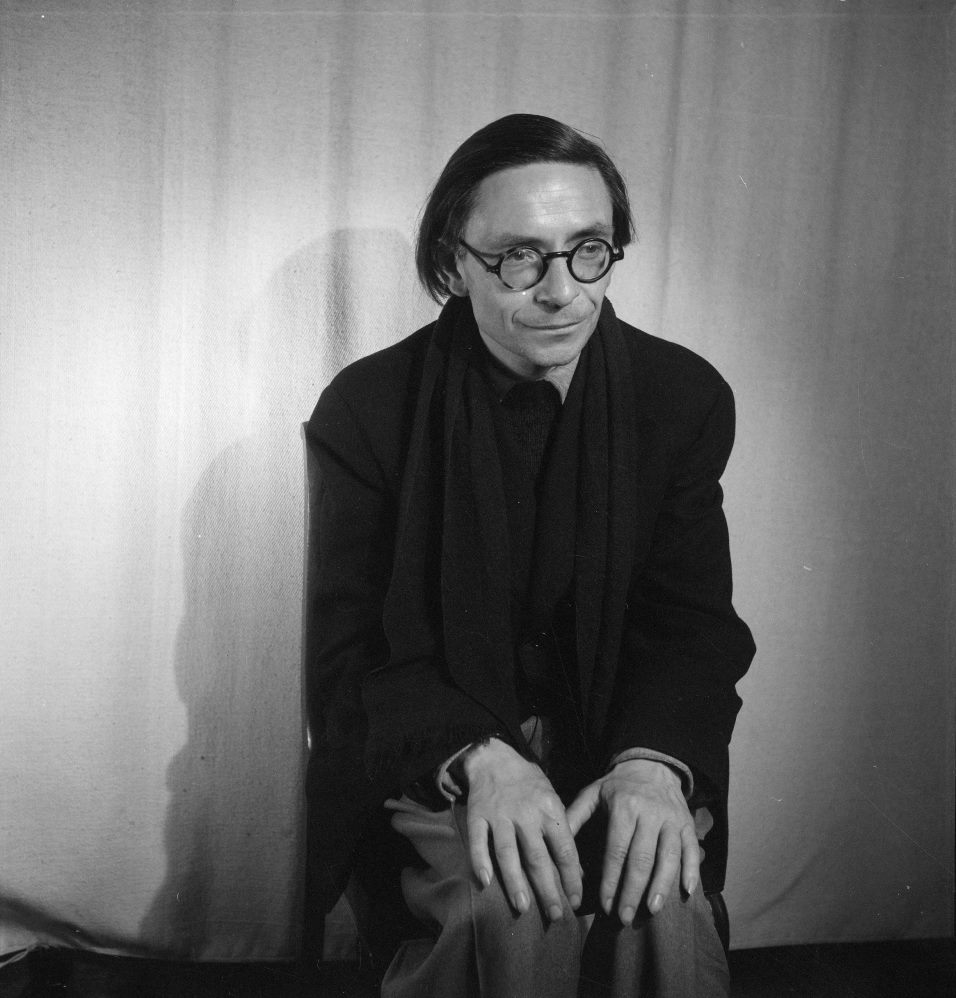
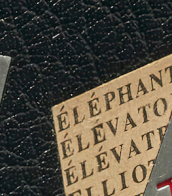


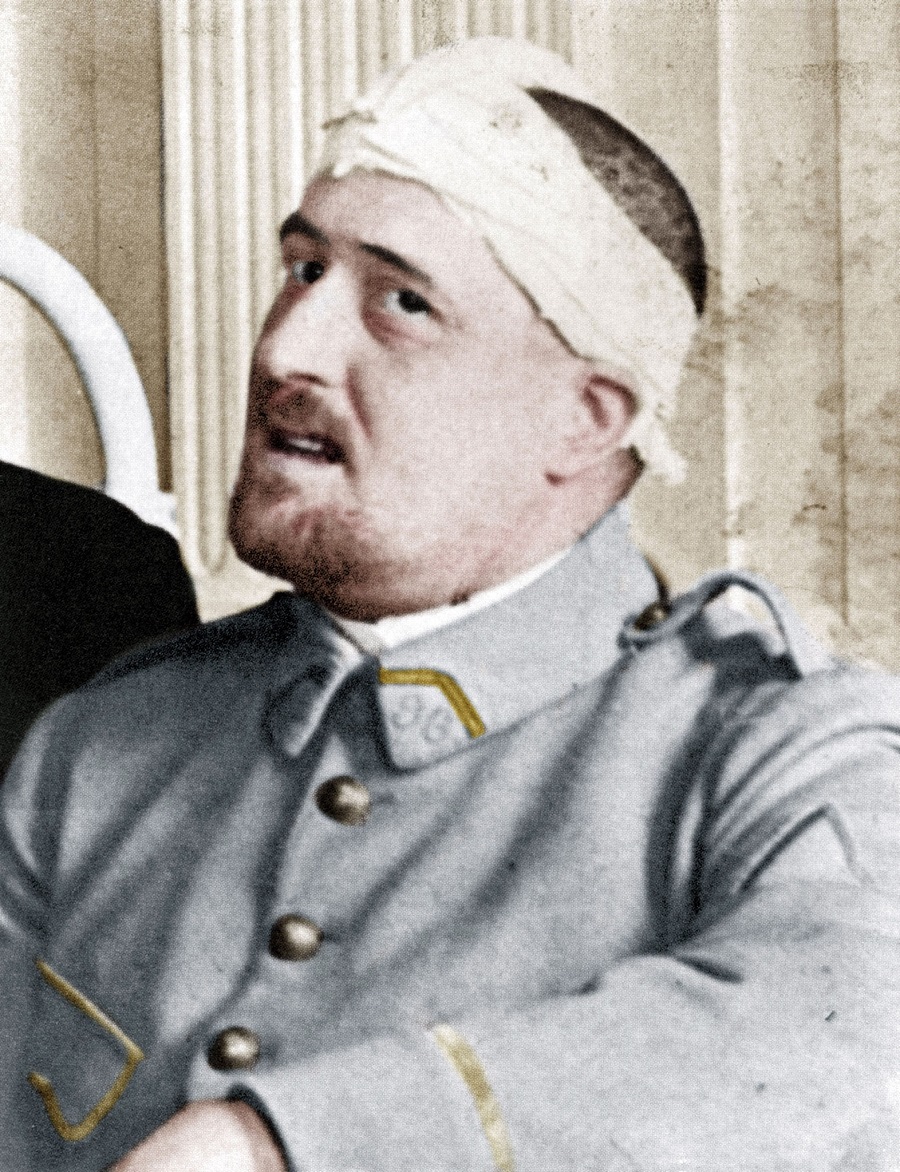
Guillaume Apollinaire, real name Wilhelm Albert Vladimir Apollinaris de Wąż-Kostrowicki, a French poet of Polish descent, was a towering figure in the early 20th century's literary and art scenes. Known for his experimental verse and support of avant-garde art movements like Cubism and Surrealism, Apollinaire's work pushed the boundaries of traditional aesthetics and inspired a generation of artists and writers.
Guillaume Apollinaire's literary contributions were vast and varied. He was an early advocate for Cubism, a relationship most prominently seen in his collaborations with artists like Pablo Picasso. He not only wrote about art but also collected it, surrounding himself with works by modernist masters such as Henri Rousseau and Georges Braque. His Paris apartment was a small museum of modern art, filled with pieces he often sold to support his literary endeavors. This vibrant artistic environment fueled his creativity, leading to major works such as Alcools and Calligrammes, which explored the possibilities of poetic form and typography to represent visual and verbal content in a unified way.
Despite his innovative work in poetry and art criticism, Guillaume Apollinaire's life was marked by personal challenges, including a grievous injury during World War I. Yet, even these difficulties did not hinder his prolific output. Among his notable works during this period was the play Les Mamelles de Tirésias, which was performed in 1917 and is considered a precursor to theatrical Surrealism.
Apollinaire's influence extended beyond his lifetime, particularly through his mentoring of future Surrealist leaders like André Breton. His forward-thinking approach to art and literature made him a central figure in the transition from traditional to modernist forms in both fields.
For collectors and experts in art and antiques, Guillaume Apollinaire's work represents a nexus of literary brilliance and pivotal artistic movements. His life and work provide fascinating insights into the dynamic and transformative world of early 20th-century art and literature.
Sign up for updates on auctions and sales events featuring items related to Guillaume Apollinaire. Stay informed about opportunities to acquire unique artifacts that celebrate his legacy in the realms of poetry and art.


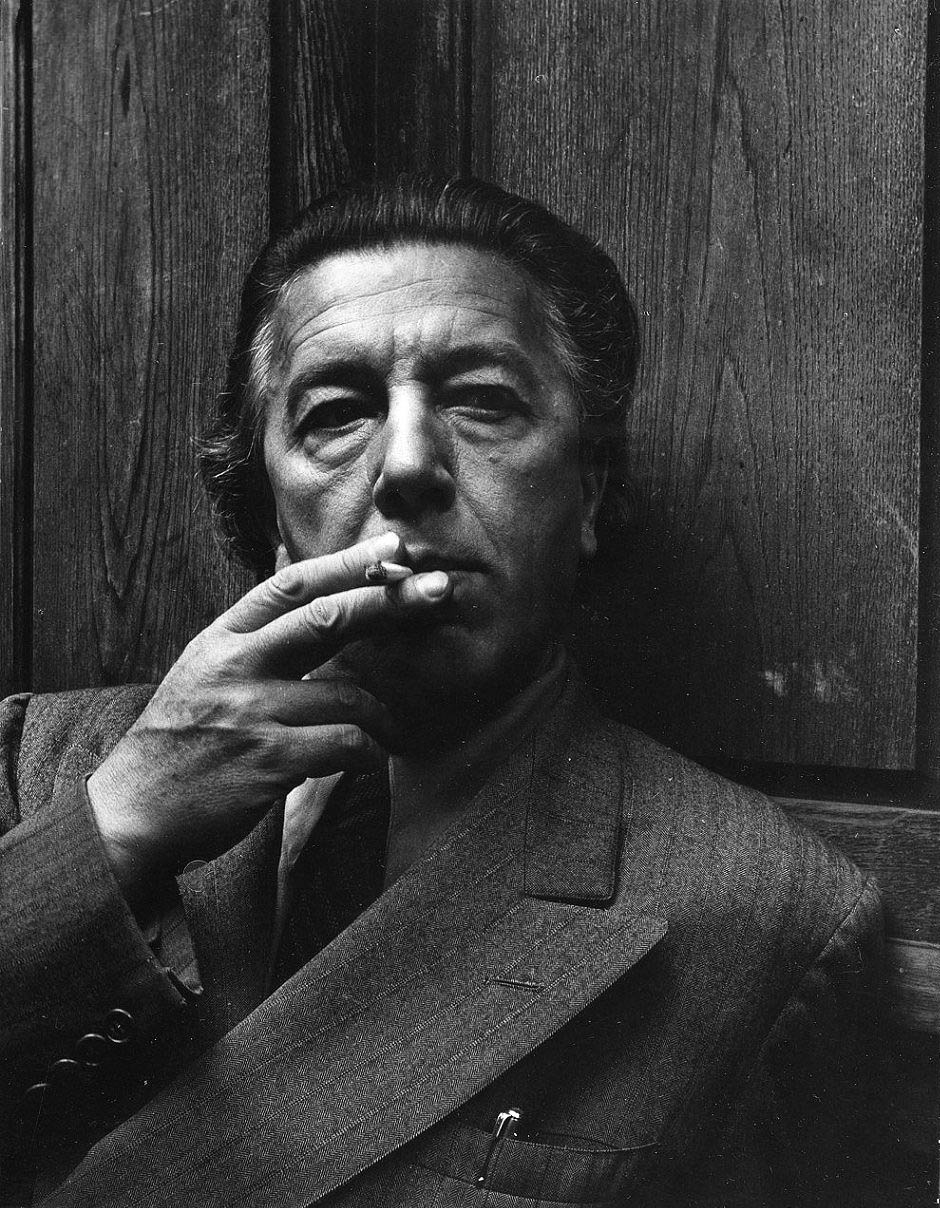
André Breton was a French writer, poet, and anti-fascist, renowned as the principal founder and leading theorist of Surrealism, an influential movement that sought to release the creative potential of the unconscious mind. Born in Tinchebray, France, in 1896, Breton's work was deeply influenced by the theories of Sigmund Freud and was characterized by a fascination with dreams, the irrational, and the workings of the mind. As a cultural icon, his contributions extended beyond literature into the realms of art, sculpture, and painting, making him a pivotal figure in 20th-century artistic movements.
Breton's seminal work, the "Manifesto of Surrealism" (1924), outlined the principles of the movement, advocating for the expression of the subconscious and the importance of dreams as a source of artistic inspiration. His leadership and writings not only shaped Surrealism but also had a lasting impact on the broader culture of art, influencing countless artists, painters, and sculptors. Breton's ability to merge poetry with visual arts led to collaborations with prominent artists like Salvador Dalí, Max Ernst, and Joan Miró, further cementing his legacy as a central figure in modern art.
Notably, André Breton's works and personal collection, which included art pieces and surreal objects, have been displayed in museums and galleries worldwide, showcasing his eclectic taste and profound influence on the art world. His Paris apartment was a gathering place for artists and intellectuals, becoming a hub of Surrealist activity and thought. For collectors and experts in art and antiques, Breton's contributions represent a fascinating intersection of literary prowess and visual creativity, highlighting the enduring relevance of Surrealism.
For those interested in exploring the depths of Surrealism and André Breton's groundbreaking contributions, signing up for updates can provide exclusive access to new product sales and auction events related to this pivotal artist and thinker. This subscription is an invaluable resource for collectors and enthusiasts keen to deepen their understanding of Breton's influence and the broader cultural movements he shaped.
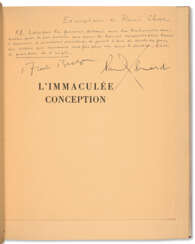



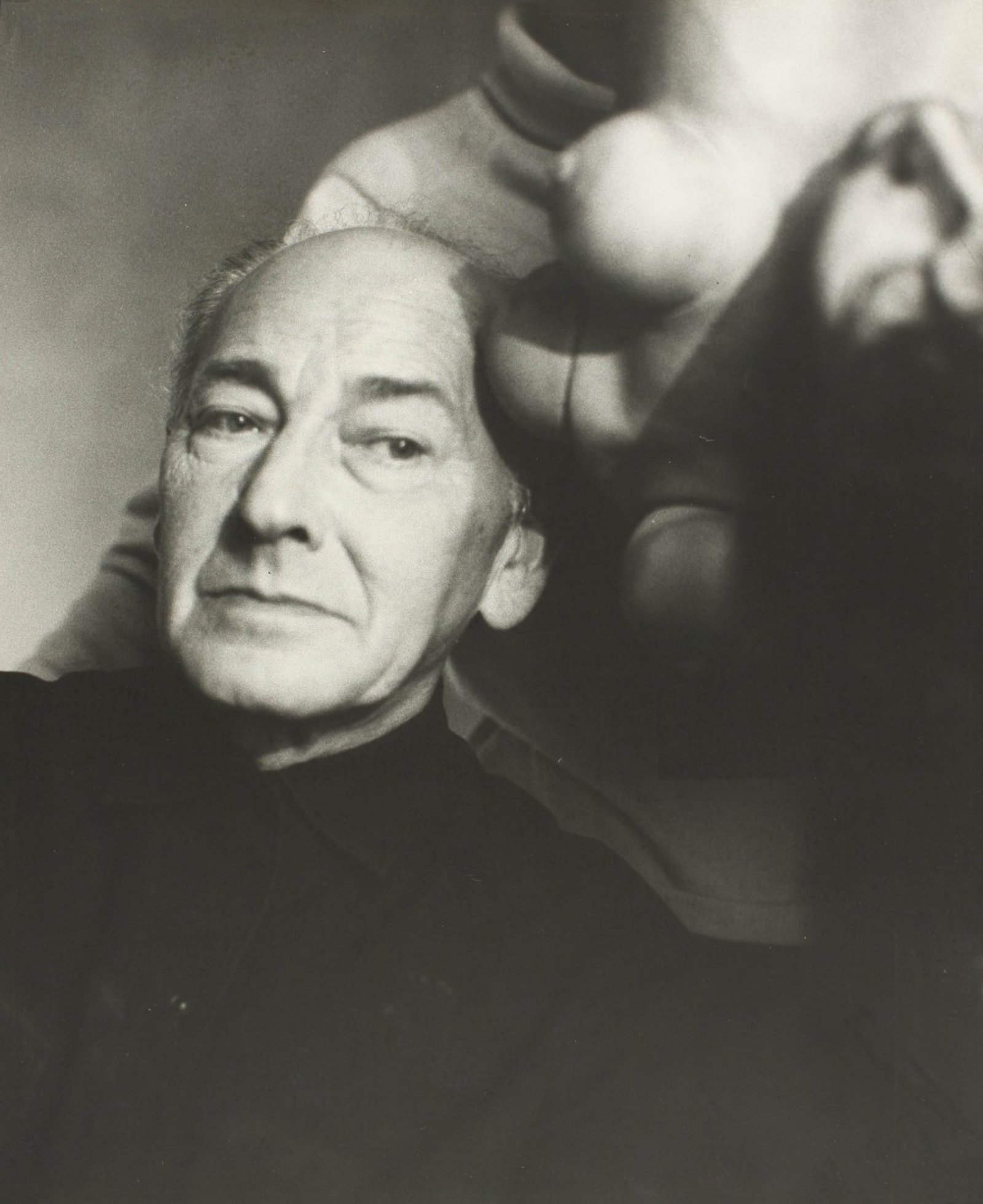
Hans Bellmer was a German graphic artist, sculptor, photographic artist, illustrator, and writer who spent most of his life in France.
In the 1930s Bellmer began working on the eroticized image of the deformed doll, contrasting it with the aesthetics of the "classical" body in Hitler's Germany. His graphic and literary explorations focus on the dismemberment and liberation of bodies. Bellmer's surrealist works are violent and provocative: they include puppet sculptures composed of the bodies of nude models, photographs, and prints.
In 1934, 18 photographs of dolls were published in the Parisian surrealist magazine Minotaur, and the Nazi regime declared Bellmer's art degenerate. In 1938, Bellmer emigrated to France.
After the end of the war, the artist continued his work, adding poetry to painting. He also authored illustrations for many works, particularly on erotic themes.
![[BIBLE]](/assets/image/picture_2500736/0a44b/2d8dd448aa843687f9ab2519af4af3601667984400jpg__fix_374_244.jpeg)
![[BIBLE]](https://veryimportantlot.com/assets/image/picture_2500736/0a44b/2d8dd448aa843687f9ab2519af4af3601667984400jpg__fix_374_244.jpeg)




![[BÉRANGER, Pierre-Jean de].](/assets/image/picture_2501252/c5fd2/aefdb7d5ab8afe97985b90de6999dbb41667984400jpg__fix_374_244.jpeg)
![[BÉRANGER, Pierre-Jean de].](https://veryimportantlot.com/assets/image/picture_2501252/c5fd2/aefdb7d5ab8afe97985b90de6999dbb41667984400jpg__fix_374_244.jpeg)




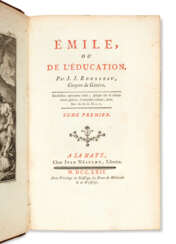

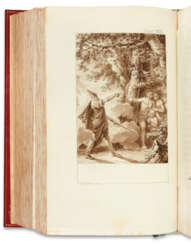

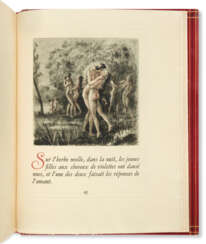

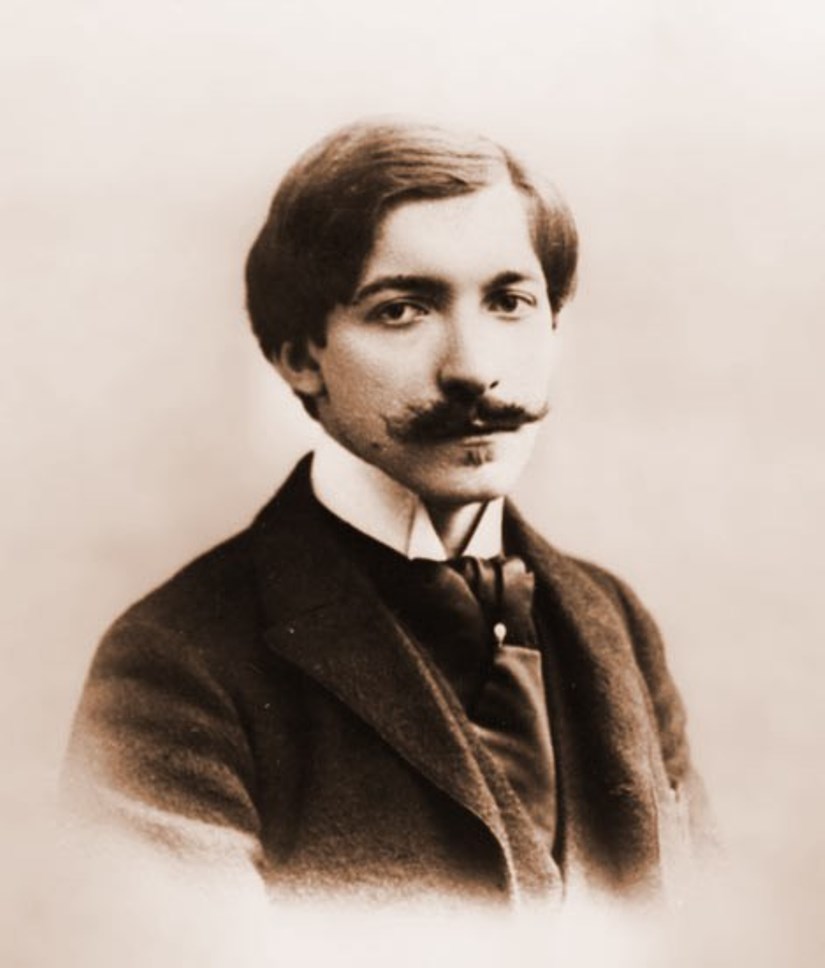
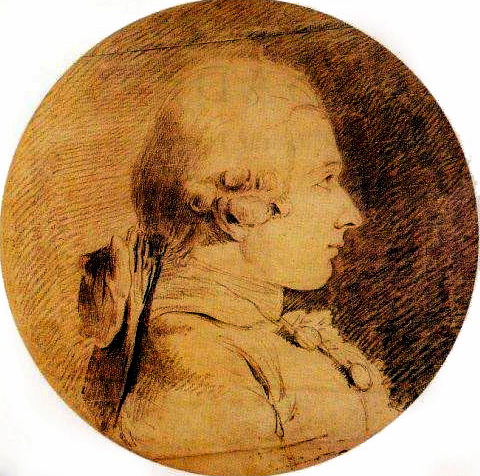
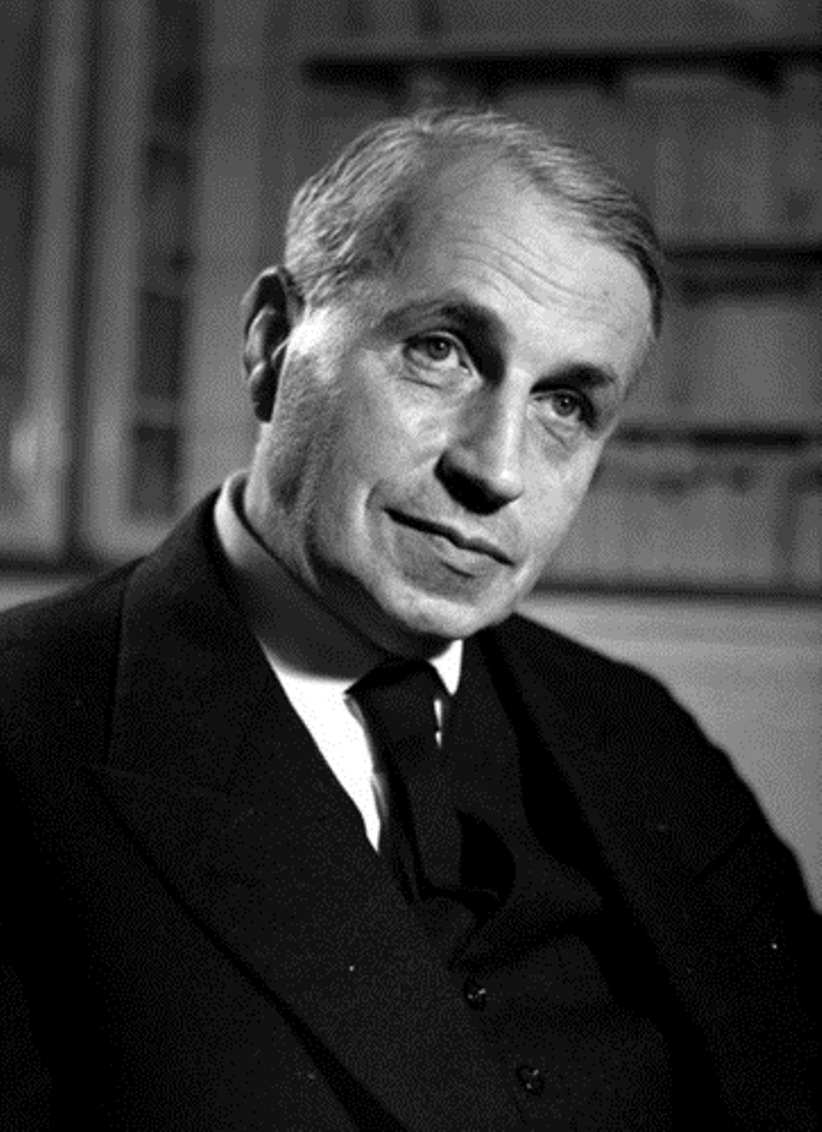
Pierre Louÿs, real name Pierre Félix Louis, was a French poet and writer.
He specialized in erotic and ancient themes in the Art Nouveau style. Louÿs's most famous work is The Songs of Bilitis. It is a collection of erotic poetry with strongly lesbian themes, written in the manner of Sappho. Although Louÿs claimed that these poems had a Greek source, this ultimately proved to be a hoax.
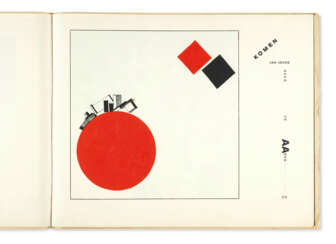

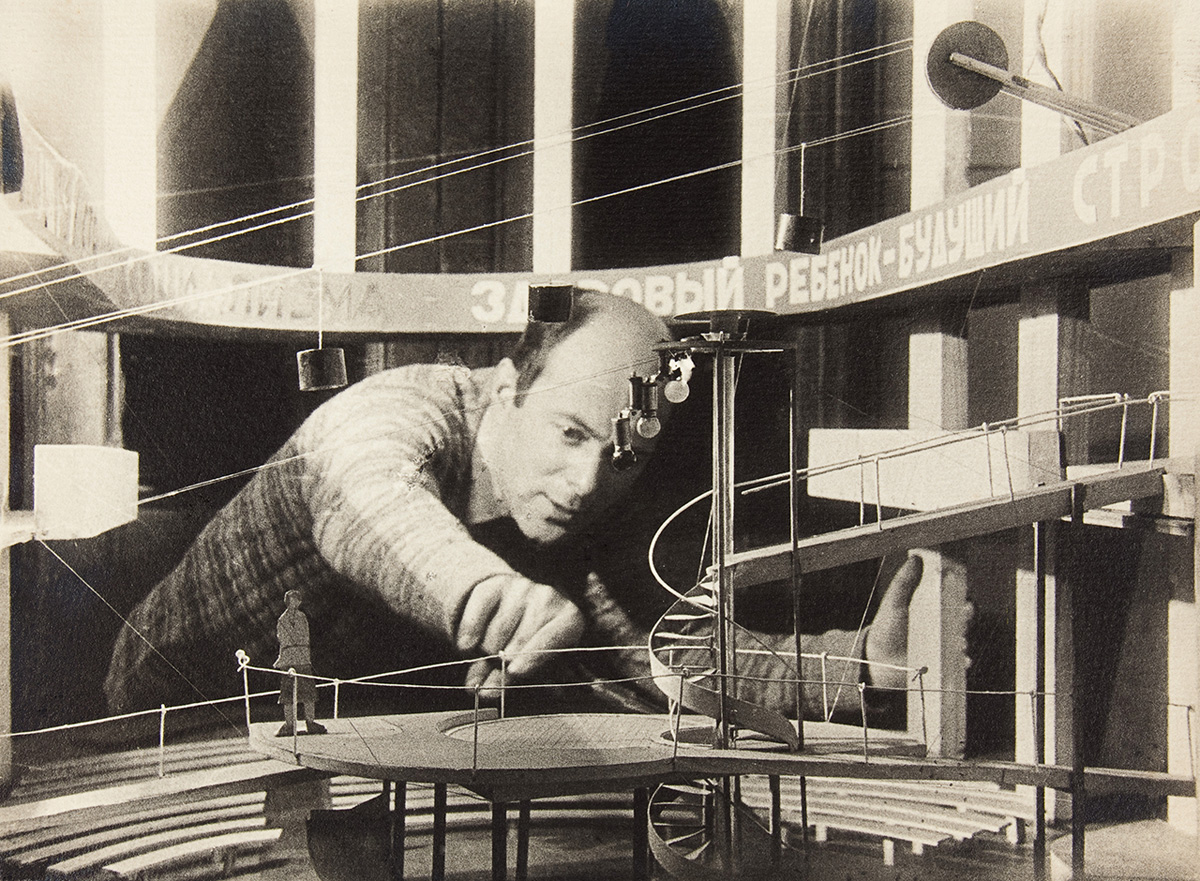
Lazar Markovich Lissitzky (Russian: Ла́зарь Ма́ркович Лиси́цкий) was a pivotal figure in the avant-garde art movement of the early 20th century, whose contributions spanned across multiple disciplines including painting, architecture, and graphic design. Born in Pochinok, Russian Empire (now in Smolensk Oblast, Russia), Lissitzky is renowned for his profound influence on the development of Constructivism, a movement characterized by the integration of technology and industry into the arts.
Lissitzky's work is distinguished by its innovative use of geometric forms, bold colors, and dynamic compositions, which sought not only to reflect the modern industrial world but also to actively participate in shaping it. His artworks and theories were instrumental in bridging the gap between the avant-garde movements in Russia and Western Europe, facilitating a cross-cultural exchange that enriched the development of modern art. Among his most notable contributions are his "Proun" series, an acronym for "Project for the Affirmation of the New" in Russian, which encapsulates his vision of art as a transformative social force.
His legacy is preserved in some of the world's most prestigious museums and galleries, including the Museum of Modern Art in New York and the Russian State Museum in Saint Petersburg. These institutions house key works that exemplify Lissitzky's groundbreaking approach to art and design, making them a focal point for collectors and experts in the field of art and antiques.
For those deeply invested in the evolution of modern art and its profound impact on culture and society, Lissitzky's work offers invaluable insights into the creative exploration of form and space. His contributions continue to inspire contemporary artists and designers, emphasizing the enduring relevance of his vision.
We invite collectors and art experts to sign up for updates on new product sales and auction events related to Lazar Markovich Lissitzky. This subscription is an opportunity to stay informed about the latest acquisitions and offerings that celebrate the legacy of a visionary artist whose work continues to resonate with audiences worldwide.
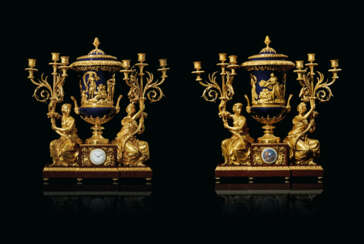

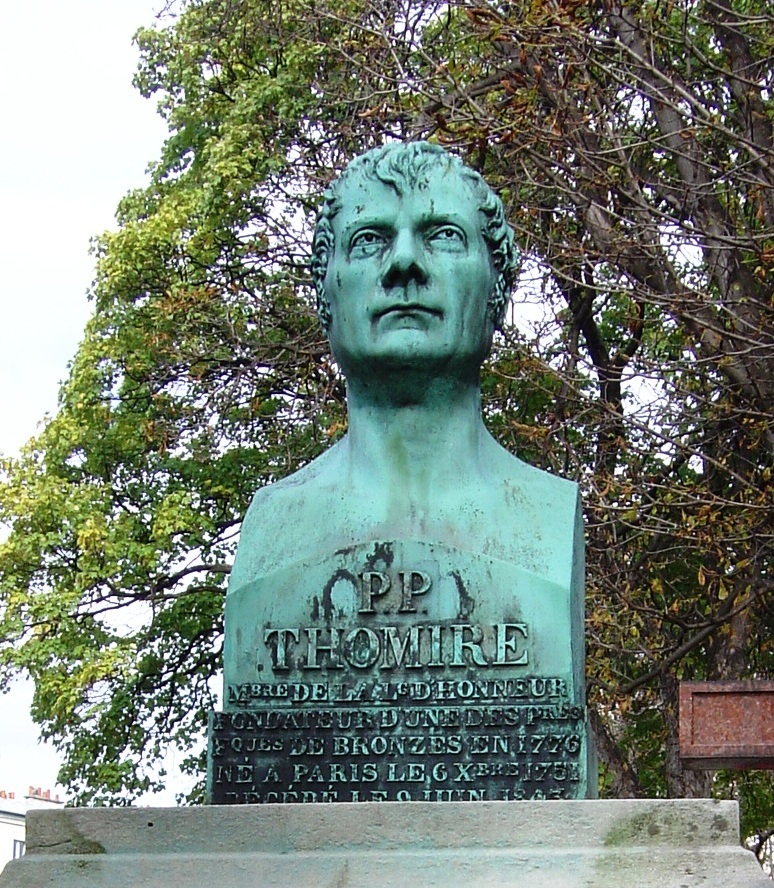
Pierre-Philippe Thomire a French sculptor, was the most prominent bronzier, or producer of ornamental patinated and gilt-bronze objects and furniture mounts of the First French Empire. His fashionable neoclassical and Empire style furnishing bronzes (bronzes d'ameublement) established the highest standard in refined finish in the craft that the French called that of the fondeur-ciseleur, "founder-finisher".
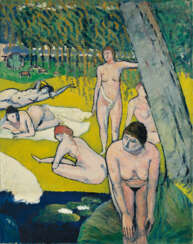

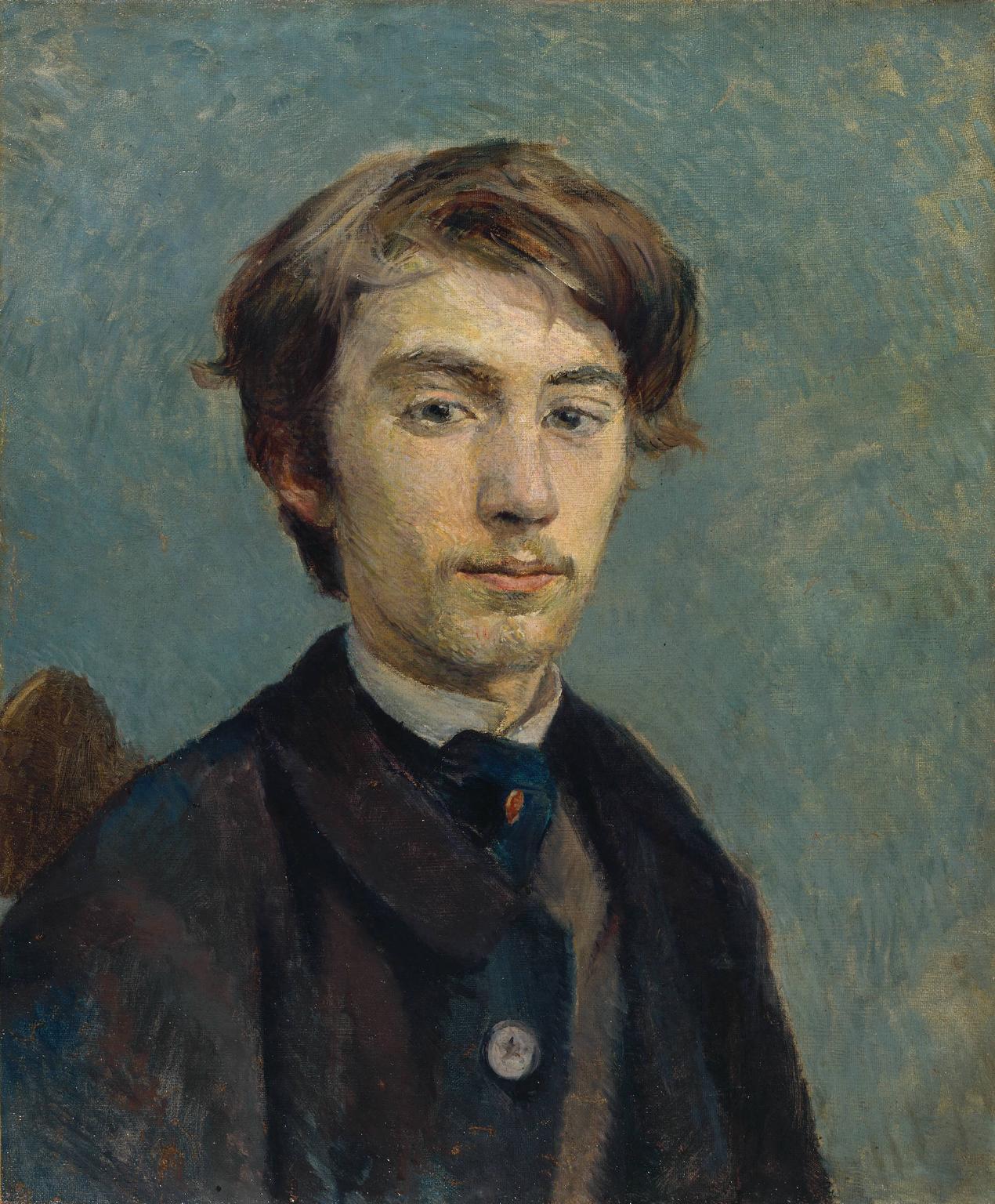
Émile Bernard, a French painter, was a significant figure in the Post-Impressionist movement. He is most famously associated with the development of Cloisonnism, a painting style characterized by bold outlines and flat, vivid color planes, and he played a role in Synthetism, a synthesis of forms and colors in art.
Bernard's artistic journey was influenced by his interactions with notable artists such as Paul Gauguin, Vincent van Gogh, and Louis Anquetin. His works, which often explored themes of symbolism and religious imagery, ranged from traditional paintings to engravings and illustrations. One of his notable works, "Madeleine au Bois d'Amour," is displayed at the Musée d'Orsay in Paris.
Despite his early success and influence, Bernard's artistic trajectory took a turn towards classicism later in life, distancing himself from the avant-garde styles he once embraced. His extensive travel experiences, particularly his time in Egypt, significantly impacted his art, leading to a broader range of stylistic elements in his later works.
To stay updated on the latest events and auctions related to Émile Bernard and his work, sign up for our newsletter. You'll receive timely alerts about new product sales and upcoming auction events related to Émile Bernard's art.

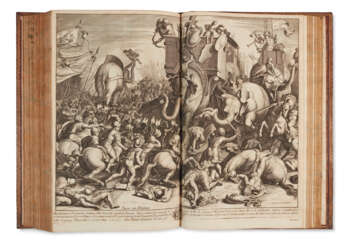

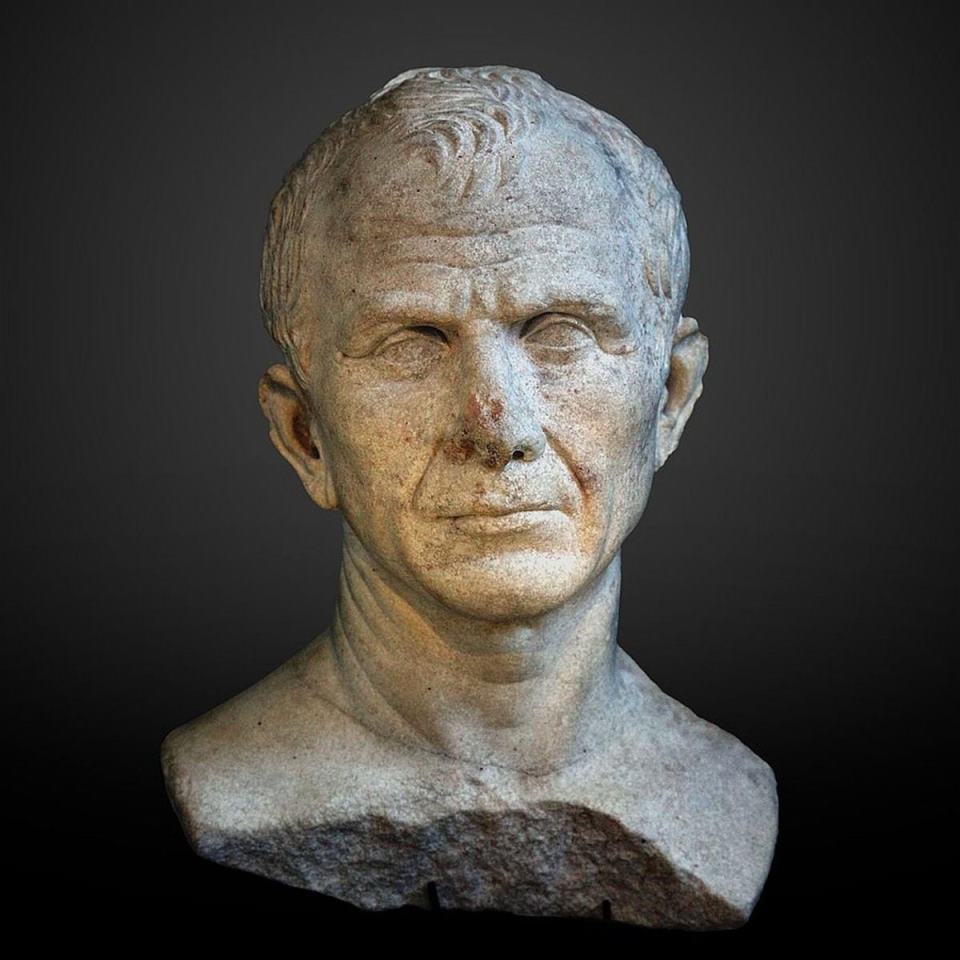
![[ALMANACH]](/assets/image/picture_3566775/3a3e1/f0cadf0d2697fab8cab7ebff022e96b91700607600jpg__fix_374_244.jpeg)
![[ALMANACH]](https://veryimportantlot.com/assets/image/picture_3566775/3a3e1/f0cadf0d2697fab8cab7ebff022e96b91700607600jpg__fix_374_244.jpeg)
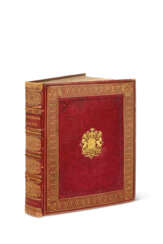

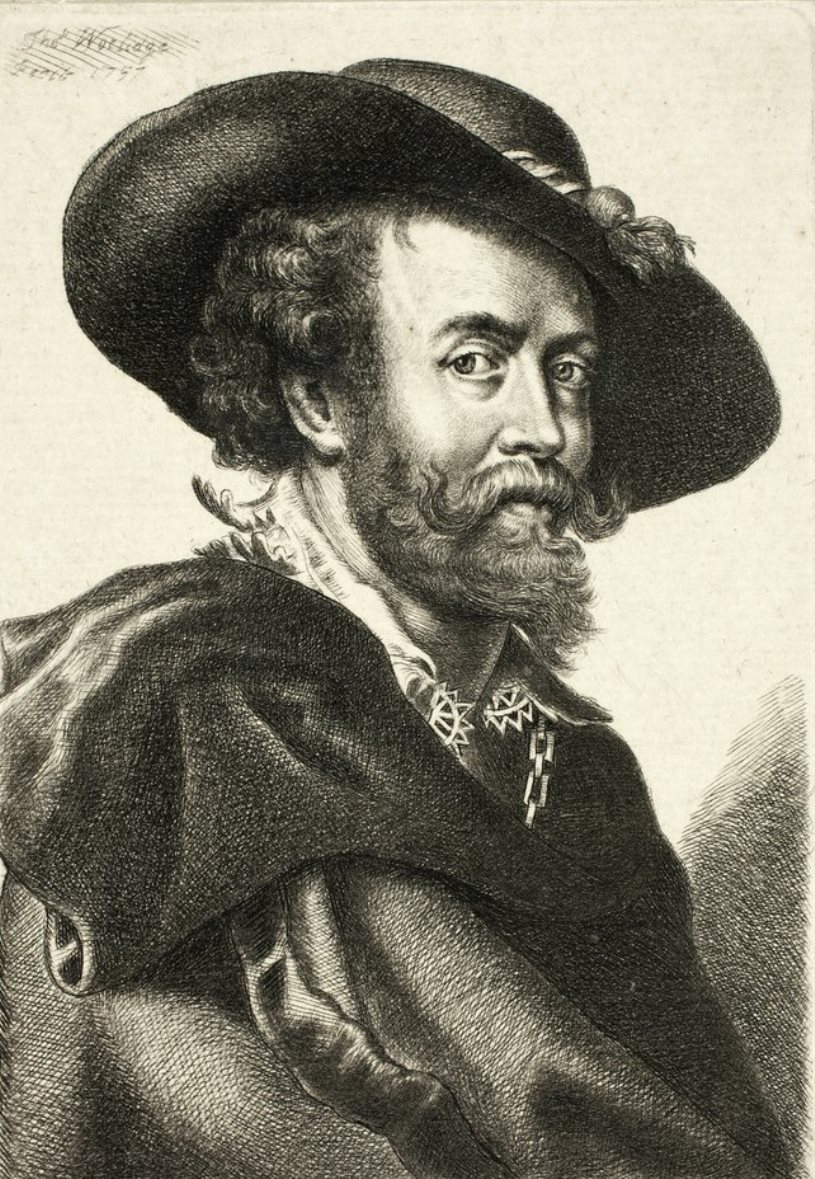
![[RELIURES] CORNEILLE, Thomas (1625-1709)](/assets/image/picture_3567030/0fdb0/75ef67b13f30706cd221725a89912ff41700607600jpg__fix_374_244.jpeg)
![[RELIURES] CORNEILLE, Thomas (1625-1709)](https://veryimportantlot.com/assets/image/picture_3567030/0fdb0/75ef67b13f30706cd221725a89912ff41700607600jpg__fix_374_244.jpeg)
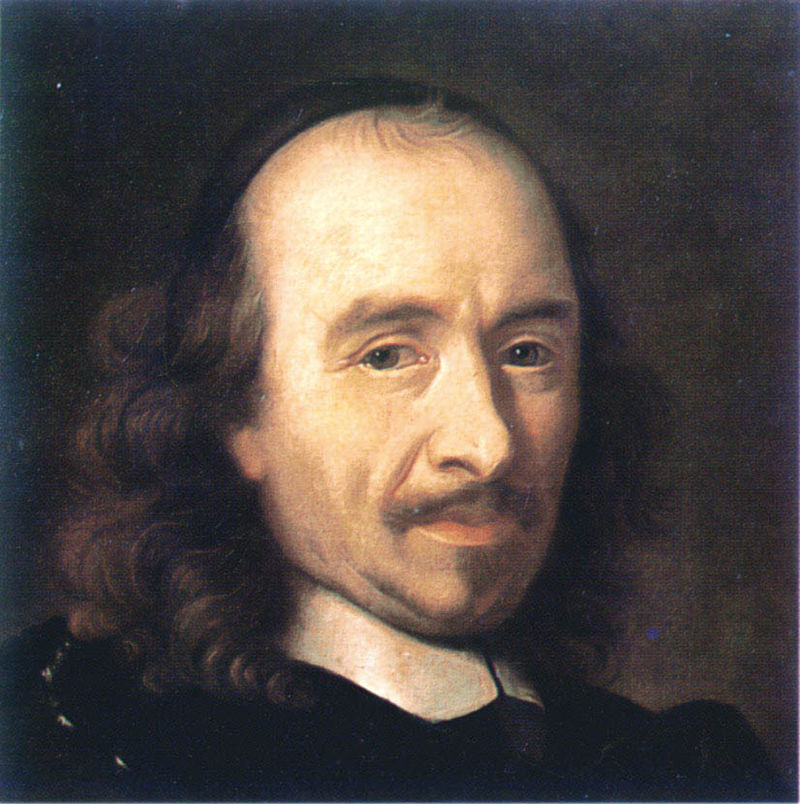
![[POLOGNE] RIZZI-ZANNONI, Giovanni Battista Antonio (1736-1814)](/assets/image/picture_3601327/d9a01/9yamzyprs7pmxw6hgxsidtncf-2fdyckubfnh5zkhipuduwj1cqygt0ooppklxd1700204861jpg__fix_374_244.jpeg)
![[POLOGNE] RIZZI-ZANNONI, Giovanni Battista Antonio (1736-1814)](https://veryimportantlot.com/assets/image/picture_3601327/d9a01/9yamzyprs7pmxw6hgxsidtncf-2fdyckubfnh5zkhipuduwj1cqygt0ooppklxd1700204861jpg__fix_374_244.jpeg)


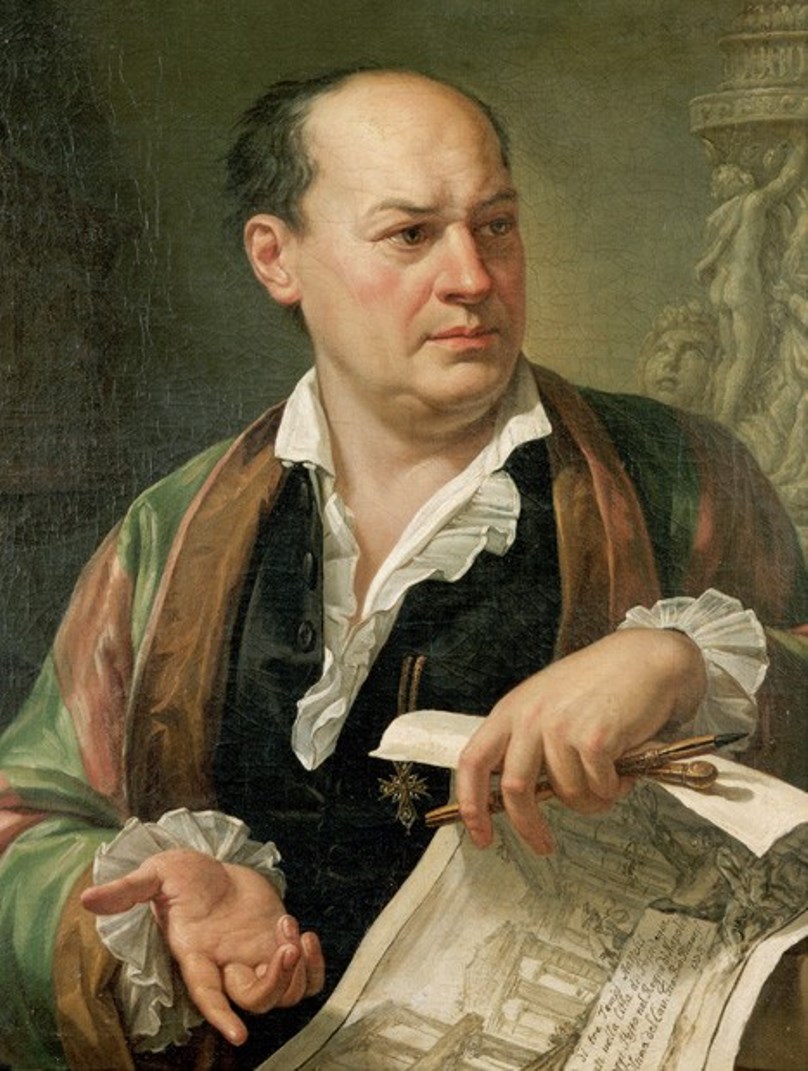
Giovanni Battista Piranesi was an 18th-century Italian painter, engraver, architect, and archaeologist who represented Neoclassicism and Romanticism. He was famous for creating a lot of original etchings with images of antique architecture monuments.
Giovanni Piranesi created hundreds of drawings and drafts in which he depicted the reconstructed ruins of ancient Roman buildings. His works are still used as teaching aids in the education of architectural students in many prestigious European universities. Piranesi periodically printed voluminous books with dozens of his own engravings depicting modified ancient architectural masterpieces - "graphic fantasies". His works were in demand among professional architects, who borrowed Piranesi's original ideas for their designs.
The peak of Piranesi's career came in the 1760s when, in recognition of his merits, he became an honorary member of the Guild of St. Luke and received from the Pope the title of Knight of the Golden Spur.
More than 700 of the master's original etchings have survived, printed in scholarly works.