

frottage
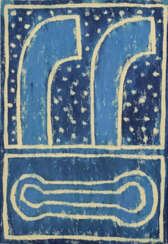

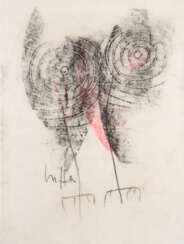

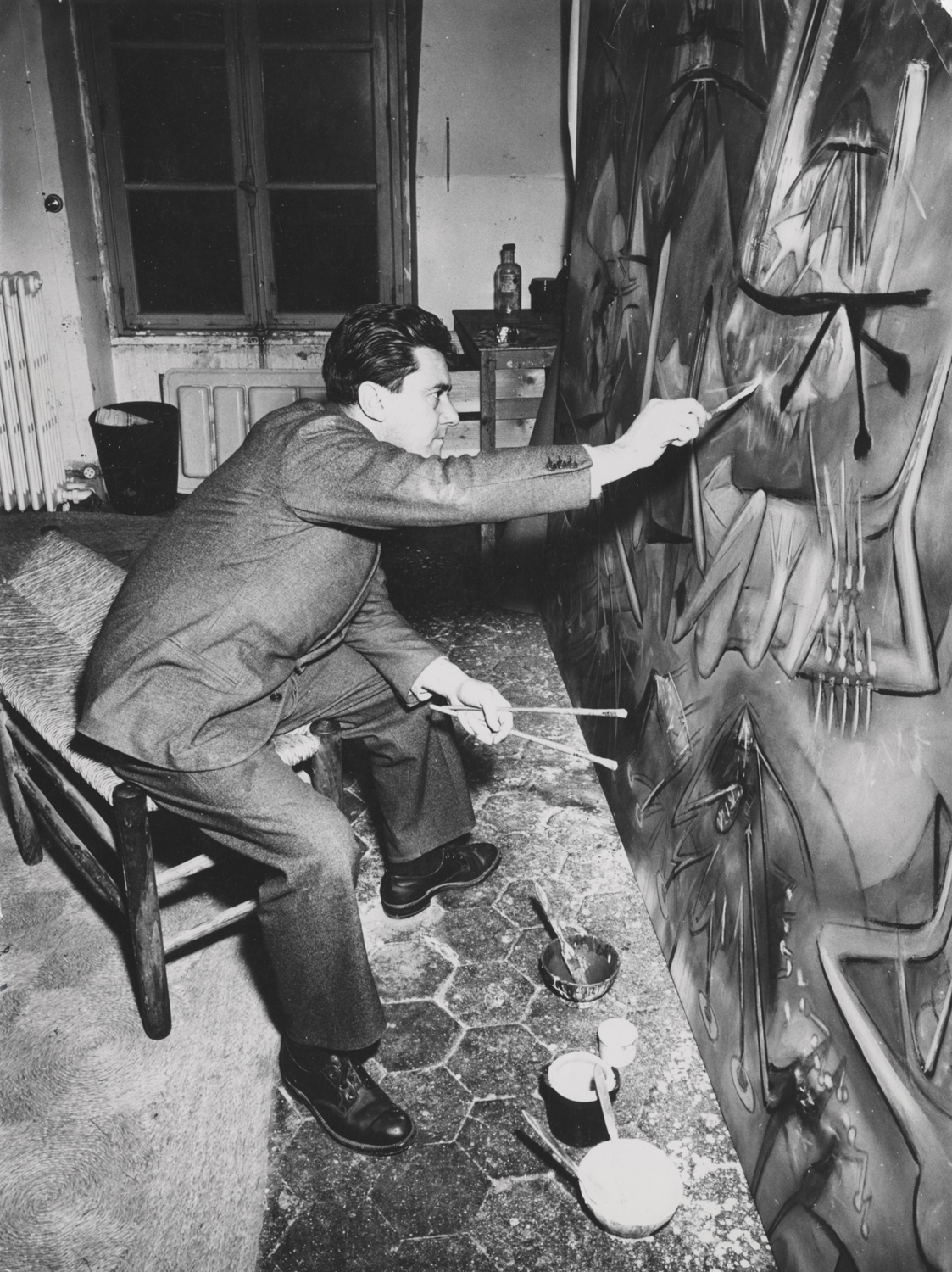
Roberto Sebastian Antonio Matta Echaurren was a Chilean artist, renowned for his significant contributions to the art world, particularly in painting and sculpture. As a figure deeply embedded in the realms of surrealism and abstract expressionism, Matta's works are celebrated for their complex, otherworldly landscapes and a profound exploration of the subconscious and architecture of the mind. His artistry is marked by fluid, organic forms and a masterful use of color, which set him apart as a visionary in the 20th century.
Matta's influence extended beyond the canvas, impacting the development of both European and American art scenes. His innovative techniques and philosophical inquiries into the nature of reality and human consciousness pushed the boundaries of traditional art forms, making him a pivotal figure among surrealists and later, abstract expressionists. Matta's work is characterized by its evocative, dream-like quality, and his ability to translate psychological concepts into visual spectacles has left a lasting legacy in the art world.
Among his renowned works, Matta's paintings are held in prestigious museums and galleries worldwide, including the Museum of Modern Art in New York and the Tate Modern in London. These institutions house pieces that showcase his unique blend of surrealism and abstract expressionism, offering art lovers and collectors a glimpse into his profound and imaginative universe. For those fascinated by the convergence of culture, art, and psychology, Matta's oeuvre presents an inexhaustible source of exploration and inspiration.
For collectors and experts in art and antiques, the legacy of Roberto Sebastian Antonio Matta Echaurren offers a rich field of discovery and appreciation. His contributions to the realms of painting and sculpture continue to resonate, providing deep insights into the capabilities of artistic expression. To stay informed about new product sales and auction events related to Matta's works, we invite you to sign up for updates. This subscription is your gateway to the latest in the world of this unparalleled artist, ensuring you never miss an opportunity to engage with the art and culture that Matta so vividly represented.



.jpg)
Max Ernst was a pivotal figure in the 20th-century art world, whose work transcended the boundaries of nationality and genre to leave an indelible mark on culture, art, sculpture, and painting. Born in Germany on April 2, 1891, and later becoming a naturalized American and French citizen, Ernst's career was a testament to his relentless innovation and creativity. Known primarily as an artist and painter, Ernst was a founding member of the Dada movement in Cologne before becoming a major proponent of Surrealism in Paris. His early encounters with the works of Pablo Picasso, Vincent van Gogh, and Paul Gauguin at the Sonderbund exhibition in 1912 deeply influenced his artistic direction, infusing it with elements of Cubism and Expressionism. Despite his lack of formal artistic training, Ernst's experimentation with techniques such as collage and frottage showcased his unique ability to blend the absurd with the sublime, making him a central figure in the artistic avant-garde of his time.
Ernst's work is notable for its exploration of the unconscious, using dreamlike imagery and symbolic figures to critique societal norms and delve into the chaos of the human psyche. His experiences in World War I profoundly impacted his worldview, leading to a deep skepticism of Western culture and an enduring search for meaning through art. This is evident in works such as "Europe After the Rain II," which reflects the devastation of war and "The Fireside Angel," inspired by the political turmoil of the Spanish Civil War, showcasing his ability to address contemporary issues through a surreal lens.
Ernst's contributions to art are preserved in major museums and galleries worldwide, including the Tate in the United Kingdom and the Museum of Modern Art in New York. His sculptures, paintings, and collages continue to be celebrated for their innovative techniques and imaginative scope, marking him as a revolutionary figure in modern art. Among his most significant works are "Ubu Imperator," "The Elephant Celebes," and "The Virgin Spanking the Christ Child before Three Witnesses," each reflecting his mastery over a diversity of mediums and themes.
For collectors and experts in art and antiques, Max Ernst remains a symbol of artistic freedom and exploration. His ability to navigate through various artistic movements while maintaining a distinct, innovative voice is a testament to his enduring legacy in the art world. To stay updated on new product sales and auction events related to Max Ernst, signing up for updates is a valuable opportunity for those deeply invested in the nuances of modern and surreal art.
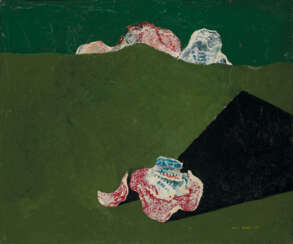

Max Ernst was a pivotal figure in the 20th-century art world, whose work transcended the boundaries of nationality and genre to leave an indelible mark on culture, art, sculpture, and painting. Born in Germany on April 2, 1891, and later becoming a naturalized American and French citizen, Ernst's career was a testament to his relentless innovation and creativity. Known primarily as an artist and painter, Ernst was a founding member of the Dada movement in Cologne before becoming a major proponent of Surrealism in Paris. His early encounters with the works of Pablo Picasso, Vincent van Gogh, and Paul Gauguin at the Sonderbund exhibition in 1912 deeply influenced his artistic direction, infusing it with elements of Cubism and Expressionism. Despite his lack of formal artistic training, Ernst's experimentation with techniques such as collage and frottage showcased his unique ability to blend the absurd with the sublime, making him a central figure in the artistic avant-garde of his time.
Ernst's work is notable for its exploration of the unconscious, using dreamlike imagery and symbolic figures to critique societal norms and delve into the chaos of the human psyche. His experiences in World War I profoundly impacted his worldview, leading to a deep skepticism of Western culture and an enduring search for meaning through art. This is evident in works such as "Europe After the Rain II," which reflects the devastation of war and "The Fireside Angel," inspired by the political turmoil of the Spanish Civil War, showcasing his ability to address contemporary issues through a surreal lens.
Ernst's contributions to art are preserved in major museums and galleries worldwide, including the Tate in the United Kingdom and the Museum of Modern Art in New York. His sculptures, paintings, and collages continue to be celebrated for their innovative techniques and imaginative scope, marking him as a revolutionary figure in modern art. Among his most significant works are "Ubu Imperator," "The Elephant Celebes," and "The Virgin Spanking the Christ Child before Three Witnesses," each reflecting his mastery over a diversity of mediums and themes.
For collectors and experts in art and antiques, Max Ernst remains a symbol of artistic freedom and exploration. His ability to navigate through various artistic movements while maintaining a distinct, innovative voice is a testament to his enduring legacy in the art world. To stay updated on new product sales and auction events related to Max Ernst, signing up for updates is a valuable opportunity for those deeply invested in the nuances of modern and surreal art.
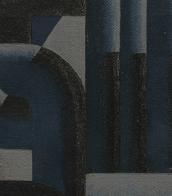
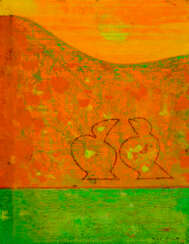

Max Ernst was a pivotal figure in the 20th-century art world, whose work transcended the boundaries of nationality and genre to leave an indelible mark on culture, art, sculpture, and painting. Born in Germany on April 2, 1891, and later becoming a naturalized American and French citizen, Ernst's career was a testament to his relentless innovation and creativity. Known primarily as an artist and painter, Ernst was a founding member of the Dada movement in Cologne before becoming a major proponent of Surrealism in Paris. His early encounters with the works of Pablo Picasso, Vincent van Gogh, and Paul Gauguin at the Sonderbund exhibition in 1912 deeply influenced his artistic direction, infusing it with elements of Cubism and Expressionism. Despite his lack of formal artistic training, Ernst's experimentation with techniques such as collage and frottage showcased his unique ability to blend the absurd with the sublime, making him a central figure in the artistic avant-garde of his time.
Ernst's work is notable for its exploration of the unconscious, using dreamlike imagery and symbolic figures to critique societal norms and delve into the chaos of the human psyche. His experiences in World War I profoundly impacted his worldview, leading to a deep skepticism of Western culture and an enduring search for meaning through art. This is evident in works such as "Europe After the Rain II," which reflects the devastation of war and "The Fireside Angel," inspired by the political turmoil of the Spanish Civil War, showcasing his ability to address contemporary issues through a surreal lens.
Ernst's contributions to art are preserved in major museums and galleries worldwide, including the Tate in the United Kingdom and the Museum of Modern Art in New York. His sculptures, paintings, and collages continue to be celebrated for their innovative techniques and imaginative scope, marking him as a revolutionary figure in modern art. Among his most significant works are "Ubu Imperator," "The Elephant Celebes," and "The Virgin Spanking the Christ Child before Three Witnesses," each reflecting his mastery over a diversity of mediums and themes.
For collectors and experts in art and antiques, Max Ernst remains a symbol of artistic freedom and exploration. His ability to navigate through various artistic movements while maintaining a distinct, innovative voice is a testament to his enduring legacy in the art world. To stay updated on new product sales and auction events related to Max Ernst, signing up for updates is a valuable opportunity for those deeply invested in the nuances of modern and surreal art.
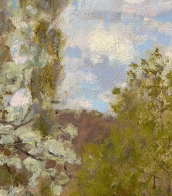


Max Ernst was a pivotal figure in the 20th-century art world, whose work transcended the boundaries of nationality and genre to leave an indelible mark on culture, art, sculpture, and painting. Born in Germany on April 2, 1891, and later becoming a naturalized American and French citizen, Ernst's career was a testament to his relentless innovation and creativity. Known primarily as an artist and painter, Ernst was a founding member of the Dada movement in Cologne before becoming a major proponent of Surrealism in Paris. His early encounters with the works of Pablo Picasso, Vincent van Gogh, and Paul Gauguin at the Sonderbund exhibition in 1912 deeply influenced his artistic direction, infusing it with elements of Cubism and Expressionism. Despite his lack of formal artistic training, Ernst's experimentation with techniques such as collage and frottage showcased his unique ability to blend the absurd with the sublime, making him a central figure in the artistic avant-garde of his time.
Ernst's work is notable for its exploration of the unconscious, using dreamlike imagery and symbolic figures to critique societal norms and delve into the chaos of the human psyche. His experiences in World War I profoundly impacted his worldview, leading to a deep skepticism of Western culture and an enduring search for meaning through art. This is evident in works such as "Europe After the Rain II," which reflects the devastation of war and "The Fireside Angel," inspired by the political turmoil of the Spanish Civil War, showcasing his ability to address contemporary issues through a surreal lens.
Ernst's contributions to art are preserved in major museums and galleries worldwide, including the Tate in the United Kingdom and the Museum of Modern Art in New York. His sculptures, paintings, and collages continue to be celebrated for their innovative techniques and imaginative scope, marking him as a revolutionary figure in modern art. Among his most significant works are "Ubu Imperator," "The Elephant Celebes," and "The Virgin Spanking the Christ Child before Three Witnesses," each reflecting his mastery over a diversity of mediums and themes.
For collectors and experts in art and antiques, Max Ernst remains a symbol of artistic freedom and exploration. His ability to navigate through various artistic movements while maintaining a distinct, innovative voice is a testament to his enduring legacy in the art world. To stay updated on new product sales and auction events related to Max Ernst, signing up for updates is a valuable opportunity for those deeply invested in the nuances of modern and surreal art.



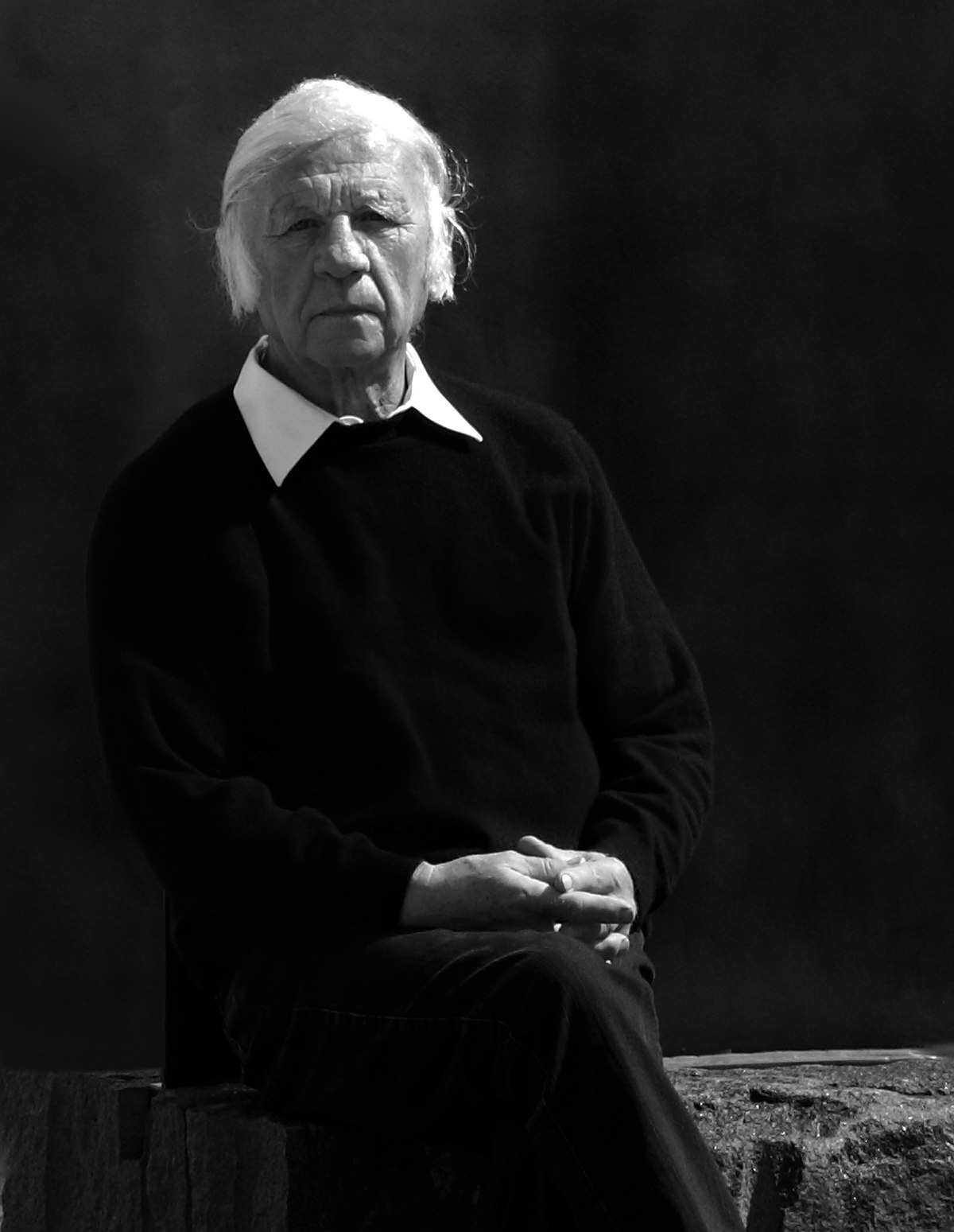
Heinz Mack is a German artist. Together with Otto Piene he founded the ZERO movement in 1957. He exhibited works at documenta in 1964 and 1977 and he represented Germany at the 1970 Venice Biennale. He is best known for his contributions to op art, light art and kinetic art.
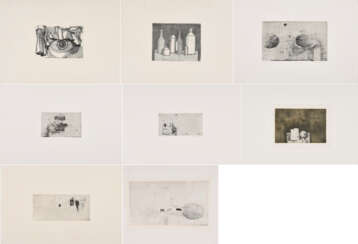

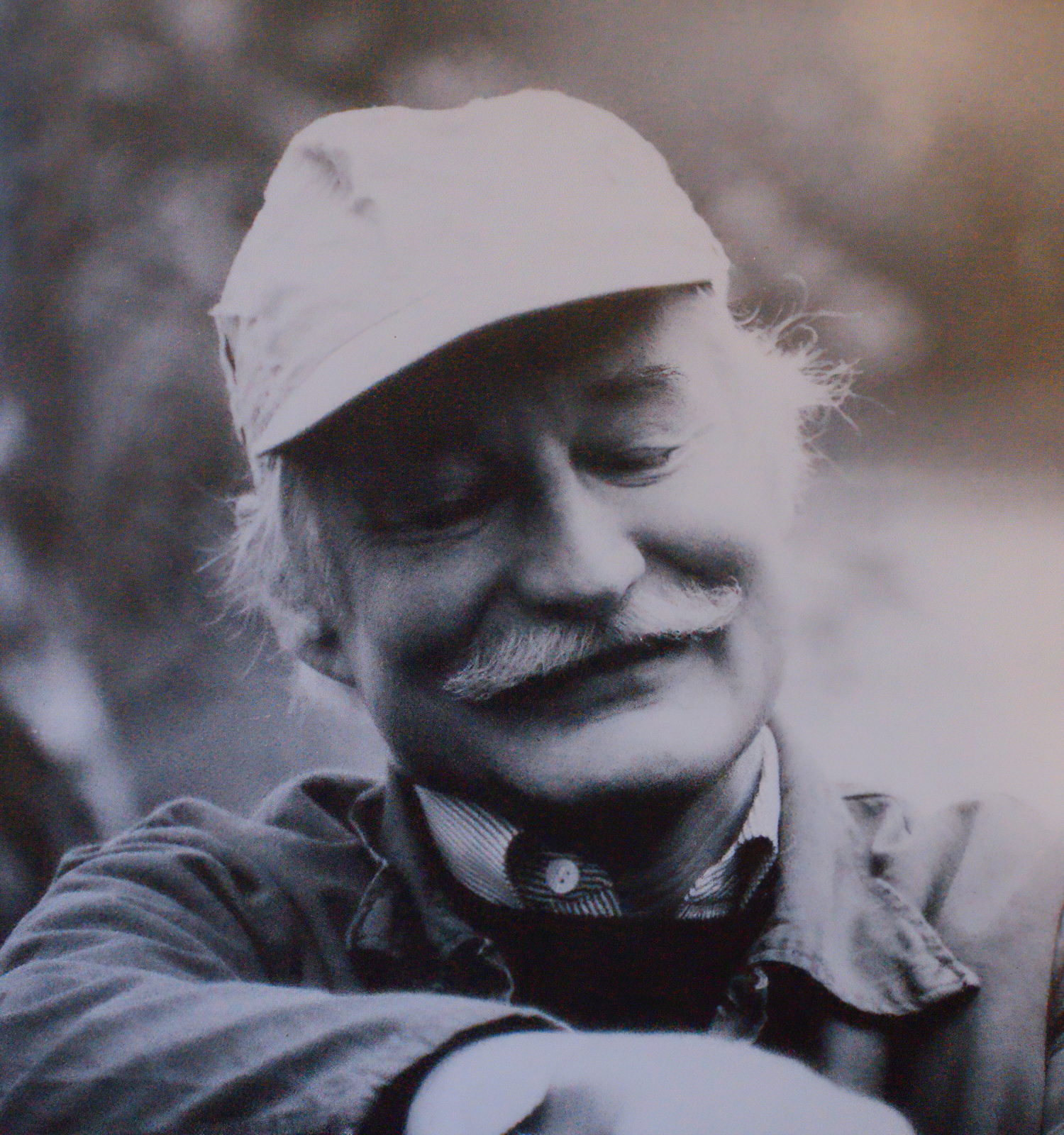
Friedrich Meckseper was a German painter, graphic artist, draughtsman, designer and author.
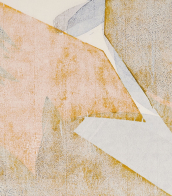


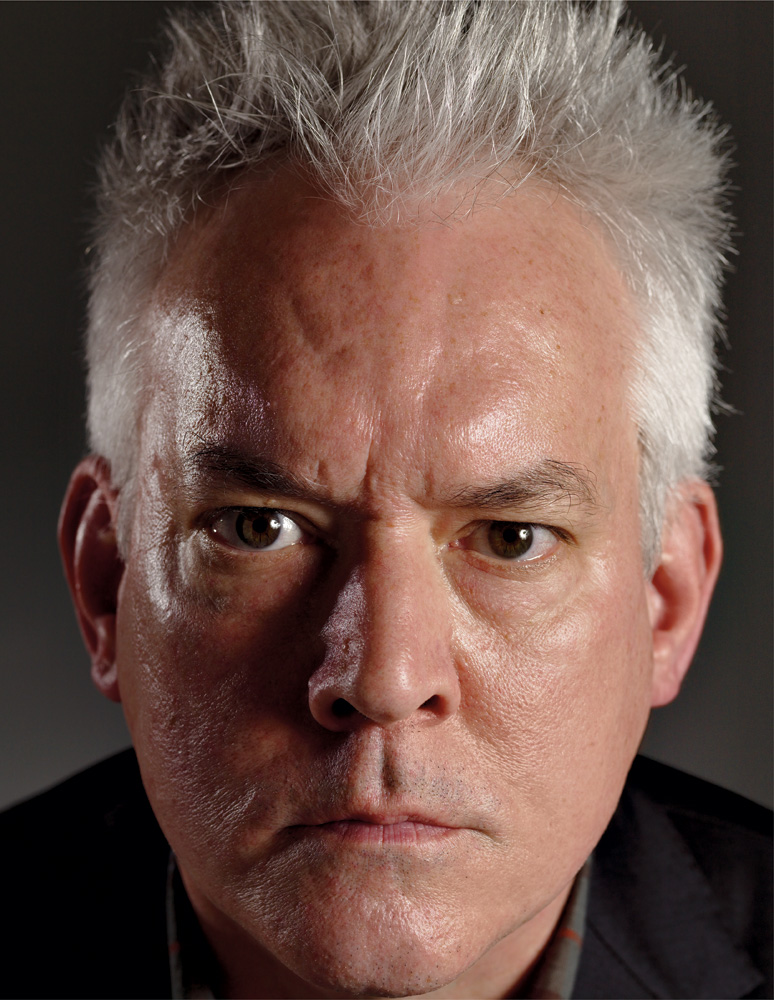
Philip Taaffe is an American artist, who has shown his works all around the world. His work sometimes blended motifs from multiple cultures.




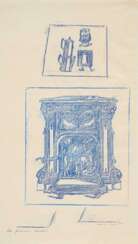

Max Ernst was a pivotal figure in the 20th-century art world, whose work transcended the boundaries of nationality and genre to leave an indelible mark on culture, art, sculpture, and painting. Born in Germany on April 2, 1891, and later becoming a naturalized American and French citizen, Ernst's career was a testament to his relentless innovation and creativity. Known primarily as an artist and painter, Ernst was a founding member of the Dada movement in Cologne before becoming a major proponent of Surrealism in Paris. His early encounters with the works of Pablo Picasso, Vincent van Gogh, and Paul Gauguin at the Sonderbund exhibition in 1912 deeply influenced his artistic direction, infusing it with elements of Cubism and Expressionism. Despite his lack of formal artistic training, Ernst's experimentation with techniques such as collage and frottage showcased his unique ability to blend the absurd with the sublime, making him a central figure in the artistic avant-garde of his time.
Ernst's work is notable for its exploration of the unconscious, using dreamlike imagery and symbolic figures to critique societal norms and delve into the chaos of the human psyche. His experiences in World War I profoundly impacted his worldview, leading to a deep skepticism of Western culture and an enduring search for meaning through art. This is evident in works such as "Europe After the Rain II," which reflects the devastation of war and "The Fireside Angel," inspired by the political turmoil of the Spanish Civil War, showcasing his ability to address contemporary issues through a surreal lens.
Ernst's contributions to art are preserved in major museums and galleries worldwide, including the Tate in the United Kingdom and the Museum of Modern Art in New York. His sculptures, paintings, and collages continue to be celebrated for their innovative techniques and imaginative scope, marking him as a revolutionary figure in modern art. Among his most significant works are "Ubu Imperator," "The Elephant Celebes," and "The Virgin Spanking the Christ Child before Three Witnesses," each reflecting his mastery over a diversity of mediums and themes.
For collectors and experts in art and antiques, Max Ernst remains a symbol of artistic freedom and exploration. His ability to navigate through various artistic movements while maintaining a distinct, innovative voice is a testament to his enduring legacy in the art world. To stay updated on new product sales and auction events related to Max Ernst, signing up for updates is a valuable opportunity for those deeply invested in the nuances of modern and surreal art.
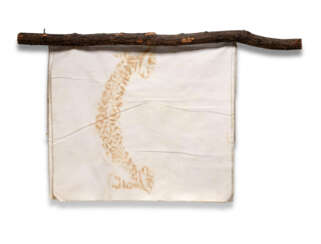

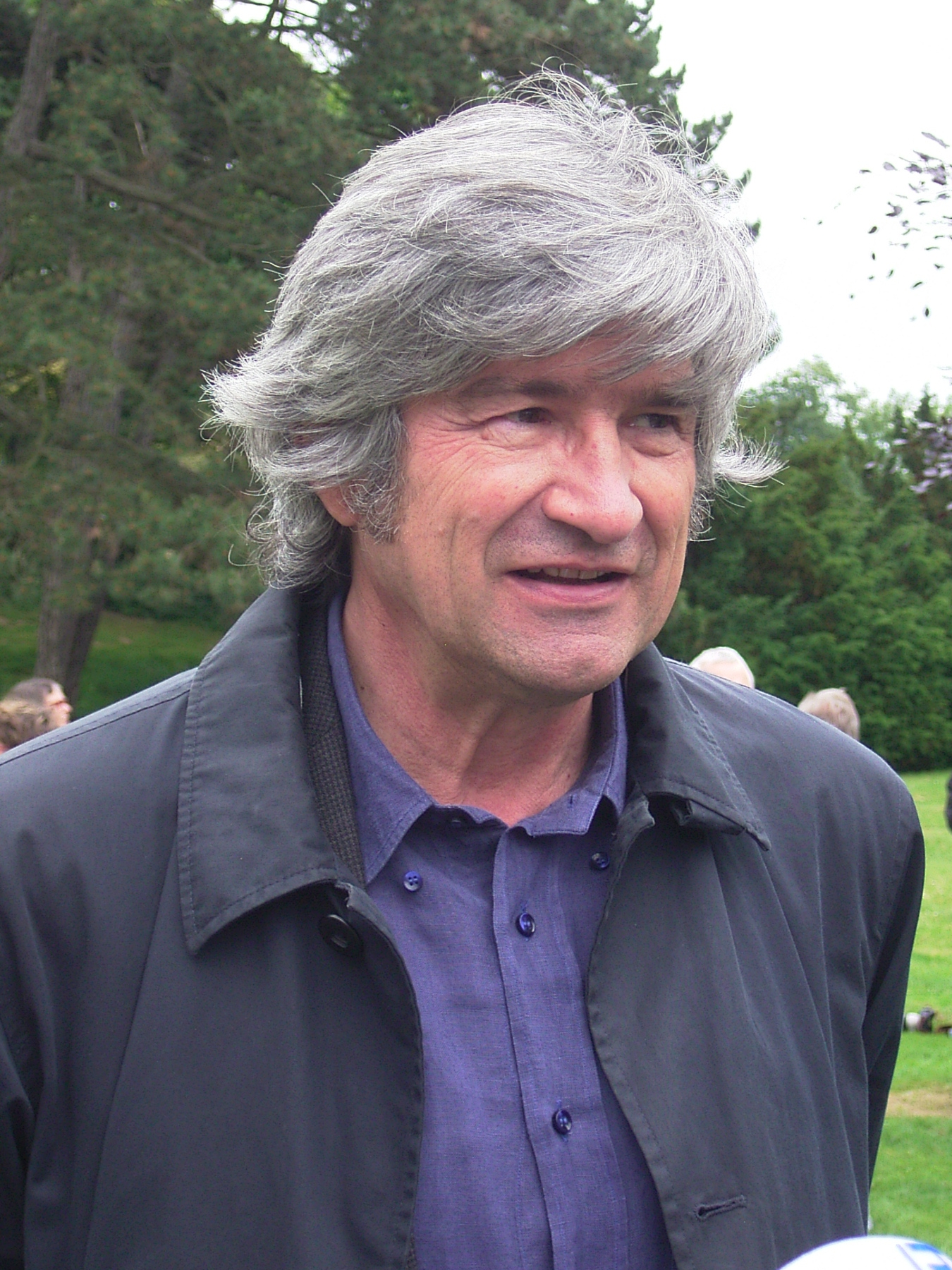
Giuseppe Penone is an Italian artist and sculptor, known for his large-scale sculptures of trees that are interested in the link between man and the natural world. His early work is often associated with the Arte povera movement. In 2014, Penone was awarded the prestigious Praemium Imperiale award. He currently lives and works in Turin, Italy.
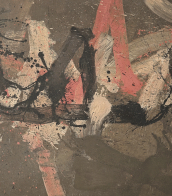
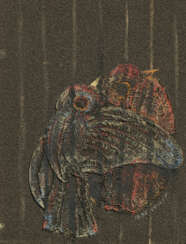

Max Ernst was a pivotal figure in the 20th-century art world, whose work transcended the boundaries of nationality and genre to leave an indelible mark on culture, art, sculpture, and painting. Born in Germany on April 2, 1891, and later becoming a naturalized American and French citizen, Ernst's career was a testament to his relentless innovation and creativity. Known primarily as an artist and painter, Ernst was a founding member of the Dada movement in Cologne before becoming a major proponent of Surrealism in Paris. His early encounters with the works of Pablo Picasso, Vincent van Gogh, and Paul Gauguin at the Sonderbund exhibition in 1912 deeply influenced his artistic direction, infusing it with elements of Cubism and Expressionism. Despite his lack of formal artistic training, Ernst's experimentation with techniques such as collage and frottage showcased his unique ability to blend the absurd with the sublime, making him a central figure in the artistic avant-garde of his time.
Ernst's work is notable for its exploration of the unconscious, using dreamlike imagery and symbolic figures to critique societal norms and delve into the chaos of the human psyche. His experiences in World War I profoundly impacted his worldview, leading to a deep skepticism of Western culture and an enduring search for meaning through art. This is evident in works such as "Europe After the Rain II," which reflects the devastation of war and "The Fireside Angel," inspired by the political turmoil of the Spanish Civil War, showcasing his ability to address contemporary issues through a surreal lens.
Ernst's contributions to art are preserved in major museums and galleries worldwide, including the Tate in the United Kingdom and the Museum of Modern Art in New York. His sculptures, paintings, and collages continue to be celebrated for their innovative techniques and imaginative scope, marking him as a revolutionary figure in modern art. Among his most significant works are "Ubu Imperator," "The Elephant Celebes," and "The Virgin Spanking the Christ Child before Three Witnesses," each reflecting his mastery over a diversity of mediums and themes.
For collectors and experts in art and antiques, Max Ernst remains a symbol of artistic freedom and exploration. His ability to navigate through various artistic movements while maintaining a distinct, innovative voice is a testament to his enduring legacy in the art world. To stay updated on new product sales and auction events related to Max Ernst, signing up for updates is a valuable opportunity for those deeply invested in the nuances of modern and surreal art.
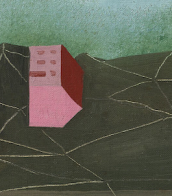
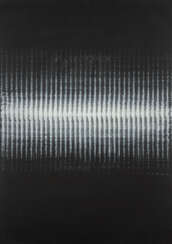

Heinz Mack is a German artist. Together with Otto Piene he founded the ZERO movement in 1957. He exhibited works at documenta in 1964 and 1977 and he represented Germany at the 1970 Venice Biennale. He is best known for his contributions to op art, light art and kinetic art.
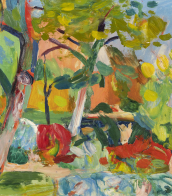
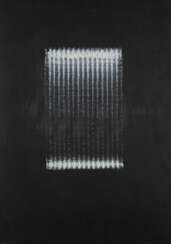

Heinz Mack is a German artist. Together with Otto Piene he founded the ZERO movement in 1957. He exhibited works at documenta in 1964 and 1977 and he represented Germany at the 1970 Venice Biennale. He is best known for his contributions to op art, light art and kinetic art.
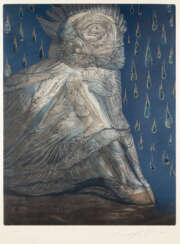

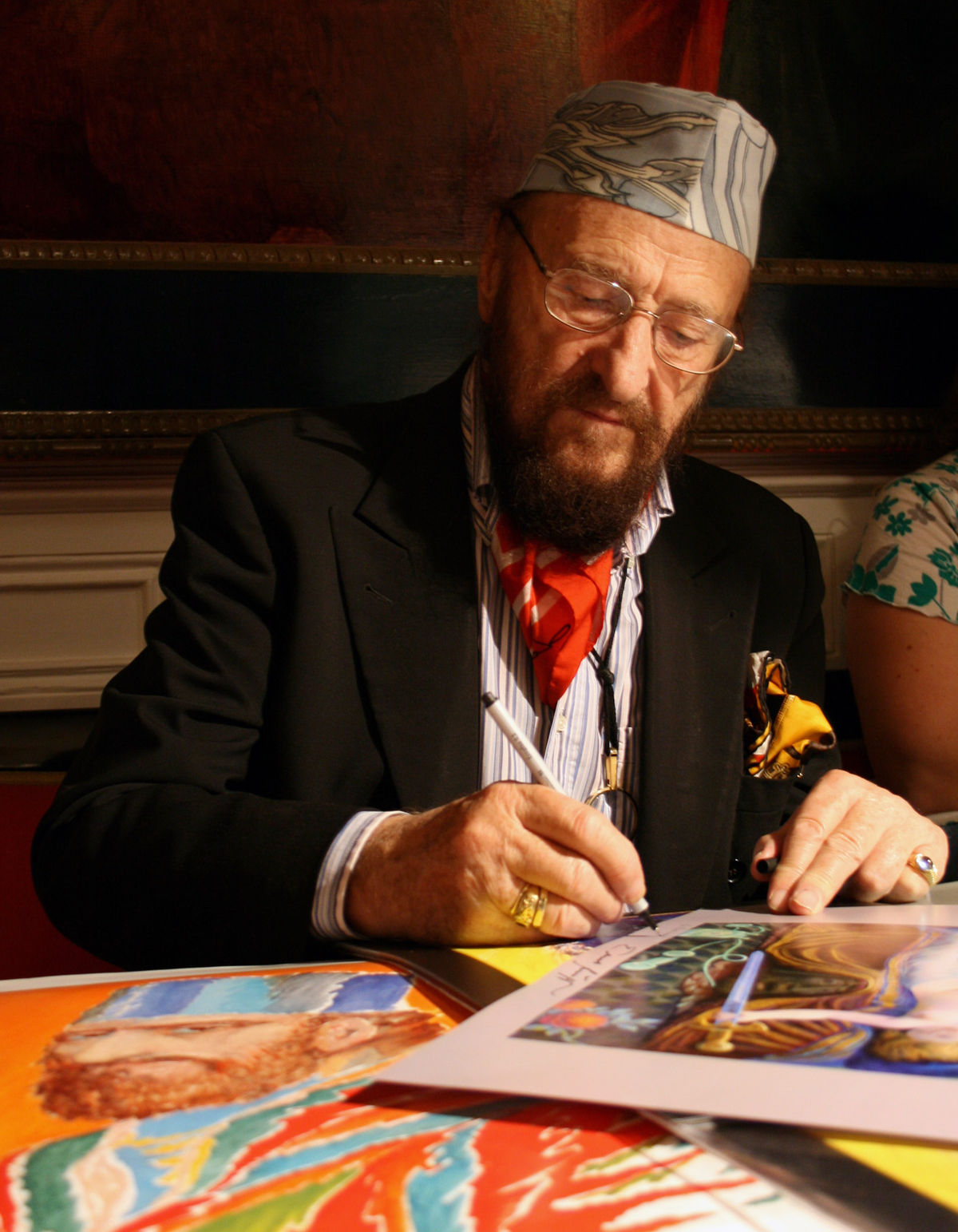
Ernst Fuchs was an Austrian painter, draftsman, printmaker, sculptor, architect, stage designer, composer, poet, and one of the founders of the Vienna School of Fantastic Realism. In 1972, he acquired the derelict Otto Wagner Villa in Hütteldorf, which he restored and transformed. The villa was inaugurated as the Ernst Fuchs Museum in 1988.
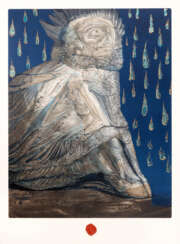

Ernst Fuchs was an Austrian painter, draftsman, printmaker, sculptor, architect, stage designer, composer, poet, and one of the founders of the Vienna School of Fantastic Realism. In 1972, he acquired the derelict Otto Wagner Villa in Hütteldorf, which he restored and transformed. The villa was inaugurated as the Ernst Fuchs Museum in 1988.


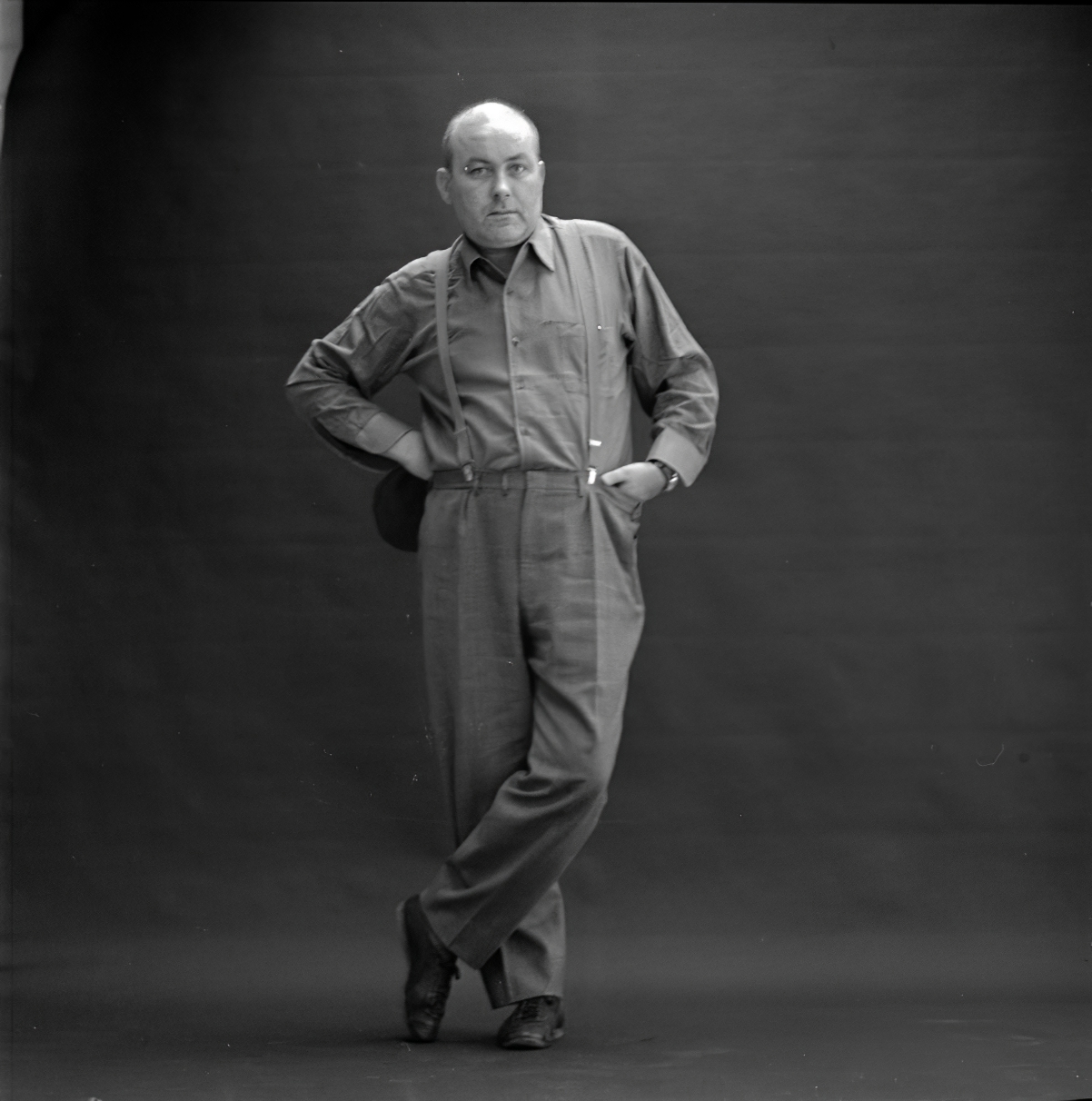
Karl-Dietrich Roth was a Swiss artist best known for his artist's books, editioned prints, sculptures, and works made of found materials, including rotting food stuffs.
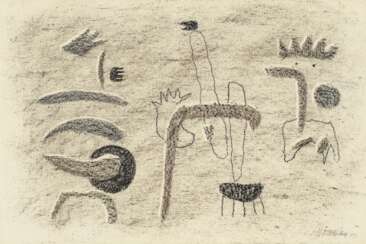

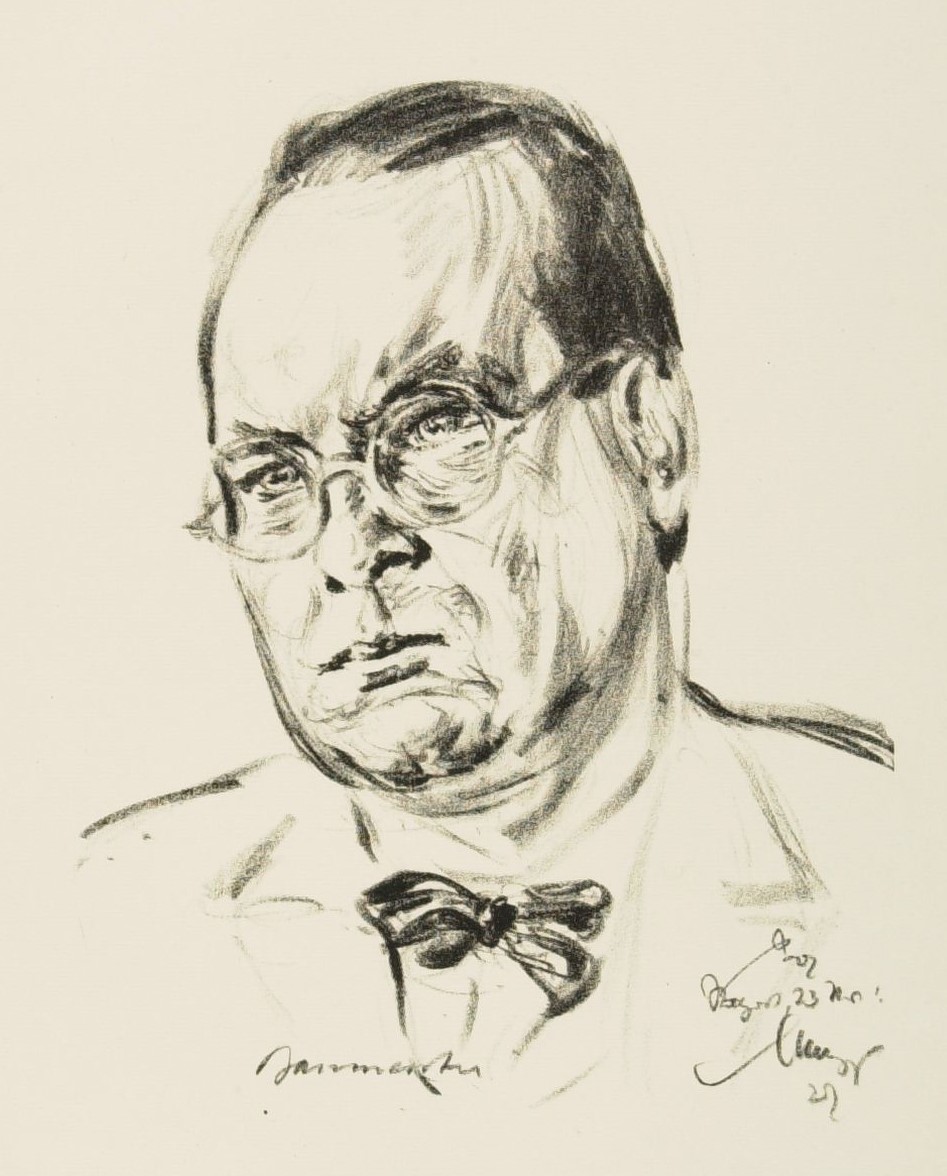
Willi Baumeister was a German painter, scenic designer, art professor, and typographer. His work was part of the art competitions at the 1928 Summer Olympics and the 1932 Summer Olympics.
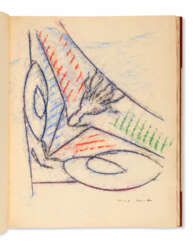

Max Ernst was a pivotal figure in the 20th-century art world, whose work transcended the boundaries of nationality and genre to leave an indelible mark on culture, art, sculpture, and painting. Born in Germany on April 2, 1891, and later becoming a naturalized American and French citizen, Ernst's career was a testament to his relentless innovation and creativity. Known primarily as an artist and painter, Ernst was a founding member of the Dada movement in Cologne before becoming a major proponent of Surrealism in Paris. His early encounters with the works of Pablo Picasso, Vincent van Gogh, and Paul Gauguin at the Sonderbund exhibition in 1912 deeply influenced his artistic direction, infusing it with elements of Cubism and Expressionism. Despite his lack of formal artistic training, Ernst's experimentation with techniques such as collage and frottage showcased his unique ability to blend the absurd with the sublime, making him a central figure in the artistic avant-garde of his time.
Ernst's work is notable for its exploration of the unconscious, using dreamlike imagery and symbolic figures to critique societal norms and delve into the chaos of the human psyche. His experiences in World War I profoundly impacted his worldview, leading to a deep skepticism of Western culture and an enduring search for meaning through art. This is evident in works such as "Europe After the Rain II," which reflects the devastation of war and "The Fireside Angel," inspired by the political turmoil of the Spanish Civil War, showcasing his ability to address contemporary issues through a surreal lens.
Ernst's contributions to art are preserved in major museums and galleries worldwide, including the Tate in the United Kingdom and the Museum of Modern Art in New York. His sculptures, paintings, and collages continue to be celebrated for their innovative techniques and imaginative scope, marking him as a revolutionary figure in modern art. Among his most significant works are "Ubu Imperator," "The Elephant Celebes," and "The Virgin Spanking the Christ Child before Three Witnesses," each reflecting his mastery over a diversity of mediums and themes.
For collectors and experts in art and antiques, Max Ernst remains a symbol of artistic freedom and exploration. His ability to navigate through various artistic movements while maintaining a distinct, innovative voice is a testament to his enduring legacy in the art world. To stay updated on new product sales and auction events related to Max Ernst, signing up for updates is a valuable opportunity for those deeply invested in the nuances of modern and surreal art.
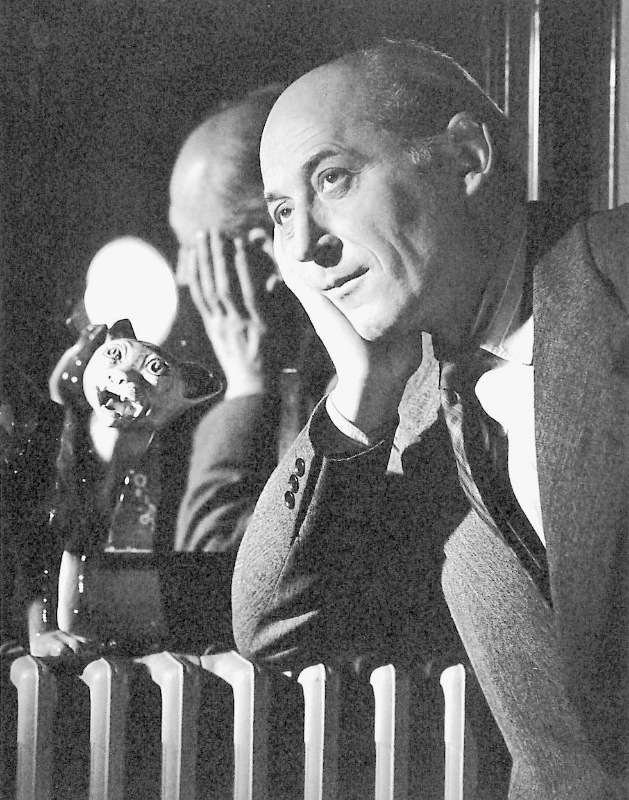
Benjamin Péret was a French poet and writer, celebrated as one of the most prominent figures in the Surrealist movement. His work is renowned for its imaginative depth and revolutionary spirit, embodying the essence of Surrealism's quest to liberate thought, language, and human experience from the constraints of rationality and conventional morality. Péret's poetry and writings are marked by a unique blend of dream-like imagery, sharp wit, and a fervent commitment to political and social change, reflecting his deep involvement with Surrealism and its foundational beliefs in the liberating power of the unconscious mind.
Throughout his career, Benjamin Péret made significant contributions to the development of Surrealist theory and practice, collaborating closely with other key figures in the movement such as André Breton. His work often explored themes of love, freedom, and the subversion of established norms, using language and imagery in innovative ways to challenge the reader's perceptions and provoke a deeper engagement with the irrational and the mysterious aspects of life. Péret's commitment to Surrealism was not only artistic but also political, as he actively engaged in radical political activities, reflecting his belief in the potential of Surrealism to effect social and cultural transformation.
Despite the richness and diversity of his contributions to art and literature, Benjamin Péret remains a somewhat underappreciated figure outside the circles of Surrealism enthusiasts and scholars. However, his work continues to inspire artists, writers, and thinkers who are drawn to its visionary qualities and its challenge to the boundaries between reality and imagination. For collectors and experts in art and antiques, Péret's writings and his role in the Surrealist movement offer a fascinating insight into one of the most innovative and transformative periods in modern culture.
To stay informed about the latest discoveries and opportunities related to Benjamin Péret, including new product sales and auction events, sign up for our updates. This subscription is designed specifically for enthusiasts and collectors eager to deepen their understanding and appreciation of Surrealist art and literature.













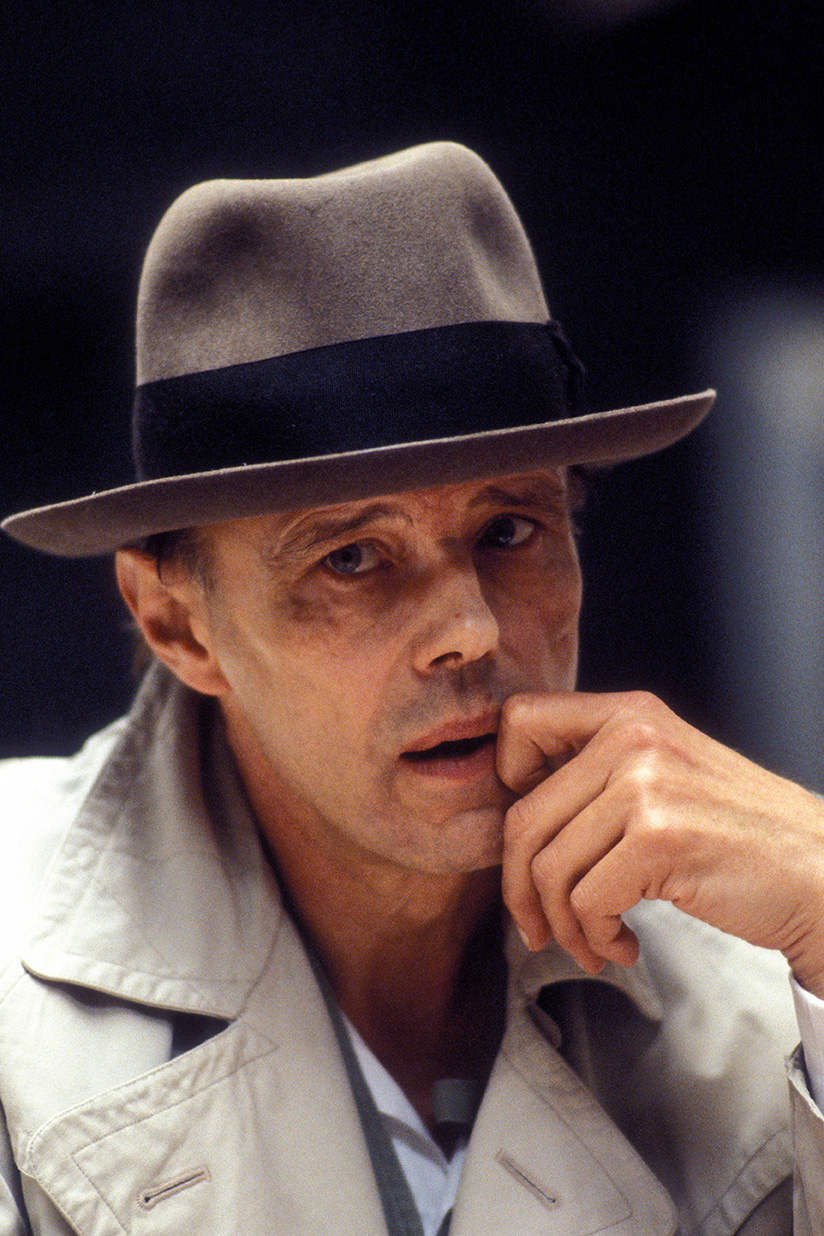
Joseph Heinrich Beuys was a German artist, renowned for his significant contributions to the realms of sculpture, painting, and installation art, which have left a lasting impact on the culture and art world. His work transcended traditional boundaries, merging art with social theory and politics, thus redefining the role of the artist in society. Beuys's unique approach to materials, incorporating substances like fat and felt, symbolized healing and insulation, reflecting his broader philosophical and ecological concerns.
Beuys's art was deeply influenced by his experiences during World War II and his academic background in natural sciences and sculpture. His concept of "social sculpture" proposed that art could transform society, emphasizing creativity as a fundamental component of human existence. This vision led him to use his performances, or "actions," as a medium to communicate his ideas, making him a pivotal figure in the Fluxus movement. Notable works such as "How to Explain Pictures to a Dead Hare" and "7000 Oaks" exemplify his innovative use of performance and environmental art to engage and challenge the public.
His legacy is preserved in major museums and galleries worldwide, including the Museum of Modern Art in New York and the Tate Modern in London. These institutions house key pieces that exemplify Beuys's diverse artistic output, from his early drawings and sculptures to his later installations and public interventions. His influence extends beyond the art world, impacting environmental activism and educational reform, underscoring his belief in the transformative power of art.
For collectors and experts in art and antiques, Joseph Heinrich Beuys remains a figure of immense interest, not only for his groundbreaking artworks but also for his profound impact on contemporary art theory and practice. To stay informed about new product sales and auction events related to Beuys, we invite you to sign up for updates. This subscription ensures you are always in the loop regarding opportunities to engage with the enduring legacy of one of the most influential artists of the 20th century.
