george cole


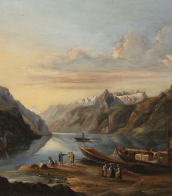


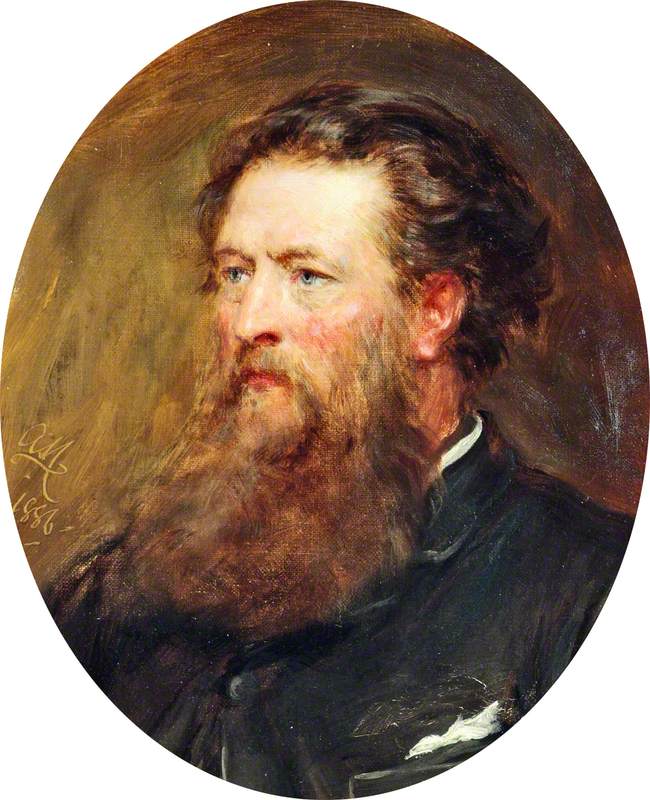
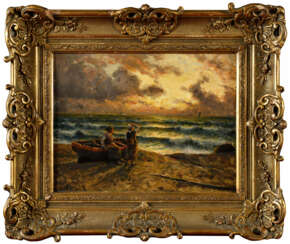
George Vicat Cole was a British landscape painter.
Born George Cole (1810-1883), a landscape painter, he began exhibiting early at the Royal Academy and became a Royal Academician in 1880.
Early in his career, Vicat Cole was influenced by the Pre-Raphaelites and painted pictures demanded by the times - peaceful, pastoral landscapes from the suburbs of London. The city dwellers began to feel nostalgic for the beautiful and peaceful countryside, time and way of life. This type of landscape was extremely popular in both Europe and America in the late 19th century.
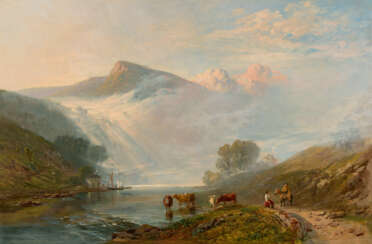

George Vicat Cole was a British landscape painter.
Born George Cole (1810-1883), a landscape painter, he began exhibiting early at the Royal Academy and became a Royal Academician in 1880.
Early in his career, Vicat Cole was influenced by the Pre-Raphaelites and painted pictures demanded by the times - peaceful, pastoral landscapes from the suburbs of London. The city dwellers began to feel nostalgic for the beautiful and peaceful countryside, time and way of life. This type of landscape was extremely popular in both Europe and America in the late 19th century.
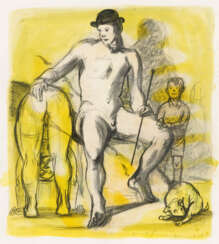

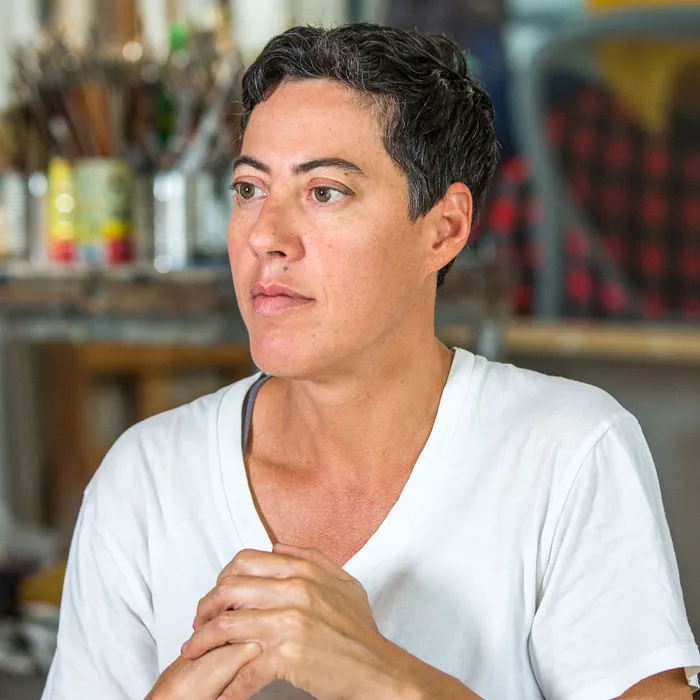
Nicole Eisenman is French-born American artist known for her oil paintings and sculptures. She has been awarded the Guggenheim Fellowship (1996), the Carnegie Prize (2013), and has thrice been included in the Whitney Biennial (1995, 2012, 2019). On September 29, 2015, she won a MacArthur Fellowship award for "restoring the representation of the human form a cultural significance that had waned during the ascendancy of abstraction in the 20th century."

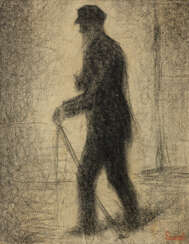

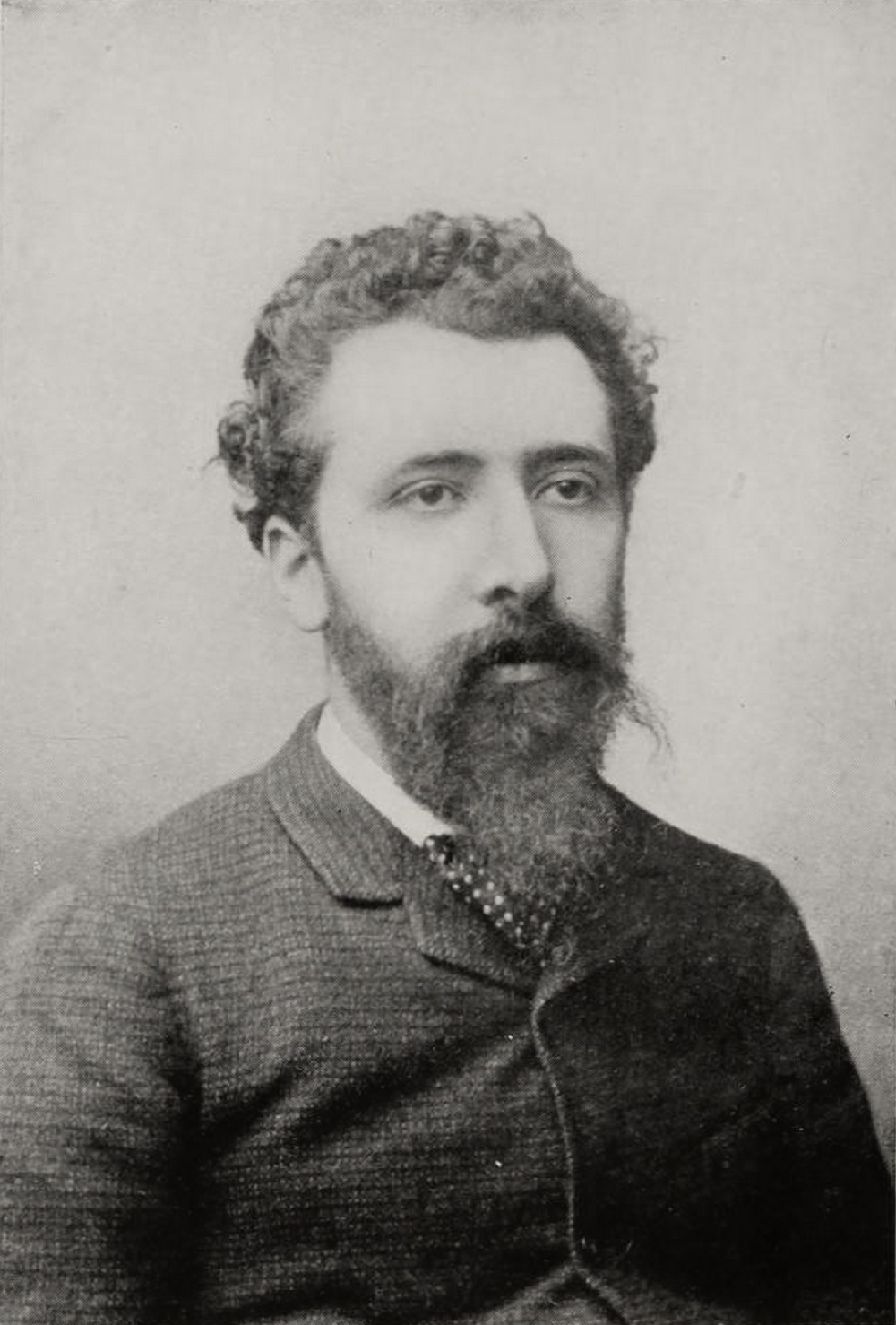
Georges Seurat was a French painter, renowned as the founder of the 19th-century French school of Neo-Impressionism. His groundbreaking technique, Pointillism, involved the use of tiny, contrasting color brushstrokes that, when viewed together, created a luminous quality in his compositions. Seurat's life was a blend of rigorous academic training and innovative artistic exploration.
Born on December 2, 1859, in Paris, Seurat demonstrated an early interest in art. He received formal training at the École des Beaux-Arts under Henri Lehmann, a disciple of the Neo-Classical painter Ingres, where he honed his skills in drawing and composition. Seurat was deeply influenced by color theories and the science of optics, which became central to his artistic approach. He was particularly inspired by the work of Michel-Eugène Chevreul and Ogden N. Rood, whose writings on color contrast and harmony greatly influenced his painting technique.
One of Seurat's most famous works, "A Sunday Afternoon on the Island of La Grande Jatte" (1884–1886), showcased his Pointillism technique. This painting, now housed in the Art Institute of Chicago, portrays members of different social classes engaged in various activities in a park setting. The work is notable for its use of small, juxtaposed dots of multi-colored paint, which allow the viewer's eye to blend colors optically. This technique was a significant departure from the traditional methods of color mixing on the canvas.
Another notable work by Seurat is "Bathers at Asnières" (1884), displayed at the National Gallery in London. This large canvas depicts young men relaxing by the Seine in a working-class suburb of Paris. The painting reflects Seurat's neoclassical training, with its smooth, simplified textures and carefully outlined figures.
Seurat's final painting, "The Circus" (1890-91), represents a shift to a more dynamic representation of movement and is typical of his late style. Unfortunately, Seurat's life was cut short when he died suddenly in March 1891, leaving "The Circus" unfinished. This painting is now part of the collection at the Musée d'Orsay in Paris.
Seurat's innovative techniques and his exploration of color theory and optics had a lasting impact on the art world, influencing subsequent generations of artists. His work remains a testament to the fusion of scientific principles with artistic expression, making him a pivotal figure in the transition from Impressionism to Post-Impressionism and modern art.
For those captivated by the genius of Georges Seurat and his revolutionary art, there's an exclusive opportunity waiting for you. By signing up for our updates, you'll be the first to know about new product sales and auction events related to Seurat's works and legacy. This subscription is tailored for enthusiasts, collectors, and experts in the field of art and antiques, ensuring you receive only the most relevant and curated information. Don't miss out on the chance to enhance your collection and deepen your understanding of Seurat's impact on the art world. Sign up now and stay ahead in the world of fine art and antiques.


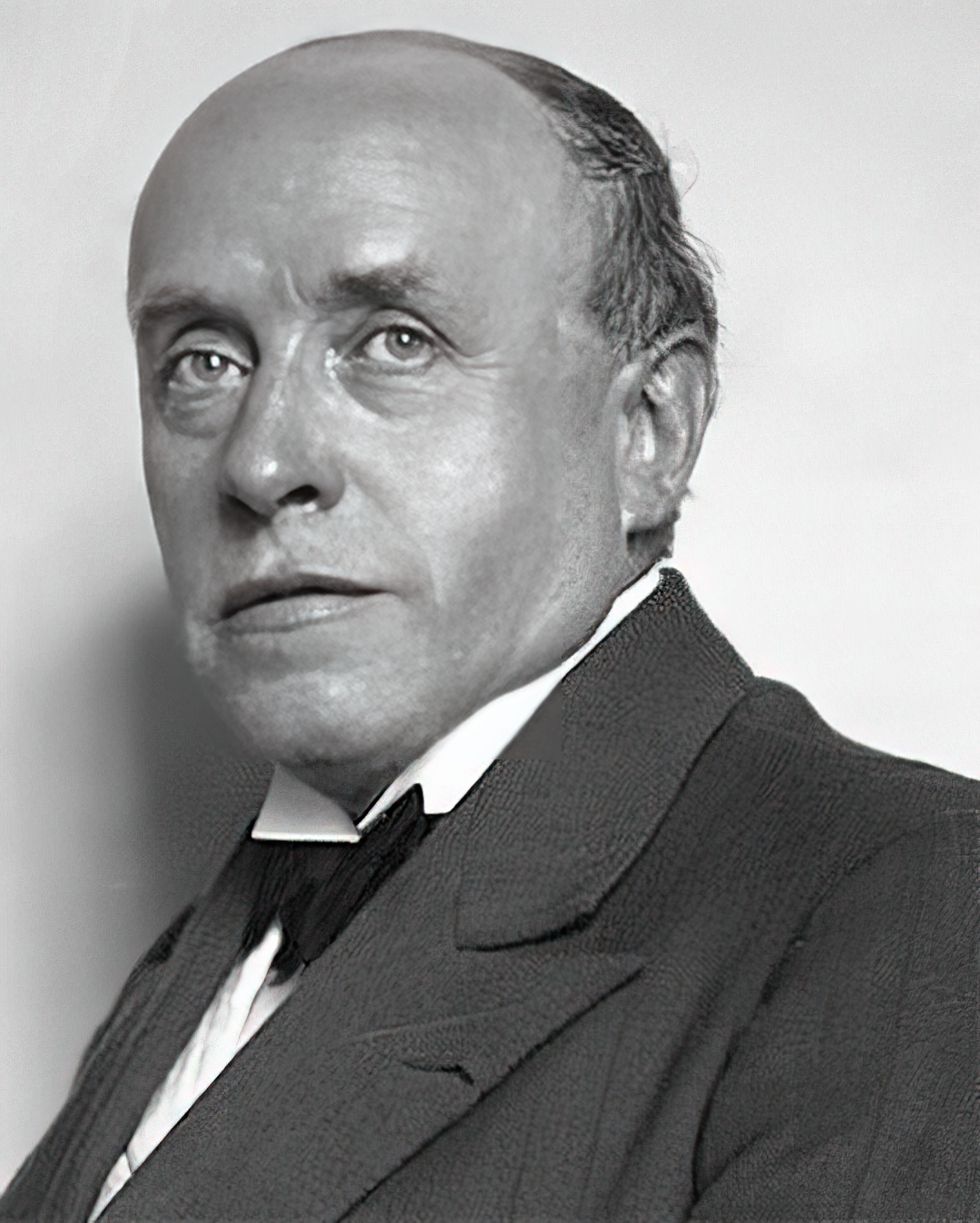
Georges Rouault was a French painter, printmaker and ceramicist whose profound works combined art and spirituality, making him a key figure in the contemporary art world. Born into a modest family in Paris during the turbulent times of the Paris Commune, Rouault's early exposure to art came through his grandfather's collection of lithographs by Honoré Daumier. His initial apprenticeship in a glazier's workshop had a profound influence on his artistic style, especially his work with stained glass, which later became a hallmark of his painting technique.
Rouault's career took a significant turn under the tutelage of Symbolist painter Gustave Moreau, who introduced him to avant-garde circles, leading Rouault into the Fauvist movement alongside Henri Matisse. However, Rouault's unique approach was characterized by a more instinctive and spontaneous style that was deeply influenced by Vincent van Gogh and which eventually led him to Expressionism. His works from this period, dealing with subjects such as courts, clowns, and prostitutes, served as a form of moral and social criticism, motivated by his deep Christian faith and concern for human nature. This period marked a significant evolution in Rouault's style; his paintings reflect a mixture of religious iconography and human suffering, demonstrating his mastery of conveying deeply emotional and spiritual stories.
One of Rouault's most notable contributions to art was his involvement in the scenography for Sergei Diaghilev's ballet The Prodigal Son and his famous series of paintings and prints such as Miserere. His later works are renowned for their explosive use of color and texture, highlighting his mastery of expressing the spiritual harmony and beauty of nature. The end of Rouault's career was marked by a gesture of humility and dedication to his craft: he destroyed a significant number of his unfinished works, feeling that he could not complete them to his satisfaction.
Rouault's legacy has been preserved through his impressive works in renowned museums and galleries around the world. His art continues to inspire and resonate with collectors, experts and lovers of art and antiques, serving as a testament to his enduring influence on the art world.
For those deeply interested in exploring the life and work of Georges Rouault, it is important to stay abreast of new discoveries, sales, and auction events related to his art. We encourage you to subscribe to updates so that you don't miss out on the opportunity to engage with the legacy of this remarkable artist. This subscription will be your gateway to the world of Georges Rouault, offering exclusive insights into his contribution to contemporary art.


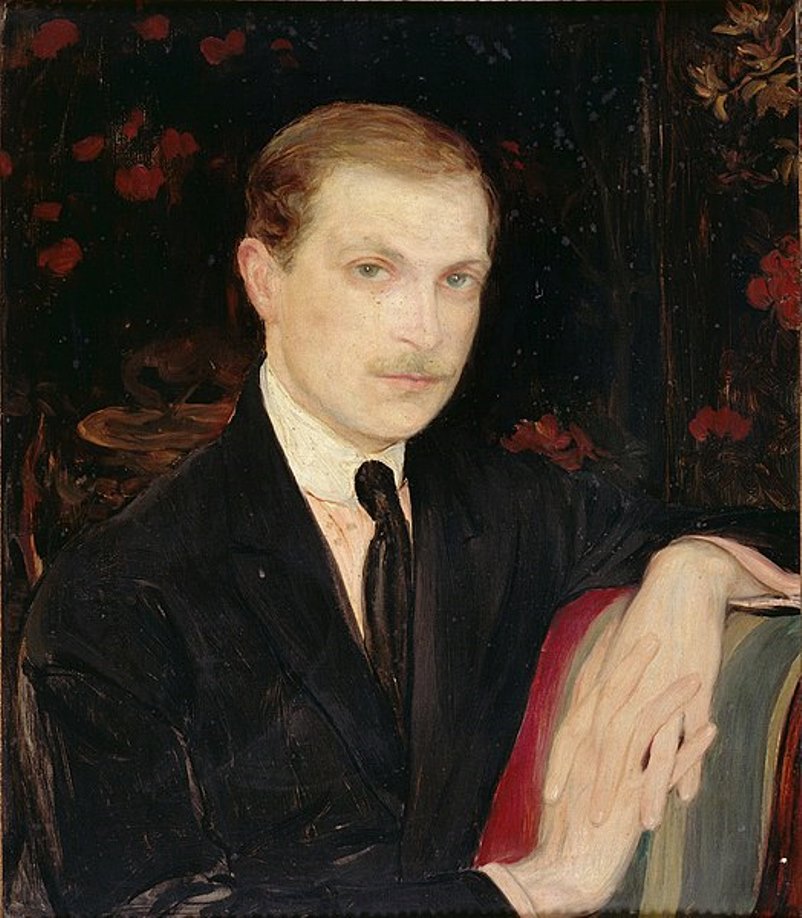
George Barbier was a French artist and illustrator, fashion designer, who influenced the development of the Art Deco movement.
George Barbier studied painting at the École Nationale Supérieure des Beaux-Arts in Paris. Initially he worked as an illustrator for several famous Parisian fashion magazines, and gradually his drawings began to define the style of women's clothing. The emergence of the Art Nouveau style moved Barbier to create luxurious fashions for cabarets, theaters, and movies. He depicted extravagant theatrical costumes with sparkling rhinestones, high headdresses and huge plumes. Barbier created stage costume designs for Diaghilev's famous Russian Ballet.
He also illustrated catalogs and many literary works, including works by Charles Baudelaire and P. Verlaine, and was an author and designer of jewelry.


Georges Rouault was a French painter, printmaker and ceramicist whose profound works combined art and spirituality, making him a key figure in the contemporary art world. Born into a modest family in Paris during the turbulent times of the Paris Commune, Rouault's early exposure to art came through his grandfather's collection of lithographs by Honoré Daumier. His initial apprenticeship in a glazier's workshop had a profound influence on his artistic style, especially his work with stained glass, which later became a hallmark of his painting technique.
Rouault's career took a significant turn under the tutelage of Symbolist painter Gustave Moreau, who introduced him to avant-garde circles, leading Rouault into the Fauvist movement alongside Henri Matisse. However, Rouault's unique approach was characterized by a more instinctive and spontaneous style that was deeply influenced by Vincent van Gogh and which eventually led him to Expressionism. His works from this period, dealing with subjects such as courts, clowns, and prostitutes, served as a form of moral and social criticism, motivated by his deep Christian faith and concern for human nature. This period marked a significant evolution in Rouault's style; his paintings reflect a mixture of religious iconography and human suffering, demonstrating his mastery of conveying deeply emotional and spiritual stories.
One of Rouault's most notable contributions to art was his involvement in the scenography for Sergei Diaghilev's ballet The Prodigal Son and his famous series of paintings and prints such as Miserere. His later works are renowned for their explosive use of color and texture, highlighting his mastery of expressing the spiritual harmony and beauty of nature. The end of Rouault's career was marked by a gesture of humility and dedication to his craft: he destroyed a significant number of his unfinished works, feeling that he could not complete them to his satisfaction.
Rouault's legacy has been preserved through his impressive works in renowned museums and galleries around the world. His art continues to inspire and resonate with collectors, experts and lovers of art and antiques, serving as a testament to his enduring influence on the art world.
For those deeply interested in exploring the life and work of Georges Rouault, it is important to stay abreast of new discoveries, sales, and auction events related to his art. We encourage you to subscribe to updates so that you don't miss out on the opportunity to engage with the legacy of this remarkable artist. This subscription will be your gateway to the world of Georges Rouault, offering exclusive insights into his contribution to contemporary art.




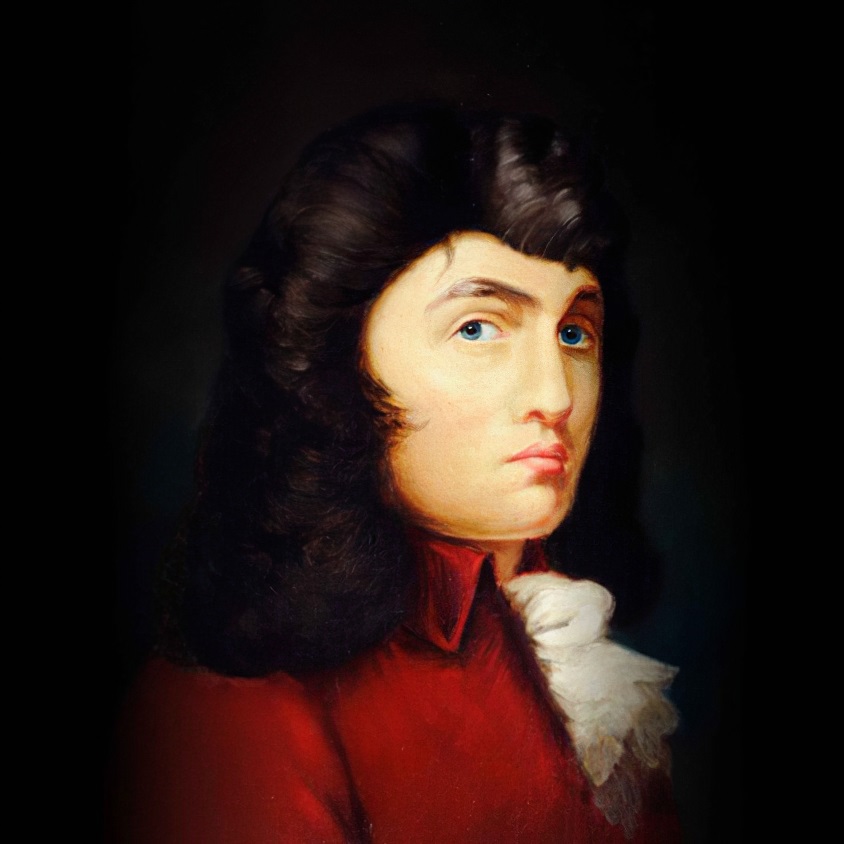
Thomas Chippendale was a cabinet-maker in London, designing furniture in the mid-Georgian, English Rococo, and Neoclassical styles. In 1754 he published a book of his designs in a trade catalogue titled The Gentleman and Cabinet Maker's Director — the most important collection of furniture designs published in England to that point which created a mass market for furniture—upon which success he became renowned. According to the Victoria and Albert Museum, «so influential were his designs, in Britain and throughout Europe and America, that "Chippendale" became a shorthand description for any furniture similar to his Director designs».



.jpeg)
Jean Dunand was a Swiss and French painter, sculptor, metal craftsman and interior designer during the Art Deco period. He was particularly known for his lacquered screens and other art objects.
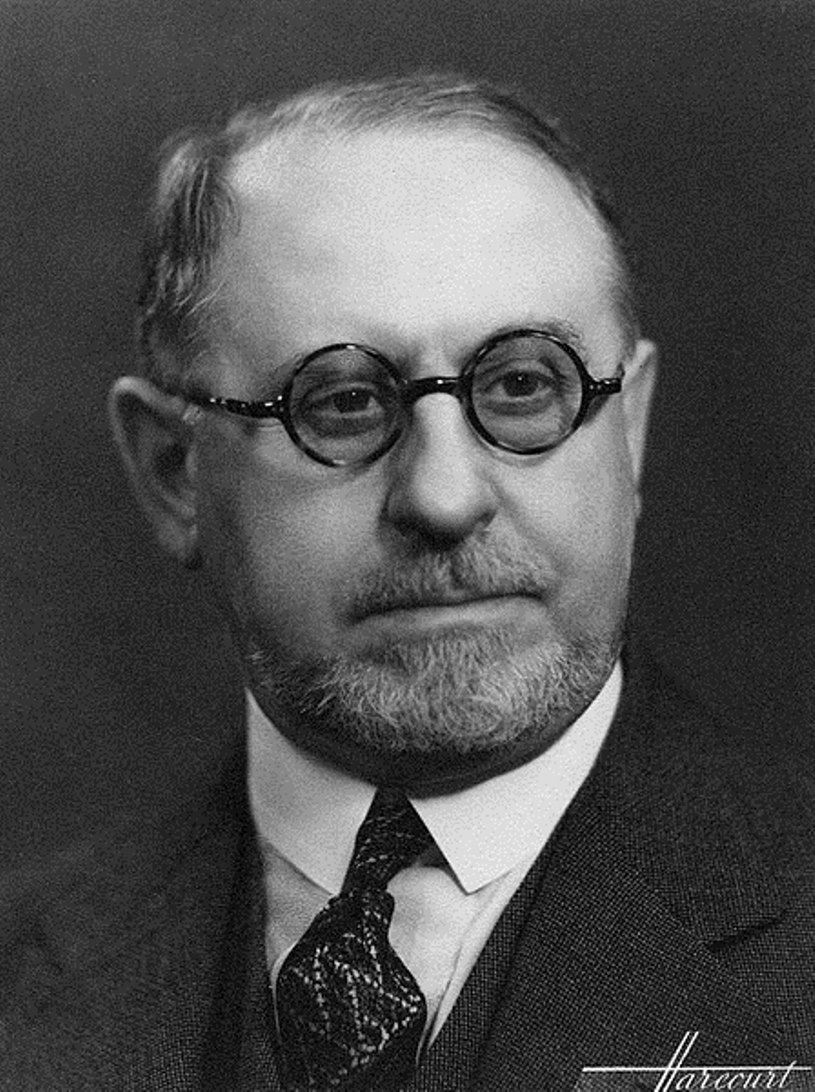
Pierre Paul Jouve was a French painter, sculptor and illustrator.
Paul was the son of painter and ceramicist Auguste Jouve, as a child he frequented the Jardin des Plantes and the Musée de la Histoire Naturelle de Paris and drew wild cats, which he fell in love with throughout his life. He entered the École des Arts Décoratifs and then the École des Beaux-Arts, exhibiting at the Salons from the age of 16. As part of the World Exhibition in 1900, Zhuv was commissioned by the architect René Binet to create a hundred-meter bas-relief frieze depicting wild animals.
In 1905, Marcel Bing organized the first solo exhibition of Paul Jouve, which featured 64 of his works. In 1907 Juve lived at the villa of French artists Abd el-Tif in Algeria, then went to Greece. After World War I he traveled to the Far East, visiting Ceylon, Saigon in the French colony of Cochinchin (now Vietnam), and Phnom Penh in Cambodia. He then explored the jungles of Africa. Paul Jouve became widely known for his paintings and sculptures depicting the animals of Africa. He was the first recipient of the Abd el-Tif Prize in 1907 and then the Indochina Prize in 1921.
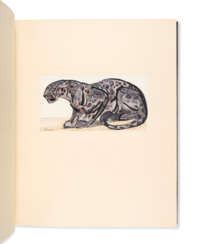
Today, Paul Jouve is best remembered for his depictions of big cats and his illustration of an edition of Rudyard Kipling's The Jungle Book in collaboration with engraver F.L. Schmid (1873-1941), which was published in 1919. Juve became a director of the Society of Decorative Artists, and he was elected a member of the French Academy of Fine Arts in 1945. Throughout his long life, the artist continued to travel. He visited the United States and Bermuda, which inspired a panel entitled Poisson, which is now in the collection of the Museum of Fine Arts in Reims.
Paul Jouve died in his studio in Paris in 1973 at the age of 95.



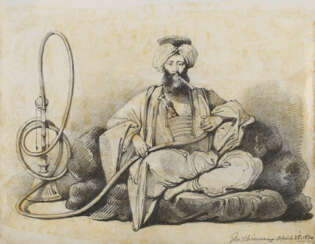

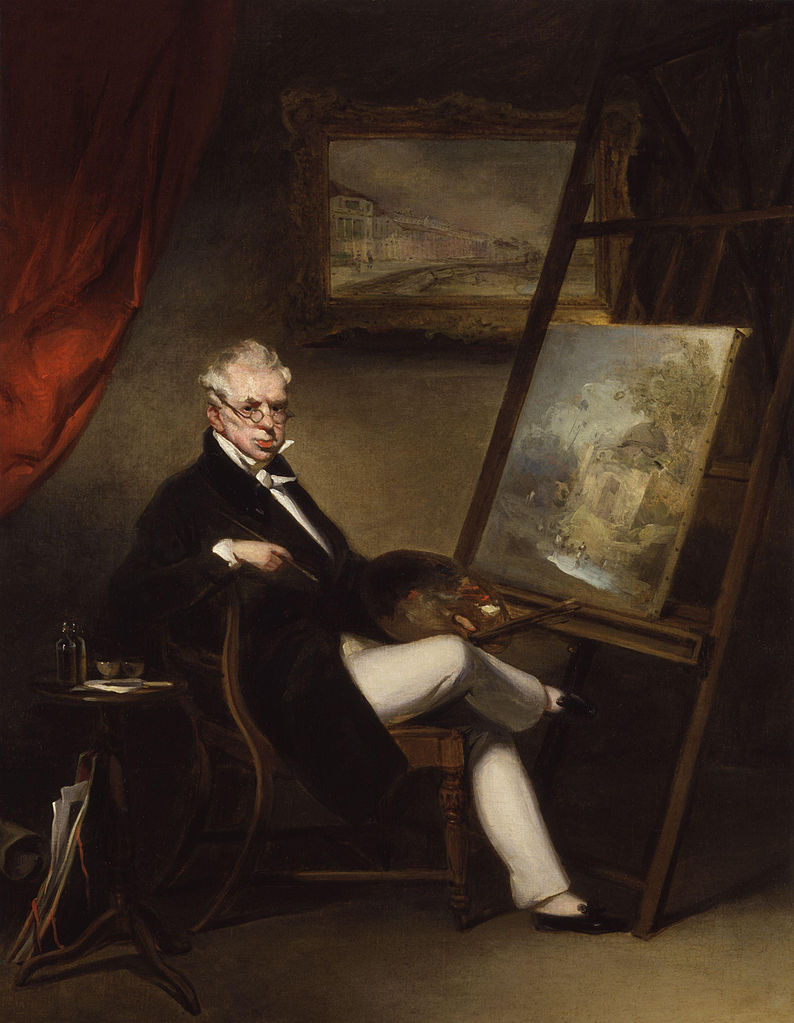
George Chinnery was a British painter best known for his work in India and China.
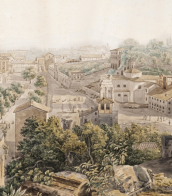
George studied at the Royal Academy schools, painting portraits and sketches, but in 1802, shortly after his marriage, trying to straighten out his family's financial situation, he traveled to India. In Calcutta, Chinnery became the leading artist of the British community in India. And in 1825 he went to China and lived in Macau for the rest of his life.
Chinnery painted portraits of Chinese and Western merchants, visiting sea captains and their families. Chinnery also painted landscapes (both in oil and watercolor) and made many vivid drawings of Macau residents of the time engaged in their daily activities. Among the heroes of his portraits are the Scottish opium merchants who patronized him. In addition to their artistic value, Chinnery's paintings also have historical value, as he was the only Western artist living in South China during the early to mid-19th century.
There are still many architectural sites in Macau recognizable from his sketches that have changed little since then. Today, Chinnery's paintings are in public and private collections around the world. The Macau Museum and the Macau Art Museum have a good selection of his work.
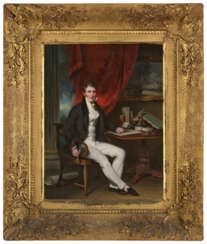

George Chinnery was a British painter best known for his work in India and China.
George studied at the Royal Academy schools, painting portraits and sketches, but in 1802, shortly after his marriage, trying to straighten out his family's financial situation, he traveled to India. In Calcutta, Chinnery became the leading artist of the British community in India. And in 1825 he went to China and lived in Macau for the rest of his life.
Chinnery painted portraits of Chinese and Western merchants, visiting sea captains and their families. Chinnery also painted landscapes (both in oil and watercolor) and made many vivid drawings of Macau residents of the time engaged in their daily activities. Among the heroes of his portraits are the Scottish opium merchants who patronized him. In addition to their artistic value, Chinnery's paintings also have historical value, as he was the only Western artist living in South China during the early to mid-19th century.
There are still many architectural sites in Macau recognizable from his sketches that have changed little since then. Today, Chinnery's paintings are in public and private collections around the world. The Macau Museum and the Macau Art Museum have a good selection of his work.
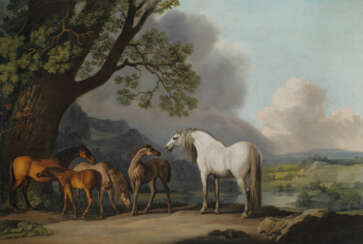

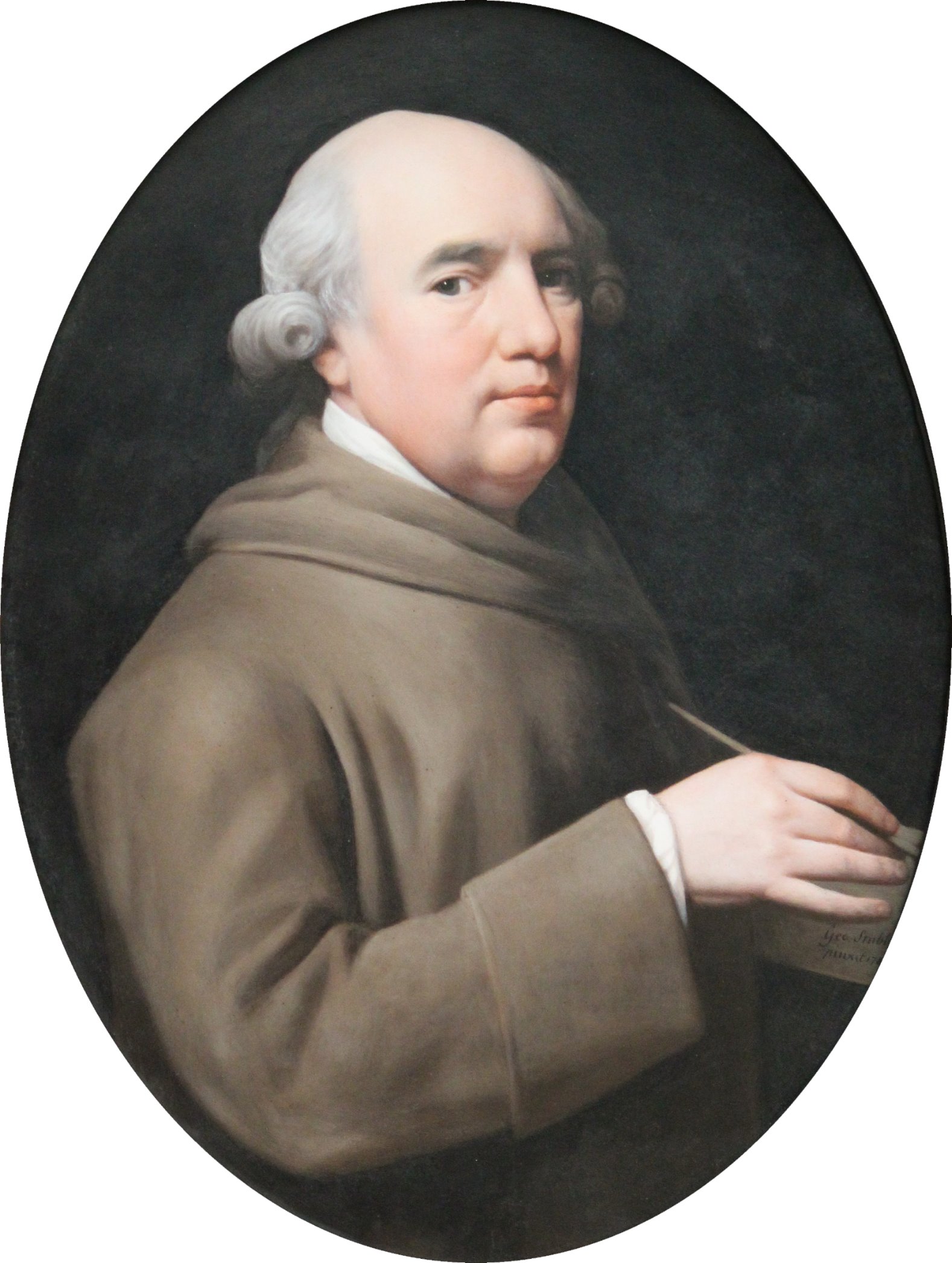
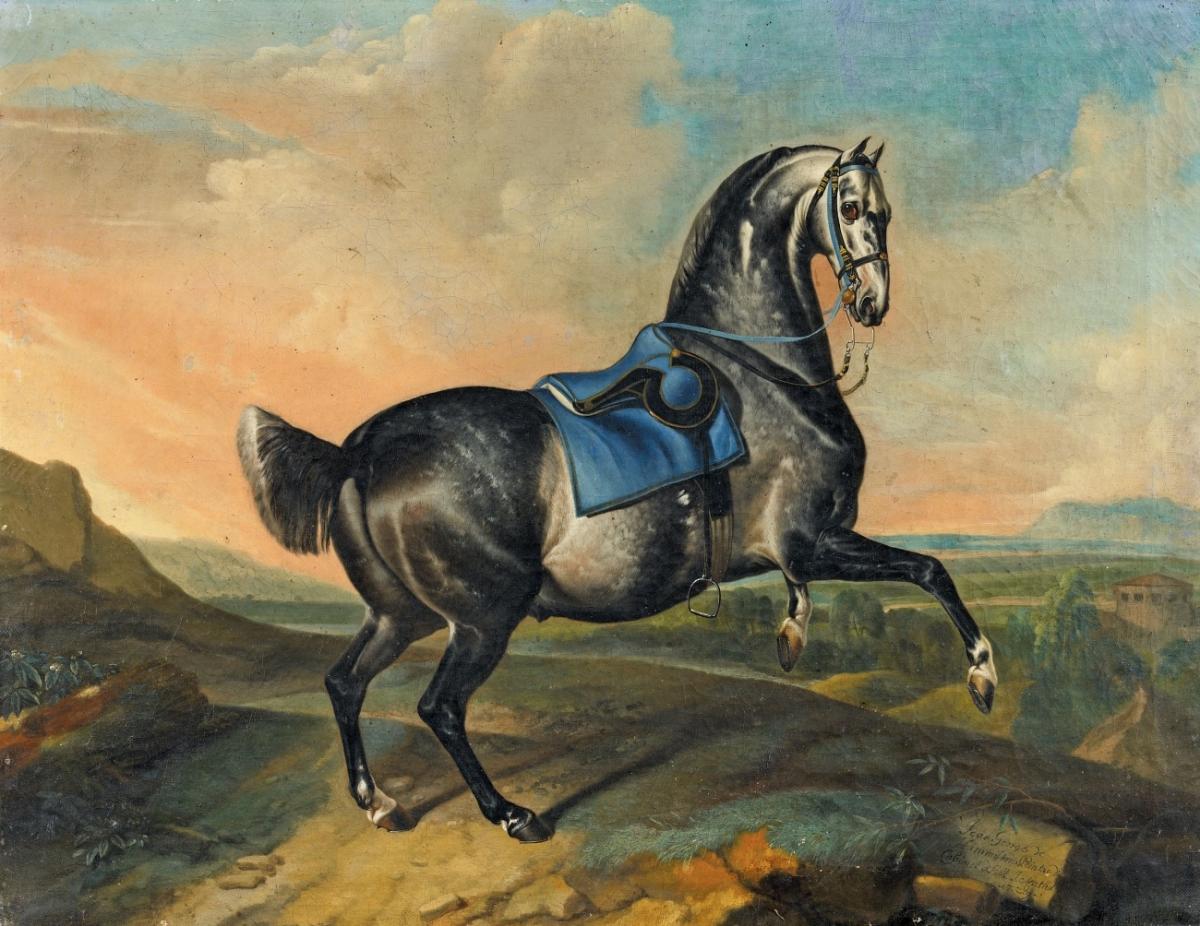
George Stubbs was an English painter, best known for his paintings of horses. Self-trained, Stubbs learnt his skills independently from other great artists of the 18th century such as Reynolds or Gainsborough. Stubbs' output includes history paintings, but his greatest skill was in painting animals, perhaps influenced by his love and study of anatomy. His series of paintings on the theme of a lion attacking a horse are early and significant examples of the Romantic movement that emerged in the late 18th century. His painting, Whistlejacket hangs in the National Gallery, London.

Georges Rouault was a French painter, printmaker and ceramicist whose profound works combined art and spirituality, making him a key figure in the contemporary art world. Born into a modest family in Paris during the turbulent times of the Paris Commune, Rouault's early exposure to art came through his grandfather's collection of lithographs by Honoré Daumier. His initial apprenticeship in a glazier's workshop had a profound influence on his artistic style, especially his work with stained glass, which later became a hallmark of his painting technique.
Rouault's career took a significant turn under the tutelage of Symbolist painter Gustave Moreau, who introduced him to avant-garde circles, leading Rouault into the Fauvist movement alongside Henri Matisse. However, Rouault's unique approach was characterized by a more instinctive and spontaneous style that was deeply influenced by Vincent van Gogh and which eventually led him to Expressionism. His works from this period, dealing with subjects such as courts, clowns, and prostitutes, served as a form of moral and social criticism, motivated by his deep Christian faith and concern for human nature. This period marked a significant evolution in Rouault's style; his paintings reflect a mixture of religious iconography and human suffering, demonstrating his mastery of conveying deeply emotional and spiritual stories.
One of Rouault's most notable contributions to art was his involvement in the scenography for Sergei Diaghilev's ballet The Prodigal Son and his famous series of paintings and prints such as Miserere. His later works are renowned for their explosive use of color and texture, highlighting his mastery of expressing the spiritual harmony and beauty of nature. The end of Rouault's career was marked by a gesture of humility and dedication to his craft: he destroyed a significant number of his unfinished works, feeling that he could not complete them to his satisfaction.
Rouault's legacy has been preserved through his impressive works in renowned museums and galleries around the world. His art continues to inspire and resonate with collectors, experts and lovers of art and antiques, serving as a testament to his enduring influence on the art world.
For those deeply interested in exploring the life and work of Georges Rouault, it is important to stay abreast of new discoveries, sales, and auction events related to his art. We encourage you to subscribe to updates so that you don't miss out on the opportunity to engage with the legacy of this remarkable artist. This subscription will be your gateway to the world of Georges Rouault, offering exclusive insights into his contribution to contemporary art.
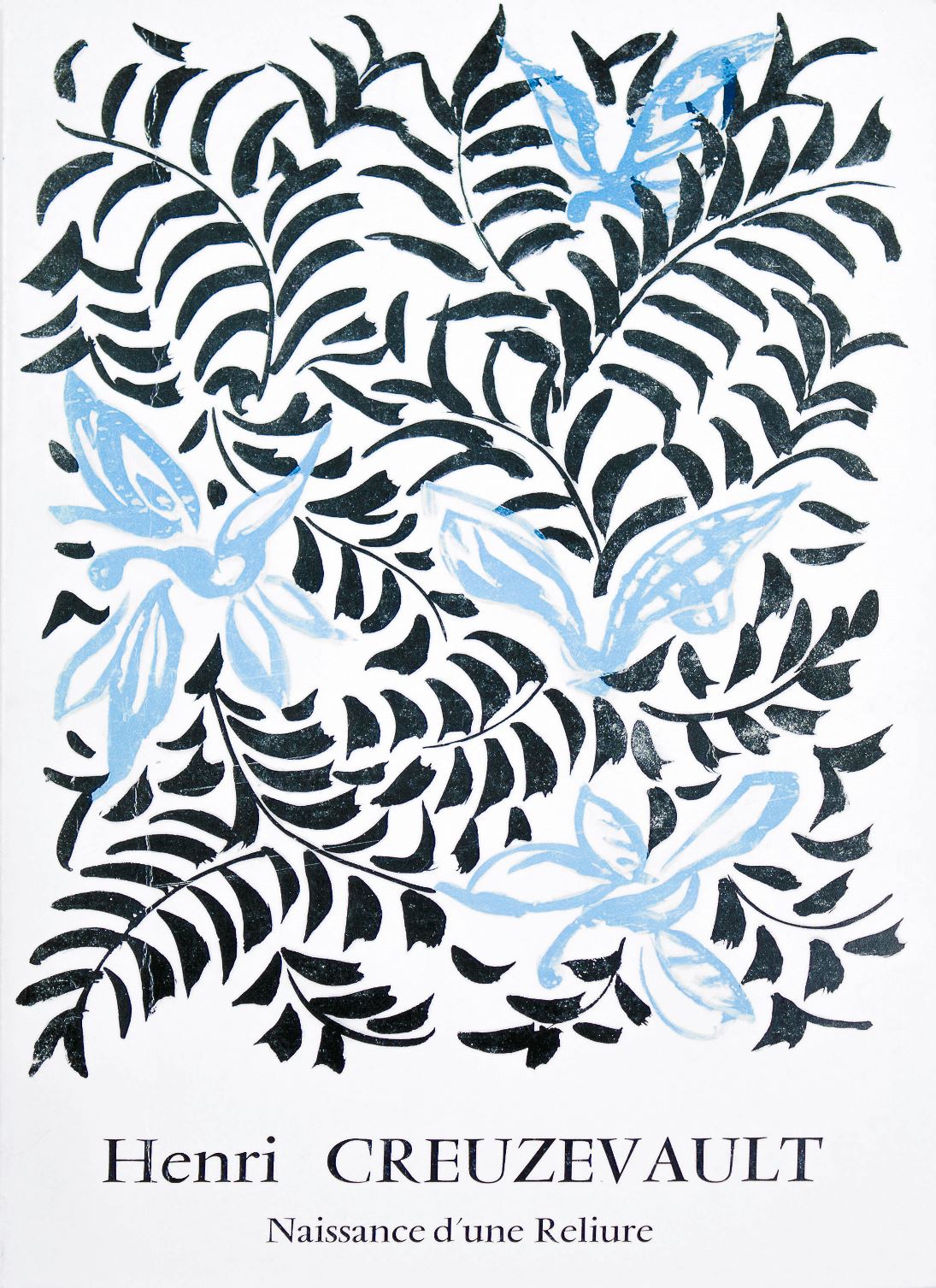
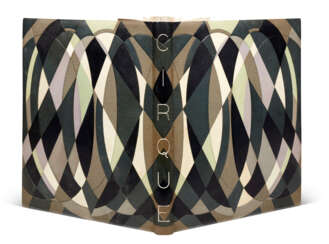
Henri Creuzevault was a French publisher, bookbinder and restorer.
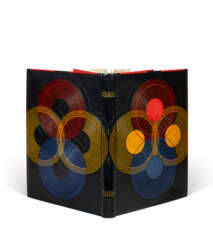
In his youth he worked alongside his father, the bookbinder Louis Creuzevault. Together with him, Henri participated in an exhibition at the Musée Gallière in 1928 and received his first award, and in 1930 he became the owner of the workshop. In addition to bookbinding, he began publishing luxury books, commissioning illustrations from contemporary artists. Since then, he has been involved in both publishing and bookbinding at the same time.
At the 1937 International Exhibition, Henri Creuzevault won the First Prize for bookbinding. In 1946, he participated in the creation of the Original Bookbinding Society and took part in its exhibitions and in various book events in France and abroad. He also won a gold medal at the 1954 Milan Triennale. In 1937, the city authorities of Paris commissioned him to make bindings for gifts to the English princesses Elizabeth and Marguerite, as well as for the Golden Book of the Albert I Monument.
With his work, Henri Creuzevault created a new aesthetic concept oriented towards the freest expressions of the modern art of bookmaking.

Georges Rouault was a French painter, printmaker and ceramicist whose profound works combined art and spirituality, making him a key figure in the contemporary art world. Born into a modest family in Paris during the turbulent times of the Paris Commune, Rouault's early exposure to art came through his grandfather's collection of lithographs by Honoré Daumier. His initial apprenticeship in a glazier's workshop had a profound influence on his artistic style, especially his work with stained glass, which later became a hallmark of his painting technique.
Rouault's career took a significant turn under the tutelage of Symbolist painter Gustave Moreau, who introduced him to avant-garde circles, leading Rouault into the Fauvist movement alongside Henri Matisse. However, Rouault's unique approach was characterized by a more instinctive and spontaneous style that was deeply influenced by Vincent van Gogh and which eventually led him to Expressionism. His works from this period, dealing with subjects such as courts, clowns, and prostitutes, served as a form of moral and social criticism, motivated by his deep Christian faith and concern for human nature. This period marked a significant evolution in Rouault's style; his paintings reflect a mixture of religious iconography and human suffering, demonstrating his mastery of conveying deeply emotional and spiritual stories.
One of Rouault's most notable contributions to art was his involvement in the scenography for Sergei Diaghilev's ballet The Prodigal Son and his famous series of paintings and prints such as Miserere. His later works are renowned for their explosive use of color and texture, highlighting his mastery of expressing the spiritual harmony and beauty of nature. The end of Rouault's career was marked by a gesture of humility and dedication to his craft: he destroyed a significant number of his unfinished works, feeling that he could not complete them to his satisfaction.
Rouault's legacy has been preserved through his impressive works in renowned museums and galleries around the world. His art continues to inspire and resonate with collectors, experts and lovers of art and antiques, serving as a testament to his enduring influence on the art world.
For those deeply interested in exploring the life and work of Georges Rouault, it is important to stay abreast of new discoveries, sales, and auction events related to his art. We encourage you to subscribe to updates so that you don't miss out on the opportunity to engage with the legacy of this remarkable artist. This subscription will be your gateway to the world of Georges Rouault, offering exclusive insights into his contribution to contemporary art.
Henri Creuzevault was a French publisher, bookbinder and restorer.
In his youth he worked alongside his father, the bookbinder Louis Creuzevault. Together with him, Henri participated in an exhibition at the Musée Gallière in 1928 and received his first award, and in 1930 he became the owner of the workshop. In addition to bookbinding, he began publishing luxury books, commissioning illustrations from contemporary artists. Since then, he has been involved in both publishing and bookbinding at the same time.
At the 1937 International Exhibition, Henri Creuzevault won the First Prize for bookbinding. In 1946, he participated in the creation of the Original Bookbinding Society and took part in its exhibitions and in various book events in France and abroad. He also won a gold medal at the 1954 Milan Triennale. In 1937, the city authorities of Paris commissioned him to make bindings for gifts to the English princesses Elizabeth and Marguerite, as well as for the Golden Book of the Albert I Monument.
With his work, Henri Creuzevault created a new aesthetic concept oriented towards the freest expressions of the modern art of bookmaking.


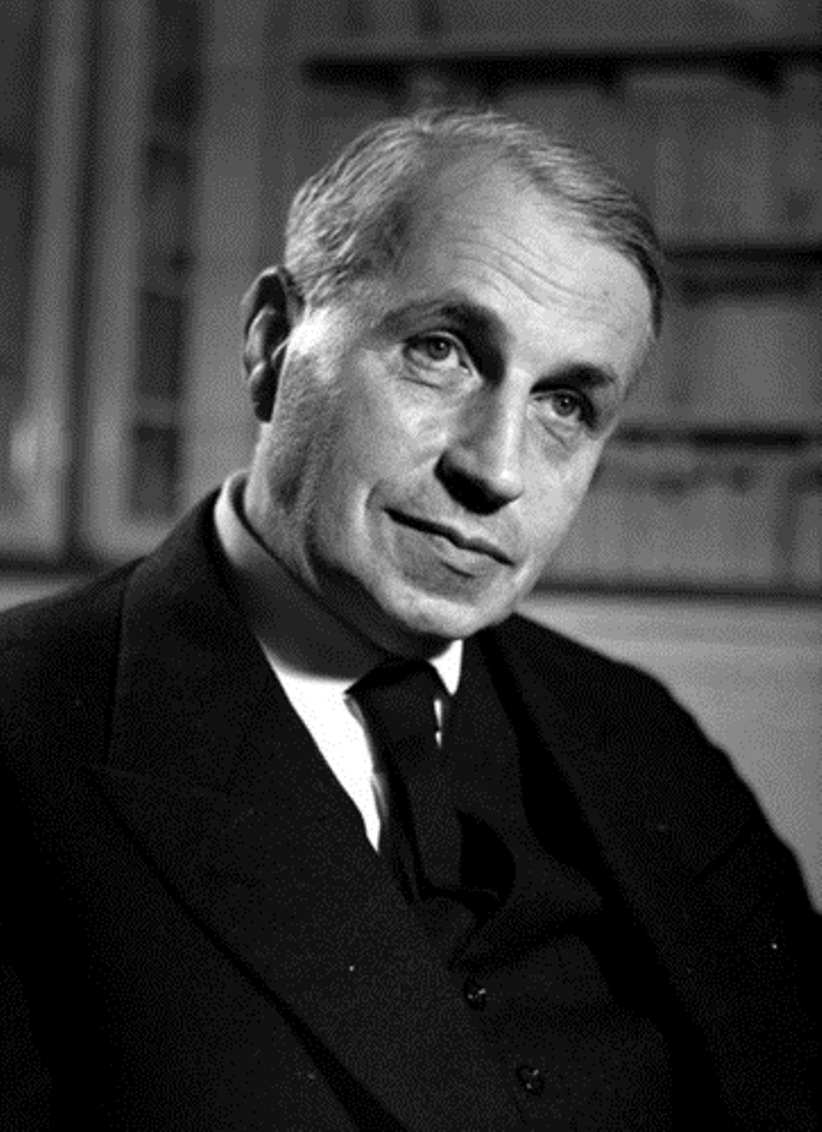
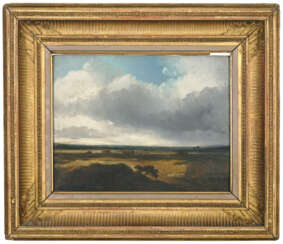

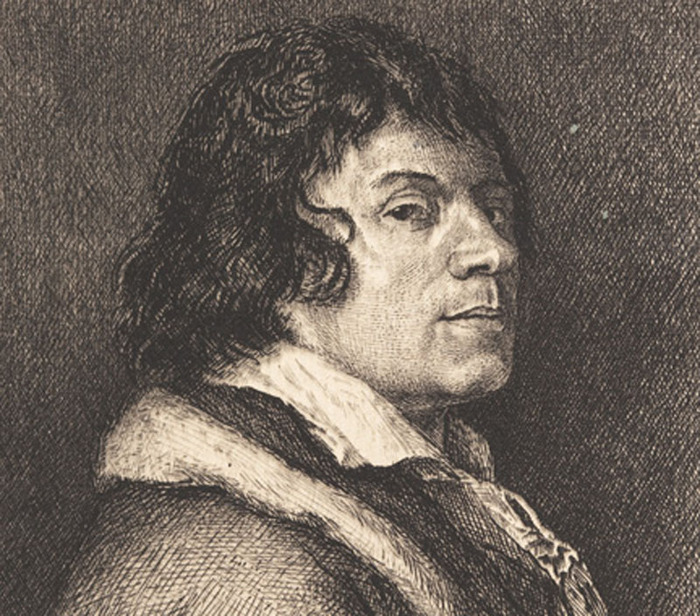
Georges Michel was a French landscape painter and restorer.
Georges Michel painted landscapes in oil and watercolor, creating many paintings of views of Paris neighborhoods. In 1791, the artist made his debut at the Salon, where he continued to exhibit regularly. However, critics ignored Michel, considering his works too similar to those of the Dutch masters. From 1800 he worked at the Louvre as a restorer of Flemish and Dutch paintings, including works by Rembrandt, Jacob van Ruysdal and Meindert Hobbema, who had a decisive influence on his own work.
A forerunner of the Barbizon School, Georges Michel was forgotten for several decades after his death. The first major exhibition of his work was presented in Paris in 1927. Today, his work is in museums around the world, including the Metropolitan Museum of Art, the Hermitage Museum, the Vanderbilt University Gallery, the Strasbourg Museum of Fine Arts, the Victoria and Albert Museum, and many others.
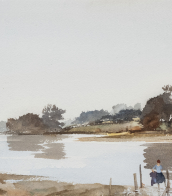
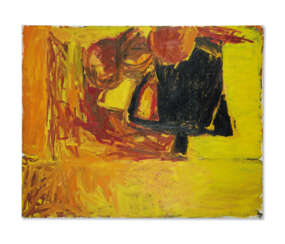

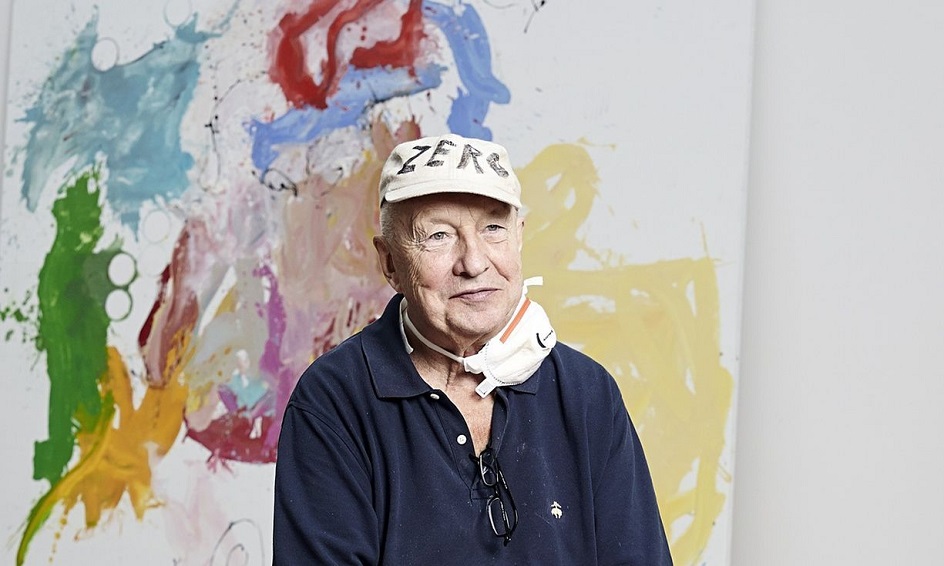
Georg Baselitz is a German painter, sculptor and graphic artist. In the 1960s he became well known for his figurative, expressive paintings. In 1969 he began painting his subjects upside down in an effort to overcome the representational, content-driven character of his earlier work and stress the artifice of painting. Drawing from myriad influences, including art of Soviet era illustration art, the Mannerist period and African sculptures, he developed his own, distinct artistic language.
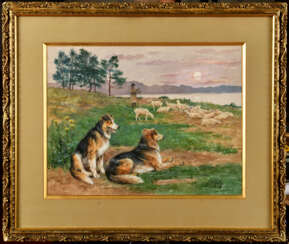


Georges-Frédéric Rötig was a French animal painter and illustrator best known for his depictions of wildlife.
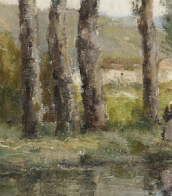
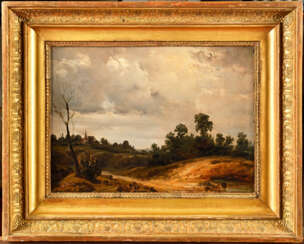

Georges Michel was a French landscape painter and restorer.
Georges Michel painted landscapes in oil and watercolor, creating many paintings of views of Paris neighborhoods. In 1791, the artist made his debut at the Salon, where he continued to exhibit regularly. However, critics ignored Michel, considering his works too similar to those of the Dutch masters. From 1800 he worked at the Louvre as a restorer of Flemish and Dutch paintings, including works by Rembrandt, Jacob van Ruysdal and Meindert Hobbema, who had a decisive influence on his own work.
A forerunner of the Barbizon School, Georges Michel was forgotten for several decades after his death. The first major exhibition of his work was presented in Paris in 1927. Today, his work is in museums around the world, including the Metropolitan Museum of Art, the Hermitage Museum, the Vanderbilt University Gallery, the Strasbourg Museum of Fine Arts, the Victoria and Albert Museum, and many others.
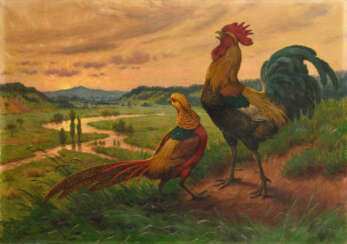

Georges-Frédéric Rötig was a French animal painter and illustrator best known for his depictions of wildlife.
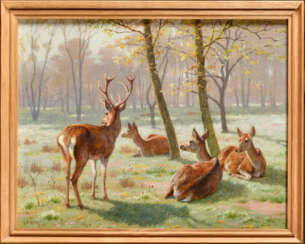

Georges-Frédéric Rötig was a French animal painter and illustrator best known for his depictions of wildlife.
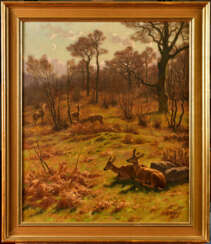

Georges-Frédéric Rötig was a French animal painter and illustrator best known for his depictions of wildlife.